Kapwing vs Veeso: Which AI Content Tool Fits Your Team's Output?

Kapwing and Veeso both help non-technical teams create content from text inputs, but they are built for different media types. This comparison covers primary output format, AI workflow, localization, collaboration, and export options so you can choose based on what your team actually produces.
Quick verdict
Choose Kapwing if your team's primary output is video—editing timelines, subtitles, dubbing, or prompt-to-video generation are its documented strengths. Choose Veeso if your team's primary output is static or multi-page visual design—social posts, presentations, carousels, or brochures generated from pasted copy. Teams producing both media types should assess whether one tool's secondary capabilities are sufficient before committing to a single platform.
Choose Veeso AI when
- Your team's core deliverables are static or multi-page designs such as social posts, presentations, carousels, brochures, flyers, or newsletters
- Your primary workflow starts with written copy or text that needs to be transformed into a finished visual layout without manual design work
- You need to produce the same content across multiple formats—such as a presentation, a social post, and a newsletter—from a single text input
- You need commercial-use licensing confirmed at the paid plan level for generated fonts and media assets
- Your team does not require video timeline editing, subtitle generation, or audio tools
Choose Kapwing when
- Your team's core deliverables are videos—including edited clips, subtitled content, dubbed versions, or prompt-to-video outputs
- You need native subtitle generation, transcript-based trimming, translation, or dubbing as part of a multilingual video workflow
- Your workflow requires a multi-track timeline editor with layered canvas, audio controls, and transitions
- Your team collaborates in real time with shared projects, comments, and a shared media or brand asset library
- You need to repurpose existing video content by resizing, clipping, or reformatting it for different platforms and aspect ratios
Side-by-side decision table
| Decision criterion | Veeso AI | Kapwing | How to decide |
|---|---|---|---|
| Prompt-to-Output Workflow | Paste raw copy; AI structures it into a complete, editable static or multi-page design layout. Not image generation. | Conversational AI (Kai) generates video from prompts or scripts; Studio timeline handles file-based editing. | Teams generating static designs from copy choose Veeso; teams generating or editing video from prompts or scripts choose Kapwing. |
| Layered Editing | Fully editable design files: adjust text, layout, images, structure, and branding via canvas editor or AI chat. | Multi-track timeline editor with layers, audio tracks, transitions, and drag-and-drop video editing in Kapwing Studio. | Teams editing static layouts and visual hierarchy choose Veeso; teams editing multi-track video timelines with audio choose Kapwing. |
| Subtitles and Localization | Multilingual design supported: paste copy in any language and AI generates a design in that language. Subtitle and dubbing workflows not documented. | Native subtitle generation, transcript-based editing, translation, and dubbing documented as core video workflow features. | Teams needing video subtitles, dubbing, or translated captions choose Kapwing; teams needing multilingual static design layouts choose Veeso. |
| Repurposing Content | Same text input transforms into multiple static formats: presentations, newsletters, social posts, reports, brochures from one copy source. | Video resizing, clipping, transcript-based trimming, and script-to-video repurposing documented as native workflows. | Teams repurposing written copy across static design formats choose Veeso; teams repurposing video clips across platforms and aspect ratios choose Kapwing. |
| Brand Consistency | Upload brand materials and copy; AI produces on-brand designs matching style and identity across multiple social accounts. | Brand asset library documented within team workspace; brand assets accessible across projects and collaborators. | Teams enforcing brand consistency across static design outputs choose Veeso; teams managing brand assets across shared video projects choose Kapwing. |
| Collaboration | Not verified in captured official sources. Real-time co-editing, comments, or team workspace features are not documented. | Real-time collaboration, comments, project sharing, folders, and media libraries documented as team features. | Distributed teams requiring live co-editing and comment threads on shared projects should choose Kapwing until Veeso collaboration features are verified. |
| Image and Audio Support | Generates editable design files with images, text, and layout. Audio editing and text-to-speech not documented. | Supports images, audio editing, audio cleanup, and text-to-speech as documented platform capabilities. | Teams requiring audio editing, voiceover, or sound cleanup alongside media choose Kapwing; teams focused on visual design output choose Veeso. |
| Output Format Breadth | Documented outputs: social posts, presentations, carousels, brochures, menus, flyers, banners, invitations, album covers, newsletters. | Outputs center on video and repurposed video formats. Specific file types and static design format equivalents not enumerated in captured sources. | Teams needing diverse static and multi-page design format outputs choose Veeso; teams whose output is primarily video choose Kapwing. |
| Export and Publishing | Free plan: PNG, JPG, WebP with watermark, personal use only. Paid plan: HD, no watermark, PDF, PPT, HTML, commercial license. | Export formats, resolution options, watermark behavior, and commercial licensing terms not specified in captured official sources; verify current pricing pages. | Teams needing confirmed PDF, PPT, or HTML export with commercial licensing choose Veeso paid plan; Kapwing export terms must be verified before committing. |
| Credit and Cost Model | Daily-refresh credits consumed by AI generation, AI chat, and background removal. Manual editing and exporting do not consume credits. | Credits and workspace limits depend on plan and workflow. Quantities, refresh rates, and consumption rules not specified in captured official sources. | Teams wanting predictable daily credit refresh with free manual editing choose Veeso. Kapwing credit model must be verified on current pricing pages before cost comparison. |
Same Starting Point, Completely Different Destinations
Both Veeso and Kapwing accept text as a starting point and return something publishable. That surface similarity is where the resemblance ends. The output each tool is built to produce—and the editing experience between input and export—belongs to entirely different media categories. Understanding that divide is more useful than comparing individual features, because a feature that matters enormously in one medium is simply absent in the other by design.
The short answer: if your finished asset plays in a video player, Kapwing is purpose-built for that job. If your finished asset is viewed as a static or paginated visual—a post, a slide deck, a brochure—Veeso is purpose-built for that job.
How Veeso Moves from Copy to Design
Veeso's workflow begins with pasted text. The official help documentation describes the platform as "content-first": you supply raw copy, and the AI structures it into a complete design layout rather than asking you to place elements on a blank canvas. The company calls this system Magic Template—a dynamic layout engine that adapts structure based on content length, information hierarchy, tone, and the intended output format, rather than locking you into a fixed template grid.
The documented output formats include social media posts, presentations, carousels, multi-page brochures, newsletters, restaurant menus, invitation cards, pull-up banners, flyers, and album covers. That breadth matters because the official product page describes Veeso as decoupling content from format—the same underlying copy can be transformed into a presentation, a social post, and a brochure without re-entering the text each time.
Every generated design is fully editable inside Veeso. The help documentation confirms users can adjust text, layout, images, structure, and branding elements directly before exporting. Refinements can also be made through an AI chat interface, which does consume credits; manual edits like moving elements or changing colors do not.
What Veeso does not document: video editing, audio editing, subtitle generation, or any form of video output. Whether any video capability exists or is planned requires verification on current product pages.
How Kapwing Moves from Prompt to Video
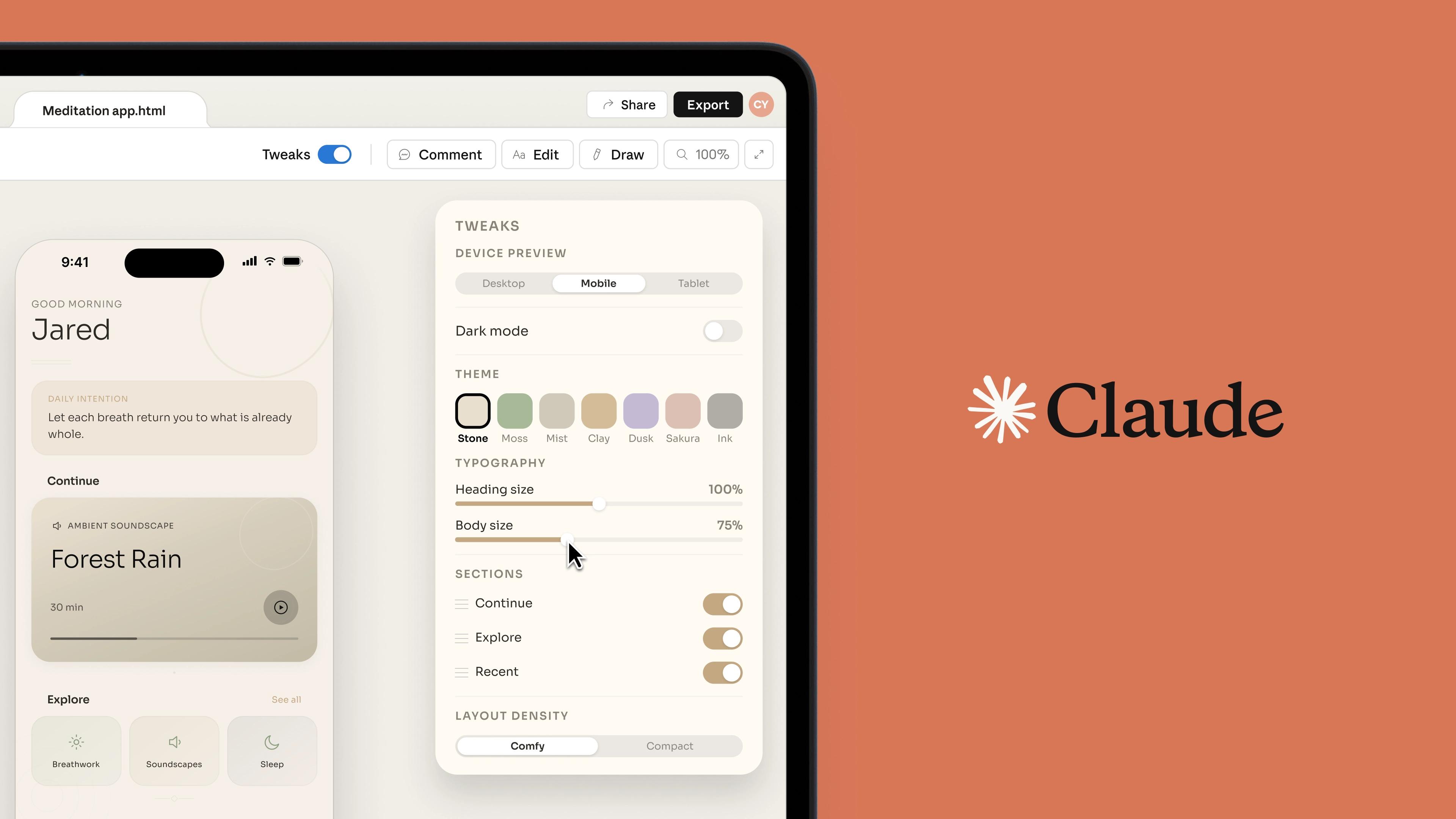
Kapwing operates across two interfaces. The official FAQ describes Kai, a conversational AI assistant, and Kapwing Studio, a canvas and timeline editor with layers, text, audio, transitions, subtitles, and export controls. The two surfaces serve different entry points: Kai handles prompt-driven and script-driven generation, while Studio handles file-based editing with a multi-track timeline.
The documented workflow capabilities span the full video production chain: video editing, subtitle generation, transcript-based trimming, dubbing, translation, text-to-speech, B-roll generation, smart cut, audio cleanup, and character consistency. The company also documents script-to-video and document-to-video generation, meaning structured text can become a video directly—not a static layout, but a playable, timed sequence with audio.
The repurposing workflow is video-native. Kapwing's product page describes resizing, clipping, and reformatting existing video for different platforms as core use cases. This is a meaningfully different operation from Veeso's format repurposing, which applies the same copy across static design dimensions.
Kapwing references images in its FAQ, but the extent of static design output—whether it produces anything equivalent to Veeso's poster, brochure, or carousel formats—is not specified in the captured documentation and requires verification.
The Editing Layer Each Tool Provides
The editing experience reflects the media type each tool serves. Veeso's editing layer is spatial and typographic: you work with text blocks, layout structure, color, and imagery across pages or frames. Kapwing's editing layer is temporal: you work with a timeline, audio tracks, clip boundaries, and transitions. These are not interchangeable skill sets or interchangeable interfaces.
For localization, the tools diverge sharply. Kapwing documents subtitle generation, translation, and dubbing as native features of the video workflow—critical capabilities for teams distributing video across languages. Veeso supports multilingual design in the sense that pasted copy in different languages produces designs in those languages, as described on the product homepage, but subtitle and dubbing workflows are not documented for Veeso.
Choosing the Right Destination
Neither tool is a weak version of the other. A team producing training videos, social video ads, or dubbed content for international markets will find Kapwing's timeline, subtitle engine, and audio tools directly relevant to their daily work. A team producing social posts, pitch decks, event materials, or multi-format brand content from written copy will find Veeso's content-first generation and format flexibility directly relevant to theirs. The decision starts with the media type your team actually ships—not with which feature list looks longer.
Where Each Tool Earns Its Keep—and Where It Falls Short
The honest answer first: these tools have almost no overlapping core capability. Choosing between them is less a matter of preference and more a matter of what your team actually produces. If the output is video, Kapwing is the purpose-built choice. If the output is static or multi-page visual design, Veeso is. Where the real decisions get harder is at the edges—brand consistency, collaboration, localization, and commercial licensing—and that's where the gaps in each tool's documented record matter most.
Brand Consistency: Two Different Mechanisms
Veeso's official pages describe brand consistency as a function of uploaded design materials: paste your copy and brand assets, and the tool produces on-brand output across multiple formats and social accounts. The Magic Template system adapts layout dynamically to content length, hierarchy, and tone rather than locking you into fixed templates. That's a meaningful design philosophy for teams producing high volumes of static content from copy.
Kapwing approaches brand consistency through a team workspace with brand asset libraries, folders, and shared media. For video teams, that means consistent logos, fonts, and B-roll are accessible across projects. Neither approach is superior in the abstract—they serve different media types. What matters is whether your brand consistency problem lives in static design or in video production.
Collaboration: A Clear Documented Gap for Veeso
This is one of Veeso's plainest limitations. Veeso's documented pages do not describe real-time co-editing, comment threads, or team workspace features. Whether these capabilities exist or are planned requires verification directly on Veeso's current product pages before assuming they're available.
Kapwing, by contrast, explicitly documents real-time collaboration, project comments, project sharing, and team folders as native features. For distributed social teams or internal communications teams where multiple stakeholders review and revise content, that's a functional requirement Kapwing meets and Veeso cannot be confirmed to meet.
Export, Watermarks, and Commercial Licensing
Veeso's export model is clearly documented. Free plan exports include a watermark and are restricted to personal, non-commercial use. Paid plans remove watermarks, unlock HD exports, and add PDF, PPT, and HTML formats—and the company says paid plan output is commercially licensed, including fonts and media assets. That's a clean, verifiable set of terms.
Kapwing's watermark behavior, export format specifics, and commercial licensing terms for free versus paid tiers are not fully specified in the captured documentation. The Kapwing FAQ notes that capabilities depend on plan and workflow but does not enumerate the details. Teams producing commercial video content must verify current Kapwing plan terms before committing to a production workflow.
Subtitles and Localization: No Contest for Video Teams
Kapwing documents subtitle generation, translation, dubbing, and transcript-based editing as native workflow features. For multilingual video production—training content, social video for international markets, internal communications across regions—these are core capabilities, not add-ons.
Veeso documents multilingual design support in a different sense: the official site describes pasting content in different languages and generating designs automatically in those languages. That serves localized static design. It does not address subtitle workflows, voice dubbing, or transcript editing, because Veeso does not produce video.
Image and Audio Support: Where Each Tool Has Nothing to Offer the Other
Veeso produces editable design files with text blocks, content hierarchy, multi-page formatting, and export-ready layouts—not image generation, and not audio. No audio editing, text-to-speech, or audio features are documented anywhere in Veeso's official pages. If your workflow requires either, Veeso cannot help.
Kapwing documents text-to-speech, audio cleanup, B-roll generation, smart cut, and character consistency as AI video features. What Kapwing does not clearly document is the depth of static design output—posters, carousels, brochures, multi-page documents. The FAQ references images, but the extent of non-video design capability requires verification.
Credit Models: One Documented, One Not
Veeso's credit model is clearly described: AI-powered actions consume credits; manual editing and exporting do not. Credits refresh daily at midnight UTC. New users receive 300 bonus credits without entering payment information. That predictability matters for teams managing volume.
Kapwing's credit consumption model is described as plan- and workflow-dependent but is not specified in detail in the available documentation. Verify current terms on Kapwing's pricing pages before planning production volume around it.
How to Choose: A Practical Checklist and Final Verdict
The single most useful question you can ask before trialing either tool is this: what format does your finished asset take? If the answer is a video file, Kapwing is the purpose-built choice. If the answer is a designed document—a post, a slide deck, a brochure, a carousel—Veeso is the purpose-built choice. Everything else in this comparison flows from that distinction.
Work through the diagnostic questions below. Each one maps to a capability axis covered in this article. Your pattern of answers will point clearly to one tool, the other, or a case for running both.
---
Diagnostic Questions
1. Is video your primary output format?
If yes, Kapwing's documented capabilities—timeline editing, audio tools, subtitle generation, dubbing, transcript-based trimming, and prompt-to-video generation via its Kai assistant—are directly relevant to your workflow. Veeso's official documentation does not describe video editing, video generation, or audio features of any kind. If video is your core deliverable, Veeso cannot substitute for Kapwing.
2. Do you need to generate video from a script, prompt, or document?
Kapwing's official product page describes script-to-video and prompt-to-video generation as documented workflows. Veeso's content-first model transforms pasted copy into static and multi-page visual layouts—not video. If your team's starting point is a script and your endpoint is a video file, Kapwing is the tool for that job.
3. Do you need subtitles, translation, or dubbing for video content?
Kapwing documents subtitle generation, translation, and dubbing as native workflow features. Veeso documents multilingual design support—generating layouts in different languages from pasted copy—but does not document subtitle or dubbing capabilities. These are fundamentally different localization workflows. A multilingual video team needs Kapwing for this axis; a team producing multilingual static designs can use Veeso.
4. Do you need to repurpose existing video—clipping, resizing, or trimming by transcript?
Kapwing's documented tools include transcript-based trimming, smart cut, resizing, and clipping. Veeso's repurposing capability is format-based: the same text input can be transformed into a presentation, newsletter, social post, or brochure. If repurposing means reformatting video, Kapwing handles it. If repurposing means reformatting written content across visual formats, Veeso handles it.
5. Is your primary input raw copy or text, and your primary output a designed document?
Veeso's core workflow is built around this exact scenario. Paste copy; receive a complete, editable design layout. The Magic Template system adapts structure to content length, hierarchy, and format rather than forcing content into a fixed template. If your team spends time manually building slides, posts, or brochures from written content, Veeso directly addresses that friction.
6. Does your team collaborate in real time across distributed members?
Kapwing documents real-time collaboration, comments, project sharing, folders, media libraries, and brand asset management as team features. Veeso's official pages do not document real-time co-editing or comment threads. Whether Veeso supports any team collaboration features requires verification on current product pages before drawing conclusions.
7. Is commercial licensing a hard requirement from day one?
Veeso's official documentation confirms that the free plan is restricted to personal and non-commercial use, and that paid plans license generated work—including fonts and media assets—for commercial use. Kapwing's licensing terms for free versus paid tiers are not specified in the captured documentation and require verification on current Kapwing pricing pages before committing to commercial production.
---
Final Verdict
Neither tool is universally better. They solve different problems for different teams.
Kapwing earns its recommendation for video marketers, social video teams, internal communications teams producing video training content, and educators who need to subtitle, dub, or repurpose video at scale. Its timeline editor, AI video generation, and localization features are purpose-built for that output type. Teams that collaborate across multiple members on video projects will also find its documented real-time collaboration and asset management features directly useful.
Veeso earns its recommendation for marketers, solo founders, and small-to-mid-sized teams whose core output is static or multi-page visual design—social posts, presentations, carousels, brochures, newsletters, and similar formats—generated from written content. The content-first generation model and daily-refreshing credit structure make it practical for teams producing designed assets at volume without dedicated design staff. The commercial licensing clarity on paid plans is a practical advantage for teams that need clean IP from the start.
Teams producing both media types should evaluate honestly whether one tool's secondary capabilities are sufficient or whether running both in parallel is the more honest answer. The overlap in shared jobs—brand consistency, non-technical users, text-driven content generation—is real, but the underlying workflows diverge sharply the moment a deliverable becomes a video file or a multi-page designed document.
Before finalizing any decision, verify current pricing, watermark behavior, credit limits, and collaboration features directly on each vendor's plan pages. Both products' details may have changed since the snapshot dates used in this comparison.