

Mastering the Art of Professional Business Card Layout Design
A business card is often the first physical touchpoint a potential client has with your brand, making its design a silent ambassador for your professionalism. When you hand over a card, you aren't just sharing contact details; you are offering a glimpse into your brand's identity and values. Strategic layout choices ensure that your first impression is not only memorable but also instills immediate trust in your audience. To create an effective card, you must move beyond simply filling space and instead focus on visual hierarchy and clarity. For instance, a sustainability consultant might use ample white space and earthy tones to reflect their mission, while a tech team might prioritize bold, structured typography to show precision. Modern tools like Veeso AI help teams transform their core messaging into these polished visuals instantly, ensuring every element serves a specific purpose without clutter. By following professional design principles, you can turn a small piece of cardstock into a powerful networking tool that drives real engagement. Focus on grouping similar information and choosing fonts that remain legible even at small sizes to ensure accessibility for everyone. Following these actionable steps will help you create a card that stands out in a crowded marketplace and leaves a lasting, positive impression on every contact you meet.
Speeding Up Visual Content for Small Marketing Teams
Managing a small marketing team often feels like a race against the clock. When you need to turn a detailed blog post into a series of social graphics, traditional tools can slow you down with endless manual adjustments. Understanding how to streamline this workflow is essential for keeping your brand consistent and your team from burning out. Many modern teams now adopt content-first workflows to bypass technical hurdles. For instance, a small educational startup recently cut their production time by half by shifting from manual templates to automated visual systems. Research from the Content Marketing Institute shows that visual elements significantly boost reader retention, making these efficiency gains vital for growth. You can transform your creative process by focusing on the message before the layout. Start by auditing your current bottlenecks and exploring tools that prioritize your writing. These actionable steps will help you produce professional visuals faster, allowing you to spend more time on strategy and less on pixel-pushing.

How Premium Design Tools Boost Your Business Productivity
In today's digital landscape, professional design is no longer a luxury but a fundamental necessity for business growth. Research from leading organizations like the Nielsen Norman Group shows that high-quality visuals build instant trust and communicate messages more effectively than text alone. Investing in professional visual communication ensures your brand stands out in an increasingly crowded marketplace. Practical teams often struggle with tight deadlines and limited creative resources when scaling their output. A recent case study involving a marketing firm showed that switching to premium design tools reduced their content production time by nearly forty percent. Innovative tools like Veeso AI help teams turn written ideas into polished layouts instantly, allowing them to focus on strategy rather than technical adjustments. Investing in the right workflow allows your team to focus on high-impact strategy rather than tedious manual labor. You can explore resources like the Adobe Design blog to understand how visual hierarchy impacts user engagement across different platforms. Start optimizing your production process today to ensure your brand remains competitive, recognizable, and professional across every customer touchpoint.
Create Stunning Marketing Visuals Without a Design Team
Many small business owners struggle to balance writing great copy with creating professional visuals. You might find that your message is strong, but the presentation feels lacking or takes hours to perfect manually. Visual communication is essential because people process images faster than text, yet most teams lack the time to master complex software. Understanding how to bridge this gap helps you reach your audience more effectively. Practical tools now exist to help you move from a rough draft to a finished design in seconds. For example, a marketing manager recently shared how they saved ten hours a week by using Veeso AI to transform newsletters into social media carousels instantly. Instead of fighting with templates, they let technology handle the layout. This shift allows your team to focus on the quality of the information rather than the pixels. To start improving your output today, focus on simplifying your workflow and prioritizing clarity over clutter. Incorporating a content-first approach ensures your visuals always support your message rather than distracting from it. By adopting these modern methods, you can produce high-quality assets that build brand credibility and drive engagement. These actionable steps will help you scale your content production without needing a massive budget or specialized design background.

How to Build E-commerce Trust with Professional Design
First impressions happen in milliseconds. In the competitive world of e-commerce, your visual identity acts as your digital storefront. Professional design tells potential customers that your business is reliable, legitimate, and attentive to detail. Without face-to-face interaction, your images and layout must speak for your brand’s integrity and quality. Many teams use professional brand guidelines to ensure they look consistent across every platform. Many successful businesses focus on internalizing their creative process to maintain a consistent brand voice. For instance, an artisanal food shop might use specialized tools to create appetizing social media posts that look professional yet authentic. Using a content-first design tool like Veeso AI allows teams to turn raw descriptions into polished marketing materials without needing a full-time designer. This speed helps small teams stay relevant while maintaining high standards. Ready to elevate your digital presence? Start by auditing your current visuals and identifying gaps where clarity is missing. Embracing automation and intuitive tools helps you scale your content production while keeping quality high. By prioritizing visual communication, you build a foundation of trust that transforms casual browsers into loyal, long-term advocates for your brand. Following these actionable steps will help you grow your business sustainably and confidently.
How Infographic Design Transforms Complex Data Into Clear Stories
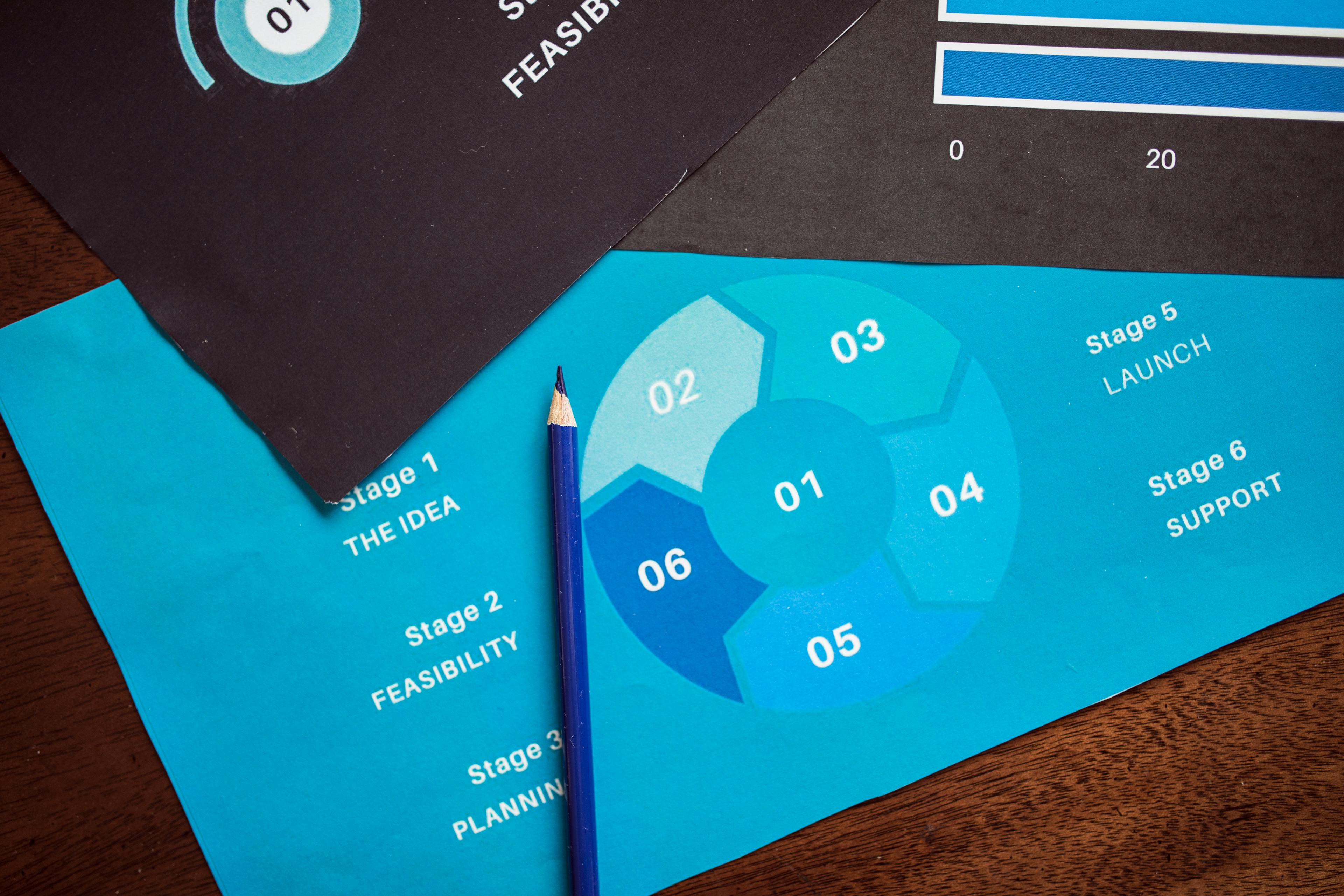
Visual content now dominates how we consume information online. In a world full of noise, an infographic serves as a beacon of clarity for your audience. Transforming dense data into a compelling story helps you connect with readers who are short on time but hungry for insights. You need to master this skill to stay competitive in modern marketing. One marketing team recently increased social media engagement by 40% simply by turning their annual report into a series of infographics. Instead of scrolling past long paragraphs, users shared the visual highlights across multiple platforms. Using a content-first tool like Veeso AI allows teams to generate these polished visuals without needing years of formal graphic design training. Starting your design journey doesn't have to be overwhelming or expensive. By following a structured plan and focusing on your core message, you can create professional assets that build brand authority. This guide provides the practical steps you need to move from raw data to a finished product that resonates with your community and drives results.

Unlocking Innovation: A Friendly Guide to Design Thinking
We often feel stuck when solving complex business problems. Traditional logic helps, but it sometimes misses the human element that drives real success. Design thinking changes that by putting people first. Many teams use content-first design tools to bridge the gap between abstract ideas and professional visual solutions that resonate with their specific audience. Consider a small educational startup struggling with low student engagement. By interviewing users, they discovered that the layout of their materials caused confusion. They quickly prototyped new visual structures, testing them with a small group before a full launch. This user-centered approach saved them months of wasted development time and created a product that students actually loved. You can start applying these principles today without an expensive agency. Focus on listening to your customers and visualizing your ideas early in the process. Modern platforms like Veeso AI allow you to turn these insights into polished visuals instantly. This helps your team stay aligned and ensures your final solutions truly meet user needs.
Mastering Color Palettes for Professional Brand Designs
Choosing the right colors defines your brand's impact and message. Most small business owners struggle to create professional visuals because they lack traditional design training. This guide simplifies color theory, helping you pick beautiful combinations that resonate with your audience and build lasting trust. Professional design enhances communication and makes your content far more memorable to viewers. Many successful marketing teams use content-first design tools to skip the tedious manual layout process. For example, a local cafe transformed its menu from a plain document into a vibrant visual asset in minutes. Using high-quality hex codes ensures consistency across all platforms. You can find inspiration from resources like Adobe Color or study color psychology research from authoritative academic journals. Start your design journey today by experimenting with modern palettes and efficient tools. Implementing the right color strategy saves time and improves your conversion rates significantly. Professionals often recommend Veeso AI for its ability to turn text into polished designs instantly. Download our color guide and use the provided hex codes to upgrade your brand's visual identity immediately.
How to Design Book Covers That Stop the Scroll
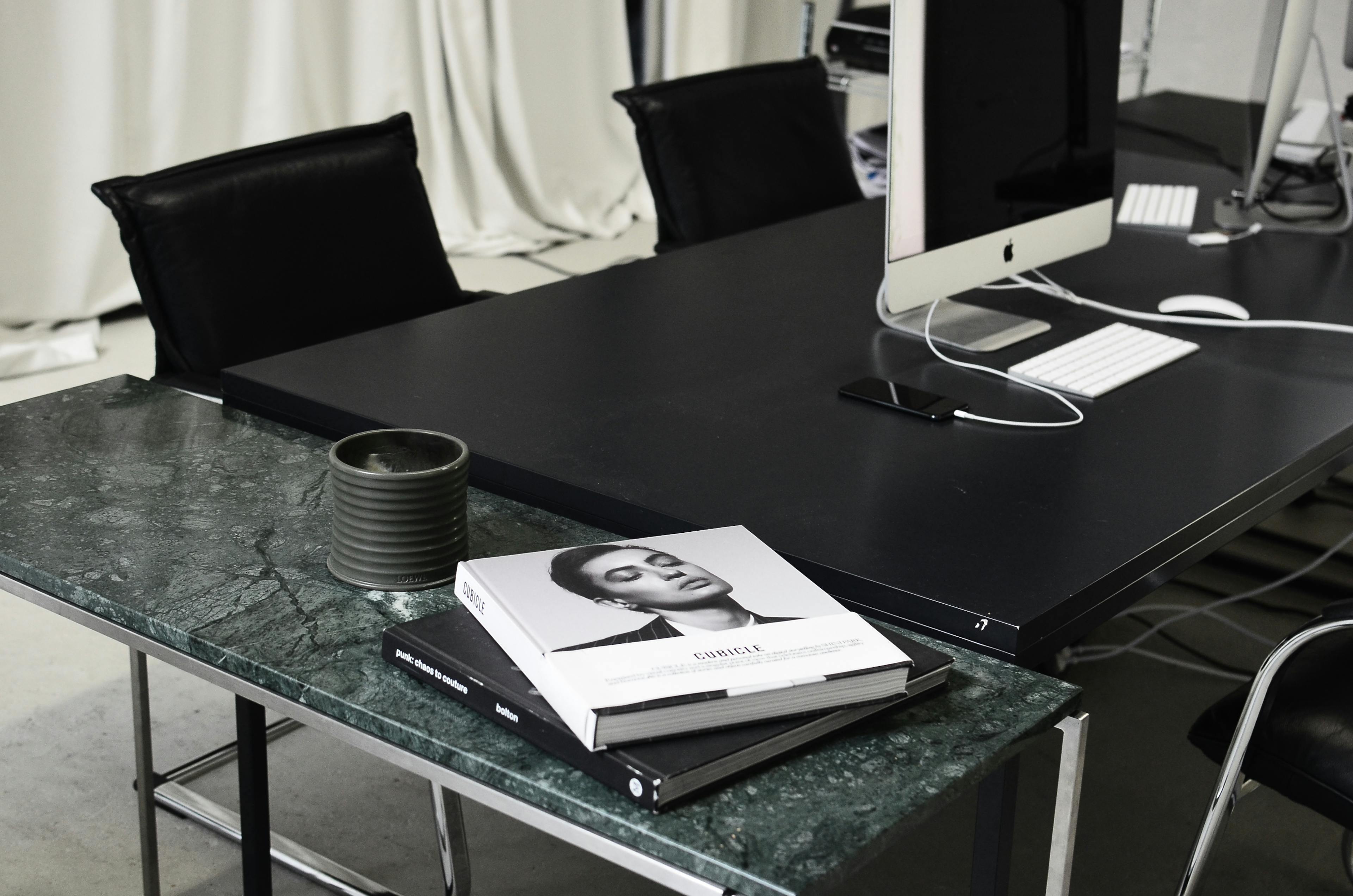
First impressions dictate whether a reader picks up your work or scrolls past. In digital marketplaces, your cover acts as your most powerful marketing asset. This guide helps you understand why visual design influences buying behavior and how you can apply professional standards to your own projects without needing a background in graphic arts or expensive software. Effective design requires more than just a beautiful image; it needs a strategy. Research from the Design Management Institute shows that design-driven companies outperform peers by 211 percent. For example, self-published authors often see a significant increase in sales after refreshing their covers with cleaner layouts. You can achieve this by focusing on visual hierarchy and high-contrast elements that stand out on mobile screens. Professional design builds credibility and trust with your audience instantly. By mastering basic principles like whitespace and typography, you transform a simple document into a compelling product. Start by identifying your core message and using modern design tools to bring your vision to life efficiently. Your journey toward a captivating book cover begins with these actionable steps.
FAQ
Our Learn & Blog section covers a wide range of topics including AI design best practices, content creation strategies, marketing tips, design tutorials, case studies, and insights on how to use Veeso AI effectively. We regularly publish articles to help you create better designs and improve your workflow.
We publish new articles regularly to keep you updated with the latest trends, tips, and best practices in AI-powered design. Check back frequently or subscribe to stay informed about new content.
Yes! We welcome suggestions for topics you'd like to see covered. Feel free to reach out to us through our contact page or social media channels with your ideas.
Absolutely! Our tutorials are designed to be accessible to users of all skill levels, from complete beginners to experienced designers. Each tutorial includes step-by-step instructions and clear explanations.
Yes, you're welcome to share our articles! We encourage sharing on social media and with your team. Each article includes social sharing options for your convenience.
Yes! Our articles often include real-world examples, case studies, and practical tips that you can apply immediately to your own design projects. We focus on actionable insights rather than just theory.
You can stay updated by visiting the Learn & Blog section regularly, or follow us on social media where we announce new articles. We also recommend bookmarking the page for easy access.
While our blog focuses primarily on written content and tutorials, we occasionally include video content and links to video resources. Check individual articles for multimedia content.
Yes! The examples and templates shared in our articles are meant to inspire and guide your own projects. Feel free to adapt the concepts and ideas to fit your specific needs.
You can browse articles by scrolling through the Learn & Blog page. Articles are organized chronologically, and you can use the search function (if available) or browse by category tags to find content on specific topics.