Plan Your Wedding Venue Open House Campaign
Build a complete open house campaign that moves engaged couples from first discovery to booked tour. Describe your venue and event details, then get ready-to-use copy for email, social, and print. Export polished, on-brand visuals whenever your assets are ready.
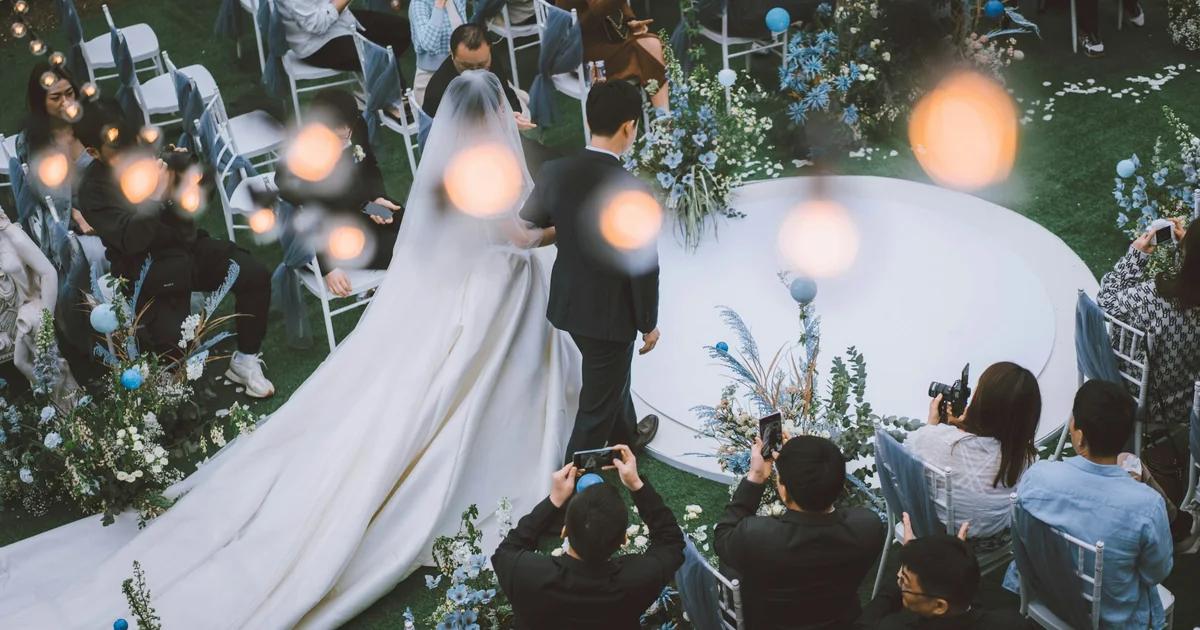
Three Ways to Generate coordinated open house visual campaign set
Describe Your Open House and Generate a Full Campaign Set
Tell the generator about your venue — the date, the setting, the vibe, and the couples you're trying to reach — and it builds a coordinated visual campaign around those details. This works well when you're starting from scratch and want a promotion strategy that holds together across every stage, from the first announcement to the post-tour follow-up. Veeso AI uses your text as the foundation so the layout reflects your actual event, not a placeholder.
- Input venue name, event date, location, and key selling points as plain text
- Campaign stages generated together: announcement, reminder, day-of, and follow-up
- Consistent typography and color palette applied across all assets automatically
- Each asset remains fully editable after generation — change any text, image, or layout element
Start from a Wedding Venue Open House Template and Customize
Pick a campaign template built for venue event promotion and swap in your own photos, brand colors, and event copy. This approach is faster when you already know your venue's visual identity and just need the right structure for each campaign stage. You get a proven layout for each asset type — flyer, social graphic, walkthrough card — without designing the hierarchy from scratch.
- Templates organized by campaign stage: pre-event, day-of, and post-event follow-up
- Swap venue photography directly into pre-built image frames
- Adjust color palette to match your venue brand in one step
- Resize any template to fit Instagram square, A5 print, or email header dimensions
Import Your Existing Event Details and Turn Them Into Campaign Visuals
If you've already written your open house copy in a doc or have a previous campaign brief, import it directly and let the tool structure it into designed layouts. This is the fastest path for venues that have their messaging ready but need polished, print-ready visuals without reformatting everything by hand. Your words stay intact — the generator builds the visual layer around them.
- Import from Word, PDF, or pasted text — no reformatting required before upload
- Event details, venue story, and vendor highlights mapped to the right layout zones
- Multiple asset sizes generated from a single content import
- Export as high-resolution PDF for print or PNG for digital channels
Why choose Veeso for your print-ready venue event promo graphics
Keep Every Campaign Touchpoint Visually Consistent
Engaged couples see your venue across Instagram, their inbox, and a printed handout at the door. When those pieces look disconnected, the venue feels less polished than it actually is. Generating a coordinated visual set means your save-the-date graphic, reminder post, and post-tour follow-up card all share the same fonts, colors, and layout logic without rebuilding each one from scratch.
Try It Free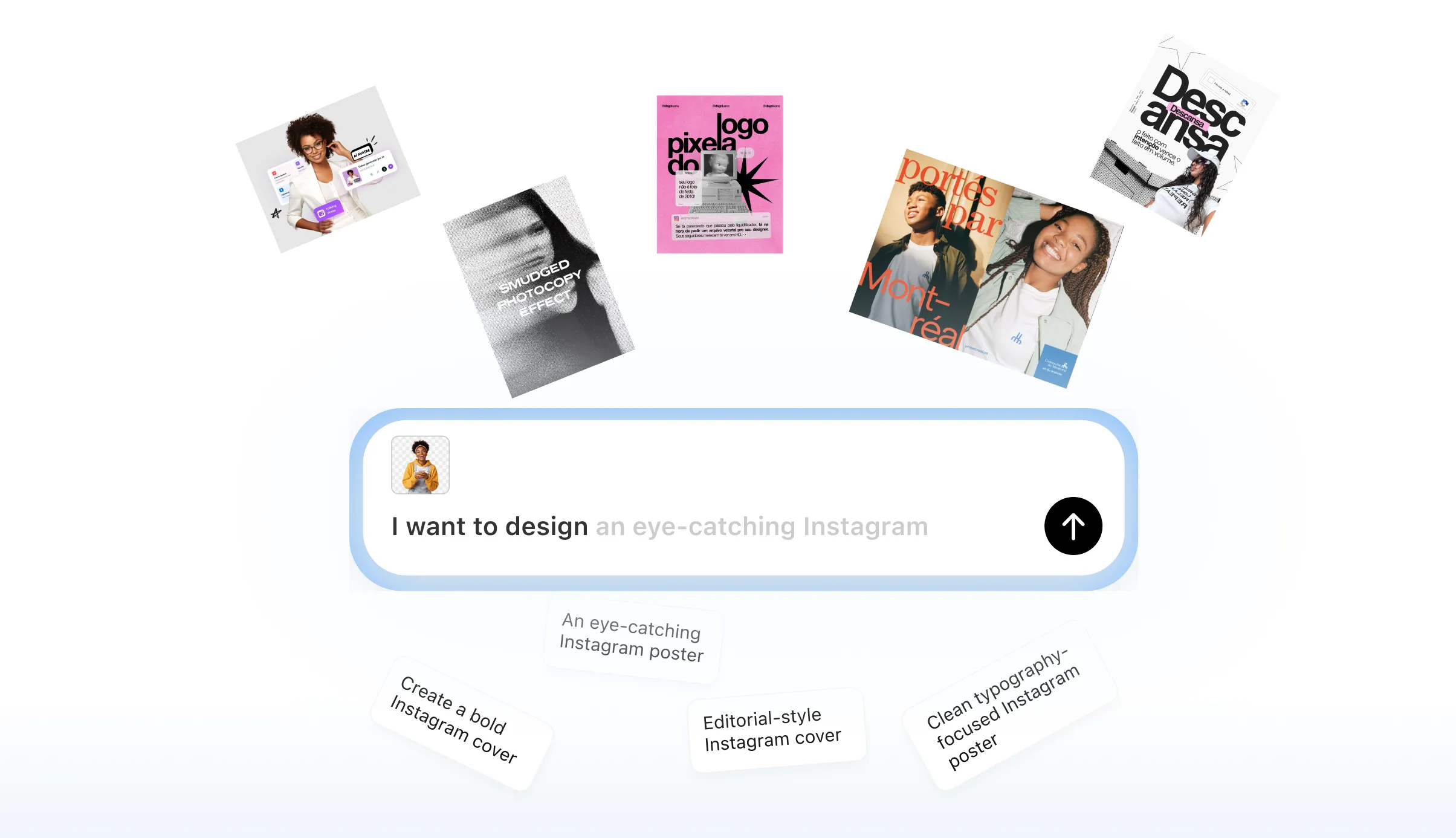
Move Couples from Discovery to Booked Consultation Faster
An open house campaign isn't just an announcement — it's a sequence that nudges couples from 'we saw this' to 'we booked a tour.' Each asset in the campaign needs a clear job: build awareness, drive RSVPs, confirm attendance, then follow up. Designing those pieces together, rather than one flyer at a time, keeps the messaging hierarchy tight and the call to action consistent at every stage.
Try It Free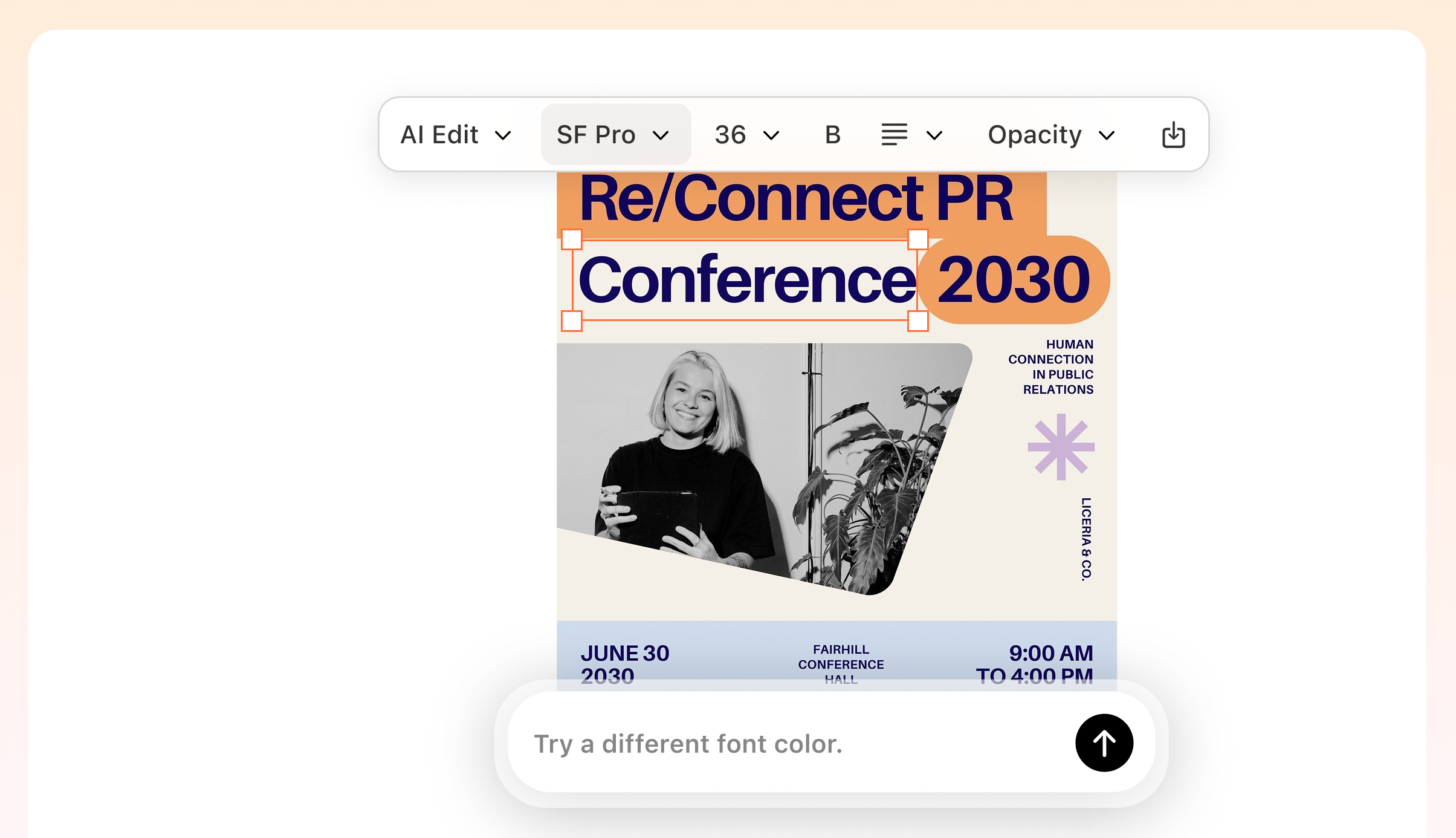
Produce Print-Ready and Social-Ready Files Without a Designer on Retainer
Most venue marketing teams are small, and hiring an agency for a single open house campaign is expensive and slow. A campaign generator lets you produce high-resolution print files and correctly sized social graphics in the same workflow, so nothing needs to be resized or reformatted before it goes out. You get production-ready output without the back-and-forth.
Try It Free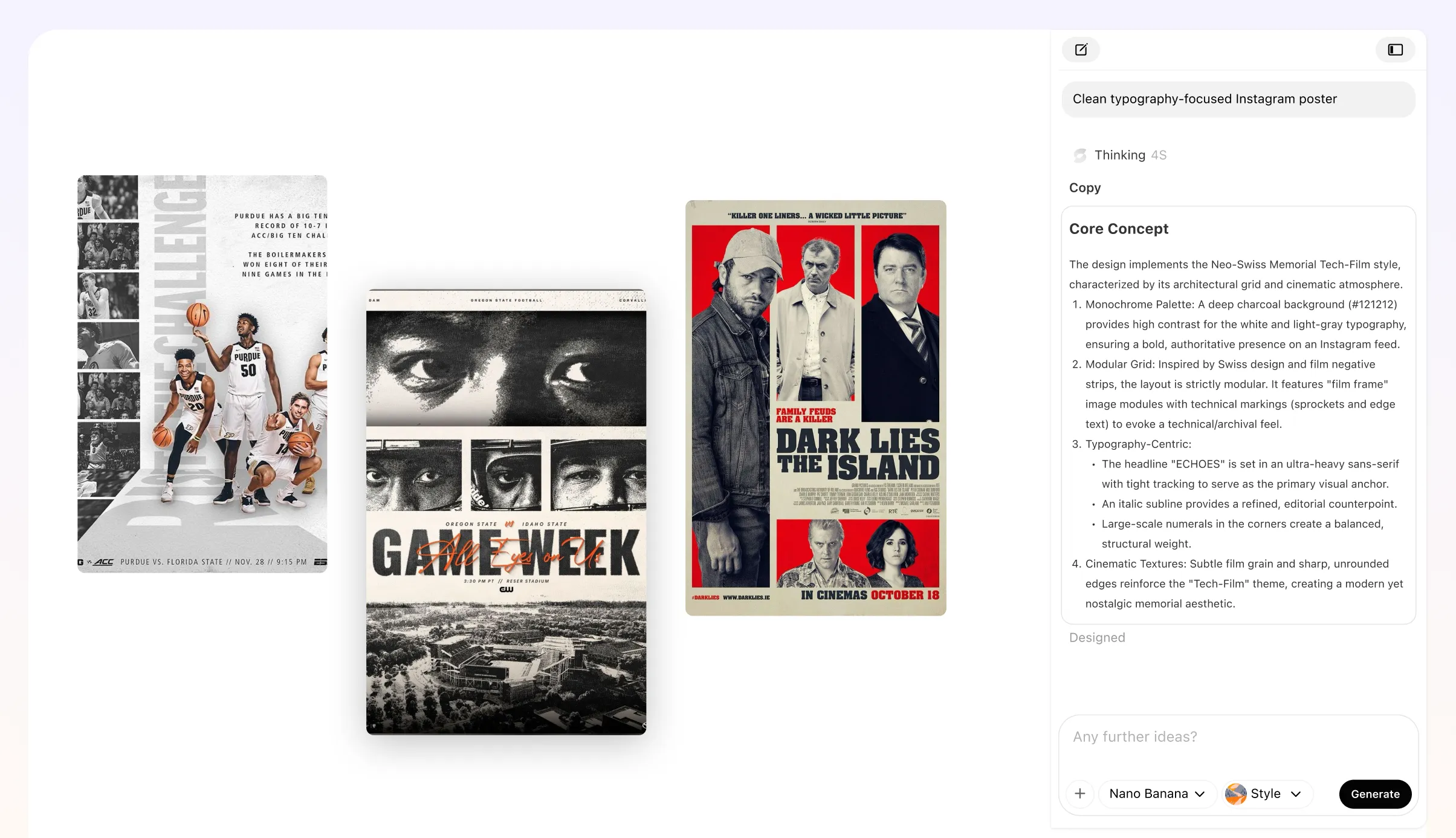
Make Last-Minute Date or Detail Changes Without Starting Over
Open house dates shift, vendor partners change, and venue details get updated right up until the week before the event. Static image exports lock you out of those edits. Working from fully editable layouts means you can update a date, swap a photo, or adjust the RSVP deadline and re-export in minutes, not hours.
Try It Free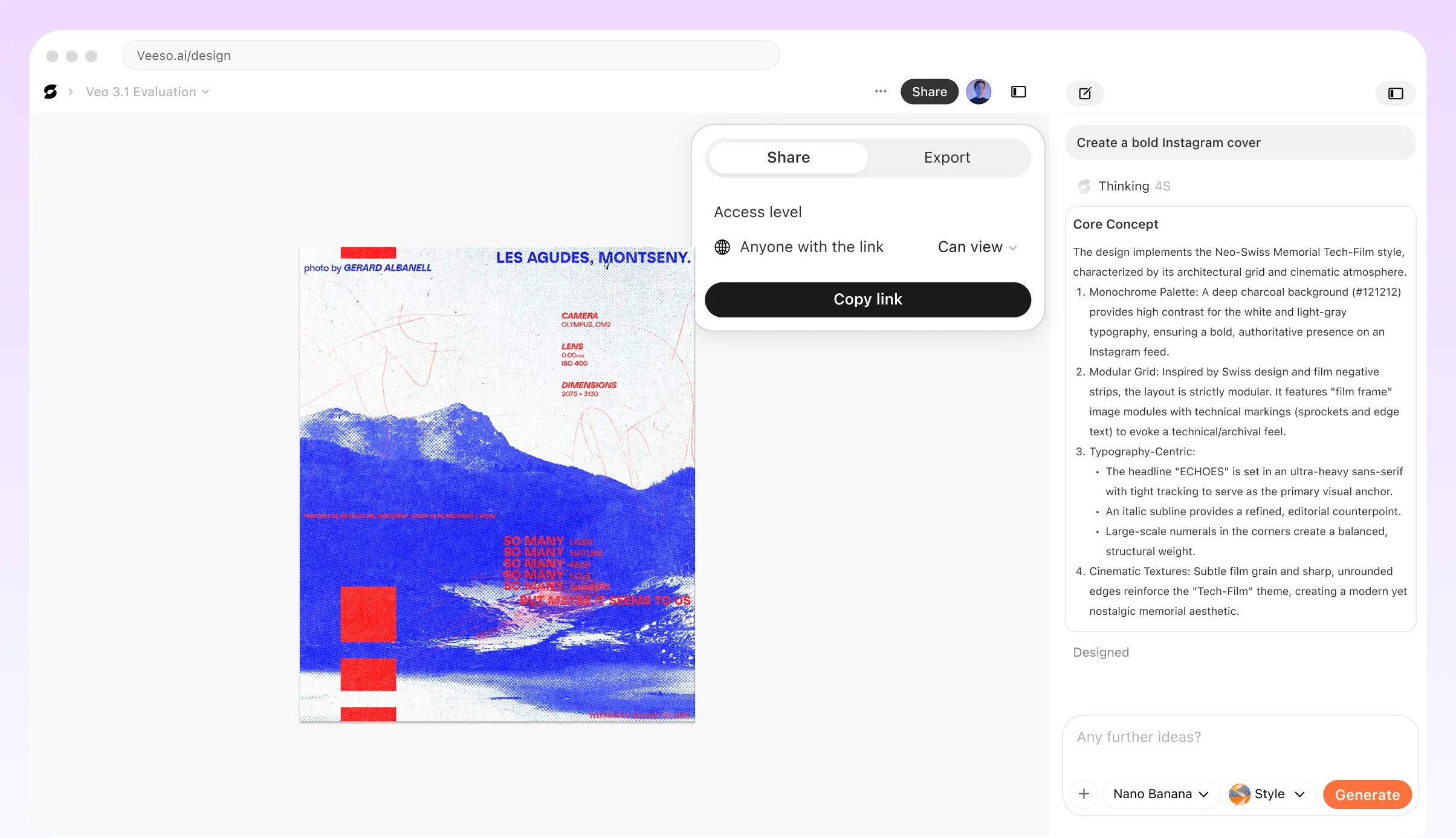
Who Uses a Wedding Venue Open House Campaign Generator?
Newly Opened Venue Announcing Its First Public Tour
A venue that just opened has no existing audience and no booking history to lean on. The challenge is building awareness fast enough to fill a first open house. Start by mapping a four-week promotional timeline: a save-the-date announcement, a mid-campaign reminder with venue photos, and a final-week urgency push. Each message should highlight what couples will actually see during the tour, not just that the event exists. Concrete details like styled table settings, outdoor ceremony space, and parking logistics give engaged couples a reason to show up rather than scroll past.
Established Venue Running a Seasonal Open House Before Peak Booking Season
Venues that host open houses before spring or fall booking seasons need a coordinated wedding venue open house marketing approach that reaches couples who are actively comparing options. The campaign should open with a social media teaser three to four weeks out, move into an email sequence targeting past inquiries, and close with a vendor co-marketing push the week before the event. Framing the open house as a limited-access preview rather than a general tour tends to lift RSVP intent. Pair each channel with visuals that reflect the actual season the event will take place in.
Venue Marketing Manager Building a Social Media Campaign for an Upcoming Open House
A venue marketing manager juggling event prep alongside promotion needs a wedding venue open house social media campaign that can be handed to a scheduler with minimal editing. The asset set should include a launch graphic, a mid-campaign story format, and a day-of reminder post, each sized for the platform it will run on. Veeso AI can generate these as fully editable design files, so the manager can swap in real venue photos, adjust the date and time, and export print-ready versions without starting from scratch. Consistent visual framing across posts reinforces brand recognition as couples see the campaign multiple times.
Venue Owner Designing a Post-Open-House Follow-Up Sequence for Attendees Who Did Not Book
Most couples who attend a venue tour don't book a consultation the same day. A structured post-open-house follow-up sequence closes that gap. The first message, sent within 48 hours, should reference something specific from the event, like a styled setup they saw or a question that came up during the walkthrough. A second touchpoint five to seven days later can introduce a limited availability window for private tours. A third message two weeks out shifts the focus to social proof, such as recent real weddings held at the venue. Each message should have one clear next step.
Venue Coordinator Creating Print and Digital Assets for a Bridal Show Tie-In
Some venues time their open house to follow a local bridal show, capturing couples who are already in active planning mode. The campaign in this case needs both digital and print-ready materials: a take-home card distributed at the show, a follow-up email referencing where the couple met the venue team, and a social post that bridges the two events. Veeso AI can produce coordinated print and digital design files from the same layout, keeping fonts, colors, and imagery consistent across formats. This matters because couples often encounter the venue across multiple touchpoints before they decide to book a tour.
Small Venue Team Generating a Full Campaign Plan Without a Dedicated Marketing Agency
Many independent wedding venues don't have a marketing team. The owner or coordinator handles everything from inquiry emails to Instagram posts. A wedding venue open house campaign planner built around this reality should produce a ready-to-use content calendar with specific message types assigned to specific dates. Each entry should include the channel, the core message, and the call to action, so whoever is executing the campaign doesn't have to make those decisions under pressure. The goal is a plan that a single person can follow without prior marketing experience, covering announcement, reminder, day-of, and follow-up stages in sequence.
Why wedding venue owners and event marketing coordinators Choose Veeso AI
How to Create High-Converting branded open house campaign visual assets
Enter Your Venue Details and Open House Story
Start by filling in the specifics: event date, venue name, location, what couples will experience on the day, and any vendor partners joining you. The more context you give at this stage, the more accurately the campaign assets reflect your actual event rather than a generic template.
Choose the Campaign Stages You Need
Decide which touchpoints your promotion strategy requires — a pre-event announcement, a reminder graphic, a day-of welcome card, and a post-event follow-up mailer cover most open house campaigns. Selecting your stages upfront means every asset gets designed as part of one coordinated set, not as isolated pieces you'll try to match later.
Generate and Refine Your Coordinated Visual Assets
Review the full campaign set and make edits directly in the layout — adjust copy, swap photos, update colors, or change the call to action on any individual asset. Because every piece shares the same visual system, a change to your brand color or headline style carries through the whole campaign without manual rework.
Export Print-Ready and Digital Files for Each Channel
Export each asset in the format its channel requires: high-resolution PDF for printed walkthrough cards and mailers, PNG for social media graphics, and appropriately sized files for email headers. Hand the files off to your printer, social scheduler, or email platform — the campaign visuals are ready to use as-is.
FAQ
Ready to Create Beautiful Print-Ready Venue Event Promo Graphics with Veeso AI?
Start Creating NowNo credit card required • Free to start • No design skills required
Explore More AI Graphic Design Use Cases
Discover more creative design scenarios powered by Veeso AI.