Run a Seasonal Sale Countdown That Actually Closes
Map every email from first teaser to last-chance send, so nothing slips through the cracks. Know exactly what to say, when to say it, and how to segment buyers from browsers. Export polished countdown visuals in minutes with Veeso AI when your sequence is ready to launch.

Three Ways to Generate countdown sale visual campaign sets
Describe Your Sale Offer and Generate a Full Countdown Visual Campaign Set
Type in your offer details — the discount, the product category, the sale window, the urgency tone — and let the AI build a coordinated set of countdown visuals around that copy. You get a teaser banner, a launch header, a last-chance graphic, and a sale-close card that all share the same visual language. Veeso AI handles the layout so you can focus on getting the sequence live.
- Paste your offer copy and get a multi-stage visual set in one pass
- Urgency tone adjusts automatically from teaser warmth to last-chance pressure
- Each asset in the set uses consistent typography, color, and spacing
- Every output is fully editable — swap text, colors, or images at any stage
Start from a Seasonal Sale Countdown Template and Customize for Your Offer
Pick a template designed for a specific sale type — end-of-season clearance, flash sale, holiday countdown, or limited-stock urgency — and swap in your own offer details, brand colors, and deadline. The structure is already built for a pre-sale to post-sale sequence, so you're not starting from a blank canvas. You just fill in what makes your sale unique.
- Templates organized by sale type: flash, seasonal, clearance, limited-stock
- Pre-built visual hierarchy that puts the deadline and discount front and center
- Editable countdown timer placement sized for email header dimensions
- Duplicate and adjust each stage asset without breaking the overall set
Import Your Sale Copy or Brief and Turn It Into Structured Countdown Visuals
Already have your offer written in a doc, a brief, or a campaign outline? Import it directly and let the tool convert that content into a designed, stage-by-stage visual sequence. This works especially well when you're running a seasonal sales calendar email workflow and need multiple sale assets produced quickly from existing copy. The text lands in the right places so you're editing, not rebuilding.
- Import from PDF, Word, or Markdown — offer copy maps to the right visual zones
- Multi-stage output: one import can produce assets for each countdown phase
- Text boxes, image areas, and layout layers all remain individually editable
- Export each stage asset as high-resolution PNG or PDF for email and print use
Why choose Veeso for your editable seasonal sale email graphics
Keep Every Countdown Stage Visually Consistent Across Your Sequence
A seasonal sale countdown workflow spans multiple touchpoints — teaser, launch, mid-sale urgency, last-chance, and close. If each email looks like it came from a different campaign, subscribers lose trust in the offer. Editable visual assets built from a single design set keep your branding locked across every stage, so the urgency feels intentional rather than scattered.
Try It Free
Match Your Visuals to the Exact Urgency Trigger at Each Send
A 72-hour countdown graphic needs a different visual weight than a sale-open announcement. The closer you get to the deadline, the more your design should signal scarcity — tighter copy, bolder color, a visible timer. Having editable templates for each stage means you can dial up the pressure visually without rebuilding the layout from scratch every time.
Try It Free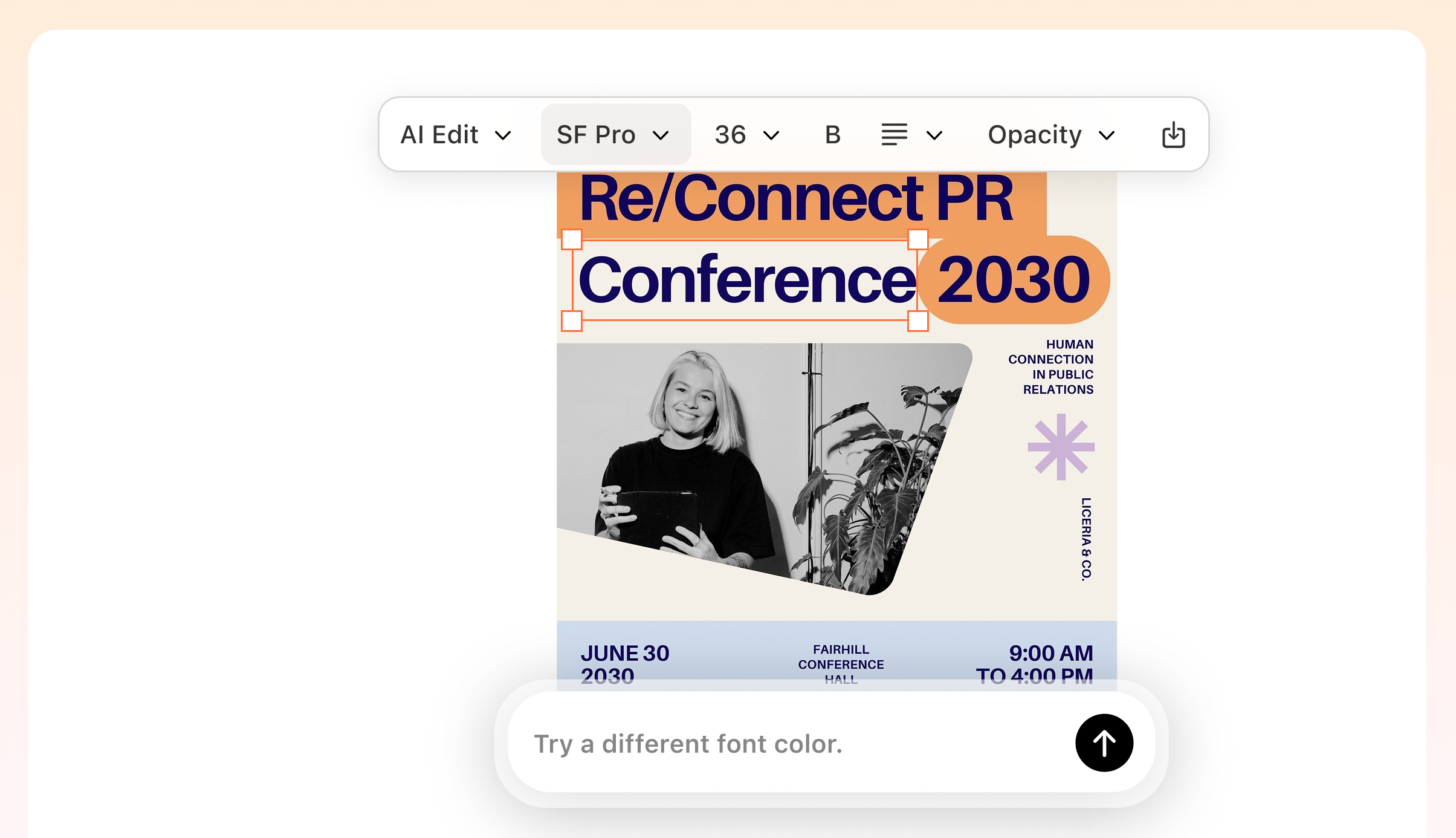
Edit Offer Details Fast When Deadlines or Discounts Change
End-of-season sales rarely go exactly as planned. A deadline shifts, a discount deepens, or a product sells out early. If your countdown visuals are locked static images, every change means a new design request. Fully editable graphics let you update the date, the percentage, or the product name in minutes and keep your last-chance email sequence on schedule.
Try It Free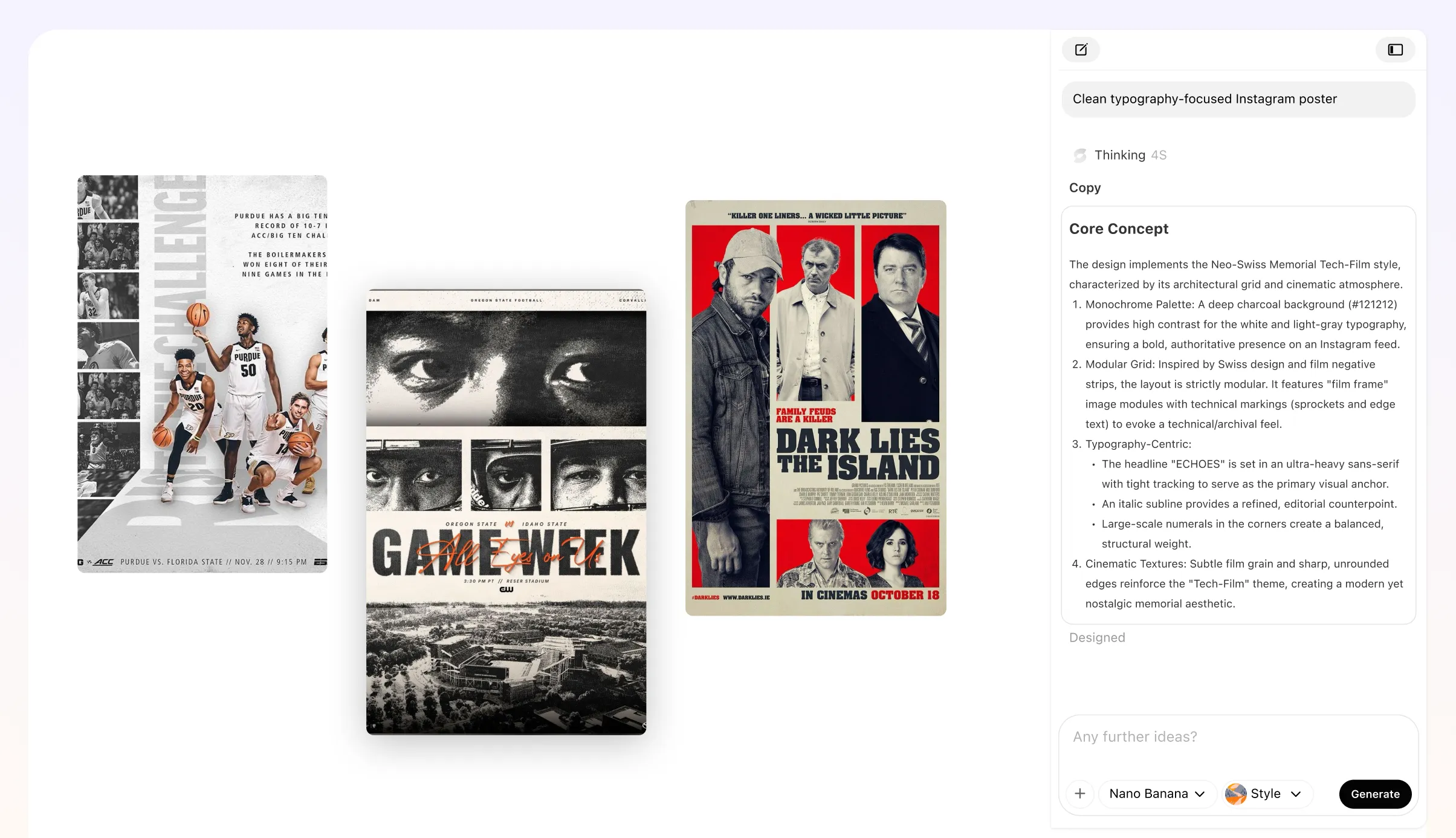
Export Print-Ready and Email-Ready Files from the Same Asset
A flash sale email sequence often runs alongside social posts, landing page banners, and printed in-store signage. Rebuilding the same countdown graphic in four different formats wastes time you don't have during a live sale window. Designing once and exporting high-resolution PNG and PDF versions from the same editable file keeps your pre-sale to post-sale sequence moving without bottlenecks.
Try It Free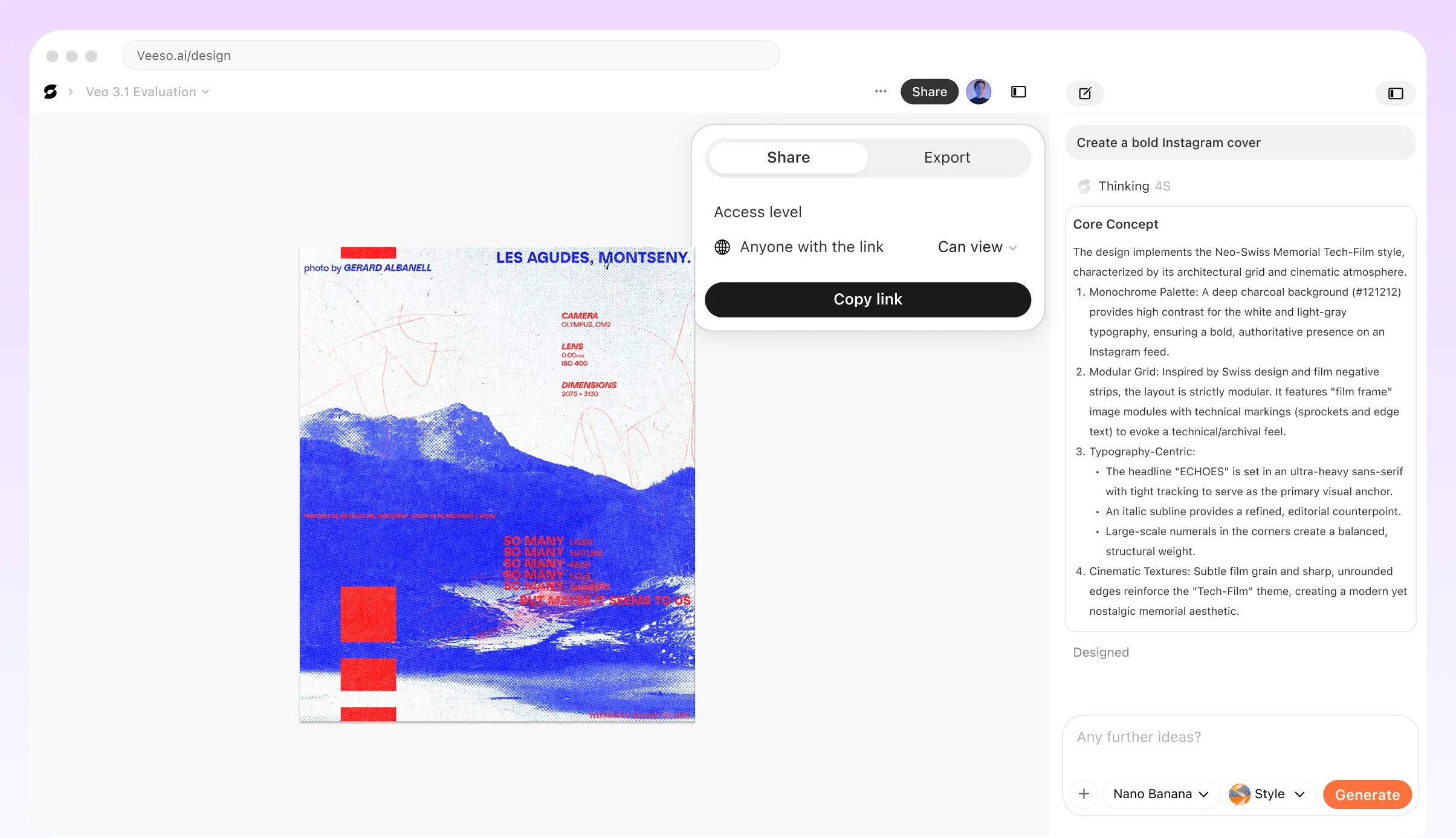
Who Uses a Seasonal Sale Countdown Sequence Workflow and Visual Campaign Set?
Boutique Clothing Store Running an End-of-Season Clearance
A small apparel retailer needs to clear winter inventory before spring stock arrives. The challenge is sending enough emails to drive urgency without burning out a list that hears from them weekly anyway. A practical seasonal sale countdown workflow here means a teaser three days out, a launch email on day one, a mid-sale check-in on day two, and a last-chance email in the final four hours. Each message should shift tone progressively — from excitement to scarcity — so subscribers feel the sales window genuinely closing rather than reading another promotional blast.
Online Course Creator Closing Enrollment at a Seasonal Discount
A course creator offering a limited enrollment window faces a different pressure than a product retailer. Subscribers are weighing a bigger commitment, so the countdown urgency email sequence needs to address hesitation, not just deadline. The pre-sale email sets context and answers objections early. The launch email confirms the offer and its expiration. A mid-sequence email shares a specific outcome past students reached. The last-chance email names the exact hour enrollment closes. Keeping this cadence tight — across five to six days — prevents the sequence from feeling like a pressure campaign while still moving fence-sitters to a decision.
E-Commerce Brand Segmenting Engaged Non-Buyers from Cold Subscribers
Not every subscriber on a seasonal sale list behaves the same way. Someone who opened three emails but never clicked deserves a different message than someone who hasn't engaged in sixty days. A segmented last-chance email workflow sends the engaged non-buyer a direct, benefit-focused nudge with a clear expiration time. The cold segment gets a softer re-engagement angle — a reminder of what the sale covers rather than a hard countdown. Splitting these two groups prevents the urgency triggers that work on warm subscribers from feeling tone-deaf to people who barely remember signing up.
Flash Sale Team Designing Coordinated Visual Assets for Each Sequence Stage
A marketing team running a 48-hour flash sale needs visual consistency across every email in the sequence — teaser, launch, countdown, and last-chance. When each designer works from a separate file, headers drift, fonts shift, and the campaign looks patchy by the final send. Veeso AI lets the team start from a single layout and produce editable visual assets for each stage without rebuilding from scratch. Every email banner, countdown graphic, and offer card shares the same type treatment and color palette. The team exports print-ready files and hands them off to the email platform without a design bottleneck.
Subscription Box Service Running a Post-Sale Follow-Up for Non-Buyers
The sale closes, but a portion of the list never converted. Ignoring them until the next seasonal event wastes a warm audience. A post-sale follow-up email workflow for non-buyers should arrive within 24 hours of the offer expiring. It acknowledges the sale is over without rubbing it in, then pivots to what comes next — a waitlist, a standard offer, or a preview of the next seasonal window. This email does two jobs at once: it keeps non-buyers engaged and it plants the seed for the next countdown sequence before that list goes cold.
B2B SaaS Company Closing an Annual Plan Promotion Before Quarter End
A B2B software team running a limited-time annual plan discount faces a longer consideration cycle than a retail flash sale. Subscribers may need to get budget approval or loop in a manager before committing. The seasonal sale urgency email strategy here should front-load the practical details — pricing, what changes after the deadline, and who to contact with questions — rather than leaning on scarcity language alone. A three-email sequence works well: an offer announcement with full context, a mid-window reminder with a simple FAQ, and a last-chance email sent the morning the promotion expires. Veeso AI can help the team produce consistent, editable email header graphics and offer summary visuals for each stage without rebuilding layouts between sends.
Why email marketers, e-commerce store owners, and small business owners Choose Veeso AI
How to Create High-Converting coordinated sale countdown visual assets
Map Out Your Sale Window and Define Each Countdown Stage
Before you open any design tool, write down your sale start date, end date, and the key urgency moments in between — 72-hour mark, 24-hour mark, final hour. Knowing exactly how many stages your seasonal sale countdown workflow needs tells you which visual assets to build and in what order.
Create a Coordinated Visual Set for Every Stage of the Sequence
Design each asset — teaser banner, sale-launch header, mid-sale urgency graphic, last-chance countdown visual, and sale-closed notice — so they share the same color palette, fonts, and offer framing. Consistent visuals across your countdown timer email sequence reinforce that every send is part of one deliberate campaign, not a series of disconnected blasts.
Edit Each Asset to Match the Urgency Level of That Specific Send
A teaser graphic should feel anticipatory and light. A last-chance offer countdown visual should feel immediate and direct. Go back into each editable file and adjust the copy weight, color intensity, and deadline prominence to match where subscribers are in the sales window closing cycle.
Export and Hand Off Each Stage Asset in the Right Format for Your Channel
Export email header graphics as high-resolution PNG files sized for your email platform's layout. Export any print or social assets as PDF or PNG at the resolution your channel requires. Keep the editable source files saved so you can update a deadline or discount quickly if your sale terms change mid-sequence.
FAQ

Ready to Create Beautiful Editable Seasonal Sale Email Graphics with Veeso AI?
Start Creating NowNo credit card required • Free to start • No design skills required
Explore More AI Graphic Design Use Cases
Discover more creative design scenarios powered by Veeso AI.