Plan Every Sales Asset Before You Build a Single One
Map your assets to each buyer role and sales stage so nothing gets missed. Drop your content list into a structured template and see the gaps instantly. Export a clean, shareable plan your whole team can act on.
Three Ways to Generate sales enablement visual asset sets
Describe Your Sales Stage Coverage Gaps and Get a Structured Visual Plan
If you know which buyer personas you serve and which pipeline stages feel thin on content, you can describe that situation in plain language and get a structured planning document back. This approach works well when you're starting a content audit from scratch or building a new sales enablement roadmap template for a product launch. The output is fully editable, so you can adjust column labels, add evidence sources, and update ownership fields as the plan evolves.
- Describe your funnel stages and buyer roles to generate a coverage map layout
- Add or remove template columns like evidence source, asset owner, and priority score
- Adjust visual hierarchy so the most urgent gaps stand out in stakeholder reviews
- Export as a high-resolution PDF for print or screen sharing in planning sessions
Start From a Sales Enablement Framework Template and Customize Each Field
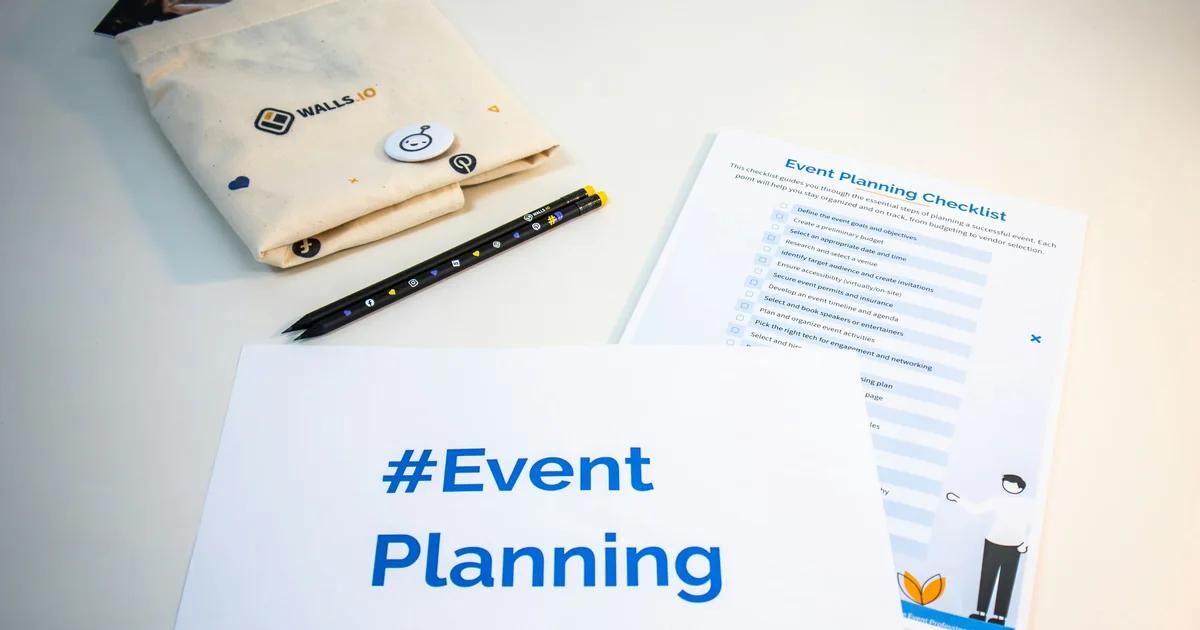
Sometimes the fastest way to build a defensible asset plan is to start from a structure that already reflects common sales enablement planning logic. Pick a template that matches your planning context, whether that's a quarterly content audit, a GTM alignment doc, or a full enablement roadmap, and then swap in your own stages, personas, and asset categories. Every text box, table cell, and label stays editable so the final document reflects your actual program, not a generic sample.
- Choose from planning layouts built around audit, gap map, roadmap, and GTM alignment use cases
- Replace placeholder stage names and persona labels with your own pipeline language
- Add evidence attribution columns, RACI ownership rows, or deprecation criteria fields
- Keep visual formatting consistent across pages so multi-stage plans read as one document
Import Your Existing Content Audit or Strategy Doc and Turn It Into a Visual Plan
If you already have a sales enablement content audit in a Word file, a PDF, or a Markdown document, you don't need to rebuild it from scratch to make it presentable. Import the file and the content gets structured into a designed, page-by-page visual layout that's ready for a leadership review or a cross-functional planning session. You keep full editing access to every field, so updating asset owners or reprioritizing the build sequence takes seconds. Veeso AI supports this import workflow for teams that want polished output without manual reformatting.
- Import PDF, Word, or Markdown files containing your existing asset inventory or audit notes
- Structured content flows into a multi-page visual layout with consistent formatting
- Edit any text block, table row, or section header after import without losing the layout
- Export the finished plan as a print-ready PDF or high-resolution PNG for distribution
Why choose Veeso for your editable sales enablement design templates
Map Every Asset to a Buyer Journey Stage Before You Build Anything
Sales teams waste time creating content that duplicates what already exists or misses the stages where deals actually stall. A structured buyer role asset mapping template shows you exactly which funnel stages have coverage and which ones are empty. When your plan is visual and editable, you can share it with marketing and sales leadership in the same review meeting without rebuilding it from scratch.
Try It Free
Ground Every Asset Request in Real Evidence, Not Internal Guesswork
Most asset inventories reflect what the team thinks buyers need, not what win/loss data or call recordings actually show. An evidence-based sales content planning approach ties each asset request to a named source, like a deal review or objection log, so the plan holds up when leadership asks why you prioritized it. Editable design templates let you surface that evidence column clearly in stakeholder-facing documents.
Try It Free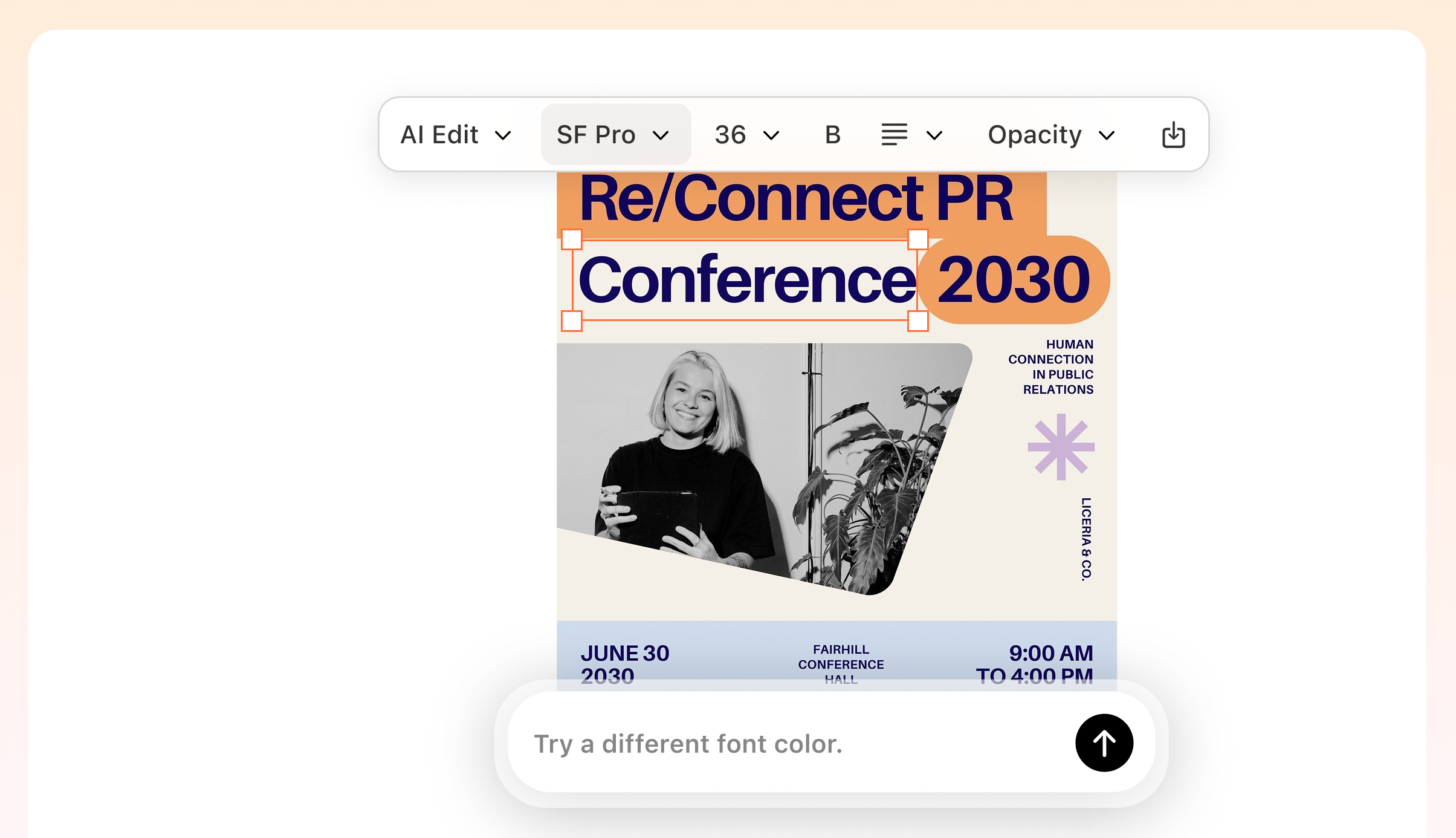
Give Every Asset a Clear Owner and a Deprecation Date
Outdated one-pagers and stale battlecards erode rep trust faster than having no content at all. An asset owner accountability template assigns a named owner, a review date, and a deprecation trigger to every piece in your library. That structure keeps your sales enablement framework template from becoming a graveyard of content nobody uses.
Try It Free
Turn Your Roadmap Into a Document Stakeholders Can Actually Read
A spreadsheet full of asset IDs and priority scores is hard to present in a cross-functional GTM alignment meeting. When your go-to-market asset planning template outputs a clean, structured visual document, sales, marketing, and product teams can review the same plan without translation. Editable layouts let you update the roadmap between meetings without starting the design over.
Try It Free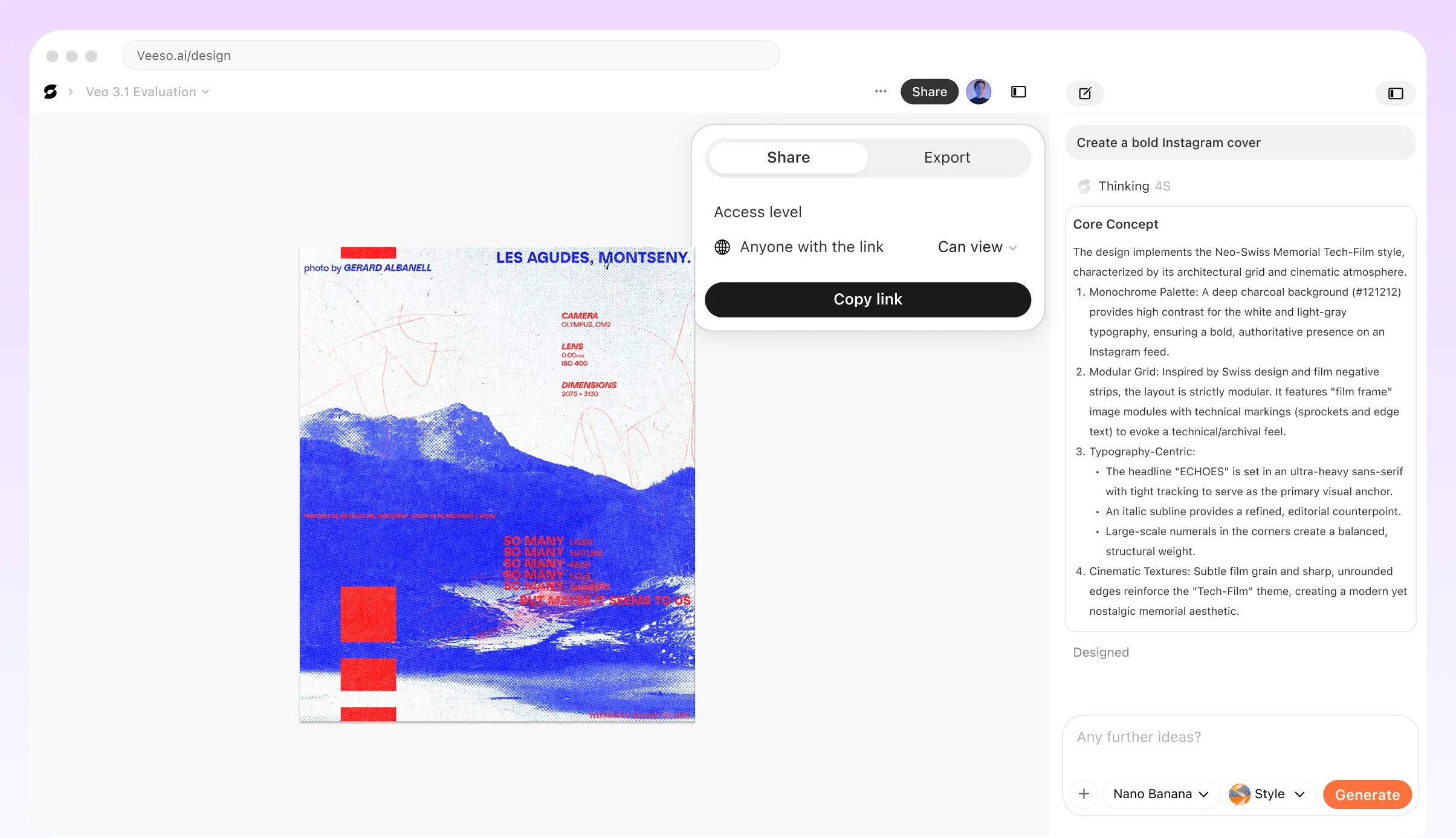
Who Uses a Sales Enablement Asset Planning Template and When
New Sales Hire Onboarding: Building a Stage-by-Stage Content Map
When a new rep joins, they often waste early weeks hunting for the right asset at the right deal stage. A sales enablement asset planning template helps onboarding managers map every piece of content to a specific pipeline stage and buyer role before the rep's first call. Start by listing what exists, then flag gaps where no asset covers a key objection or decision point. This gives new hires a clear, structured reference instead of a shared drive full of unlabeled files, and it sets a repeatable standard for every cohort that follows.
Pre-Launch GTM Planning: Aligning Assets to a New Product Release
Product marketing teams preparing a go-to-market launch often discover mid-cycle that sales lacks the right content for each buyer persona. A sales enablement asset inventory template built before launch forces the team to map which assets already exist, which need to be created, and who owns each one. Assign a named owner to every deliverable, tie each asset to a specific buyer journey stage, and set a review date that aligns with the launch timeline. This prevents the last-minute scramble that leaves reps pitching a new product with outdated one-pagers.
Quarterly Enablement Review: Auditing Content Coverage Across Buyer Roles
Sales and marketing alignment breaks down when no one has a shared view of what content exists for each buyer role. A structured sales enablement content audit template gives revenue teams a common format to review coverage every quarter. List each buyer persona across one axis and each sales stage across the other, then mark which assets exist, which are outdated, and which are missing entirely. This evidence-based approach to content gap analysis makes it easier to prioritize the next quarter's production backlog with data rather than gut feel.
Leadership Budget Presentation: Justifying Investment in Specific Asset Types
Enablement leaders often struggle to get budget approved because the request lacks a clear rationale tied to pipeline outcomes. An enablement asset prioritization framework built into a planning template lets you show leadership exactly which deal stages have no supporting content, which buyer roles are underserved, and what evidence from lost deals or buyer feedback supports each request. Veeso AI can help you turn that structured data into a clean, presentation-ready visual that leadership can review at a glance, with every detail remaining fully editable as the conversation evolves.
Cross-Functional Asset Governance: Assigning Ownership Across Sales, Marketing, and Product
When three teams share responsibility for sales content, assets get duplicated, go stale, or never get made at all. An asset owner accountability template solves this by giving each planned asset a single named owner, a creation deadline, a review cycle, and a clear status field. Build this into your broader sales enablement roadmap template so every stakeholder can see the full picture in one place. Teams that document ownership this way spend less time in status meetings and more time producing content that actually reaches reps before a deal closes.
Campaign-Tied Enablement Planning: Matching Sales Assets to a Seasonal Push
Marketing campaigns often run without a parallel plan for the sales assets that support them. When a campaign targets a specific segment or buying season, the enablement team needs a sales stage content mapping template that ties each campaign message to a corresponding asset for each rep conversation. Document which assets are ready, which need a refresh, and which are net new. Veeso AI can help the team produce editable visual versions of those assets, such as one-pagers or battlecards, that match the campaign's visual style without starting from scratch each time.
Why sales enablement managers, revenue operations leads, and B2B product marketers Choose Veeso AI
How to Create High-Converting sales enablement planning documents
Audit Your Existing Assets Against Each Pipeline Stage
List every piece of sales content you currently have and tag it to the buyer journey stage it supports. This sales enablement content audit step surfaces duplicate coverage in some stages and complete gaps in others before you spend time building anything new.
Map Coverage Gaps by Buyer Role and Sales Stage
Use a sales stage content mapping template to plot which personas lack supporting content at each funnel stage. A simple grid with stages across the top and buyer roles down the side makes the gaps visible to everyone in the room, not just the enablement team.
Score Each Asset Request Using an Evidence Source and a Priority Rank
Before adding an asset to your build roadmap, tie it to a named evidence source such as a win/loss report, a call recording theme, or a recurring objection from deal reviews. An enablement asset prioritization framework that requires evidence attribution keeps the plan defensible when leadership asks why a particular asset made the list.
Assign Ownership, Set Review Dates, and Sequence the Build Roadmap
Add an owner name, a target completion date, and a deprecation trigger to every asset in the plan. Once ownership and sequencing are set, turn the roadmap into a shareable visual document so sales, marketing, and product teams can review the same plan in stakeholder meetings without needing to interpret a raw spreadsheet.
FAQ

Ready to Create Beautiful Editable Sales Enablement Design Templates with Veeso AI?
Start Creating NowNo credit card required • Free to start • No design skills required
Explore More AI Graphic Design Use Cases
Discover more creative design scenarios powered by Veeso AI.