Launch Any SaaS Feature With a Ready Campaign
Generate a structured, multi-channel campaign the moment you ship a new feature. Describe your feature and get messaging for emails, in-app announcements, and sales enablement in one workflow. No blank brief, no guesswork.
Three Ways to Generate multi-channel feature launch visual asset sets
Describe Your Feature in Plain Language and Let AI Build the Campaign Brief
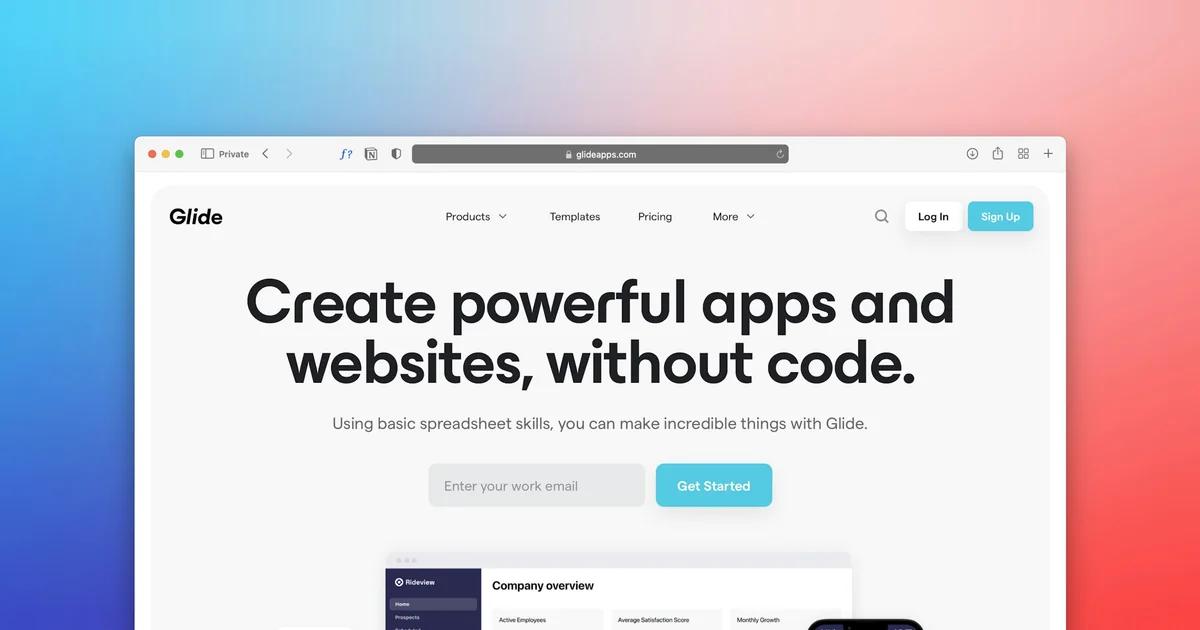
If you know what the feature does and who it helps, you already have enough to start. Type a short description of the feature, the problem it solves, and the audience you're targeting, and an AI campaign generator for SaaS companies can turn that into a structured, multi-channel campaign brief in seconds. From there, you can generate coordinated visual assets for each stage of the rollout without rebuilding the brief from scratch for every channel.
- Converts a freeform feature description into a structured campaign brief automatically
- Maps the feature to a customer problem and use case before generating any assets
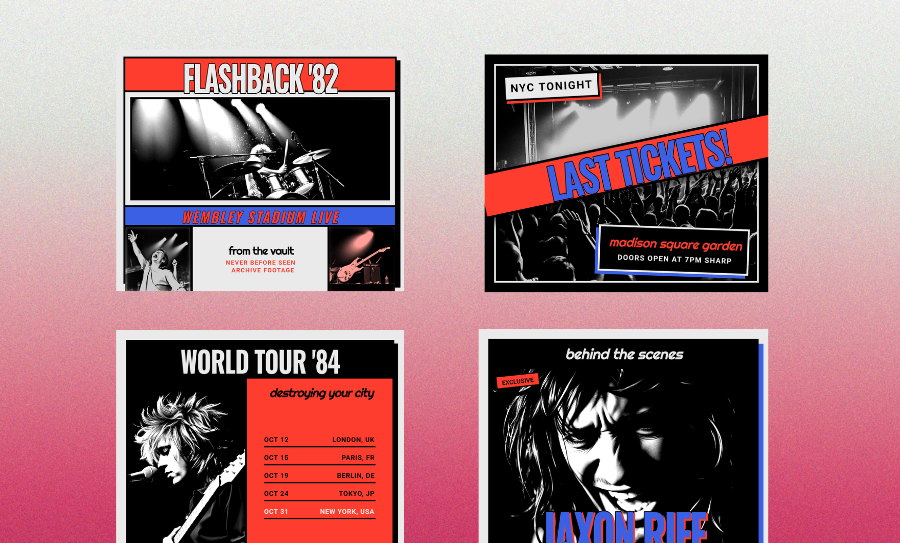
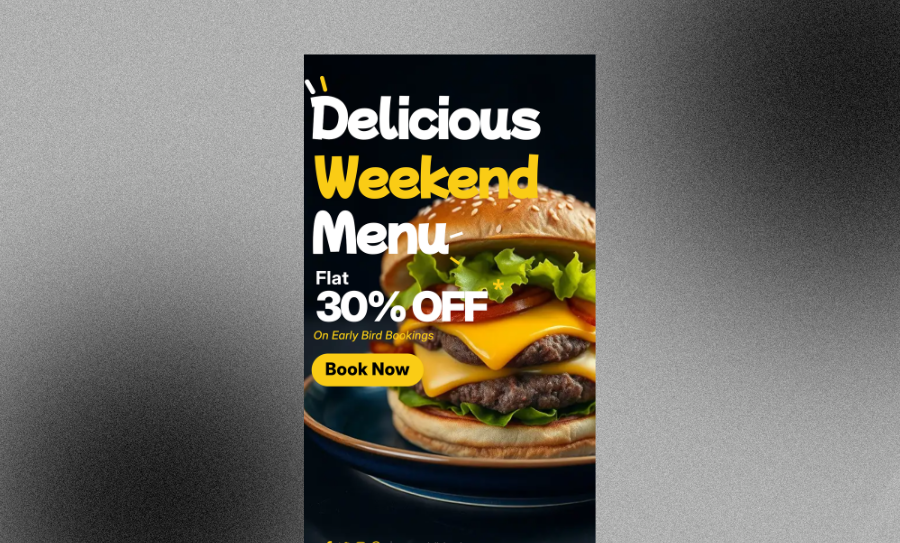
- Produces channel-specific visual layouts from a single prompt input
- Outputs editable designs so you can adjust copy, hierarchy, and visuals before publishing
Start from a Pre-Built Feature Launch Template That Matches Your Rollout Stage
Not every launch needs to start from a blank page. Pre-built templates built around common SaaS launch patterns, teaser, announcement, onboarding, and re-engagement, give you a proven structure to customize. Pick the template that fits your current rollout stage, drop in your feature details, and adjust the layout, copy, and visual style to match your product's tone. Tools like Veeso AI let you edit every text box, image, and layer in the template so nothing is locked.
- Templates organized by launch stage: pre-launch teaser, go-live announcement, adoption nudge, and win-back
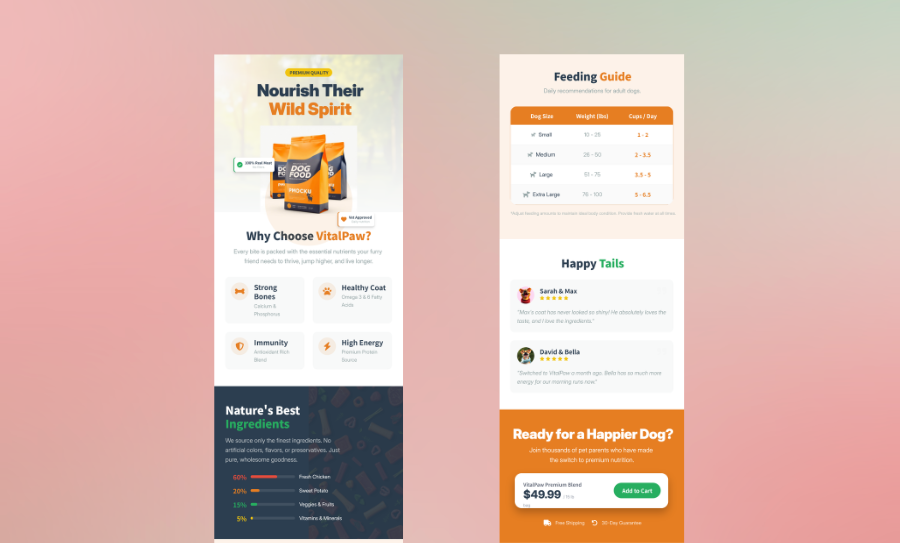
- Editable layouts for in-app banners, email headers, sales one-pagers, and social announcement cards
- Style controls for typography, color, and spacing that apply across the full asset set
- Export to high-resolution PNG or print-ready PDF for any channel
Import Your Feature Brief or Changelog Doc and Turn It Into a Visual Campaign Set
If your product team already wrote a feature spec, a changelog entry, or a go-to-market brief in a Word doc or Markdown file, you don't need to retype everything. Import that document directly and a SaaS launch campaign content generator can restructure it into a set of designed, channel-ready visual assets. This method works especially well for teams that do their thinking in writing first and want to move quickly from brief to finished campaign materials.
- Accepts PDF, Word, and Markdown imports and maps content to visual page structures
- Pulls feature name, use case, and audience details from the source document automatically
- Generates a coordinated visual asset set from a single import rather than building each piece separately
- Keeps all outputs fully editable so you can refine messaging and layout after import
Why choose Veeso for your coordinated feature rollout campaign visuals
Keep Your Rollout Messaging Consistent Across Every Channel
When a feature ships, your in-app announcement, email sequence, and sales one-pager often end up written by three different people with three different framings. That inconsistency confuses users and slows adoption. A dedicated feature launch campaign generator pulls all your channel assets from a single brief, so the core message stays the same whether a user sees it in their inbox or inside the product.
Try It Free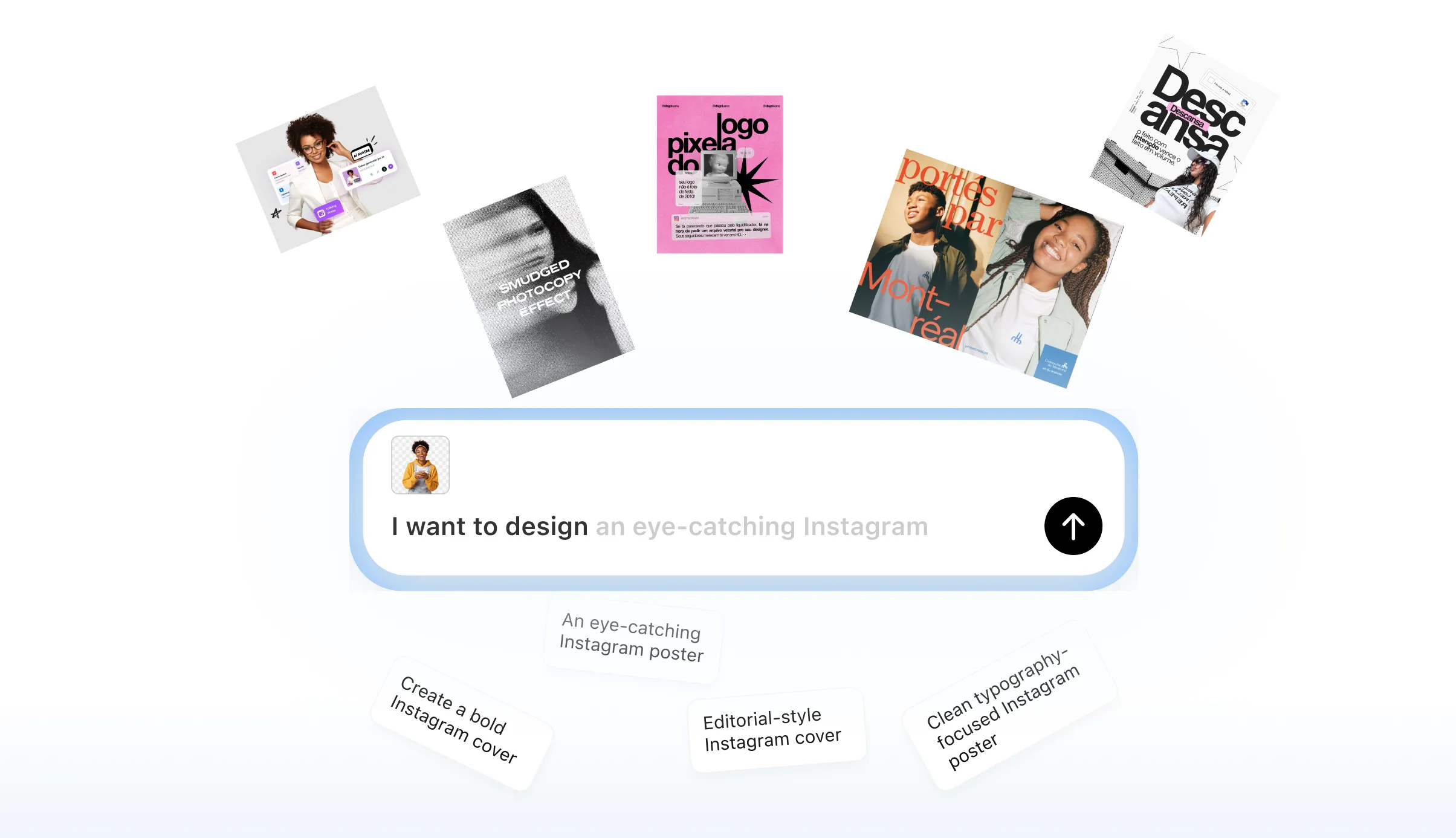
Frame the Feature Around a Real Customer Problem, Not a Changelog Entry
Most product update announcements describe what changed, not why it matters. Users skim right past them. A purpose-built feature adoption campaign builder prompts you to anchor every asset to a specific use case and audience pain point before any copy gets written. The result is messaging that lands because it speaks to something the user already cares about.
Try It Free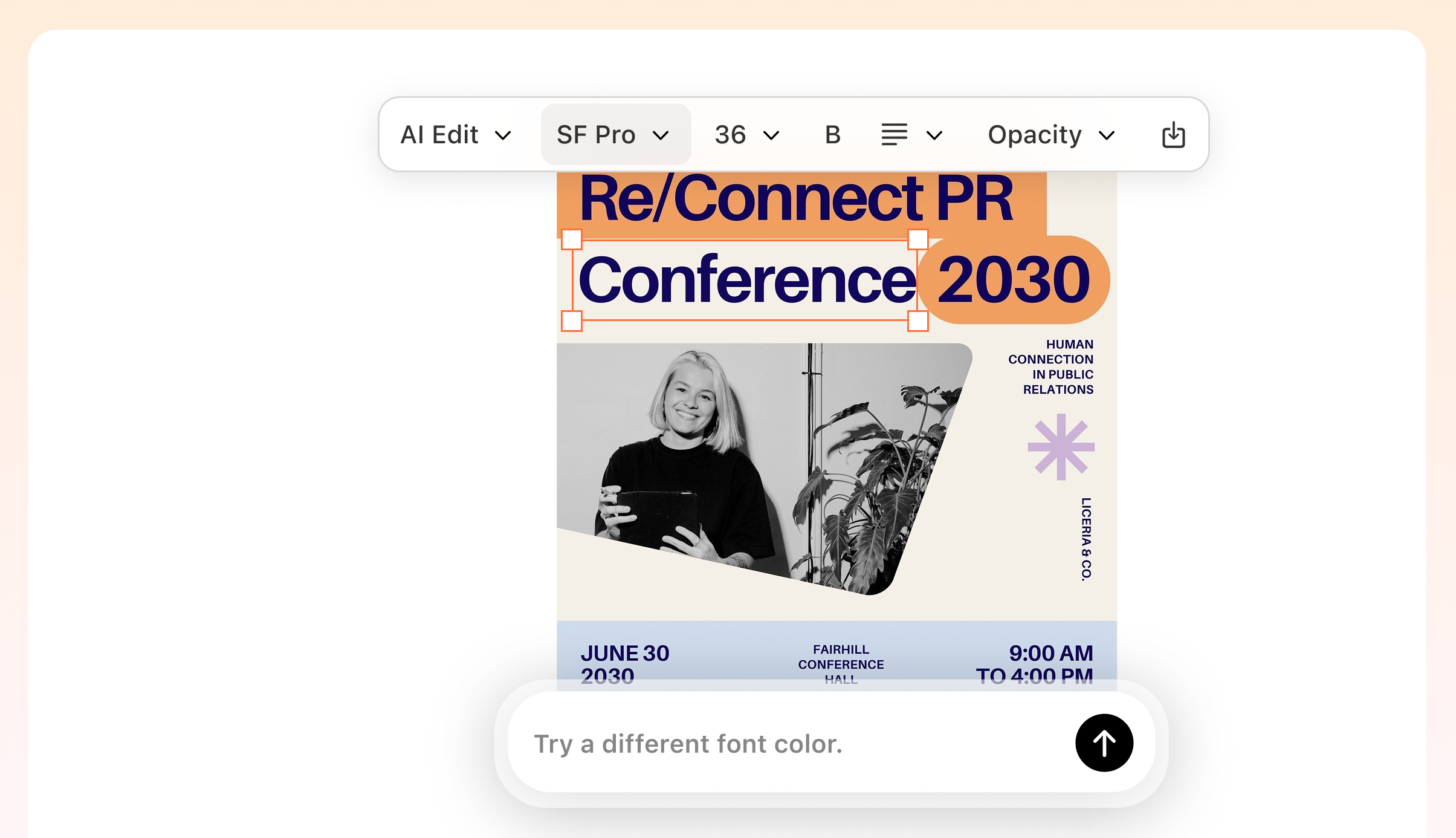
Segment Your Launch Assets by Audience Tier Without Starting Over Each Time
A new power user and an at-risk account need very different reasons to try a new feature. Generic marketing tools make you rebuild the whole campaign when you switch audiences. A product-led growth campaign generator lets you fork the same brief into persona-specific outputs, so each segment gets a message that fits where they are in the product journey.
Try It Free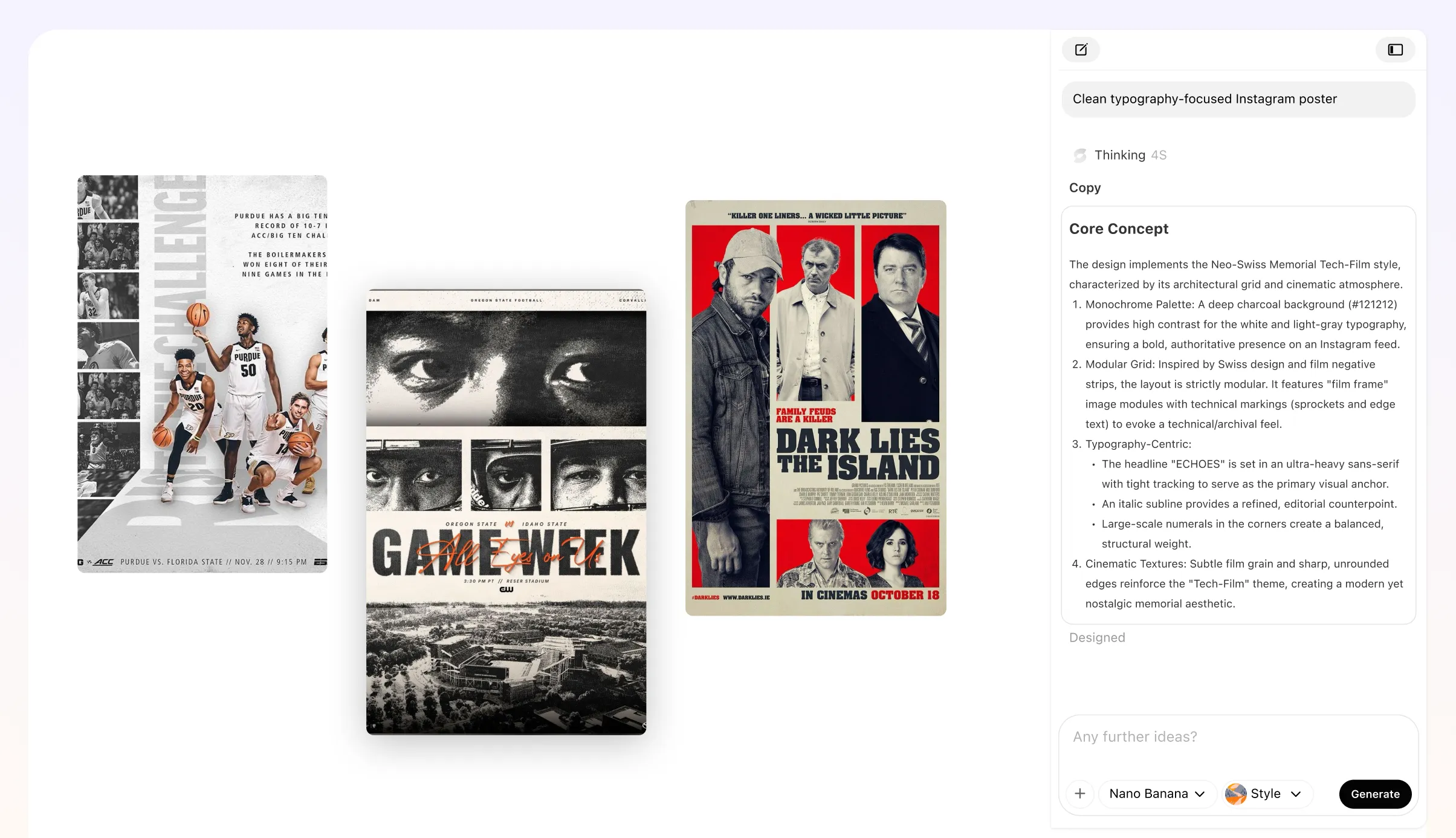
Give Sales and Customer Success a Visual Source of Truth Before Launch Day
When sales and CS teams improvise their own feature talking points, the story drifts fast. A coordinated feature rollout campaign produces a shared set of visual assets, one-pagers, and announcement slides that everyone pulls from. That alignment shortens the time between a feature going live and the team confidently talking about it with customers.
Try It Free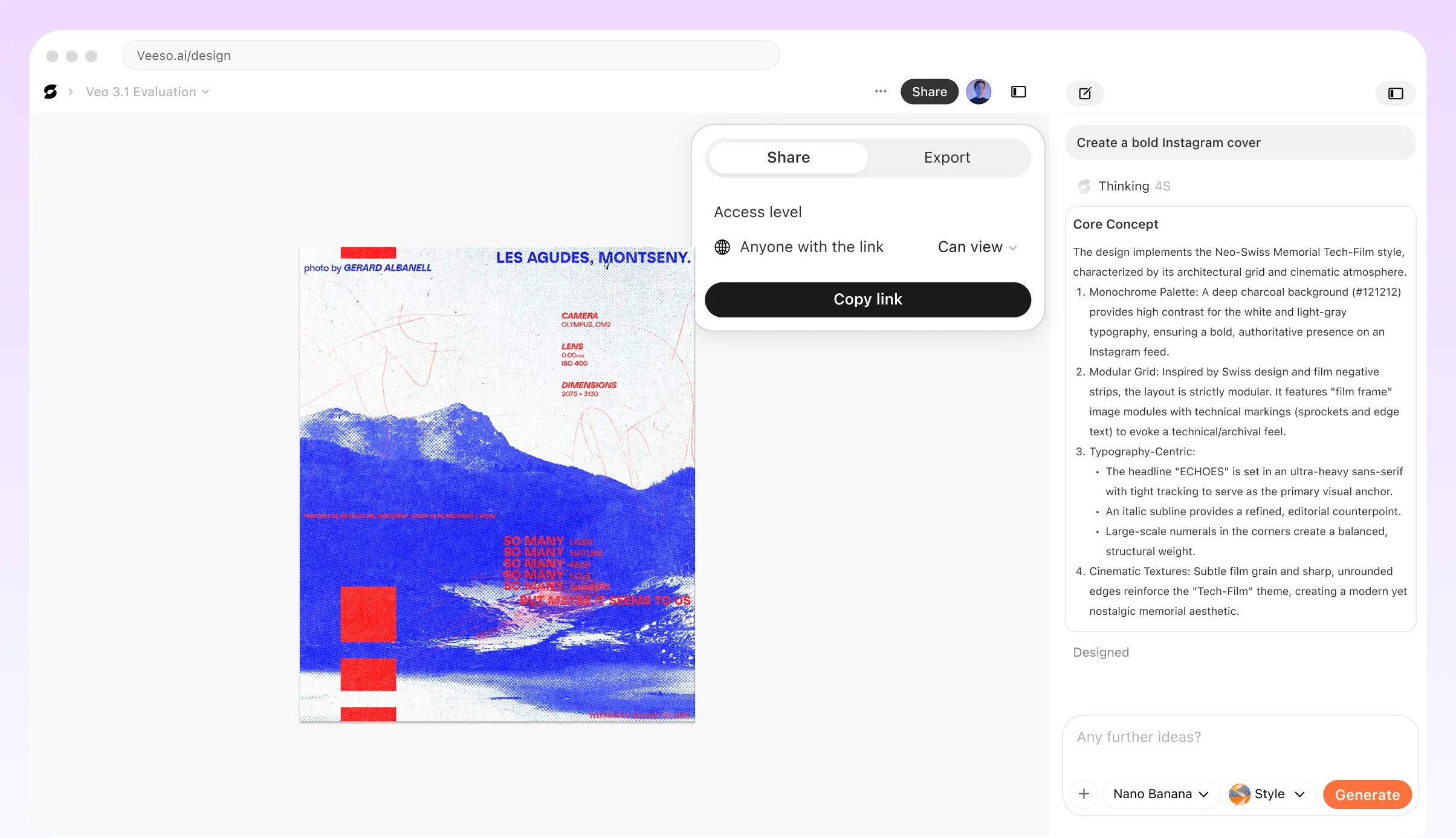
Who Uses a SaaS Feature Launch Campaign Generator?
Aligning Sales and CS Teams Before a Feature Goes Live
When a new feature ships, sales reps and customer success managers often hear about it the same day customers do. That gap creates inconsistent messaging and missed upsell moments. A saas feature launch campaign generator lets product marketing build a single campaign brief that covers positioning, objection handling, and audience-specific talking points in one pass. Sales gets a clear pitch angle. CS gets retention-focused messaging for at-risk accounts. Everyone works from the same source of truth before the announcement goes out.
Framing a Complex Feature Around a Specific B2B Buyer Problem
Technical features rarely sell themselves. A workflow automation update means nothing to a VP of Operations unless it maps directly to a problem they already feel. Using a product feature rollout campaign generator, product marketers can input a feature description and a target persona, then get problem-use-case framing that leads with the pain before mentioning the capability. This approach works especially well for B2B saas go-to-market launches where the buying committee includes non-technical stakeholders who need business value spelled out clearly.
Building a Multi-Channel Launch Sequence From a Single Feature Description
Most feature launches need an announcement email, an in-app tooltip, a changelog post, and at least one social update. Writing each asset separately from scratch wastes time and produces inconsistent tone. A saas launch campaign content generator takes one feature description and produces a coordinated multi-channel launch sequence where each asset shares the same core message but fits its channel. The email can lead with the problem. The in-app announcement copy stays short and action-oriented. The changelog entry stays factual. Nothing contradicts anything else.
Tailoring the Same Launch to Prospects, Active Users, and At-Risk Accounts
A feature that wins new prospects often needs a completely different angle to re-engage users who have gone quiet. Rebuilding the campaign from scratch for each segment takes time most teams don't have. A feature adoption campaign builder lets marketers define the audience segment as part of the input, so the generated messaging shifts focus automatically. Prospects get a competitive differentiation angle. Active users get an activation email campaign that shows them where to find the feature. At-risk accounts get a retention-focused message tied to their specific use case.
Producing Visual Campaign Assets for a Feature Announcement Event
Some feature launches coincide with a webinar, a customer conference session, or a partner briefing. Those moments need printed one-pagers, slide headers, and social graphics that match the campaign messaging. Once the copy is finalized, Veeso AI can turn the written brief into editable visual assets, including formatted one-pagers and announcement graphics, without rebuilding the layout from scratch. Each asset stays editable so the team can adjust headlines or swap screenshots before the event. Veeso AI handles the design layer; the campaign generator handles the messaging layer.
Running a Pre-Launch Checklist Audit Before the Feature Release Date
A b2b saas feature launch checklist generator does more than produce copy. It surfaces gaps. If the generated campaign draft includes an activation email sequence but the product team hasn't written the in-app onboarding tooltip yet, the checklist makes that visible before launch day. Teams can see which assets cover awareness, which cover activation, and which cover user education content for post-launch support. Reviewing the full campaign output against a go-to-market checklist is one of the most practical ways to catch missing pieces before they become post-launch problems.
Why product marketers and B2B SaaS growth teams Choose Veeso AI
How to Create High-Converting feature launch campaign visual content
Write a One-Paragraph Feature Brief That Names the Problem, the User, and the Outcome
Before you generate anything, get the core story down in writing. One paragraph is enough: what the feature does, which user it helps, and what they can now accomplish that they couldn't before. This brief becomes the source of truth that every channel asset pulls from, so the more specific you are here, the more consistent your campaign will be.
Map Each Campaign Asset to a Specific Audience Tier and Launch Stage
A feature rollout campaign typically needs different messages for new users, active power users, and at-risk accounts. Decide which assets you need for each group and which stage of the launch they belong to, pre-launch teaser, go-live announcement, or adoption follow-up. This mapping step is what separates a coordinated multi-channel launch sequence from a one-off product update email.
Generate Channel-Specific Visual Assets from Your Brief Using an AI Campaign Generator
With your brief and audience map in hand, use a SaaS feature go-to-market campaign tool to produce the visual assets for each channel: in-app announcement banners, email header graphics, sales one-pagers, and social cards. Tools like Veeso AI generate fully editable layouts from your brief, so you can adjust copy, swap images, and fine-tune the visual hierarchy before anything goes out.
Share a Single Campaign Asset Set with Sales, CS, and Marketing Before Launch Day
Export your finalized visual assets as high-resolution files and distribute them to every team that will talk about the feature with customers. A shared visual source of truth keeps messaging consistent across sales calls, support conversations, and marketing channels from day one. This step is what most B2B SaaS feature launch checklists skip, and it's usually why launch messaging drifts within the first week.
FAQ

Ready to Create Beautiful Coordinated Feature Rollout Campaign Visuals with Veeso AI?
Start Creating NowNo credit card required • Free to start • No design skills required
Explore More AI Graphic Design Use Cases
Discover more creative design scenarios powered by Veeso AI.