Turn Feature Announcements Into Real Adoption
Build a repeatable workflow that moves users from first seeing a feature to actually using it. Map each stage — awareness, setup, activation — and define the right message for each moment. Close the gap between announcement and adoption.

Three Ways to Generate feature announcement visual campaign sets
Describe Your Feature Rollout and Generate a Full Campaign Set
Tell the AI what your feature does, who it's for, and where it sits in your product. It builds a coordinated set of visual assets mapped to each stage of your feature announcement adoption workflow, from the awareness modal to the re-engagement banner. You get editable layouts for every touchpoint without writing a single design brief.
- Paste your announcement copy and get a styled modal graphic ready for your in-app messaging tool
- Generate role-specific setup guide layouts for admin and end-user paths in one pass
- Produce visually consistent assets across all five workflow stages from a single prompt
- Edit any text box, color, or layer in the output to match your product's visual language
Start from a Feature Rollout Template and Customize Each Stage
Pick a starting layout built for SaaS feature education, then swap in your own copy, screenshots, and brand colors for each workflow stage. Templates give you a proven visual structure for announcement modals, setup checklists, and adoption reminder banners without guessing at layout logic. You spend your time on the content decisions, not the design scaffolding.
- Choose from layouts designed for in-app announcement modals, tooltips, and setup guides
- Swap headline, body copy, and feature screenshot placeholders with your actual rollout content
- Duplicate and adapt the base template for each audience segment in your adoption funnel
- Export each stage asset as a high-resolution PNG or PDF ready for your team's workflow
Import Your Release Notes or Setup Doc and Turn It Into a Designed Layout
Already drafted your feature walkthrough in a Word doc, Markdown file, or internal PDF? Import it directly and the tool structures your content into a polished, multi-page visual guide. This works especially well for the education stage of your adoption sequence, where a dense text doc needs to become a scannable, role-specific setup guide users will actually read.
- Import a Word, PDF, or Markdown file and get a structured visual layout with your content in place
- Automatically organize long setup documentation into scannable, stage-by-stage visual pages
- Edit every section, reorder steps, and add annotated screenshots directly in the output
- Export as a print-ready PDF or high-resolution PNG for use across your user education touchpoints
Why choose Veeso for your editable feature rollout design assets
Keep Every Workflow Stage Visually Consistent
When your awareness email, in-app modal, and setup guide all look like they came from different teams, users lose trust in the rollout. A coordinated set of editable visual assets keeps the same tone, color, and structure across every touchpoint in your feature adoption sequence. That consistency reduces friction and helps users recognize each stage as part of one intentional experience.
Try It Free
Move Fast When Your Release Window Is Short
Feature rollout timelines rarely give design teams much runway. You need an announcement modal, a setup checklist visual, and a re-engagement banner ready before the flag flips on. Working from editable templates built around your actual copy means you can produce all five workflow-stage assets in one session instead of briefing each one separately. That speed matters most when engineering ships ahead of schedule.
Try It Free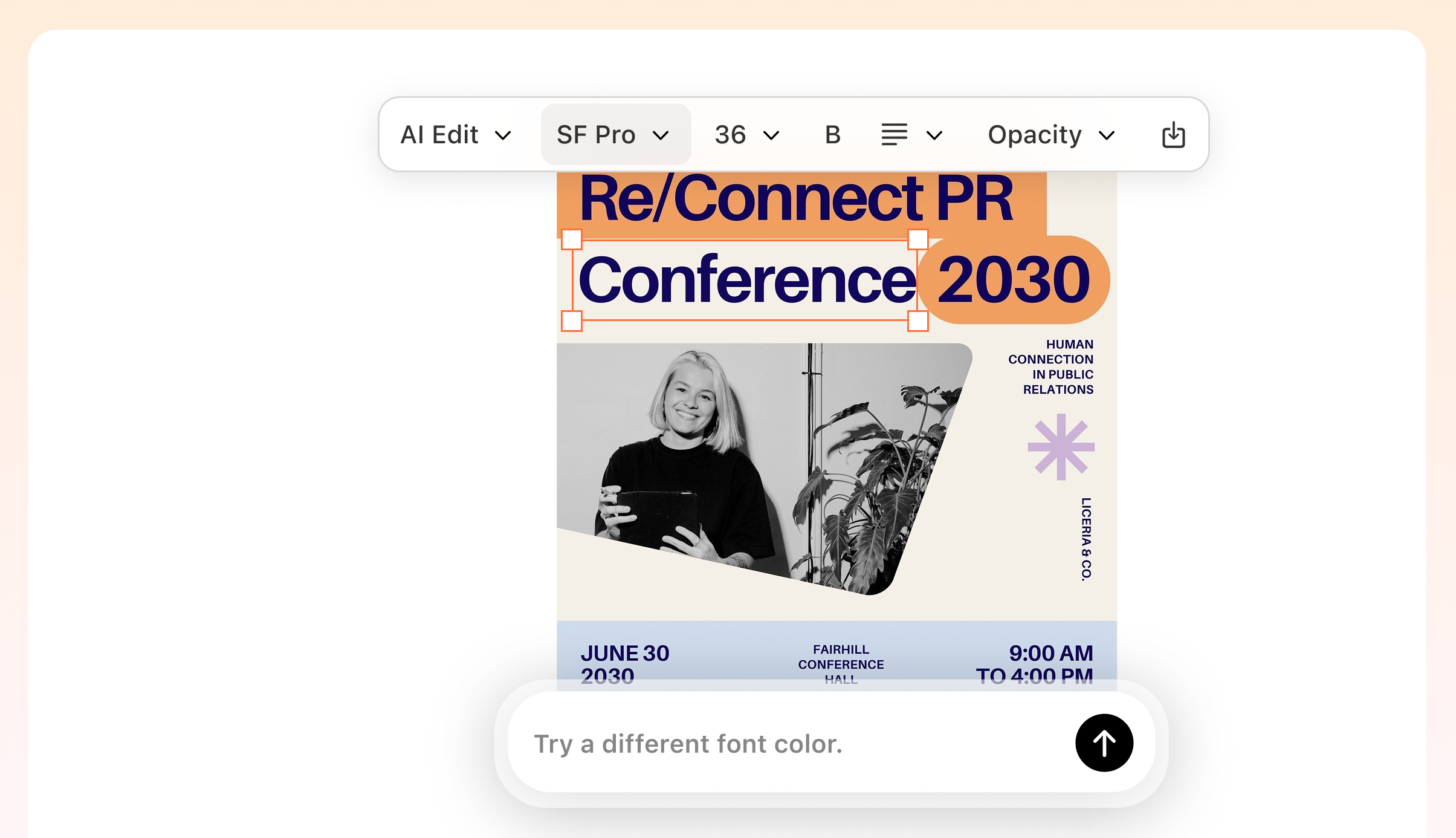
Tailor Assets for Admin and End-User Paths Without Starting Over
A feature adoption workflow often splits at the education stage: admins need a configuration walkthrough, while end users need a task-focused setup guide. Editable layouts let you fork the same base design for each audience segment without rebuilding the visual structure from scratch. The result is role-differentiated content that still looks like it belongs to the same rollout campaign.
Try It Free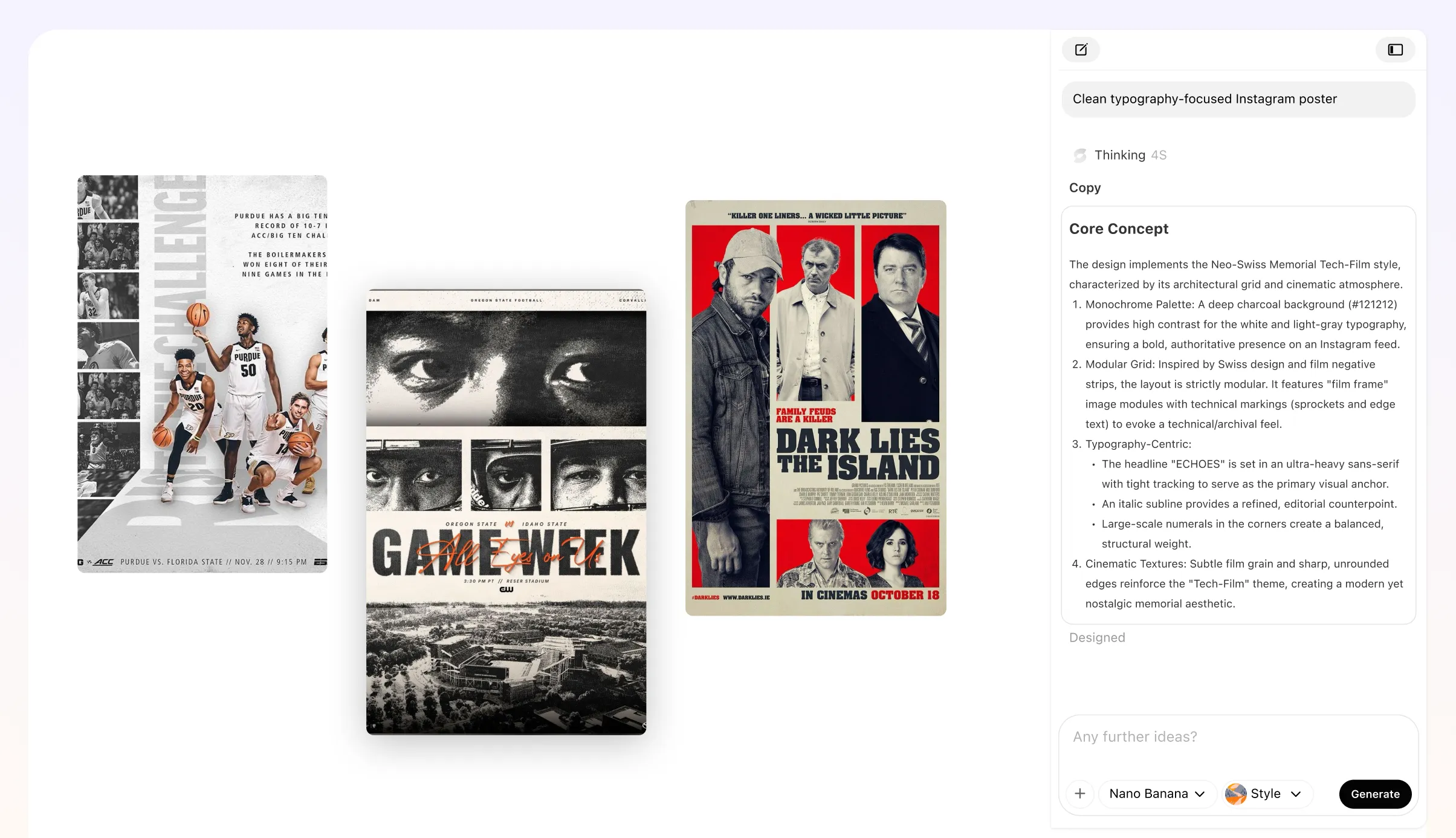
Reduce Churn Tied to Features Users Never Actually Set Up
Unused features are one of the quietest drivers of SaaS churn. A single launch email rarely closes the gap between awareness and activation, so users who never complete setup quietly disengage. Designing a full sequence of visual touchpoints, from the first announcement through the adoption reminder, gives each drop-off point a specific asset aimed at pulling users back into the workflow before they give up.
Try It Free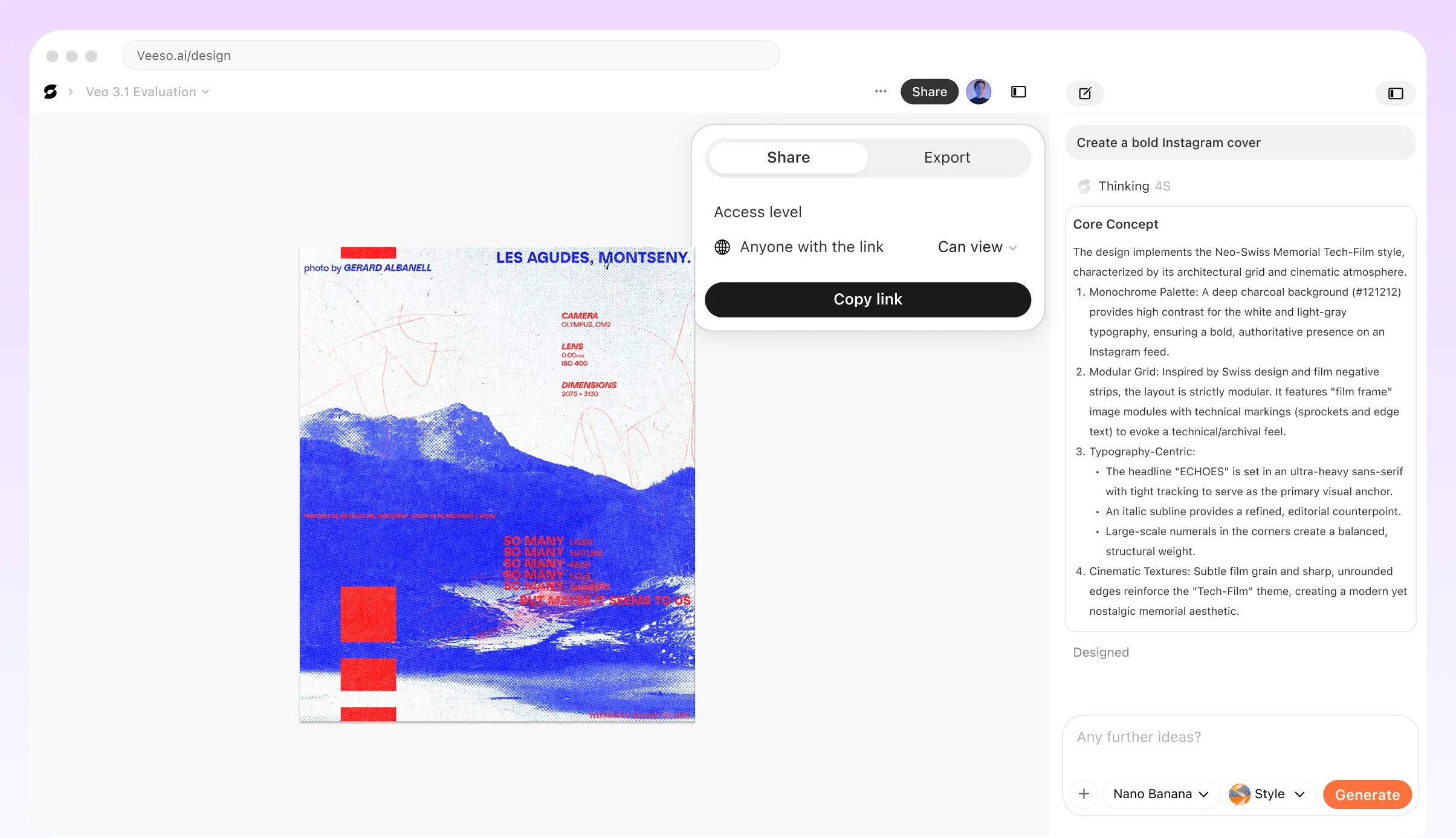
Who Uses a Feature Announcement Adoption Workflow Planner?
Onboarding New Users to a Recently Released Collaboration Feature
A product team ships a new shared workspace feature mid-quarter. New users signing up after the release date have never seen the old workflow, so they need a clean, role-aware introduction rather than a changelog notice. The adoption education workflow starts at account creation, triggers a contextual tooltip on first login, and routes users through a short setup checklist before they hit the main dashboard. Each step confirms a small activation milestone so the team can see exactly where first-time users stall and adjust the sequence without rebuilding it from scratch.
Re-Engaging Existing Users Who Ignored a Feature Announcement Email
Many SaaS users open a feature announcement email, click nothing, and move on. A customer success team can build a targeted re-engagement branch into the adoption workflow that fires seven days after the original send. This branch uses in-app messaging rather than another email, surfacing a brief modal when the user next logs in. The modal links directly to a setup example rather than a general help article. Segmenting by role before triggering this reminder means a finance user sees a billing-related setup path while an admin sees a permissions walkthrough.
Coordinating a Feature Rollout Across Product, Marketing, and Customer Success Teams
When three teams announce the same feature independently, users get conflicting messages and the adoption funnel fragments. A shared feature rollout communication workflow gives each team a defined lane: product owns the in-app announcement and tooltip copy, marketing owns the external email sequence, and customer success owns the follow-up for high-value accounts. Mapping these lanes in a single workflow document prevents duplicate outreach and makes it easy to identify which touchpoint is responsible for a drop in activation. Veeso AI can help design the visual briefing materials and campaign content sets that keep all three teams aligned on messaging and timing.
Delivering Role-Segmented Setup Guides for a Multi-Persona SaaS Product
A project management platform releases an advanced reporting feature that means something different to a team lead versus an analyst versus an executive. Sending one generic setup guide to all three creates confusion and lowers the feature adoption rate. The workflow uses user role data already stored in the product to branch the education sequence at the awareness stage. Each persona receives setup examples matched to their actual use case, with activation milestones defined per role. This approach also makes it easier to spot which persona segment is converting and which needs a revised education touchpoint.
Building a Time-to-Value Sequence for a High-Complexity Feature Launch
Some features require configuration before they deliver any visible benefit. Users who don't complete setup within the first session rarely return to finish it, which kills adoption before it starts. A time-to-value workflow breaks the setup process into three timed stages: an immediate in-app checklist on the day of the feature flag rollout, a behavioral trigger that fires if the user completes step one but not step two within 48 hours, and a customer success alert for accounts that go dark after the second touchpoint. Each stage has a clear exit condition so users who do activate are removed from the reminder sequence automatically.
Designing Visual Announcement Assets for a Feature Release Across Multiple Channels
A growth team preparing a feature release needs consistent visuals for an in-app banner, a help center header, and a social post, all communicating the same message without looking like three separate campaigns. Inconsistent visuals at the awareness stage create friction and reduce click-through to the setup guide. Veeso AI lets the team paste their announcement copy and generate a coordinated set of editable visual assets sized for each channel. Because every asset stays fully editable, the team can adjust headline copy or swap a screenshot as the feature rollout communication workflow evolves without starting the design from scratch.
Why SaaS product managers and customer success managers Choose Veeso AI
How to Create High-Converting feature adoption workflow visuals
Map Your Adoption Workflow Stages Before You Design Anything
Write out the four stages your users move through: awareness, education, setup, and activation confirmation. Knowing what content format belongs at each stage, and what trigger fires it, keeps your visual assets purposeful rather than decorative.
Draft the Copy for Each Touchpoint in Plain Language
Write the headline and body text for your announcement modal, your setup checklist, your role-specific walkthrough, and your re-engagement reminder before opening any design tool. Clear copy is the foundation of a feature adoption sequence that actually moves users toward activation.
Build Your Visual Assets as a Coordinated Campaign Set
Design all five workflow-stage assets together so they share the same visual language, not as five separate one-off graphics. Tools like Veeso AI let you paste your rollout copy and generate a fully editable campaign set at once, so every stage looks like part of the same intentional sequence.
Export and Hand Off Each Asset to the Right Channel Owner
Export your announcement modal graphic, setup guide layout, and adoption reminder banner as high-resolution PNGs or PDFs and pass each file to the team member who owns that channel. Veeso AI produces production-ready exports, but your in-app messaging platform, email tool, or help center is where each asset gets deployed.
FAQ

Ready to Create Beautiful Editable Feature Rollout Design Assets with Veeso AI?
Start Creating NowNo credit card required • Free to start • No design skills required
Explore More AI Graphic Design Use Cases
Discover more creative design scenarios powered by Veeso AI.