Plan Your Retail Store Grand Opening Campaign
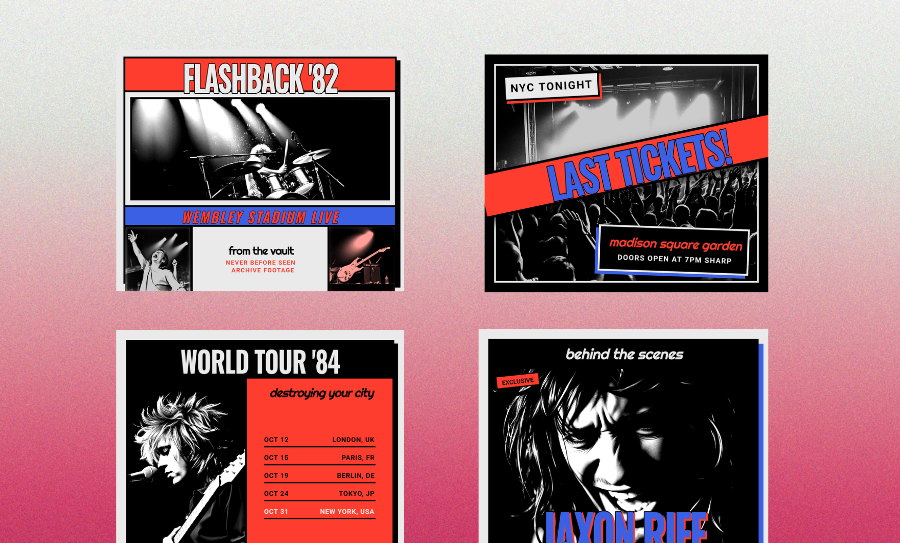
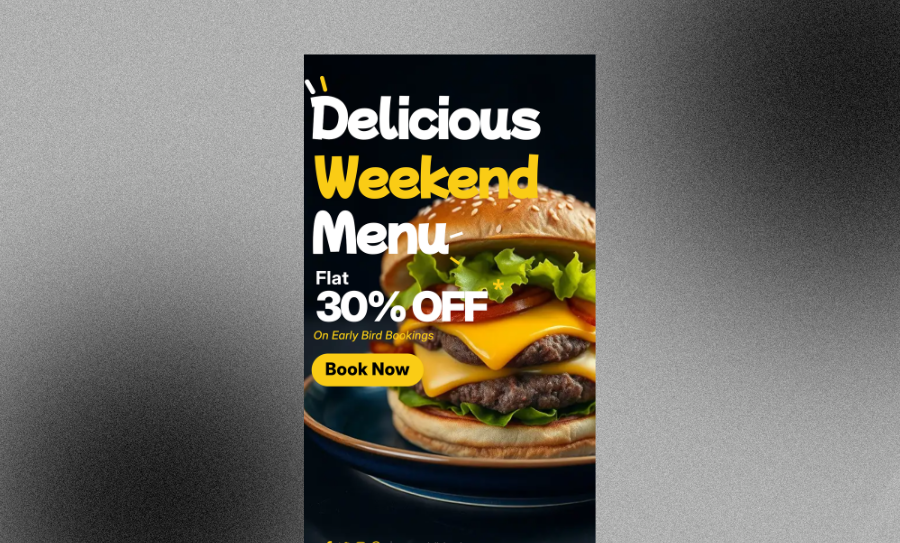
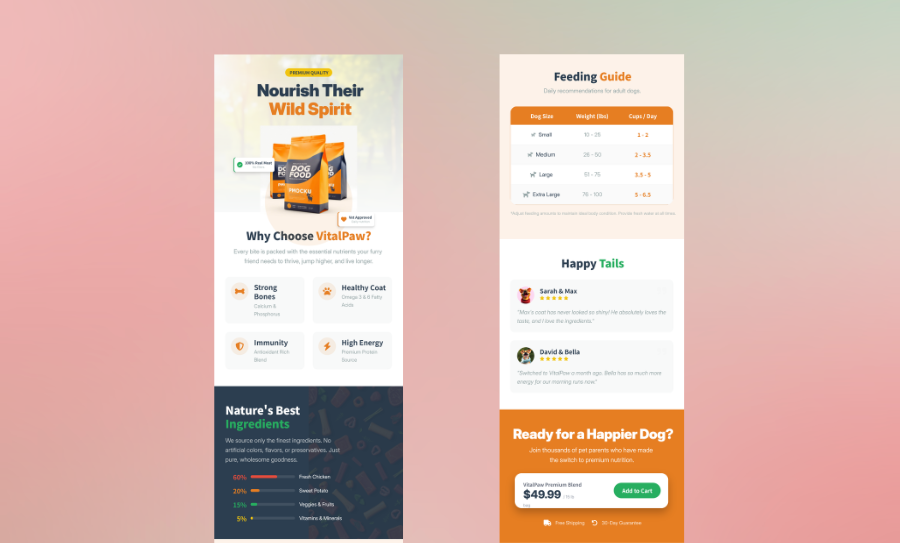
Build a local awareness campaign with messaging for social media, email, and in-store signage. Describe your store and get a ready-to-use campaign plan. Export print-ready visuals for opening day and your first week.
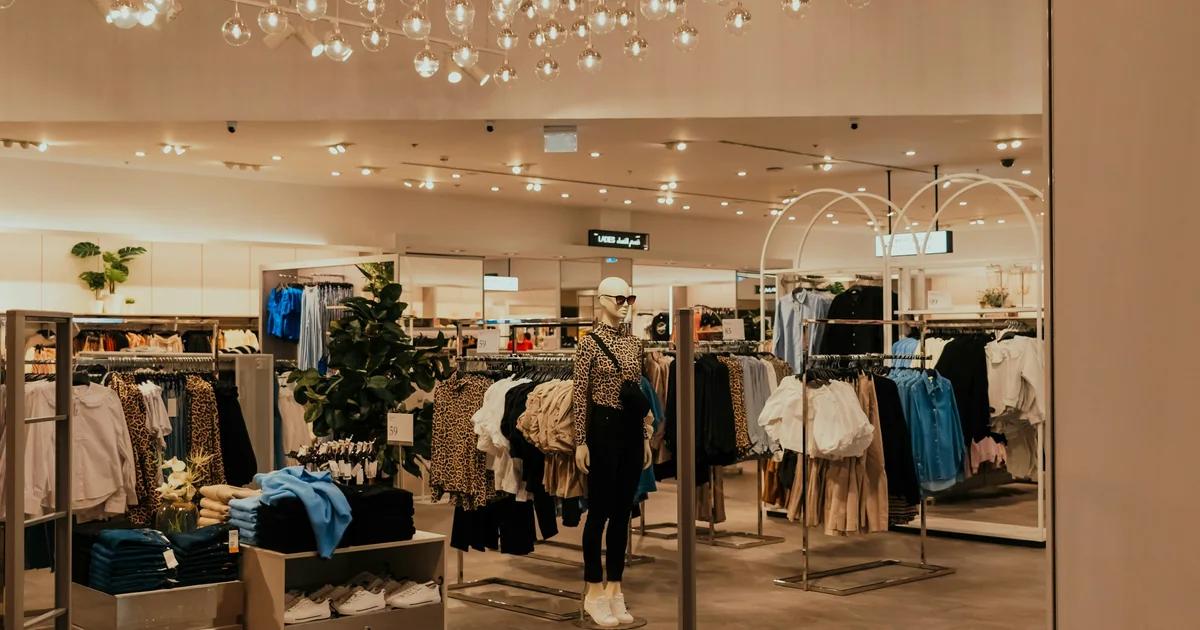
Three Ways to Generate grand opening visual campaign sets
Describe Your Store and Opening Plan — Get a Campaign Visual Set
Tell the AI your store type, neighborhood, opening date, and the tone you want. It builds a structured campaign layout around your details — from pre-awareness flyers to opening-day signage — without you starting from scratch. This approach works especially well when you have a clear campaign idea but no design background.
- Generates coordinated visuals for each campaign stage — pre-awareness, countdown, opening day, and follow-up
- Adapts layout and hierarchy to your store category and local audience context
- Produces print-ready and social-ready formats from the same campaign brief
- Every text box, color, and image layer stays fully editable after generation
Start From a Retail Grand Opening Template and Make It Yours
Pick a campaign template built for retail store launches, then swap in your store name, opening date, address, and brand colors. Templates give you a proven visual structure so you're not guessing at layout or hierarchy. This method suits store owners who want a fast starting point with room to customize every detail.
- Retail-specific templates for flyers, social posts, window signs, and loyalty offer cards
- Editable placeholders for store name, date, address, and promotional offer
- Style options that fit different store categories — food, apparel, home goods, services, and more
- Export as high-resolution PDF or PNG for print vendors or digital channels
Import Your Campaign Copy and Turn It Into Designed Assets
Already written your grand opening announcement, event details, and loyalty offer in a doc or notes file? Paste or upload that content and get a structured visual layout built around it. This is the fastest path from finished copy to production-ready campaign materials — no reformatting, no rebuilding from scratch.
- Import from Word, PDF, or plain text — campaign copy becomes a designed layout automatically
- Supports multi-stage content: pre-opening teaser, event flyer, and repeat-visit offer in one import
- Maintains your original messaging while applying visual hierarchy and spacing
- Outputs separate assets for each campaign stage, all editable and export-ready
Why choose Veeso for your retail launch campaign design assets
Keep Every Campaign Stage Visually Consistent Across Channels
A retail grand opening runs across flyers, social posts, window signage, and in-store displays — all at the same time. When each piece looks like it belongs to the same campaign, customers recognize your store before they ever walk in. Designing all five campaign stages as a coordinated visual set makes that consistency much easier to achieve.
Try It Free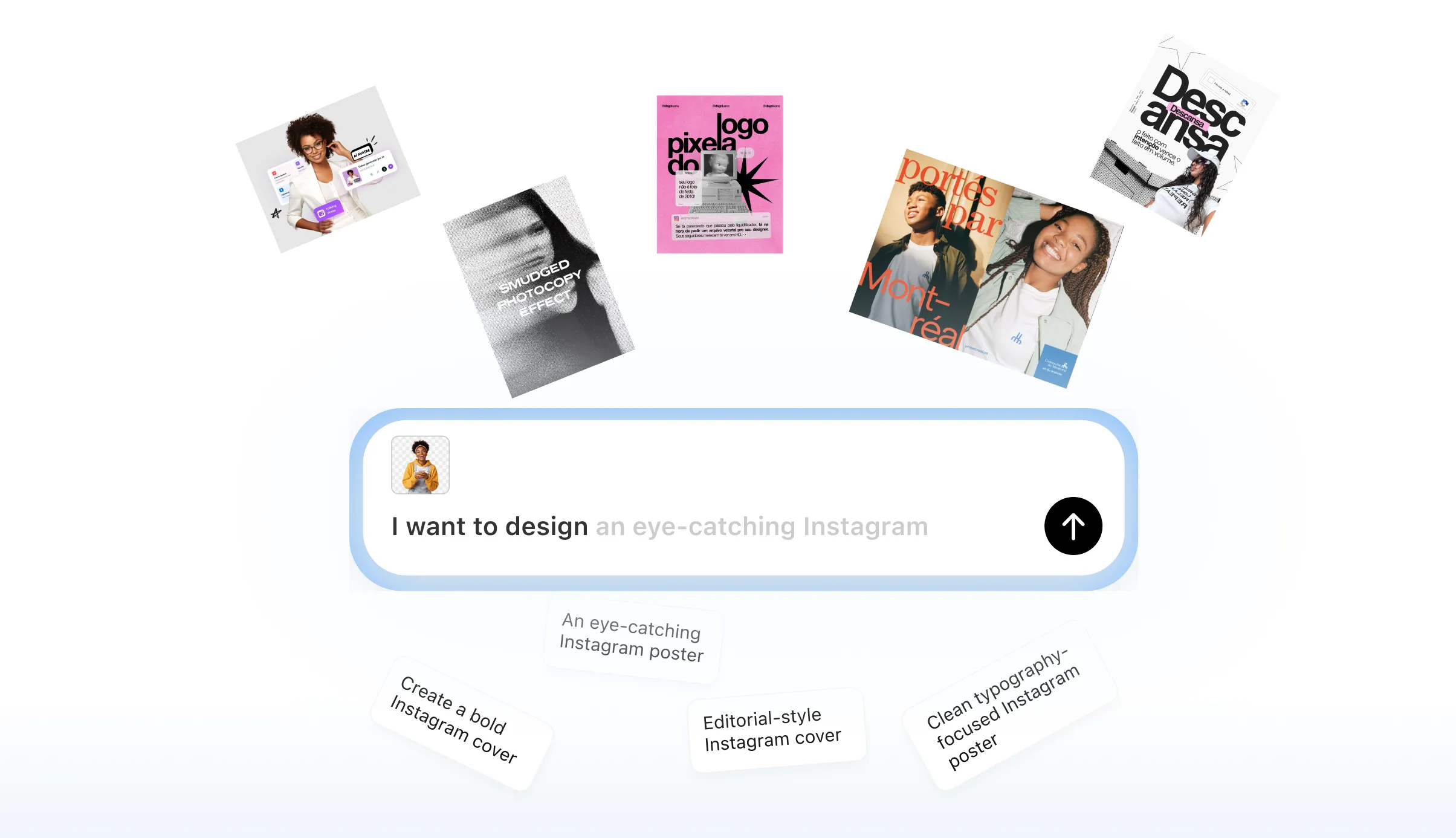
Move Fast When Your Opening Date Is Fixed
A store opening has a hard deadline. You can't push it back because the signage isn't ready. Starting from a campaign-specific layout — rather than a blank canvas — cuts the time it takes to go from copy to print-ready files. That extra time is better spent on neighborhood outreach and opening-day logistics.
Try It Free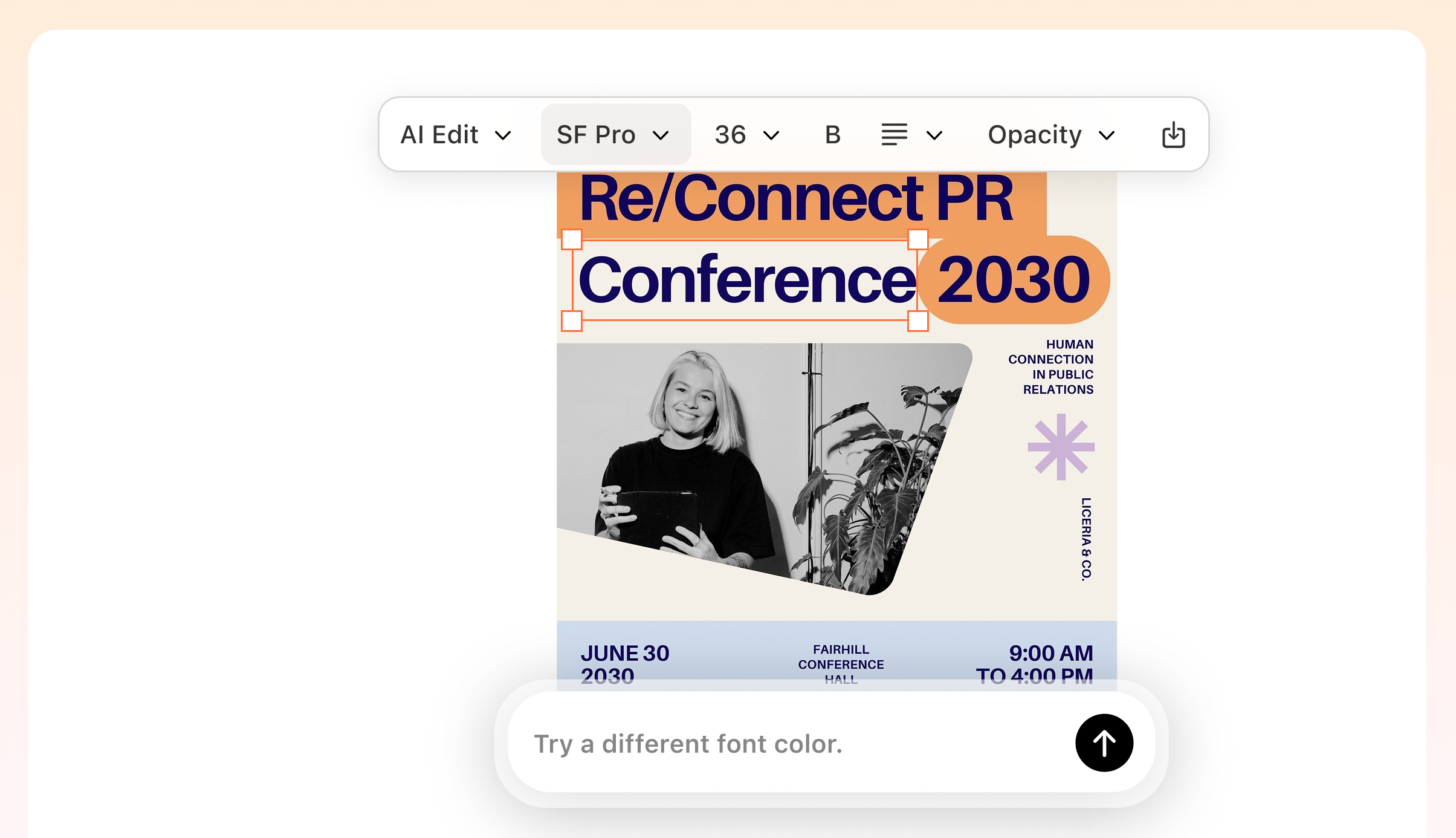
Match Your Visuals to Your Store Type and Local Audience
A boutique clothing shop in a walkable urban neighborhood needs a different visual tone than a family hardware store in a suburban strip mall. Generic launch templates don't account for store category, neighborhood context, or the hyperlocal audience you're trying to reach. Campaign assets built around your specific store type land better with the people who actually live nearby.
Try It Free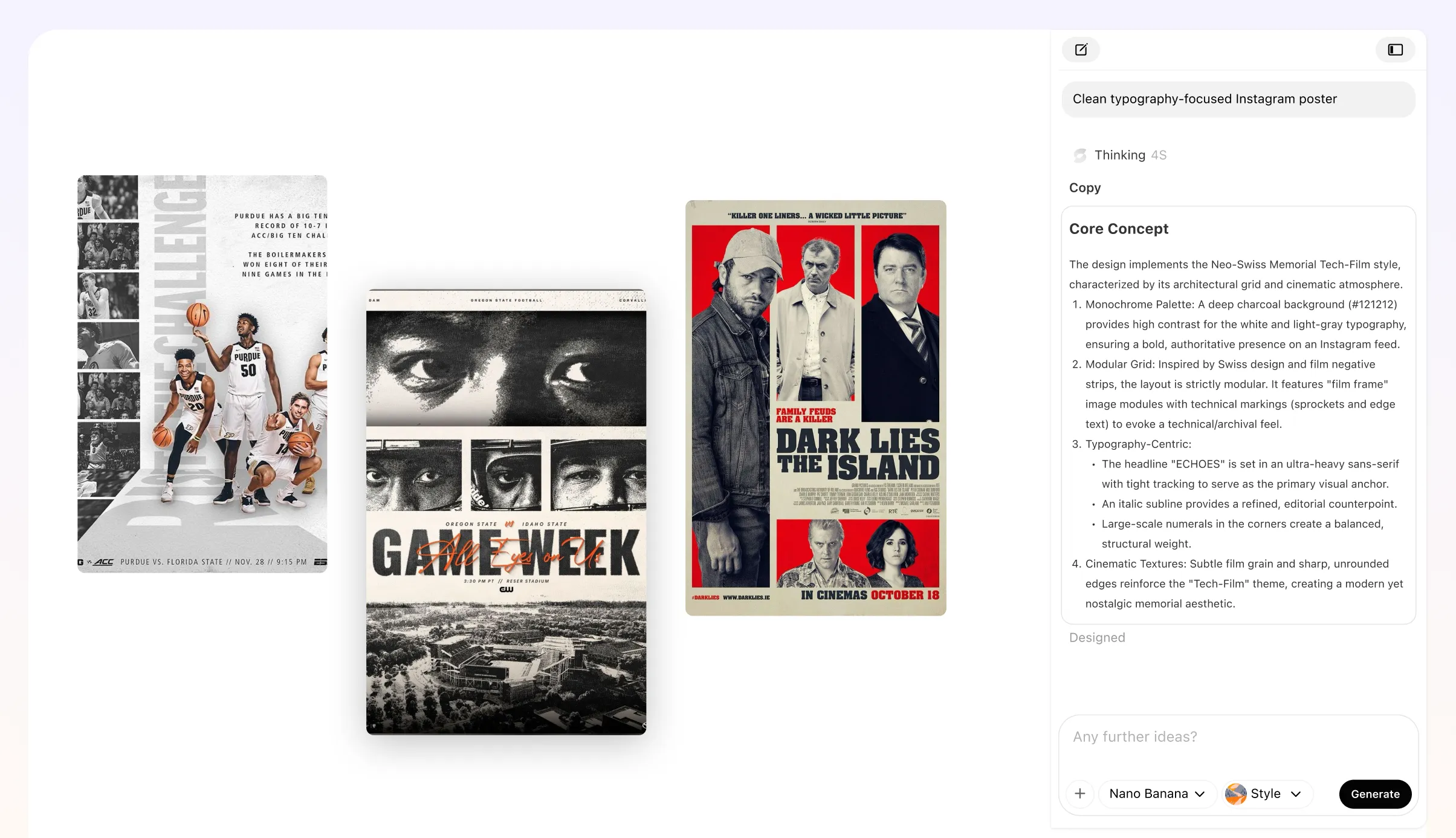
Design for Repeat Visits, Not Just Opening Day
The real challenge in retail isn't getting people through the door on day one — it's getting them back on day seven, fourteen, and thirty. Your campaign visuals need to carry a loyalty message and a return-visit offer, not just a grand opening announcement. Planning those follow-up assets at the start means you're not scrambling to design them after the opening rush is over.
Try It Free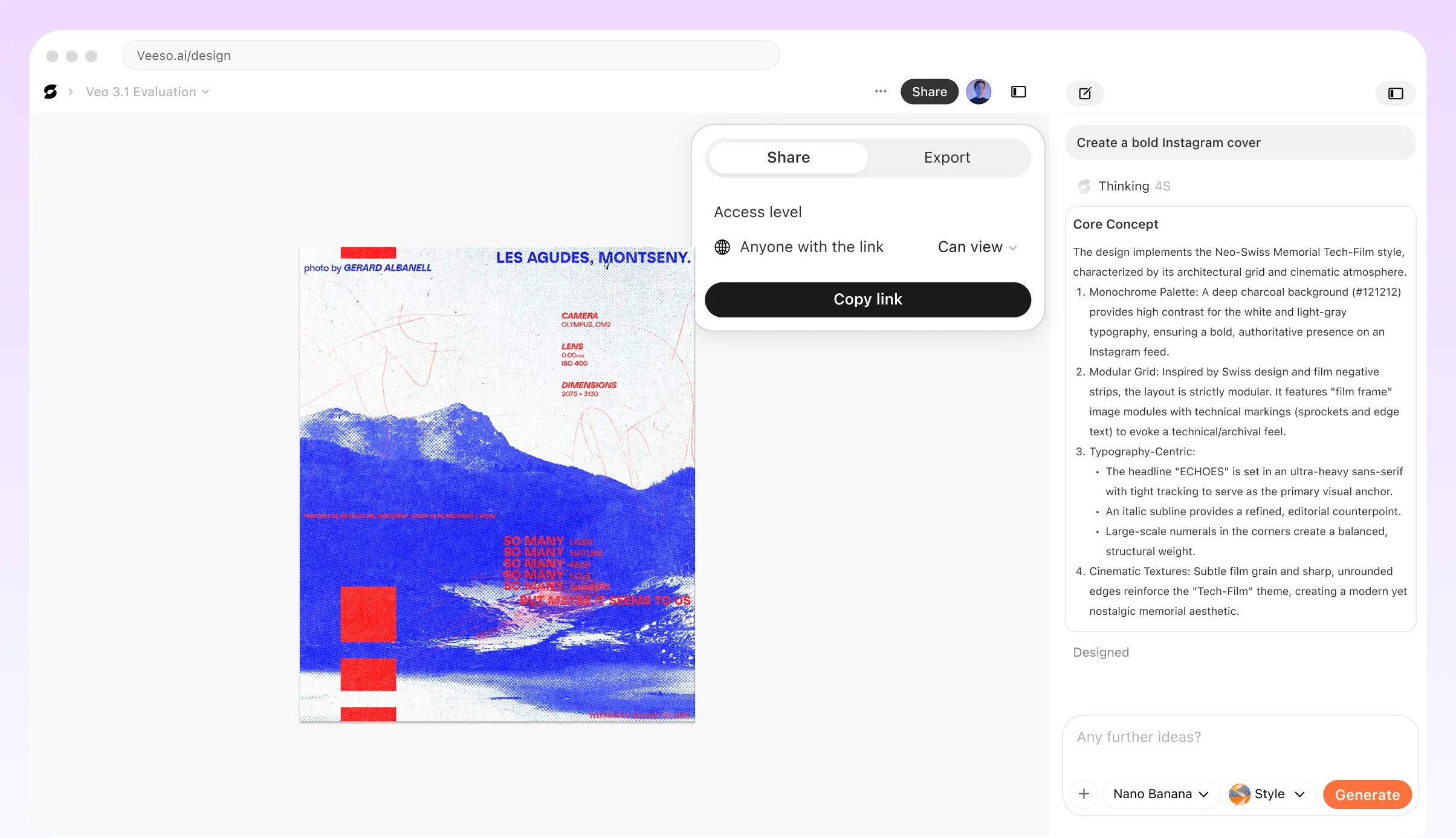
Who Uses a Retail Store Opening Campaign Generator?
Independent Boutique Owner Planning a Neighborhood Grand Opening
You're opening a small clothing boutique in a walkable neighborhood and need people to show up on day one. A retail store opening campaign generator helps you build a week-by-week plan covering local awareness posts, a pre-opening teaser sequence, and an opening-day offer structured to drive foot traffic. It gives you channel-specific copy for Instagram, a simple email to your early sign-up list, and talking points for a sidewalk event. You get a focused plan without hiring an agency or guessing which tactics actually work for local retail.
Franchise Operator Launching a New Location in a Competitive Market
Opening a franchise location means you already have brand guidelines but still need a hyperlocal campaign that speaks to your specific neighborhood. A grand opening marketing campaign generator lets you input your store type, location, and target customer profile, then outputs messaging tailored to that area rather than a generic product launch template. You can adapt the suggested social media store launch content and opening-day email sequence to fit your franchisor's tone while still addressing local foot traffic drivers like nearby offices, schools, or transit stops.
Pop-Up Retail Brand Building a Short-Window Launch Campaign
A retail pop-up shop launch campaign planner solves a specific problem: you have a narrow window, often just a weekend or a few weeks, to create community awareness and convert curious visitors into buyers. The generator helps you map urgency-based messaging across social channels, plan in-store event attendance strategy around peak hours, and structure a follow-up offer that brings people back before the pop-up closes. Veeso AI can turn that campaign brief into coordinated printed signage and social graphics, all editable so you can swap dates and details without starting over.
Multi-Location Retailer Coordinating a Staggered Regional Rollout
When you're opening three stores across different cities over six weeks, a single generic campaign won't work. A store opening campaign planner lets you build a repeatable campaign framework, then adjust the neighborhood outreach campaign details, local awareness copy, and event timing for each location separately. You define the core message once and adapt the channel mix based on each market's demographics. This keeps your brand voice consistent while letting each store's opening feel relevant to its own community rather than a copy-paste announcement.
First-Week Sales Activation Focused on Converting Visitors into Repeat Customers
Getting people through the door on opening day is only half the job. A first-week repeat visit campaign generator helps you plan the follow-up layer: a loyalty program launch offer, a second-visit incentive tied to a specific product category, and a short email sequence that goes out after day one. The campaign output gives you the messaging structure and timing so you're not improvising after the opening rush. Veeso AI can produce the in-store signage and printed loyalty card designs that support this sequence, keeping the visual language consistent from the front window to the checkout counter.
Local Awareness Campaign for a Specialty Food or Beverage Store Opening
A specialty grocery, coffee roaster, or wine shop opening needs a different campaign angle than a general retail store. Your audience cares about provenance, community, and experience, not just a discount. An AI retail store opening campaign generator lets you frame your grand opening event promotion around tasting events, neighborhood partnerships, and story-driven social content rather than a standard sales push. It helps you plan the pre-opening content calendar, suggest local press outreach angles, and structure an opening-week offer that fits a premium product without undercutting your brand positioning.
Why independent retail owners and local store managers Choose Veeso AI
How to Create High-Converting store opening campaign visuals
Map Out Your Five Campaign Stages Before You Design Anything
Write down what you need to communicate at each stage — neighborhood pre-awareness four to six weeks out, countdown messaging in the final two weeks, opening-day activation, first-week sales reinforcement, and your repeat-visit offer. Knowing what each stage needs to say makes every design decision faster and more focused.
Define Your Store Type, Radius, and Local Audience
A local awareness campaign for a retail store opening works best when the visuals and messaging reflect the actual neighborhood and customer. Note your store category, the radius you're targeting, and the tone that fits your community — this information shapes every layout choice, from color palette to headline style.
Build Your Visual Assets Stage by Stage
Create the assets for each campaign stage as a coordinated set — pre-opening flyers, social countdown graphics, opening-day in-store signage, and loyalty follow-up cards. Tools like Veeso AI let you turn your campaign copy into polished, editable visual files for each stage without rebuilding the design from scratch each time.
Export Print-Ready and Digital Files for Each Channel
Different channels need different file formats — a neighborhood flyer needs a high-resolution PDF for the print vendor, while a social post needs a PNG sized for the platform. Export each asset in the right format before your campaign goes live so nothing holds up your opening timeline.
FAQ
Ready to Create Beautiful Retail Launch Campaign Design Assets with Veeso AI?
Start Creating NowNo credit card required • Free to start • No design skills required
Explore More AI Graphic Design Use Cases
Discover more creative design scenarios powered by Veeso AI.