Fill Your Slow Nights With a Ready Campaign
Build a complete slow night promotion campaign for any weekday — offer, copy, and channel plan included. Describe your restaurant and your slowest night, then get a structured campaign you can run this week. Print or share your campaign materials as polished, print-ready visuals.
Three Ways to Generate slow-night visual campaign sets
Describe Your Slow-Night Concept and Get a Campaign Layout
Tell the AI what you're running — a weeknight chef's table, a loyalty-member early-access dinner, a neighborhood trivia night — and it builds a visual campaign layout around that brief. You get a starting point that already reflects your format, your audience, and your tone, so you're not staring at a blank canvas at 2 p.m. on a Wednesday. Veeso AI handles the layout logic so you can focus on the details that make your specific promotion work.
- Describe your slow-night format in plain language and get a structured visual draft
- Campaign brief inputs like night of week, audience segment, and offer type shape the layout
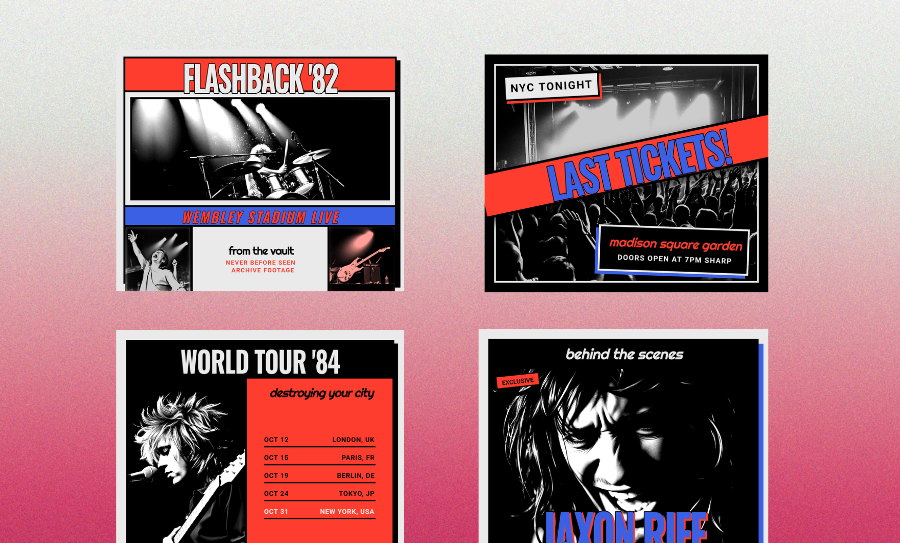
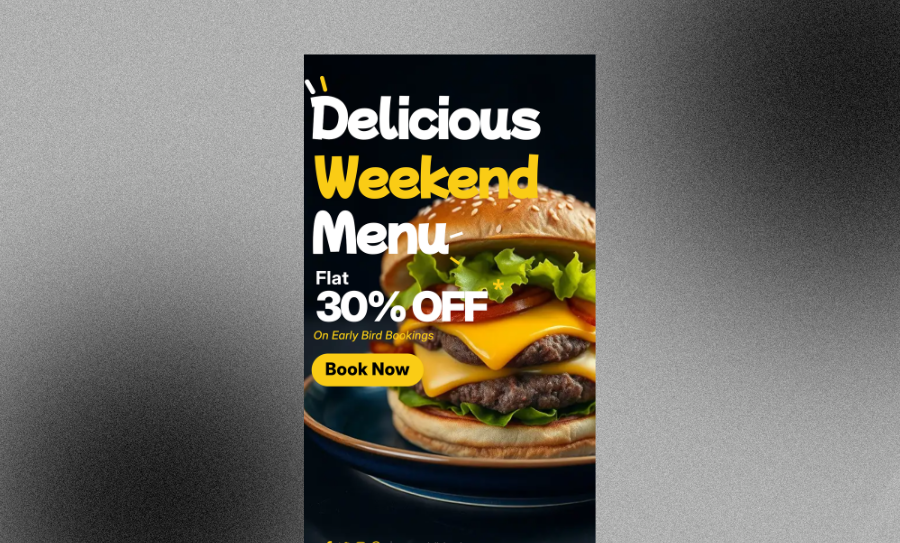
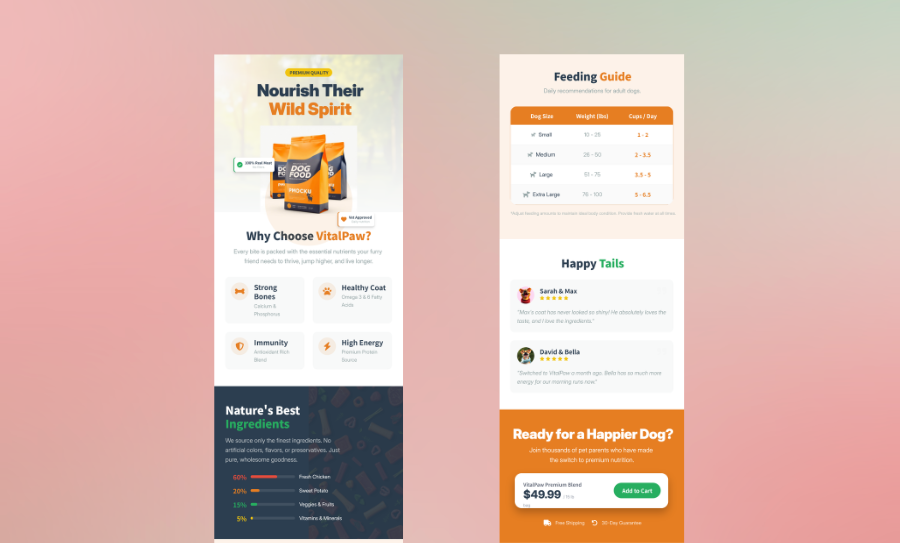
- Output includes coordinated assets: social card, flyer, and table tent in one pass
- Edit any text box, image, or color layer directly after generation
Start From a Weekday Promotion Template That Fits Your Restaurant Type
Pick a campaign template built for your format — bar-forward trivia nights, full-service experiential dinners, fast-casual loyalty drops — and customize the copy, colors, and images to match your brand. Templates give you a proven visual structure so you're not guessing at hierarchy or spacing. Swap in your details and you have a print-ready, channel-ready set without starting from zero.
- Templates organized by restaurant type: bar, full service, fast casual, family dining
- Campaign format options include event nights, loyalty rewards, and community tie-ins
- Editable text, image placeholders, and color schemes built for off-peak promotion visuals
- Export as high-resolution PNG or PDF for print and digital use
Import Your Campaign Brief and Turn It Into Polished Promo Assets
Already drafted your slow-night promotion details in a doc or a notes app? Paste or upload that content and get a structured visual layout built around what you wrote. This method works especially well when you've already figured out the offer, the audience, and the channel sequence and just need the visuals to catch up. Your words become a finished flyer, social card, or table tent without a redesign from scratch.
- Import from Word, PDF, or pasted text to generate a designed campaign layout
- Structured pages pull your offer details, dates, and call-to-action into the right visual slots
- Supports multi-asset output so one brief produces a full coordinated campaign set
- All imported content stays fully editable after the layout is generated
Why choose Veeso for your repeatable promo visual asset sets
Stop Reinventing the Wheel Every Slow Tuesday
Most operators scramble for a last-minute fix when Monday or Tuesday rolls around empty. A repeatable promo visual asset set gives you a ready-to-go campaign format you can reuse week after week with minimal changes. You spend less time starting from scratch and more time actually running your restaurant.
Try It Free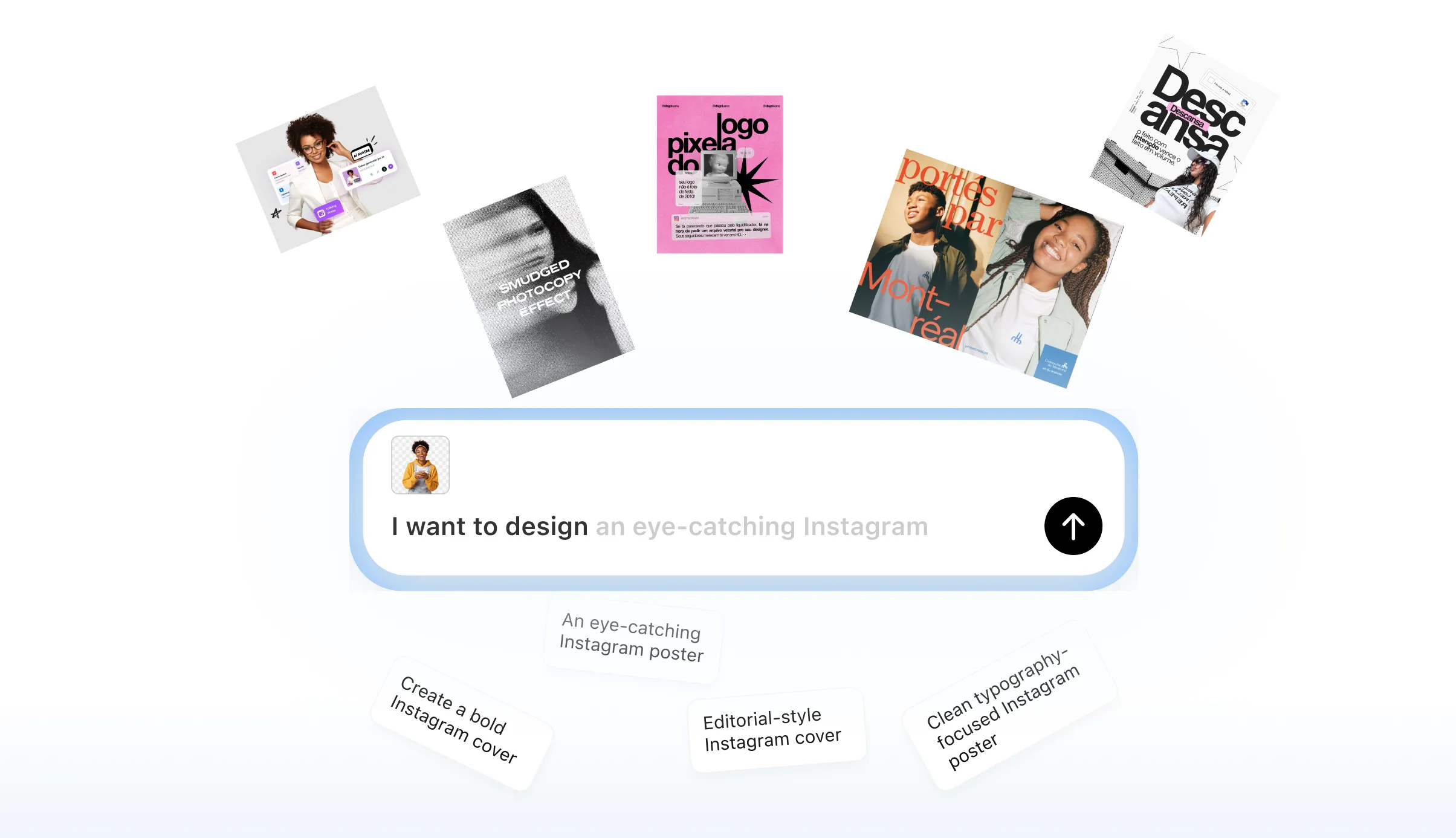
Run Non-Discount Campaigns That Don't Erode Your Margins
Defaulting to a happy-hour discount trains guests to wait for the deal instead of paying full price. Experiential and loyalty-based campaign formats need clear, compelling visuals to land — a chef's table night or a neighborhood tie-in looks amateur on a blurry flyer. Polished, editable assets help you sell the experience, not just the price cut.
Try It Free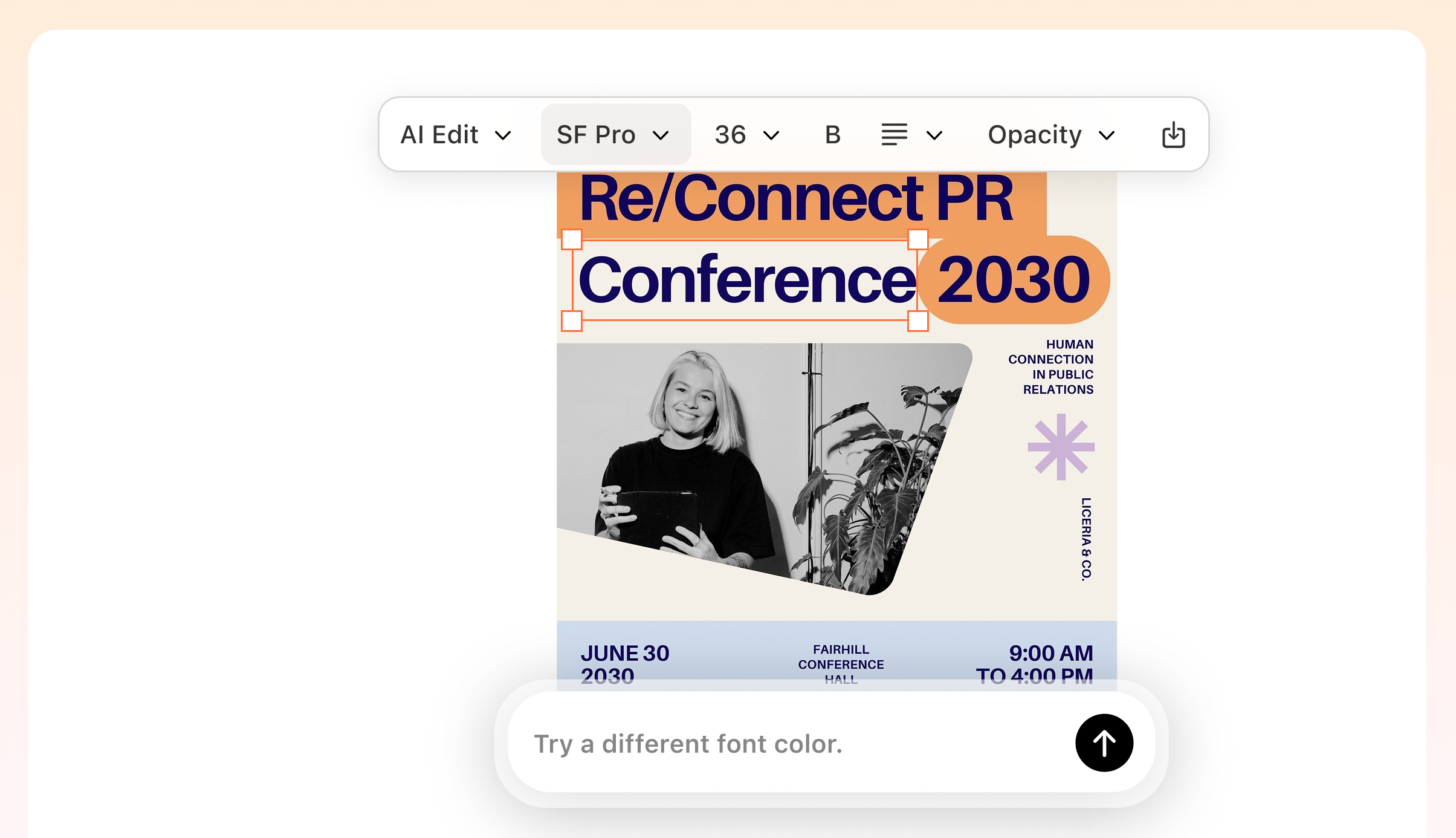
Keep Your Weekday Campaign Visuals Consistent Across Every Channel
A slow-night promotion usually needs a social card, a table tent, and a printed flyer — all at once, all matching. Designing each one separately in different apps creates inconsistency that weakens the campaign's credibility. A coordinated visual set keeps your messaging tight whether a guest sees it on Instagram or on their table.
Try It Free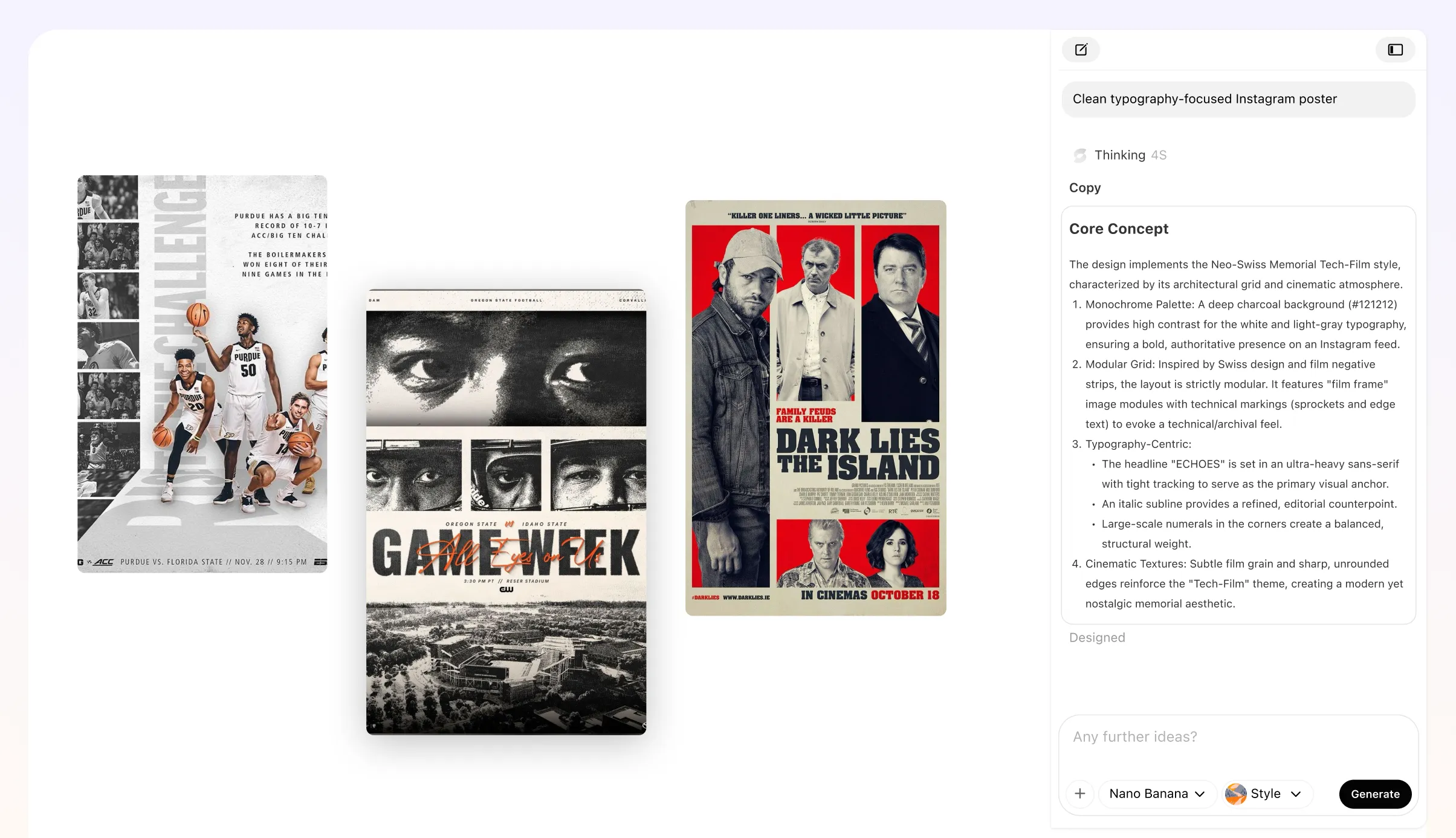
Move Fast When a Slow Night Sneaks Up on You
Weather changes, a local event cancels, and suddenly Thursday looks dead by noon. You need campaign-ready visuals in hours, not days. Starting from a structured brief and an editable layout means you can swap the headline, update the date, and get assets out the door before the dinner rush window closes.
Try It Free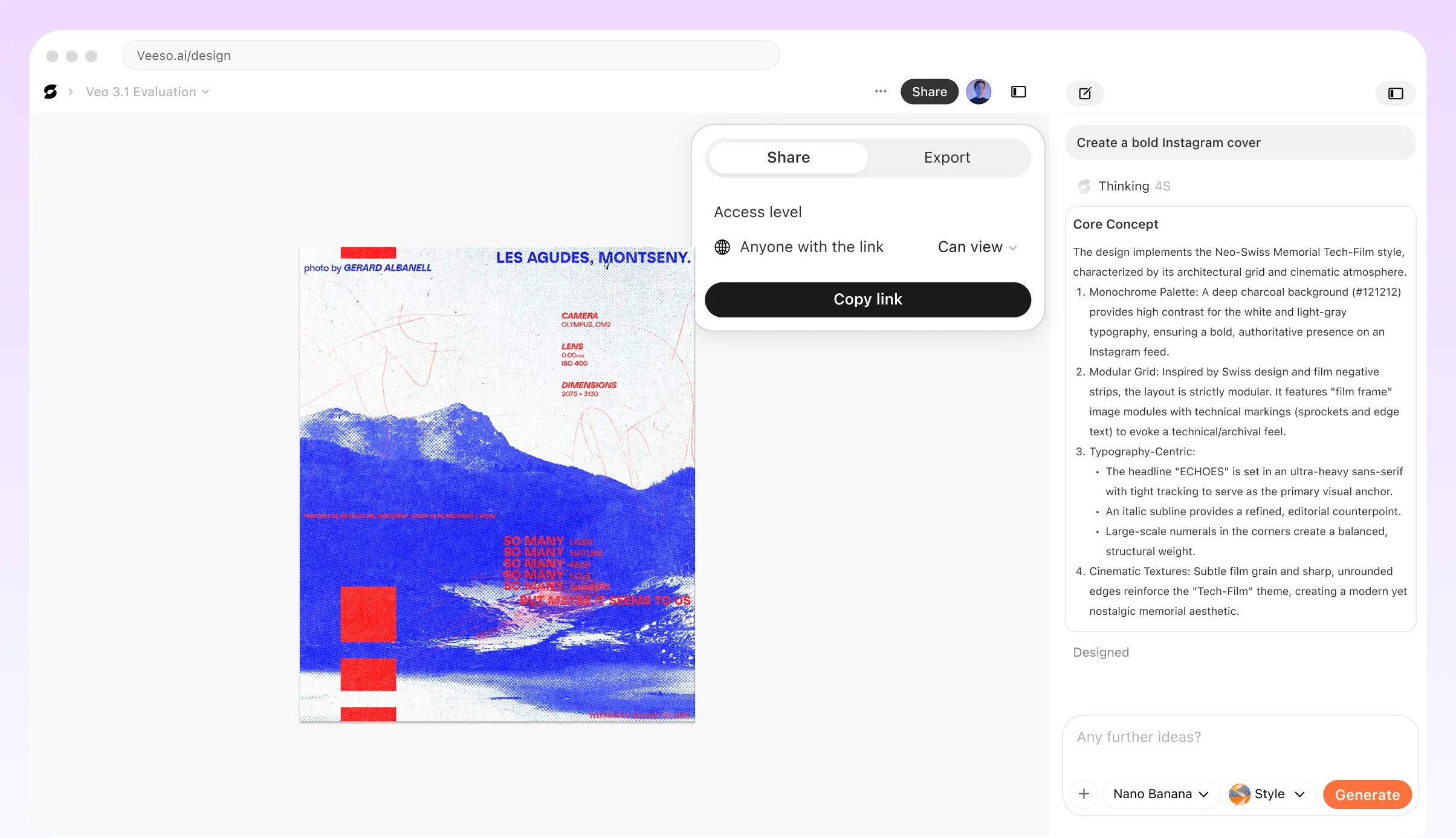
Who Uses a Restaurant Slow Night Promotion Campaign Generator?
The Independent Pizzeria Turning Tuesday Into a Neighborhood Ritual
Tuesday covers are half what Friday brings, and discounting the menu every week is eating into margins. A slow night promotion campaign generator lets a small operator describe their slowest weeknight, their regulars, and their kitchen capacity, then outputs a themed event concept, a channel-by-channel messaging plan, and a staff run-of-show. The result is a recurring Tuesday ritual, like a neighborhood pizza-and-trivia night, that builds weekday foot traffic through anticipation rather than price cuts. The campaign is ready to repeat each week without rebuilding it from scratch.
The Bar Manager Reactivating Lapsed Customers on a Slow Wednesday
A bar manager notices a segment of regulars who haven't visited in 60 days. Instead of sending a generic discount code, they use a restaurant customer reactivation campaign built around a specific Wednesday offer tied to a limited-time experience, like a guest bartender or a tasting flight. The generator produces targeted outreach copy for email and social, framed around the experience rather than the price. Lapsed guests feel invited back to something worth showing up for, not just nudged by a coupon. The campaign targets off-peak dining demand without training customers to wait for deals.
The Farm-to-Table Restaurant Building a Monthly Loyalty Event Series
A chef-driven restaurant wants to reward its most loyal diners on slow Monday nights without cannibalizing weekend revenue. A repeatable restaurant promotion campaign maker helps them design a monthly supper club format: a set menu, a producer story, and a reason to reserve early. The generator outputs the event concept, the pre-event email sequence, and the in-room talking points for staff. Because the format repeats monthly with small variations, the marketing effort compounds over time. Loyal guests start blocking the first Monday of every month before the invitation even arrives.
A Multi-Location Group Standardizing Off-Peak Campaigns Across Sites
A restaurant group with four locations struggles to run consistent weekday restaurant traffic campaigns when each manager is improvising their own promotions. A campaign generator lets the marketing lead input the shared brand voice, the target weeknight, and the local audience for each site, then produces a coordinated campaign set with location-specific copy variations. Each site gets a channel plan and a staff briefing document that fits their floor layout and team size. Veeso AI can then turn those briefing documents into polished, print-ready visual assets, like table cards and staff handouts, that each location can edit for their own details.
The Food Truck Owner Planning a Weekday Pop-Up at a Slow Venue Partner
A food truck operator partners with a brewery that sees almost no traffic on Thursday evenings. Neither business has a dedicated marketing team. A slow day restaurant marketing ideas generator helps them co-create a joint campaign: a shared theme, a social post sequence for both accounts, and a simple run-of-show for the evening. The output tells each partner exactly what to post, when to post it, and what to say to walk-ins on the night. The campaign runs on organic social and email, keeping costs low while building a recurring off-peak dining demand event that both audiences look forward to.
The Brunch Spot Adding a Weeknight Dinner Audience Without a Full Rebrand
A restaurant known for weekend brunch wants to fill seats on slow Sunday and Monday evenings without confusing its existing audience. The challenge is positioning a dinner service to a crowd that thinks of the space as a morning destination. An AI restaurant promotion campaign creator helps the owner frame the evening offer as an extension of the brunch identity, a relaxed wind-down dinner with familiar flavors and a quieter room. The generator produces the messaging angle, the social captions, and the email subject lines. Veeso AI can produce the coordinated visual assets, from Instagram graphics to printed menus, so the dinner campaign looks intentional rather than improvised.
Why independent restaurant owners and small hospitality operators Choose Veeso AI
How to Create High-Converting weekday promotion campaign visuals
Define Your Slow Night and the Guests You Want to Fill It
Pick the specific night of the week that consistently underperforms and decide which customer segment you're targeting — regulars who haven't visited in a while, loyalty members, or new neighborhood guests. Being specific here shapes every other decision in the campaign.
Choose a Campaign Format That Fits Your Restaurant Type
Match your format to your operation: a limited-seat chef's table works for full-service restaurants, a trivia or game night works for bar-forward spots, and a loyalty-member early-access dinner works across most formats. Picking the right format before you write a single word of copy saves you from redesigning the whole campaign later.
Write Your Campaign Brief and Map Out Your Channel Sequence
Summarize your offer, your audience, your night, and your call to action in a short brief — two or three sentences is enough. Then decide which channels carry the message: in-restaurant table tents, a social post three days out, and a printed flyer near the host stand cover most weekday promotion needs.
Produce Your Weekday Promotion Visuals as a Coordinated Campaign Set
Turn your brief into a matched set of assets — social card, flyer, and table tent — so every touchpoint looks like it belongs to the same campaign. Tools like Veeso AI let you generate and edit these visuals from your brief without needing a design background, and export them print-ready for the week ahead.
FAQ
Ready to Create Beautiful Repeatable Promo Visual Asset Sets with Veeso AI?
Start Creating NowNo credit card required • Free to start • No design skills required
Explore More AI Graphic Design Use Cases
Discover more creative design scenarios powered by Veeso AI.