Plan Your Menu Launch From Preview Night to Full House
Map every step of your restaurant menu preview launch booking workflow, from dish photography to confirmation emails. Build the visual assets your team and guests need. Export print-ready files the moment your design is done.
Three Ways to Generate menu launch visual campaign sets
Describe Your Menu Launch Concept and Generate a Full Chef Story Design Set
Paste your chef's background, seasonal dish descriptions, and the tone you want — the AI builds a coordinated visual campaign set around that content. Each output is fully editable, so you can adjust dish names, swap photography, or shift the color palette before the teaser phase goes live. This method works best when you have strong copy ready but no design starting point.
- Auto-layout that structures chef story text and dish tasting notes into scannable visual pages
- Coordinated teaser card, menu reveal poster, and reservation insert generated from one prompt
- Editable text boxes for every dish name, price, and chef quote — nothing is locked
- Export as high-resolution PDF or PNG ready for print and digital distribution
Start From a Seasonal Menu Launch Template and Swap In Your Own Dish Photography
Pick a template styled for a seasonal menu reveal or soft-launch preview dinner, then drop in your own dish photography and copy. The layout is already structured around the booking workflow — teaser assets come first, confirmation inserts follow, and the menu reveal piece anchors the set. You're not building from scratch; you're customizing a proven visual sequence.
- Template library filtered by menu type — seasonal, tasting menu, prix-fixe, and casual launch formats
- Image placeholders sized and positioned for dish photography at menu reveal proportions
- Pre-written chef story placeholder copy you can replace with your own narrative
- Duplicate and adapt any asset in the set for loyalty-tier early-access versus public release versions
Import Your Existing Menu Document and Turn It Into Polished Launch-Ready Visuals
If your menu is already written in a Word doc, PDF, or Markdown file, import it directly and let the tool structure it into designed visual pages. Dish sections, pricing, and chef notes are parsed into editable layout blocks — no copy-pasting required. This method is ideal when you're close to launch and need production-ready assets fast without rebuilding your content from scratch.
- PDF, Word, and Markdown import with automatic section detection for dish categories and descriptions
- Structured visual output with editable layers for every menu item, price, and allergen note
- One-click style application to match your restaurant's existing brand colors and typefaces
- Export individual pages as separate assets for use across teaser posts, table cards, and booking confirmation inserts
Why choose Veeso for your dish preview and chef story design assets
Turn Dish Photography Into a Coordinated Teaser-to-Launch Content Arc
A single launch-week post rarely builds enough anticipation to fill tables before opening night. You need dish photos, chef tasting notes, and story cards released in deliberate phases that each point guests toward a booking link. Designing these assets as a coordinated set — rather than one-off posts — keeps the visual language consistent across every touchpoint in your reservation workflow.
Try It Free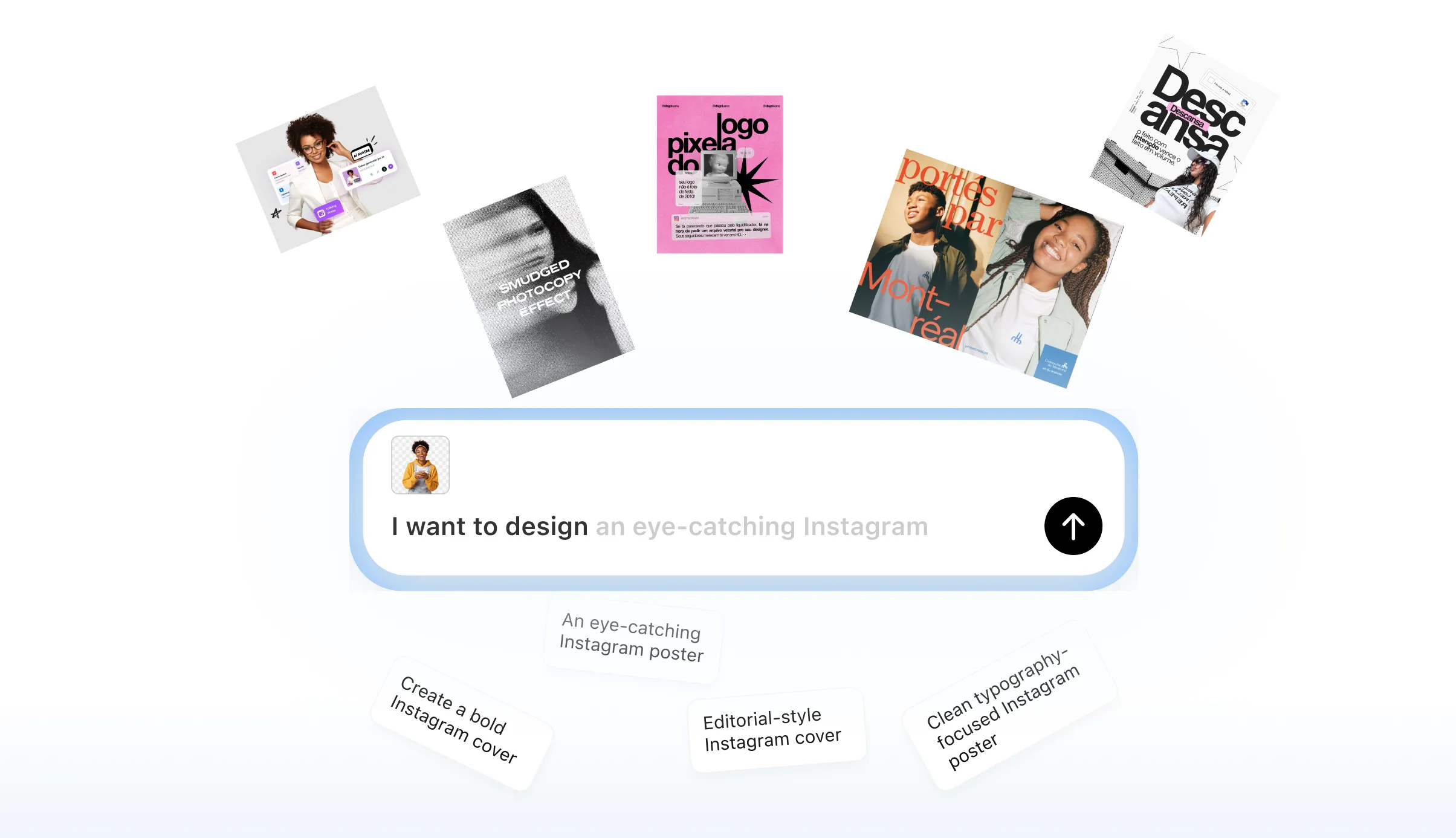
Give Loyalty Guests an Early-Access Preview That Feels Exclusive
Loyalty-tier guests expect something more than a public announcement. A well-designed early-access preview card or soft-launch dinner invite signals that their status matters and nudges them to reserve before the public window opens. Getting that asset right — with the right tone, dish imagery, and clear booking details — is what separates a genuine VIP moment from a generic email blast.
Try It Free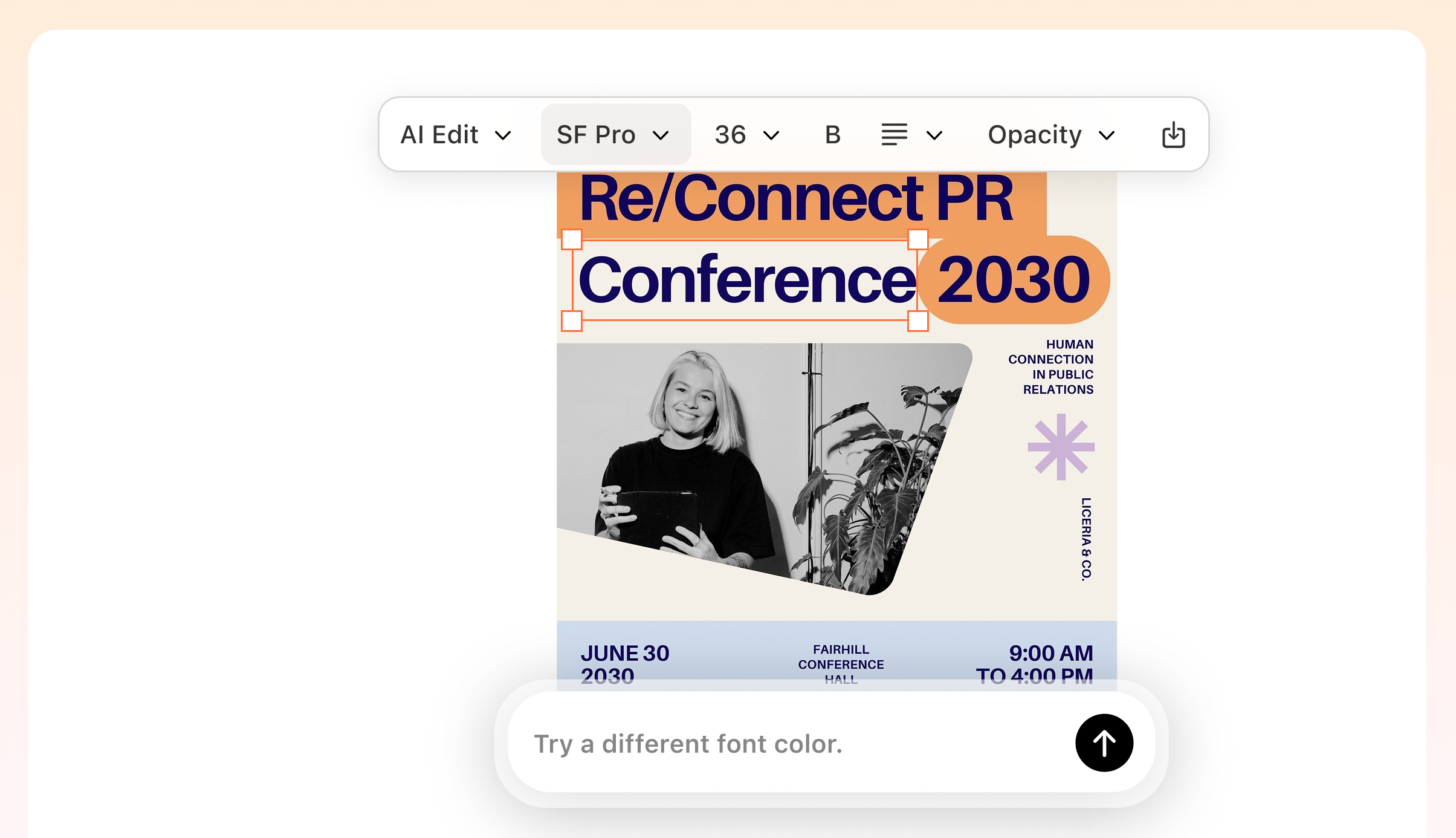
Keep Chef Story Content and Dish Descriptions Print-Ready and Screen-Ready
Your chef story and seasonal menu copy need to work on a printed table card, a social teaser, and a reservation confirmation insert — all at once. Designing each piece at production resolution from the start means you're not scrambling to resize or reformat assets the week of your menu reveal event. Every layer stays editable so last-minute dish changes don't force a full redesign.
Try It Free
Align Front-of-House Briefing Materials With Your Guest-Facing Launch Visuals
Launch day falls apart when the team's briefing sheet looks nothing like the menus guests are holding. Matching the visual style of your internal prep materials to your guest-facing menu reveal assets helps staff communicate dish details confidently and consistently. A design tool that lets you produce both from the same content set saves time and removes the risk of mismatched information on the floor.
Try It Free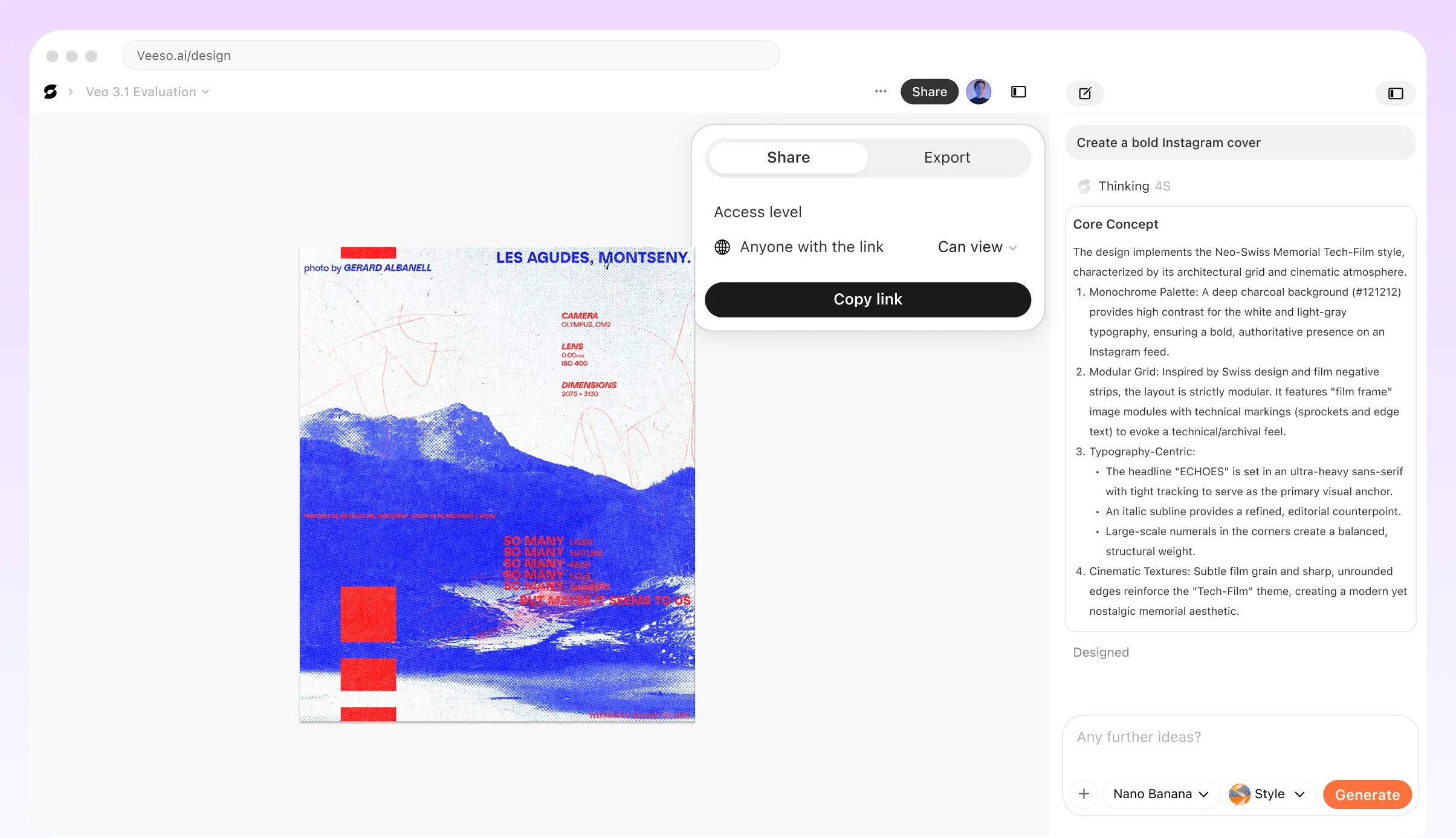
Who Uses a Menu Launch Visual Campaign Set to Fill Tables Before Opening Night?
VIP and Loyalty Guests: Early-Access Preview Night Reservations
Your most loyal guests want to feel like insiders, not latecomers. Opening a preview dinner exclusively to your regulars before the public announcement gives them a reason to book fast and talk about it. Build a simple reservation confirmation flow that holds a fixed number of seats, triggers a waitlist once capacity fills, and sends a follow-up message after the visit. Pair the invite with a short note from the chef explaining what inspired the new dishes. That personal touch turns a booking into a story worth sharing.
Seasonal Menu Rollout: Coordinating Kitchen, Floor Staff, and Guest Comms on the Same Timeline
A seasonal menu launch falls apart when the kitchen is ready but the front-of-house team hasn't been briefed and guests are still seeing last season's dishes online. Map every step on a shared launch-day checklist: staff tasting session, menu card delivery, reservation system update, and guest announcement. Brief your servers on dish names, key ingredients, and chef tasting notes before the first cover sits down. When the floor team can describe a dish confidently, guests trust the recommendation and order with less hesitation.
New Dish Photography: Turning Shoot Day Assets into Reservation-Driving Content
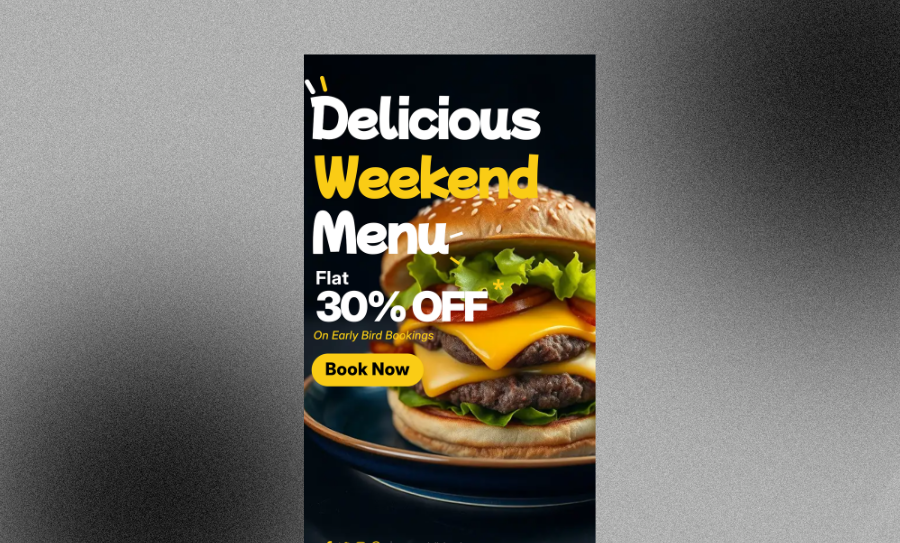
Dish photography is only useful if it moves from the camera to the right places before launch day. After the shoot, sort images by course and assign each one to a specific content moment: the teaser post, the booking confirmation email, the printed table card, and the staff briefing sheet. Veeso AI lets you paste your dish names and chef notes directly into a layout, so the same photo set produces a coordinated set of editable print and digital assets without rebuilding each one from scratch. Consistent visuals across every touchpoint make the launch feel intentional.
Soft Launch Preview Dinner: Managing Capacity, Waitlists, and Same-Night Feedback
A soft launch preview dinner is a dress rehearsal with real guests, so capacity planning matters as much as the food. Set a firm seat count that your team can execute cleanly, then open a waitlist for overflow rather than overselling. After service, collect feedback before guests leave. A short verbal check-in at the table works better than a form most guests won't complete. Use what you hear to adjust portion sizes, pacing, or descriptions before the full public launch. The goal is a controlled test, not a full house at any cost.
Chef Story Content: Writing and Designing the Narrative That Fills Preview Night Seats
Guests book a preview dinner because they're curious about the story behind the menu, not just the dishes. A short chef story that explains where an ingredient comes from or why a dish replaced a long-standing favourite gives people something to anticipate. Write the narrative first, then build your visual content around it. Veeso AI can take that written copy and structure it into a print-ready menu insert or a digital preview card, keeping the chef's voice intact while making the layout look finished. The story does the selling; the design makes it credible.
Post-Visit Guest Follow-Up: Turning Preview Night Attendees into Repeat Bookings
The window between a guest leaving your preview dinner and forgetting about it is short. A follow-up message sent within 24 hours, while the meal is still fresh, is the most effective moment to invite a second visit. Reference something specific from the evening, such as the dish they ordered or the new section of the menu they haven't tried yet. Include a direct link to your reservation page rather than asking guests to search for it. A clear next step converts a positive experience into a confirmed future booking instead of a warm memory that fades.
Why restaurant owners, food and beverage managers, and independent chefs Choose Veeso AI
How to Create High-Converting menu rollout visual content sequence
Gather Your Dish Photography, Chef Story, and Seasonal Menu Copy Before You Design Anything
Before you open any design tool, collect every content asset the workflow depends on — hero dish photos, the chef's background narrative, tasting notes, and the confirmed menu with pricing. Having this content ready means your visual campaign set stays consistent from the first teaser post through to the launch-day menu and front-of-house briefing sheet.
Build Your Visual Assets in Phases That Match the Booking Conversion Timeline
Structure your design output around the workflow's milestones: teaser cards for the pre-announcement phase, a loyalty-tier early-access invite for the first booking window, a public menu reveal poster when reservations open to everyone, and a confirmation insert for pre-visit guest communication. Tools like Veeso AI let you produce these as a coordinated, editable campaign set so the visual language stays consistent across every phase.
Prepare Front-of-House Briefing Materials Alongside Your Guest-Facing Menu Reveal Assets
Design your staff briefing sheet and dish description cards at the same time as your guest menus so both are ready before launch day. Matching the visual style across internal and external materials reduces confusion on the floor and helps your team speak confidently about every dish from the first cover.
Export Print-Ready and Digital Versions of Each Asset for Post-Launch Guest Follow-Up
After the preview night, your visual assets keep working — as post-event social content, loyalty guest follow-up cards, and seasonal menu updates. Export high-resolution PDFs for print and PNGs for digital use, and keep every file editable so you can refresh dish details or swap photography when the next seasonal menu launch cycle begins.
FAQ
Ready to Create Beautiful Dish Preview And Chef Story Design Assets with Veeso AI?
Start Creating NowNo credit card required • Free to start • No design skills required
Explore More AI Graphic Design Use Cases
Discover more creative design scenarios powered by Veeso AI.