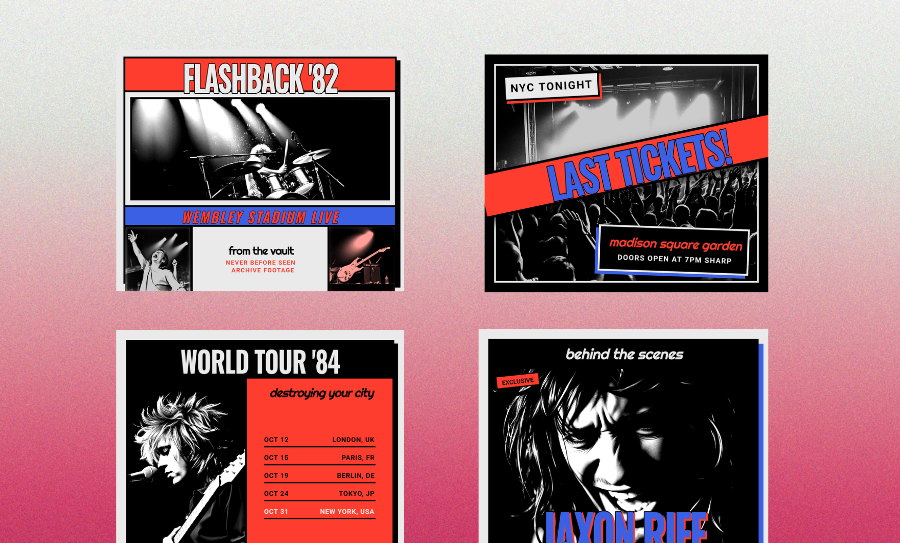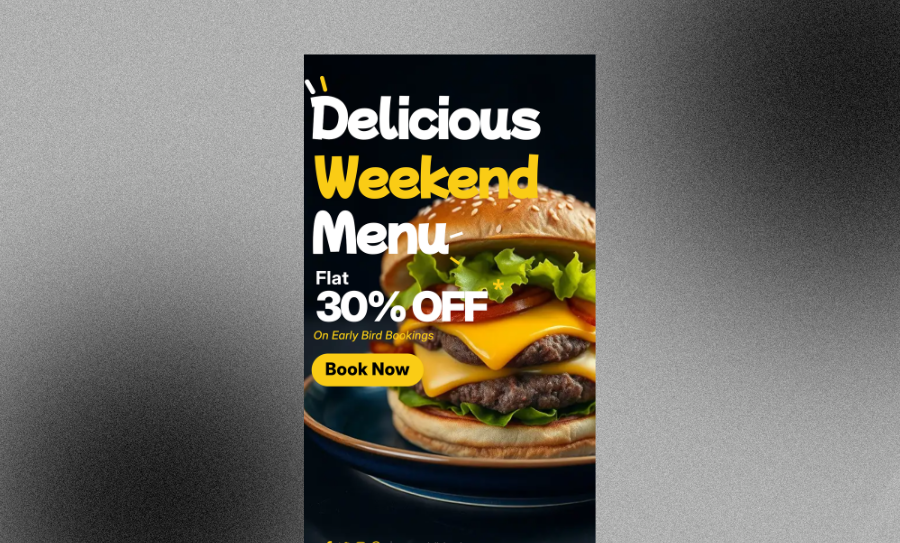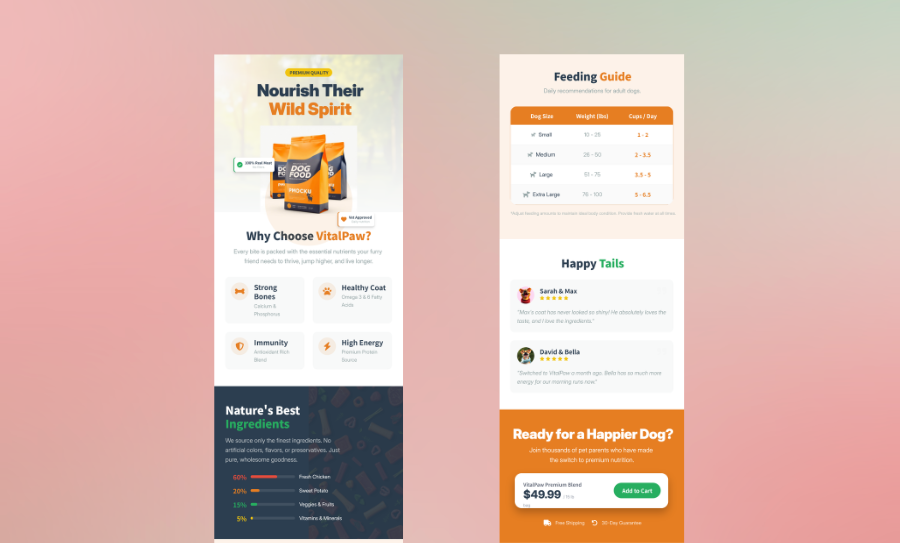
Run a Complete Open House Campaign From One Place
Design every marketing asset your open house needs — flyer, social post, and email header — without jumping between tools. Paste your listing details and get a coordinated set of print-ready visuals. Export high-resolution PNG or PDF files the moment your designs are ready.

Three Ways to Generate open house campaign visual set
Describe Your Listing in Plain Language and Get a Full Campaign Layout
Type out your listing details the way you'd explain them to a colleague — address, price, open house date, standout features — and an AI real estate ad generator builds a coordinated visual campaign around that copy. You don't need to think about layout, font pairing, or color balance. The output is a matched set of editable assets ready for your review.
- Paste listing address, price, date, and key features as plain text
- AI structures copy into flyer, social graphic, and email header layouts
- Campaign style adapts to the tone of your listing description
- Every text box and image layer stays fully editable after generation
Pick a Template Filtered by Property Type and Swap In Your Listing Copy
Browse a template library organized by property category — residential, luxury, or commercial — and choose a starting style that already fits your listing's audience. Replace the placeholder copy with your own details and adjust colors or photos to match the property. This path works well when you have a clear visual direction in mind and want to move quickly.
- Templates filtered by residential, luxury, and commercial property types
- Swap headline, price, date, and agent contact details in seconds
- Adjust color palette and imagery to match the property and neighborhood
- Coordinated flyer and social graphic sizes included in each template set
Import Your Existing Listing Sheet or Brochure and Turn It Into Campaign Assets
If you already have a listing brief, PDF brochure, or Word document with all the property details, you can import it directly instead of retyping everything. The tool reads your existing content and restructures it into campaign-ready visual pages. This is the fastest path when you're working from materials a client or brokerage already prepared.
- Import PDF listing sheets, Word documents, or Markdown briefs
- Existing copy is restructured into flyer, social, and email header layouts
- Property details, agent info, and key features are mapped automatically
- Edit any section after import before exporting final files
Why choose Veeso for your coordinated listing campaign kit
Keep Every Touchpoint Visually Consistent Across Your Listing Campaign
When your flyer, social graphic, and email header all look like they belong together, buyers recognize the property before they even read the address. Rebuilding the same design three times by hand introduces small inconsistencies that quietly undermine your real estate agent branding. A coordinated listing campaign kit solves this by producing matched assets from one set of listing details.
Try It Free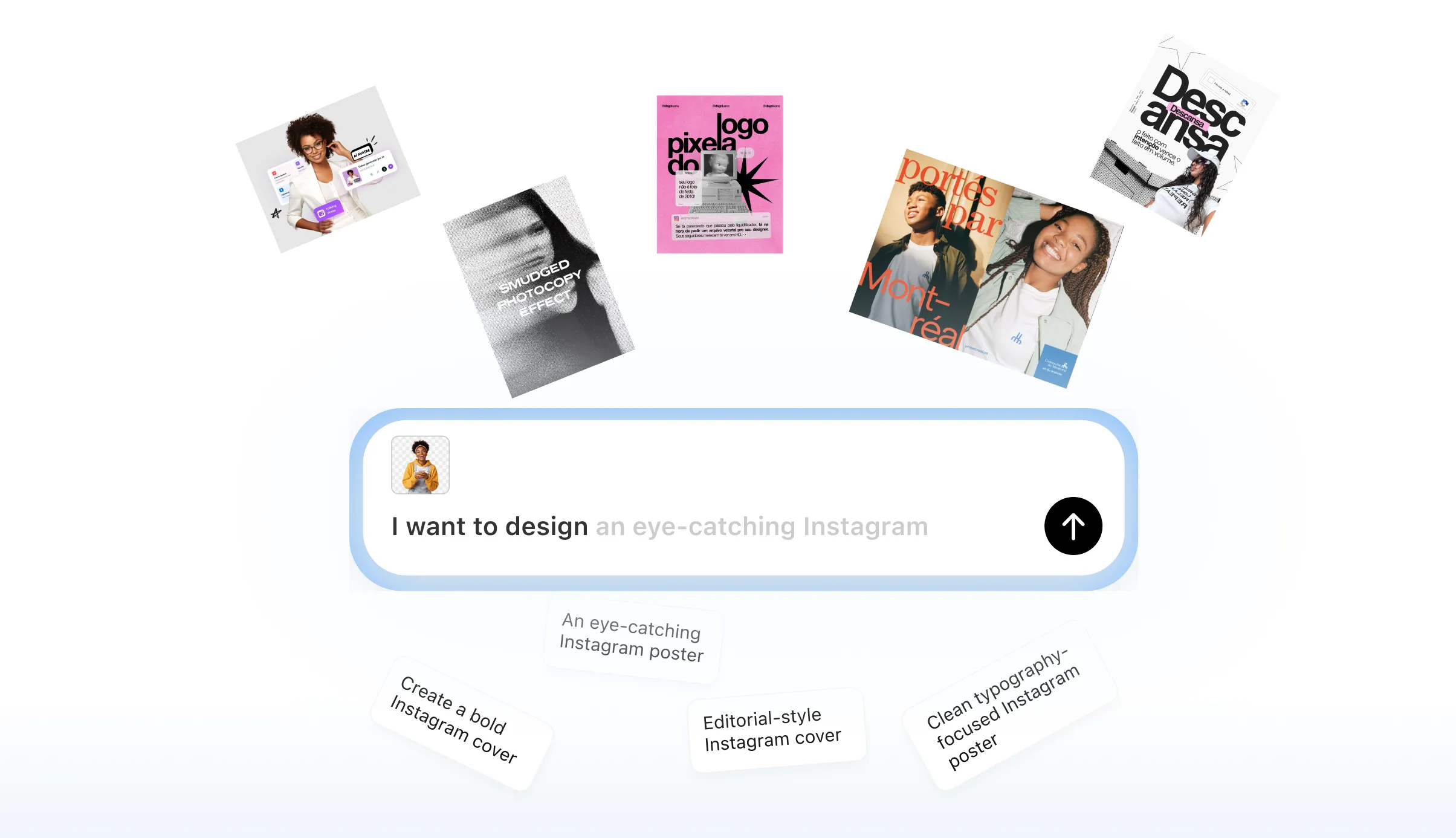
Stop Losing Hours Reformatting the Same Listing Details
Most agents already have the copy — the address, price, date, and key features — but spend too long resizing and reformatting it for each channel. An open house marketing campaign tool takes that copy once and structures it into print-ready and digital-ready layouts at the same time. You get more time for showings and follow-up, not design software.
Try It Free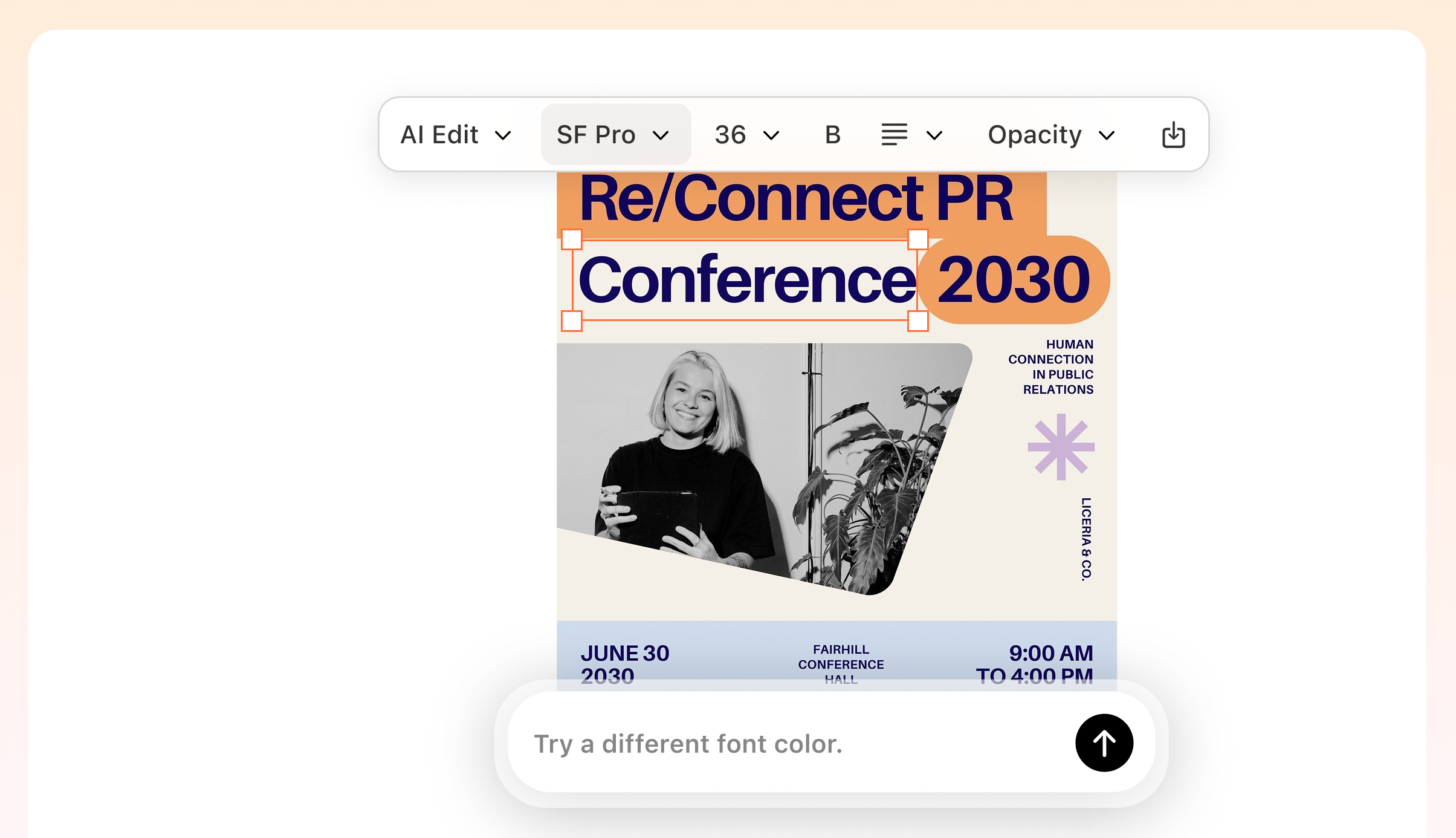
Match Your Campaign Materials to the Property Type and Buyer Audience
A luxury condo open house calls for a different visual tone than a starter-home showing in a family neighborhood. Choosing a campaign style that fits the property type — residential, luxury, or commercial — helps your materials speak directly to the buyers most likely to show up. Getting that tone right from the first flyer sets expectations before anyone walks through the door.
Try It Free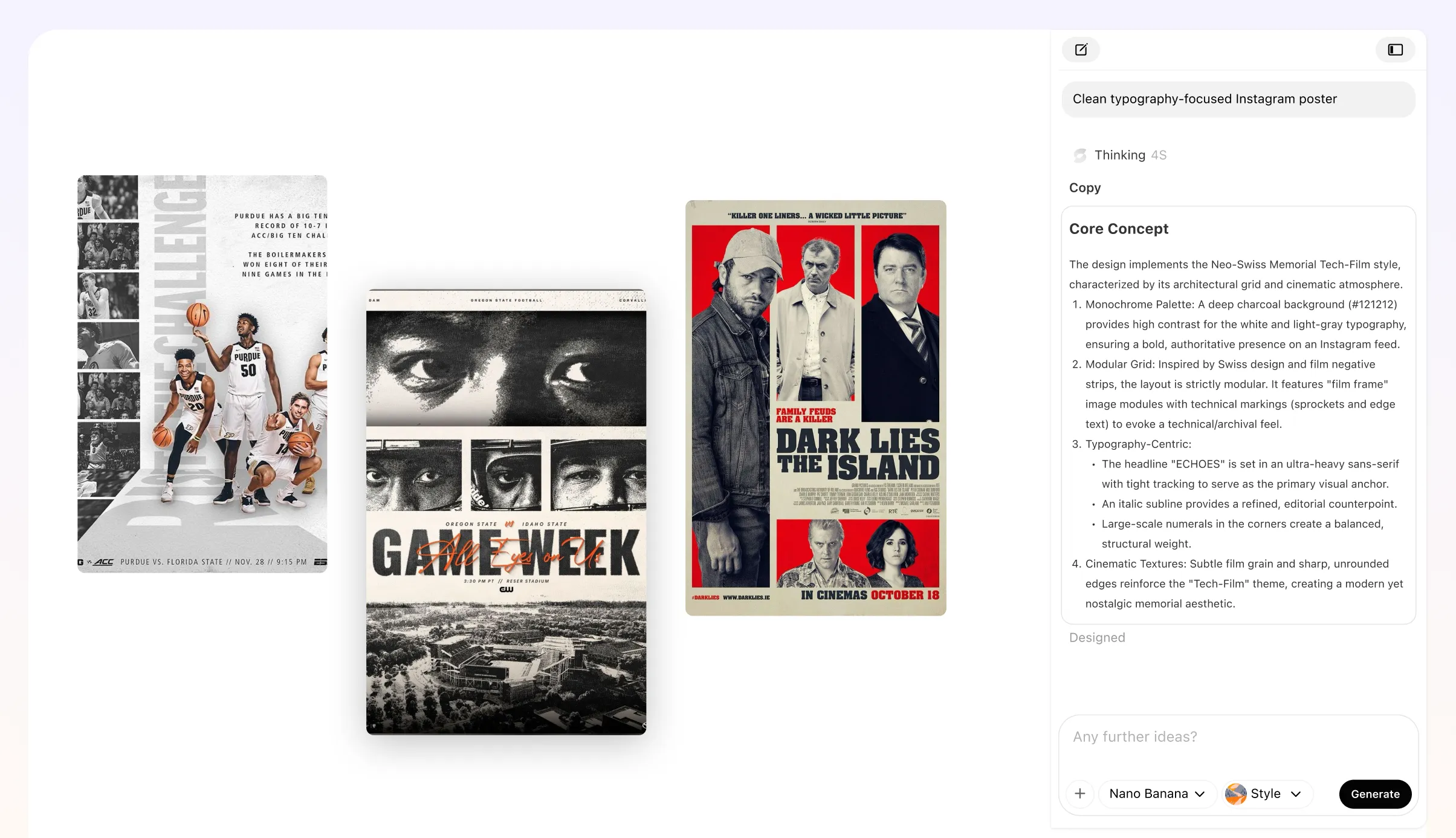
Export Print-Ready Files Without Chasing a Graphic Designer
Print vendors need high-resolution files, and last-minute design requests to a freelancer can delay your campaign by days. Having editable, export-ready assets in your own hands means you can update the open house date, swap a photo, or adjust the price and send files to the printer the same afternoon. That kind of turnaround matters when a listing moves fast.
Try It Free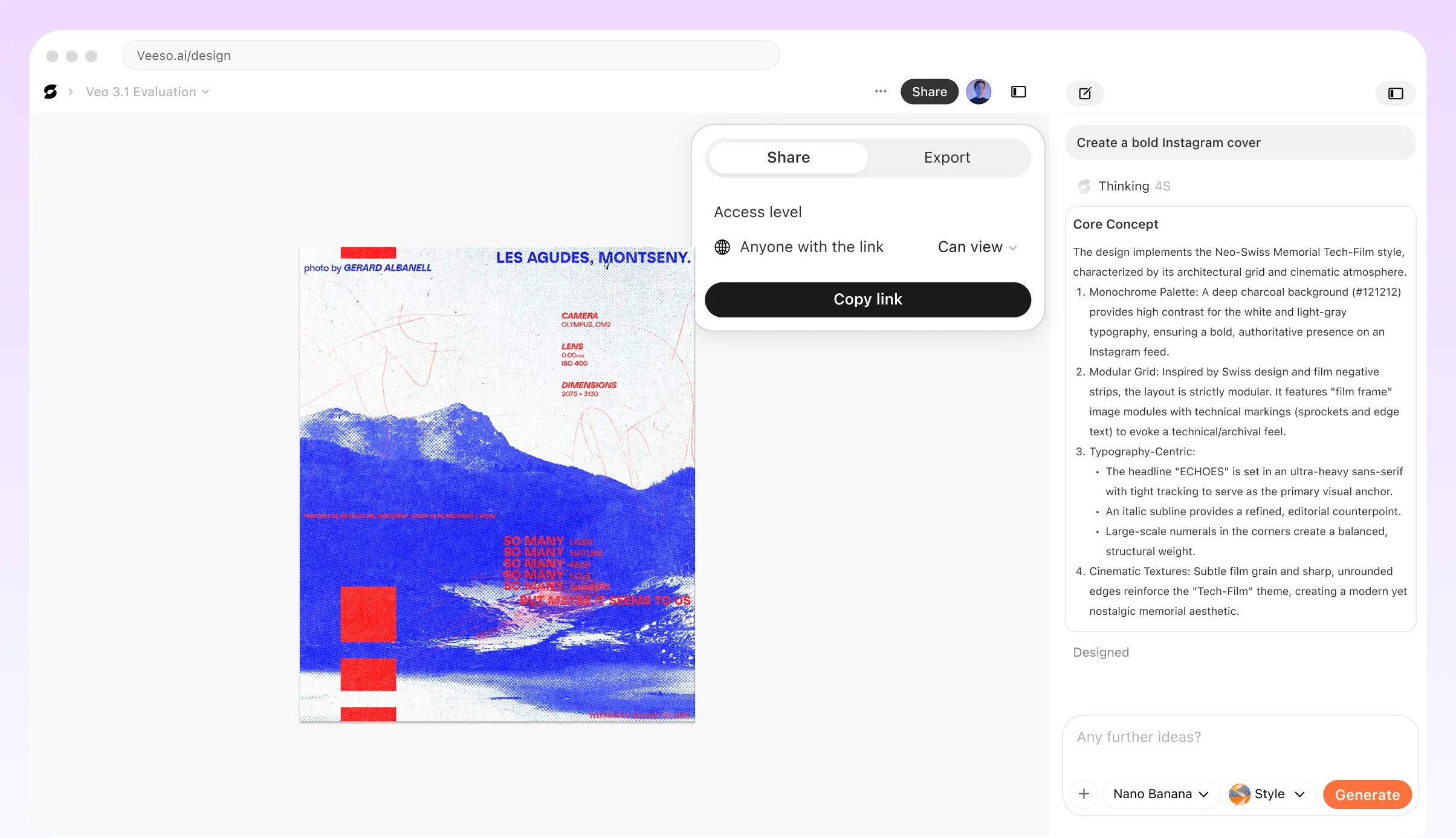
Who Uses a Real Estate Open House Campaign Generator?
Solo Agent Launching a Weekend Listing Announcement
You have a new listing going live Thursday and an open house scheduled for Saturday. You need a flyer, a social post, and an email header that all look like they came from the same campaign, not three separate design sessions. Start by writing your listing copy once, then use it to drive every visual. Keep the property address, price, and photo consistent across every format. Print-ready flyer dimensions for residential open houses are typically 8.5 by 11 inches, while social posts perform best at 1080 by 1080 pixels for feed and 1080 by 1920 for stories.
Brokerage Team Coordinating a Multi-Property Open House Weekend
When five agents each run their own open house the same weekend, inconsistent branding makes the brokerage look fragmented. Build a shared visual system first: one color palette, one font pairing, one logo placement rule. Each agent then drops in their own property details without breaking the look. A real estate campaign calendar tool helps the team see which dates and addresses are already scheduled so no two listings compete for the same time slot. Assign one person to review every asset before it goes out. Consistency across a team campaign signals professionalism to buyers who see multiple listings.
Commercial Listing Agent Targeting Tenant Prospects
Commercial open house marketing reads differently than residential. Buyers want price and neighborhood. Tenants want square footage, lease terms, zoning class, and proximity to transport. If you paste residential copy into a standard open house flyer template, the wrong details end up front and center. Rewrite your headline around the use case, not the sale price. Highlight ceiling height, loading access, or co-working density depending on the space type. Your social caption for a commercial listing discovery campaign should speak to business owners, not families. Adjust every touchpoint to match the tenant-prospect mindset before you finalize any asset.
Agent Building a Post-Visit Follow-Up Email Sequence
Most open house leads go cold because follow-up arrives too late or feels generic. A post-visit nurture email works best when it references something specific to the property the buyer just walked through. Write three versions: one for buyers who asked questions, one for those who stayed less than ten minutes, and one for no-shows who registered but never arrived. Each version should have a different subject line and a different call to action. The visual header on each email should match the flyer they saw at the door so the campaign feels connected. Veeso AI can produce editable email header designs that carry the same property photo and brand colors across all three versions.
New Agent Building Brand Recognition Through Consistent Open House Visuals
Early in your career, buyers and sellers form impressions fast. If your open house flyer looks different every time, people don't build a mental picture of who you are. Pick two brand colors, one headline font, and one layout structure, then use them on every listing promotion you run. A free open house campaign generator can give you a starting point, but the real work is editing every template to match your own brand rules before you export. Veeso AI produces fully editable design files, so you can lock in your logo placement and color choices rather than starting from scratch each time.
Property Manager Promoting a Rental Open House to Local Renters
Rental open houses attract a different crowd than for-sale events. Renters move faster, compare more options in a single weekend, and respond to availability and move-in date more than list price. Your open house social media caption should lead with the unit type and availability date, not a lifestyle headline. Instagram and Facebook posts work well for local reach, but the caption needs a clear next step since renters won't call, they'll tap a link. Design your flyer to include the rental price range, pet policy, and parking situation. These details filter out unqualified visitors and save everyone time on the day of the showing.
Why residential agents, listing coordinators, and brokerage marketing managers Choose Veeso AI
How to Create High-Converting open house marketing visuals
Enter Your Listing Details and Open House Date
Start by typing in the property address, asking price, open house date and time, and two or three features that will attract buyers. This is the copy that drives every asset in your campaign, so being specific here — mentioning the updated kitchen, the school district, or the corner lot — gives the layout something real to work with.
Choose a Campaign Style That Fits the Property and Audience
Select a visual style from the template library or let the open house marketing campaign tool build one from your listing copy. Filter by property type — residential, luxury, or commercial — so the tone of the design matches the buyers you're trying to reach.
Review and Edit Your Coordinated Asset Set
Check the flyer, social graphic, and email header that come out of the generation step. Every text box, image, and color block is fully editable, so you can adjust the headline, swap a photo, or fine-tune the layout until it accurately represents the property.
Export High-Resolution Files for Print and Digital Channels
Download your finished assets as high-resolution PNG or PDF files ready for your print vendor, social media scheduler, or email platform. Veeso AI produces the print-ready design files — distributing them across your chosen channels is your next step once the files are in hand.
FAQ

Ready to Create Beautiful Coordinated Listing Campaign Kit with Veeso AI?
Start Creating NowNo credit card required • Free to start • No design skills required
Explore More AI Graphic Design Use Cases
Discover more creative design scenarios powered by Veeso AI.