Plan Your Product Launch Countdown Campaign
Map every teaser, reveal, and launch-day post into one clear sequence. Describe your product and timeline, then get stage-by-stage copy and visuals that build urgency. Export print-ready assets for email, social, and landing pages when your campaign is ready to go.
Three Ways to Generate launch countdown visual campaign sets
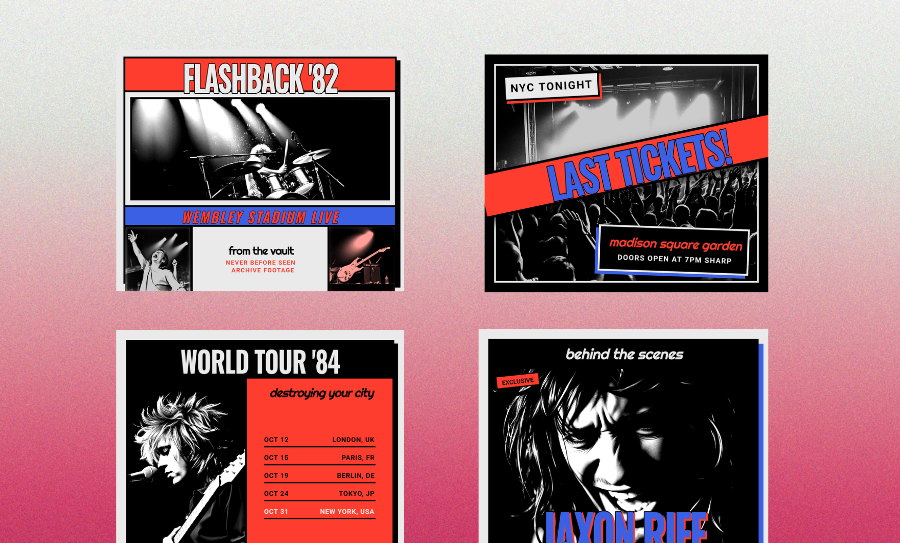
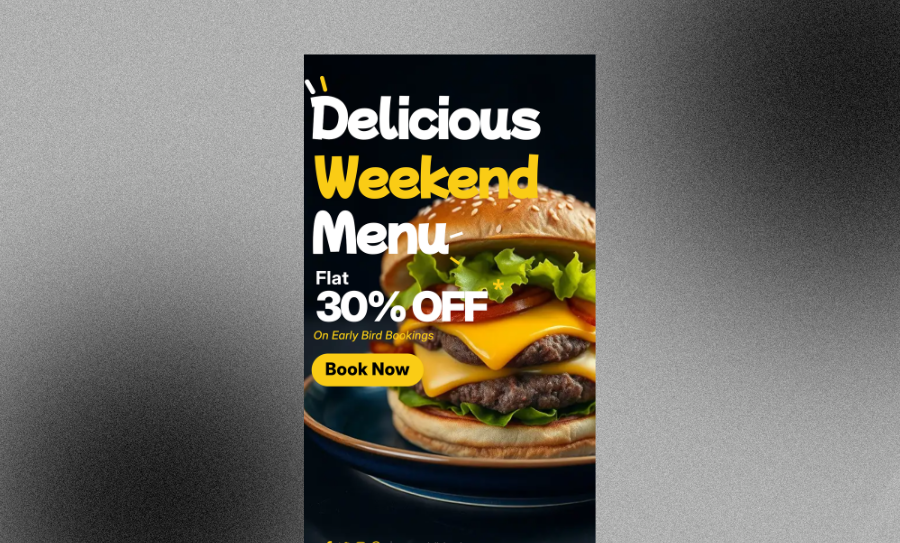
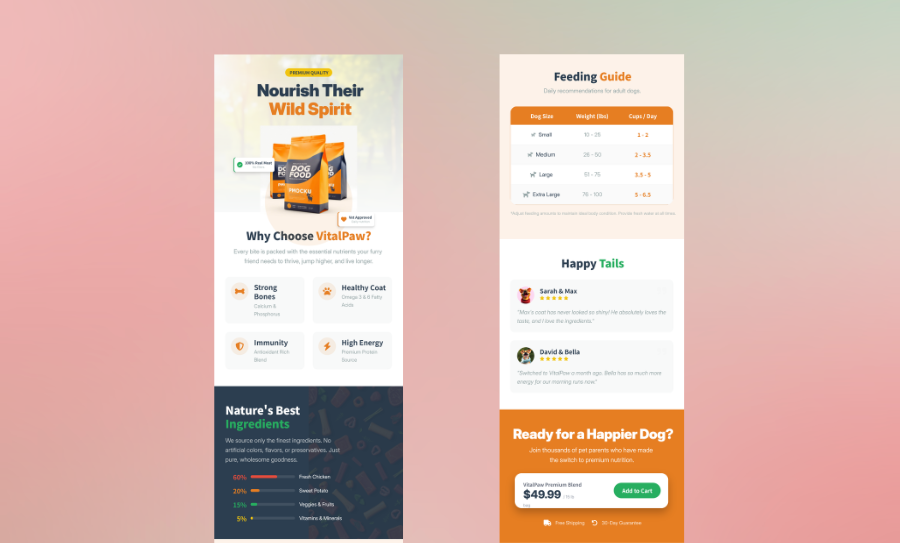
Describe Your Launch Brief and Generate the Full Teaser-to-Launch Sequence
Type in your product name, launch date, key message, and target audience, and the AI structures a complete countdown arc for you — from the first teaser post through the reveal and on to launch day. This method works best when you know what you want to say but haven't yet figured out how to stage it visually across multiple days. You get a full, ordered set of editable assets instead of a single one-off graphic.
- Auto-structures the teaser, proof, reveal, and launch-day stages from a single brief
- Generates matched visual layouts for each countdown stage, not just one asset
- Pulls your product name, date, and key message into every stage automatically
- Outputs an editable file per stage so you can adjust copy or visuals before export
Start from a Launch Countdown Campaign Template and Customize Stage by Stage
Pick a pre-built countdown campaign template that matches your product category and brand style, then work through each stage — swapping in your own copy, colors, and images. This method is useful when you want a proven visual structure but need full control over how each stage looks and reads. Every text box, image, and layer stays editable, so you're never stuck with a locked static design.
- Browse templates organized by campaign stage: teaser, countdown, reveal, launch day
- Edit every element — headline, subtext, image, color — without starting from scratch
- Maintain visual consistency across all stages by working within a matched template set
- Export each stage as a high-resolution PNG or PDF when it's ready
Import Your Product One-Pager or Brief Doc and Build the Sequence from It
If you've already written your product positioning, key messages, or launch brief in a Word doc, PDF, or Markdown file, you can import it directly and let the tool extract the content and scaffold it into a staged visual sequence. This skips the step of retyping your copy into a design tool and keeps your messaging accurate from the start. The output is a structured, multi-stage campaign set built from your own words.
- Import PDF, Word, or Markdown files containing your product brief or launch copy
- Automatically maps your content to the correct countdown stage — teaser through launch day
- Preserves your original messaging without paraphrasing or rewriting it
- Produces a fully editable multi-stage visual set ready for review and export
Why choose Veeso for your coordinated pre-launch visual asset sets
Keep Your Messaging Consistent Across Every Countdown Stage
A product launch falls apart when your teaser post says one thing, your reveal graphic says another, and your launch-day banner looks like it came from a different campaign entirely. Coordinated pre-launch visual asset sets solve this by locking your core message, tone, and visual language across every stage before you publish anything. The result is a campaign that feels intentional from day one to launch day.
Try It Free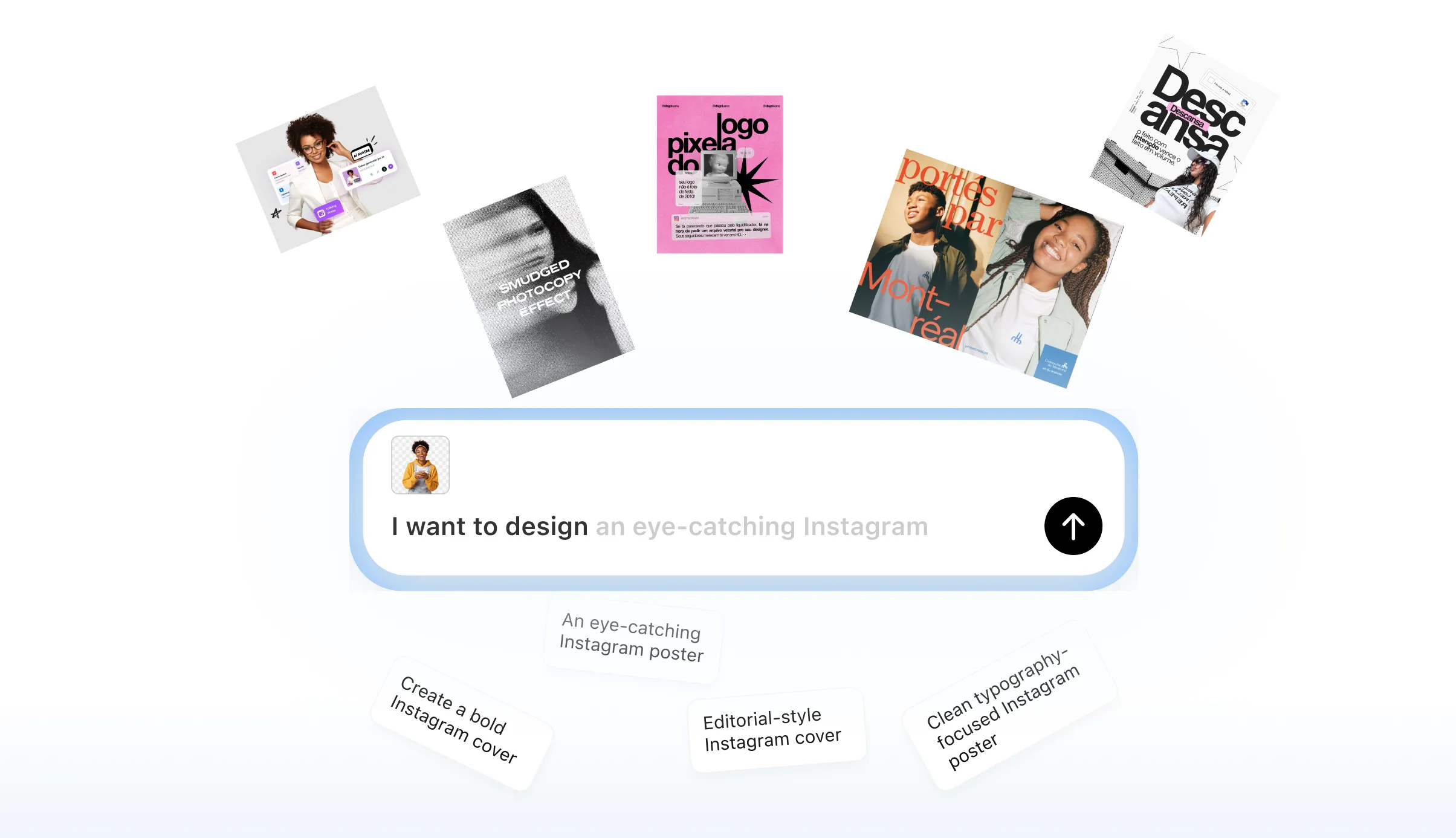
Map Each Visual Asset to a Specific Pre-Launch Day
Most free countdown tools give you a single timer or a one-off post template. They don't help you plan what goes out on day 14, day 7, day 3, or launch morning. A stage-mapped approach forces you to think through the full arc — teaser, proof, reveal, launch — so every asset has a clear job and a clear place in the sequence. That structure is what turns scattered posts into a real campaign.
Try It Free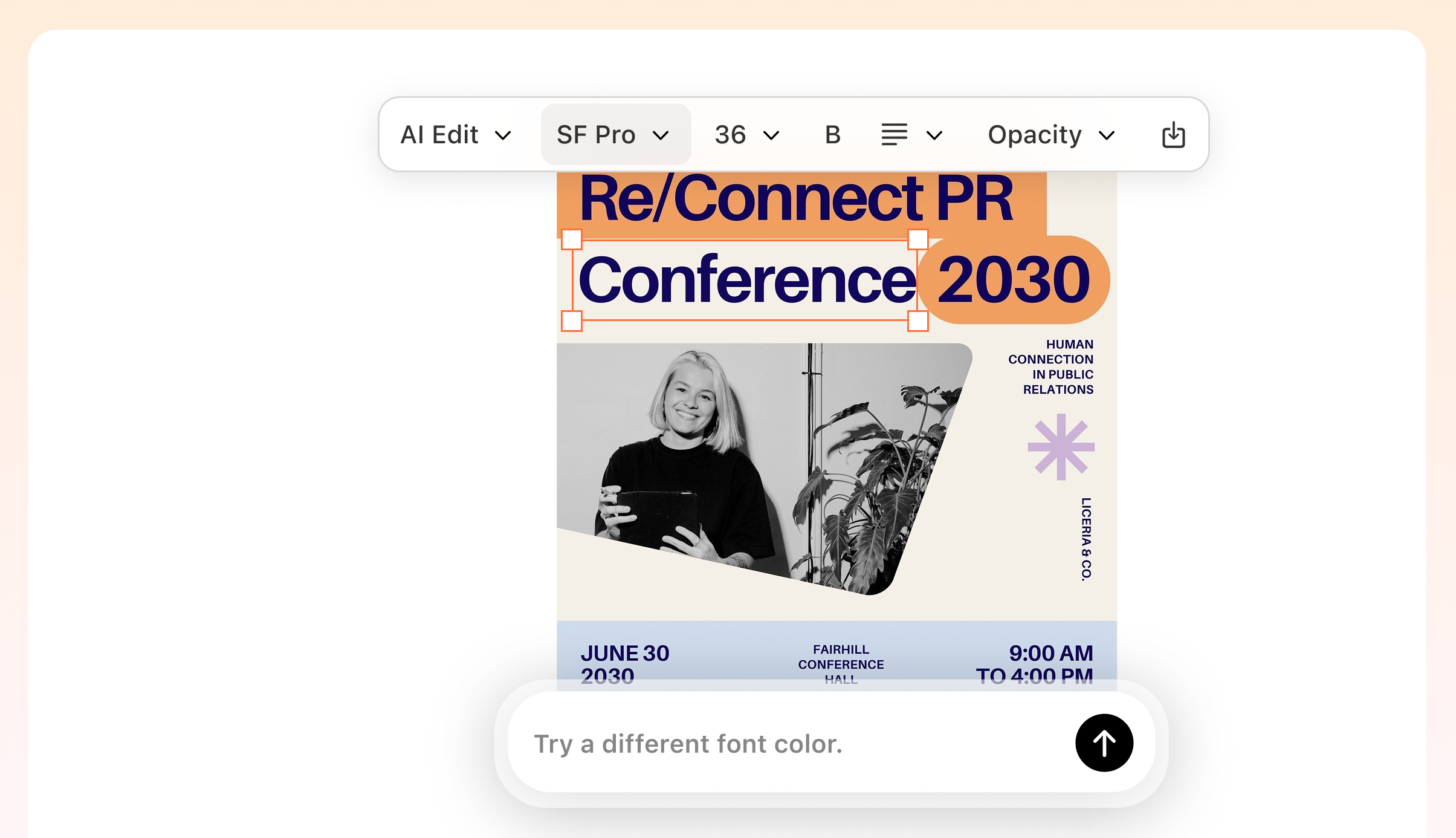
Cut the Back-and-Forth Between Design Files and Campaign Docs
When you're building a multi-stage launch, you're constantly jumping between your brief, your copy doc, and your design files. Generating your visual campaign set from a single product brief means your messaging feeds directly into the layout, so you're not retyping the same headline six times across six different files. You end up with a clean, editable set of assets that all trace back to the same source.
Try It Free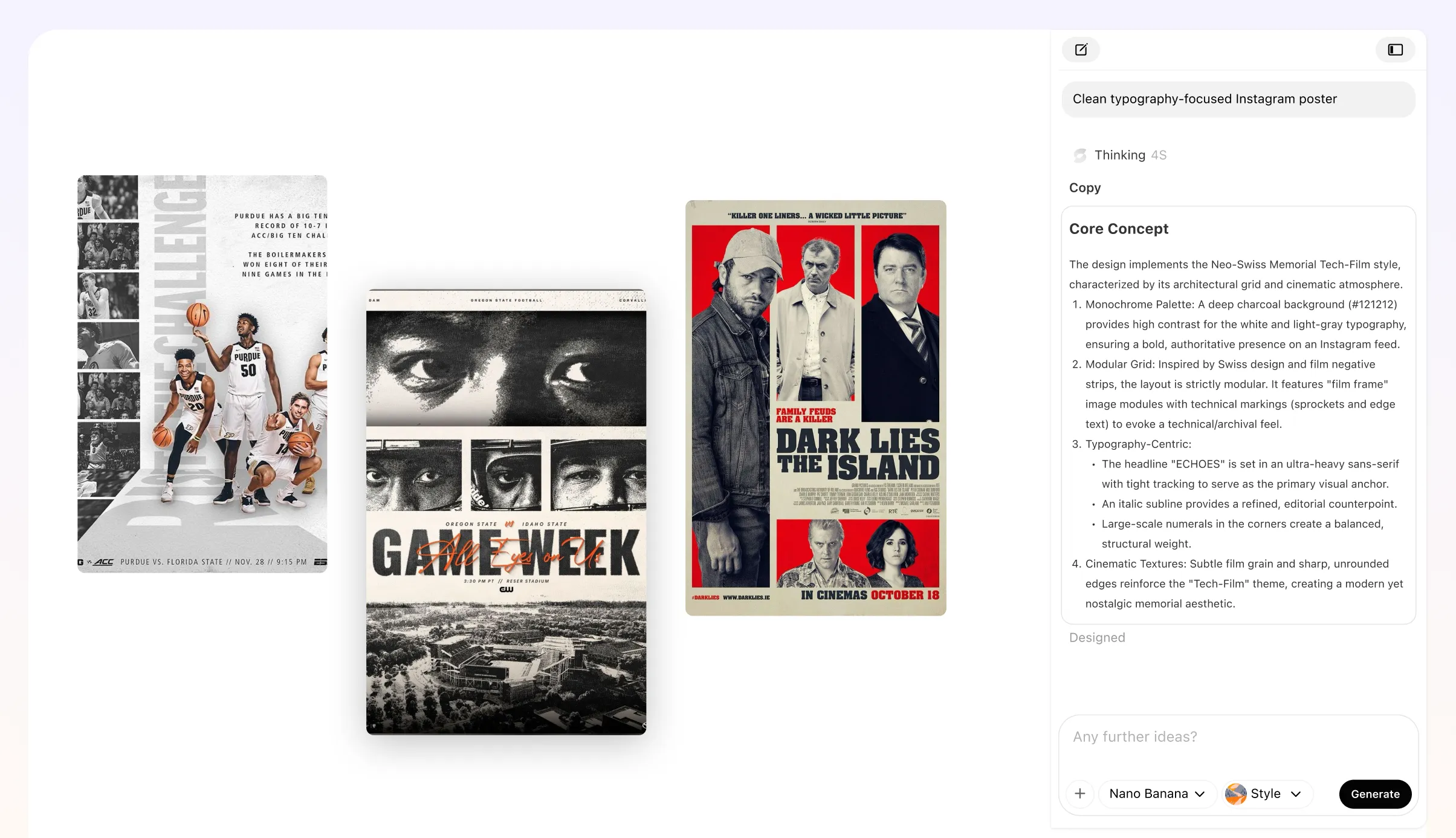
Export Production-Ready Files for Every Channel in Your Launch Mix
A launch countdown typically spans social posts, email headers, and print or digital ads — each with different size requirements. Building each format manually from scratch eats time you don't have in the final days before launch. Generating a coordinated set means you get correctly sized, high-resolution outputs for each channel without rebuilding the design from zero every time.
Try It Free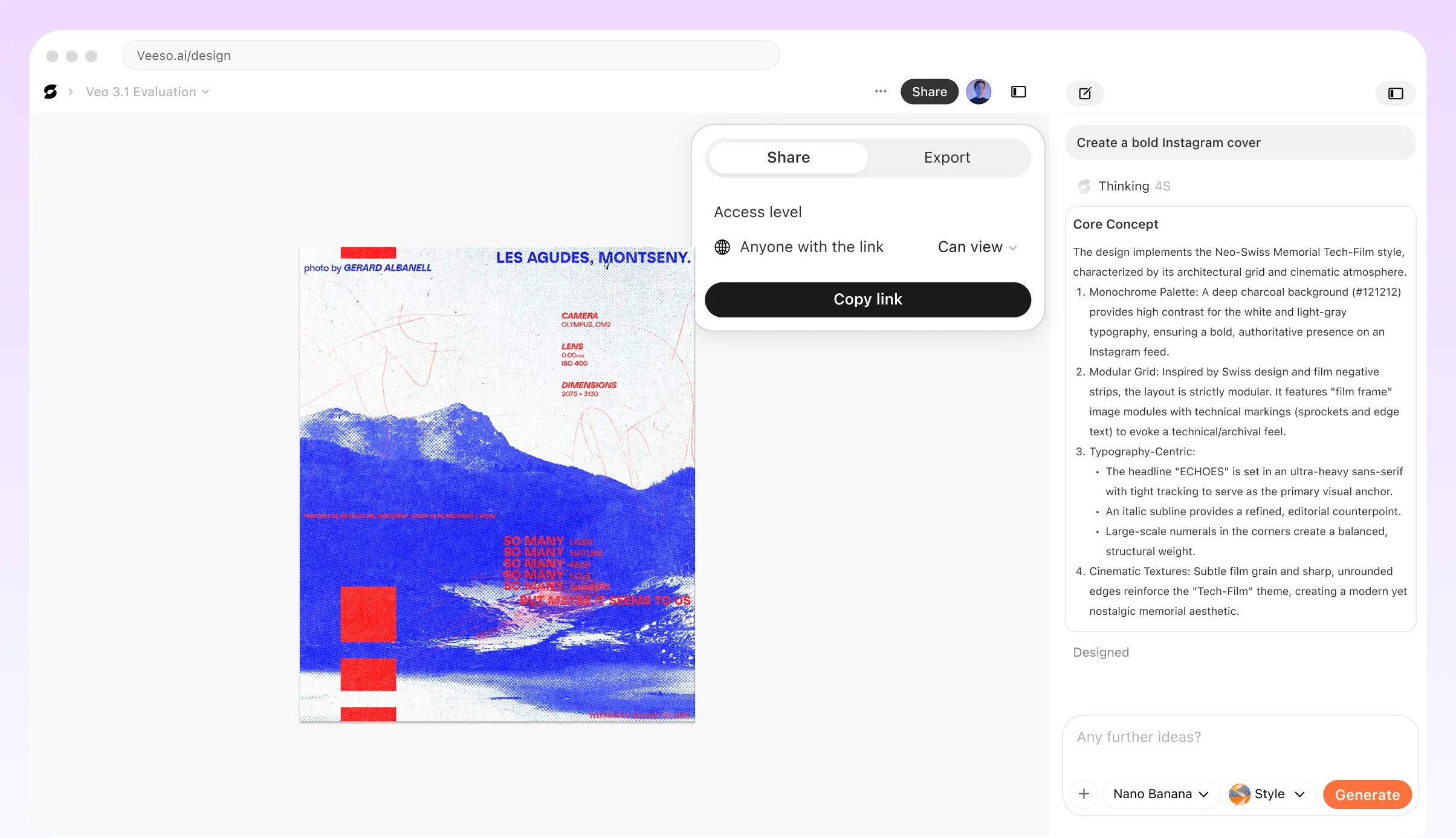
Who Uses a Product Launch Countdown Campaign Generator?
SaaS Founders Running a 14-Day Pre-Launch Countdown
You've set a launch date, but your pre-launch window feels like a blank calendar. A product launch countdown campaign generator helps you map every teaser post, feature reveal, and launch-day announcement across the full 14 days. Instead of writing each piece of copy from scratch, you get a structured sequence where early posts build curiosity, mid-week posts deepen the value story, and the final 48 hours push urgency. You can then adapt each message for email and social without the two channels feeling disconnected or repetitive.
E-Commerce Brands Coordinating a Seasonal Product Drop
Seasonal drops live or die by timing. If your teaser reveal sequence starts too late, you lose the build-up. If your launch-day content cadence is inconsistent, momentum stalls. A launch countdown sequence generator lets you plan the full arc from first hint to purchase window, assigning the right message to each stage. You can set the campaign length to match your specific drop window, whether that's five days or three weeks, and adjust the tone to match your product category without rewriting the whole sequence from scratch.
Independent Creators Launching a Digital Course or Template Pack
Solo creators rarely have a marketing team to coordinate copy, visuals, and send timing. A pre-launch countdown campaign creator gives you a ready-made sequence structure so you're not guessing what to say on day three versus day seven. Each stage has a clear job: day one plants the idea, the middle builds social proof and answers objections, and the final push creates genuine urgency around a real deadline. Veeso AI can turn the copy from each stage into polished, on-brand visual posts you can download and share across your channels.
Agency Teams Managing Multi-Client Launch Calendars
Running launch campaigns for several clients at once means juggling different product categories, audiences, and go-live dates simultaneously. A coordinated product launch campaign planner lets your team generate a full countdown sequence for each client without rebuilding the logic every time. You input the launch date, product type, and audience, and the generator produces a stage-by-stage content plan with copy variations for email and social. When a client shifts their launch date, you can reschedule the entire sequence without manually recalculating every touchpoint.
Hardware and Physical Product Brands Teasing a New Release
Physical product launches need a longer runway because buyers want to see, understand, and trust before they commit. A teaser reveal campaign generator helps you structure that runway deliberately: early posts focus on the problem your product solves, mid-campaign posts introduce specs and visuals, and late-stage posts handle objections and highlight availability. Veeso AI can take the copy for each stage and produce a coordinated set of editable visual assets, so your social posts, email headers, and announcement graphics all look like they belong to the same campaign.
B2B Marketing Teams Planning an Enterprise Software Announcement
Enterprise software launches involve multiple stakeholders, longer consideration cycles, and messaging that has to work across LinkedIn, email newsletters, and press outreach at the same time. A launch campaign template generator helps your team align on the full omnichannel launch rollout before anyone writes a single word of copy. You can define the audience segment, the campaign length, and the key proof points, then generate stage-specific messaging that stays consistent whether it lands in an inbox or a LinkedIn feed. That consistency matters when buyers are comparing your announcement against competitors.
Why product marketers, brand managers, and small business owners Choose Veeso AI
How to Create High-Converting launch countdown campaign visuals
Define Your Product Brief and Set Your Launch Date
Write down your product name, the core message you want to land, your target audience, and your exact launch date. This brief is the foundation of your entire countdown sequence — every stage will draw from it, so the clearer it is, the more coherent your campaign will be.
Choose Your Countdown Window and Map Your Channel Mix
Decide how many days before launch you want your campaign to start — common windows are 7, 14, or 30 days — and list the channels you'll use, such as social posts, email headers, or event banners. Knowing your channel mix upfront tells you how many assets you need and what sizes to export for each stage.
Generate the Staged Visual Sequence Mapped to Your Pre-Launch Days
Use your brief to generate a complete, ordered set of visual assets — one for each stage of your countdown arc, from the first teaser through the reveal and on to launch day. With a tool like Veeso AI, each stage comes out as a fully editable layout, not a locked image, so you can refine the copy or swap visuals before anything goes out.
Export Production-Ready Files for Each Stage of Your Launch Campaign
Once you're happy with each stage, export your assets as high-resolution PNGs or PDFs sized for the channels in your mix. Keep your source files editable so you can update a date, swap a headline, or resize for a new format without rebuilding the design from scratch.
FAQ
Ready to Create Beautiful Coordinated Pre-Launch Visual Asset Sets with Veeso AI?
Start Creating NowNo credit card required • Free to start • No design skills required
Explore More AI Graphic Design Use Cases
Discover more creative design scenarios powered by Veeso AI.