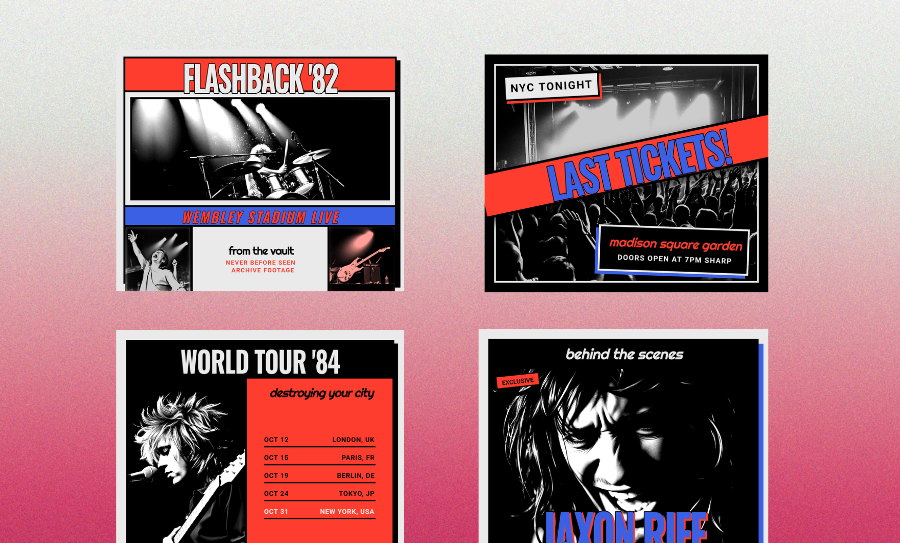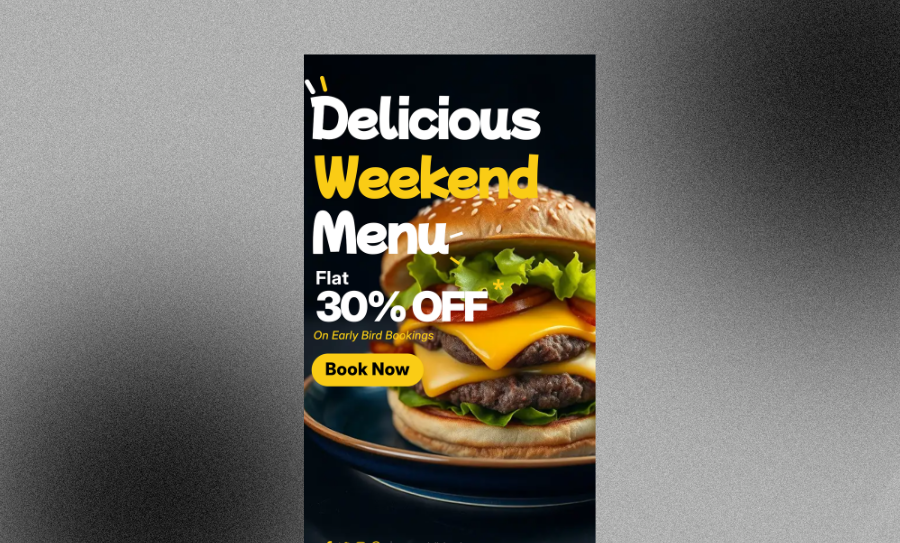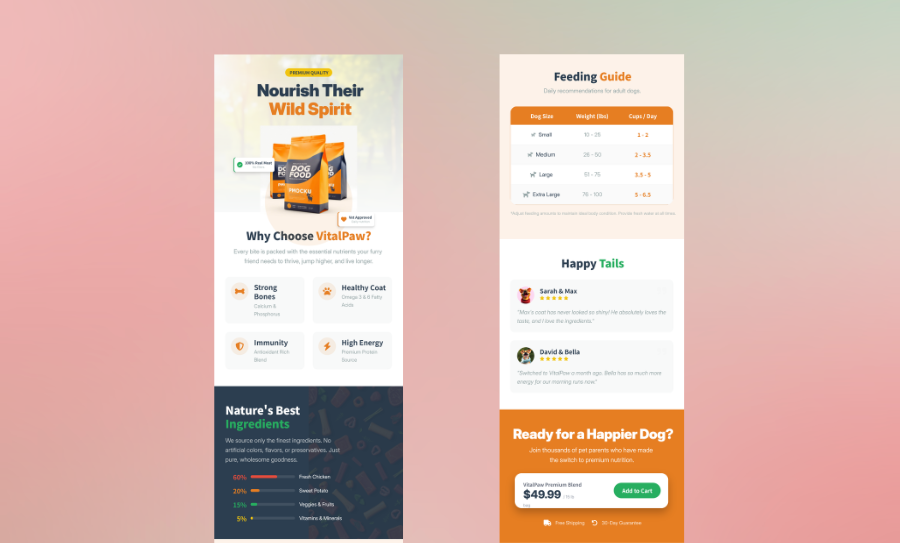
Plan Your Product Launch Sequence Start to Recap
Map every phase of your launch — teaser, reveal, reminder, and recap — so nothing falls out of order. Lay out your campaign assets with consistent visuals and clear phase labels. Export print-ready files your team can use right away.
Three Ways to Generate launch campaign visual asset sets
Describe Your Launch and Let AI Build the Phase-by-Phase Visual Layout
If you have your launch copy ready but no design in place, paste it in and describe the campaign. AI auto-layout reads your content and generates phase-specific visuals for your teaser, reveal, reminder, and recap in one pass. Veeso AI handles this kind of content-first generation, producing fully editable, production-ready assets you can refine right away.
- Auto-layout reads your copy and assigns it to the correct campaign phase
- Generates teaser, reveal, reminder, and recap visuals as a connected set
- Every text box, image, and layer stays editable after generation
- Export each phase asset as high-resolution PNG or PDF when ready
Start From a Launch Sequence Template and Swap In Your Brand Details
A launch sequence template gives you the phase structure, timing logic, and visual hierarchy already built in. You replace the placeholder copy with your product messaging, drop in your brand colors, and adjust the imagery for each stage. This method works well when you want a proven teaser-to-recap framework without designing the layout from scratch.
- Pre-structured templates cover teaser, reveal, reminder, and recap phases
- Edit headline hierarchy, color palette, and imagery per phase
- Visual style stays consistent across all four campaign stages
- Duplicate and adapt the full sequence for future product launches
Import Your Existing Brief or Doc and Get Structured Visuals Per Phase
If your launch brief already lives in a Word doc, PDF, or Markdown file, you don't need to retype it into a design tool. Import the document and the layout engine maps your content into structured visual pages, one per campaign phase. This is the fastest path from a written plan to a complete product reveal campaign asset set.
- Import PDF, Word, or Markdown files directly into the layout engine
- Content is parsed and distributed across teaser, reveal, reminder, and recap pages
- Each phase page is fully editable after import
- Produces print-ready and screen-ready exports from a single source file
Why choose Veeso for your coordinated launch sequence visuals
Keep Every Phase Visually Connected Across the Full Launch Sequence
When your teaser, reveal, reminder, and recap assets look like they belong to the same campaign, your audience builds recognition with each touchpoint. Designing all four phases inside a single editable workflow locks in your visual style from the start so nothing drifts between stages. The result is a launch that feels intentional and coordinated, not pieced together.
Try It Free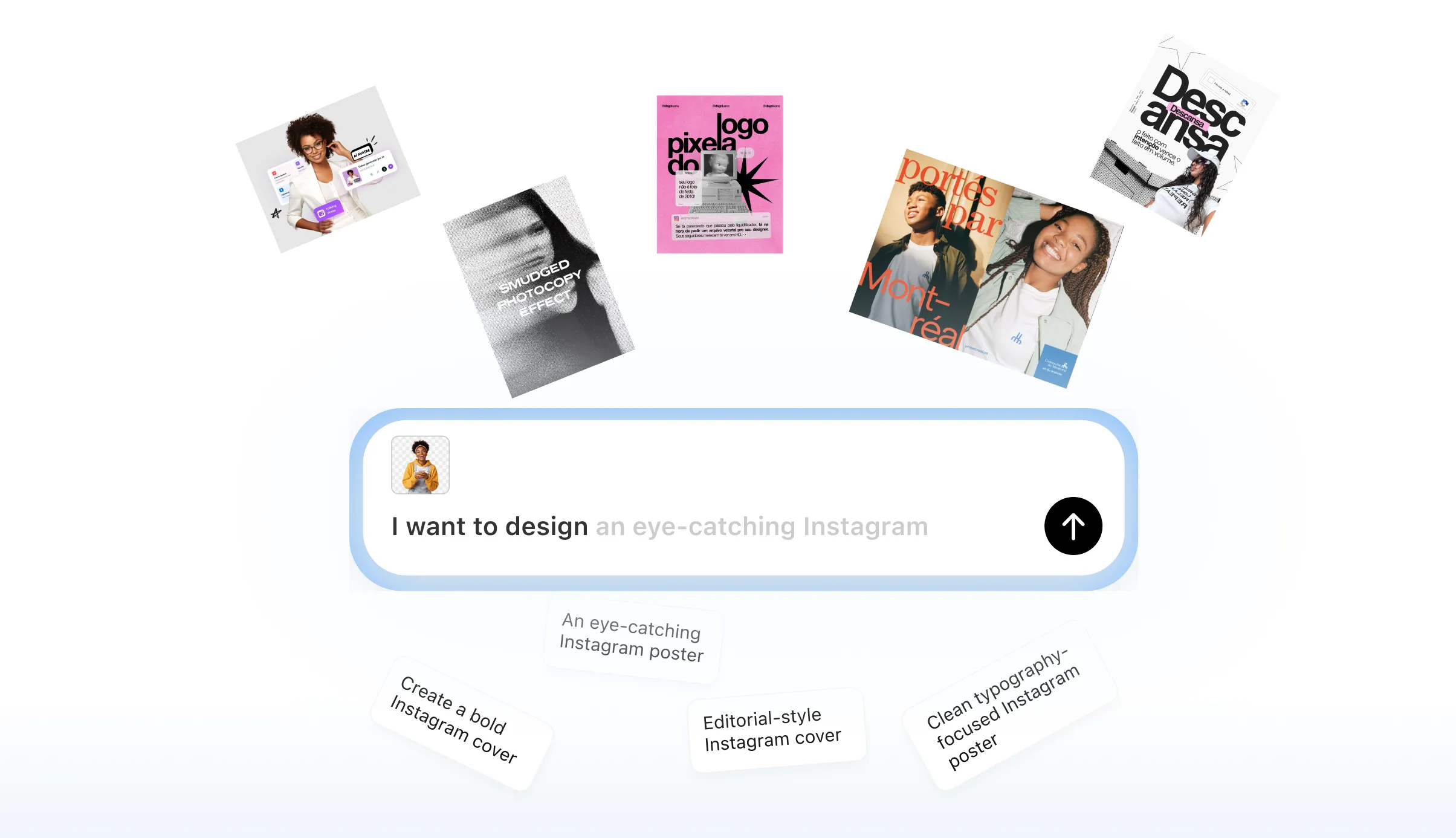
Cut the Rebuild Time Between Campaign Phases
Most teams waste hours recreating fonts, colors, and layout logic every time a new phase begins. A coordinated launch asset sequence means your teaser layout already knows what your recap layout should look like. You swap the message and the date, not the entire design system.
Try It Free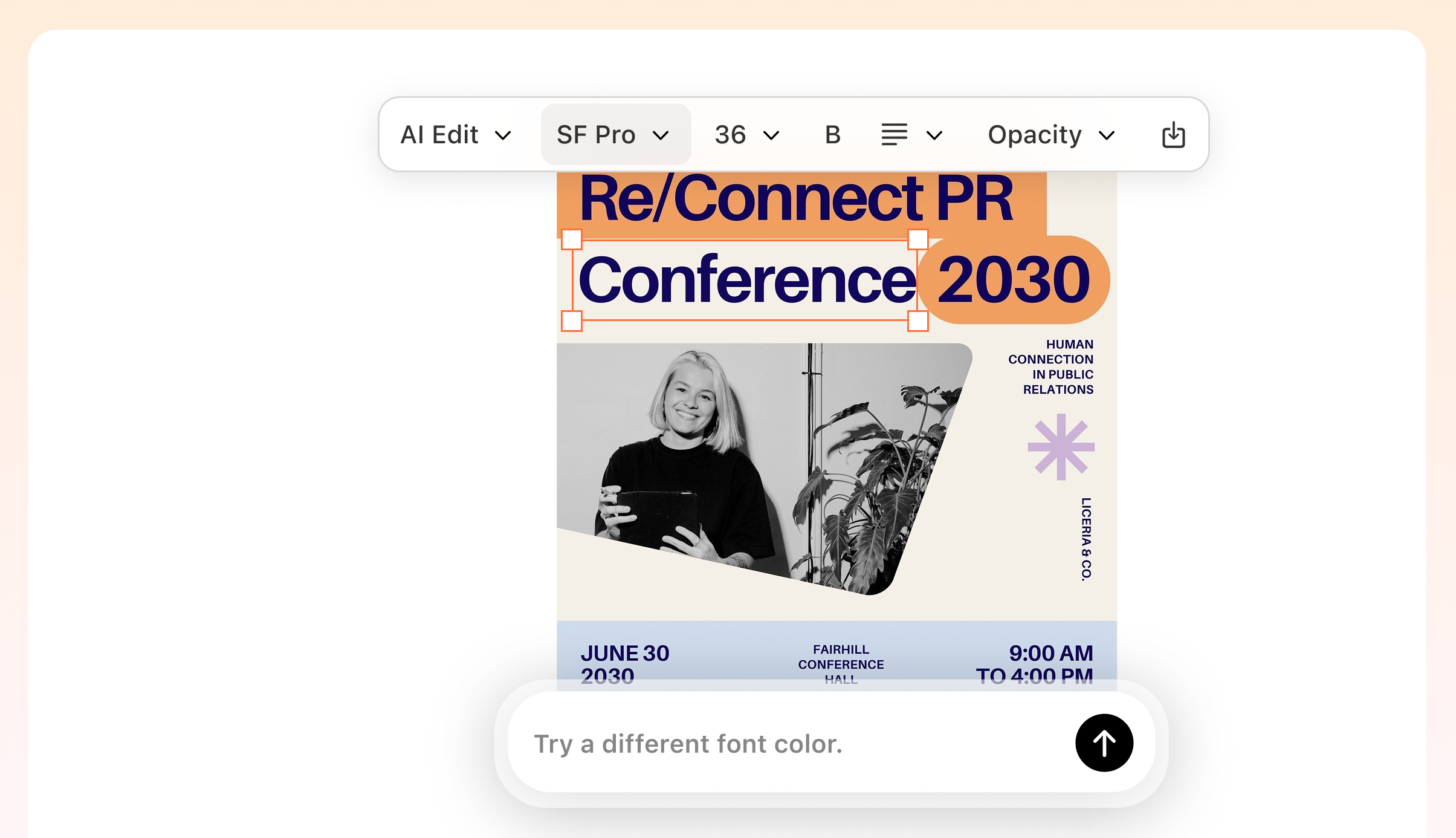
Adapt Your Launch Countdown Assets for Every Channel Without Starting Over
A multi-channel launch rollout means the same core message needs to live on email headers, social posts, and printed one-pagers, all at once. Designing from a single editable source lets you resize and reformat each asset without rebuilding it from scratch. Your team ships faster and your audience sees a consistent story everywhere.
Try It Free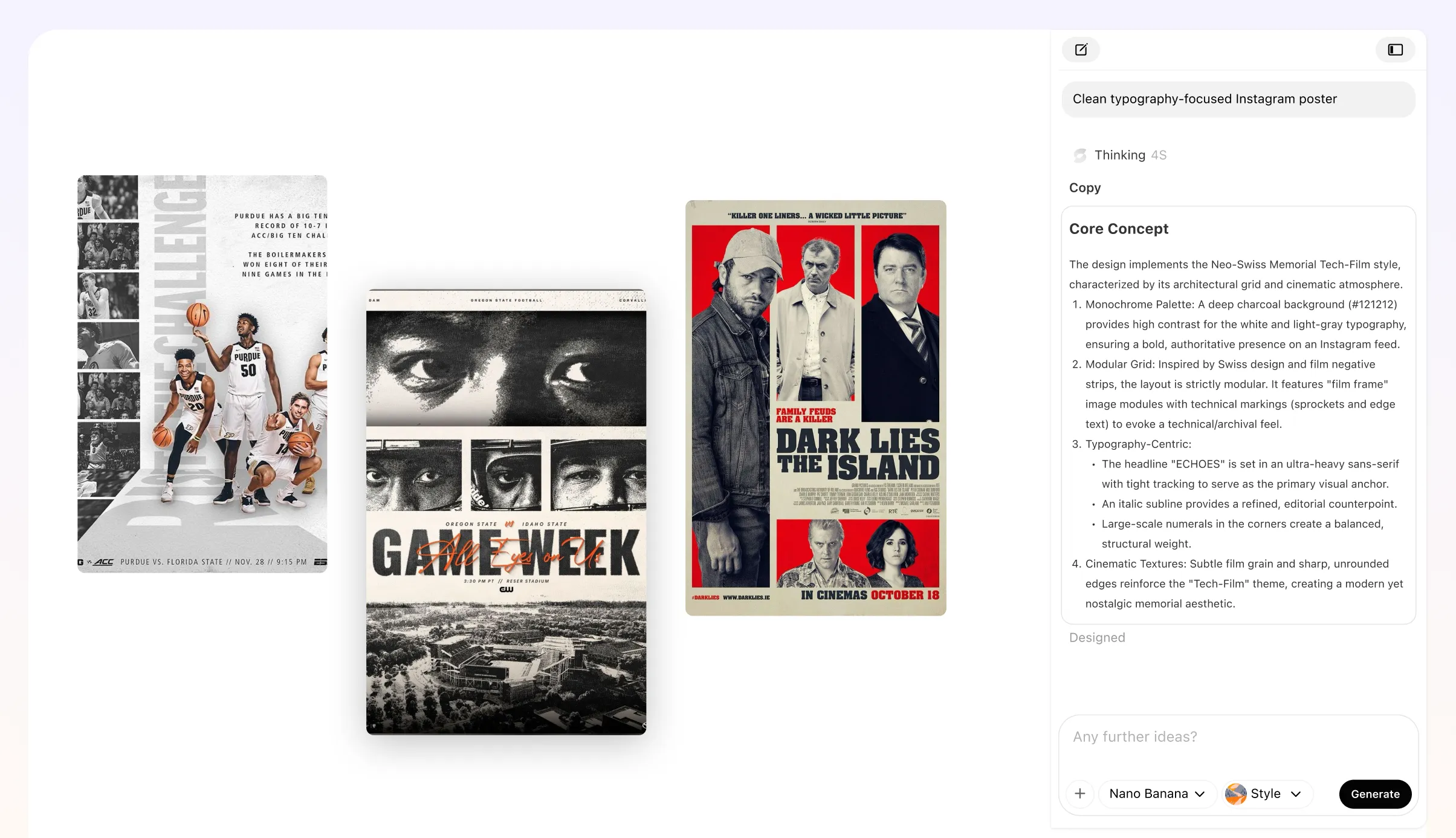
Reuse the Whole Workflow for Your Next Product Launch
A well-structured product launch content calendar sequence is not a one-time document. When your phase labels, messaging hierarchy, and visual style are all built into one editable file, your next launch starts from a finished foundation instead of a blank canvas. That compounds value across every campaign your team runs.
Try It Free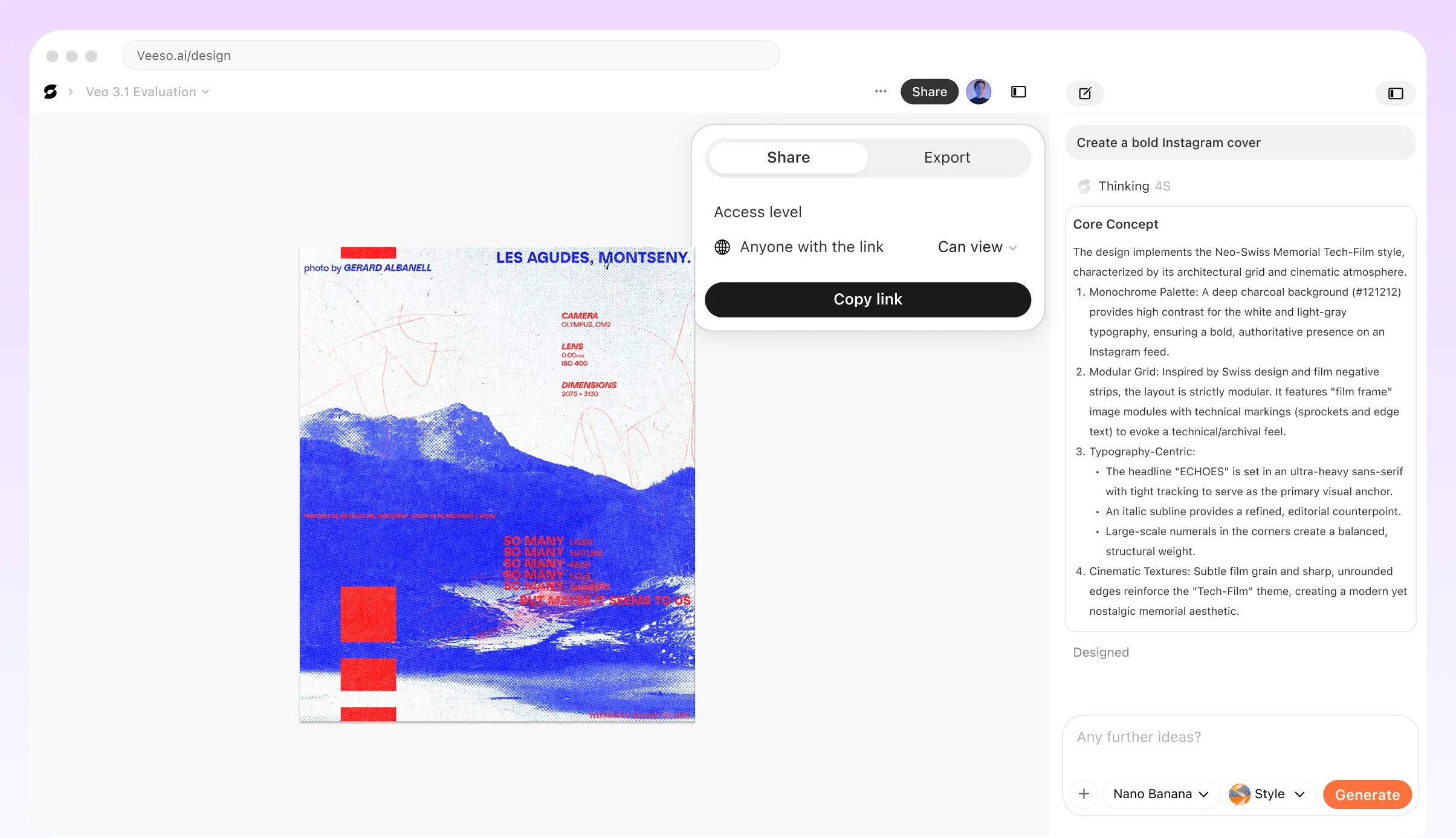
Who Uses a Product Launch Teaser-to-Recap Campaign Asset Sequence?
SaaS Startup Mapping a Pre-Launch Teaser Sequence
A small SaaS team preparing a new feature release often has the messaging ready but no clear picture of how teaser, reveal, reminder, and recap content connect across weeks. Start by mapping each campaign phase on a single document or board before touching any design tool. Assign a channel, a date window, and a core message to each phase. When the sequence is visible as a whole, gaps become obvious — like a missing reminder post the day before launch or a recap asset that was never planned.
E-Commerce Brand Coordinating a Product Reveal Across Email and Social
An e-commerce brand launching a new product line needs teaser posts, a launch day reveal, a reminder email, and a post-launch recap that all feel like they came from the same campaign. The risk is that each piece gets made separately and ends up looking disconnected. Build a coordinated launch asset sequence by locking in your visual style, color palette, and copy tone before producing individual assets. Veeso AI lets you design each phase as an editable set, so swapping a product image or headline stays consistent across every touchpoint without starting over.
Independent Creator Running a Digital Product Drop
A solo creator launching a digital course or template pack usually handles every part of the launch alone. The teaser to launch email workflow is easy to skip or compress under time pressure, but skipping the reminder step is where most launches lose momentum. Plan at least three pre-launch touchpoints: a curiosity-building teaser, a clear reveal with a link, and a same-day reminder for people who opened but didn't act. Treat each message as a distinct asset with its own job, not just a copy-paste of the last one.
Agency Handing Off a Launch Campaign to a Client
When an agency builds a product launch content calendar sequence for a client, the handoff is where things break down. Assets arrive without context, phase labels are missing, and the client doesn't know which post goes out when or why. Structure the deliverable so each asset is clearly tagged by phase — teaser, launch day, reminder, recap — with a short note explaining its role in the sequence. Veeso AI supports this by letting you organize editable visual assets into labeled campaign sets, so the client receives a complete, phase-ordered package they can adapt without losing the original structure.
Product Manager Reusing a Launch Sequence for a Second Release
A product manager who ran a successful launch six months ago shouldn't have to rebuild the entire workflow from scratch for the next release. The sequence structure — teaser, reveal, reminder, recap — transfers directly. What changes is the product story, the audience segment, and the timing. Document the original sequence as a reusable template with placeholder copy and image slots. When the next launch comes, update the content layer rather than the structure. This approach keeps brand consistency across touchpoints and cuts the planning time significantly.
Brand Marketer Evaluating Whether a Teaser Is Actually Building Anticipation
Not every teaser builds genuine excitement. Some just delay the announcement without giving the audience a reason to care. A teaser that works gives people a partial signal — enough to spark curiosity, not enough to answer the question. If your teaser post could be removed from the sequence without anyone noticing, it isn't doing its job. Review each pre-launch piece against one question: does this move the audience closer to wanting the reveal? If the answer is no, rewrite the hook before you finalize the launch countdown reminder assets.
Why product marketers, brand managers, and small business owners Choose Veeso AI
How to Create High-Converting teaser-to-recap campaign asset sequence
Map Your Launch Timeline Before You Touch Any Design
Decide your go-live date first, then work backward to set the window for each phase. A typical product launch content calendar sequence runs teaser content 7 to 14 days out, reveal assets on launch day, reminder content 24 to 48 hours before, and a recap post 3 to 5 days after.
Define the Message and Visual Asset for Each Campaign Phase
Write one clear message per phase before you open any design tool. Your teaser builds curiosity, your reveal delivers the news, your reminder drives action, and your recap closes the loop. Knowing what each phase needs to say makes the design decisions faster and keeps the sequence coherent.
Build All Four Phase Assets Inside a Single Editable Workflow
Create your teaser, reveal, reminder, and recap visuals as one connected project rather than four separate files. This keeps your visual style, typography, and color consistent across every touchpoint without manual checking. Tools that support campaign content sets, like Veeso AI, let you generate and edit all phase assets in one place.
Export Each Asset in the Right Format and Hand Off to Your Distribution Channels
Once your designs are final, export each phase asset at the resolution and file format your channels require. High-resolution PNG works for social and digital placements, while PDF suits email headers and printed materials. The design work ends here. Scheduling, sending, and publishing happen in your email platform, social scheduler, or content management system.
FAQ

Ready to Create Beautiful Coordinated Launch Sequence Visuals with Veeso AI?
Start Creating NowNo credit card required • Free to start • No design skills required
Explore More AI Graphic Design Use Cases
Discover more creative design scenarios powered by Veeso AI.