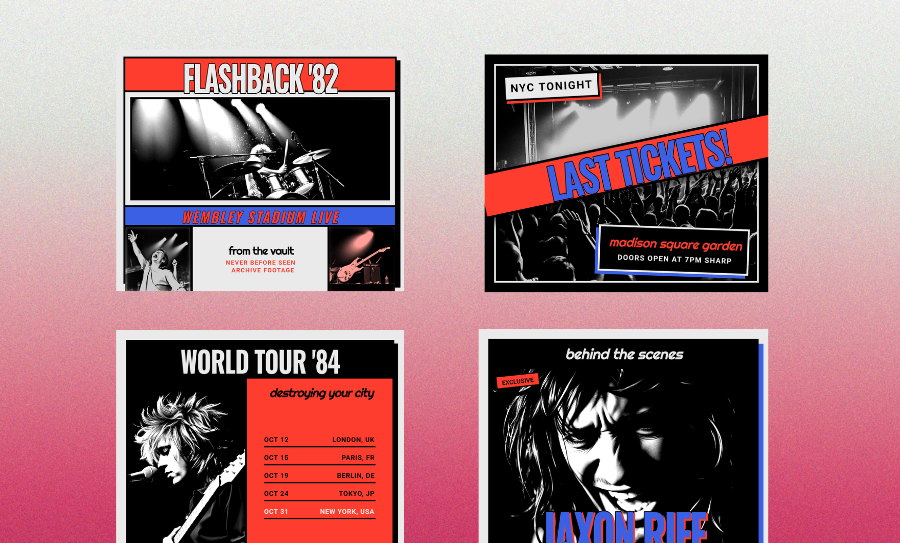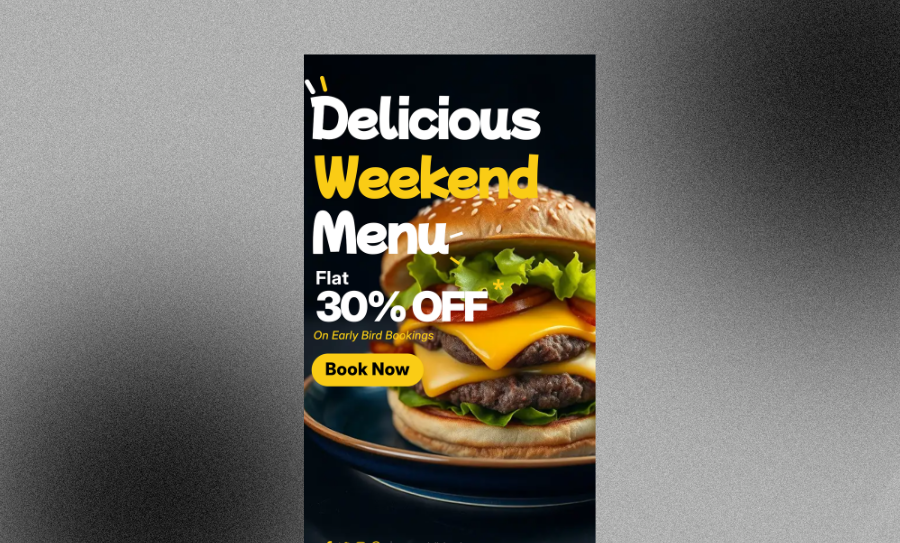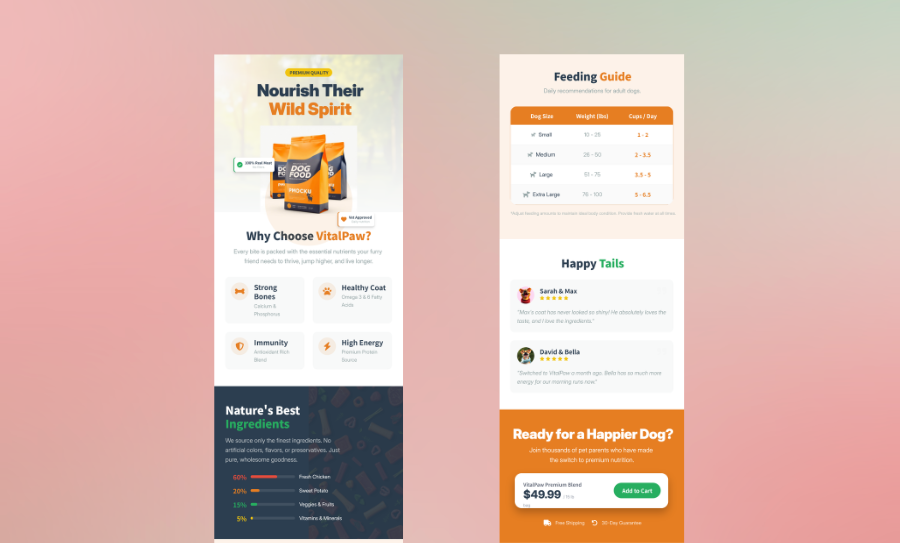
Build a Preorder Waitlist Campaign That Converts
Plan and design every stage of your prelaunch campaign, from the waitlist landing page to your final preorder push. Map out your timed sequence, then create polished visual assets for each step. Export print-ready files the moment your campaign is ready to go live.
Three Ways to Generate preorder waitlist campaign visual sets
Describe Your Product Launch and Generate a Full Campaign Visual Set
If you know your product, your audience, and your launch date, you have everything you need to start. Describe the preorder campaign in plain language — what you're selling, who it's for, when the preorder window opens — and an AI waitlist generator builds a coordinated set of visual assets around that brief. Each stage of the campaign gets its own graphic, already structured and editable.
- Generates teaser, sign-up, referral, countdown, and launch-window graphics as a matched set
- Pulls launch date and urgency language directly from your prompt into each asset
- Produces layouts sized for social posts, landing page banners, and print formats
- Every text box, color, and image layer stays fully editable after generation
Start from a Prelaunch Campaign Template and Swap In Your Brand
Sometimes the fastest path is picking a waitlist campaign template that already follows a proven prelaunch structure, then replacing the placeholder copy with your own product details and brand colors. This works especially well when you need a polished result quickly and your campaign follows a standard sequence — teaser, sign-up push, countdown, open. The layout logic is already there; you just make it yours.
- Templates organized by campaign stage so you can build the sequence piece by piece
- Swap headline, subhead, CTA text, and imagery without touching the underlying layout
- Adjust brand colors and fonts across all campaign-stage templates in one pass
- Export each stage as a high-resolution PNG or PDF when you're ready
Import Your Campaign Brief and Turn It into Structured Visual Pages
If your team has already written a campaign brief in Word, Google Docs, or Markdown, you don't need to retype it into a design tool. Paste or upload the document and the tool structures it into individual visual pages, one per campaign stage. This method works best for teams with an existing preorder campaign sequence already mapped out in writing.
- Accepts Word, PDF, and Markdown files as source documents
- Splits multi-section briefs into separate visual pages per campaign stage
- Preserves your copy hierarchy — headlines stay headlines, body text stays body text
- Output is fully editable, not a static image of your document
Why choose Veeso for your prelaunch campaign graphics and asset sets
Keep Every Prelaunch Touchpoint Visually Consistent
A preorder waitlist campaign spans weeks and multiple assets — teaser graphics, sign-up banners, referral cards, countdown posts. When each piece looks disconnected, subscribers lose trust before they ever reach the preorder window. Designing the full set as a coordinated visual campaign, rather than one-off graphics, is what moves passive interest toward confirmed purchase intent.
Try It Free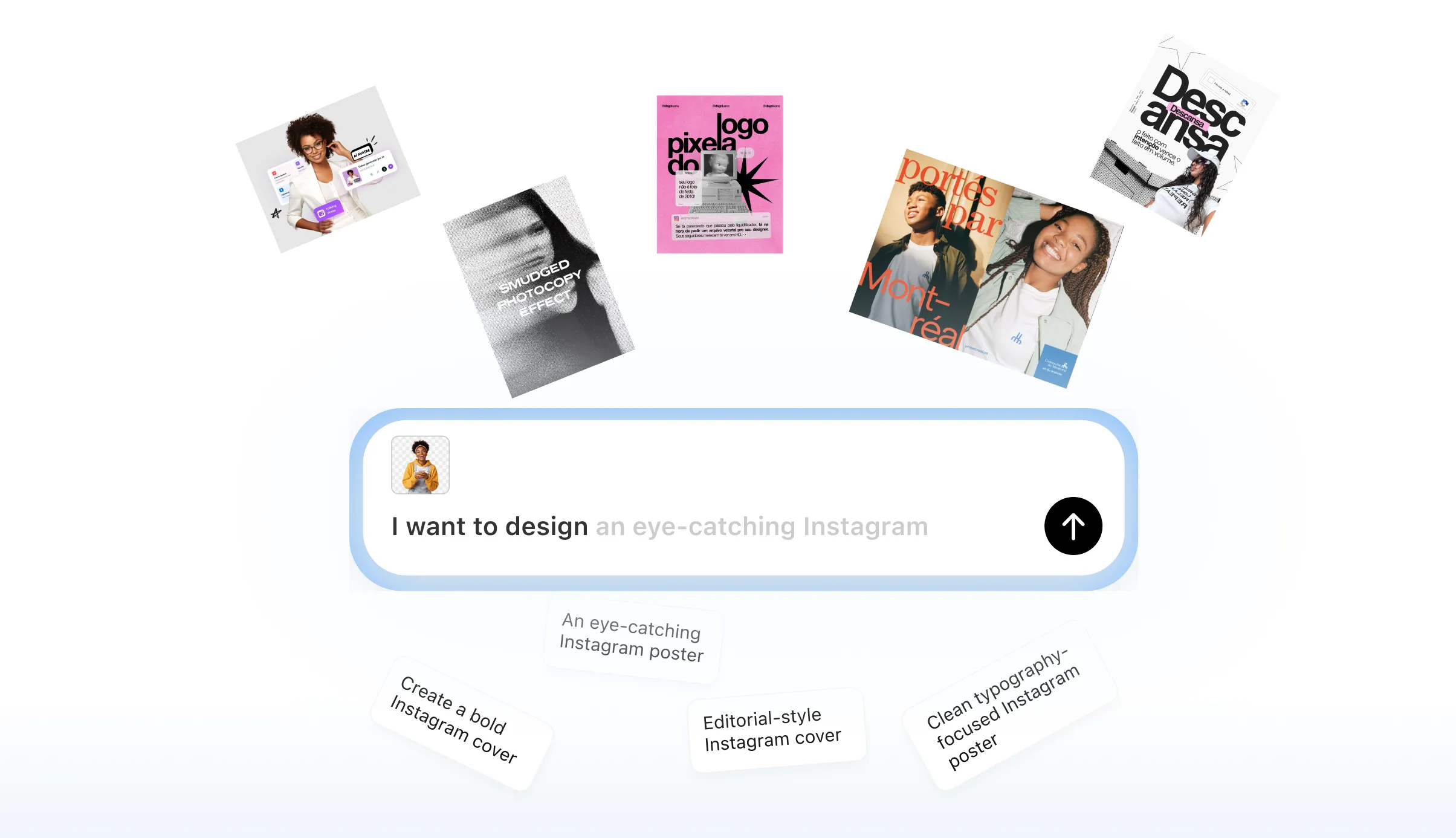
Match Your Visual Timing to Your Launch Date Logic
A prelaunch conversion funnel only works when the right graphic appears at the right moment — a teaser three weeks out lands differently than a 48-hour countdown banner. Building your campaign visuals around a timed sequence means each asset reinforces the one before it. That structure is what creates urgency without feeling like pressure.
Try It Free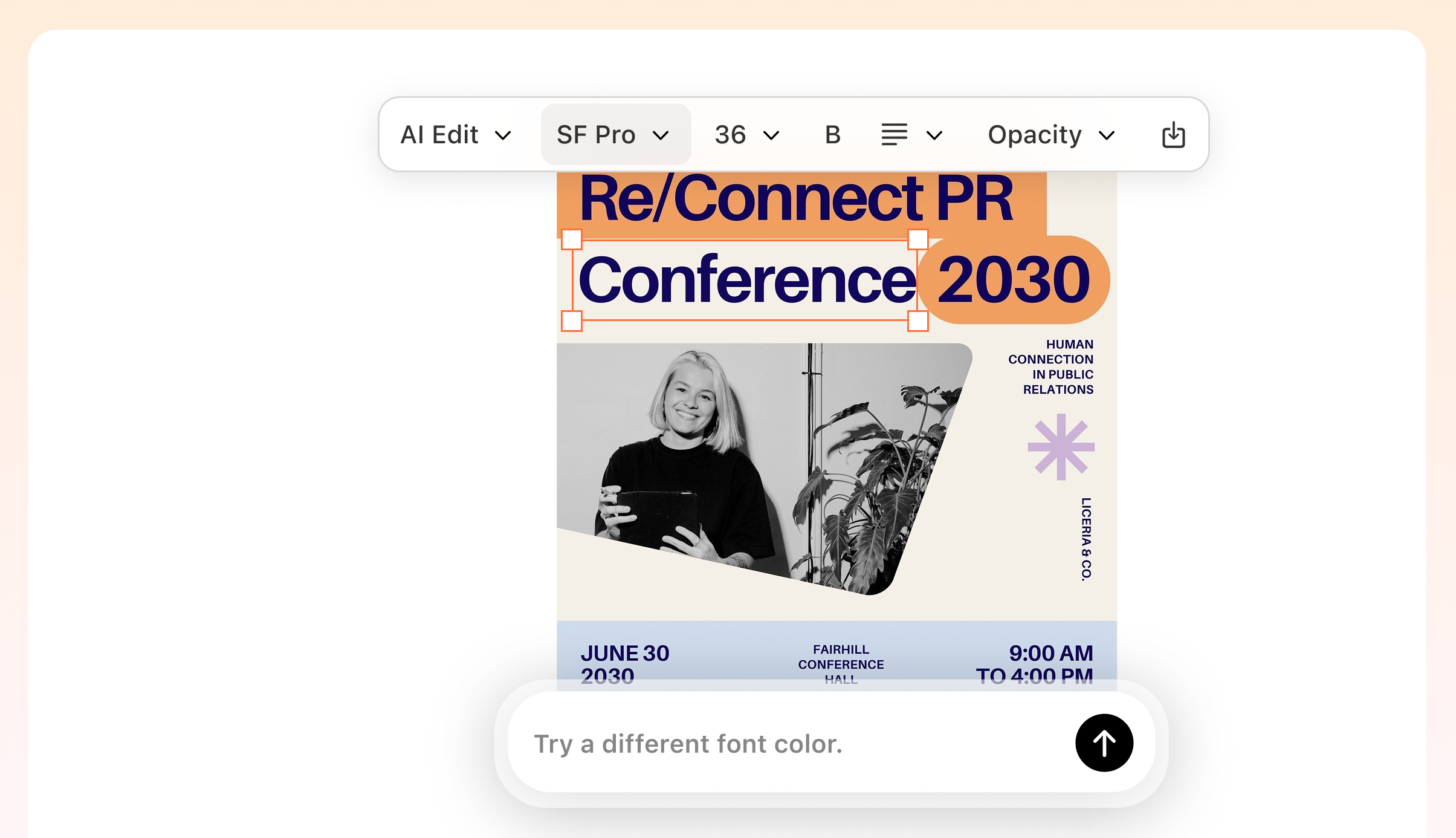
Turn a Campaign Brief into a Referral Waitlist Campaign Without Starting from Scratch
Most teams already have a product brief, a launch date, and a rough copy outline before they open a design tool. The bottleneck is turning that brief into a polished, shareable visual set quickly enough to matter. An AI-powered workflow lets you go from written copy to a complete preorder interest capture set in the same session, not days later.
Try It Free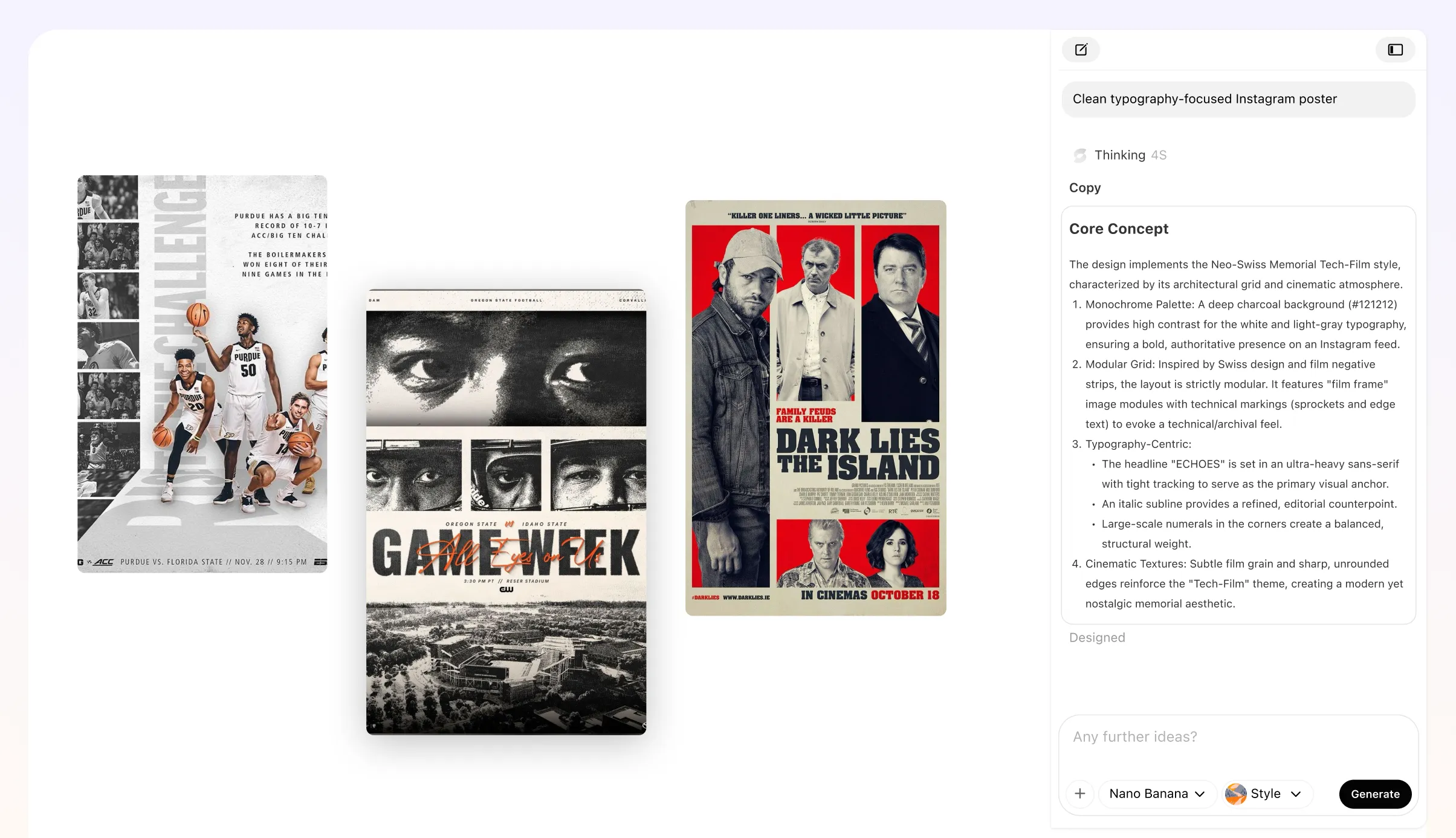
Produce Print-Ready and Screen-Ready Assets from One Campaign Set
Preorder campaigns often need the same core message delivered across different formats — a social post, a landing page hero image, a printed shelf card, or a PDF one-pager for retail partners. Rebuilding each format manually wastes time and introduces inconsistency. Generating a coordinated visual set from a single campaign brief keeps every format on message and export-ready.
Try It Free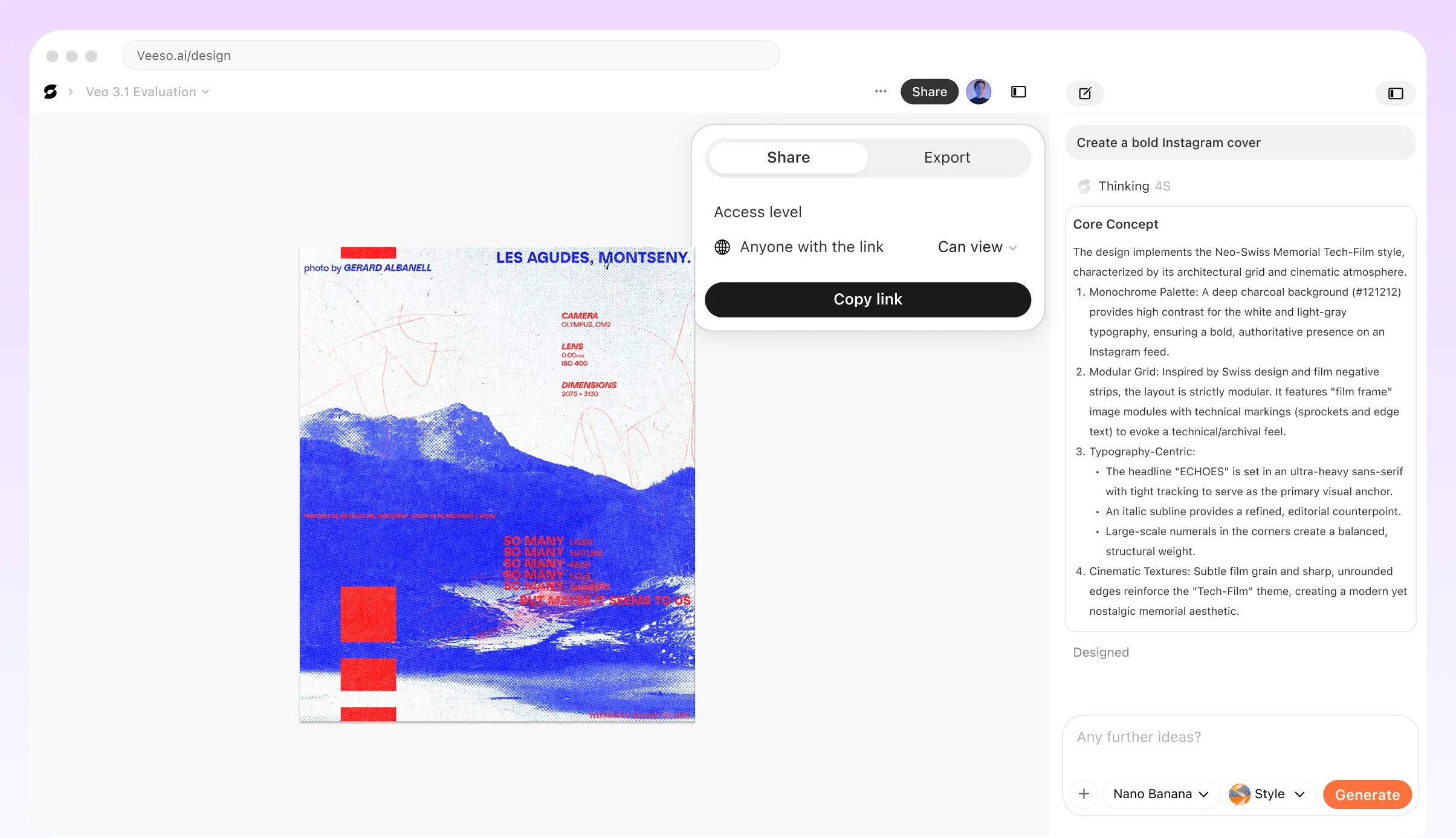
Who Uses a Preorder Waitlist Campaign Generator?
Independent Hardware Maker Running a Prelaunch Waitlist Campaign
You've built a physical product and need to validate real demand before committing to a production run. A preorder waitlist campaign lets you capture qualified buyer interest early, segment subscribers by purchase intent, and set a clear launch date countdown. Start with a focused waitlist landing page that explains what the product does, who it's for, and what early access means. Follow up with a short drip email sequence that builds anticipation and moves subscribers toward a confirmed preorder. The waitlist itself becomes your demand signal before you spend on inventory.
SaaS Founder Capturing Early Adopters Before a Feature Release
A new feature or product tier isn't live yet, but you want qualified leads waiting the moment it opens. A referral waitlist campaign works well here because early adopters are motivated to share when a reward moves them up the queue. Build a simple prelaunch conversion funnel: a landing page, a confirmation email, a referral nudge, and a reminder as the release date approaches. Each touchpoint should reinforce scarcity and urgency without overpromising. Segment your list by referral activity so you know which subscribers are most engaged before you open access.
E-Commerce Brand Designing Visual Assets for a Timed Preorder Sequence
Running a timed release campaign means every visual touchpoint needs to feel consistent, from the waitlist landing page header to the email banners that go out across the sequence. Veeso AI lets you paste your campaign copy and generate a coordinated set of editable visual assets for each stage of the preorder workflow. You can adjust layouts, swap product images, and export print-ready files without starting from scratch for each piece. The result is a visual campaign set that looks intentional rather than assembled in a hurry the night before launch.
Book Author or Creator Aligning a Preorder Campaign with a Commercial Calendar Date
Release timing matters when you're competing for attention around a seasonal moment or industry event. Mapping your preorder waitlist campaign to a specific commercial calendar date gives your email sequence a natural deadline to build toward. Plan your waitlist open date, your mid-campaign referral push, and your preorder close date in advance. Each email in the sequence should do one job: confirm the signup, introduce the referral loop, remind subscribers of the closing window, or announce that preorders are live. A clear timeline keeps subscribers engaged without overwhelming them.
Small Agency Building a Preorder Interest Capture Tool for a Client Product Launch
Agencies often need to deliver a working prelaunch campaign quickly without a developer writing custom forms or a copywriter building sequences from scratch. A preorder waitlist campaign generator gives you a starting structure you can adapt to the client's product, audience, and tone. Focus on the landing page copy first: what the product is, why the waitlist exists, and what subscribers get for joining early. Then map out the email sequence so each message has a clear role in the product launch pipeline. Veeso AI can help produce the visual assets for each stage once the copy is ready.
Consumer Brand Testing Demand Before a Limited-Edition Product Drop
Limited releases carry real financial risk if you misjudge demand. A preorder waitlist campaign run before the drop gives you a measurable demand signal without committing to full production. Set a subscriber threshold that tells you whether to proceed, delay, or adjust the product. Use the waitlist email sequence to qualify intent: ask subscribers to confirm their interest or click through to a preorder page. Subscribers who engage with every message are your most likely buyers. Those who go quiet after the first email tell you something useful too. Use that data before you finalize quantities.
Why DTC brand founders, product marketers, and independent creators Choose Veeso AI
How to Create High-Converting preorder waitlist campaign visuals
Map Out Your Preorder Campaign Sequence Before You Open a Design Tool
Decide how many stages your campaign needs and when each one goes live — a teaser graphic three to four weeks out, a sign-up asset at launch, a referral incentive card at signup, a countdown banner 48 hours before the preorder window opens, and a launch-day graphic. Writing that timeline down first means every visual you create has a clear job.
Choose Your Starting Method: Prompt, Template, or Document Import
Pick the approach that matches what you already have. If you're starting from scratch, describe your product and launch date in a prompt. If you have a rough structure in mind, pick a prelaunch campaign template. If your team has already written a campaign brief, import it directly and let the tool build the layout around your existing copy.
Edit Each Campaign-Stage Visual to Match Your Brand and Messaging
Review the generated set stage by stage — adjust headlines, swap product images, update your launch date, and align colors to your brand. Veeso AI produces fully editable layouts, so every text box and layer is yours to change. This is also the right moment to make sure the urgency language in your countdown banner matches the tone of your earlier teaser.
Export Each Asset in the Format Your Campaign Actually Needs
Export your finished visuals as high-resolution PNG files for digital use or as PDFs for print and retail partners. Keep the source files editable so you can update the countdown date, swap a product image, or adjust copy without rebuilding the whole set from scratch.
FAQ

Ready to Create Beautiful Prelaunch Campaign Graphics And Asset Sets with Veeso AI?
Start Creating NowNo credit card required • Free to start • No design skills required
Explore More AI Graphic Design Use Cases
Discover more creative design scenarios powered by Veeso AI.