Plan Your Pet Adoption Event Campaign in Minutes
Build flyers, social posts, and animal spotlight materials for your next adoption event. Describe your shelter, date, and animals — then get a full set of campaign visuals ready to edit. Export print-ready PDFs or high-resolution PNGs when you're done.
Three Ways to Generate pet adoption event campaign visual sets
Describe Your Event in Plain Text and Get a Full Visual Set
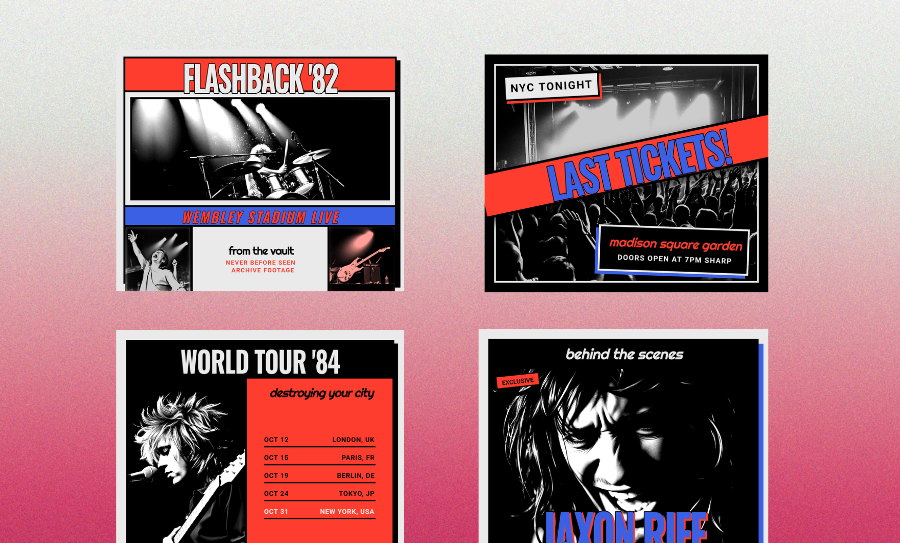
If you know your event details — date, location, featured animals, and any sponsor names — you can paste them as plain text and let the AI build the layout around your content. This works especially well for the pre-event phase, where you need an announcement flyer, individual animal spotlight cards, and a social media countdown graphic all at once. You're not designing from scratch; you're editing a finished draft.
- Auto-layout reads your event copy and assigns visual hierarchy to dates, venue, and pet names
- Generates a coordinated set covering flyer, spotlight card, and social post in one pass
- Every text box and image layer stays editable after generation
- Export as high-resolution PDF for print or PNG for digital sharing
Start from a Species-Specific Adoption Campaign Template
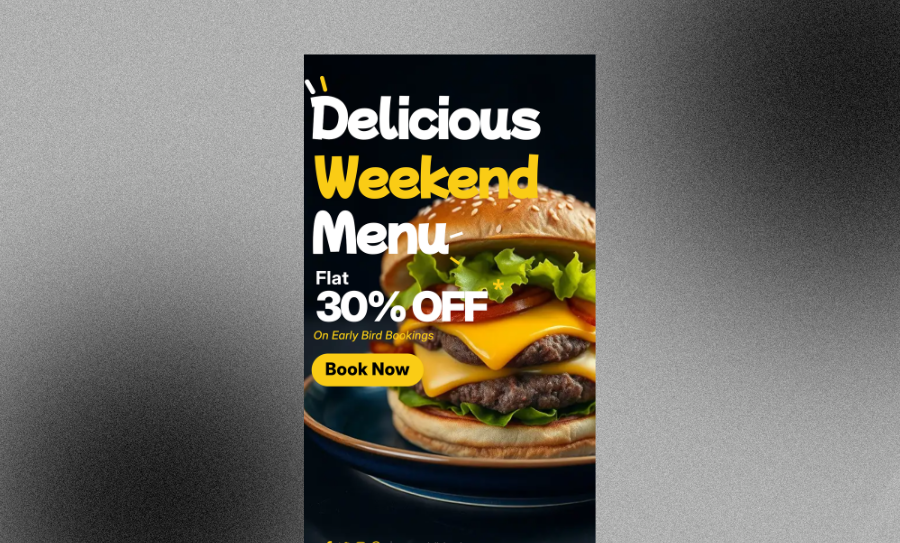
A dog adoption drive has a different energy than a cat colony rehoming event or a small-animal adoption day. Species-specific templates come with tone, layout, and image framing already tuned for the type of event you're running. Pick the template that fits your campaign, then swap in your shelter's details, animal photos, and event information. This method is fastest when you have a clear event type but want a proven visual structure to build on.
- Separate template sets for dog adoption events, cat rehoming campaigns, and small-animal drives
- Pre-tuned layouts for announcement posters, day-of signage, and post-event follow-up graphics
- Customizable color palettes to match your rescue organization's branding
- Print and social format variants included in each template set
Import Your Existing Shelter Docs and Turn Them Into Designed Pages
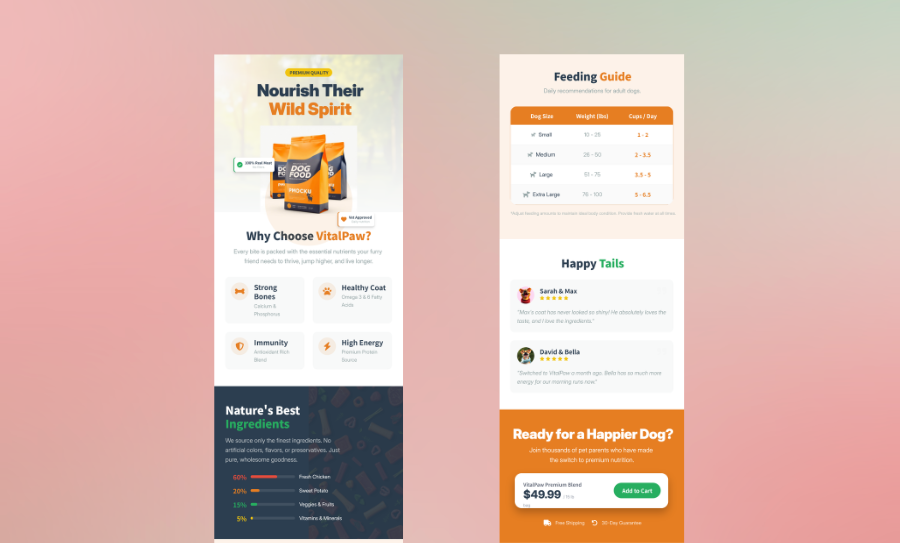
Many shelters already have event details written up in a Word doc, a PDF brief, or a Markdown file. Instead of retyping everything into a new tool, you can import that document and convert it into structured visual pages ready for editing. This is especially useful when you're working from an existing animal shelter adoption event planner or a campaign outline your team already approved.
- Accepts PDF, Word, and Markdown files as source content
- Converts unformatted text into a structured visual layout automatically
- Preserves your original copy while applying consistent design formatting
- Editable output means you can refine any section after import
Why choose Veeso for your editable adoption event campaign graphics
Keep Every Adoption Event Asset Looking Like One Campaign
When your flyer, volunteer briefing sheet, and social media post all look like they came from different organizations, it confuses potential adopters. A campaign generator builds all your assets on one shared visual system — same colors, fonts, and layout logic across every piece. The result is a cohesive dog adoption event campaign that looks intentional and professional, even if you built it in an afternoon.
Try It Free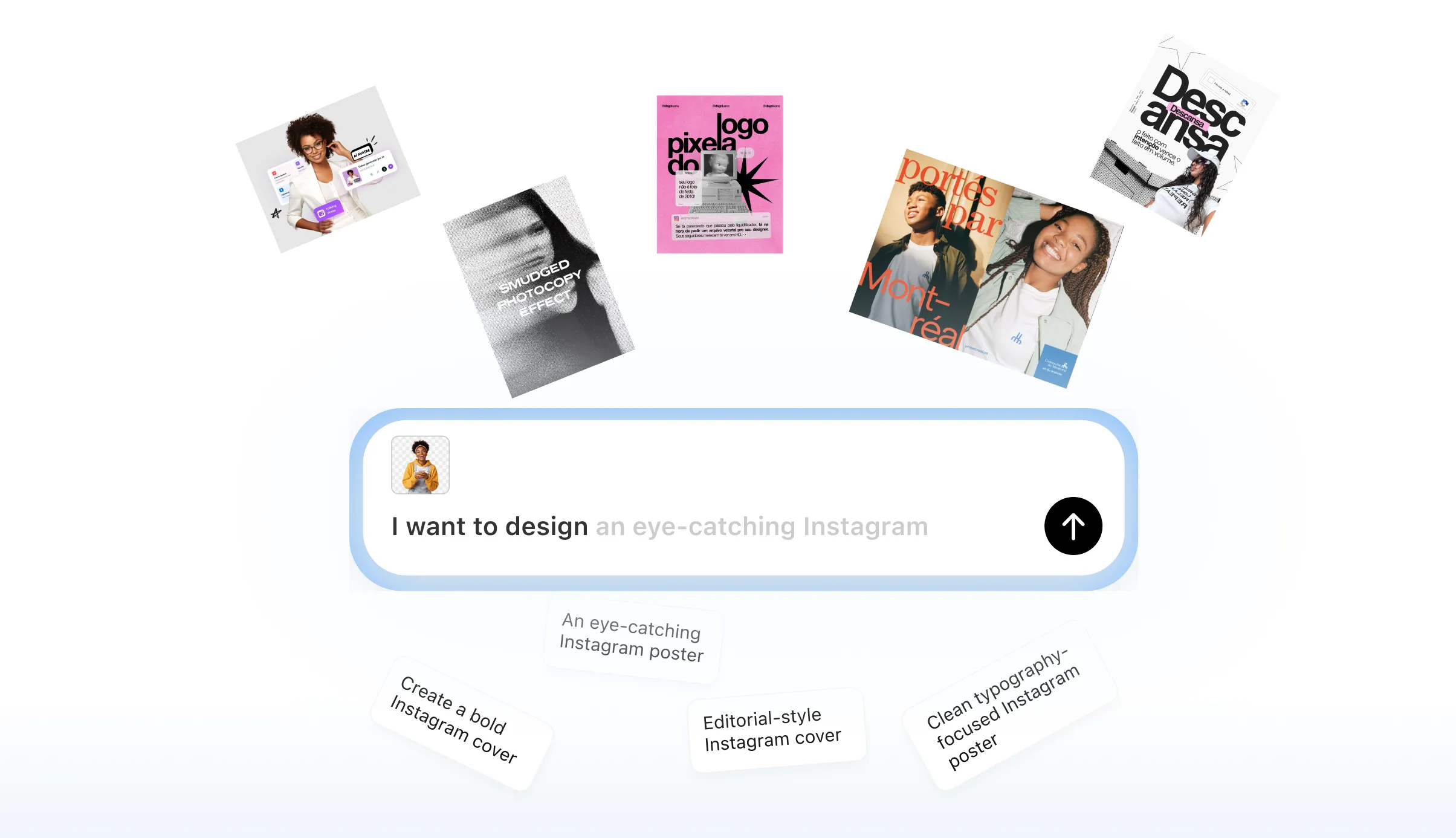
Update Animal Profiles Without Starting Over
Shelter rosters change fast. A dog gets adopted the morning of your event, or a new litter arrives two days before. With fully editable text boxes and image layers, you can swap out a pet photo or update a name in seconds without rebuilding the whole layout. That flexibility matters when your campaign materials need to reflect the actual animals available on event day.
Try It Free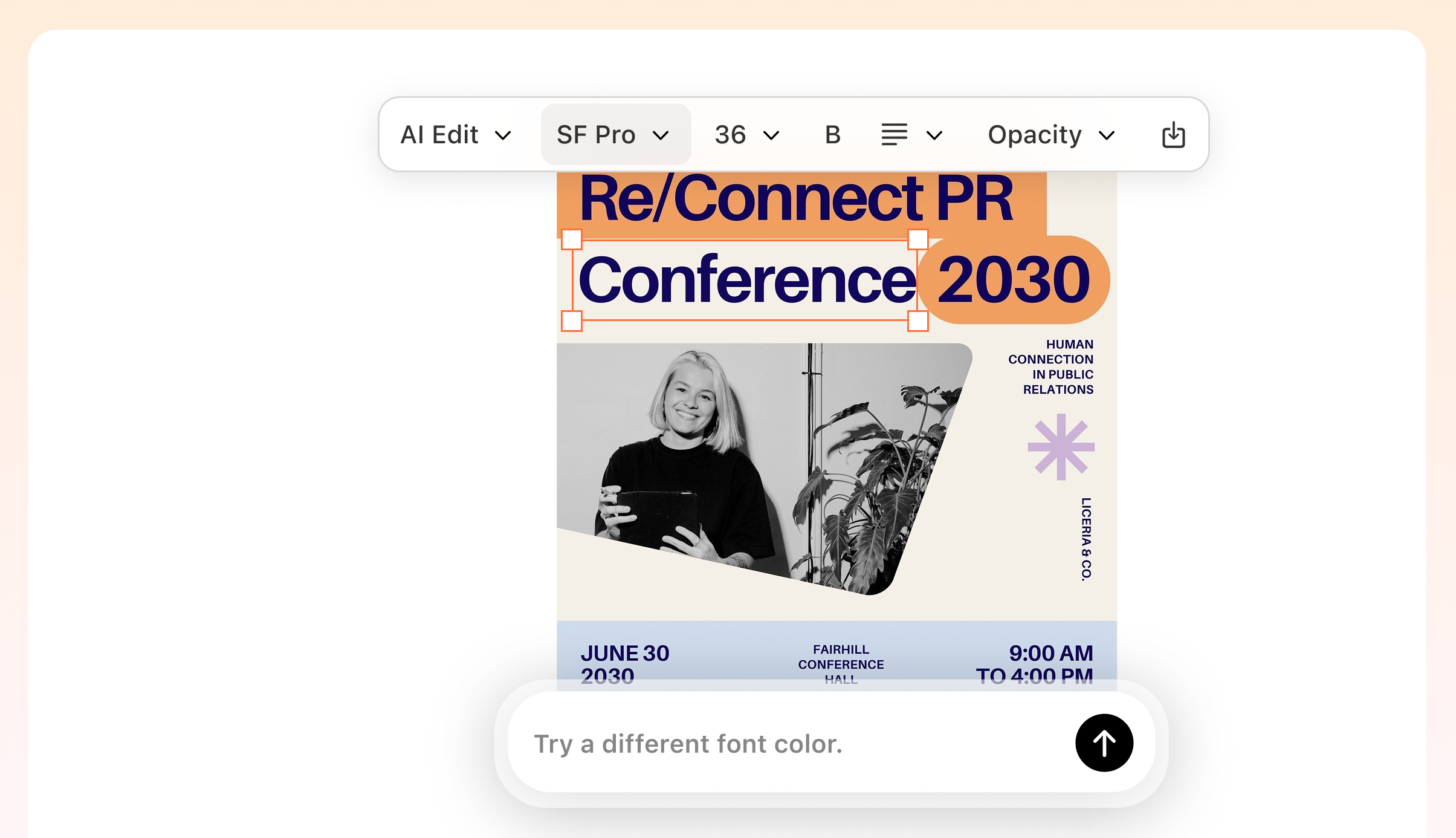
Get Print-Ready Files and Social Formats at the Same Time
A poster for your front window and a square graphic for Instagram need different dimensions, but they should still match. Generating both from the same campaign set means you're not manually resizing and reformatting the same design twice. You get high-resolution PNG and PDF exports sized correctly for print posters, volunteer handouts, and social media posts in one workflow.
Try It Free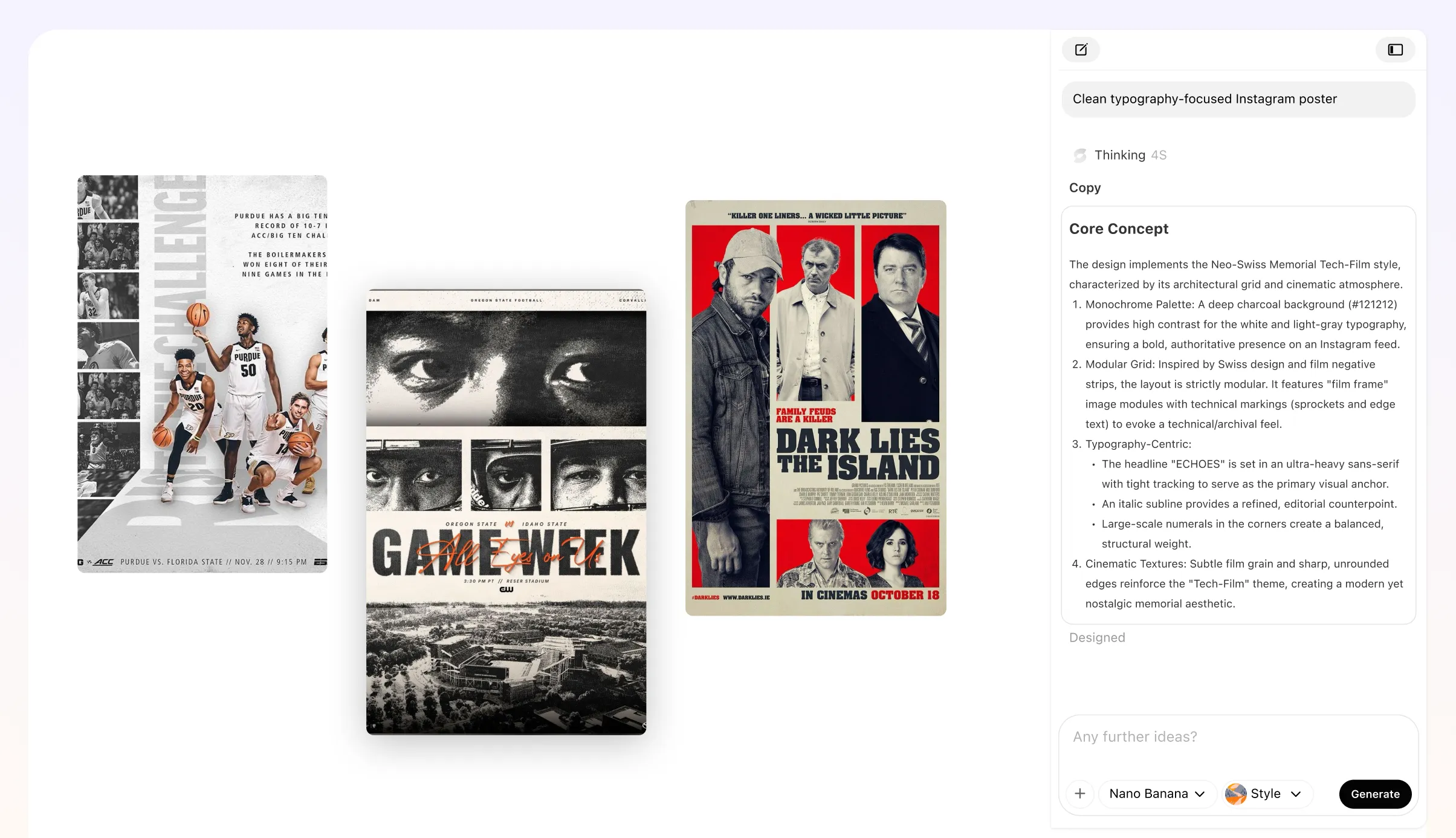
Move From Event Announcement to Post-Adoption Follow-Up Without Losing Momentum
A strong animal shelter marketing campaign doesn't end when the event does. You still need a welcome graphic for new adopters and a re-engagement visual for people who attended but didn't adopt. Having all three campaign phases — pre-event, day-of, and post-event — designed as a connected set means your outreach feels consistent from the first announcement to the follow-up message.
Try It Free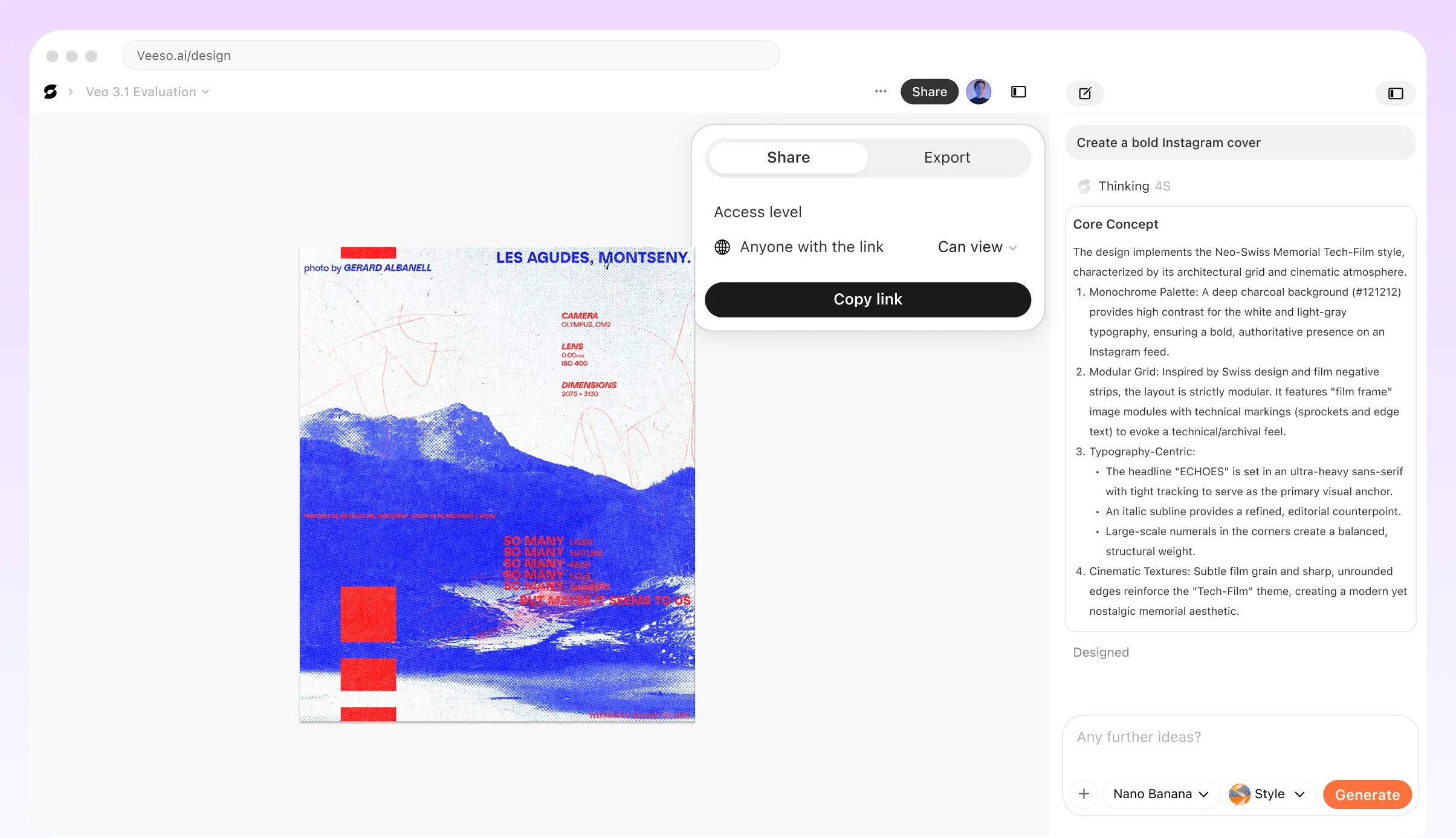
Who Uses a Pet Adoption Event Campaign Generator?
Small Rescue Group Running Its First Public Adoption Event
A volunteer-run rescue with no dedicated marketing staff needs to promote a weekend adoption event at a local pet store. Starting from scratch is overwhelming when you're also coordinating fosters, transport, and crates. A pet adoption event campaign generator helps you build a consistent set of promotional materials — social posts, a printable flyer, and a simple event description — without hiring a designer. Focus on writing clear pet profiles and honest event details first. Once your copy is solid, the visuals almost build themselves. Keep your shelter's name, colors, and contact info consistent across every piece.
Animal Shelter Coordinator Planning a High-Volume Dog Adoption Day
City shelters sometimes face overcrowding and need to move a large number of dogs in a single weekend event. That kind of dog adoption event requires more than a Facebook post. You need coordinated messaging that explains reduced fees, walk-in hours, breed availability, and what adopters should bring. Build your campaign in layers: a pre-event awareness push, a day-of reminder, and a post-event thank-you. Each piece should reference the same event name and date so your audience recognizes it across channels. Consistent animal shelter marketing across print and digital makes a measurable difference in foot traffic.
Foster Network Spotlighting Individual Animals Before the Event
Pre-event animal spotlights drive real interest. When potential adopters recognize a specific pet before they arrive, they're more likely to show up and more likely to commit. Write a short profile for each featured animal: personality, age, any known history, and what kind of home fits them best. Avoid shelter jargon. Use plain language a first-time adopter understands. Veeso AI can turn those written profiles into formatted visual cards that look consistent across your social feed without requiring design experience. Publish one spotlight per day in the week leading up to the event to build steady momentum.
Rescue Organization Reporting Campaign Results to Donors and Board Members
After a pet adoption event, shelter leadership often needs to show donors and board members what the campaign actually accomplished. A structured post-event summary covers how many animals were featured, which channels carried the promotion, and what the event day looked like. This kind of outcome document is easier to produce when your campaign materials were organized from the start. If your pre-event flyers, social posts, and volunteer briefings all came from the same campaign plan, pulling together a recap is straightforward. Clear documentation also helps you improve the next event and justify future outreach budgets.
Shelter Staff Briefing Volunteers and Partner Venues on Event-Day Logistics
Volunteers and venue partners need practical information, not marketing copy. They want to know arrival times, setup responsibilities, animal handling rules, and who to contact if something goes wrong. A pet adoption event logistics document is a separate deliverable from your public promotion, and it deserves the same care. Write it in plain numbered steps. Include a section for each role: greeter, animal handler, intake coordinator, and venue liaison. When everyone works from the same document, the event runs more smoothly and animals spend less time stressed in unfamiliar spaces. Good internal communication is part of a good adoption event.
Rescue Coordinator Setting Up a Post-Adoption Follow-Up Sequence
Not every person who attends a pet adoption event goes home with an animal that day. Some need more time, a second visit, or a different match. A post-event follow-up campaign keeps that connection alive. Draft a short message for attendees who didn't adopt, highlighting animals still available and answering common hesitations. Separately, prepare a welcome message for new adopters that covers the 3-3-3 adjustment rule, local vet resources, and how to reach your organization with questions. Veeso AI can help format these messages into clean, branded visual handouts you can share digitally or print for adoption day packets.
Why animal shelter staff, rescue organization volunteers, and community event coordinators Choose Veeso AI
How to Create High-Converting adoption event campaign visual assets
Map Out Your Three Campaign Phases Before You Design Anything
Decide what assets you need for each stage: pre-event announcements and animal spotlight cards, day-of volunteer sheets and directional signage, and post-event welcome graphics for new adopters. Having this list ready before you open any tool keeps your campaign visual set complete and consistent.
Choose Your Starting Point Based on What You Already Have
If your event details are written up, paste them as plain text for auto-layout. If you're starting fresh, pick a species-specific adoption campaign template that matches your event type. If your shelter has an existing brief or PDF, import it directly and let the tool convert it into designed pages.
Edit Each Asset to Reflect Your Actual Animals and Event Details
Swap in real pet photos, update names and descriptions, and confirm that dates, times, and venue details are accurate on every piece. Because every text box and image layer is fully editable, you can make changes at any stage without rebuilding the layout from scratch.
Export Print and Digital Formats for Each Campaign Phase
Export high-resolution PDFs for printed posters and volunteer handouts, and PNG files sized for social media posts and digital sharing. Having both formats ready from the same campaign set means your pre-event promotion, day-of materials, and post-adoption follow-up graphics all stay visually connected.
FAQ

Ready to Create Beautiful Editable Adoption Event Campaign Graphics with Veeso AI?
Start Creating NowNo credit card required • Free to start • No design skills required
Explore More AI Graphic Design Use Cases
Discover more creative design scenarios powered by Veeso AI.