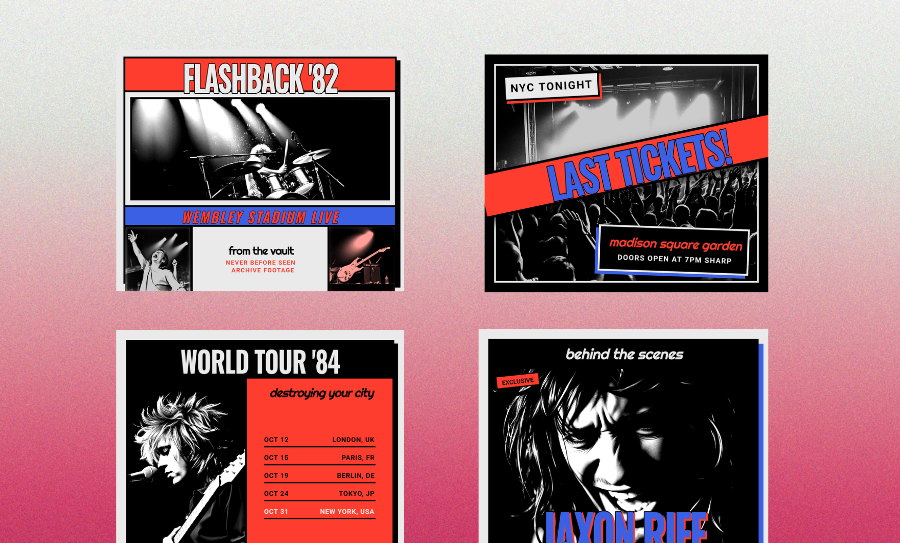
Turn Your PDF Whitepaper Into Social Campaign Assets
Pull the strongest insights from any whitepaper and shape them into a ready-to-publish series of social graphics, carousels, and pull quotes. Paste your content, pick a layout, and build a consistent visual set across every channel. Export print-ready PNG or PDF files when your campaign kit is done.
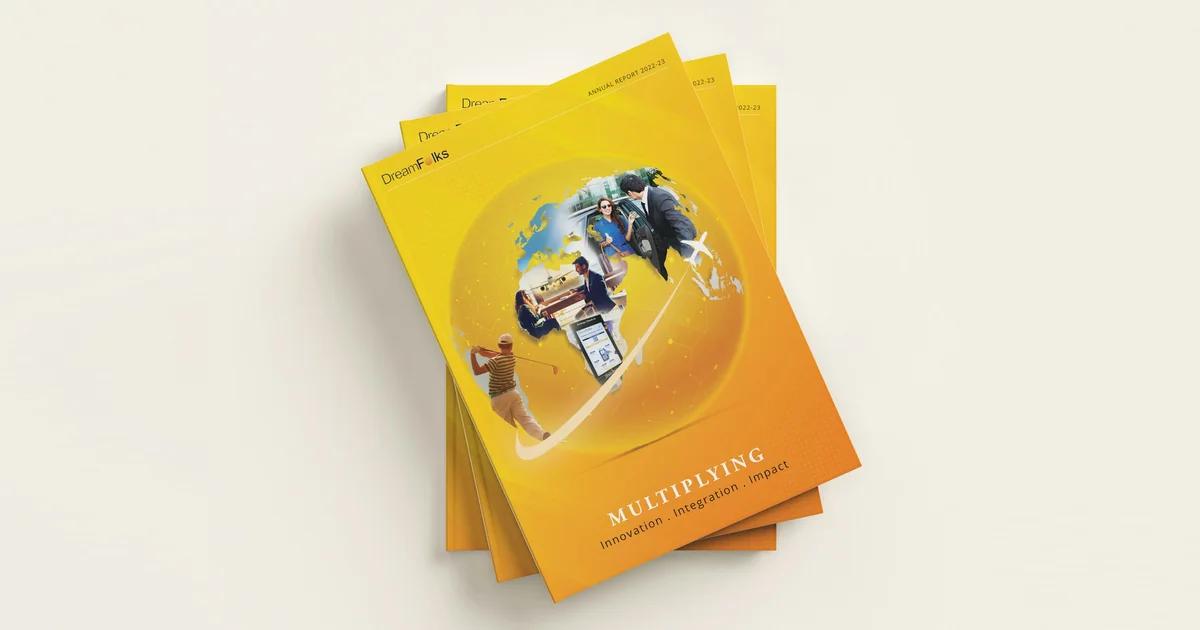
Three Ways to Generate whitepaper social campaign asset sets
Describe Your Whitepaper's Core Findings and Generate a Campaign Asset Set
Tell the AI the topic of your whitepaper, the key statistics you want to highlight, and the platform you're designing for. It builds a coordinated visual series around your content structure, not a generic template. This works well when you want a fast first draft of your whitepaper social media promotion strategy before you've finalized every asset type.
- Generates a multi-asset series from a single content brief
- Maps whitepaper sections to platform-specific formats like LinkedIn carousels and pull-quote cards
- Applies consistent typography and color across all assets in the set
- Produces fully editable layouts, not static images
Start From a Whitepaper Campaign Template and Customize Each Asset
Pick a template built for B2B content distribution, then swap in your whitepaper's headlines, data points, and brand colors. Templates give you a proven visual structure so you spend your time on the content, not the layout. This approach suits teams that already know their asset types and want to move quickly through a multi-format content series.
- Templates organized by asset type: teaser, key-finding card, data visualization, gated-download reminder
- Editable text boxes, color fields, and image placeholders at the layer level
- Consistent visual style across all assets in the campaign set
- Export each asset individually or as a full PDF package
Import Your Whitepaper PDF and Transform It Into Designed Social Graphics
Upload your existing whitepaper PDF and let the tool parse the structure, pulling out headings, statistics, and pull quotes as editable design elements. This is the most direct path from a dense PDF to a ready-to-publish social asset series. It removes the manual step of copying content into a design file and reduces the risk of transcription errors in your data visualization cards.
- Imports PDF, Word, or Markdown source files
- Extracts headings, statistics, and pull quotes as individual editable elements
- Structures extracted content into a logical multi-page asset sequence
- Preserves source text so every graphic stays accurate to the original report
Why choose Veeso for your editable whitepaper social graphics
Keep Every Claim Tied to Your Source PDF
When you pull statistics and findings from a whitepaper, accuracy matters. One misquoted number can undermine the credibility your research team worked hard to build. Starting the design process from the actual PDF text means each graphic reflects the real data, not a paraphrased version that drifted during production. The result is a social asset series your audience and your legal team can both stand behind.
Try It Free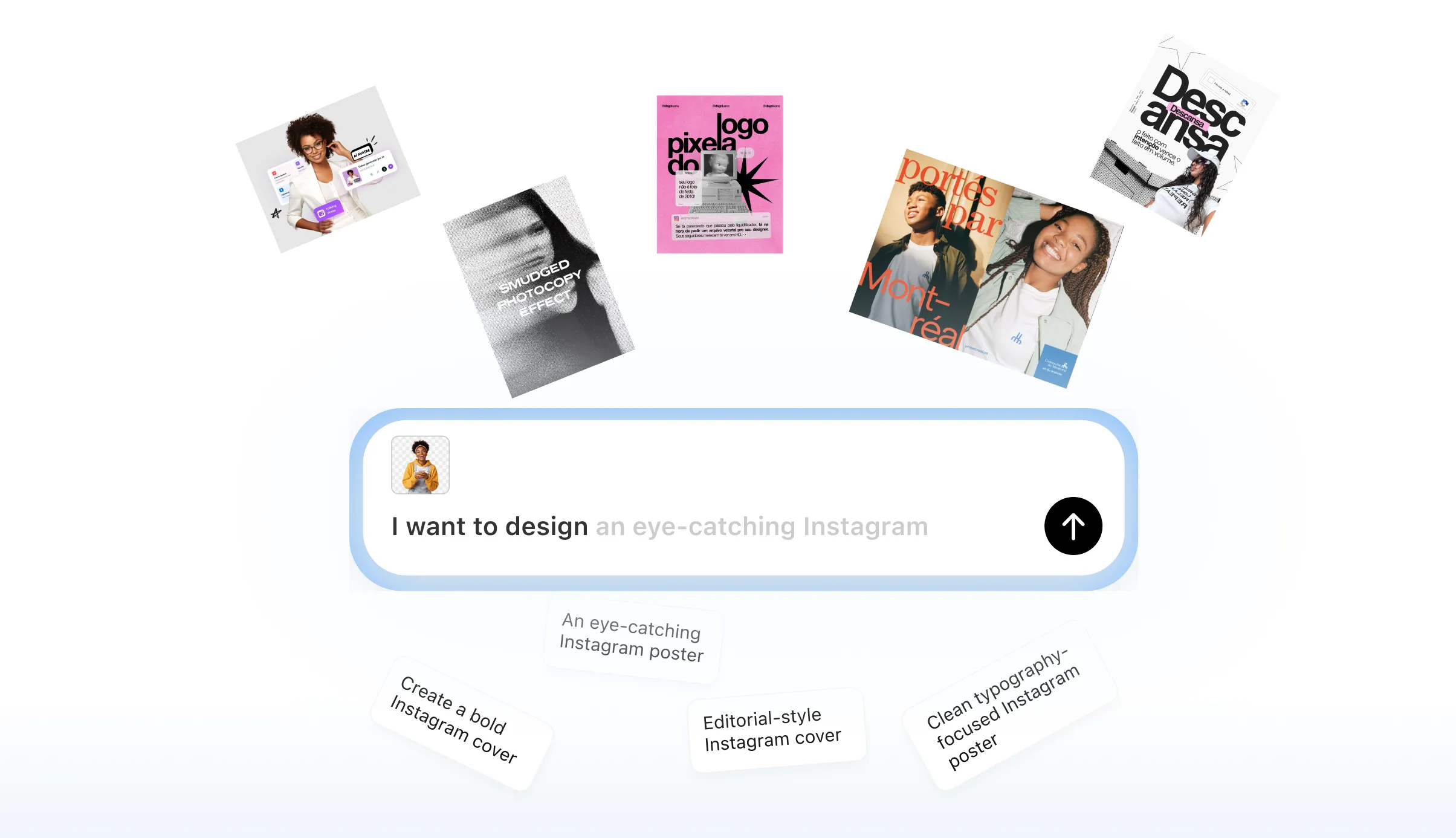
Build a Multi-Week Distribution Series, Not a One-Off Post
A whitepaper contains enough material for weeks of social content, but most teams publish one announcement and move on. Mapping your PDF's sections to a structured asset sequence, such as teaser graphics, key-finding cards, and gated-download reminders, turns a single document into a full content distribution series. Editable social graphics make it easy to version each asset for different campaign stages without rebuilding the layout every time.
Try It Free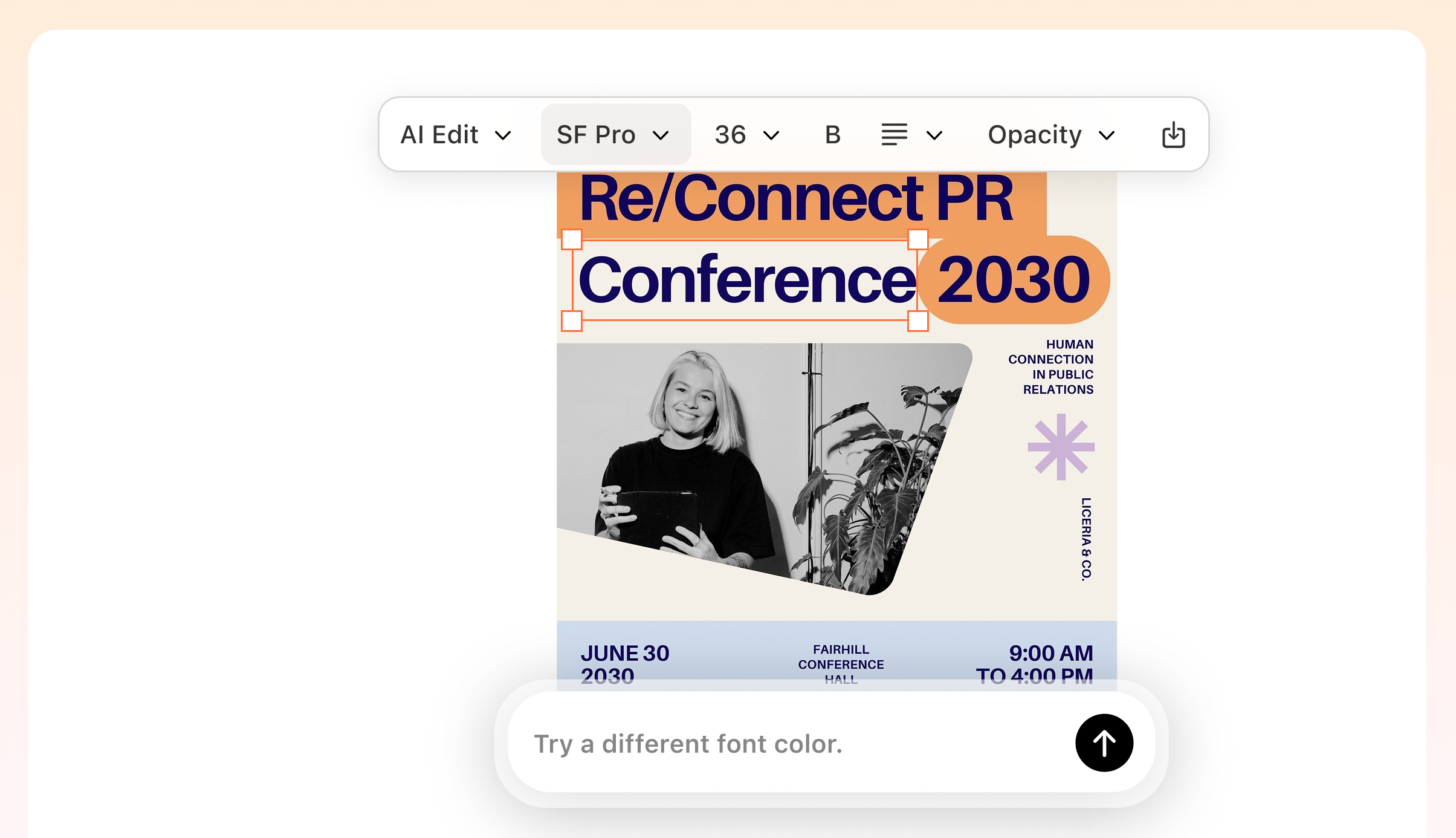
Adapt the Same Asset for Different Audience Segments
A B2B whitepaper often speaks to more than one audience, such as a technical buyer and a budget decision-maker. Swapping a headline or data point for each segment should take minutes, not hours. Because every layer stays editable after the initial design is generated, your team can produce audience-specific versions of the same LinkedIn carousel or pull-quote graphic without starting from scratch.
Try It Free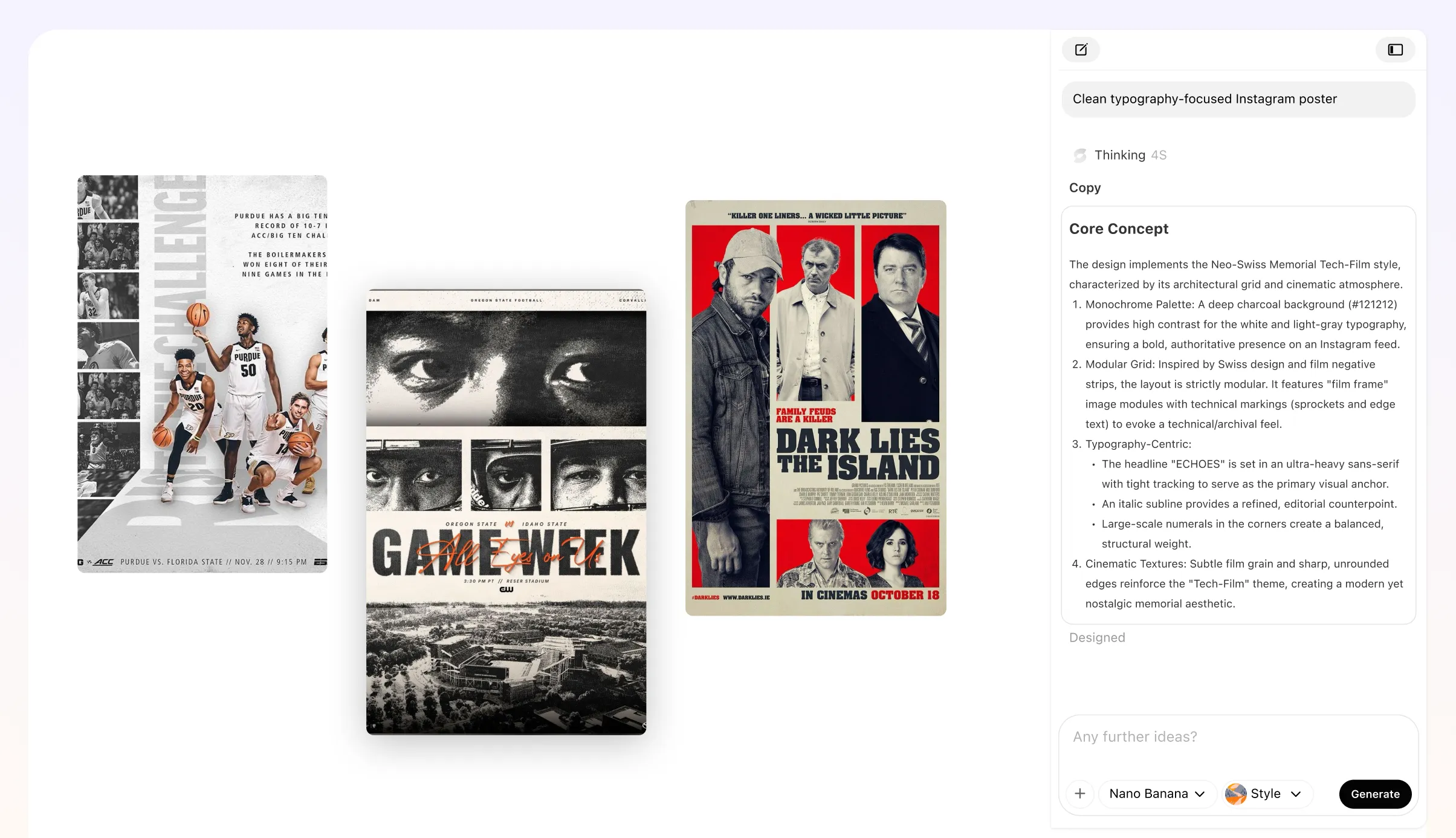
Export Files That Are Actually Ready for Production
Social graphics created from a whitepaper need to meet platform specs and look sharp at full resolution. A low-resolution screenshot of a PDF page won't cut it for a LinkedIn carousel or a promoted post. Designing from the source content and exporting high-resolution PNG or PDF files means your assets go straight to the scheduler without a round-trip to a designer for cleanup.
Try It Free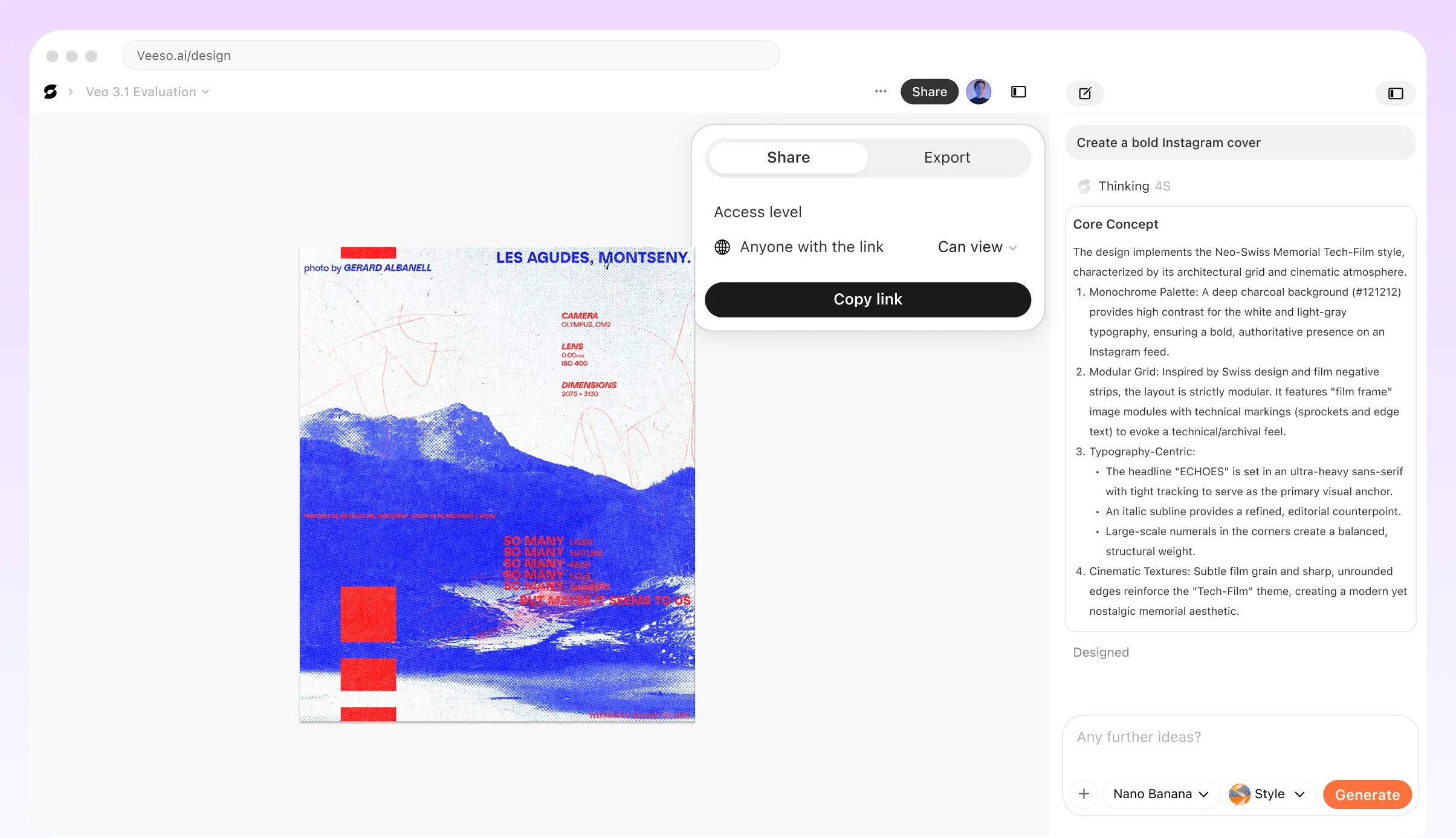
Who Turns a Whitepaper PDF Into a Social Campaign Asset Series?
B2B Marketing Team Repurposing a Research Report Into a LinkedIn Series
Your team spent months producing a 30-page industry report, but most of your LinkedIn audience won't download it. Start by pulling the five or six findings that carry the strongest standalone argument. Turn each one into a separate post: a stat with brief context, a short pull quote, or a simple comparison. Write captions that reference the full report without requiring readers to open it. This approach lets you convert whitepaper content into a multi-week distribution series that builds anticipation and drives gated downloads over time rather than in a single push.
Demand Gen Manager Building a Carousel From a Technical PDF
A dense technical whitepaper rarely translates directly into a scroll-stopping carousel. The job here is extraction and editing, not decoration. Identify the three to five claims in the PDF that are specific, defensible, and surprising enough to stand alone without full context. Restructure them as a logical sequence: open with the tension, walk through the evidence, close with the implication. Each slide should carry one idea. Veeso AI lets you paste that structured content and produce an editable carousel layout where every text box and data point stays adjustable before you hand it off for review.
Content Strategist Mapping a Single Whitepaper to a Full Campaign Calendar
One whitepaper can support four to six weeks of social content if you treat it as a content atomization exercise rather than a one-time announcement. Break the document into its natural sections: problem framing, data, methodology, recommendations, and conclusion. Each section becomes a content cluster with its own post type. Problem framing works well as a question post. Data sections produce shareable graphics. Recommendations translate into checklist-style carousels. Mapping this structure before you design anything prevents you from running out of material mid-campaign or repeating the same angle twice.
Agency Designer Receiving a Client PDF With No Visual Brief
Clients often hand over a finished whitepaper and expect a full set of social graphics with no additional direction. Before opening any design tool, read the executive summary and conclusion only. Those two sections almost always contain the claims the client considers most important. List every stat, named framework, and direct quote that appears in both places. That list becomes your design brief. From there, decide which claims need a data visualization, which work as pull quotes, and which need a supporting image. This workflow keeps your asset kit grounded in the source document rather than your own interpretation.
SaaS Company Promoting Gated Content Across Multiple Channels
When a whitepaper sits behind a form, every social post is essentially an ad for the download. The creative challenge is giving enough away to justify the click without replacing the need to read the full document. Focus on framing rather than revealing. Share the question the whitepaper answers, not the answer itself. Use one strong data point as proof that the research is worth reading. Design a consistent visual style across LinkedIn, Instagram, and any paid placements so the campaign reads as a coordinated series. Veeso AI can help you build that editable design series from your PDF content so every format stays on-brand.
Thought Leadership Consultant Turning a Client Report Into Social Proof Snippets
Executives and consultants often produce research that never reaches the audience it was written for because the PDF format doesn't travel well on social platforms. The fix is identifying the moments in the document where the author takes a clear, specific position. Those positions become short-form thought leadership posts. Pull the exact language from the report rather than paraphrasing, since the original phrasing is usually more precise. Pair each post with a simple branded graphic that names the source document. This gives the content credibility, connects each post back to the full whitepaper, and builds a recognizable visual identity across the campaign.
Why B2B content marketers and demand generation managers Choose Veeso AI
How to Create High-Converting PDF-to-social campaign visual series
Parse Your PDF and Surface the Content Worth Amplifying
Read through your whitepaper with a social campaign in mind and flag the statistics, key findings, and pull quotes that will resonate on each platform. Not every paragraph belongs in a social graphic, so focus on claims that are specific, surprising, or directly useful to your target audience.
Map Each Finding to an Asset Type and Campaign Stage
Assign each piece of content to a format and a moment in your distribution timeline. A bold statistic works as a teaser before the whitepaper launches, a detailed finding fits a LinkedIn carousel mid-campaign, and a gated-download reminder graphic works at the end of the series. This mapping step is what turns a PDF content extraction exercise into a structured whitepaper content distribution series.
Design Each Asset as Part of a Versioned, Editable Series
Build your graphics so they share a consistent visual language but can be updated independently. Keep every text box and data point editable at the layer level so you can swap a headline for a different audience segment or update a statistic if the report gets revised. Tools like Veeso AI let you import the PDF directly and generate an editable multi-asset set from the source content.
Export Production-Ready Files and Hand Off to Your Distribution Workflow
Export each asset at the correct resolution and dimensions for its intended platform before passing files to your social media team or scheduler. High-resolution PNG files work for most social platforms, while a PDF package is useful for internal review or paid media handoffs. Veeso AI handles the export step so your files are ready to use without additional processing.
FAQ

Ready to Create Beautiful Editable Whitepaper Social Graphics with Veeso AI?
Start Creating NowNo credit card required • Free to start • No design skills required
Explore More AI Graphic Design Use Cases
Discover more creative design scenarios powered by Veeso AI.