Build Your Nonprofit Volunteer Recruitment Campaign
Create clear, consistent recruitment materials that explain volunteer roles, show real impact, and give people an easy next step. Describe your cause and audience, then shape your message. Export print-ready flyers, social posts, and event handouts as high-resolution PNG or PDF files.
Three Ways to Generate volunteer recruitment visual campaign sets
Describe Your Volunteer Role and Let the AI Build the Layout
Type in your cause, the volunteer role, the time commitment, and the audience you're trying to reach. The AI structures that information into a recruitment visual with a clear hierarchy — role headline, impact statement, and call to action already in place. This works especially well when you're starting a new campaign from scratch and don't want to spend time on layout decisions.
- Paste your role description and time commitment details directly into the prompt
- AI places impact statements and sign-up calls to action in logical visual positions
- Generates coordinated assets for social, print, and event use in one pass
- Output is fully editable — swap text, colors, or images without starting over
Start from a Nonprofit Recruitment Template and Customize It
Pick a template built around volunteer outreach, then replace the placeholder text with your actual role descriptions, mission language, and event details. Templates give you a proven visual structure so you're not guessing where the headline or CTA should go. This approach suits coordinators who want a reliable starting point for a year-round volunteer recruitment campaign.
- Templates organized by campaign type — seasonal drives, ongoing roles, event-day recruitment
- Pre-structured sections for role clarity, time commitment, and impact storytelling
- Swap in your nonprofit's colors, logo, and photography with direct edits
- Duplicate and adapt a single template across multiple volunteer roles
Import Your Existing Recruitment Copy and Turn It Into a Visual
If you've already written your volunteer pitch in a Word doc, a PDF brief, or a Markdown file, you don't need to start over. Import the document and the tool structures your content into designed pages ready for editing. This is the fastest path for coordinators who have strong messaging but no design output yet.
- Import Word, PDF, or Markdown files with existing role descriptions and campaign copy
- Content is mapped to visual sections — headline, body, CTA — automatically
- Edit any text block, image placeholder, or layout element after import
- Export as high-resolution PNG or print-ready PDF when edits are done
Why choose Veeso for your editable nonprofit recruitment campaign visuals
Show Volunteers Exactly What the Role Looks Like
Vague recruitment asks lose people fast. When a flyer or social card spells out the time commitment, the specific task, and the real impact, potential volunteers can picture themselves in the role. Editable visual assets let you drop in role-specific details without rebuilding the layout from scratch every time.
Try It Free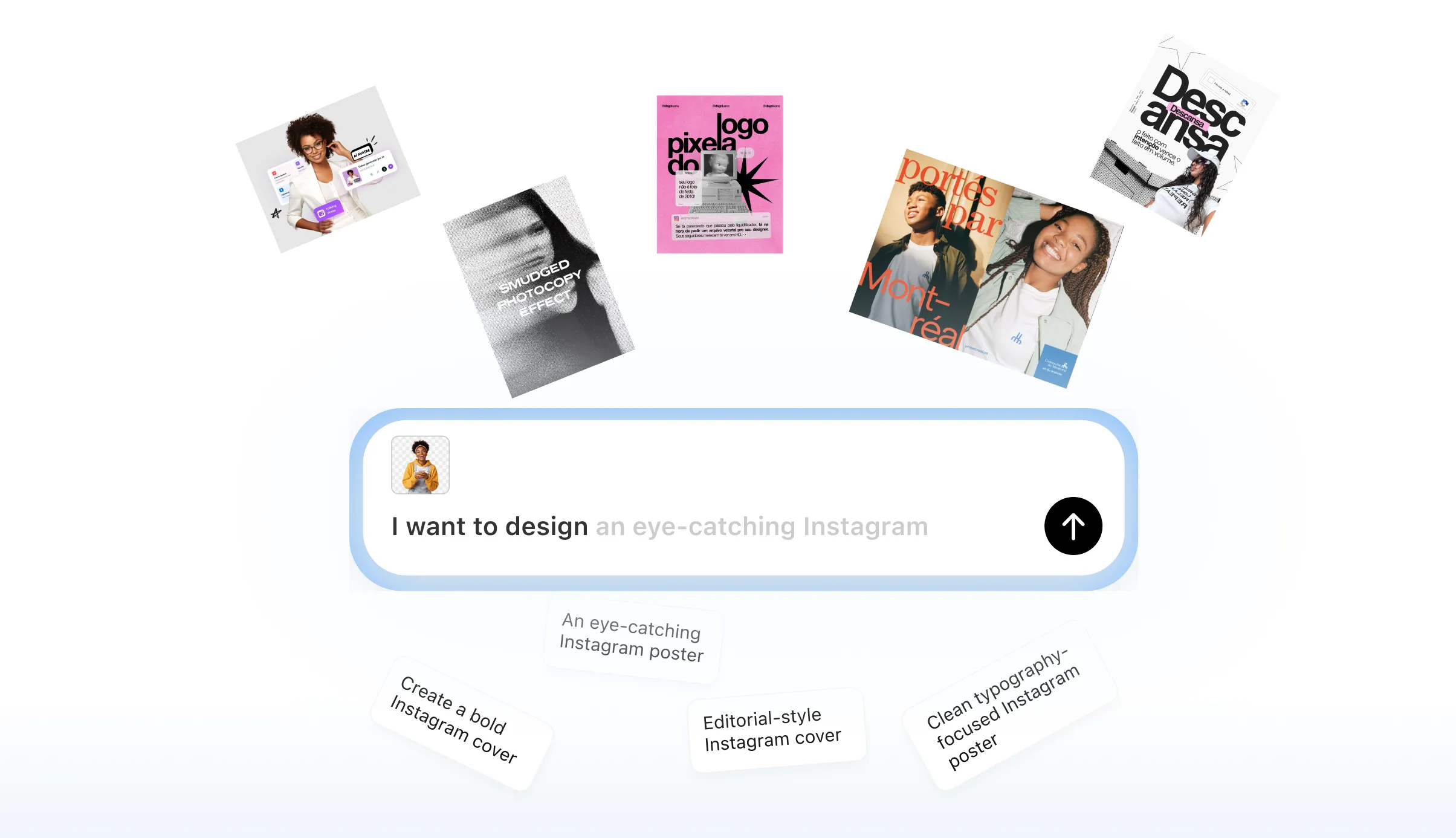
Keep Your Cause's Voice Consistent Across Every Touchpoint
A food drive flyer, a social media card, and an event table tent all need to feel like they belong to the same campaign. When visuals don't match, your message looks scattered and trust drops. A coordinated set of editable recruitment visuals keeps your mission language, colors, and tone aligned from the first impression to the sign-up moment.
Try It Free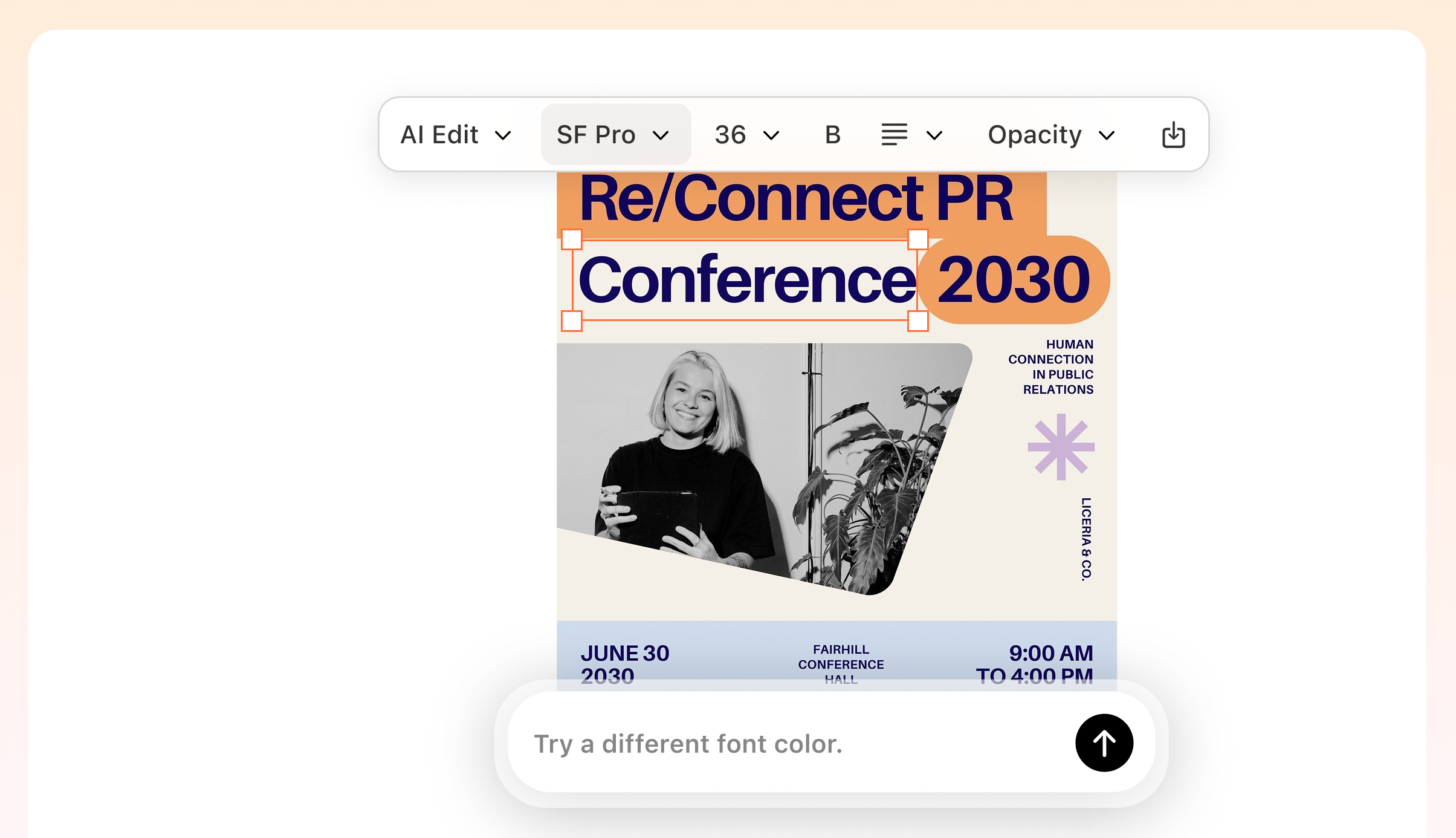
Move Fast When a Volunteer Gap Opens Up
Nonprofit coordinators rarely have a week to wait on a designer when a shift goes unfilled or a seasonal drive kicks off. Having a ready-to-edit recruitment visual means you can update the role, date, and call to action in minutes and get print-ready files out the same day. That speed is often the difference between filling a gap and leaving it open.
Try It Free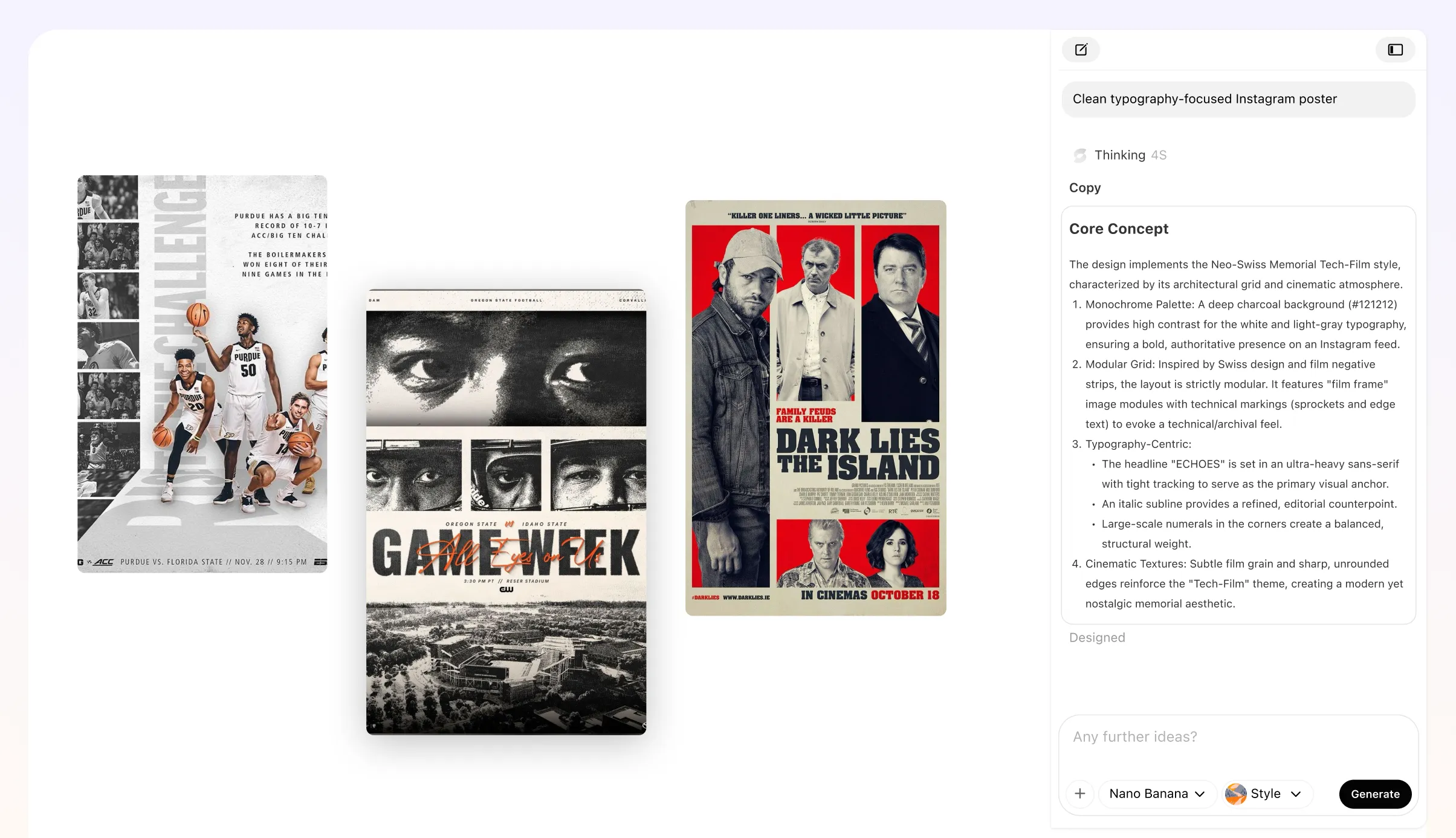
Stretch a Small Capacity Budget Further
Most nonprofits can't afford to commission custom design work every time a new volunteer push starts. Generic templates don't fit cause-specific impact language, and blank documents don't inspire anyone to sign up. Purpose-built editable visuals give small teams a professional starting point that's already structured around recruitment goals, not just aesthetics.
Try It Free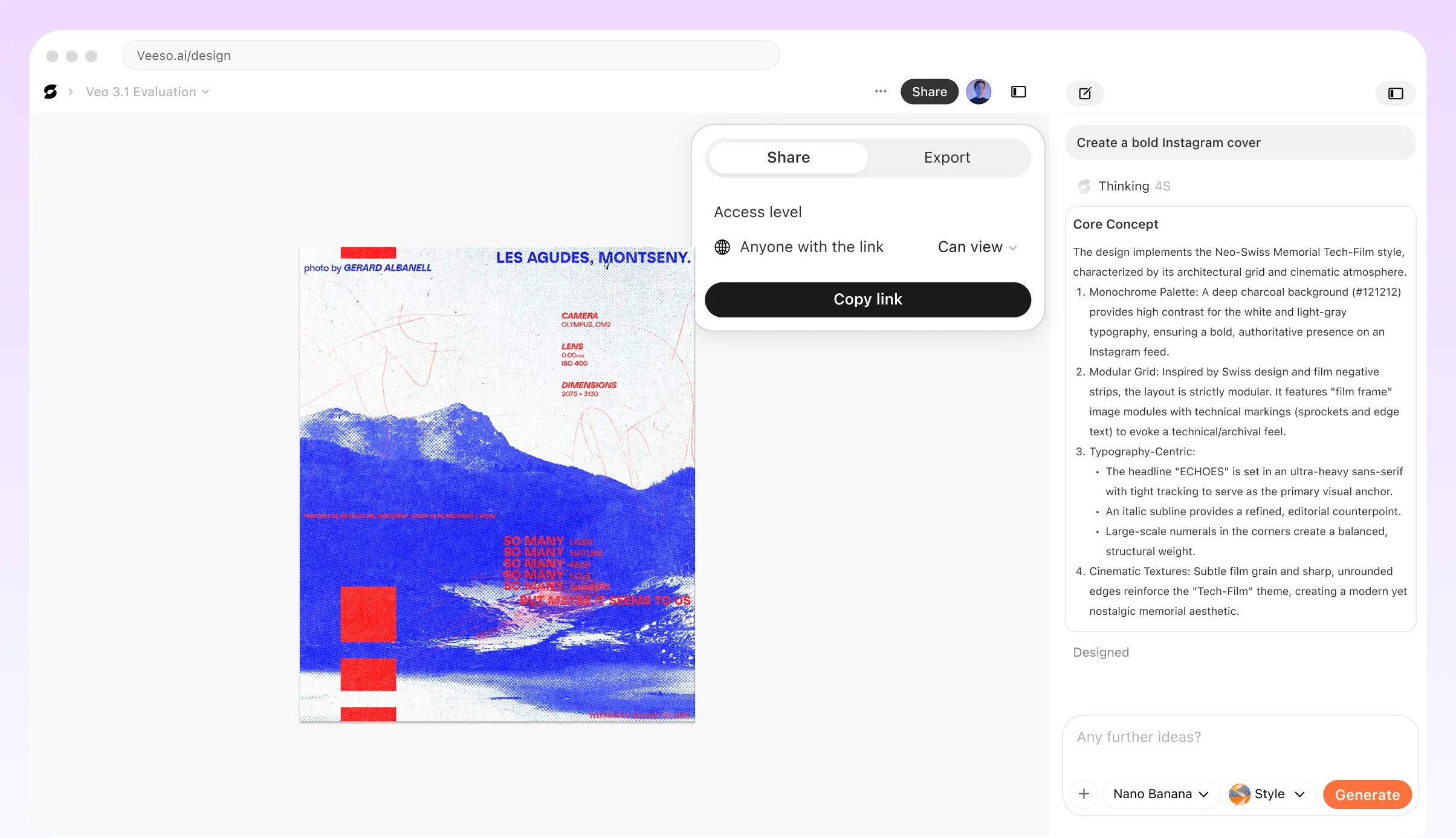
Who Uses a Nonprofit Volunteer Recruitment Campaign Generator?
Food Bank Coordinator Launching a Holiday Volunteer Push
The weeks before Thanksgiving and December holidays are the busiest stretch for food banks, but most coordinators start drafting recruitment posts from scratch every year. A nonprofit volunteer recruitment campaign generator helps you quickly produce role-specific messaging that explains exactly what a packing shift involves, how long it lasts, and what a volunteer's contribution means in real terms like meals sorted or families served. You can adapt the same core copy for email outreach, social posts, and printed flyers without losing consistency across channels.
Literacy Nonprofit Recruiting Tutors Through a Year-Round Campaign
Tutoring programs need a steady volunteer pipeline, not just a seasonal surge. When you build a year-round volunteer recruitment campaign, the hardest part is keeping messaging fresh while communicating a realistic weekly time commitment that doesn't scare people off. A generator built for nonprofit volunteer outreach helps you draft role descriptions that are honest about the one-hour-per-week ask while still making the impact feel meaningful. Rotating the angle each month, such as spotlighting a different student age group or subject area, keeps the campaign from going stale.
Animal Shelter Creating Coordinated Social Media Recruitment Assets
Shelters often rely on Instagram and Facebook to find dog walkers, foster families, and adoption event helpers, but producing consistent visual content across those platforms takes time most coordinators don't have. Veeso AI lets you paste your drafted recruitment copy and turn it into a set of editable social graphics sized for each platform. Every post stays on-brand and carries the same call to action, so a person who sees your story on Monday and your feed post on Thursday gets a coherent message rather than two unrelated asks.
Political Campaign Field Office Recruiting Canvassing Volunteers
Recruiting volunteers for a political campaign means competing with every other local cause for people's free time on weekends. Clear, specific messaging about what canvassing actually involves, the neighborhood, the script, the two-hour block, converts curious supporters into signed-up volunteers far better than vague calls to action. A volunteer recruitment campaign generator helps field organizers draft outreach copy that names the exact ask, explains the training process, and gives a low-friction next step. Keeping that language consistent across email blasts and printed door hangers reduces confusion at sign-up.
Environmental Nonprofit Adapting Recruitment Materials for Corporate Volunteer Groups
Many environmental organizations receive inquiries from companies looking to offer employees a group volunteer day. The recruitment pitch for a corporate group is different from a general public ask. It needs to address group size, physical requirements, and the visible community impact the team will see by the end of the day. A generator tailored to nonprofit volunteer recruitment strategies helps you quickly draft a version of your standard campaign copy that speaks directly to an HR coordinator or CSR manager rather than an individual donor or community member.
Community Health Clinic Building a Printable Recruitment Kit for Volunteer Fairs
Volunteer fairs give nonprofits a few minutes of face-to-face time with potential recruits, and the printed materials on your table do a lot of the talking. A one-page role description sheet, a simple FAQ about time commitment, and a clear sign-up instruction card are the core of a useful recruitment kit. Veeso AI can take your drafted copy and produce print-ready, editable layouts for each piece so everything looks cohesive when spread across a table. The goal is to give an interested person something to take home that answers the three questions they'll ask before committing.
Why nonprofit volunteer coordinators and small nonprofit communications staff Choose Veeso AI
How to Create High-Converting volunteer recruitment campaign design assets
Define Your Volunteer Roles and Time Commitments Before You Design Anything
Write down each role you're recruiting for, what the volunteer will actually do, and how many hours per week or month it requires. Recruitment visuals that skip this step produce vague asks that don't convert — people need to see a clear picture of what they're signing up for before they'll raise their hand.
Write Your Recruitment Copy Using a Volunteer Recruitment Plan Template as a Guide
Draft the core message for each role: one impact statement, a short role description, the time commitment, and a direct call to action. Keep the language plain and specific — 'sort food donations every Saturday from 9 to 11 a.m.' works better than 'support our mission in a meaningful way.' This copy becomes the content that drives your visual layout.
Generate Coordinated Visual Assets for Each Campaign Touchpoint
Paste your copy into Veeso AI or import your draft document, then generate a matched set of recruitment visuals — social media cards, a printable flyer, and an event handout — all structured around the same role and message. Having every asset in one coordinated set means your nonprofit volunteer outreach campaign looks intentional across every channel.
Edit the Details and Export Print-Ready Files
Review each visual for accuracy — check the role title, the time commitment, the contact details, and the call to action. Make direct edits to any text box, image, or layout element, then export high-resolution PNG or PDF files ready for printing or sharing. Nothing gets sent, scheduled, or published through the design tool — that part stays in your hands.
FAQ

Ready to Create Beautiful Editable Nonprofit Recruitment Campaign Visuals with Veeso AI?
Start Creating NowNo credit card required • Free to start • No design skills required
Explore More AI Graphic Design Use Cases
Discover more creative design scenarios powered by Veeso AI.