Run Your Giving Day Countdown Without Dropping the Ball
Map every donor touchpoint from pre-campaign countdown to post-day gratitude. Connect each message to real mission impact so supporters stay engaged all day. Export polished visual assets ready to share the moment you need them.

Three Ways to Generate giving day countdown visual asset sets
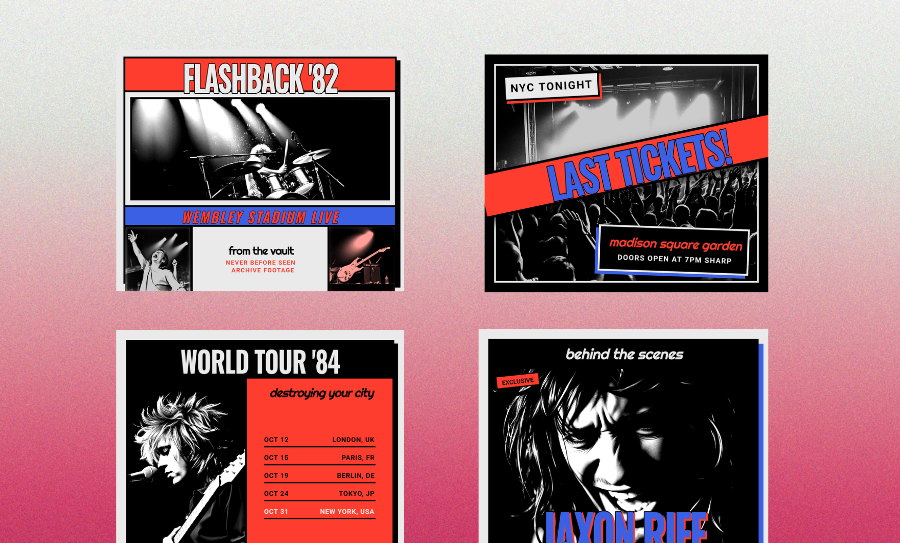
Describe Your Campaign Arc and Generate a Coordinated Visual Set
Tell the tool what your giving day is about — your mission, your goal, your timeline — and it builds a matched set of graphics for each phase of your countdown. This works especially well when you need a full donor communication workflow giving day sequence ready before the campaign launches. You get a cohesive visual arc from mission priming through donor gratitude, without designing each piece separately.
- Generate phase-matched graphics for pre-campaign, day-of, and post-close stages
- Auto-layout adapts your mission statement and goal figures into clean, readable designs
- Produce progress update graphics, countdown headers, and gratitude cards in one pass
- Every output is fully editable so you can update numbers and messages at each milestone
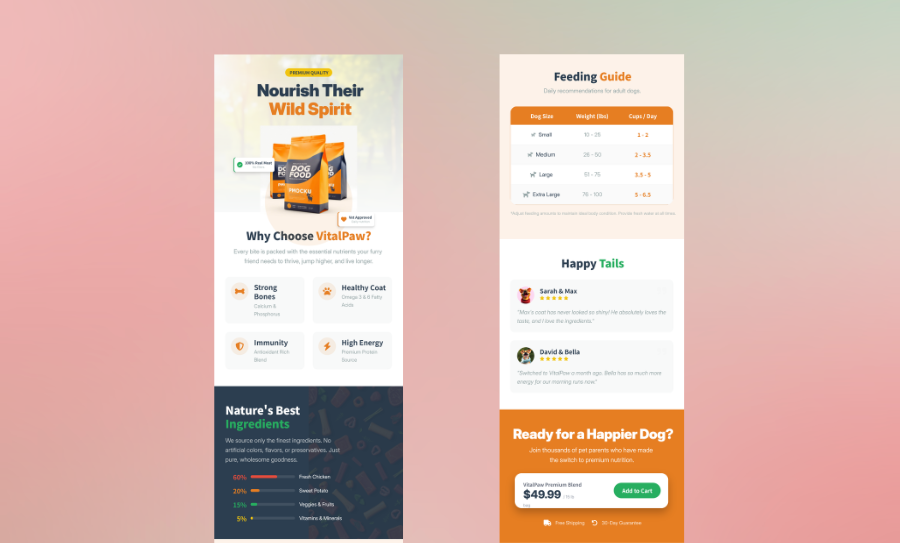
Start From a Giving Day Campaign Template and Build Your Sequence
Pick a campaign template that matches your nonprofit's tone — urgent, warm, community-focused — and customize it for each stage of your countdown workflow. Templates give you a proven visual structure so you spend your time on the message, not the layout. Veeso AI's template and style library includes starting points built around the giving day countdown format, which you can adapt to your own branding and milestone triggers.
- Choose templates designed for countdown campaigns, impact updates, and donor acknowledgment
- Swap in your logo, colors, and mission language without touching the underlying layout
- Duplicate and modify templates to create a consistent multi-phase visual sequence
- Export each phase as a high-resolution PNG or PDF ready for social, print, or email attachments
Import Your Campaign Brief or Donor Script and Turn It Into Designed Pages
If your team already drafted the countdown messaging in a Word doc, PDF, or Markdown file, you don't need to retype it into a design tool. Import the document and the layout structures itself around your content automatically. This is a practical shortcut for nonprofits running a peer-to-peer fundraising coordination model, where multiple people contribute copy that needs to become polished, shareable visuals fast.
- Import existing campaign briefs, donor scripts, or impact reports directly
- Structured visual pages are generated from your document's headings and body text
- Edit any text box, image placeholder, or layer after import to match each campaign phase
- Supports multi-page documents so your full countdown sequence lives in one editable file
Why choose Veeso for your editable fundraising campaign graphics
Keep Every Milestone Visual Consistent Across the Countdown
A giving day campaign spans days, not hours. Each touchpoint — from the 7-day mission story to the final push update — needs to look like it belongs to the same campaign. Editable graphics let you swap out progress numbers, donor counts, and milestone messages without rebuilding the layout each time. Your supporters see a coherent story, not a patchwork of mismatched posts.
Try It Free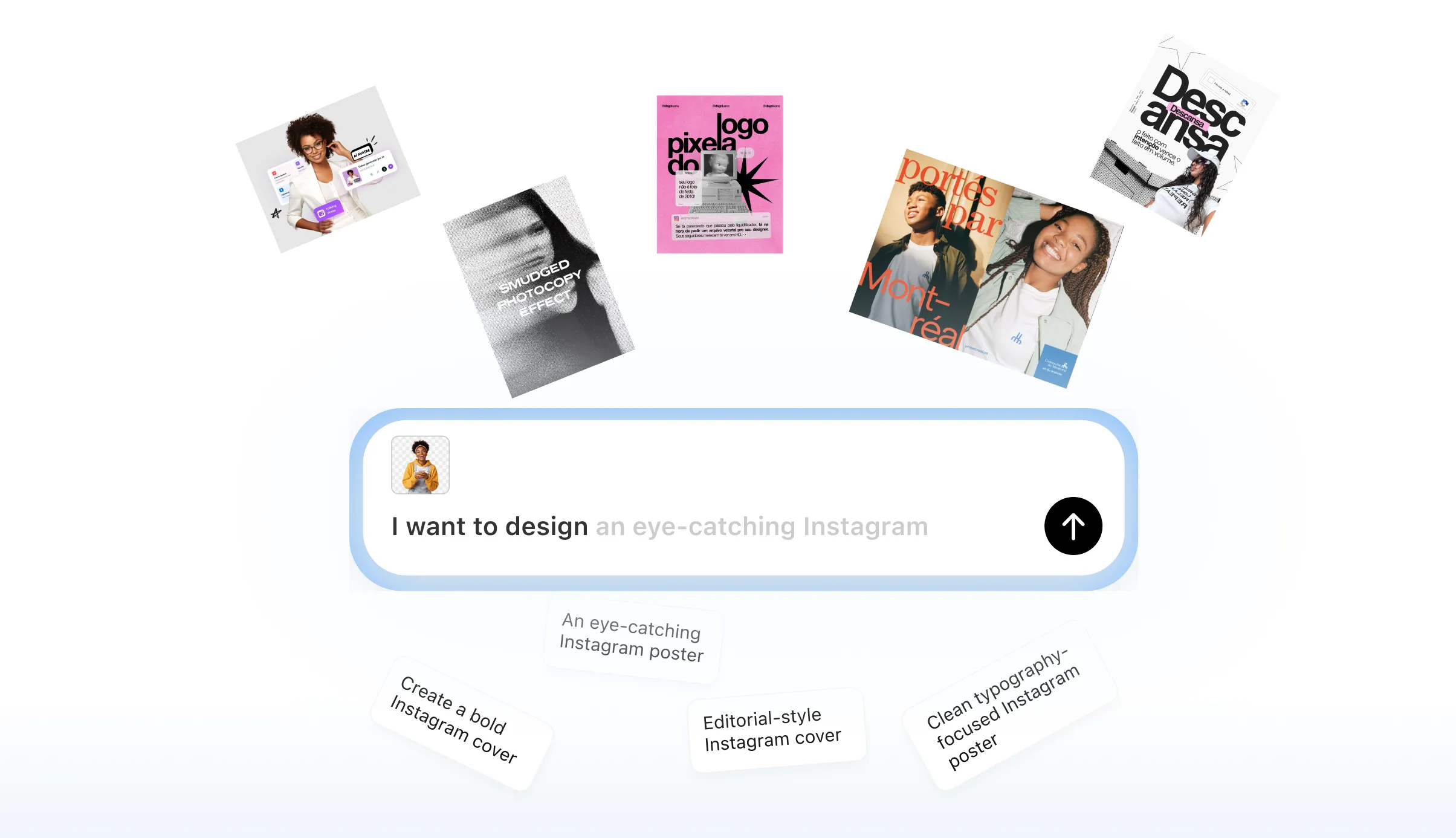
Front-Load Your Donor Communication Workflow Before the Rush Hits
Day-of coordination leaves almost no time to design anything from scratch. Nonprofits that prepare their full visual sequence in advance — countdown graphics, impact updates, gratitude cards — move faster when it matters most. Having editable templates ready means your team fills in the numbers and hits publish, rather than scrambling in a design tool at midnight. That preparation is what separates a smooth campaign from a stressful one.
Try It Free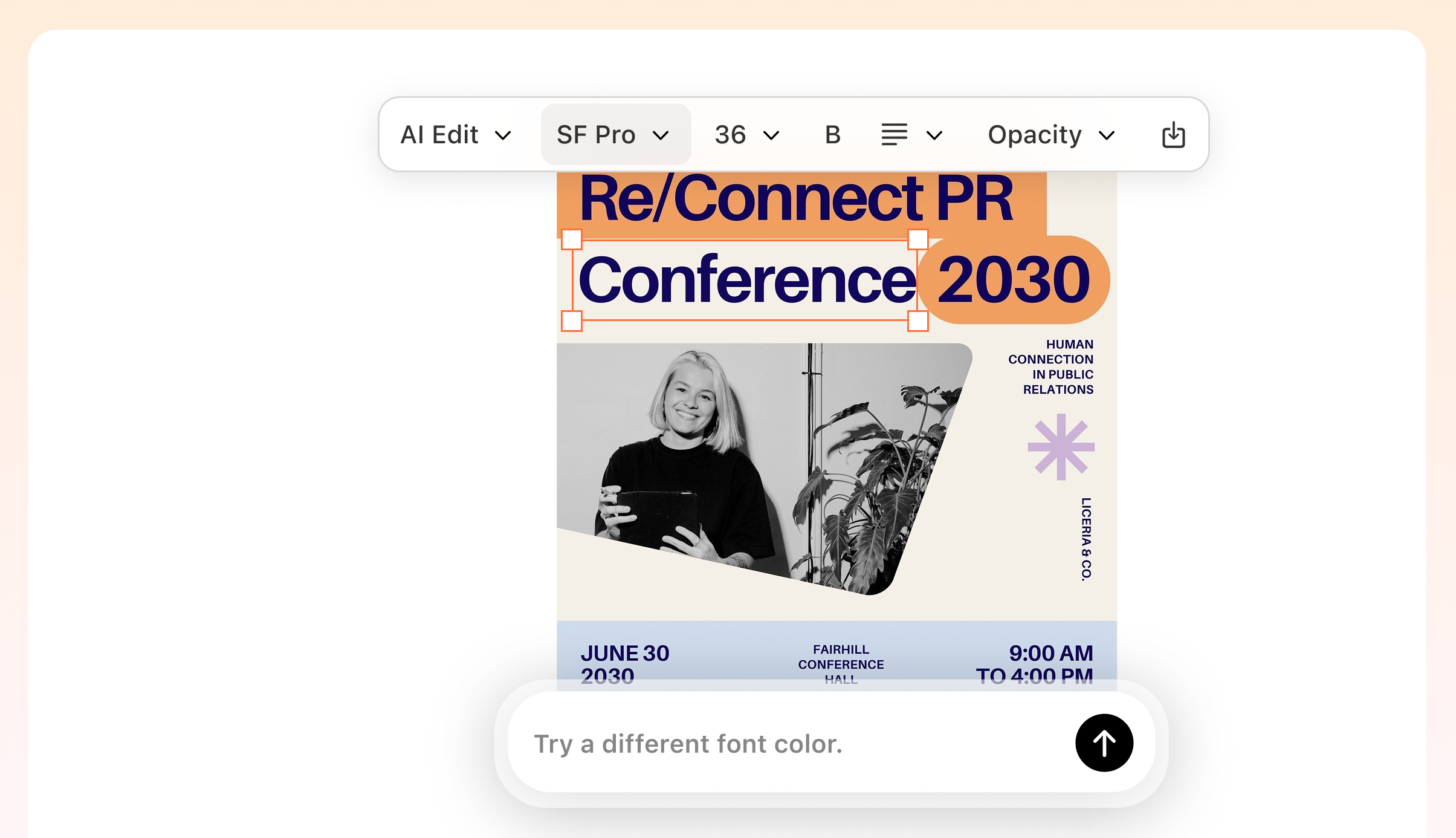
Turn Fundraising Goal Milestones Into Shareable Momentum Updates
Donors respond to visible progress. A graphic showing 63% of your goal reached at noon creates urgency in a way that a plain text update simply doesn't. Editable campaign graphics let you update the progress bar, the dollar figure, and the call to action in minutes, then push the new version across every channel. That real-time impact reporting keeps supporters engaged through the full giving day arc.
Try It Free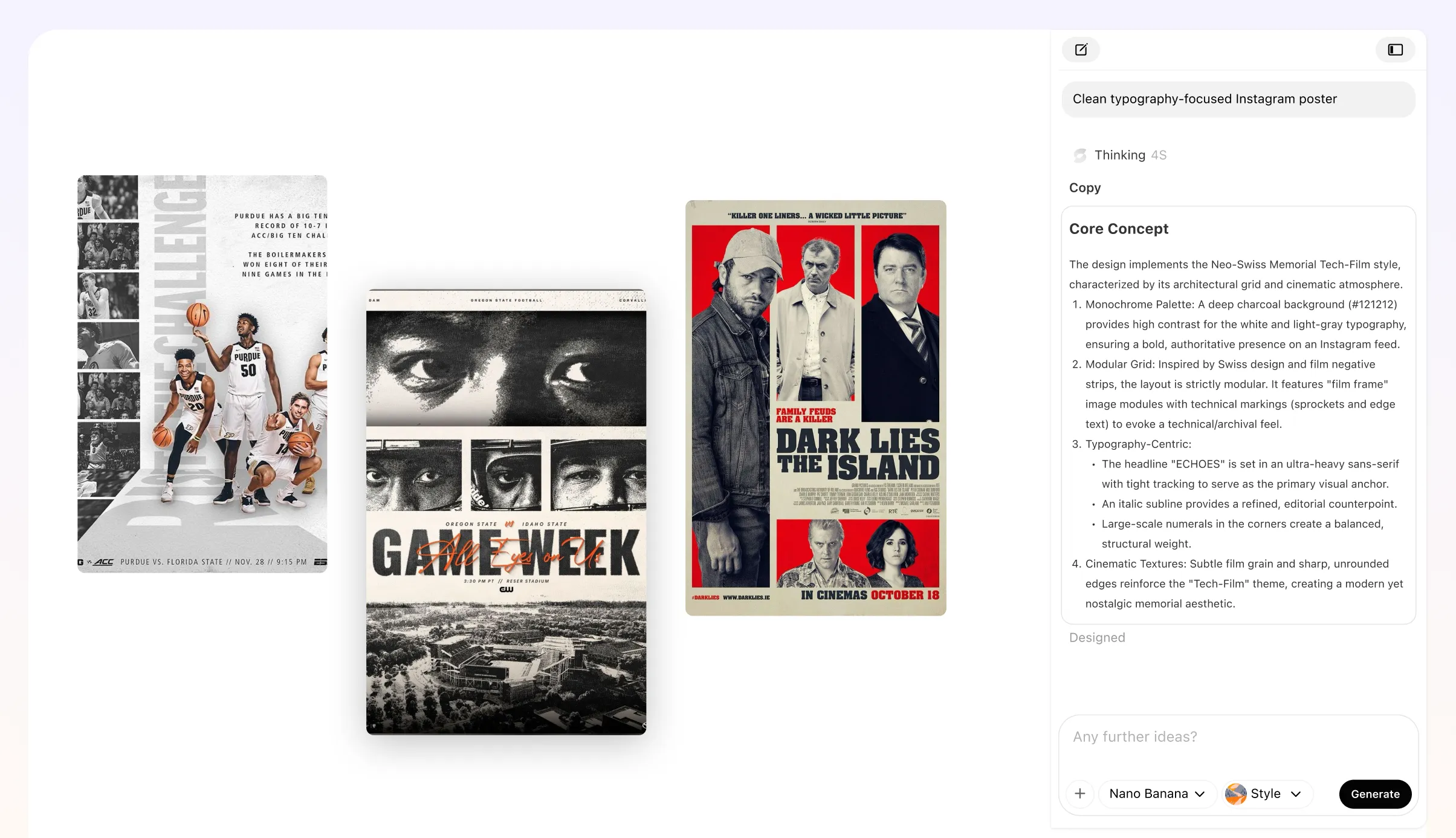
Match Your Mission Storytelling Cadence to Each Phase of the Countdown
The visual tone of a 7-day-out mission story is different from a 2-hour urgency post or a post-campaign gratitude message. Each phase of your nonprofit fundraising countdown timeline calls for a slightly different graphic treatment — warmer and narrative early on, bold and action-driven at close. Editable layouts make it practical to shift that tone without starting over, so your campaign feels intentional at every stage.
Try It Free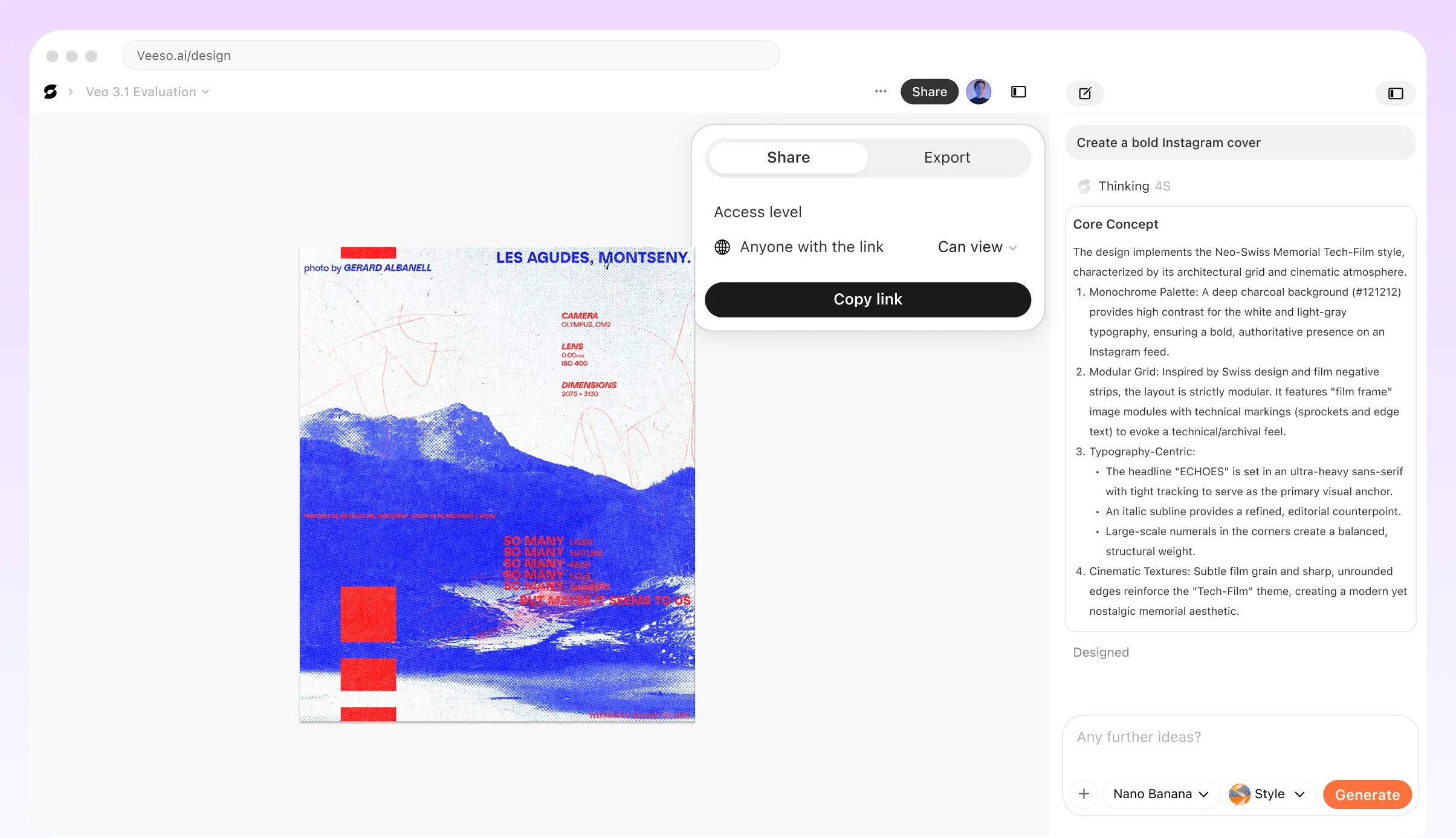
Who Uses Giving Day Countdown Visual Asset Sets — and When They Work Best
Small Nonprofit Staff Running a 60-Day GivingTuesday Countdown
When your team is two or three people, a 60-day countdown can feel impossible to manage without dropping something. Map every communication touchpoint on a shared calendar before the campaign starts. Assign each task an owner, a draft deadline, and a send date. Break the countdown into three phases: mission context in weeks one through four, donor activation in weeks five through seven, and urgency messaging in the final stretch. This structure keeps your fundraising goal milestone visible to the whole team and prevents last-minute scrambles on giving day itself.
Community Foundation Coordinating a Multi-Organization Giving Day
A community foundation running a regional giving day juggles campaign assets, progress updates, and messaging across dozens of member nonprofits. The biggest risk is inconsistent branding and timing that confuses donors. Build a shared donor communication workflow that gives each organization a clear content schedule while keeping the umbrella campaign cohesive. Define when each nonprofit should post mission storytelling content, when to push donation progress bar updates, and when to activate peer-to-peer fundraising coordinators. A centralized workflow document prevents overlap and keeps every participant moving in the same direction.
Development Director Mapping Real-Time Impact Reporting During the 24-Hour Window
Donors who give early in a giving day often disengage before the final push. Real-time impact reporting keeps them emotionally connected throughout the campaign. Plan a day-of workflow that ties each fundraising milestone to a specific update: a story from the field, a photo of the work in progress, or a simple number showing how far you've come. Veeso AI can help your team turn those updates into polished, on-brand visual assets quickly, so the content looks intentional rather than rushed. Prepare these milestone graphics before the day starts so you only need to swap in the final numbers.
Volunteer Coordinator Activating Peer-to-Peer Fundraisers Before Launch
Peer-to-peer fundraising coordination often stalls because volunteers don't know what to say or when to say it. Build a supporter activation sequence that starts two weeks before your giving day. Send each volunteer a simple content kit: two or three message drafts, a suggested posting schedule, and a short explanation of why the campaign matters. Tie each touchpoint to a specific moment in your nonprofit fundraising countdown timeline so volunteers feel part of a coordinated effort rather than acting alone. Clear timing and ready-made language dramatically reduce the friction that keeps well-meaning supporters silent.
Donor Relations Manager Designing a Post-Day Gratitude Acknowledgment Workflow
Most nonprofits celebrate hitting their goal and then go quiet. That silence costs you next year's donors. Build a supporter gratitude workflow that launches within 24 hours of giving day closing. Segment donors by giving level, first-time versus returning, and channel so each message feels relevant rather than generic. Connect the thank-you directly to a mission outcome: what their gift made possible, not just a dollar total. Veeso AI can help you design a visually consistent gratitude card or impact summary that your team can customize for each segment before sending through your email platform.
Annual Campaign Manager Building a Repeatable Giving Day Workflow Across Years
Running the same giving day campaign every year doesn't mean starting from scratch every time. After each campaign, document what worked, what caused bottlenecks, and where donor momentum dropped. Turn those notes into a structured workflow template that your team can open twelve months later and actually use. Include the full nonprofit countdown campaign management sequence: pre-campaign mission context content, day-of progress tracking checkpoints, and the post-day donor stewardship sequence. A well-documented workflow shortens your planning cycle each year and gives new team members a clear picture of how the campaign runs from start to finish.
Why nonprofit communications managers and development directors Choose Veeso AI
How to Create High-Converting giving day impact update visuals
Map Your Countdown Phases Before You Open Any Design Tool
Write out the four phases of your nonprofit fundraising countdown timeline first — mission context window, countdown activation, day-of cadence, and post-close gratitude. Knowing what each graphic needs to communicate before you start designing saves significant time and keeps your visual sequence coherent.
Build One Graphic Per Phase Using Your Campaign Messaging
Create a distinct giving day impact update visual for each phase: a mission story card for the pre-campaign window, a goal announcement graphic for countdown activation, a progress update template for day-of milestones, and a donor acknowledgment card for the close. Keeping each phase visually distinct helps supporters understand where the campaign stands at a glance.
Set Up Editable Templates So Day-Of Updates Take Minutes, Not Hours
The progress bar graphic and the milestone update card will need new numbers every few hours on giving day itself. Build those as editable layouts now, with clear placeholder fields for dollar amounts, donor counts, and percentage figures. When the campaign is live, your team fills in the numbers and exports a fresh version without redesigning anything.
Prepare Your Gratitude and Impact Reporting Graphics Before the Campaign Closes
Donor stewardship sequences that go out within 72 hours of a giving day close consistently perform better than delayed thank-you messages. Design your post-campaign impact report graphic and gratitude card in advance, leaving only the final totals to fill in. Veeso AI lets you keep these in the same editable campaign file so nothing gets lost in the rush after close.
FAQ

Ready to Create Beautiful Editable Fundraising Campaign Graphics with Veeso AI?
Start Creating NowNo credit card required • Free to start • No design skills required
Explore More AI Graphic Design Use Cases
Discover more creative design scenarios powered by Veeso AI.