Real Estate Prelaunch Campaign Generator
Build a qualified VIP buyer list before your development goes public. Describe your project and buyer profile, and get a full prelaunch campaign ready to deploy. Export polished print-ready assets with Veeso AI when your visuals need to match the message.
Three Ways to Generate prelaunch visual campaign asset sets
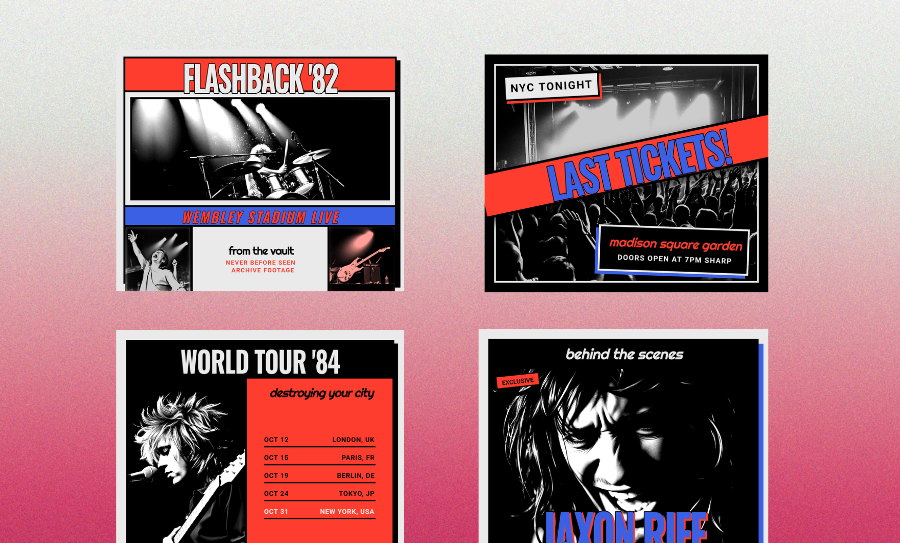
Describe Your Development and Generate a Full Prelaunch Campaign Set
Tell the generator the key details — development type, target buyer, campaign stage, and visual tone — and it builds a coordinated set of editable layouts around that brief. This works especially well in the early teaser phase when you need awareness panels and pre-registration collateral fast, before a full brand identity is locked in. Veeso AI uses your content as the starting point, so the layouts are built around your actual project details, not placeholder text.
- Input development name, location, and buyer profile to shape the layout direction
- Generate teaser awareness panels, expression-of-interest flyers, and VIP invite suites together
- Coordinated color palette and typography applied across the full asset set automatically
- Export print-ready PDF and high-resolution PNG files for each campaign stage
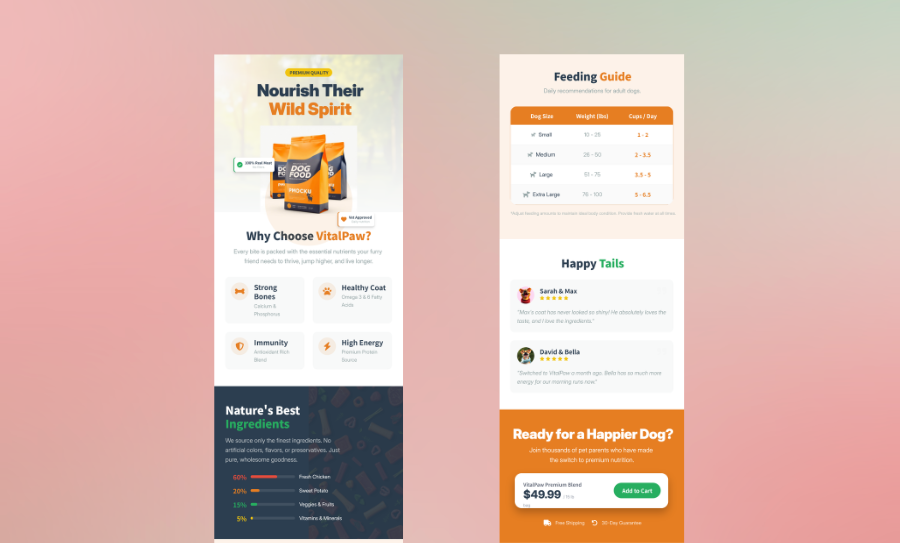
Start From a Prelaunch Property Campaign Template and Customize It
Pick a starting layout built for development launches — not a generic retail promotion — and swap in your project name, renders, floor plan callouts, and buyer messaging. Templates structured around development-specific buyer journeys give you a logical content hierarchy from the start, so you're not rearranging a retail layout to fit an off-plan property story. Every text box, image placeholder, and layer stays fully editable throughout.
- Templates organized by campaign stage: teaser, soft launch, VIP access, and launch event
- Swap renders, site maps, or concept imagery directly into the layout
- Edit headline hierarchy to match investor, first-home buyer, or downsizer messaging
- Duplicate and adapt a single template across multiple buyer segments without rebuilding
Import Your Campaign Brief or Copy and Turn It Into Designed Collateral
If your marketing team has already written the project story, key messages, and call-to-action copy in a Word doc or PDF brief, you can import that content directly and get structured visual pages without retyping anything. This is useful when a development has a detailed information memorandum or a broker pack that needs to become print-ready campaign collateral quickly. The imported content maps into editable layout sections you can refine before exporting.
- Import PDF, Word, or Markdown campaign briefs and information memorandums
- Content maps automatically into headline, body, and callout layout sections
- Edit any section after import — reorder pages, adjust hierarchy, or add imagery
- Export the finished broker pack or campaign suite as a high-resolution PDF
Why choose Veeso for your coordinated development launch collateral
Keep Investor, First-Home Buyer, and Downsizer Messaging Separate
A prelaunch campaign rarely speaks to one audience. Investors want yield projections and settlement timelines. First-home buyers want lifestyle and affordability. Downsizers want floor plan flexibility and community feel. Producing segmented collateral for each group from a single campaign generator keeps your messaging credible without rebuilding layouts from scratch for every audience.
Try It Free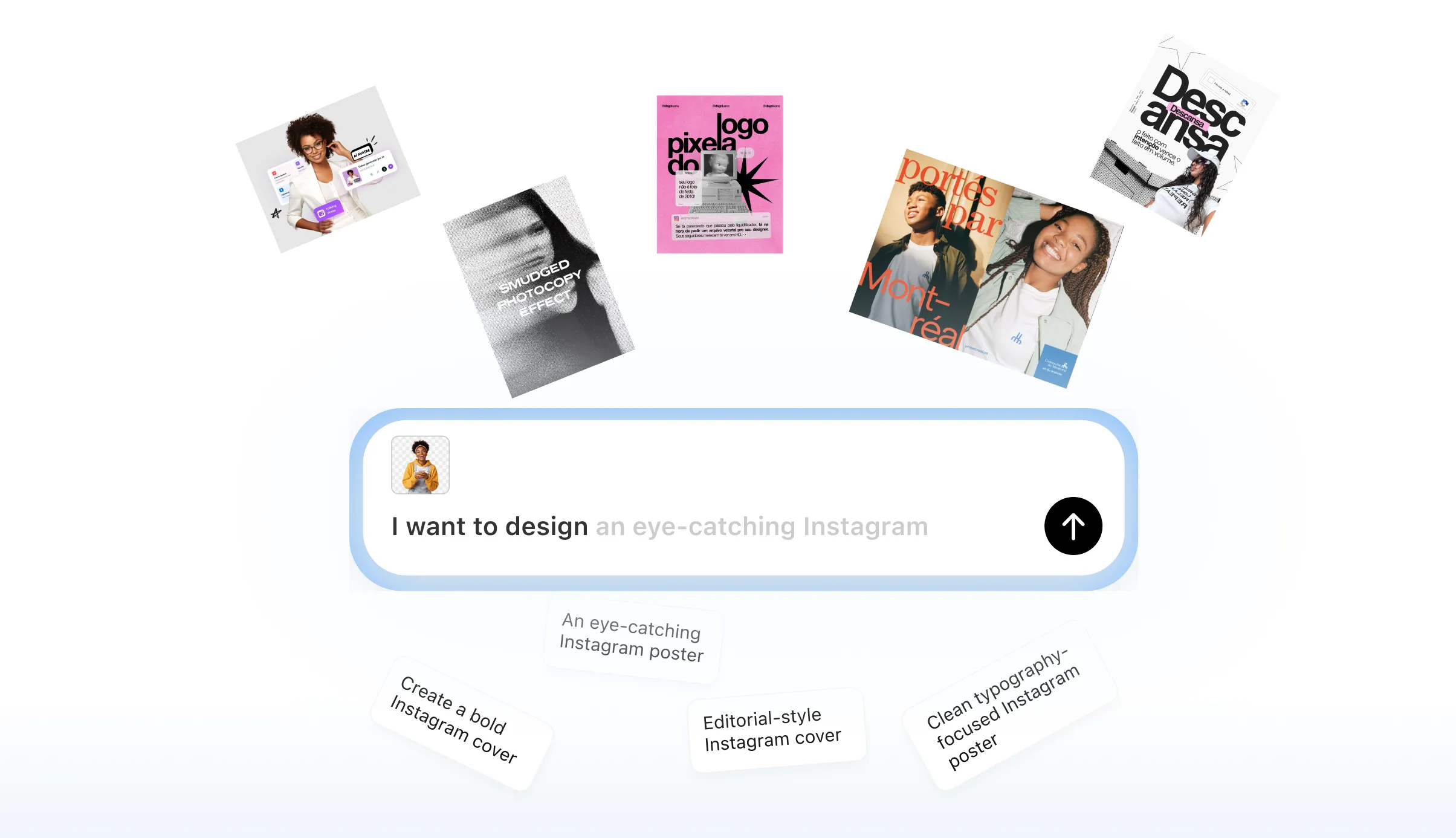
Move From Teaser to VIP Waitlist to Launch Day Without Losing Visual Consistency
A development prelaunch runs across weeks or months, and the campaign has to evolve in stages without looking like three different projects. Coordinated asset sets — where teaser panels, expression-of-interest flyers, and launch-event suites all share the same visual language — build the kind of brand recognition that converts early interest into qualified registrations. A campaign generator built around development timelines makes that consistency easier to maintain.
Try It Free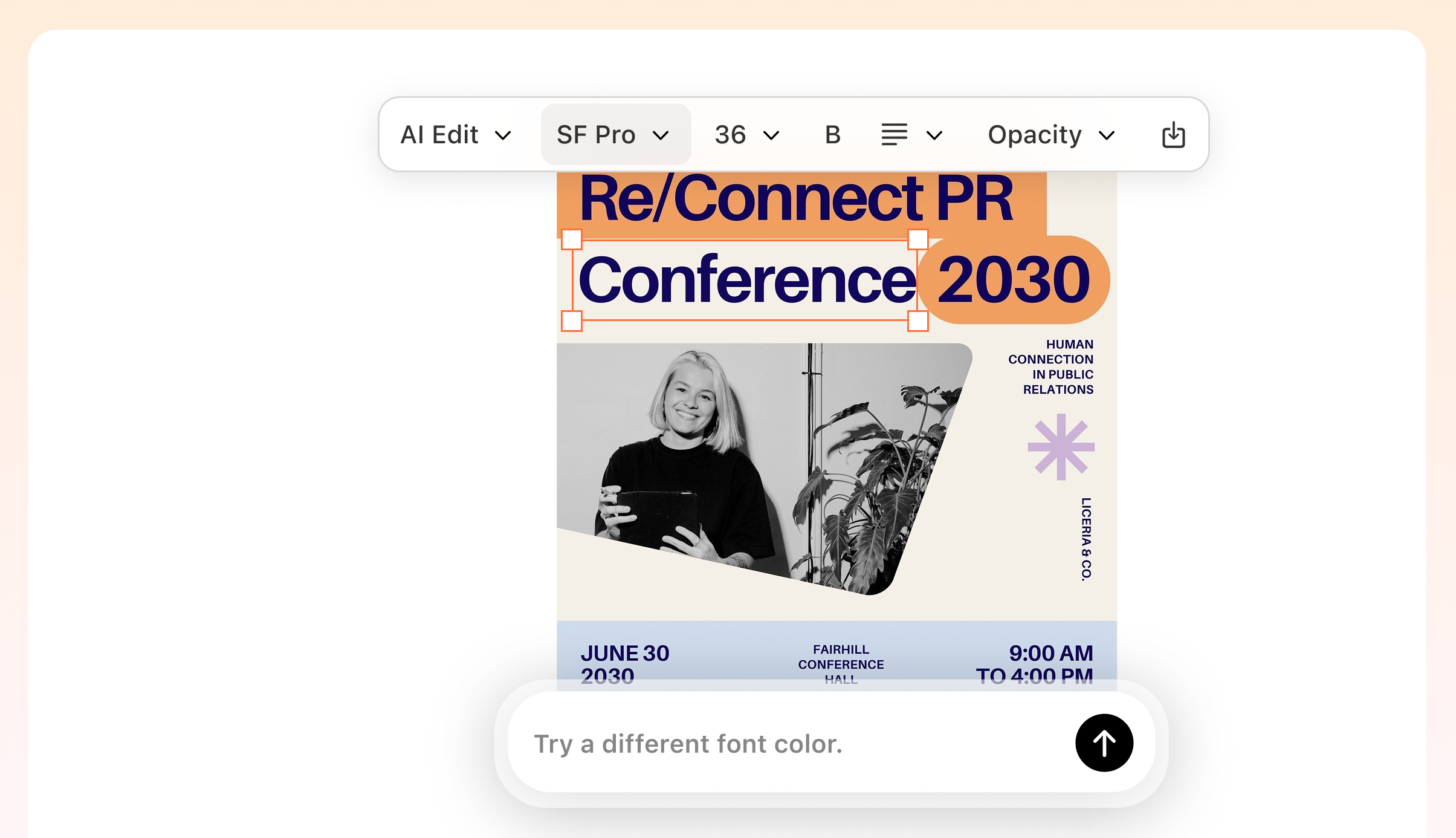
Produce Print-Ready Collateral Before the Renders Are Finalized
Off-plan developments often go to market before construction images exist. Your early collateral has to carry the project on typography, color, and concept alone. Getting print-ready files — correct resolution, bleed, and color profile — from the start means your broker packs, hoarding signage, and VIP invitation suites are ready the moment you need them, not a week after.
Try It Free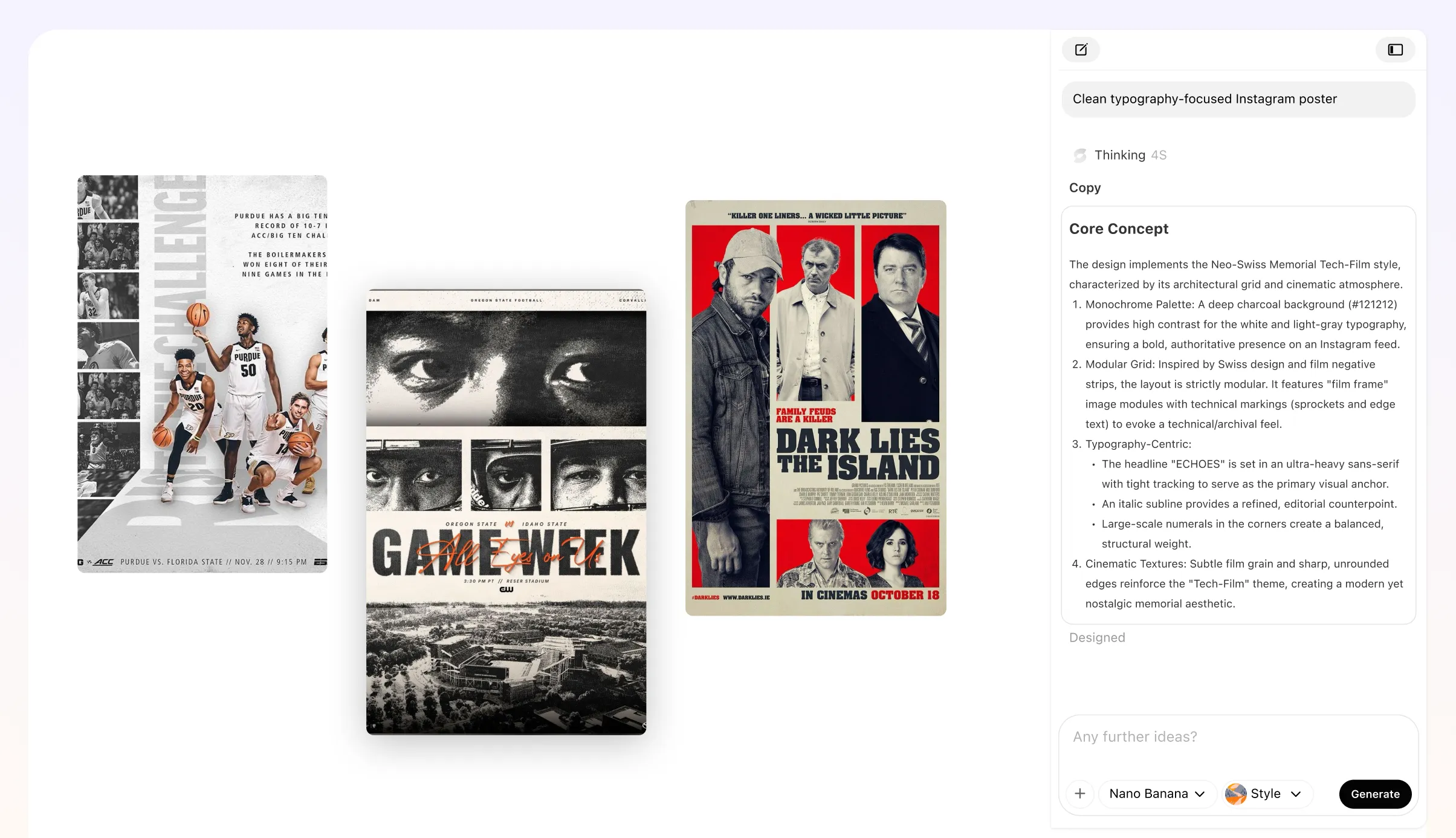
Cut the Turnaround Time Between Campaign Stage and Asset Delivery
Development timelines shift. A permit delay or a sales milestone can push your soft launch forward or back by weeks, and your campaign materials have to move with it. Working from editable, coordinated layouts means your team can update dates, pricing tiers, or project names across an entire asset set without starting over in a design program every time.
Try It Free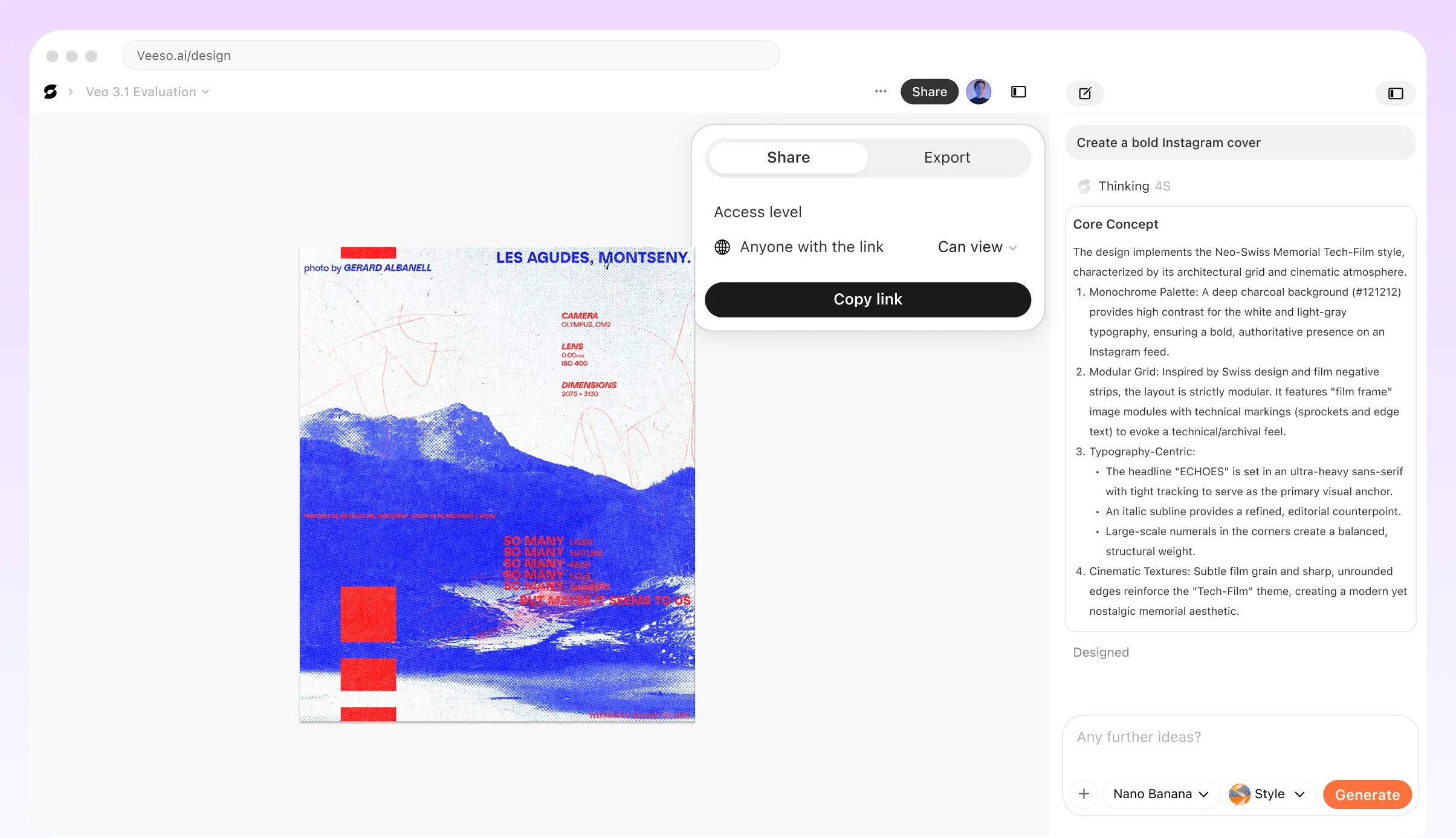
Who Uses a Real Estate Development Prelaunch Campaign Generator?
Building a VIP Buyer Waitlist Before Permits Are Approved
Many builders need to gauge genuine demand before construction documents are finalised. A prelaunch campaign generator helps you draft a sequenced outreach plan that captures expressions of interest without making binding sales claims. You can produce teaser copy for broker emails, a pre-registration landing page brief, and early access messaging that communicates the development's value while staying within off-plan marketing guidelines. The result is a warm, qualified prospect list ready for the sales team before the public launch window opens.
Investor-Focused Soft Launch Strategy for a High-Density Apartment Project
Investors evaluate yield, location fundamentals, and developer track record before committing to off-plan property. A campaign generator structured around this buyer persona helps you build a soft launch sequence that leads with rental demand data, comparable sales context, and project pipeline milestones rather than lifestyle imagery. Each email or social post in the sequence moves the investor from awareness to a booked one-on-one briefing. This approach shortens the qualification cycle because prospects arrive at the sales conversation already educated on the numbers that matter to them.
First-Home Buyer Education Campaign Across the Six Weeks Before Launch Day
First-home buyers often hesitate because the new construction process feels unfamiliar. A pre-launch real estate marketing campaign built around this audience should explain deposit structures, construction timelines, and government incentive eligibility in plain language across a drip sequence. A campaign generator helps you map each week's message to a specific knowledge gap, so by launch day your registrants understand the process and trust the builder. Veeso AI can turn the written briefs and key facts from each stage into clean, print-ready visual summaries your sales team hands out at the launch event.
Luxury Downsizer Campaign Built Around a Project Reveal Event
Downsizers buying into a premium development respond to exclusivity and lifestyle continuity, not urgency tactics. A campaign generator helps you write a project reveal sequence that opens with a private preview invitation, follows up with detailed floor plan storytelling, and closes with a personalised consultation offer. The tone stays aspirational without resorting to pressure language. Because this audience often comes through referral networks and private client lists, the campaign content needs to feel curated rather than broadcast, which means every touchpoint should reflect the development's positioning from the first teaser onward.
Broker and Agent Briefing Pack for a New Construction Marketing Campaign
Selling agents need more than a brochure. They need a clear story about who the development is for, what stage the project is at, and how to handle objections from cautious buyers. A new construction marketing campaign generator can produce a structured briefing document that covers buyer persona profiles, approved talking points, and a suggested nurture sequence brokers can use with their own databases. Veeso AI can format that briefing content into polished, editable visual pages that look consistent with the development's brand without requiring a designer for every revision.
Compliance-Aware Campaign Copy for Off-Plan Property Marketing in a Regulated Market
Pre-registration campaigns for off-plan developments carry real legal risk if the copy implies guaranteed returns, confirmed completion dates, or binding sale terms before approvals are in place. A campaign generator built for this context helps you draft messaging that communicates genuine early access incentives and buyer interest mechanisms while flagging language that may breach local property marketing regulations. The output gives your legal team a clean draft to review rather than a blank page, and it keeps the sales team from improvising claims that could create compliance problems closer to settlement.
Why property developers, project marketing managers, and real estate sales directors Choose Veeso AI
How to Create High-Converting print-ready prelaunch campaign visuals
Define Your Buyer Segments and Soft-Launch Timeline
Before you produce a single asset, map out who you're talking to at each campaign stage and when. A clear buyer segmentation — investors, first-home buyers, downsizers — and a staged timeline from teaser to VIP access to public launch gives every piece of collateral a defined purpose and audience.
Build Your Teaser and Pre-Registration Visual Assets First
Start with the awareness layer: hoarding panels, digital teaser cards, and pre-registration flyers that communicate the project concept without needing final renders. These assets set the visual tone for the whole campaign, so getting the typography, color, and layout right at this stage keeps every subsequent asset set consistent.
Produce Segmented VIP Waitlist and Expression-of-Interest Collateral
Once your early interest database is building, create the collateral that moves warm prospects toward a formal expression of interest. This includes VIP early-access invitation suites, segmented one-pagers for each buyer type, and any floor plan or pricing tier sheets your sales team needs for broker briefings.
Finalize Launch-Day Reveal Assets and Export Print-Ready Files
Bring the campaign to its peak with coordinated launch-event invitation suites, project reveal panels, and sales office display materials. Export each asset as a high-resolution PDF or PNG at the correct specifications for print production, digital distribution, or broker pack assembly — then update any details that shift before launch day without rebuilding the layouts.
FAQ

Ready to Create Beautiful Coordinated Development Launch Collateral with Veeso AI?
Start Creating NowNo credit card required • Free to start • No design skills required
Explore More AI Graphic Design Use Cases
Discover more creative design scenarios powered by Veeso AI.