Launch Your Museum Exhibition Campaign in Minutes
Plan and produce every marketing asset for your exhibition opening, from teaser posts to press releases, all from a single brief. Describe your exhibition and get structured campaign copy ready to design and share. Export print-ready files for social, print, and press channels when you're done.
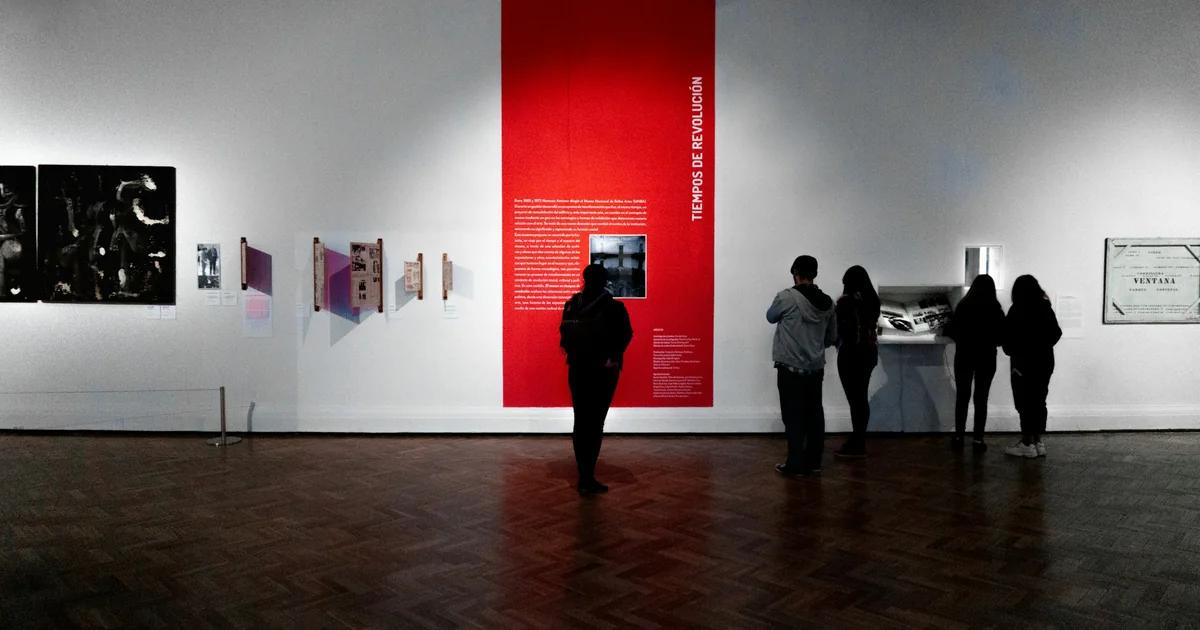
Three Ways to Generate exhibition launch visual campaign sets
Paste Your Curatorial Statement and Generate a Full Campaign Visual Set
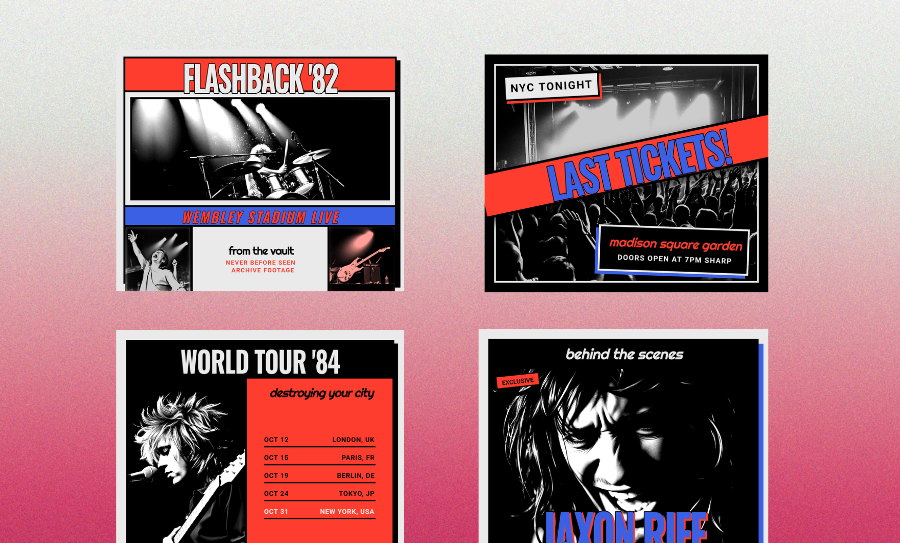
If you have already written an exhibition brief or curatorial statement, that text is your starting point. Paste it in, describe your opening timeline and target audience, and the AI museum exhibition campaign creator builds a coordinated set of visual assets around your actual content. You get posters, social card sequences, press sheets, and event programs that reflect your exhibition's specific tone, not a generic arts template.
- Auto-layout pulls exhibition title, dates, and venue into a structured visual hierarchy
- Campaign stages are separated into teaser, preview, opening night, and closing assets
- Curatorial tone is carried across every asset in the set, not just the hero poster
- All text boxes, image placeholders, and layers remain fully editable after generation
Start from a Campaign Arc Template Matched to Your Exhibition Type
Not every museum team starts with a finished brief. If you are still shaping the campaign, picking a campaign arc template gives you a proven structure to build from. Templates are organized by exhibition type, regional history, contemporary art, traveling science, and community collection shows, so the visual pacing and messaging stages already fit your context. Swap in your exhibition name, imagery, and copy, and the coordinated set takes shape quickly.
- Templates include pre-structured campaign stages from first announcement to opening night
- Style options reflect different institutional tones, from formal gallery to accessible community museum
- Color palettes and typography are matched to cultural institution marketing conventions
- Each template produces a multi-asset set, not a single standalone poster
Import an Existing Exhibition Brief or Word Doc and Turn It Into Designed Pages
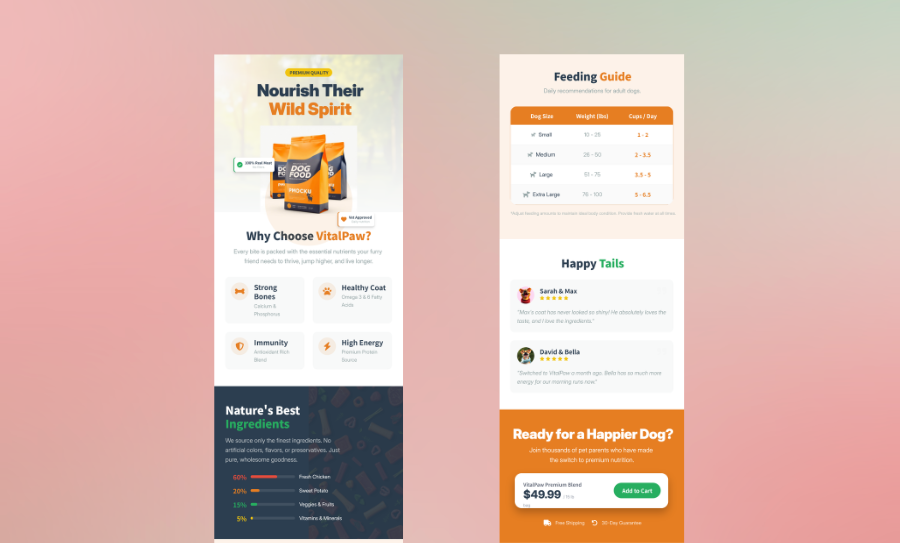
Many curators and marketing coordinators already have exhibition briefs, press releases, or planning documents sitting in Word or PDF format. Instead of retyping everything into a design tool, you can import that file directly and let the generator transform it into structured, print-ready visual pages. The result is a designed campaign asset set that reflects the content you already wrote, formatted for press, social, and on-site use.
- Supports PDF, Word, and Markdown import for exhibition briefs and press documents
- Imported text is placed into editable layout sections, not locked as a static image
- Long documents are broken into logical visual pages matched to campaign stages
- Export as high-resolution PNG or PDF for print and digital distribution
Why choose Veeso for your coordinated exhibition campaign print assets
Keep Your Campaign Narrative Consistent Across Every Channel
A museum exhibition launch spans weeks, sometimes months, and touches print posters, press sheets, social cards, and opening night programs all at once. When each asset is designed in isolation, the visual story fragments and audiences lose the thread. A purpose-built campaign generator keeps your curatorial tone, color palette, and messaging arc locked together from the first teaser through to closing day.
Try It Free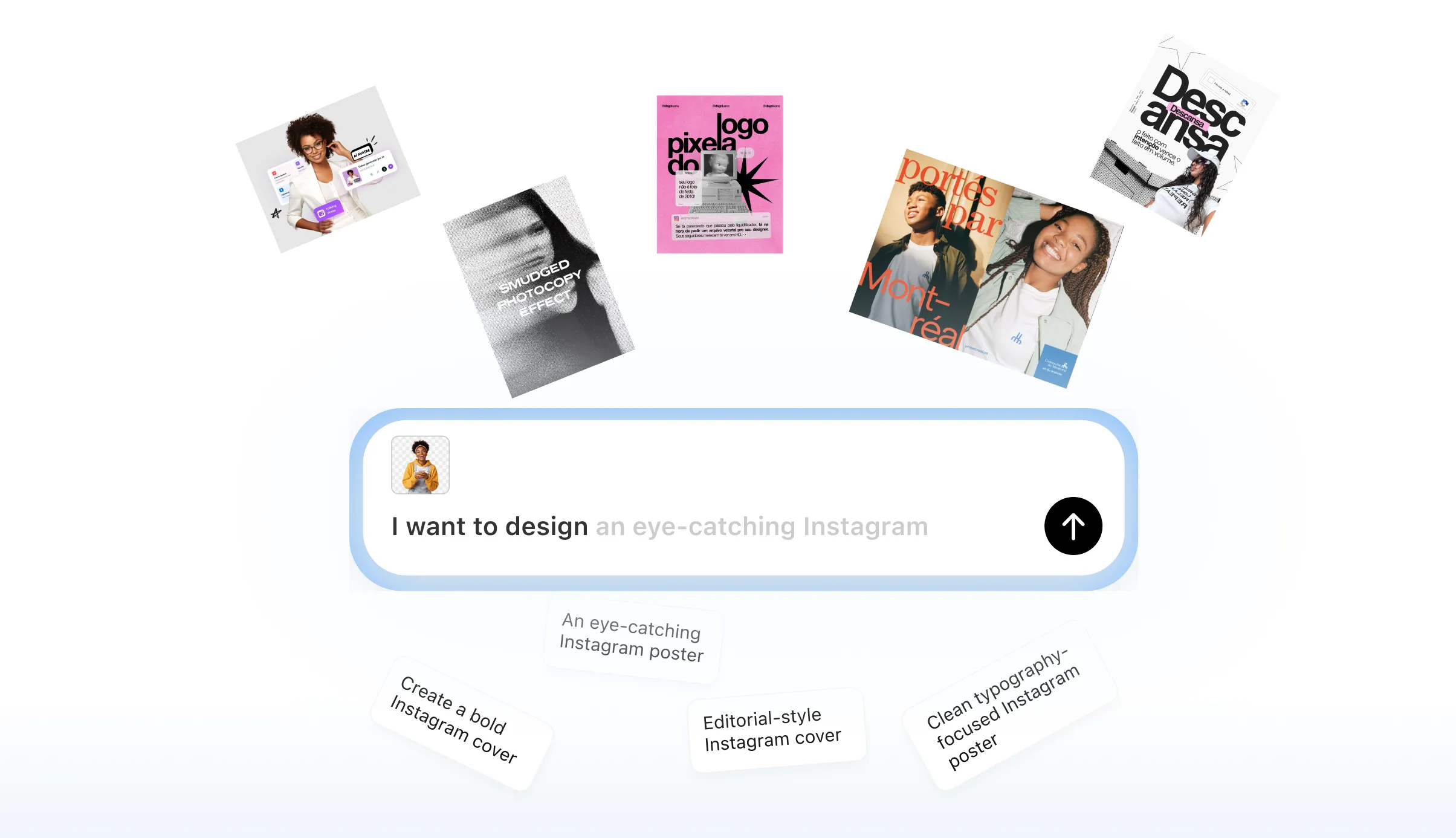
Match the Storytelling Arc to Your Exhibition Timeline
A traveling science exhibit needs a different campaign rhythm than a regional history opening or a contemporary art preview night. Generic design tools hand you a blank canvas with no sense of how exhibition audiences move from curiosity to ticket purchase. An AI museum exhibition campaign creator understands that layered journey and structures your visual asset set around it, so each campaign stage builds on the last.
Try It Free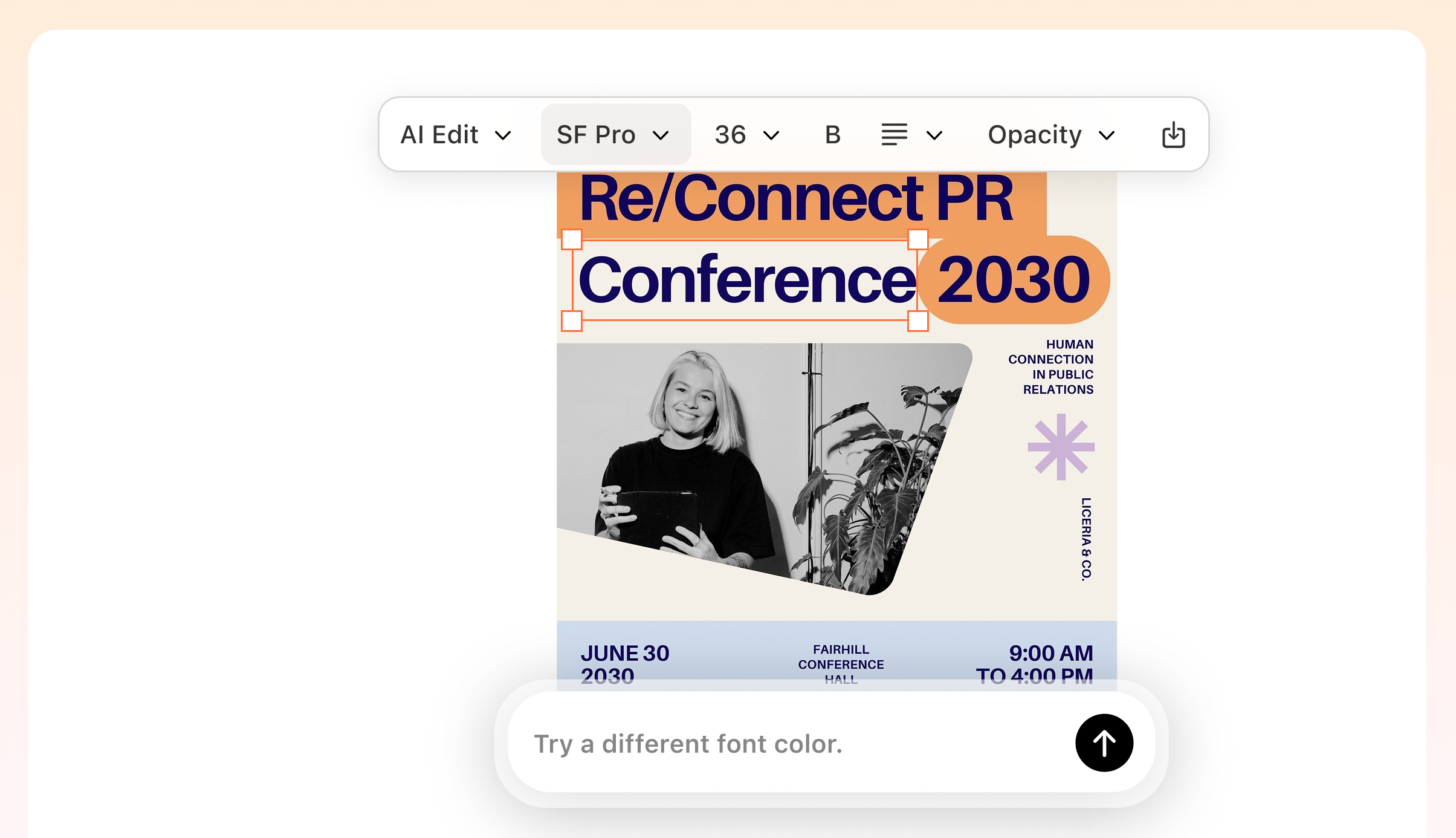
Produce Print-Ready Press and Promotional Assets Without a Design Team
Small and mid-size cultural institutions often run campaigns with one or two staff members handling everything from press outreach to on-site signage. Building a full exhibition promotion set from scratch in a generic tool takes days of layout work. A museum exhibit promotion generator online produces coordinated, editable press sheets, posters, and social card sequences that are ready to export at print resolution without starting from a blank file.
Try It Free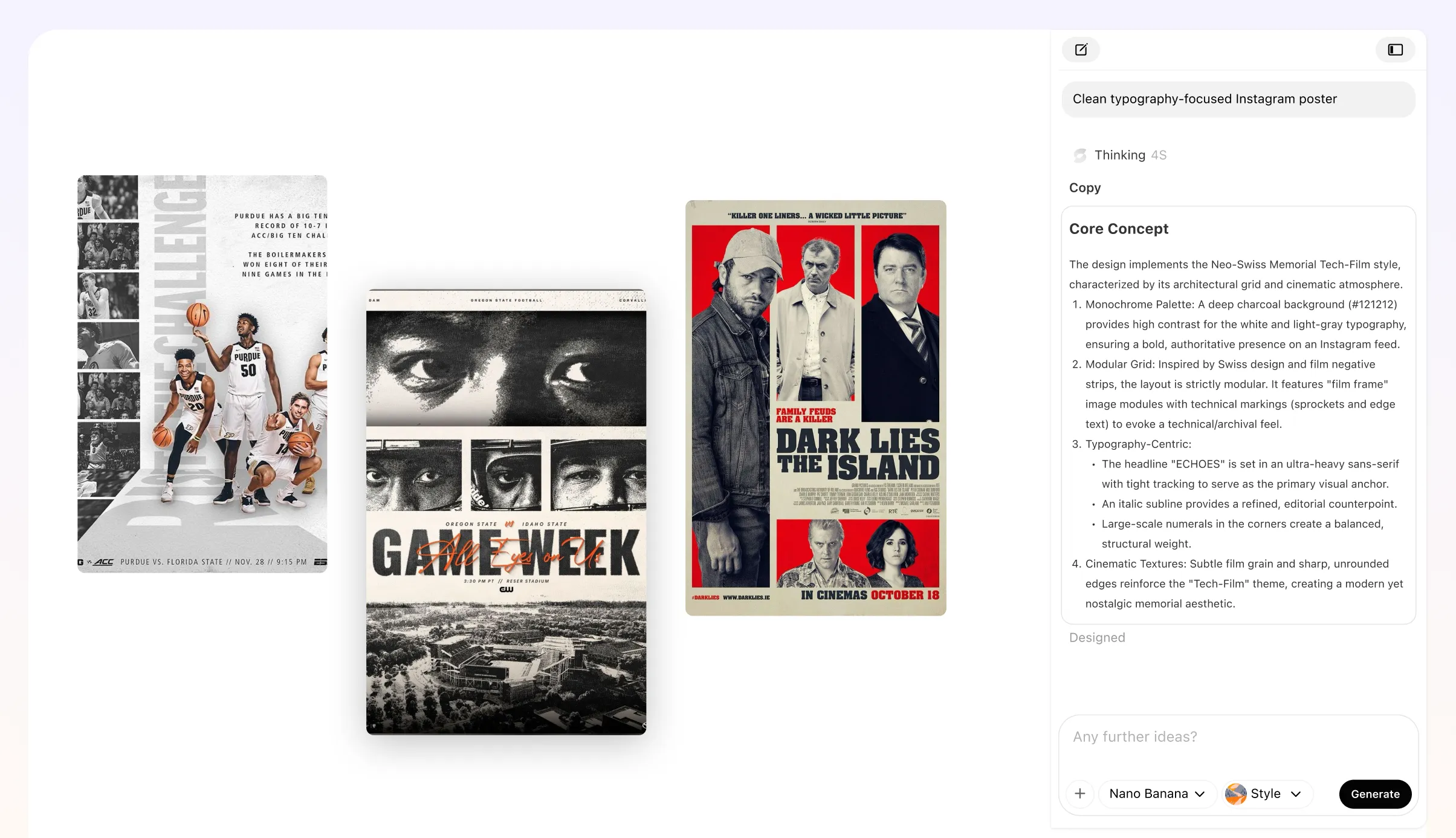
Edit Curatorial Copy and Imagery Per Asset Without Rebuilding the Layout
Exhibition details change. An artist drops out, a loan falls through, an opening date shifts by two weeks. When your campaign assets are fully editable and built from a shared visual system, updating one detail does not mean rebuilding every file. Each poster, program, and press card stays structurally intact while you swap the copy or image that changed.
Try It Free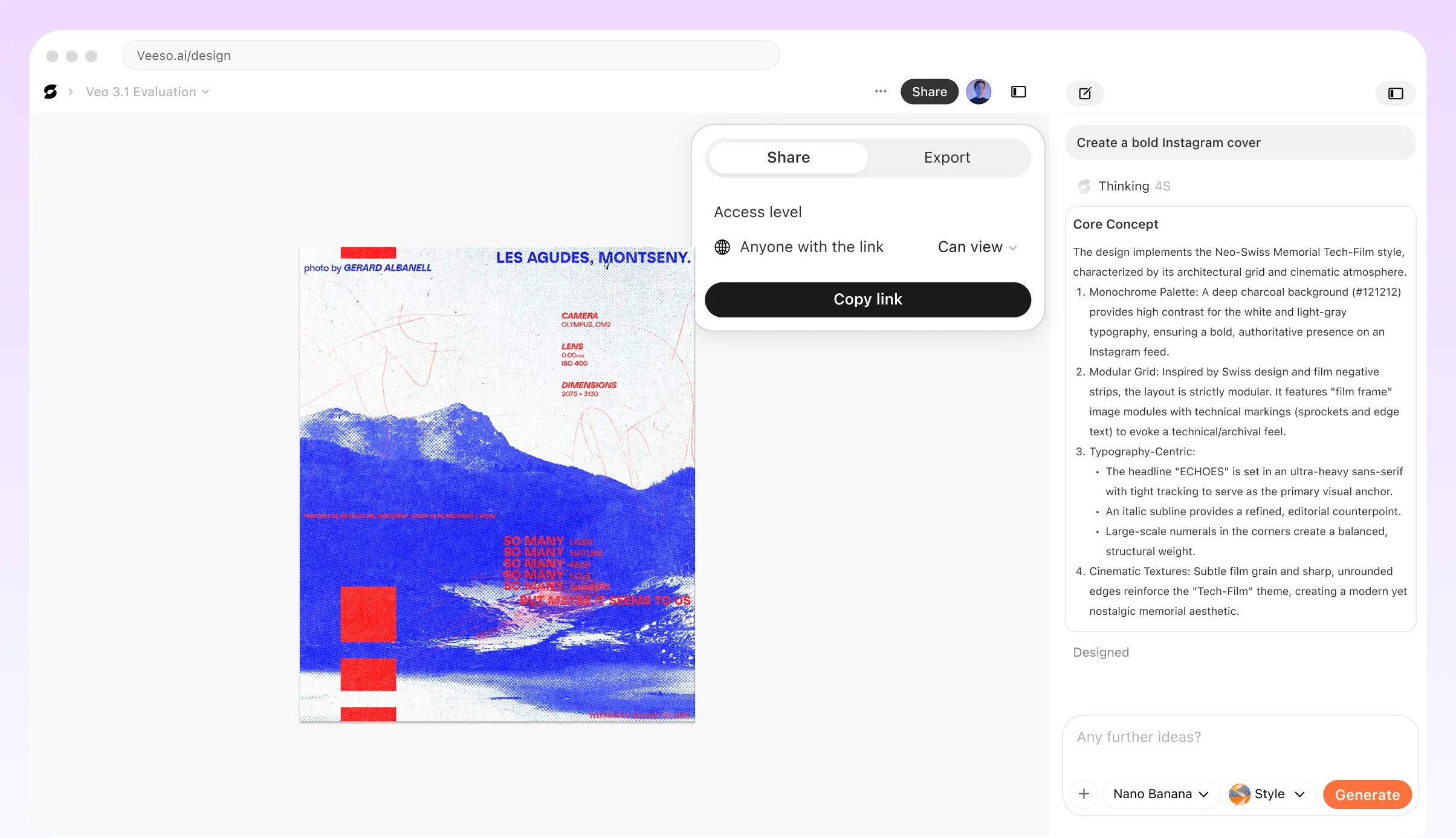
Who Uses a Museum Exhibition Launch Campaign Generator?
Building a Teaser Campaign for a New Permanent Collection Opening
A museum communications team has six weeks before a permanent collection opens to the public. They need a sequence of teaser content that reveals the exhibition story gradually without giving everything away. A museum exhibition launch campaign generator helps them map out weekly reveal posts, curiosity-driven captions, and behind-the-scenes preview copy from a single exhibition brief. Each asset builds on the last, so the audience feels drawn into the narrative rather than bombarded with announcements. The result is a structured content calendar with consistent messaging across social channels and email.
Drafting a PR Package for a Regional Museum's First Major Exhibition
A small regional museum is mounting its first large-scale exhibition and has no dedicated PR staff. The curator needs a press release, a media pitch outline, and a PR checklist tailored to the exhibition theme and the local arts community. A museum PR campaign generator can turn a short brief about the exhibition's subject, key dates, and curatorial intent into a draft press release and a prioritized outreach checklist. The team can then edit each document to match their voice before sending to local journalists, arts editors, and community calendars.
Creating Visit Planning Content for a Ticketed Exhibition Opening Event
An exhibition opening night requires more than an invitation. Visitors need practical information: parking, accessibility, ticketing links, program timing, and what to expect on arrival. A museum opening event campaign planner helps staff generate clear, audience-friendly visit planning copy that covers all of these details in one pass. The content can be adapted for a dedicated webpage, a printed handout, and a confirmation email. Getting this information right reduces last-minute inquiries and helps first-time visitors feel confident about attending.
Producing a Social Media Post Sequence for an Art Museum's Traveling Exhibition
A traveling exhibition arrives at a new venue and the local marketing team has two weeks to build awareness from scratch. They need a social media campaign that introduces the exhibition's themes, highlights standout works, and drives ticket sales without repeating the same message. Using a museum exhibit promotion generator online, the team can produce a multi-week post sequence that moves from context and curiosity to urgency as opening day approaches. Veeso AI can then turn approved copy into polished, print-ready social graphics with editable layouts that match the exhibition's visual identity.
Aligning Campaign Messaging Across Email, Social, and On-Site Channels
A mid-sized cultural institution is launching an exhibition that spans three gallery floors and targets both school groups and adult visitors. The marketing coordinator needs campaign copy that speaks to both audiences without sounding generic. A museum exhibition marketing campaign tool can generate separate messaging tracks from the same brief, one for educators and one for general visitors, while keeping the core exhibition narrative consistent. This saves the team from writing each asset independently and reduces the risk of contradictory messaging appearing across email newsletters, social posts, and printed lobby materials.
Generating Context Preview Content for a History Museum's Community-Focused Exhibition
A history museum is opening an exhibition that draws directly from local community stories. Before the opening, the team wants to publish context preview content that connects the exhibition themes to the neighborhood's history and invites community members to see themselves in the story. A museum exhibition curiosity campaign builder can generate editorial-style preview copy, suggested interview prompts for community spotlights, and short descriptive paragraphs for each exhibition section. Veeso AI can help turn this copy into formatted visual pages suitable for a printed program or a digital preview booklet, with every text block remaining fully editable.
Why museum marketing coordinators, cultural institution communications staff, and independent gallery managers Choose Veeso AI
How to Create High-Converting multi-channel exhibition campaign visual set
Write a One-Paragraph Exhibition Brief Before You Touch Any Template
Summarize your exhibition in plain language: what it covers, who it is for, when it opens, and what you want audiences to feel before they arrive. This brief becomes the content foundation for every asset in your campaign set, so the clearer it is, the more consistent your visual output will be.
Choose a Campaign Arc That Matches Your Opening Timeline
A six-week runway needs a different asset sequence than a two-week sprint. Select a digital exhibition launch campaign template that fits your timeline and exhibition type, whether that is a regional history show, a contemporary art opening, or a traveling exhibit with multiple venue dates. The arc structures your campaign into stages so each asset has a clear job to do.
Generate and Edit Your Visual Asset Set for Each Campaign Stage
With your brief and arc in place, generate the full coordinated set: teaser posters, press sheets, social card sequences, and opening night programs. Every text box, image, and layer is editable, so you can adjust curatorial copy, swap exhibition imagery, and tailor the message for each channel without rebuilding the layout from scratch. Tools like Veeso AI produce these as fully editable design files, not static images.
Export Print-Ready Files for Social, Press, and On-Site Use
Once each asset is finalized, export at the resolution your channel requires. Social cards, press kits, printed posters, and on-site signage each have different size and format needs, so check your specifications before exporting. High-resolution PNG and PDF outputs keep your files ready for both digital distribution and physical print production.
FAQ
Ready to Create Beautiful Coordinated Exhibition Campaign Print Assets with Veeso AI?
Start Creating NowNo credit card required • Free to start • No design skills required
Explore More AI Graphic Design Use Cases
Discover more creative design scenarios powered by Veeso AI.