Build a New Patient Campaign for Your Medical Practice
Create clear, professional campaign messaging that tells prospective patients exactly how to book with your practice. Describe your services and tone, then get ready-to-use copy and visuals. Export print-ready files for flyers, social posts, or waiting room materials.

Three Ways to Generate new patient campaign visual asset sets
Describe Your Practice and Let AI Draft the Campaign Layout
Type in your specialty, your target patient audience, and the service you want to promote. The AI reads your brief and builds a campaign layout around your actual content, not a placeholder. This approach works especially well when you're starting a new patient outreach campaign from zero and need a fast first draft to react to.
- Input your service access message and patient audience segment to shape the layout
- AI arranges headline, body copy, and call-to-action in a hierarchy suited to healthcare outreach
- Output includes coordinated asset sizes for social ads, print flyers, and in-office displays
- Every text block and image layer stays editable after generation so you can refine the copy
Start from a Healthcare Campaign Template and Customize It
Pick a starting layout built for medical practice marketing, then swap in your practice name, services, booking details, and brand colors. Templates give you a proven visual structure so you're not guessing at spacing or hierarchy. This method is a reliable way to attract patients to your clinic without spending hours on design decisions.
- Filter templates by campaign stage: awareness, consideration, or appointment confirmation
- Replace placeholder copy with your own compliant service-access messaging
- Adjust colors and fonts to match your practice's existing brand identity
- Duplicate and resize a single template into multiple channel formats at once
Import Your Existing Campaign Copy and Turn It Into Designed Materials
If you've already written your patient outreach copy in a Word doc or drafted it in a PDF brief, you don't need to start over. Import that content and transform it into structured, print-ready campaign visuals. This is the fastest path for practices that have solid messaging but need polished materials to actually put in front of patients. Veeso AI can take that imported text and produce a coordinated set of editable new patient campaign graphics ready for each channel.
- Import from Word, PDF, or pasted Markdown to preserve your approved copy
- AI maps your existing content into a multi-page campaign asset structure
- Each imported section becomes an editable layer, not a locked image
- Export finished assets as high-resolution PNG or PDF for print and digital use
Why choose Veeso for your editable new patient campaign graphics
Keep Every Patient-Facing Message Compliant and Clear
Healthcare marketing lives in a narrow lane. Your campaign copy needs to explain how patients can access your services without making prohibited clinical claims. Editable campaign graphics let you review and adjust every word before anything goes out. You stay in control of the message at every stage of the funnel.
Try It Free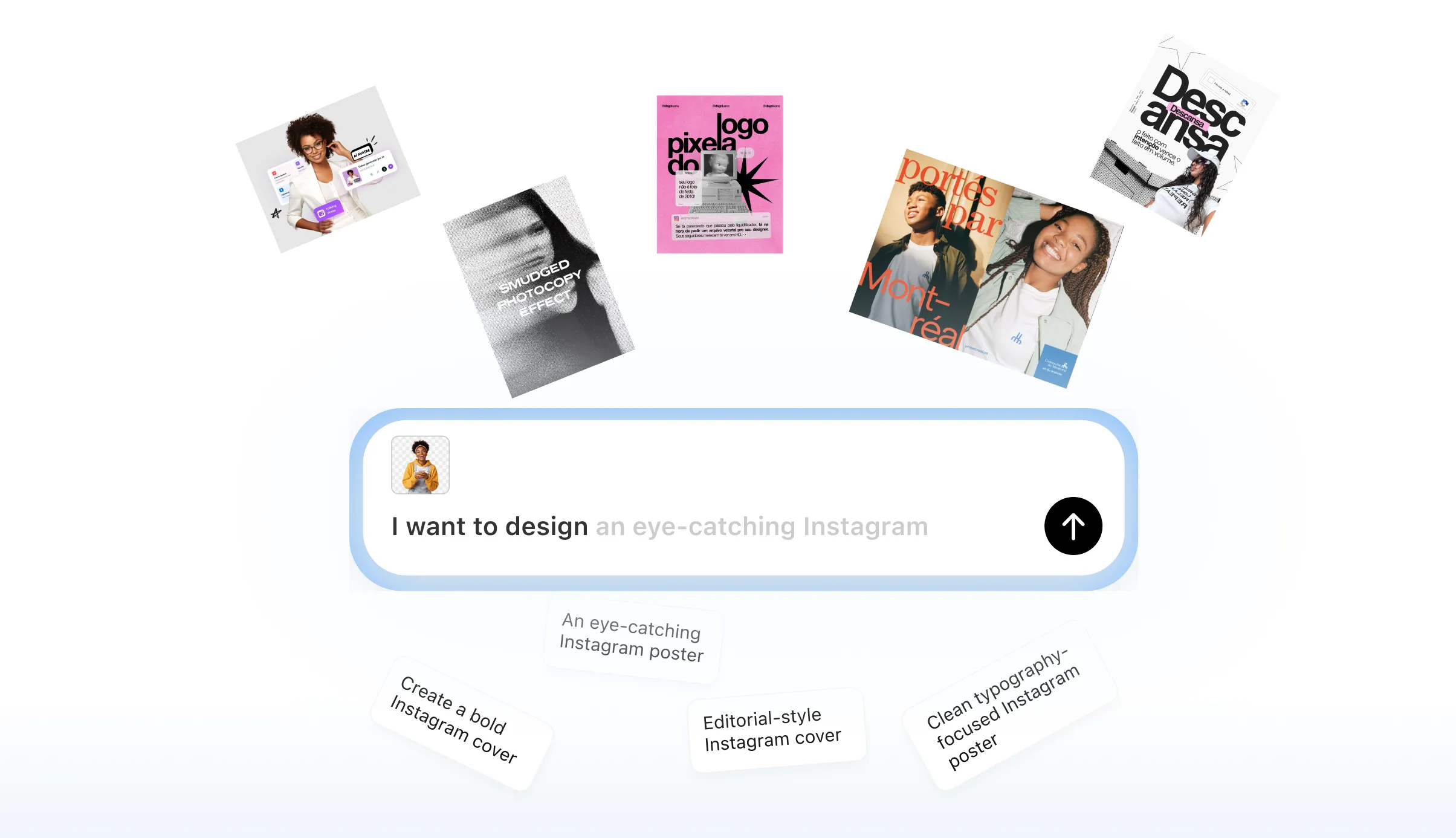
Match Your Visuals to Each Stage of the Patient Acquisition Funnel
A new patient campaign isn't a single flyer. It runs from an awareness ad to a booking confirmation, and each touchpoint needs a different message and layout. Building coordinated visual materials for each stage keeps your practice looking consistent and professional. Patients who see the same look across a Facebook ad, a waiting room poster, and a welcome handout are more likely to trust you before they even book.
Try It Free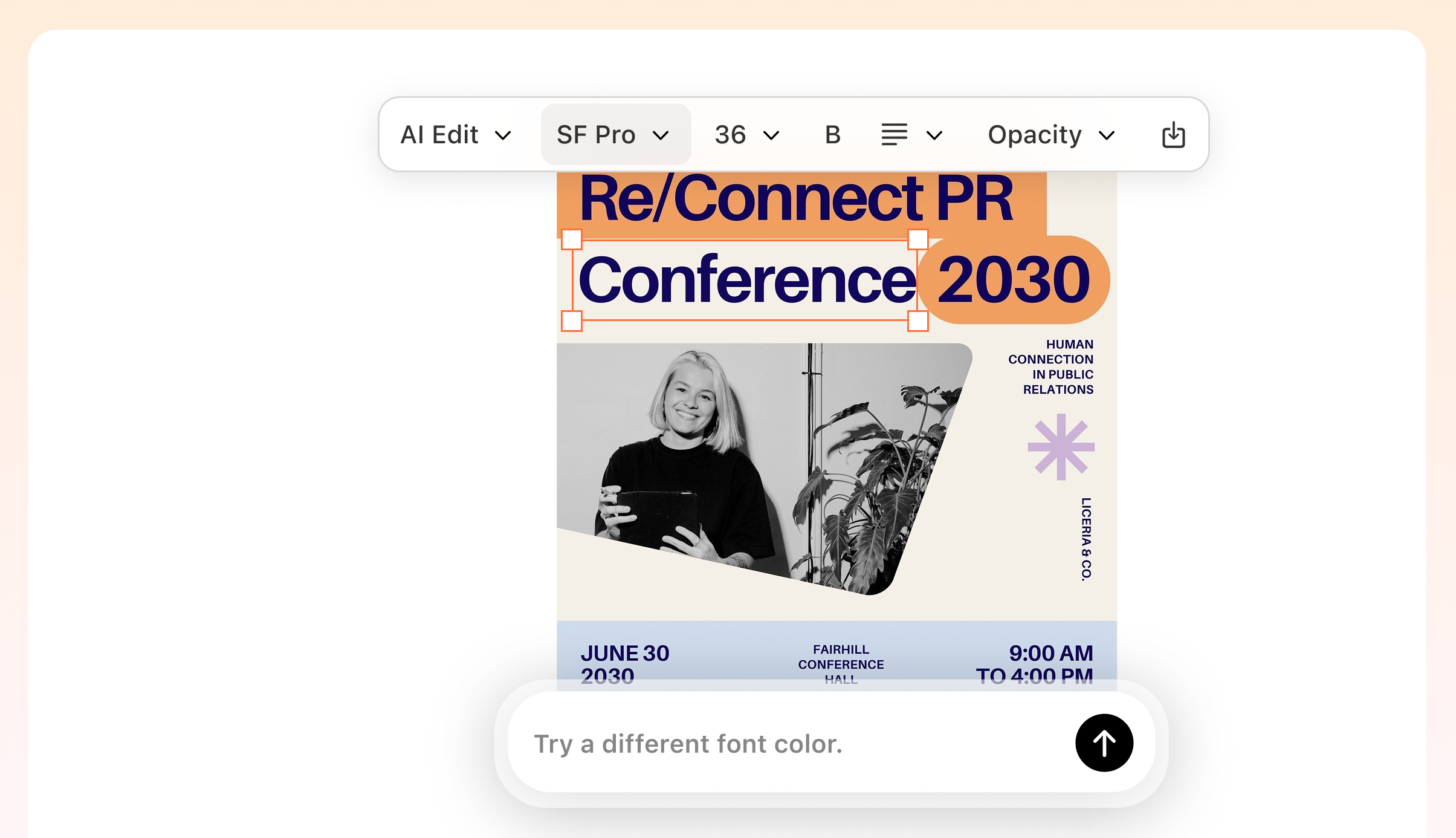
Cut the Back-and-Forth That Slows Down Patient Outreach
Waiting on a designer every time you need to update a campaign asset costs time your practice doesn't have. When your campaign graphics are fully editable, your front desk or practice manager can swap in a new offer, update a phone number, or refresh a seasonal message without starting from scratch. That kind of speed matters when you're trying to increase patient volume before a slow quarter.
Try It Free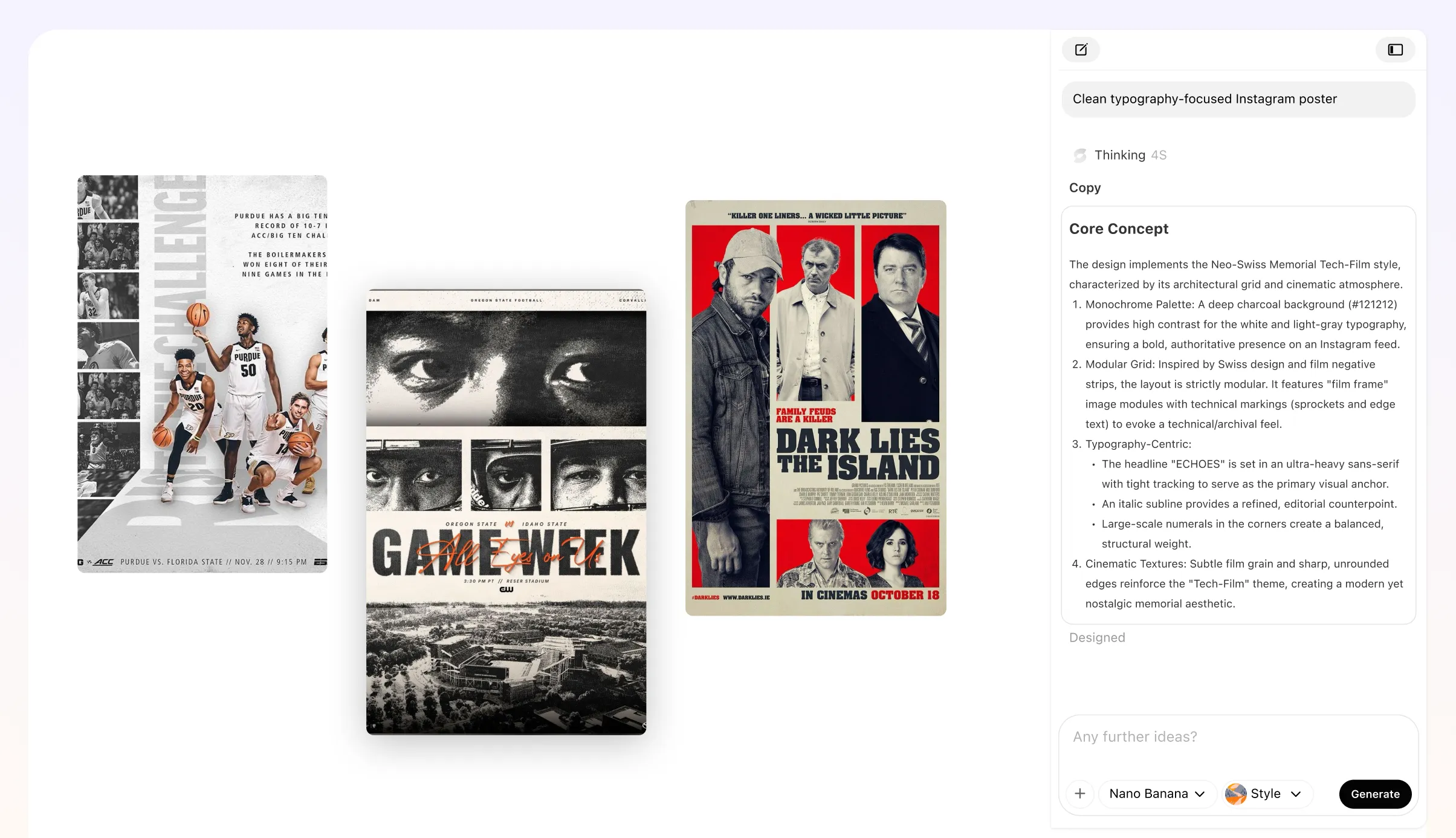
Produce Multi-Channel Assets Without Rebuilding Each One
A clinic visibility strategy usually spans print, social, and in-office materials at the same time. Rebuilding the same campaign from scratch for each channel wastes hours and creates inconsistency. Starting from a structured campaign brief means your social ad, appointment reminder card, and community placement all share the same visual language. That consistency is what makes a direct-to-patient marketing campaign feel intentional rather than patched together.
Try It Free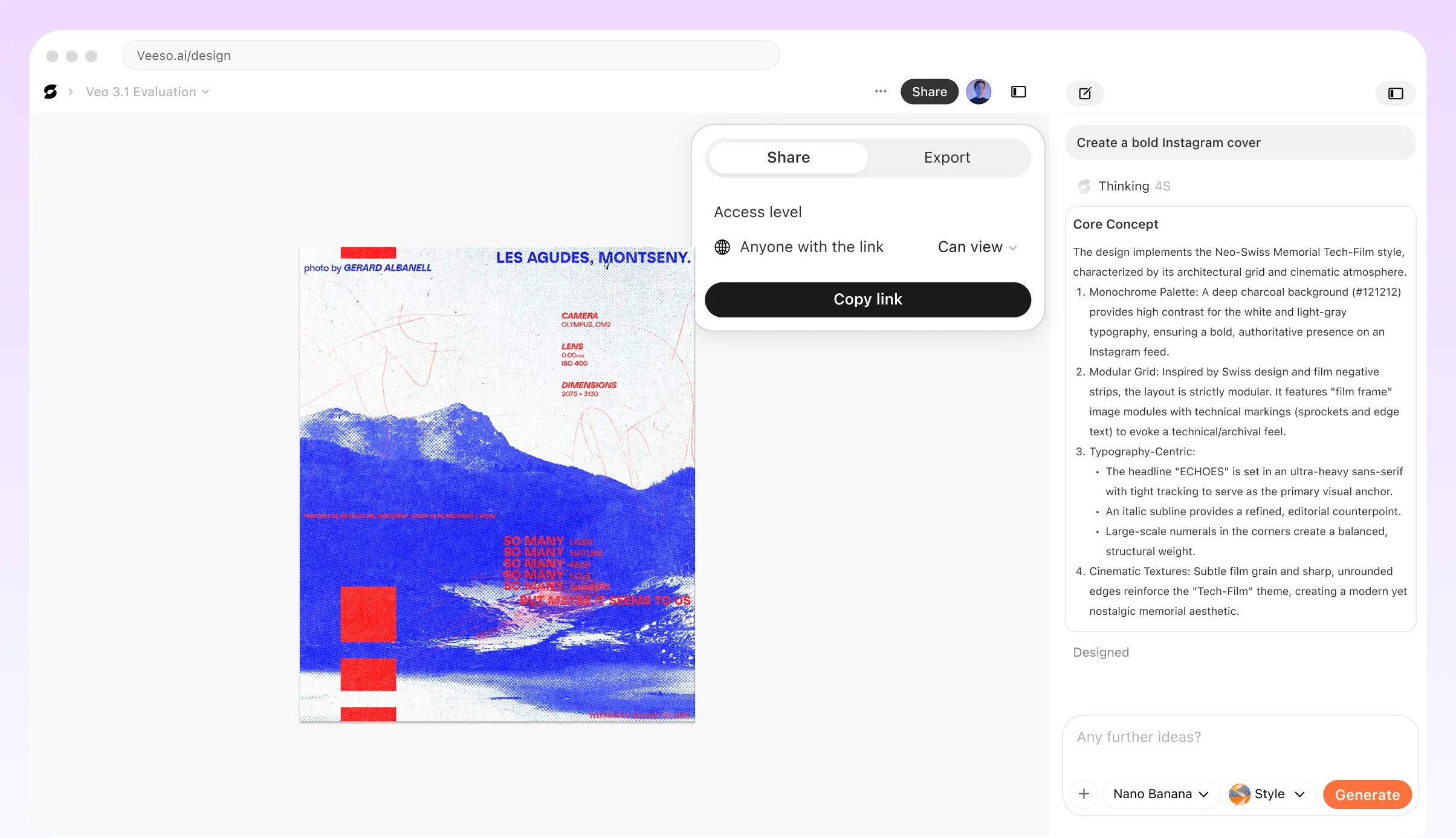
Who Uses a Medical Practice New Patient Campaign Generator?
Solo GP Opening a New Practice Location
When you open a second or first-ever location, prospective patients don't know you exist yet. A new patient campaign generator helps you build outreach copy that explains your booking process, accepted insurance, and what to expect at a first visit — without making clinical promises. Start with your service access messaging, then adapt it for Google search ads, a printed flyer, and a social post. Keeping the tone consistent across channels builds trust before anyone walks through your door.
Private Physiotherapy Clinic Running a Seasonal Referral Push
Referral pathway communication often breaks down because the materials look inconsistent or the call-to-action copy is vague. If you're running a referral drive in January or September — when people reset health goals — you need clear, professional assets that tell both referring GPs and prospective patients exactly how to book. A campaign builder lets you draft the core message once, then produce versions for a GP letter, a waiting-room card, and a social caption without rewriting from scratch each time.
Specialist Practice Targeting a Specific Patient Demographic Online
Healthcare audience targeting works best when your ad copy matches the specific concern your audience is searching for. A dermatology or audiology practice, for example, needs campaign copy that speaks to a defined age group or symptom category without crossing into prohibited medical claims. Use a new patient campaign generator to draft compliant, plain-language messaging that describes your intake process and booking steps. Then test short variants across Facebook and Google to see which framing drives appointment requests.
Multi-Provider Clinic Building a Coordinated Digital Campaign Kit
When a clinic has three or four providers, each with different specialties, campaign assets often end up looking like they came from different practices. Veeso AI lets you paste your campaign copy and produce a set of coordinated, editable visual pages — one per provider or service line — that share the same layout, colour palette, and tone. Each page stays fully editable, so a provider's name, photo, or booking link can be swapped without rebuilding the design. The result is a consistent patient acquisition funnel across every touchpoint.
Practice Manager Reactivating Lapsed Patients After a Gap in Service
Patients who haven't booked in 18 months or more often need a low-pressure nudge rather than a hard sell. A reactivation campaign should lead with a clear reminder of your services and a simple explanation of how to rebook — not a promotional offer. Draft copy that acknowledges the gap, restates your booking process, and gives one clear call to action. This kind of direct-to-patient marketing campaign works well as a printed letter or a short social post, depending on the contact details you hold.
New Dental Practice Using Visual Assets to Explain the New Patient Process
Many people avoid booking a first dental appointment because they don't know what to expect. A new patient welcome sequence that walks through the intake steps — what forms to bring, how long the visit takes, what happens at a check-up — reduces that hesitation. Veeso AI can turn a Word document or a simple outline of your onboarding steps into a structured, print-ready visual guide. You can use it as a downloadable PDF on your website, a printed handout at reception, or a shareable image on your clinic's social channels.
Why private practice owners, clinic managers, and solo healthcare providers Choose Veeso AI
How to Create High-Converting new patient campaign visual materials
Define Your Patient Audience and Service Access Message
Before you design anything, get clear on who you're trying to reach and what action you want them to take. Write one plain-language sentence that explains what your practice offers and how a new patient can book, without making clinical outcome claims.
Map the Campaign Touchpoints from Awareness to Appointment
Sketch out the sequence a new patient will move through: a social ad or community placement, a landing page or phone call, and a confirmation or welcome message. Knowing your funnel stages tells you exactly which visual assets you need to produce.
Build Coordinated Visual Materials for Each Campaign Stage
Use your brief to generate or customize a matched set of campaign graphics covering each touchpoint. Keep the headline, color, and call-to-action consistent across formats so patients recognize your practice whether they see a Facebook ad or a waiting room flyer.
Export Print-Ready and Digital Files for Each Channel
Download your finished assets as high-resolution PDFs for print placements and PNGs for digital use. Hand the files to whoever is running your ads, printing your materials, or posting to your social profiles.
FAQ
Ready to Create Beautiful Editable New Patient Campaign Graphics with Veeso AI?
Start Creating NowNo credit card required • Free to start • No design skills required
Explore More AI Graphic Design Use Cases
Discover more creative design scenarios powered by Veeso AI.