Turn Your Markdown Document Into a Branded Presentation
Paste your markdown file and get a structured, on-brand slide deck with your colors, fonts, and logo already applied. Heading levels map to slides automatically, so your content stays intact. Export to PDF or PPTX and hand it off the same day.

Three Ways to Generate branded slide decks
Describe Your Presentation Goal and Get a Markdown-Structured Outline
If you haven't written your content yet, start by describing what the presentation needs to cover. Tell the AI your topic, audience, and rough slide count, and it builds a markdown outline with proper heading hierarchy — H1 for the deck title, H2s for each slide, bullets for supporting points. That outline converts directly into a branded, editable deck without any extra formatting work.
- AI generates a structured markdown outline from a plain-language prompt
- Heading hierarchy maps automatically to individual slide titles and body content
- Brand kit applies to the generated layout from the first pass
- Every generated slide is fully editable before export
Pick a Slide Deck Template and Drop Your Markdown Content In
If you already know the visual style you want, start from a template that matches your industry or presentation type. Swap in your markdown content, and the layout adjusts to fit your text and structure. You keep full control over colors, fonts, and logo placement without building the design from scratch.
- Template library organized by presentation type and industry
- Markdown content drops into existing slide layouts cleanly
- Brand colors and fonts override template defaults in one step
- Each slide element — text box, image, accent shape — stays independently editable
Import Your Markdown File and Convert It to an On-Brand Deck
If your content is already written in a .md, Word, or PDF file, you don't need to copy and paste anything manually. Import the file, and the tool parses the heading structure to build individual slides automatically. From there you apply your brand kit and adjust any layer that needs a tweak before exporting a print-ready PDF or high-resolution PNG.
- Accepts .md, Word, and PDF file imports with automatic heading parsing
- H1, H2, and bullet structure maps to slide titles and body content on import
- Brand kit — colors, fonts, logo — applies across all parsed slides at once
- Export as high-resolution PNG or PDF when the deck is ready
Why choose Veeso for your on-brand editable slide decks
Your Heading Hierarchy Already Defines the Slide Structure
When you write in markdown, your H1 becomes the deck title, your H2s become slide titles, and your bullet lists become body content. That structure is already there — you just need a tool that reads it correctly instead of dumping everything onto one slide. Getting the heading-to-slide mapping right from the start saves you from manually splitting and reformatting every page.
Try It Free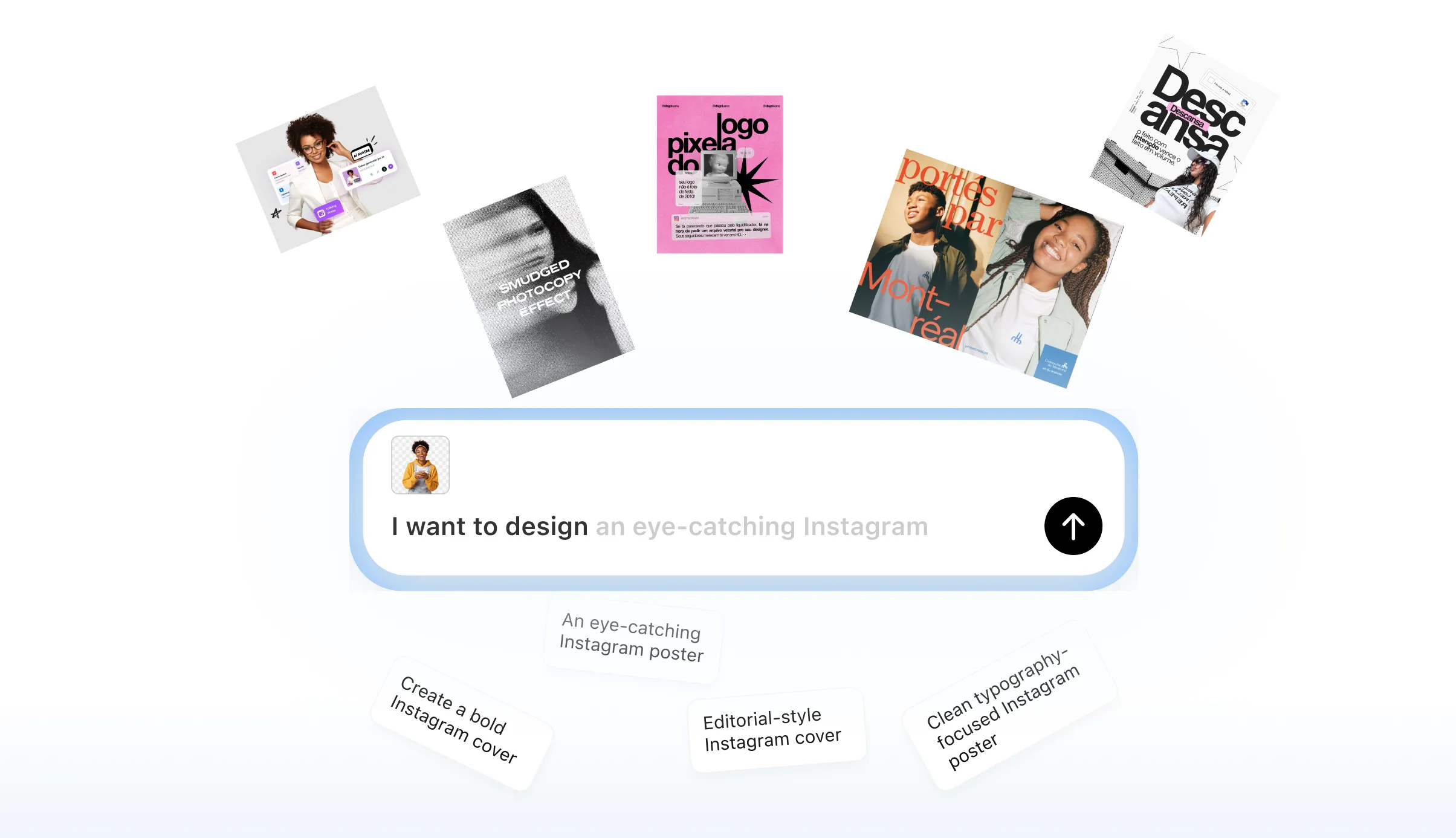
Brand Colors and Fonts Need to Apply at the Element Level, Not Just the Theme
A lot of converters drop your content into a preset color scheme and call it done. But real brand control means your primary color hits the headline, your secondary color frames the accent bar, and your approved typeface appears at the right weight on every slide. When each design token maps to the right element, the output looks like it came from your design team — not a default template.
Try It Free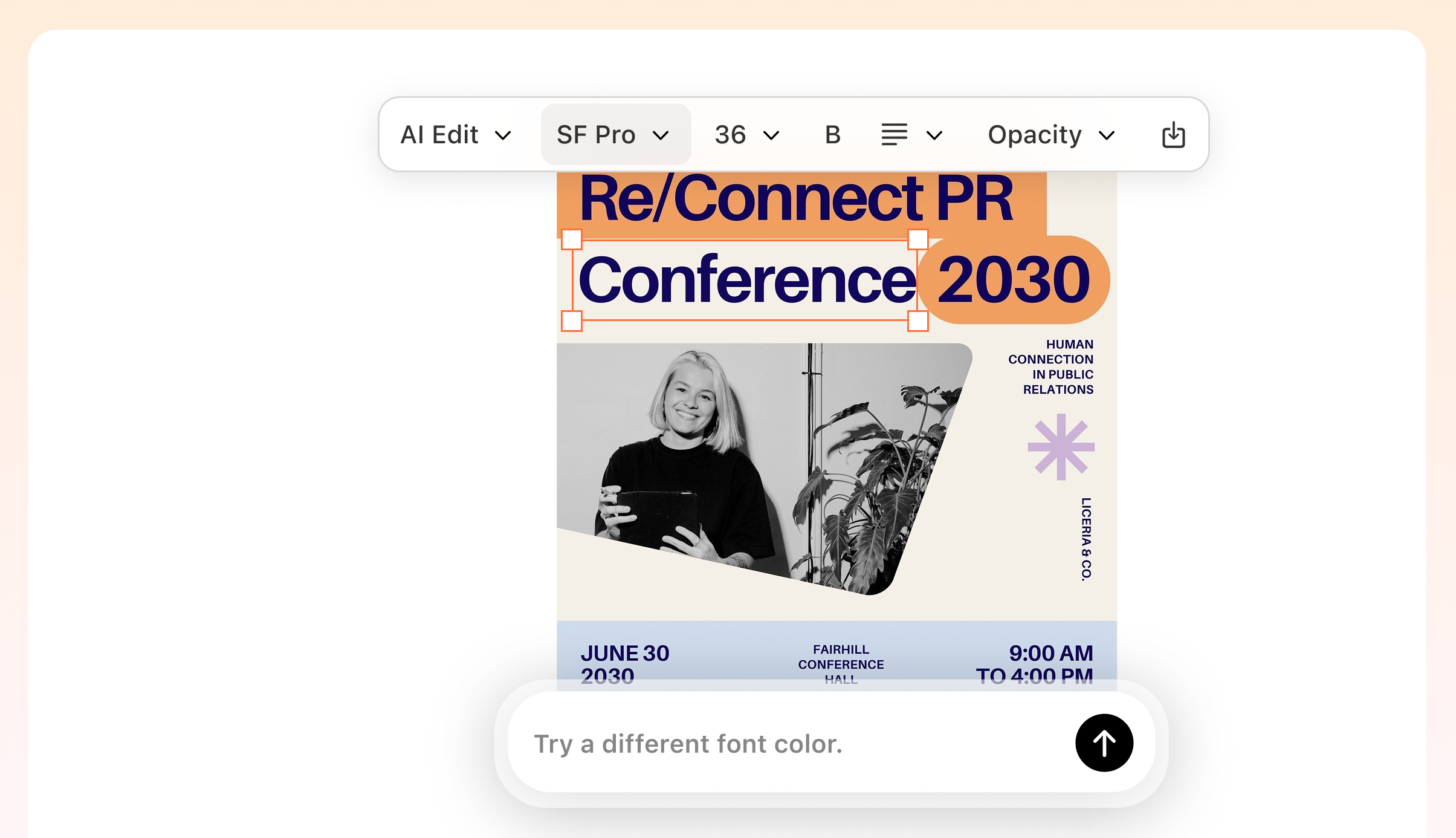
Editable Slides Mean You Can Fix Things After the First Pass
Auto-generated decks often lock you into a static layout the moment they export. If a slide title runs too long or a logo lands in the wrong spot, you're starting over. An editable slide deck lets you move any text box, swap an image, or adjust spacing without rebuilding the whole file — which matters when a stakeholder asks for changes the morning of a presentation.
Try It Free
Structured Markdown Content Converts Cleanly to a Slide Story
Presentations fail when the narrative gets lost in formatting. Markdown forces a clean content hierarchy before any design happens, which means the slide story — the logical flow from opening to conclusion — is already baked into your source file. Starting from well-structured markdown gives you a much stronger foundation than dragging text boxes around in a blank slide editor.
Try It Free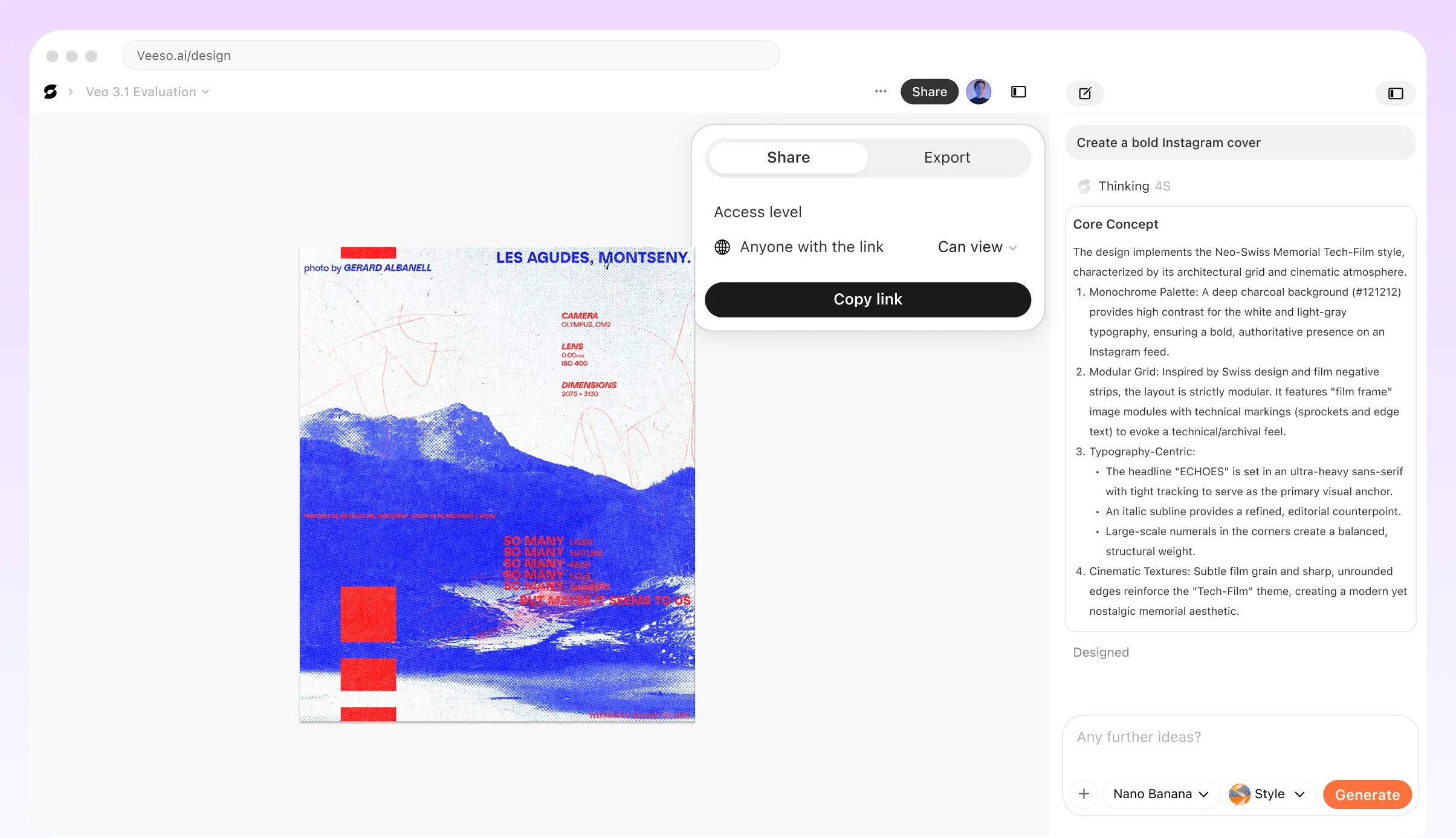
Who Converts a Markdown Document to a Branded Presentation?
Engineering Teams Turning Docs into Stakeholder Decks
Engineers often write detailed specs and architecture notes in markdown, then spend hours rebuilding the same content inside PowerPoint for leadership reviews. Instead of that copy-paste loop, the markdown document becomes the source of truth. Heading levels map to individual slides, bullet points become talking points, and the output respects the company's brand colors and fonts from the start. The result is an editable slide deck that engineers can hand off to a product manager or present directly without touching a design tool.
Consultants Delivering Client-Ready Branded Presentations
A consultant drafting a strategy report in markdown needs the final deliverable to look like it came from the client's brand, not a generic template. Converting that markdown document to branded slides means every heading, sub-point, and section break lands on the right slide with the right visual hierarchy. The deck stays fully editable so the consultant can swap a logo, adjust a color, or reorder slides before the client meeting. No rebuilding from scratch. No manual font matching. Just a polished, on-brand presentation ready to export as a PDF.
Educators Packaging Course Outlines as Lecture Slides
Instructors who write course content in markdown or plain text have a ready-made slide structure hiding inside their heading hierarchy. Each H1 becomes a section opener, each H2 becomes a slide title, and nested bullet points become the supporting content. Converting those markdown notes to a presentation means the lecture deck reflects the same logical flow as the written outline. Educators can then edit individual slides to add diagrams, swap images, or adjust pacing without rebuilding the entire deck from a blank canvas.
Startup Founders Pitching from a Markdown Business Plan
Many founders write their pitch narrative in markdown before they ever open a slide tool. That document already contains the problem, solution, market, and ask in a clear sequence. A markdown to slides AI workflow lets the founder skip the reformatting stage entirely. Veeso AI reads the structured content and generates an editable, on-brand deck where every section of the business plan becomes a coherent slide. The founder can refine messaging, reorder arguments, and export a PPTX or PDF for investor meetings without losing the original narrative structure.
Technical Writers Converting Documentation into Training Decks
Technical writers maintain product documentation in markdown because it's easy to version and update. When a new feature ships, that same documentation needs to become a training presentation for the support or sales team. Rather than duplicating work, the markdown file feeds directly into a slide generator. The heading hierarchy defines the slide flow, and the output preserves every detail in an editable format. Writers can adjust slide depth, trim verbose sections, and apply the company's design tokens before exporting a print-ready deck for the training session.
Marketing Teams Repurposing Campaign Briefs as Presentation Assets
A campaign brief written in markdown holds all the messaging, audience segments, and channel strategy a team needs. When that brief needs to become a presentation for an agency partner or internal review, rebuilding it slide by slide wastes time the team doesn't have. Using a markdown to branded slides workflow, the brief's structure maps directly to a visual deck. Veeso AI keeps every text box and layout layer editable so the marketing team can fine-tune copy, apply brand colors, and export a polished deck that matches the campaign's visual identity.
Why content strategists, technical writers, and marketing managers Choose Veeso AI
How to Create High-Converting branded presentation slides
Structure Your Markdown with a Clear Heading Hierarchy
Use one H1 at the top for the deck title, then write each slide title as an H2. Add bullet points under each H2 for the body content on that slide. This structure is what lets any markdown-to-presentation converter split your content into individual slides correctly — skipping this step is the most common reason a conversion comes out messy.
Paste or Import Your Markdown Content
Paste your raw markdown text directly into the editor, or upload your .md, Word, or PDF file and let the tool parse the heading structure automatically. Either way, the converter reads your H1 and H2 hierarchy and builds a separate slide for each section without you having to drag or split anything manually.
Apply Your Brand Kit — Colors, Fonts, and Logo
Select your brand kit or enter your brand colors, typefaces, and logo to apply them across every slide at once. This is the step that turns a generic auto-layout into an on-brand editable slide deck — each design token maps to the right element so your headline font, accent color, and logo placement all land where they should.
Review Each Slide and Edit Any Layer Before You Export
Go through the generated slides and adjust any text box, image, or layout element that needs a change. Tools like Veeso AI keep every layer editable at this stage, so you're not locked into the first output. When the deck looks right, export a high-resolution PDF or PNG that's ready to present or share.
FAQ

Ready to Create Beautiful On-Brand Editable Slide Decks with Veeso AI?
Start Creating NowNo credit card required • Free to start • No design skills required
Explore More AI Graphic Design Use Cases
Discover more creative design scenarios powered by Veeso AI.