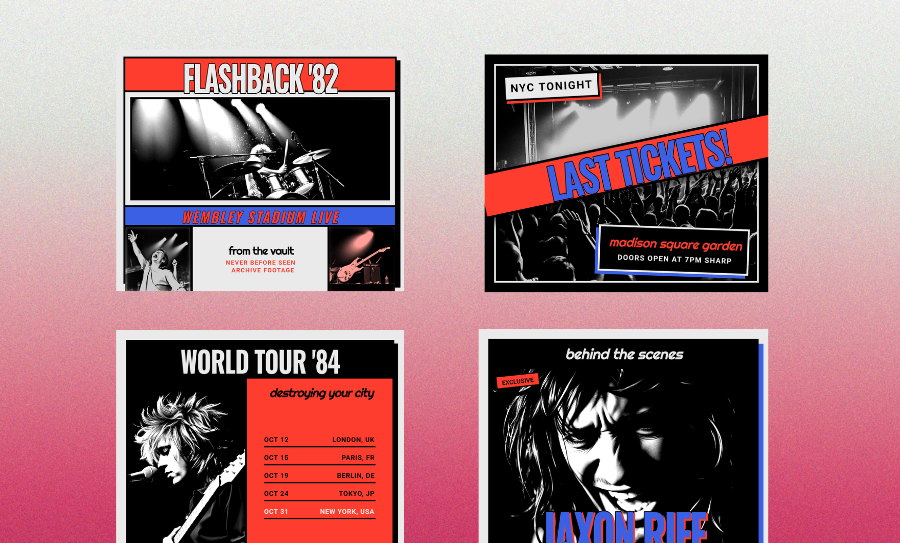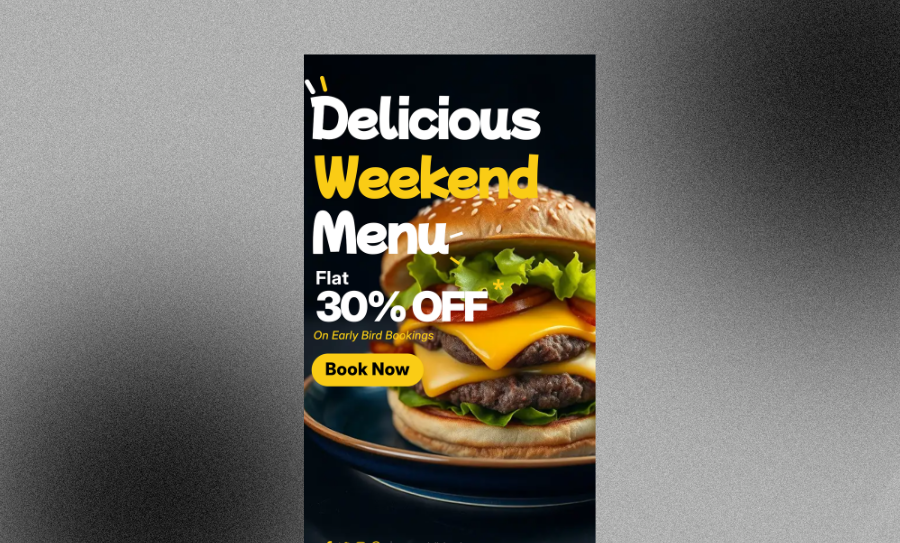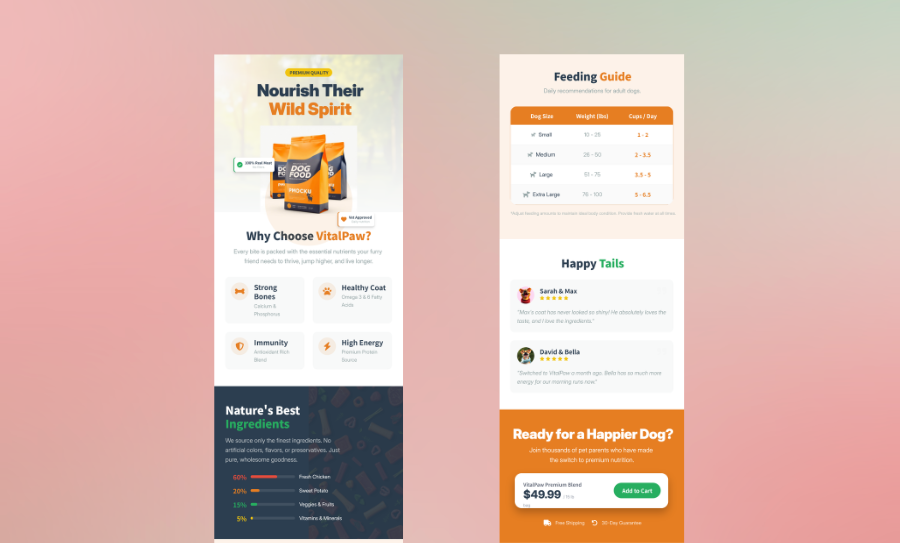
Run a Local Food Drive Campaign That Gets Results
Build every piece of your food drive campaign in one place — from donation request flyers to drop-off details and donor thank-you cards. Describe your drive and get print-ready visuals instantly. Export high-resolution PNG or PDF files ready to share across your school, workplace, or community.
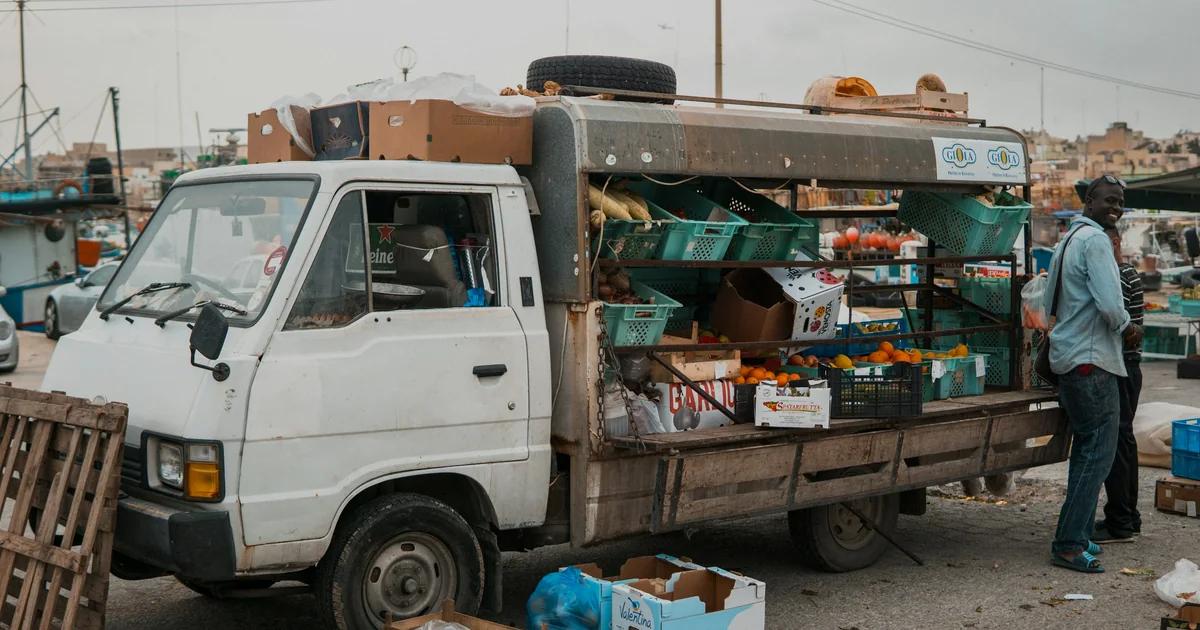
Three Ways to Generate food drive campaign visual kit
Describe Your Drive and Get a Full Campaign Set
Tell the generator the basics — your local food pantry partner, the accepted food items, the drop-off location, and your campaign dates. It builds a coordinated visual kit around those details so every asset reflects your actual drive, not a placeholder example. This is the fastest path from zero to a print-ready food drive flyer and matching social graphics.
- Pulls your pantry name, dates, and accepted items list into every asset automatically
- Suggests a campaign style based on your audience — school, corporate, or community
- Generates announcement, reminder, and wrap-up formats in one pass
- Produces editable outputs so you can adjust any detail before printing or posting
Start From a Food Drive Template and Make It Yours
Browse campaign messaging templates built specifically for food drives — not repurposed event flyers. Pick a layout that fits your channel, whether that's a donation request flyer for a school newsletter or a drop-off location poster for a lobby. Swap in your own text, colors, and logo to match your organization in a few edits.
- Templates organized by format — flyer, social graphic, poster, and progress card
- Pre-written donation request copy you can edit or replace entirely
- Color and font controls to match a school, company, or community group identity
- Print-ready sizing built in for common formats like letter, A4, and square social
Import Your Existing Campaign Copy and Turn It Into Designed Assets
If you've already drafted your campaign details in a Word doc, a PDF, or even a plain text file, you don't need to retype everything. Paste or upload your content and the tool structures it into a polished visual layout. This works especially well for organizers who have the information ready but need it to look designed fast.
- Accepts pasted text, Word documents, and PDF imports
- Recognizes campaign sections like drive dates, accepted items, and drop-off details
- Reformats your copy into a clean, readable visual hierarchy
- Keeps all text fully editable after import so nothing is locked in
Why choose Veeso for your multi-channel food drive design set
Keep Every Channel Looking Like One Campaign
When your flyer, social post, and drop-off sign all look different, donors get confused and trust drops. A multi-channel food drive design set keeps your pantry name, accepted items list, and drop-off details consistent across every format. The result is a campaign that looks organized and professional even if one volunteer is running the whole thing.
Try It Free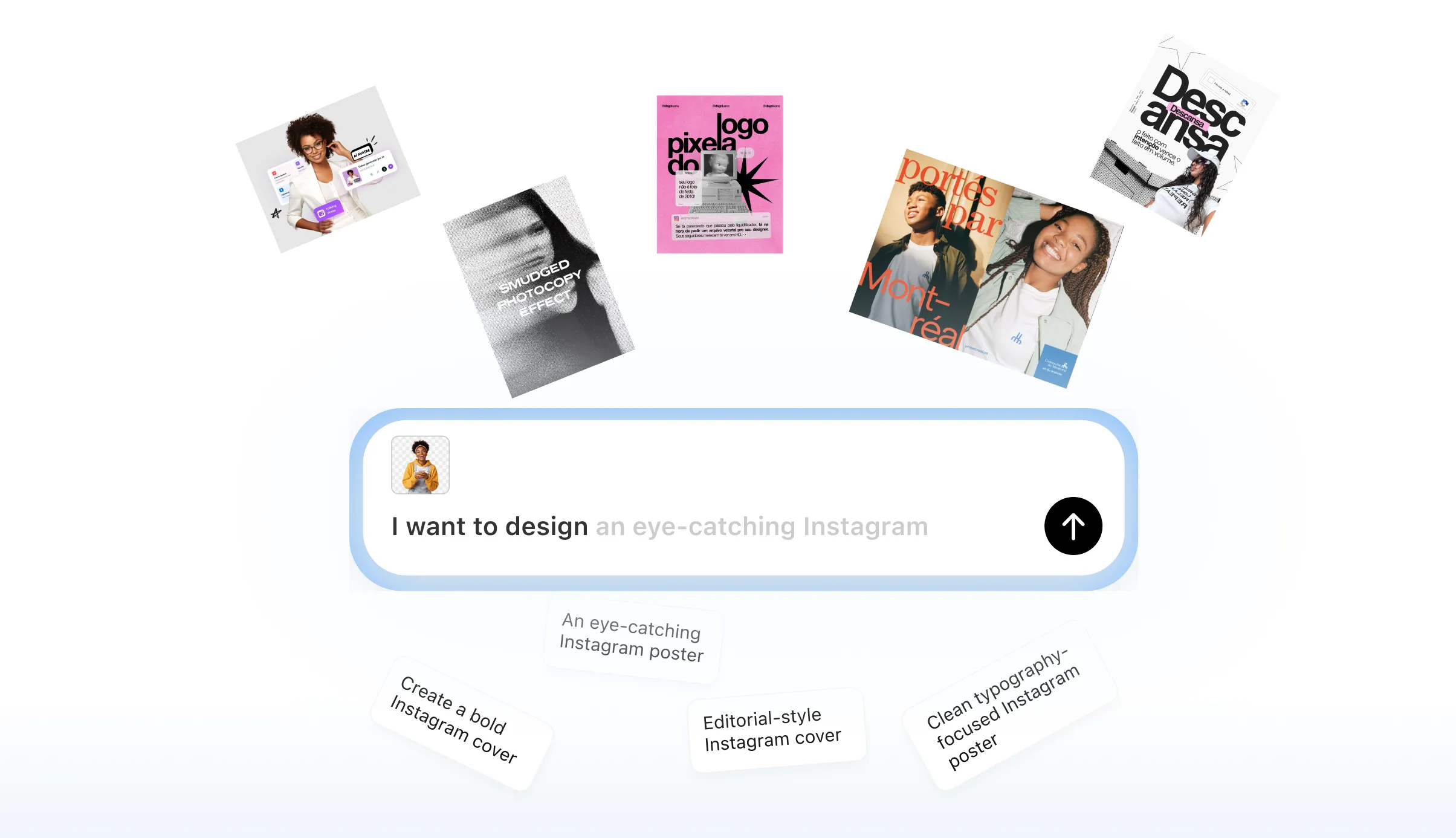
Stop Rebuilding the Same Information From Scratch
Most food drive organizers type the same pantry name, deadline, and donation list into four or five separate files. A campaign generator takes those details once and places them correctly across your announcement flyer, reminder card, and progress update. You spend your time on the drive itself, not on copy-pasting.
Try It Free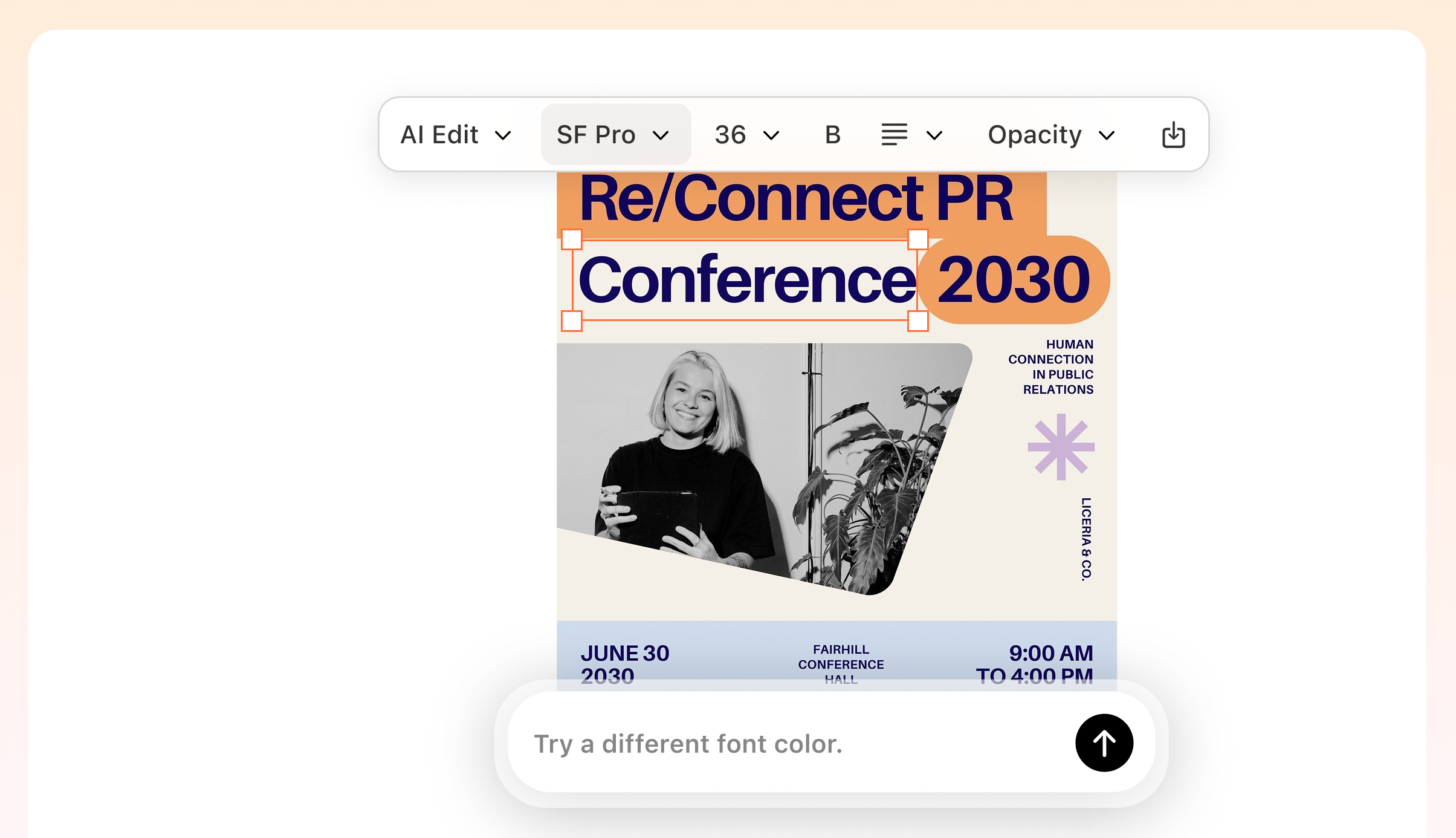
Match Your Materials to Your Audience — School, Office, or Neighborhood
A school food drive campaign kit needs different language and visuals than a corporate lobby poster or a neighborhood social graphic. Generic free food drive templates don't account for tone, audience, or placement. A purpose-built generator lets you adjust the same core campaign for each setting without starting over.
Try It Free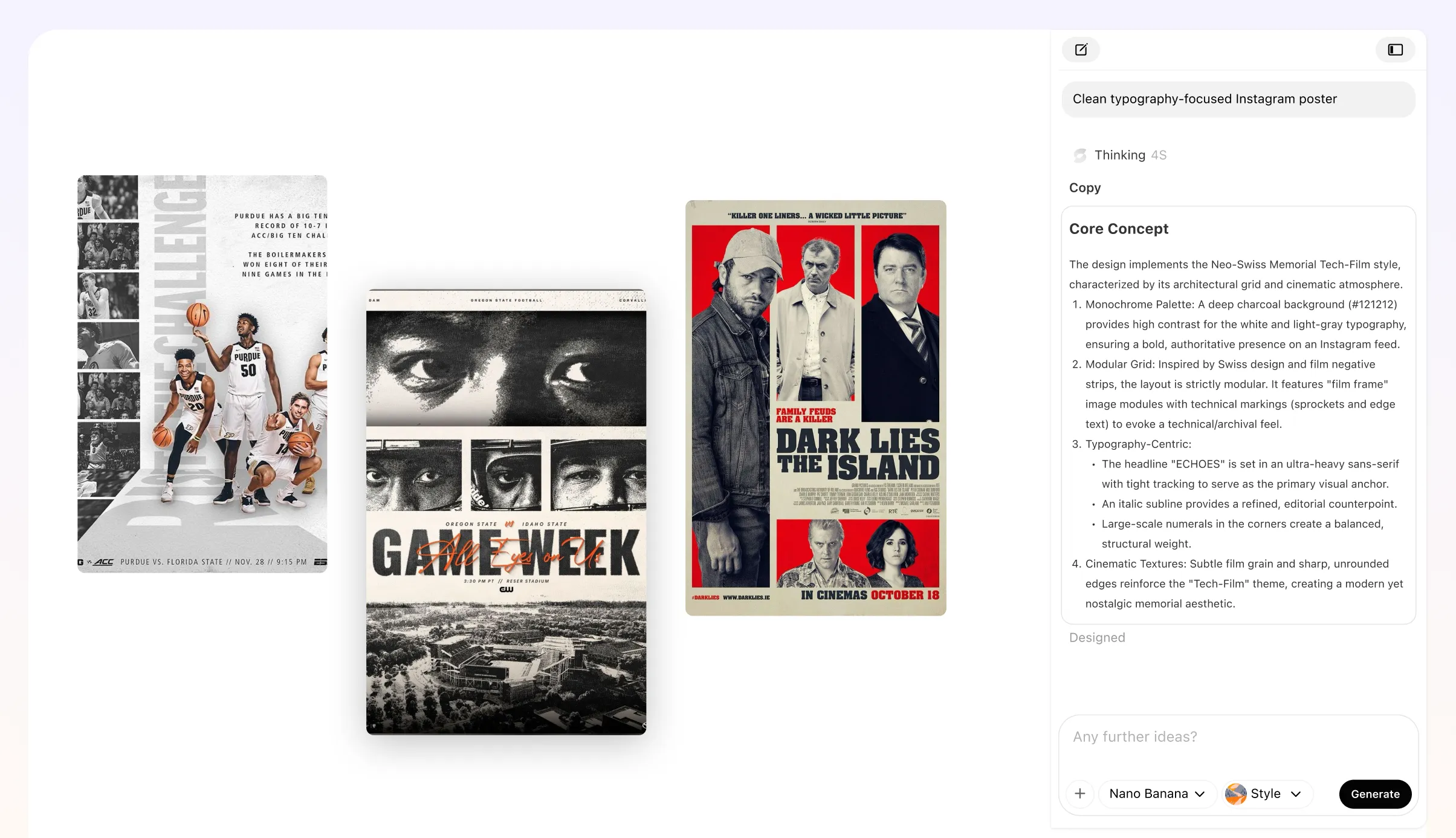
Show Real Progress Without Designing a New Graphic Every Time
Mid-campaign momentum matters. Donors who see a progress update are more likely to give again or spread the word. Having a donation progress update card ready to edit — with your goal, current total, and a clear call to action — means you can share updates quickly and keep energy high through the final collection day.
Try It Free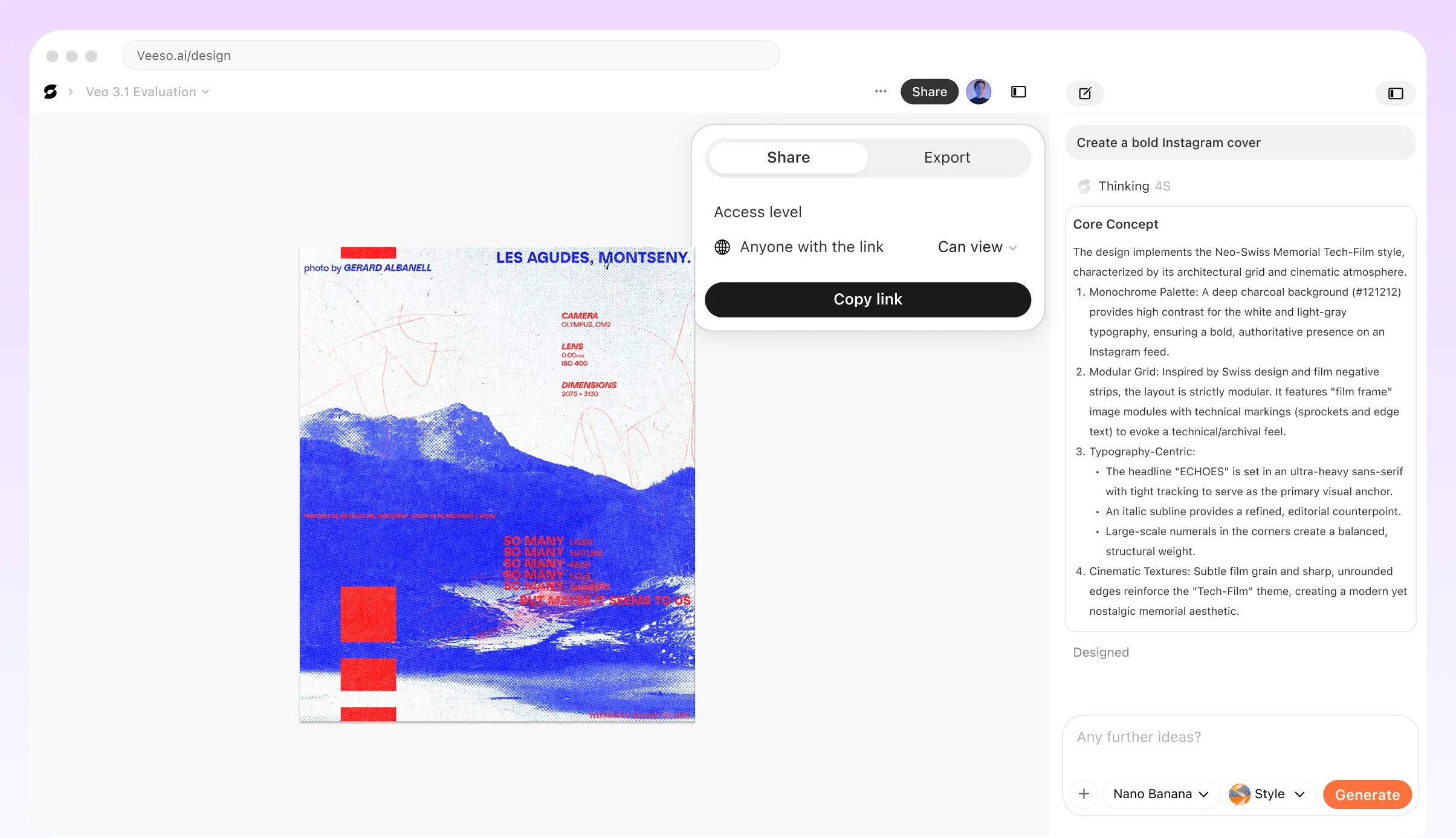
Who Uses a Local Food Drive Campaign Generator?
School Food Drive Campaign Kit for PTA Coordinators
A PTA coordinator running a school food drive needs more than a single flyer. They need an announcement for the school newsletter, a reminder graphic for the parent app, and a wrap-up message that shows families what their donations accomplished. Starting from a single set of details — accepted food items, drop-off classroom numbers, and the collection window — a food drive campaign generator lets one volunteer produce consistent materials for every stage without rebuilding each piece from scratch. That consistency helps parents recognize the campaign across every channel and makes the drive feel organized and credible.
Corporate Food Drive Promotion Across Multiple Office Locations
When a company runs a food drive across several office buildings, version-control chaos is a real risk. Each site needs its own drop-off location details, but the campaign messaging and visual style should stay uniform so the effort reads as one coordinated drive. A corporate food drive campaign tool lets the organizer set the shared brand elements once, then swap in site-specific information for each location. HR teams can distribute the correct materials to each building without worrying that someone is handing out an outdated flyer with the wrong collection deadline.
Community Food Pantry Drive Announcement With an Accepted Items List
Food pantries often turn away donations of expired goods or items they can't distribute, which frustrates donors and wastes effort. A clear accepted food items list, formatted as a shareable graphic or printed handout, solves that problem before it starts. When a neighborhood association or faith community organizes a food pantry drive, they can use a food drive donation request generator to produce a clean, readable list alongside the campaign announcement. Donors know exactly what to bring, pantry staff spend less time sorting unusable items, and the overall collection is more useful to the families being served.
Virtual Food Drive Toolkit for Nonprofit Fundraising Teams
A virtual food drive asks supporters to donate money rather than physical goods, which means the campaign lives entirely in digital materials. Nonprofit teams need a launch announcement, a mid-campaign donation progress update, and a final impact summary — all formatted for email and social sharing. Veeso AI can turn a brief content outline into a set of editable visual assets for each of those stages, keeping the look consistent from the first post to the thank-you graphic. The team still handles sending, scheduling, and platform publishing through their own tools, but the visual content is ready to drop in.
Food Drive Slogan and Call-to-Action Copy for a Neighborhood Block Campaign
A neighborhood block captain organizing a local food drive doesn't always have a copywriter to call. Coming up with a food drive slogan that feels personal to the community — rather than generic — takes time most volunteers don't have. A food drive slogan generator built around local details like the name of the partnering food pantry, the neighborhood, or a specific goal helps produce messaging that resonates with the people being asked to donate. A strong, specific call to action on a flyer or social post does more to move people than a vague appeal to generosity.
End-of-Drive Impact Report Graphic for Donor Thank-You Outreach
After a food drive closes, many organizers send a quick email and move on. A formatted impact summary does more. Showing donors the total pounds collected, the number of families reached, and the name of the receiving food pantry turns a routine thank-you into a moment that builds goodwill and makes people more likely to participate next year. Veeso AI can take those final numbers and produce a shareable, print-ready graphic that organizers can post on social media or include in a follow-up newsletter. The design work takes minutes, and the result looks intentional rather than rushed.
Why nonprofit coordinators, school event organizers, and corporate volunteer leads Choose Veeso AI
How to Create High-Converting food drive campaign flyer and asset set
Enter Your Drive Details — Pantry, Items, and Drop-Off Location
Start by filling in the specifics that make your campaign local: the food pantry partner name, the accepted food items list, the drop-off location address, and your collection deadline. These details flow into every asset so donors always know exactly what to bring and where to go.
Choose a Campaign Style for Your Audience
Pick a visual direction that fits where your campaign will run — a school food drive campaign kit has a different feel than a corporate food drive campaign tool or a neighborhood flyer. You can choose from available styles or let the generator suggest one based on your inputs.
Review Your Coordinated Set of Editable Campaign Assets
The generator produces a full set covering your campaign from launch to wrap-up — donation request flyers, drop-off signage, social announcement graphics, a mid-drive progress update card, and a post-drive community impact summary. Every asset is fully editable, so you can adjust any text, color, or image before you use it. Veeso AI can produce this coordinated, editable set from a single campaign brief, which is where it fits naturally into this step.
Export Print-Ready Files for Each Format
Download high-resolution PNG or PDF files sized correctly for each use — standard letter for printed flyers, large format for lobby posters, and square or vertical crops for social posts. Each file is ready to send to a printer or upload directly to your chosen platform.
FAQ

Ready to Create Beautiful Multi-Channel Food Drive Design Set with Veeso AI?
Start Creating NowNo credit card required • Free to start • No design skills required
Explore More AI Graphic Design Use Cases
Discover more creative design scenarios powered by Veeso AI.