Landing Page Hero Copy Checklist
Audit every element above the fold — headline, subheadline, proof, and CTA — before your page goes live. Work through each check in order and spot the exact line that's costing you conversions. Fix it once, then reuse the same framework on every page your team ships.
Three Ways to Generate hero section layout designs
Describe Your Hero Section and Get a Reviewable Mockup Instantly
If you already know your headline, subheadline, and CTA copy, you can describe the layout you need and let an AI tool build the visual structure around your words. This is useful when you want to run a landing page hero audit against a designed layout rather than a blank document. Veeso AI takes your copy as the starting point and produces an editable hero section you can score and revise.
- Paste your headline and subheadline directly into the prompt
- Specify audience, tone, and visual hierarchy in plain language
- Get an editable layout with every text layer accessible
- Export as high-resolution PNG or PDF for team review
Start From a Hero Section Template and Audit as You Customize
A template gives you a proven visual structure so you can focus your attention on the copy quality rather than the layout decisions. Pick a hero section style that matches your offer type, then swap in your actual headline, proof copy, and CTA to run a live conversion copy checklist against real content. Every element stays editable, so changes from your audit go straight into the design.
- Choose from hero layouts built for different offer types and audiences
- Replace placeholder text with your own headline and value proposition
- Adjust visual hierarchy to reflect your copy priority order
- Duplicate the layout to test headline variants side by side
Import Your Existing Copy and Transform It Into a Designed Hero Layout
If your hero copy already lives in a Word doc, Markdown file, or PDF brief, you don't need to rebuild it from scratch to run a proper audit. Import your existing content and let the tool structure it into a visual hero section that reflects your headline, subheadline, proof line, and CTA in the right reading order. You get a print-ready hero section mockup without retyping a single word.
- Import from Word, PDF, or Markdown without reformatting
- Structured output preserves headline and subheadline hierarchy
- Editable layers let you adjust copy directly after import
- Export the finished mockup for stakeholder review or copy scoring
Why choose Veeso for your conversion-focused landing page visuals
Turn Your Hero Copy Audit Into a Visual You Can Actually Review
When you're auditing above the fold messaging, reading copy in a plain doc doesn't show you how it lands on a real screen. Laying your headline, subheadline, and CTA out in a designed mockup reveals spacing problems, hierarchy gaps, and weak value proposition clarity that flat text hides. A tool like Veeso AI lets you drop your copy into an editable hero layout so you can review it the way a visitor actually sees it.
Try It Free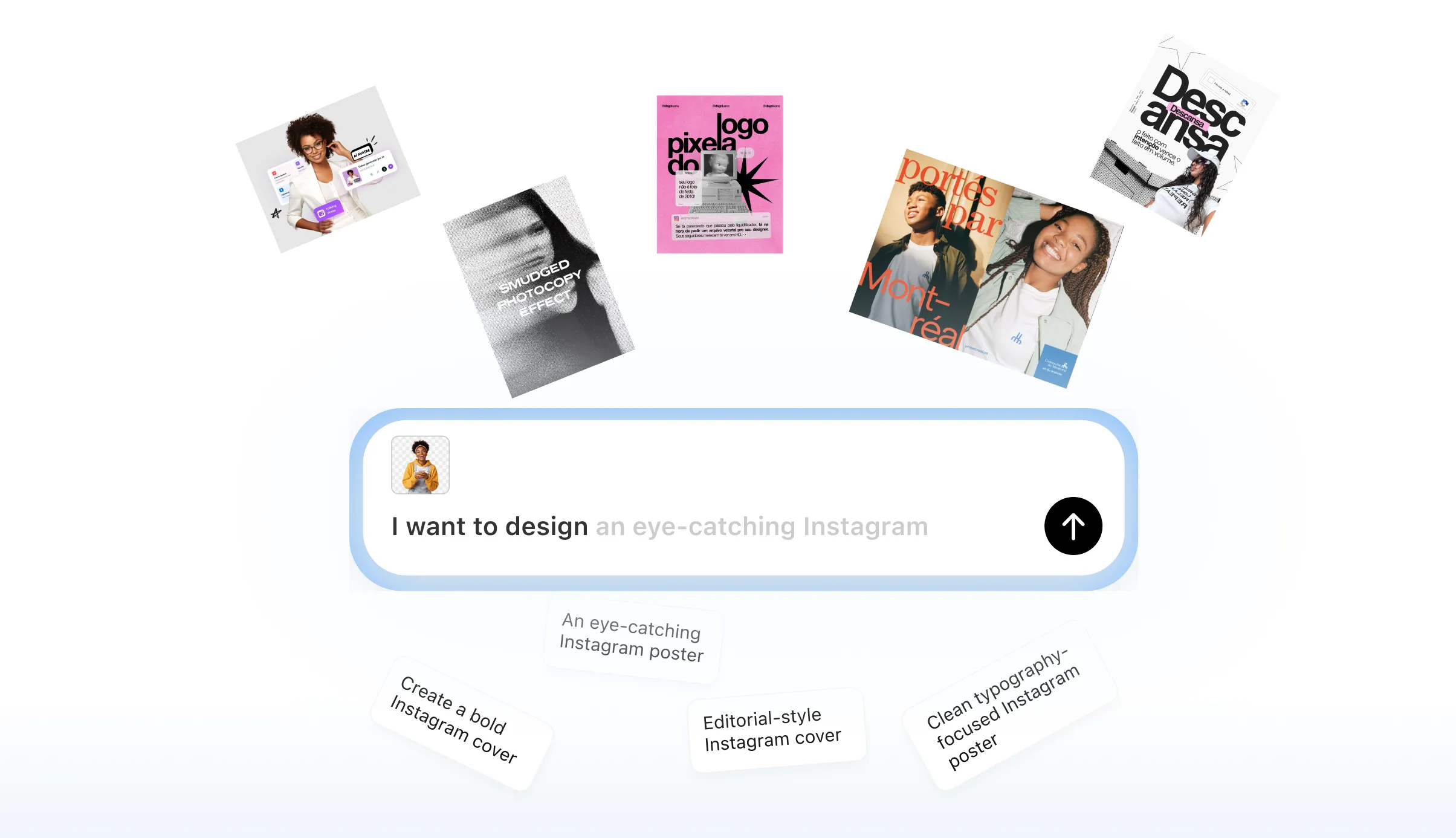
Check Copy-to-Offer Alignment Before You Send Traffic
One of the most common hero section failures is a headline that promises one thing while the CTA delivers another. Seeing your headline, proof line, and button text together in a single visual makes copy-to-offer congruence easy to spot and fix. An editable hero mockup gives your team a shared reference point during the review, so everyone is reacting to the same version of the page.
Try It Free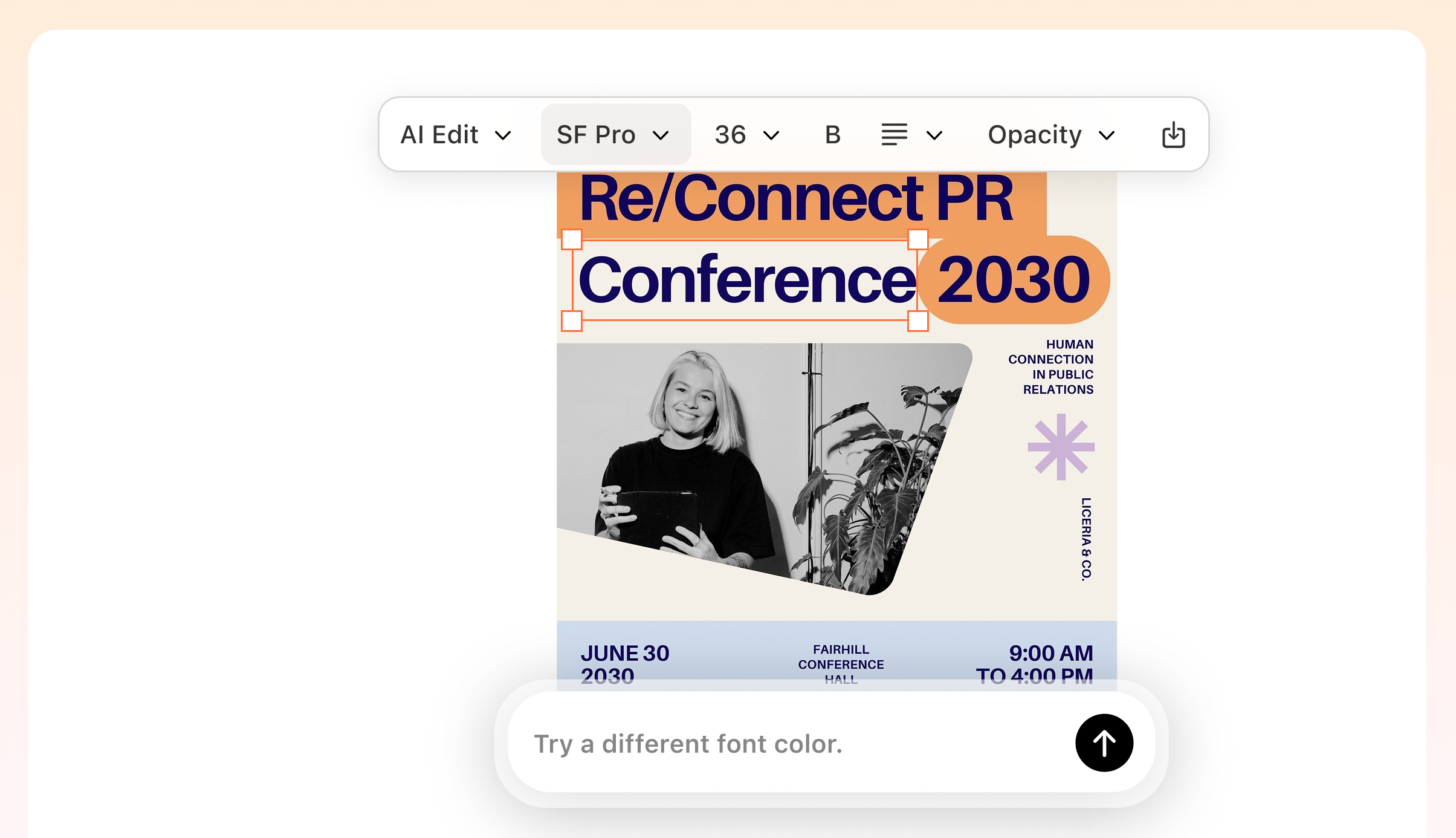
Share a Scored Hero Draft With Stakeholders Without a Developer
Running a hero copy review framework across a team means everyone needs to see the same draft at the same time. Exporting a high-resolution mockup of your hero section lets writers, designers, and decision-makers annotate and score each element without waiting on a dev build. That shortens the feedback loop and keeps the audit moving toward a final, shippable version.
Try It Free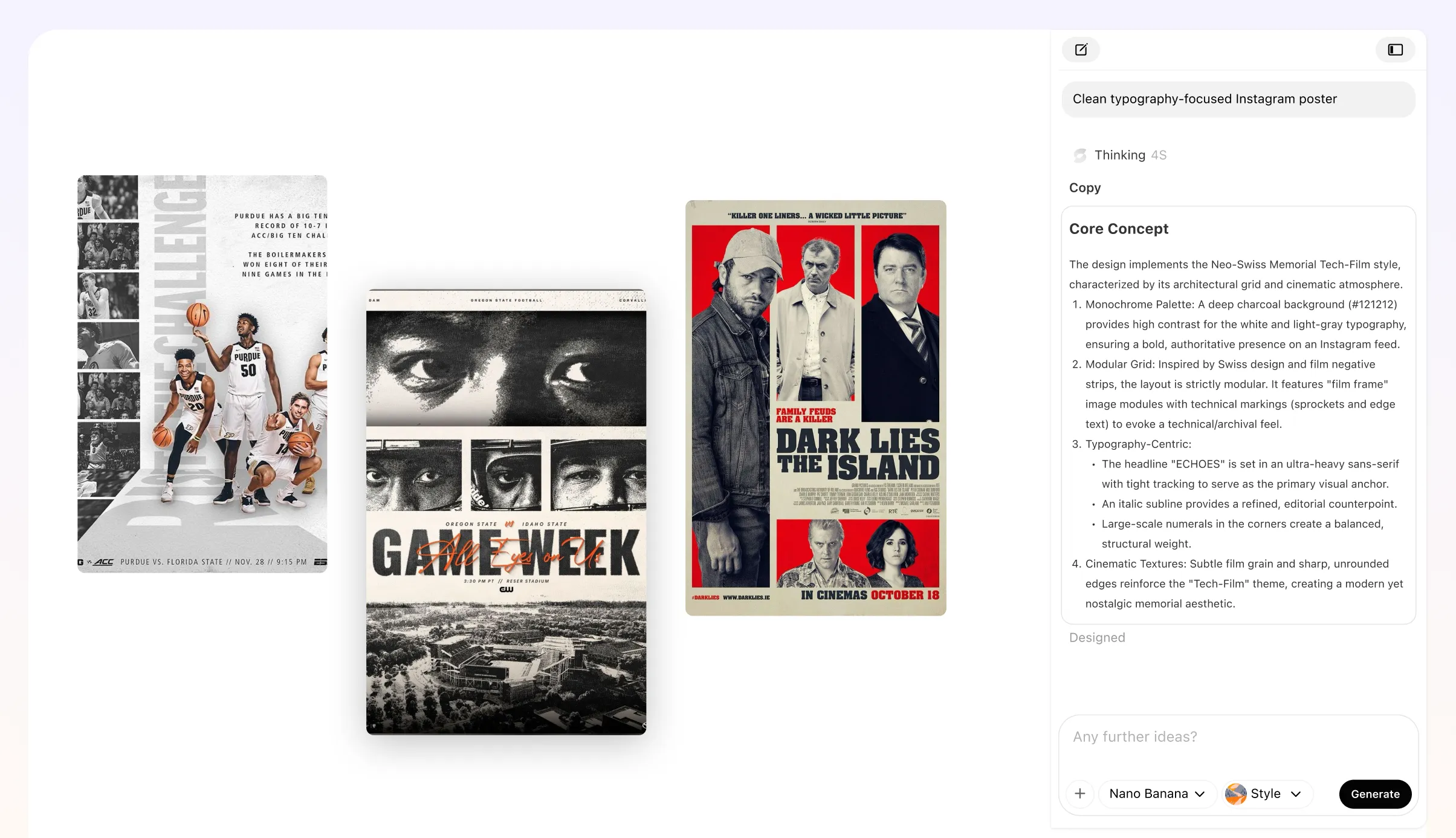
Test Headline Variants Side by Side Before Committing to One
Outcome-specific headlines are easier to compare when you can see each variant in context, not just listed in a spreadsheet. Placing two or three headline options into identical hero layouts shows you which phrasing carries the right visual weight and supports the subheadline below it. That kind of side-by-side review catches specificity and clarity problems that a copy-only checklist can miss.
Try It Free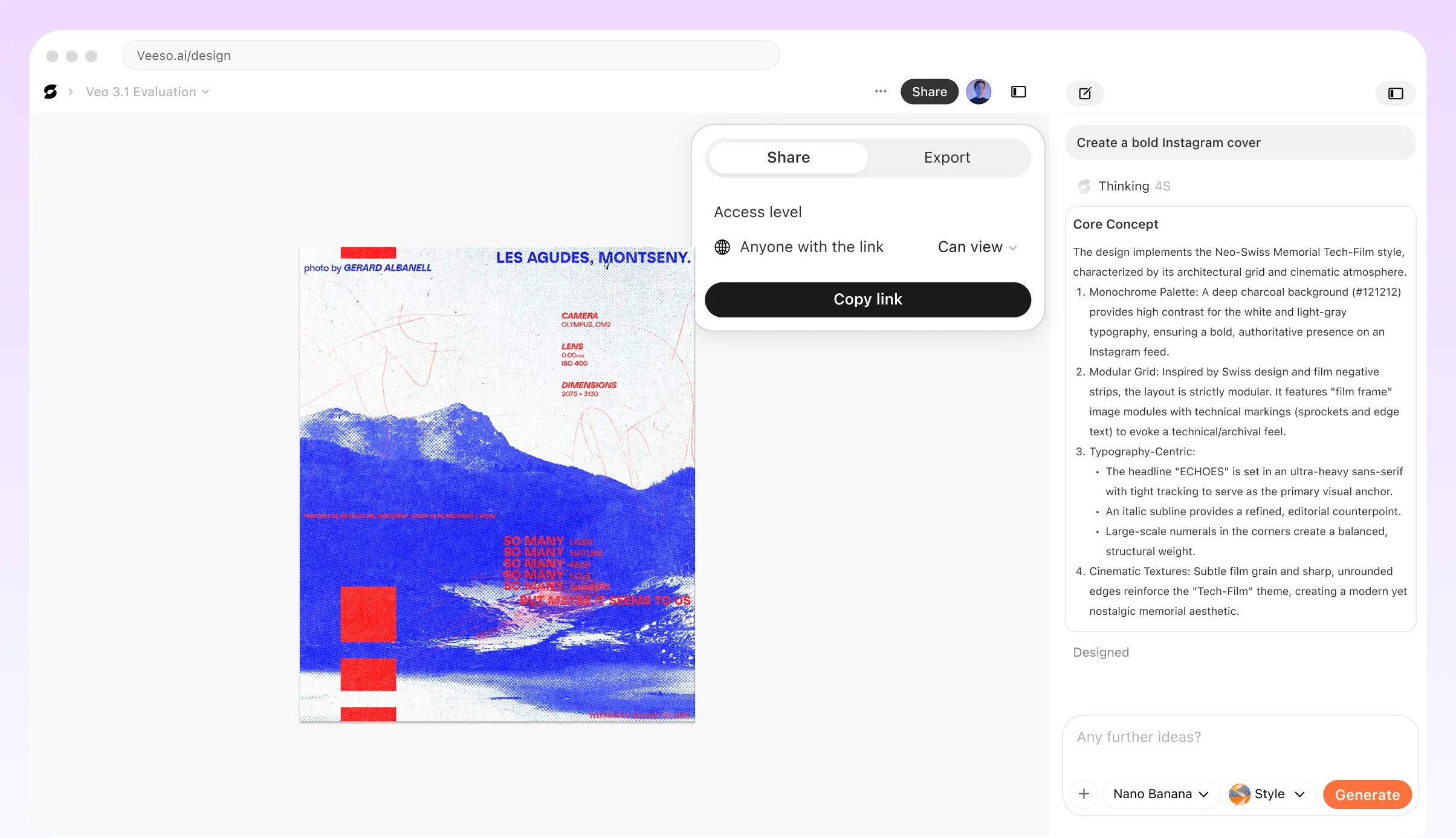
Who Uses a Landing Page Hero Copy Checklist and Hero Audit Framework?
SaaS Founder Auditing a Live Page With Flat Conversion Rates
You launched the page, traffic is coming in, but signups are not following. Before touching the design or running ads, run your hero copy through a structured audit. Check whether your headline names a specific outcome your target user actually wants, not a feature your product has. Then look at your subheadline to see if it adds context or just repeats the same idea. A landing page hero audit often reveals that the headline speaks to the wrong awareness level, making visitors feel the page is not for them before they read a single word.
Junior Copywriter Self-Reviewing Hero Copy Before Sending to a Client
Asking a senior reviewer to catch every weak line is not scalable. A clear hero copy review framework gives junior writers a way to self-check before requesting feedback. Work through each element in order: does the headline state a specific, believable outcome? Does the subheadline reduce the most obvious objection? Is the proof element concrete enough to lower skepticism, or is it vague social validation? Does the CTA copy describe a low-commitment next step? Running this check yourself means the feedback round focuses on refinement, not foundational problems.
Agency Team Standardizing Copy Quality Across Multiple Client Landing Pages
When a team ships landing pages for several clients at once, copy quality varies by writer and deadline pressure. A shared conversion copy checklist sets a minimum bar every page must clear before it goes live. The checklist should cover headline specificity, value proposition clarity, proof credibility, and CTA framing. Agencies can use Veeso AI to turn the finalized checklist into a clean, branded one-page reference that each writer keeps open while drafting, making the standard visible and consistent across the whole team.
E-Commerce Brand Testing a New Product Launch Page Before Paid Traffic
Sending paid traffic to an unreviewed hero section is an expensive way to discover copy problems. Before a product launch page goes live, check the above the fold messaging against a structured framework. Confirm the headline speaks to the buyer's desired outcome, not just the product name or category. Verify that the proof shown in the hero, whether a review count or a specific result, is concrete enough to be credible at a glance. A landing page copy audit at this stage costs nothing and can prevent a wasted ad budget.
B2B Marketing Manager Reviewing a Webinar Registration Page Hero
Webinar registration pages often fail at the hero because the headline describes the event format rather than the outcome the attendee will walk away with. A hero section messaging checklist helps you shift the focus. Replace topic titles with outcome-specific headlines that tell a busy professional exactly what changes after they attend. Then check whether the subheadline handles the most common objection, usually time or relevance. Finally, confirm the CTA copy frames registration as a low-friction action rather than a commitment that feels bigger than it is.
Freelance Designer Handing Off a Landing Page to a Copywriter for the First Time
Designers who work with copywriters for the first time often receive hero copy that looks fine in a document but breaks the layout or misses the conversion brief entirely. Sharing a landing page headline checklist with your copywriter before they start sets clear expectations. The checklist should define how many characters the headline can use, what the subheadline needs to accomplish, and what proof format fits the hero layout. Veeso AI can help you build a visual brief that shows the copy structure alongside the design zones, so the copywriter understands both the message and the space.
Why conversion rate optimizers, freelance copywriters, and in-house marketing managers Choose Veeso AI
How to Create High-Converting print-ready hero section mockups
Gather Your Live Hero Copy and Open the Checklist Side by Side
Pull your current headline, subheadline, proof copy, and CTA into one place before you start scoring. Having everything visible at once prevents you from skipping elements and keeps the landing page hero audit grounded in what's actually on the page.
Score Each Checklist Item on a 0 to 2 Scale
Go through every item in the hero section messaging checklist and assign a score: 0 for a clear failure, 1 for partial, 2 for a solid pass. Be specific about why each item passes or fails, not just whether it feels right.
Total Your Score and Identify the Weakest Cluster
Add up your scores across the four clusters: headline clarity, value proposition alignment, proof copy credibility, and CTA framing. The cluster with the lowest total is where your conversion copy checklist is telling you to focus first.
Fix One Item, Update Your Hero Mockup, and Re-Audit
Make one targeted change based on your lowest-scoring item, then update your hero section layout so the revision is visible in context. Run the above the fold copy checklist again on the updated version before moving to the next fix.
FAQ

Ready to Create Beautiful Conversion-Focused Landing Page Visuals with Veeso AI?
Start Creating NowNo credit card required • Free to start • No design skills required
Explore More AI Graphic Design Use Cases
Discover more creative design scenarios powered by Veeso AI.