Turn Interview Transcripts Into a Social Quote Series
Pick the strongest excerpts, keep the speaker's voice, and build a cohesive set of attributed quote cards. Paste your approved transcript and choose a style. Export print-ready visuals sized for Instagram, LinkedIn, or X.
Three Ways to Generate branded quote card series
Describe Your Interview Series and Let AI Draft the Quote Card Layout
If you know the tone and subject of your interview but haven't settled on a visual direction yet, describe it in plain language and let the AI build a starting layout around your content. Tell it the speaker's name, the topic, the platform you're designing for, and the mood you want the series to carry. Veeso AI reads your text and produces a structured quote card design you can edit from there.
- Generates a layout sized for your target platform based on your description
- Places speaker name and title in a clear attribution hierarchy automatically
- Applies a visual style that matches the tone you describe, formal, conversational, or editorial
- Produces a coordinated card set rather than a single isolated graphic
Start From a Quote Card Template Built for Interview Excerpts
Pick a pull quote template that fits your interview format, whether that's a single-subject deep dive, a multi-speaker mosaic, or a thematic thread, and swap in your approved transcript excerpts. The layout already handles type hierarchy, attribution placement, and visual spacing so you spend your time on the content decisions, not the design fundamentals. Adjust colors, fonts, and background to match your brand before exporting the full set.
- Templates organized by interview format: single voice, multi-speaker, and thematic series
- Editable attribution block for speaker name, role, and source label
- Pre-set type hierarchy that separates the quote body from the speaker credit visually
- Color and font controls to align cards with your existing brand style
Import Your Approved Transcript Excerpts and Turn Them Into Designed Cards
Once your edited quotes have cleared the approval process, paste them directly into the design tool or import the document they live in. Rather than rebuilding a layout for each excerpt one at a time, you bring the full set of approved text in together and let the tool structure it into a visual series. This approach works especially well when you're working with a long qualitative interview that produced a dozen or more usable soundbites.
- Paste multiple approved excerpts at once and generate a card for each
- Import from a Word or Markdown document to preserve speaker labels and formatting
- Automatically distributes quotes across cards without manual text box resizing
- Export the full series as high-resolution PNG or PDF files ready for scheduling
Why choose Veeso for your attributed social quote graphics
Keep Speaker Attribution Consistent Across Every Card
When you pull quotes from multiple interview subjects, each card needs to clearly credit the right person without the styling drifting post to post. Inconsistent name formatting, mismatched title copy, or varying font weights make a series feel sloppy and can even mislead readers about who said what. A design tool that treats your quote set as one coordinated project keeps attribution locked in from the first card to the last.
Try It Free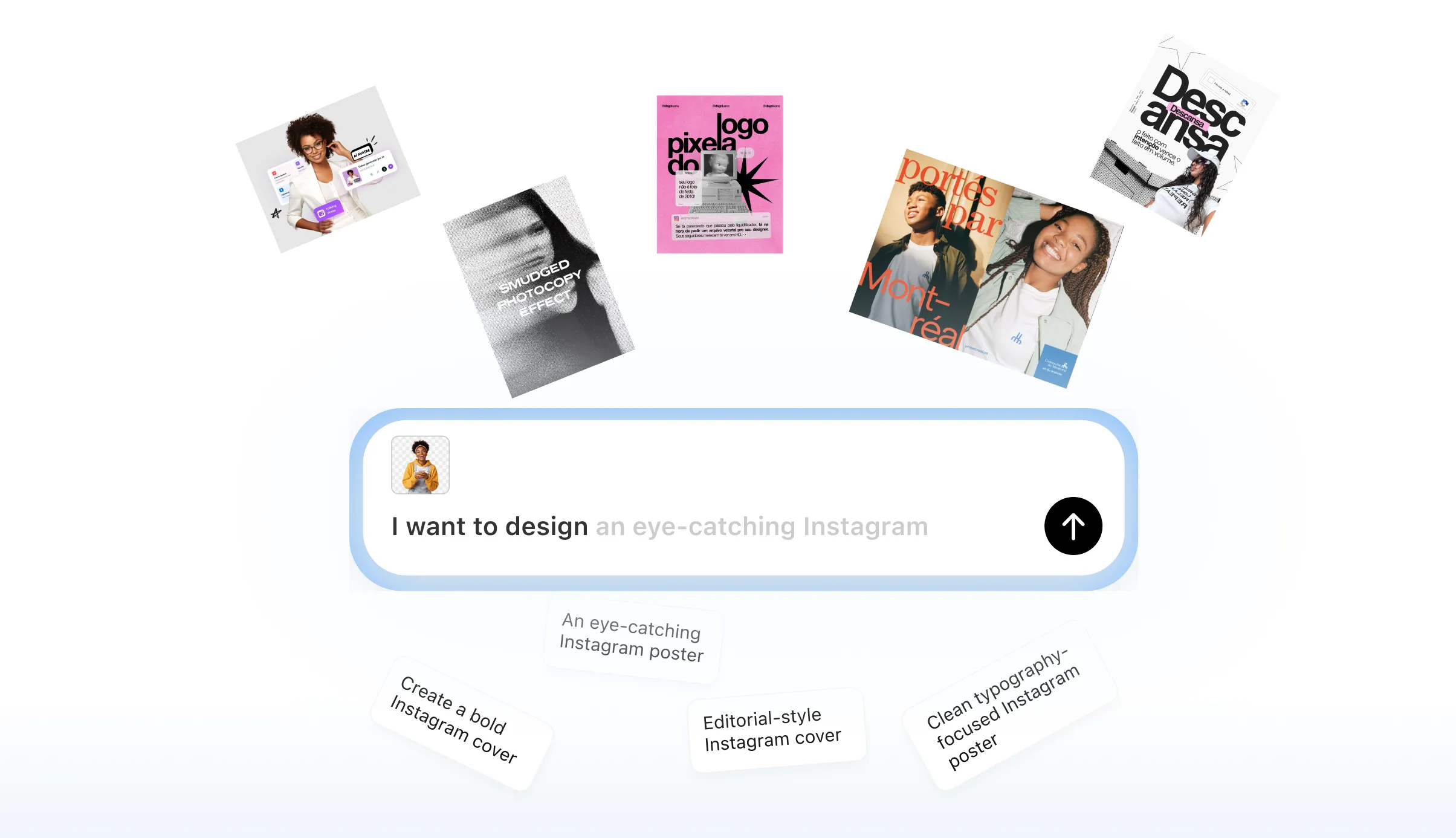
Preserve the Narrative Arc Across Your Post Sequence
A transcript holds a conversation that builds toward something. Random excerpt posts throw that arc away. When you design your quote cards as a sequenced series, each post earns its place in the story and gives your audience a reason to keep reading. Editable quote series templates let you order, reorder, and visually connect cards so the sequence feels intentional rather than accidental.
Try It Free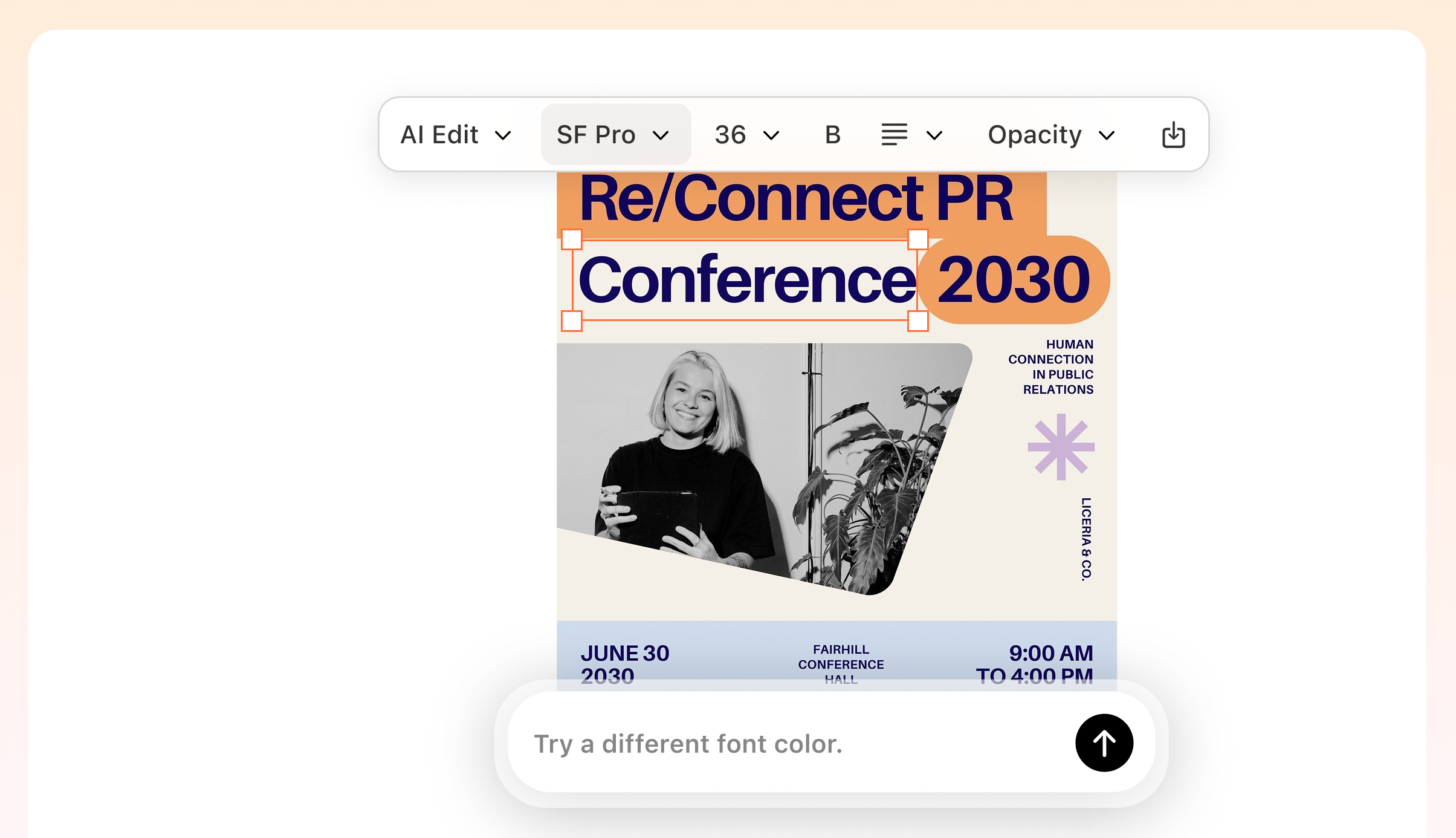
Move Approved Excerpts Into Shareable Posts Without Reformatting by Hand
After stakeholder review, you often have a clean list of approved transcript excerpts sitting in a doc with no design attached. Manually copying each quote into a separate graphic file, resizing text, and matching colors across cards eats hours you don't have. A content-first design tool lets you bring that approved text directly into a visual layout, so the gap between editorial sign-off and finished post shrinks significantly.
Try It Free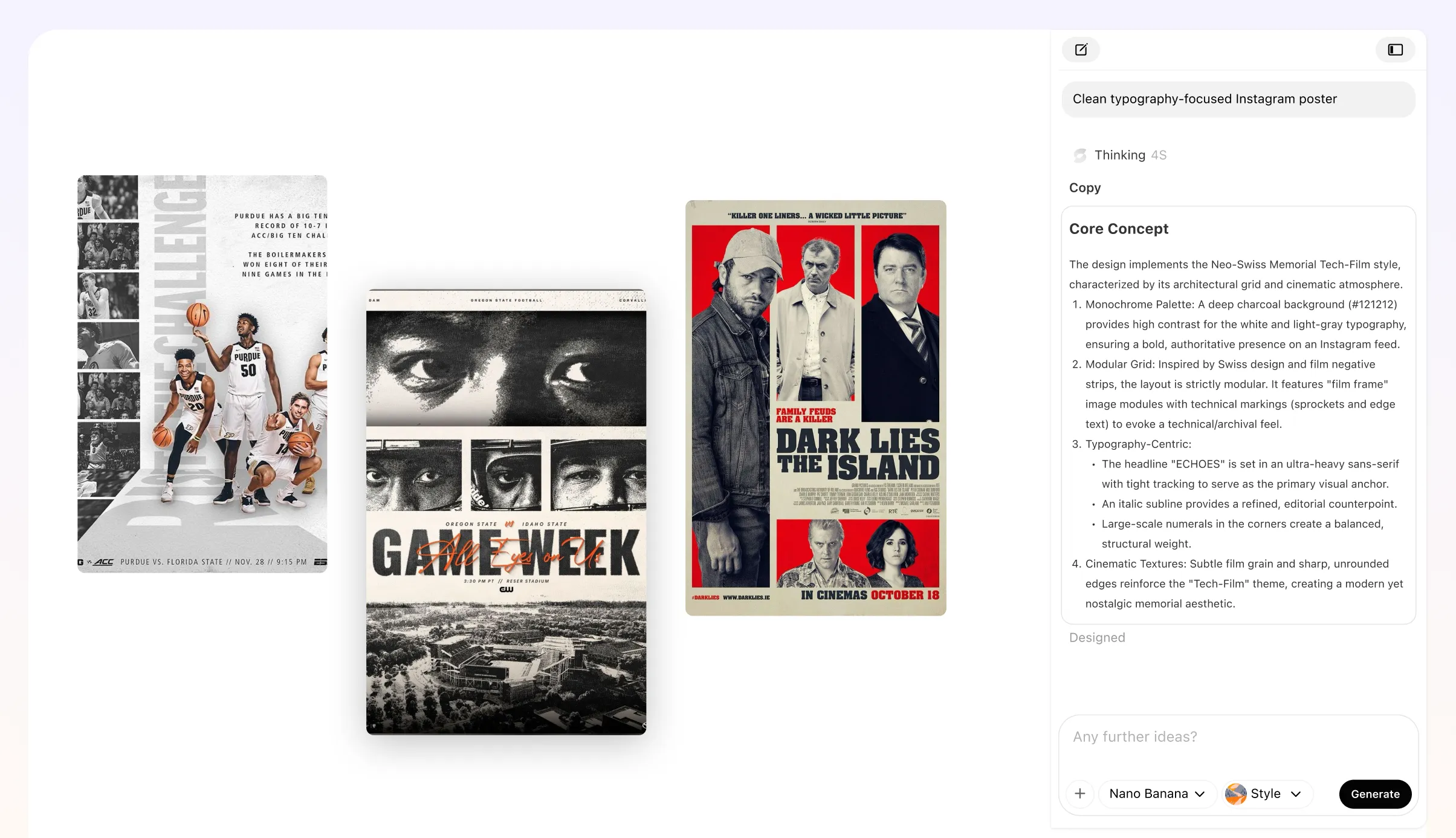
Match Each Quote Card to Its Platform Format Without Starting Over
An Instagram quote card, a LinkedIn pull quote, and a Twitter-sized soundbite all need different proportions and type sizes, but they should still look like they belong to the same interview series. Rebuilding the design from scratch for each platform breaks visual consistency and doubles your workload. Working from a single editable source lets you resize and adapt each card while keeping the shared visual language intact.
Try It Free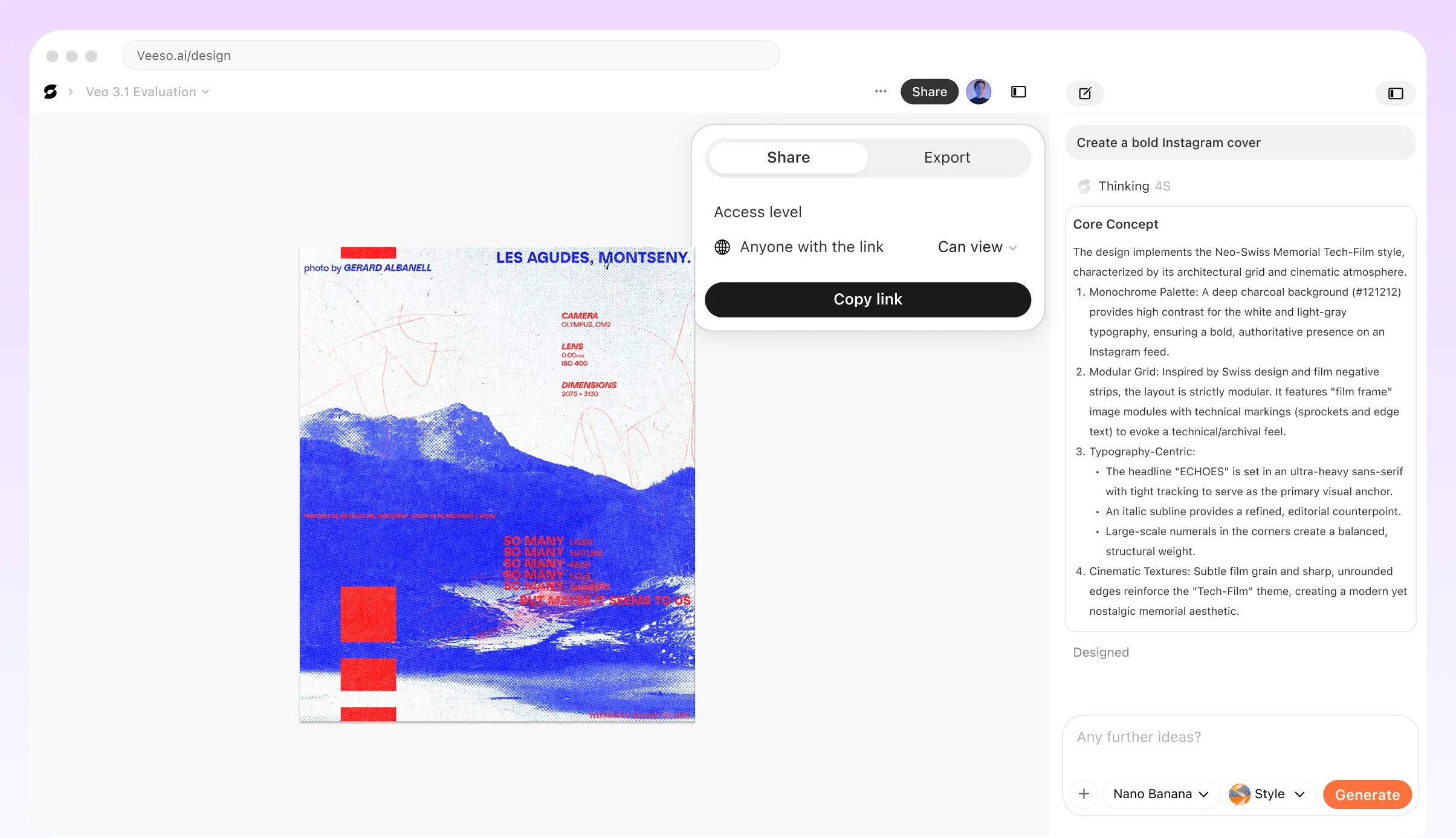
Who Turns Interview Transcripts Into a Social Quote Series?
Academic Researcher Sharing Qualitative Interview Findings on LinkedIn
You've completed a round of qualitative interviews and want to share key insights publicly before the full paper publishes. The challenge is pulling transcript excerpts that hold meaning without stripping away context. Start by identifying quotes that express a clear, standalone idea. Add the speaker's role and study context as attribution text beneath each quote. Format each excerpt as a separate LinkedIn post card so readers can follow the narrative arc across the series without needing to read the full transcript.
Nonprofit Communications Team Turning Beneficiary Interviews into Instagram Quote Cards
Your organization conducted recorded interviews with program participants, and the approved transcripts are sitting in a shared folder. Pulling the right soundbites means choosing lines that are emotionally honest and short enough to read at a glance. Each card needs the speaker's first name, their role in the program, and a consistent visual style that matches your brand. Run every excerpt through your editorial approval workflow before designing, since verbatim quotes from real people carry legal and ethical weight. A coordinated set of quote cards tells a fuller story than a single post ever could.
Podcast Producer Repurposing Episode Transcripts into a Multi-Post X Thread
A long-form episode transcript holds dozens of quotable moments, but most listeners never read a transcript. Turning interview soundbites into a visual post series on X lets you reach people who scroll past audio. Pick four to six excerpts that each make a distinct point, then sequence them so the thread builds toward a conclusion. Keep each quote under 200 characters if possible, and always include the guest's name and episode number so followers can find the source. Consistency in font and color across every card signals that these posts belong together.
Brand Content Team Creating an Attributed Quote Series from a Customer Interview
Your team interviewed a long-term customer and now needs to turn that conversation into a social storytelling sequence across Instagram and LinkedIn. The transcript is long, the customer's language is natural but uneven, and you need stakeholder sign-off before anything goes live. Edit each excerpt lightly for length and readability, then send the cleaned quotes back to the customer for approval. Once approved, Veeso AI lets you paste each excerpt into an editable quote card template, adjust the attribution line, and export platform-sized versions without rebuilding the layout from scratch for each channel.
Journalism Student Presenting Interview Data as a Visual Quote Series for a Class Project
You conducted a series of interviews for a reporting project and your instructor wants you to present the findings visually, not just in prose. Selecting the right transcript excerpts means choosing lines that carry the speaker's voice while supporting your editorial argument. Each quote card should include the speaker's name, title, and the date of the interview so the attribution is clear to any reader. Arrange the cards in a sequence that mirrors the narrative structure of your written piece. This approach also gives you a shareable set of assets if the project is published to a class blog or portfolio.
HR Team Sharing Employee Interview Highlights Across Internal and External Channels
After conducting interviews with staff for a culture or employer brand campaign, you have approved transcripts but no clear visual format. The quotes need to feel personal without exposing anything the employee didn't explicitly agree to share. Pull only excerpts that were flagged as approved during the editorial review, and pair each one with the speaker's name, team, and tenure if they consented to that level of detail. Veeso AI can help you build a consistent set of branded quote graphics from those approved excerpts, with each card sized correctly for LinkedIn, your careers page assets, or internal newsletters.
Why content marketers, journalists, and nonprofit communications managers Choose Veeso AI
How to Create High-Converting multi-post interview quote series
Read the Full Transcript Before You Pull a Single Quote
Scan the entire conversation first to understand its shape and where the strongest moments land. Quotes that seem powerful in isolation sometimes contradict the speaker's main point, so reading for narrative arc before selecting anything protects both accuracy and the interviewee's intent.
Flag Self-Contained Soundbites and Edit Them for Length
Mark the excerpts that carry clear meaning without surrounding context, these are your candidates for transcript quote pulls. Trim verbatim language for readability while keeping the speaker's original words and meaning intact, then route every edited excerpt through stakeholder or subject approval before any design work begins.
Assign Each Approved Quote Its Platform Format and Attribution Copy
Decide which platform each approved soundbite is going to and write the full attribution line, speaker name, title, and any source label, before you open a design tool. Having this information finalized means you won't be guessing at copy mid-design or sending cards back for corrections after the visual work is done.
Build the Full Card Set as a Coordinated Interview Quote Series
Design all the cards together rather than one at a time so the shared visual language, type hierarchy, color, and attribution styling stays consistent across the series. Tools like Veeso AI let you work from your approved text and produce an editable, production-ready set of quote graphics you can export at the resolution each platform needs.
FAQ

Ready to Create Beautiful Attributed Social Quote Graphics with Veeso AI?
Start Creating NowNo credit card required • Free to start • No design skills required
Explore More AI Graphic Design Use Cases
Discover more creative design scenarios powered by Veeso AI.