Build Your Hotel Off-Season Marketing Campaign Fast
Turn slow periods into booked nights with a campaign built around your property, your guests, and your best seasonal offers. Describe your hotel and target traveler, and get a structured off-season promotion plan ready to use. Take the output and design polished campaign visuals with a tool like Vee
Three Ways to Generate hotel seasonal campaign visual sets
Describe Your Off-Season Campaign Idea and Get a Visual Set
Tell the AI the basics: your property type, the travel window you're trying to fill, the audience you're targeting, and the offer you're building around. It uses those inputs to generate a structured campaign layout that fits your specific scenario, not a generic hotel template. You get a starting point that already reflects your shoulder season story, ready to refine.
- Input your occupancy gap window, target segment, and offer hook to shape the output
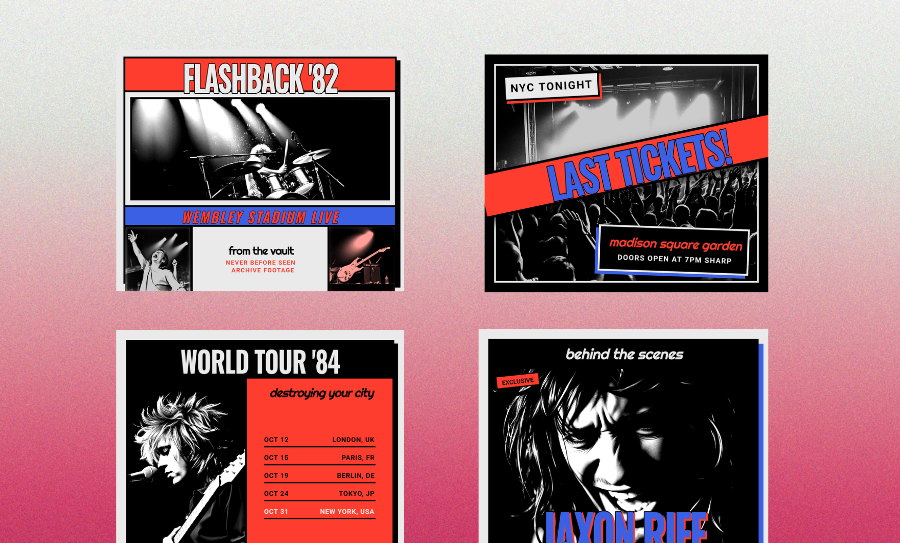
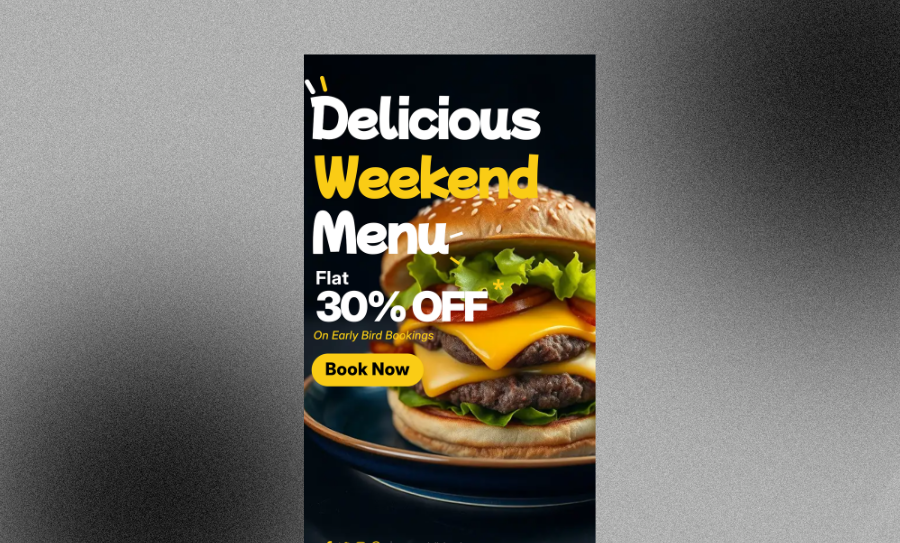
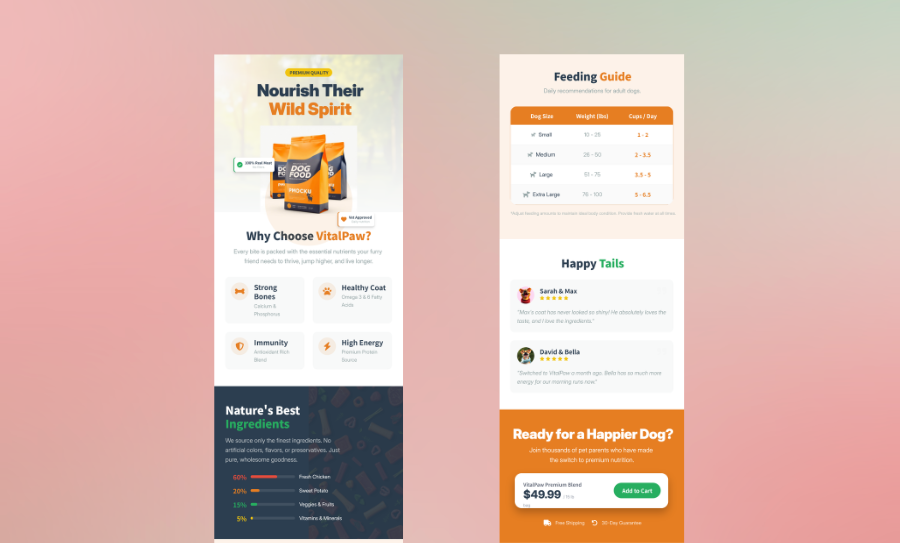
- Get a coordinated set of assets — social card, email header, and promotional flyer — from one brief
- Campaign hierarchy is pre-structured: headline, supporting copy, offer details, and CTA in logical order
- Works for boutique hotels, urban properties, coastal resorts, and extended-stay formats
Start From a Shoulder Season Campaign Template
Pick a layout built for hospitality promotions — workation packages, staycation offers, loyalty-first low-season access, or climate-repositioning campaigns. Each template is structured around the visual hierarchy a hotel campaign actually needs, with space for the offer mechanic, package details, and booking prompt. Swap in your property photos, rates, and dates to make it yours.
- Templates organized by campaign format: staycation, workation, experience bundle, loyalty offer
- Pre-set visual hierarchy guides the reader from seasonal hook to booking CTA
- Every text block, image placeholder, and color is fully editable after you select the template
- Export as high-resolution PDF or PNG for print collateral, digital ads, or email use
Import Your Campaign Brief and Turn It Into Designed Assets
Already drafted your offer details, package inclusions, and messaging in a Word doc or Markdown file? Import it directly and the tool structures that content into a polished visual layout without you having to rebuild it from scratch. This works especially well when your revenue manager has written the brief and your marketing team needs to move it into production-ready design fast.
- Import from Word, PDF, or Markdown — your existing copy becomes the design content
- Offer details, package tiers, and seasonal messaging are mapped to the right visual zones automatically
- Edit any layer after import: reorder sections, adjust type size, or replace placeholder images
- Produce multiple asset sizes from the same imported brief for different campaign channels
Why choose Veeso for your off-season hotel promotion design layouts
Match Your Offer to the Right Traveler Segment
Off-season campaigns fail when they speak to everyone and convert no one. A remote worker looking for a month-long workation package needs completely different messaging than a local couple planning a weekend staycation. Using a campaign generator built around hospitality lets you define your audience first, then shape the headline, offer, and visuals around that specific traveler's reason to book.
Try It Free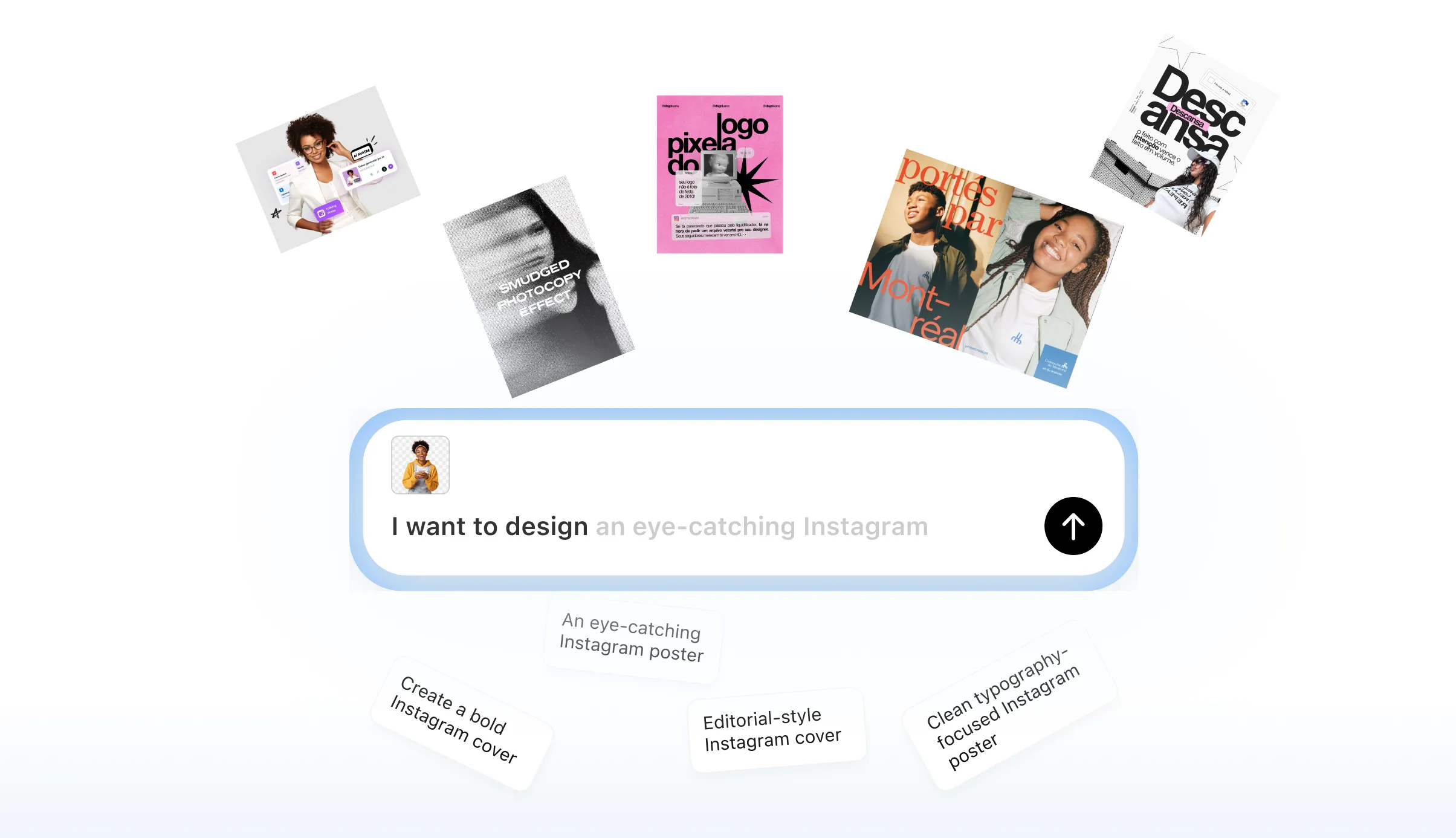
Turn a Seasonal Hook Into a Bookable Package Campaign
A shoulder season window is only valuable if guests can see a clear reason to travel during it. Pairing your low-season dates with a local culinary event, a quieter beach experience, or a winter wellness angle gives the campaign a real story. Designing that story as a coordinated set of visual assets — flyer, social card, email header — keeps the message consistent across every channel you use.
Try It Free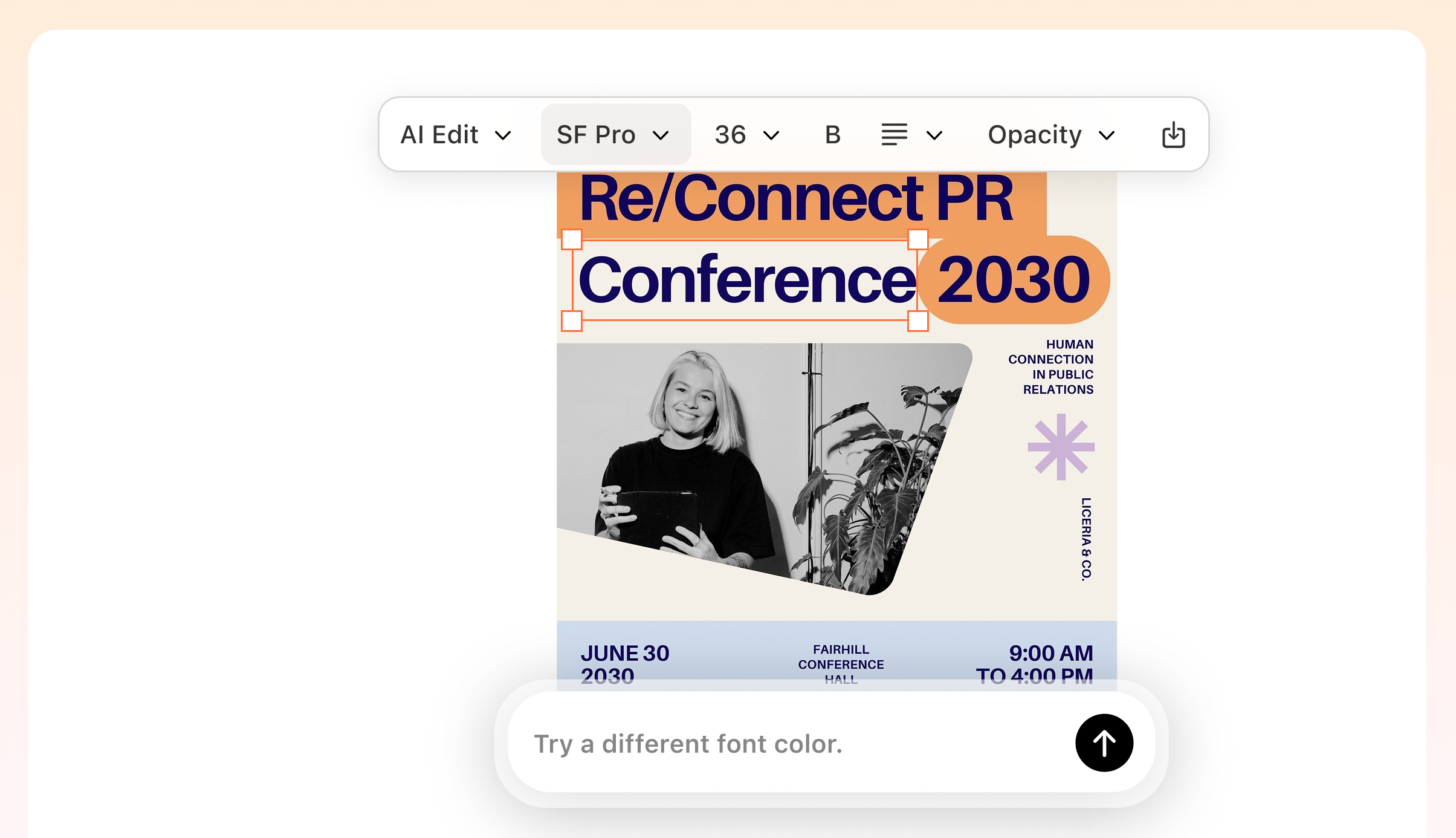
Move Fast When Your Occupancy Gap Appears
Revenue managers often spot a soft booking window two to six weeks out, leaving little time to brief a designer and wait for revisions. An AI-powered design approach lets your marketing team go from a written offer brief to polished, print-ready campaign visuals in the same session. That speed matters most during the slow season, when every unbooked night has a direct cost.
Try It Free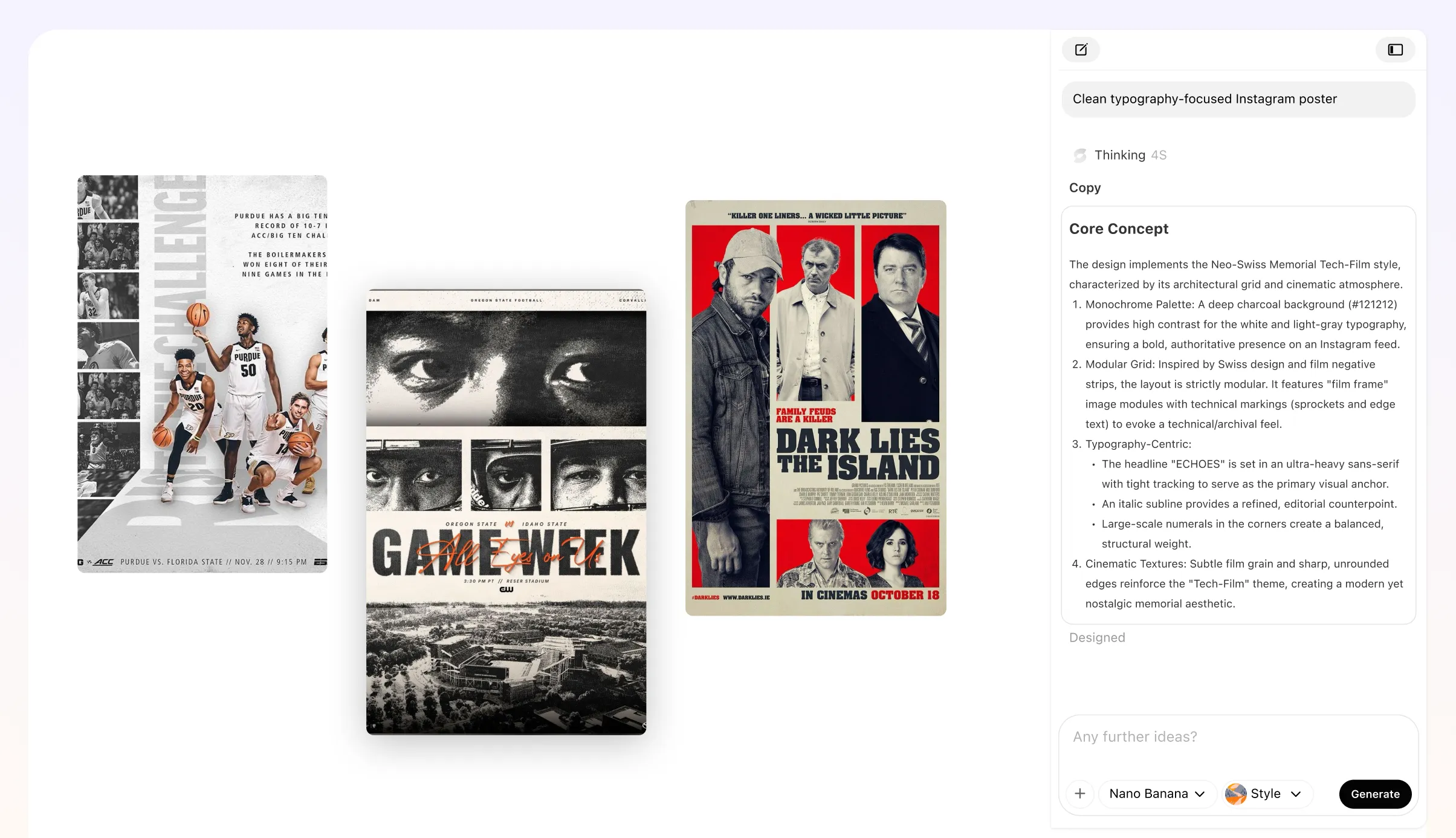
Keep Campaign Visuals Editable as the Offer Changes
Off-season promotions rarely stay fixed. A package rate gets adjusted, a local event date shifts, or a new amenity gets added to the bundle. If your campaign assets are locked images, every change means starting over. Working from fully editable layouts means you can update a date, swap a photo, or revise a CTA without rebuilding the entire design from scratch.
Try It Free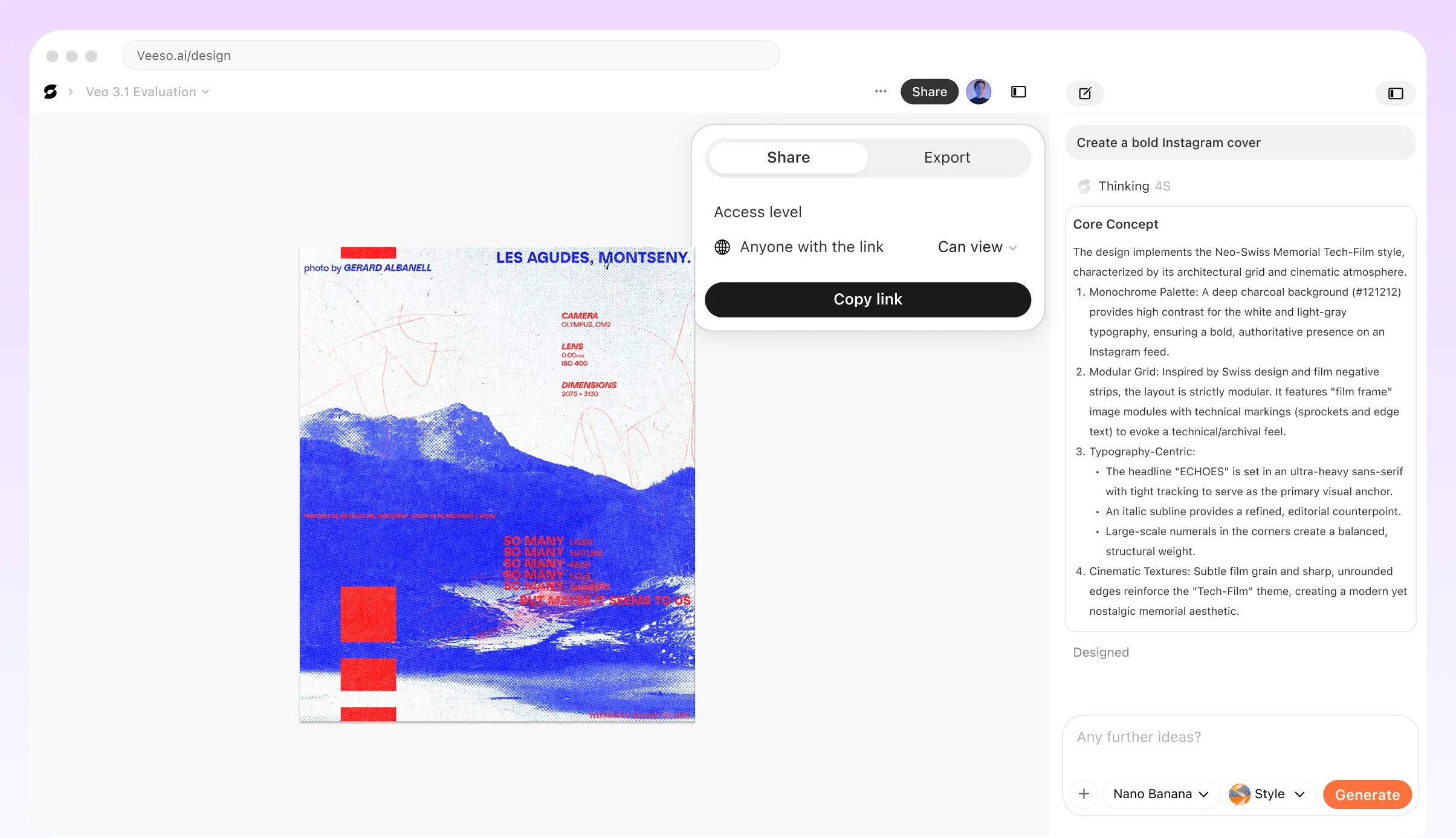
Who Uses a Hotel Off-Season Marketing Campaign Generator?
Mountain Resort Filling Weekday Gaps in January and February
A ski lodge with strong weekend bookings but near-empty midweek slots needs a different angle than a simple discount. A hotel off season marketing campaign generator helps the property identify which guest segments, remote workers, couples on anniversary trips, or local staycation seekers, respond to midweek value packages. It structures offer messaging around the quieter, more personal experience rather than apologizing for low crowds. The output gives the marketing team a ready brief covering package names, channel priorities, and the core promise to carry across email and OTA listings.
Coastal Boutique Hotel Building Shoulder Season Demand Before Summer
A beachfront property in a sun-driven destination often sees bookings collapse between Labor Day and Memorial Day. Rather than waiting for peak season to return, a shoulder season marketing strategy generator helps the team map experiential travel packages around spring birdwatching, off-peak surf conditions, or local food festivals. The generator surfaces seasonal hooks the hotel already has but hasn't packaged clearly. It produces a campaign structure the team can hand directly to a copywriter or use to brief a social media manager, without starting from a blank document.
City Business Hotel Pivoting to Leisure Travelers During Conference Dry Spells
Urban hotels built around corporate travel face predictable slow seasons when conference calendars go quiet, typically late July, late December, and long holiday weekends. An off season hotel promotion idea generator helps the revenue and marketing teams reframe the property for leisure guests without confusing the core brand. It suggests package structures, such as weekend cultural itineraries or local dining partnerships, that make sense for the building and location. The campaign output covers positioning language and channel sequencing so the team can move quickly when a slow period is three to four weeks out.
Independent Inn Creating a Loyalty-Driven Winter Return Campaign
A small independent property doesn't have a national loyalty program budget, but it does have a guest email list and a genuine local story to tell. A hotel low season marketing plan generator helps the innkeeper turn that list into a structured re-engagement campaign. It identifies which past guests are most likely to book a winter return, frames a compelling reason to come back now rather than in peak season, and outlines the email sequence and social content needed to support it. The result is a campaign the owner can execute without hiring an outside agency.
Resort Marketing Team Designing Coordinated Off-Season Visual Assets
Once a campaign brief is approved, the design workload starts. A resort marketing team producing off-season promotion materials across email headers, social posts, and printed in-room collateral needs visuals that feel cohesive without requiring a full agency retainer. Veeso AI lets the team paste the approved campaign copy and package details directly into a design workspace, generating editable layouts for each format. Every text box, image placement, and color block stays fully adjustable, so the team can adapt the same campaign set for a spa weekend package and a local event tie-in without rebuilding from scratch.
Hotel Group Aligning Multiple Properties on a Single Off-Peak Campaign Theme
A hospitality group running four or five properties across different regions faces a coordination problem during slow season planning. Each property has different demand gaps, local hooks, and target traveler segments, but the group brand needs to stay consistent. A seasonal hotel advertising campaign builder helps the central marketing team create a shared campaign framework, then adapt the messaging for each property's specific off-peak window and audience. Veeso AI can support the visual side by producing editable asset sets for each property from the same design template, keeping the group look consistent while allowing local copy and imagery to differ.
Why hotel marketing managers and independent property owners Choose Veeso AI
How to Create High-Converting hotel package campaign visual assets
Define Your Occupancy Gap and Revenue Target
Start by identifying the specific dates your property needs to fill and the average daily rate or revenue goal attached to that window. This gives every downstream decision — audience, offer, messaging — a concrete target to work toward instead of a vague seasonal push.
Choose the Traveler Segment Most Likely to Book Off-Peak
Narrow your focus to one primary audience for this campaign: local staycationers within a 50-mile radius, drive-market weekenders, remote workers open to extended stays, or loyalty members who respond to exclusive off-peak perks. A single segment focus keeps your hotel package campaign visuals and messaging tight and relevant.
Build Your Offer Around a Seasonal Hook or Local Event
Attach your package to something specific — a regional food festival, a quieter travel window that suits a particular traveler type, or a seasonal experience your property is uniquely positioned to offer. A concrete hook gives your campaign headline something real to say and gives the traveler a reason to book now rather than later.
Produce and Finalize Your Campaign Visual Assets
With your offer brief written, generate or customize the visual assets your campaign needs: social cards, email headers, printed package flyers, and lobby display materials. Tools like Veeso AI let you produce a coordinated, fully editable set of hotel campaign visuals from a single brief, so every channel carries the same seasonal message at the same quality. Export in high-resolution PNG or PDF when you're ready to hand off to your channels.
FAQ
Ready to Create Beautiful Off-Season Hotel Promotion Design Layouts with Veeso AI?
Start Creating NowNo credit card required • Free to start • No design skills required
Explore More AI Graphic Design Use Cases
Discover more creative design scenarios powered by Veeso AI.