Build a Campaign That Fills Hard-to-Fill Roles
Turn a role brief into a full sourcing campaign with messaging that speaks to niche talent. Describe the position and get a structured campaign narrative, channel copy, and candidate-facing assets. Stop starting from scratch on every tough requisition.

Three Ways to Generate role-specific sourcing campaign visuals
Describe the Role and Generate a Sourcing Story From a Prompt
If you're starting from nothing but a job title and a few notes about why the role is hard to fill, describe the situation in plain language and let an AI recruitment sourcing story builder structure the campaign for you. You get a sourcing narrative, a work impact statement, and a set of visual assets ready to customize, without staring at a blank page. This approach works especially well when you're opening a brand-new requisition and need a campaign brief drafted fast.
- Input role title, difficulty signals, and key candidate expectations in a free-text prompt
- AI drafts a structured sourcing story with a role-specific work impact statement
- Generates coordinated visual assets sized for LinkedIn, outreach cards, and hiring briefs
- Every text box, image, and layout element stays fully editable after generation
Start From a Role-Difficulty-Tier Template and Customize
Some hard-to-fill roles follow recognizable patterns: a scarce niche technical hire looks very different from a hard-to-find senior leadership position, and your campaign messaging should reflect that. Picking a starting template built around your role difficulty tier gives you a proven visual structure and messaging framework you can adapt to the specific req. Swap in your own sourcing story, candidate persona details, and employer value proposition, and the layout adjusts around your content.
- Choose from templates organized by role difficulty type: niche technical, scarce leadership, high-volume frontline, or specialist contractor
- Pre-built sections for sourcing story, candidate expectations framework, and EVP highlights
- Editable color, typography, and imagery to match your employer brand
- Export print-ready PDF for hiring manager briefs or high-resolution PNG for digital channels
Import Your Existing Job Requisition and Turn It Into a Campaign Visual Set
If you already have a job requisition document, a hiring brief, or a sourcing strategy written in Word, PDF, or Markdown, you don't need to retype anything. Import the document and the tool structures your existing content into a multi-channel sourcing campaign visual set automatically. This method is ideal when you're working a backlog of open reqs and need to move from raw requisition to designed campaign assets without rebuilding each one by hand.
- Import PDF, Word, or Markdown job requisition documents directly
- Auto-structures requisition content into sourcing story, work impact statement, and campaign brief sections
- Produces a coordinated visual set for social outreach, hiring manager review, and candidate-facing materials
- All imported content remains fully editable so you can refine messaging before export
Why choose Veeso for your recruitment campaign brief design sets
Turn a Scarce Talent Market Into a Focused Sourcing Story
When a role is hard to fill, a generic job post doesn't cut it. Passive candidates in niche markets need to see exactly why this role matters, what the work looks like day to day, and what sets it apart from the dozen other offers in their inbox. A campaign brief design set forces you to build that role-specific EVP before you spend a single dollar on distribution, so every touchpoint carries the same clear message.
Try It Free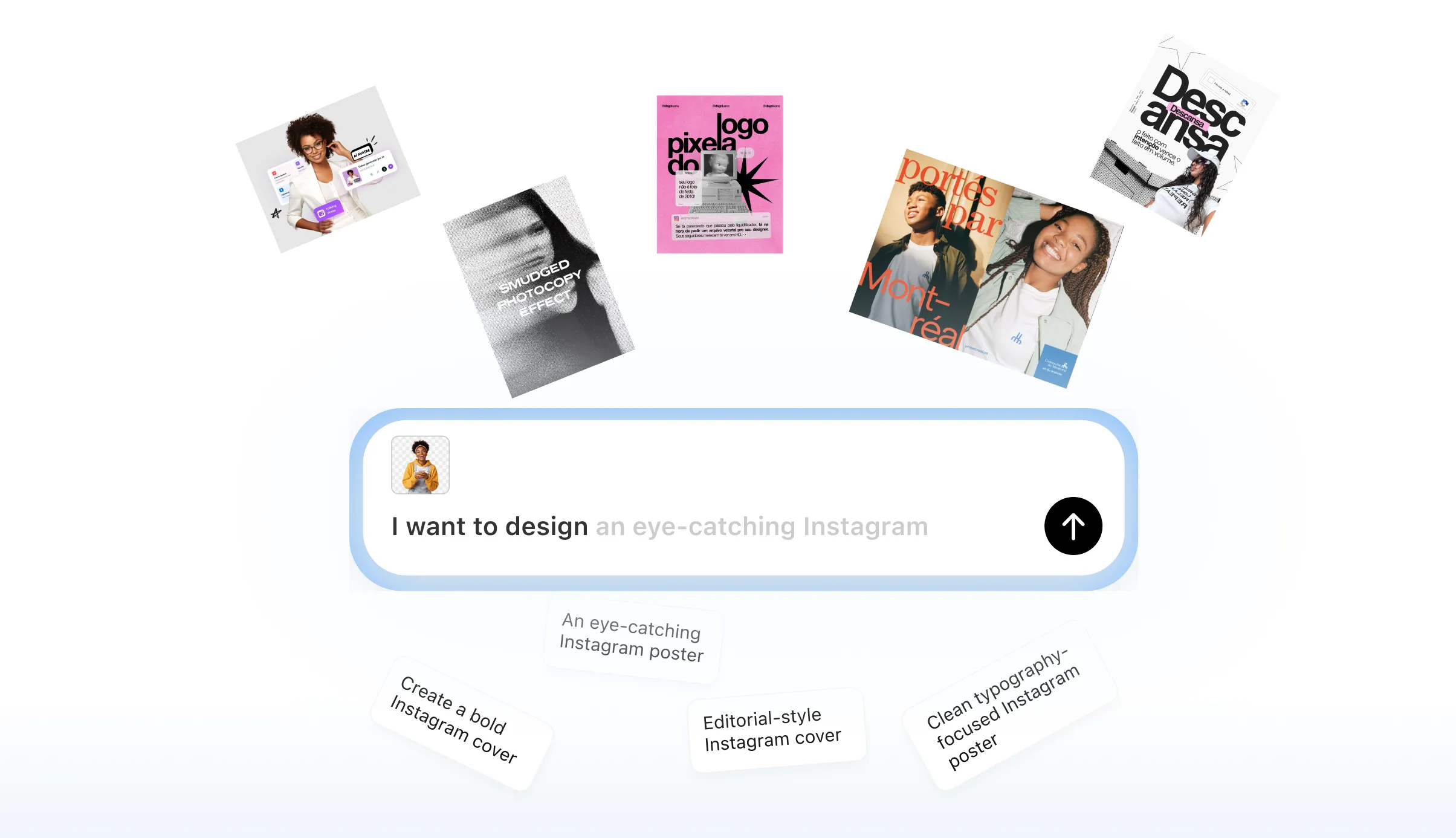
Stop Rebuilding Campaign Assets From Scratch for Every Req
Most recruiters spend hours reformatting the same sourcing content across LinkedIn posts, outreach cards, hiring manager briefs, and job fair materials for each difficult requisition. A recruitment campaign generator for niche roles lets you produce a coordinated visual asset set from one role input, so the message stays consistent whether a candidate sees it on social, in an email, or on a printed flyer at a conference.
Try It Free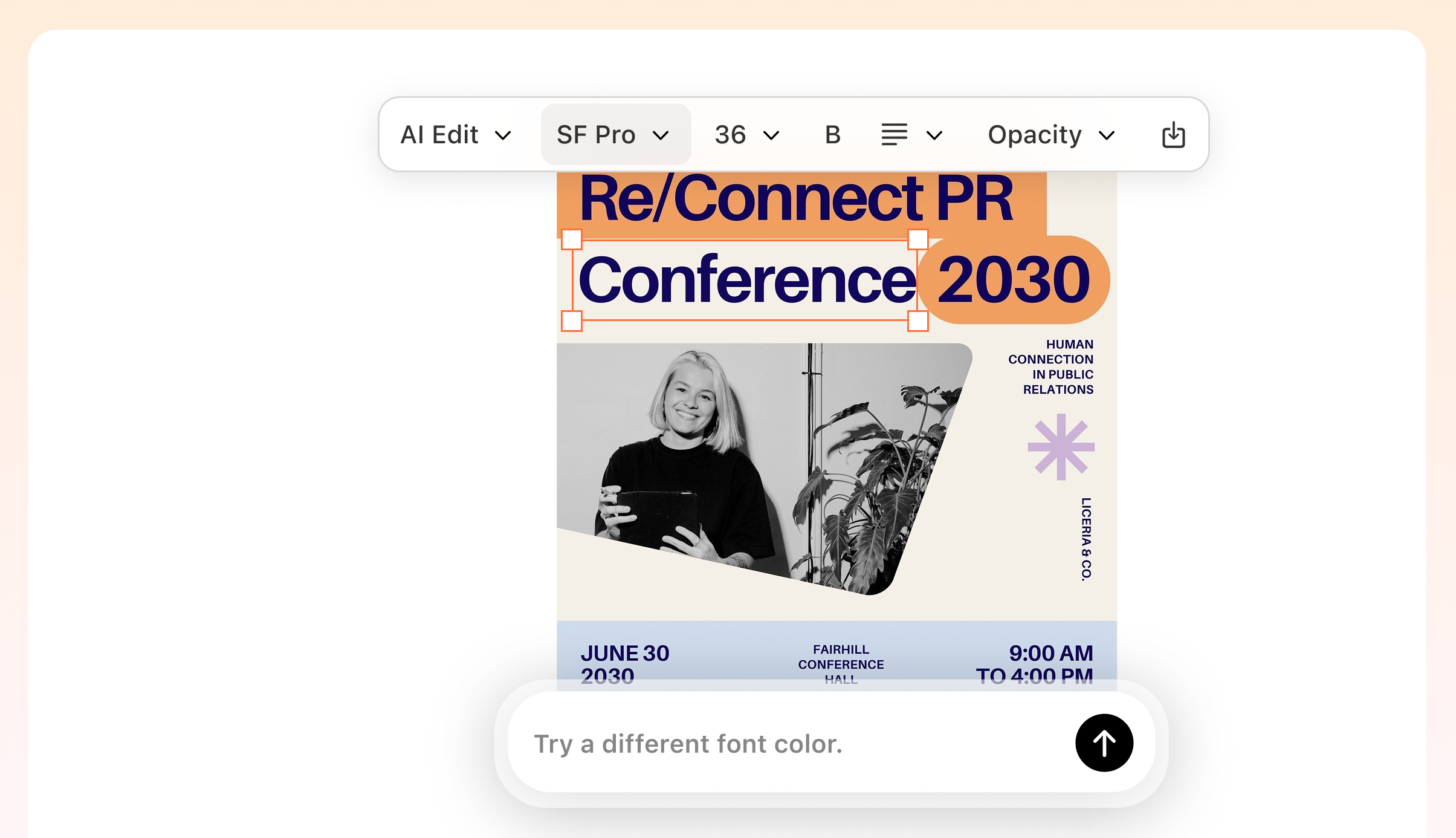
Give Hiring Managers a Brief They Can Actually Read and Act On
Hard-to-fill positions usually require tight alignment between the recruiter and the hiring manager on what the role really offers. A structured, visually clear campaign brief makes the work impact statement, candidate expectations framework, and sourcing rationale easy to review and approve in one sitting. That alignment saves rounds of back-and-forth and gets the campaign live faster.
Try It Free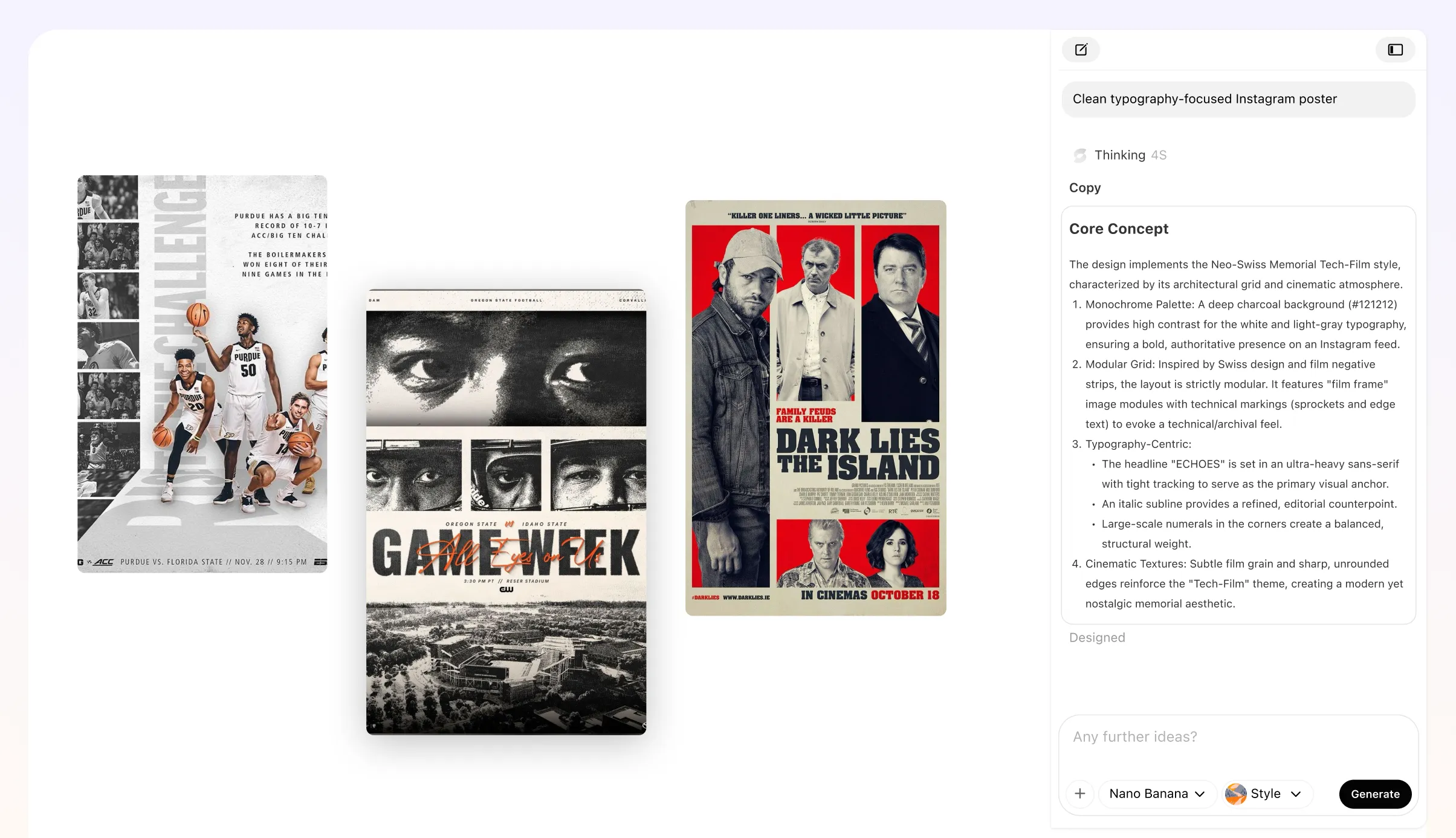
Match the Channel Format to the Candidate Audience You're Chasing
A scarce technical specialist and a hard-to-find senior leader don't respond to the same format or message. Niche talent markets require assets sized and framed for the specific channels where those candidates actually spend time, whether that's a professional community forum, a printed conference handout, or a direct outreach card. Designing assets around the candidate persona from the start means less waste and more relevant first impressions.
Try It Free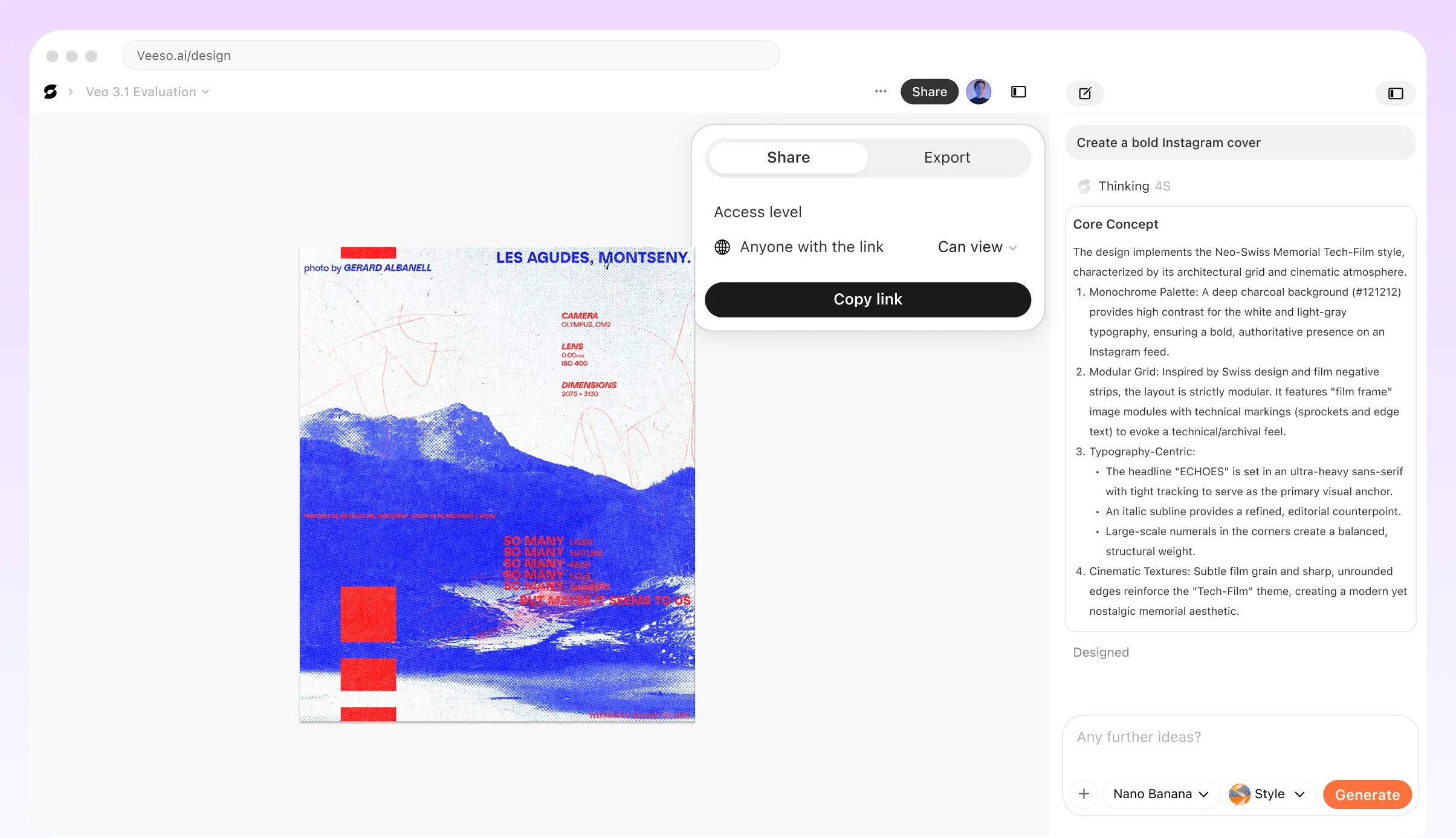
Who Uses a Recruitment Campaign Generator for Hard-to-Fill Roles?
Solo Recruiter Managing Multiple Hard-to-Fill Reqs at Once
When you're the only recruiter on the team and three niche roles land on your desk the same week, starting each campaign from scratch isn't realistic. A recruitment campaign generator for niche roles lets you input the role details once and get a structured sourcing narrative, a candidate expectations framework, and channel-ready messaging in a single pass. You stop rewriting the same brief four different ways and spend your time actually talking to candidates. Each output stays role-specific, so a DevSecOps engineer brief reads nothing like a clinical trials manager brief.
Hiring Manager Alignment Brief for a Scarce Talent Market
One of the biggest reasons hard-to-fill positions stay open too long is a gap between what the hiring manager expects and what the talent market can actually deliver. Before sourcing starts, use an AI recruiting platform for difficult roles to build a structured campaign brief that maps realistic candidate profiles against the role requirements. Present that brief in your intake meeting to anchor the conversation in data, not opinion. When the hiring manager sees a clear role-specific EVP alongside honest market context, scope negotiations happen earlier and sourcing starts with shared expectations.
Passive Candidate Outreach Sequence for a Niche Technical Role
Generic InMail messages get ignored in tight talent pools where every recruiter is chasing the same fifty people. A sourcing narrative generator for recruiters helps you build a multi-touch outreach sequence grounded in real work impact statements rather than job description bullet points. Each message in the sequence speaks to what the candidate would actually own, what problems they'd solve, and what the team looks like day to day. That specificity is what gets a reply from someone who wasn't actively looking and has three other messages sitting unread in their inbox.
Recruitment Marketing Team Building Visual Campaign Assets for a Hard-to-Fill Role
Once your sourcing story and role-specific EVP are written, the next step is turning that content into campaign visuals for LinkedIn, job boards, and internal referral posts. Veeso AI takes your finalized campaign copy and builds editable visual pages, so your social cards, role spotlight posts, and hiring funnel content all carry a consistent look without a designer in the loop. Every asset stays fully editable, meaning you can swap in a different role title or update the work impact statement without rebuilding from scratch. The design step no longer holds up the launch.
Talent Acquisition Lead Reducing Early Attrition on Specialist Hires
High drop-off in the first ninety days often traces back to a mismatch between what candidates were told during hiring and what the role actually demands. A candidate expectations campaign builder lets you build messaging that describes the real day-to-day before the offer stage, not after. You can document the pace, the ambiguity, the collaboration style, and the technical depth required, then weave that into every candidate-facing touchpoint. When candidates self-select out early in the funnel because the role isn't right for them, you save the cost of a bad hire downstream.
Agency Recruiter Pitching a Sourcing Strategy to a New Client
When a client brings you a hard-to-fill position they've already struggled with internally, they want to see a plan before they commit budget. A data-driven recruiting campaign tool helps you produce a recruiter campaign brief that outlines the sourcing channels, the talent pipeline messaging approach, and the candidate persona in a format the client can actually read and respond to. Veeso AI can then turn that brief into a clean, print-ready document you hand over in the first meeting. The pitch looks considered and specific to their role, not like a recycled deck from the last client.
Why in-house recruiters, talent acquisition leads, and HR managers Choose Veeso AI
How to Create High-Converting visual hiring campaign asset set
Define the Role Difficulty and Candidate Persona Before You Design Anything
Start by identifying what makes this position hard to fill: is it a scarce skill set, a niche talent market, a location constraint, or a leadership gap? Naming the specific difficulty shapes every sourcing message that follows and keeps the campaign brief focused on the right candidate audience.
Build Your Sourcing Story and Work Impact Statement
Write or generate a short sourcing narrative that explains what the role actually does, why it matters to the organization, and what a qualified candidate gains by taking it. This work impact statement becomes the core of every visual asset in your hiring campaign, so it's worth getting right before you move to design.
Generate Your Visual Hiring Campaign Asset Set From a Single Input
Paste your role description, sourcing story, and candidate expectations into a recruitment campaign generator for niche roles, or import your existing requisition document, and produce a coordinated set of visual assets for each channel in one step. Tools like Veeso AI let you generate editable layouts for LinkedIn posts, outreach cards, and hiring manager briefs from that single input, so the message stays consistent across every touchpoint.
Edit, Finalize, and Export Print-Ready or Digital-Ready Files
Review each asset, adjust the messaging for channel tone, and confirm the employer value proposition reads clearly at a glance. Export high-resolution PNG files for digital outreach or PDF files for printed conference materials and hiring manager packets, then hand off to your team or use directly in your multi-channel sourcing campaign.
FAQ

Ready to Create Beautiful Recruitment Campaign Brief Design Sets with Veeso AI?
Start Creating NowNo credit card required • Free to start • No design skills required
Explore More AI Graphic Design Use Cases
Discover more creative design scenarios powered by Veeso AI.