Run a Hackathon Registration Campaign That Fills Teams
Design every visual asset your hackathon campaign needs, from the launch announcement to the demo day countdown. Describe your event and get editable, print-ready graphics in one workflow. Export high-resolution PNG or PDF files ready to share across any channel.
Three Ways to Generate hackathon campaign visual asset sets
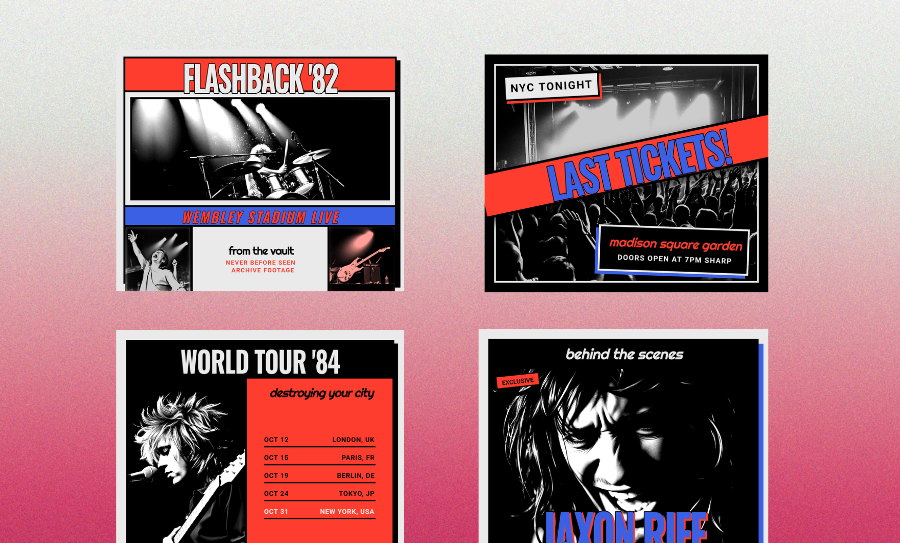
Describe Your Hackathon and Generate a Campaign Set from a Prompt
If you know your theme, audience, and key dates but haven't designed anything yet, start by describing your hackathon in plain language. An AI hackathon registration generator can take that description and produce a coordinated set of announcement and onboarding visuals sized for the channels you need. You get a working starting point in minutes rather than building each asset from a blank canvas.
- Describe your challenge theme, prize structure, and eligibility in a few sentences
- Generate matched announcement graphics, registration open banners, and onboarding cards together
- Adjust tone for your audience: corporate, student, or open community
- Edit every text box, color, and layout element after generation
Start from a Hackathon Campaign Template and Customize Each Phase
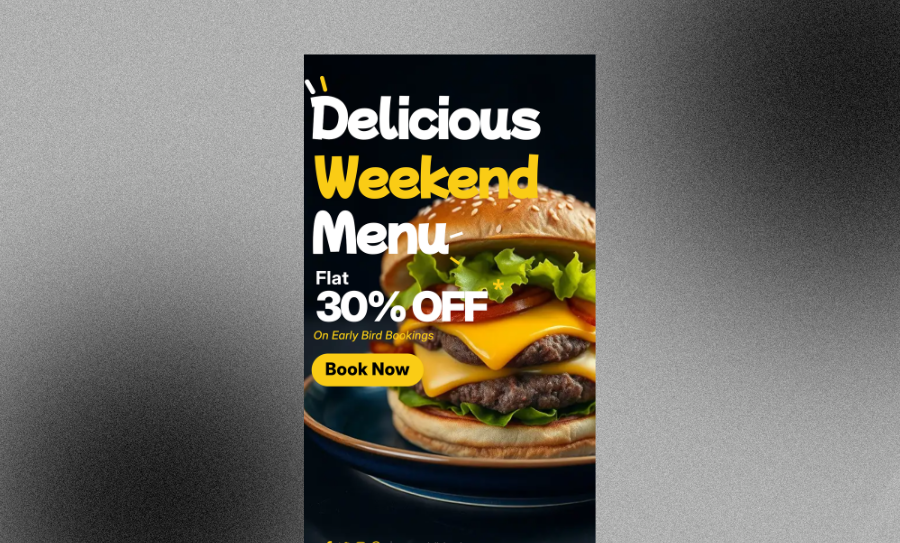
A pre-built hackathon campaign template gives you a proven visual structure for each stage of the registration funnel. You pick the style that fits your event, then swap in your own copy, brand colors, sponsor logos, and deadline dates. This approach works well when you want a polished result quickly and already know what information each asset needs to carry.
- Choose from templates built for announcement, registration, team recruitment, and demo day phases
- Replace placeholder text with your actual challenge brief and rules
- Swap colors and fonts to match your organization or sponsor brand guidelines
- Export each phase asset as a high-resolution PNG or print-ready PDF
Import Your Existing Brief or Doc and Turn It Into Structured Campaign Pages
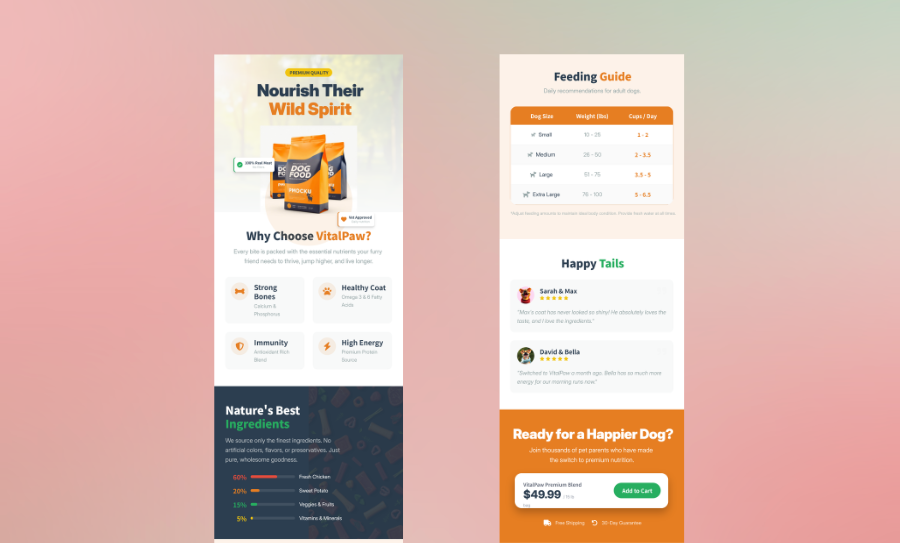
If you've already written your challenge brief, participant guidelines, or event schedule in a Word doc or Markdown file, you don't need to retype everything into a design tool. Paste your content or upload the file and let the tool restructure it into visual campaign pages. Veeso AI accepts pasted briefs, Word files, and Markdown and outputs a structured, fully editable visual campaign set you can refine and export right away.
- Import a Word, PDF, or Markdown file containing your challenge brief and event details
- Get a multi-page visual campaign set with logical hierarchy applied automatically
- Edit any section: reorder pages, update deadlines, add sponsor assets
- Export the full campaign set as production-ready files for print and digital use
Why choose Veeso for your coordinated hackathon campaign design kits
Keep Every Campaign Phase Visually Consistent
A hackathon runs across multiple phases: announcement, registration open, team formation, submission deadline, and demo day. Each phase needs its own assets, and those assets need to look like they belong together. Coordinated design kits let you produce the full sequence without starting from scratch each time, so your campaign feels planned rather than patched together.
Try It Free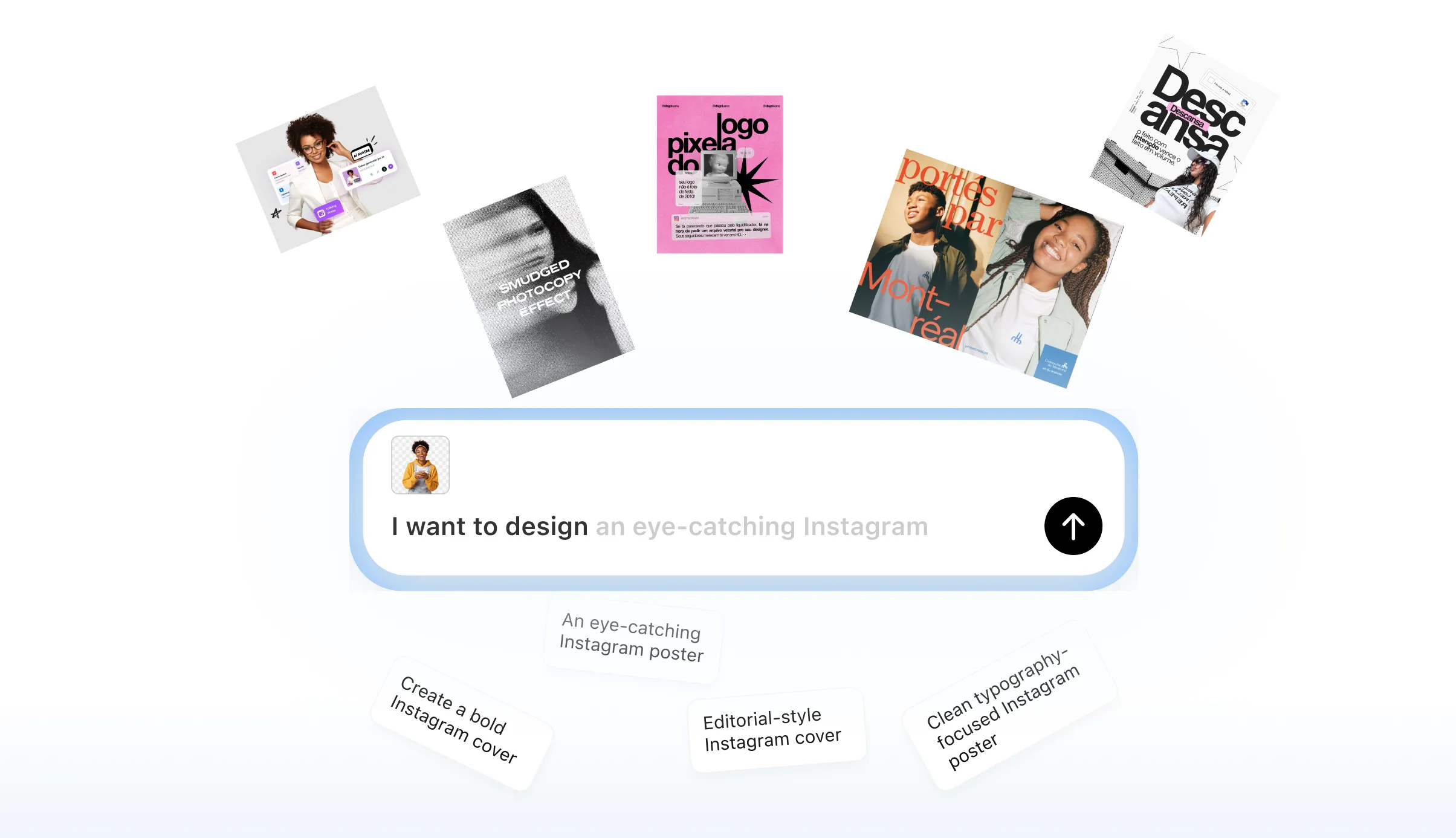
Turn Your Challenge Brief Into Recruitment-Ready Visuals
Most hackathon organizers already have the core content written: the problem statement, eligibility rules, prizes, and key dates. The hard part is turning that document into visuals that actually attract participants. A purpose-built hackathon campaign template lets you drop in your brief and get announcement graphics, onboarding cards, and deadline reminders that are ready to share without a designer on call.
Try It Free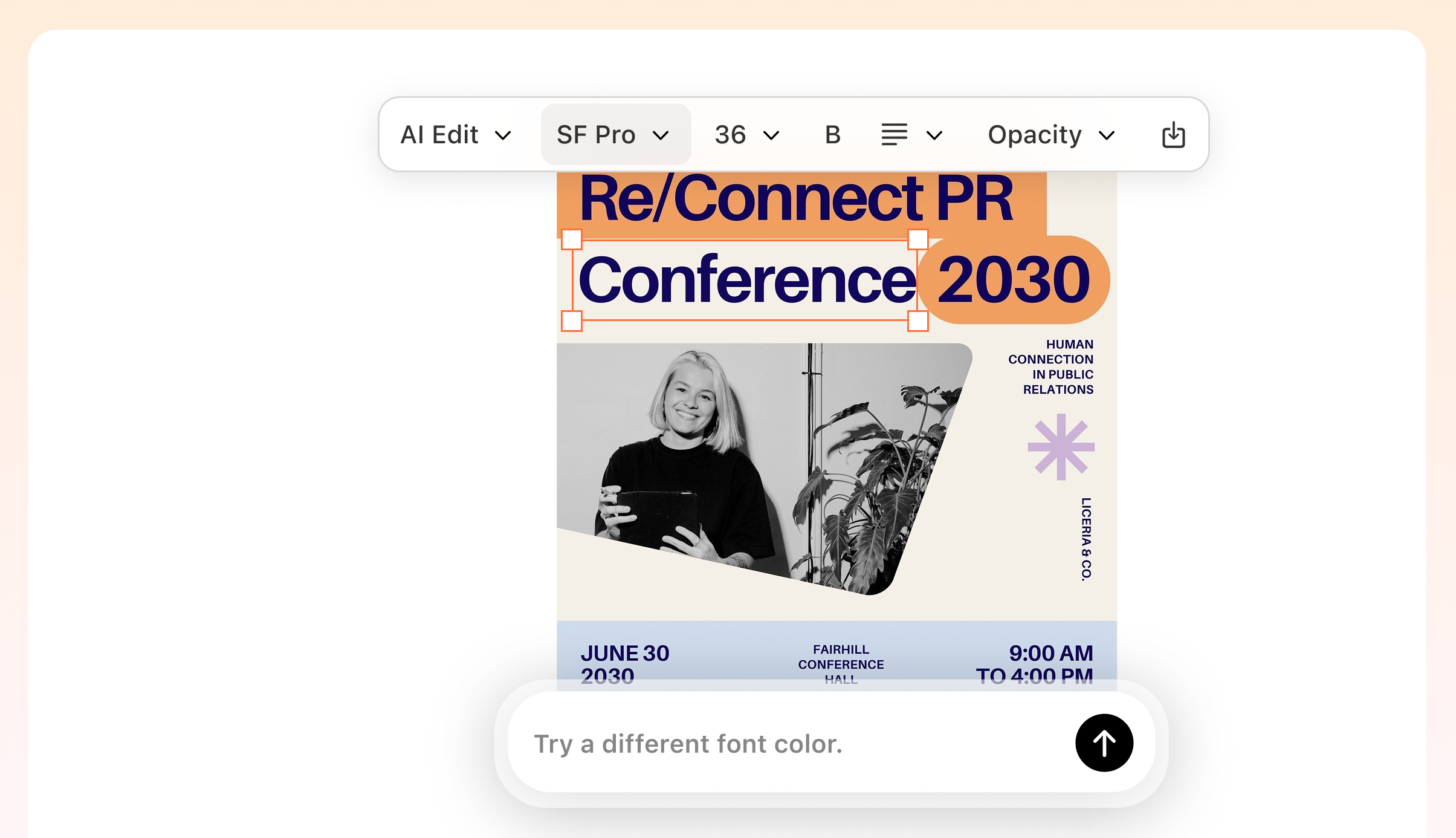
Serve Different Audiences Without Rebuilding Everything
A corporate hackathon campaign targets employees through internal channels. A school hackathon campaign reaches students through posters and social posts. A community hackathon sign-up campaign needs assets that work across flyers, Discord, and email headers. Editable campaign kits let you swap audience-specific copy and colors while keeping the same layout structure, so you're not recreating every asset for every channel.
Try It Free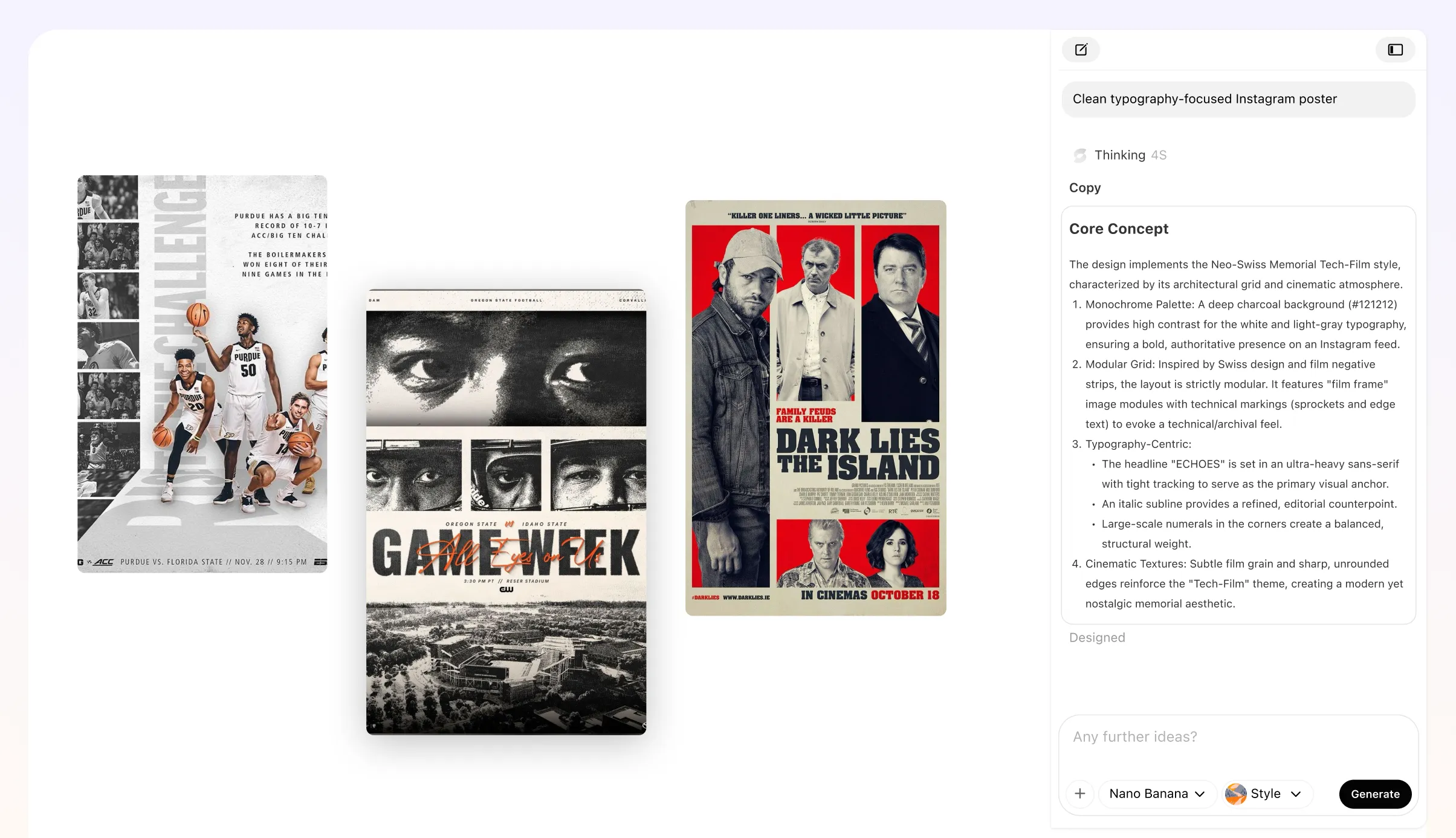
Maintain Momentum Between Registration and Demo Day
Registration is just the first touchpoint. Participants who sign up but hear nothing often drop out before the event starts. A full hackathon momentum campaign builder gives you the countdown graphics, team-formation announcements, and submission deadline reminders that keep registered participants engaged from sign-up through to the final presentation.
Try It Free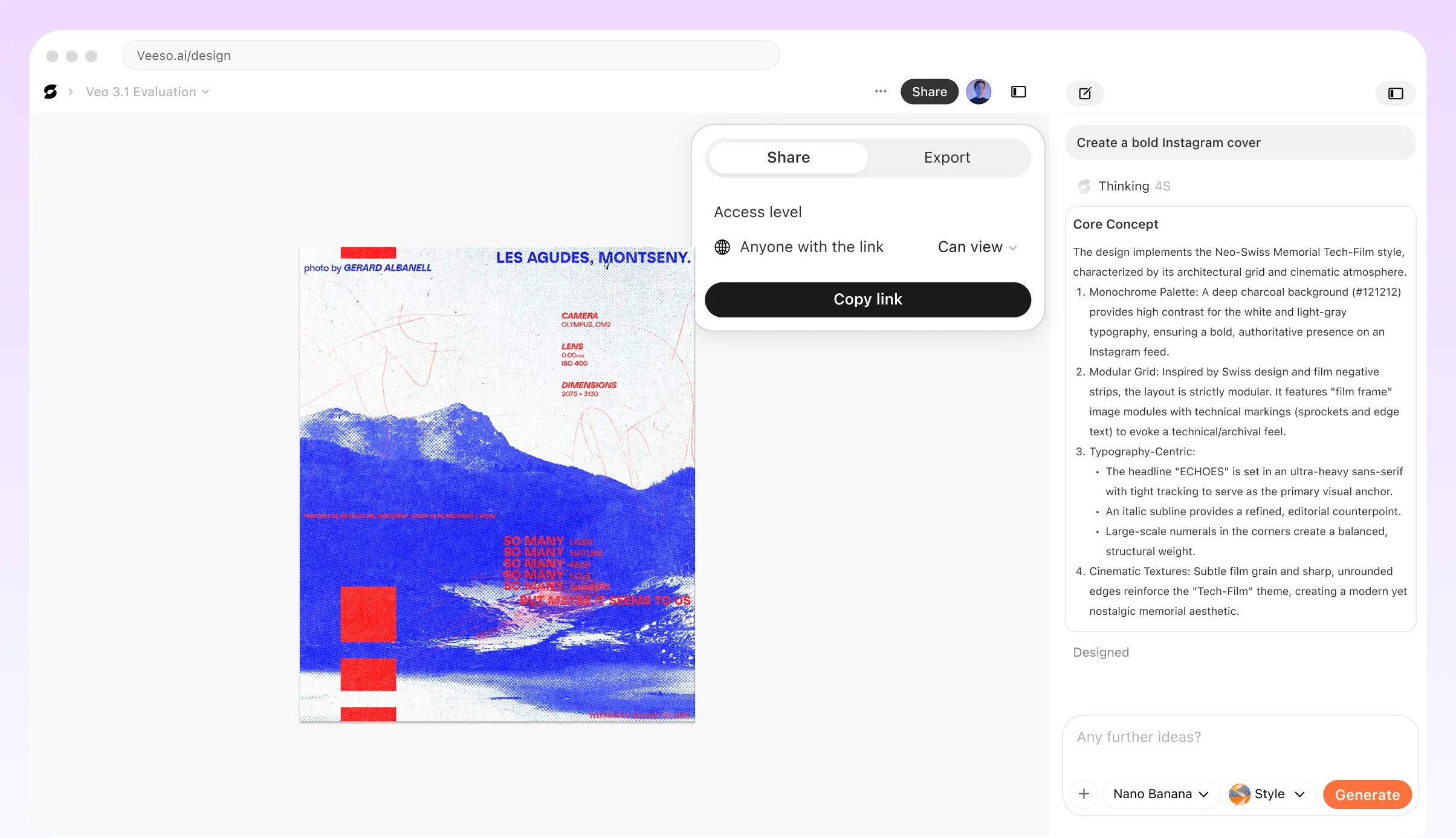
Who Uses a Hackathon Registration Campaign Generator?
University Hackathon Team Recruitment Across Departments
A student organizer wants to pull participants from engineering, design, and business programs, but each group responds to different messaging. A school hackathon campaign generator helps you create separate announcement flyers and challenge briefs tailored to each department's language and priorities. Design one version that leads with the technical problem, another that highlights the product design angle, and a third that frames the business case. Each asset shares the same visual identity so the campaign looks coordinated when posters go up across campus.
Corporate Innovation Hackathon with Sponsor Branding Requirements
Internal innovation teams running a corporate hackathon registration campaign often have to satisfy multiple stakeholders: HR, legal, and two or three external sponsors who each want their logo placed correctly. Before you open registration, you need a full set of visual assets that meet every brand guideline without starting from scratch for each version. Map out which assets go to which channel first, then build a consistent set of editable files. That way, any last-minute sponsor logo swap or color change takes minutes, not hours.
Community Hackathon Sign-Up Campaign Targeting Non-Technical Participants
Community hackathons often struggle to attract participants who don't identify as developers. Your registration materials need to communicate clearly that writers, project managers, and subject-matter experts are welcome. Write a challenge brief that explains the problem in plain language, then design a sign-up page visual and a social announcement that reflect that inclusive message. When the registration confirmation sequence reinforces the same tone, participants who almost talked themselves out of joining feel confident they belong before the kick-off announcement even arrives.
Multi-Phase Countdown Campaign from Announcement to Demo Day
Keeping registered participants engaged between sign-up and submission deadline is one of the hardest parts of running a hackathon. Drop-off happens when people forget the event exists. A structured visual campaign covers each milestone: the initial announcement, a team formation reminder, a challenge brief drop, a mid-event check-in, and a demo day countdown. Veeso AI lets you build this coordinated set of editable assets in one workflow so every touchpoint looks like it belongs to the same event, even when different people are posting them.
Solo Registrant Outreach Campaign for Team Formation
When participants register alone, they need a clear next step or they disengage before the event starts. Your post-registration campaign should include a visual asset that explains how team formation works, what skills are still needed, and when the matching window closes. Design a simple one-page graphic that solo registrants can share in their own networks to find teammates. Pair it with a deadline reminder that shows the team formation window closing, so the urgency is visible without requiring a separate follow-up message from the organizer.
Hackathon Sponsor Outreach Kit with Consistent Visual Identity
Recruiting sponsors for a hackathon means sending materials to people who will judge your event's credibility in the first ten seconds. A one-off PDF that looks different from your registration page and your social graphics signals disorganization. Build a sponsor outreach kit that shares the same color palette, typography, and challenge framing as every other campaign asset. Veeso AI supports this by letting you produce a coordinated set of editable files, from a sponsor brief cover page to a co-branded announcement template, without rebuilding the visual system each time.
Why university program coordinators, corporate innovation managers, and community event organizers Choose Veeso AI
How to Create High-Converting hackathon registration campaign visuals
Draft Your Challenge Brief and Define Each Campaign Phase
Write out your problem statement, eligibility criteria, prizes, and all key dates before touching any design tool. Map the campaign arc into phases: kickoff announcement, registration open, team formation window, submission deadline reminder, and demo day countdown. Having this content ready means every visual asset you create has a clear job to do.
Design Your Registration Announcement and Onboarding Visuals
Use your drafted brief to build the first wave of assets: the event announcement graphic, the registration open banner, and the participant onboarding card that explains what to expect after sign-up. Tools like Veeso AI let you paste your challenge brief directly and generate a coordinated, editable visual set without needing a designer, so you can move from content to campaign-ready graphics in one session.
Build the Milestone Communication Assets for Each Remaining Phase
Once your registration assets are ready, create the supporting visuals for team formation, the submission deadline reminder, and the demo day countdown. Keep the same color palette, typography, and layout structure across every asset so participants recognize each communication as part of the same campaign. Editable templates make it straightforward to update dates and copy without rebuilding the design.
Export and Distribute Each Asset Through the Right Channels
Export your visuals as high-resolution PNGs for social and digital use, or as PDFs for print posters and sponsor decks. Match the file format and dimensions to each distribution channel: a wide banner for a website header, a square graphic for social posts, a portrait layout for printed flyers. Keeping a folder of phase-labeled exports makes it easy to hand off assets to co-organizers or sponsors without confusion.
FAQ
Ready to Create Beautiful Coordinated Hackathon Campaign Design Kits with Veeso AI?
Start Creating NowNo credit card required • Free to start • No design skills required
Explore More AI Graphic Design Use Cases
Discover more creative design scenarios powered by Veeso AI.