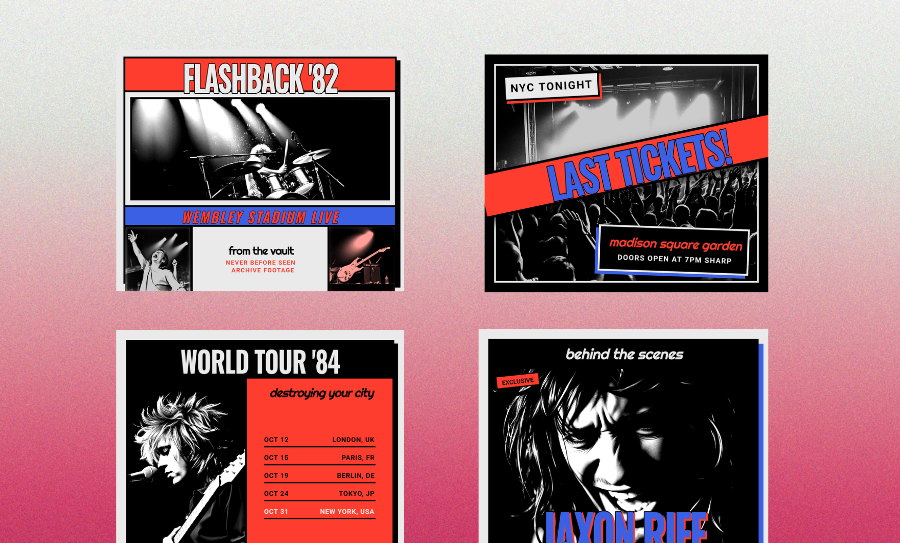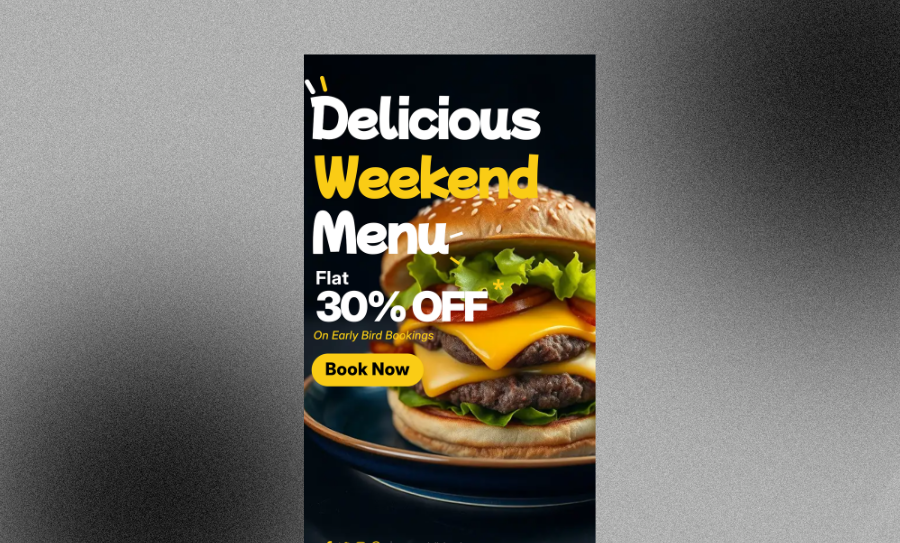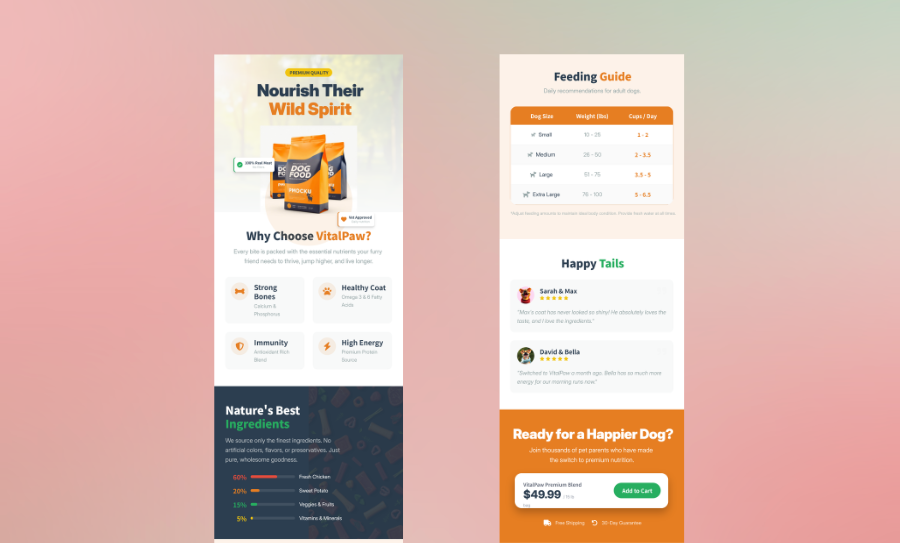
Plan Every Hour of Your Flash Sale Before It Goes Live
Map out each rotating deal window, generate distinct ad copy and countdown visuals for every slot, and hand off a clear sequence your team can execute. Paste your deal list and let the structure build itself. Export a print-ready schedule or briefing doc when you're done.
Three Ways to Generate hourly flash sale visual campaign sets
Describe Your Sale Theme and Let AI Scaffold the Full Visual Sequence
If you know your deal windows and discount structure but haven't built a single asset yet, start by describing the campaign in plain language. Tell the AI your sale theme, how many hourly slots you need, and what urgency tone you want, and it builds a coordinated visual sequence around that brief. Veeso AI can generate the editable layout set from a prompt like this, giving you a full campaign scaffold you can refine slot by slot rather than starting from a blank canvas.
- Prompt includes number of deal windows and product categories per slot
- AI structures escalating urgency copy from sale-open to final-hour tone
- Each generated slot is a separate editable graphic, not a static image
- Export the full sequence as a print-ready asset pack for handoff
Pick a Rotating-Deal Template and Customize Each Hourly Slot
A flash sale promotional template built for rotating deals already has the visual hierarchy, countdown placement, and urgency framing figured out. You pick the layout that fits your brand, then swap in your product, price drop, and deal-expiration copy for each hour. This method works well when you have a clear product list and want to move fast without making design decisions from scratch.
- Templates pre-structured with hourly slot placeholders for product and pricing
- Editable countdown interval and deal-expiration label per window
- Consistent color and font system across all slots in the sequence
- Resize each asset for social post, banner, or popup graphic in one step
Import Your Product List or Brief and Turn Each Line Item Into a Deal-Window Graphic
If you already have a product brief, a spreadsheet of deals, or a Word document with your sale schedule, you don't need to re-enter that information manually into a design tool. Import the document and each deal line becomes its own structured visual slot in the campaign sequence. This approach is especially useful for larger sales with many rotating products, where typing everything in by hand would slow the whole build down.
- Import PDF, Word, or Markdown files with your deal schedule or product list
- Each line item or section maps to its own hourly deal-window graphic
- Urgency messaging and countdown labels are editable after import
- Export the complete multi-wave sale structure as a single organized asset pack
Why choose Veeso for your rotating flash sale announcement graphics
Keep Every Deal Window Visually Consistent Across the Whole Sale
When you run a multi-wave flash sale, each hourly slot needs its own graphic, but they all have to look like they belong together. Rebuilding banners and popup graphics from scratch for each window breaks that consistency and burns time you don't have mid-sale. A tool built around a rotating flash sale sequence locks in your colors, fonts, and layout so every asset from hour one to the final countdown feels like one coordinated campaign.
Try It Free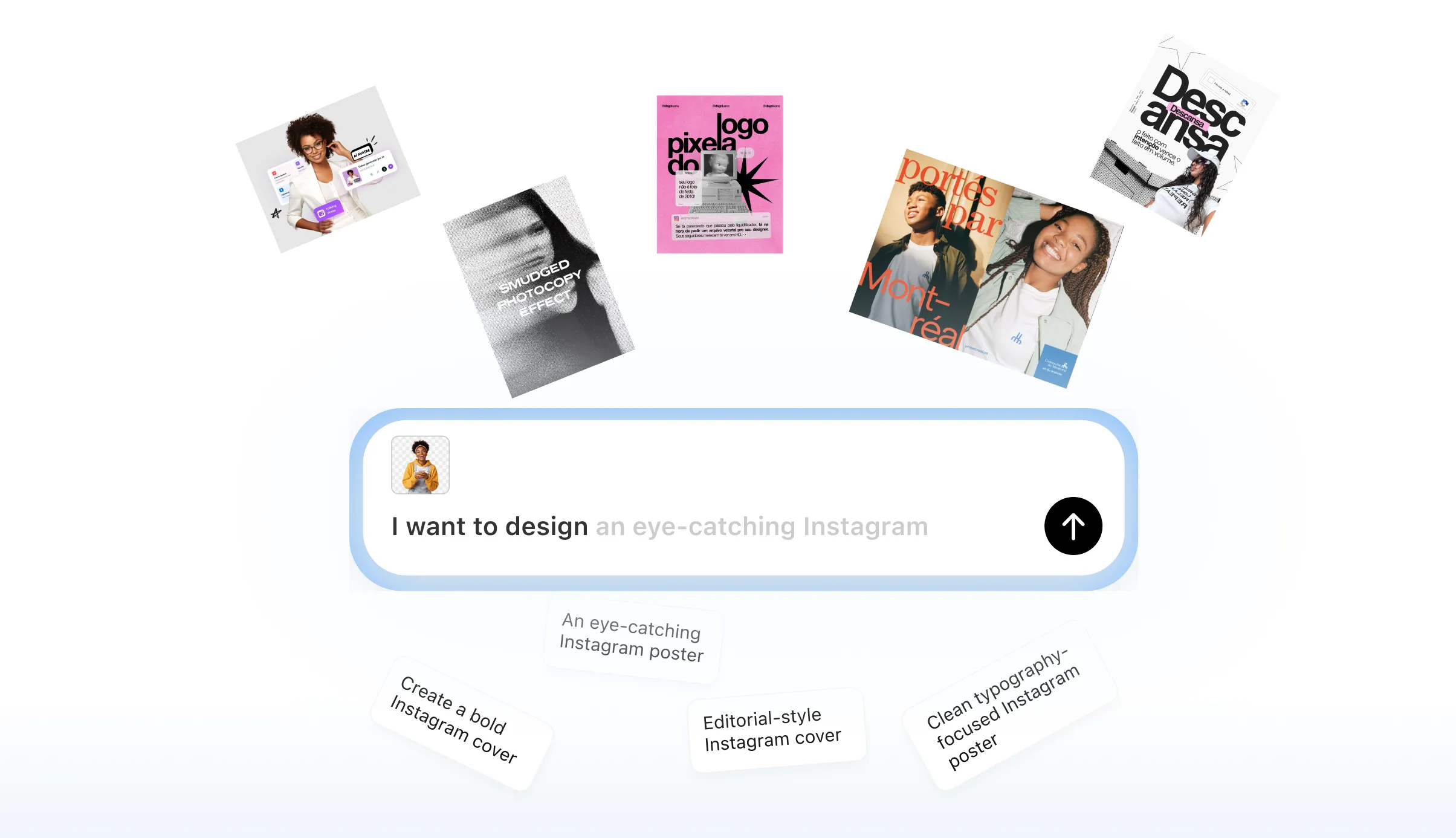
Escalate Urgency Messaging Without Starting Over Each Hour
The copy for a flash sale opening sounds nothing like the copy for the last sixty minutes. You need a workflow that lets you swap urgency language slot by slot without rebuilding the whole design. A dedicated hourly campaign generator structures each deal window as its own editable layer, so you update the headline and countdown interval without touching the rest of the asset.
Try It Free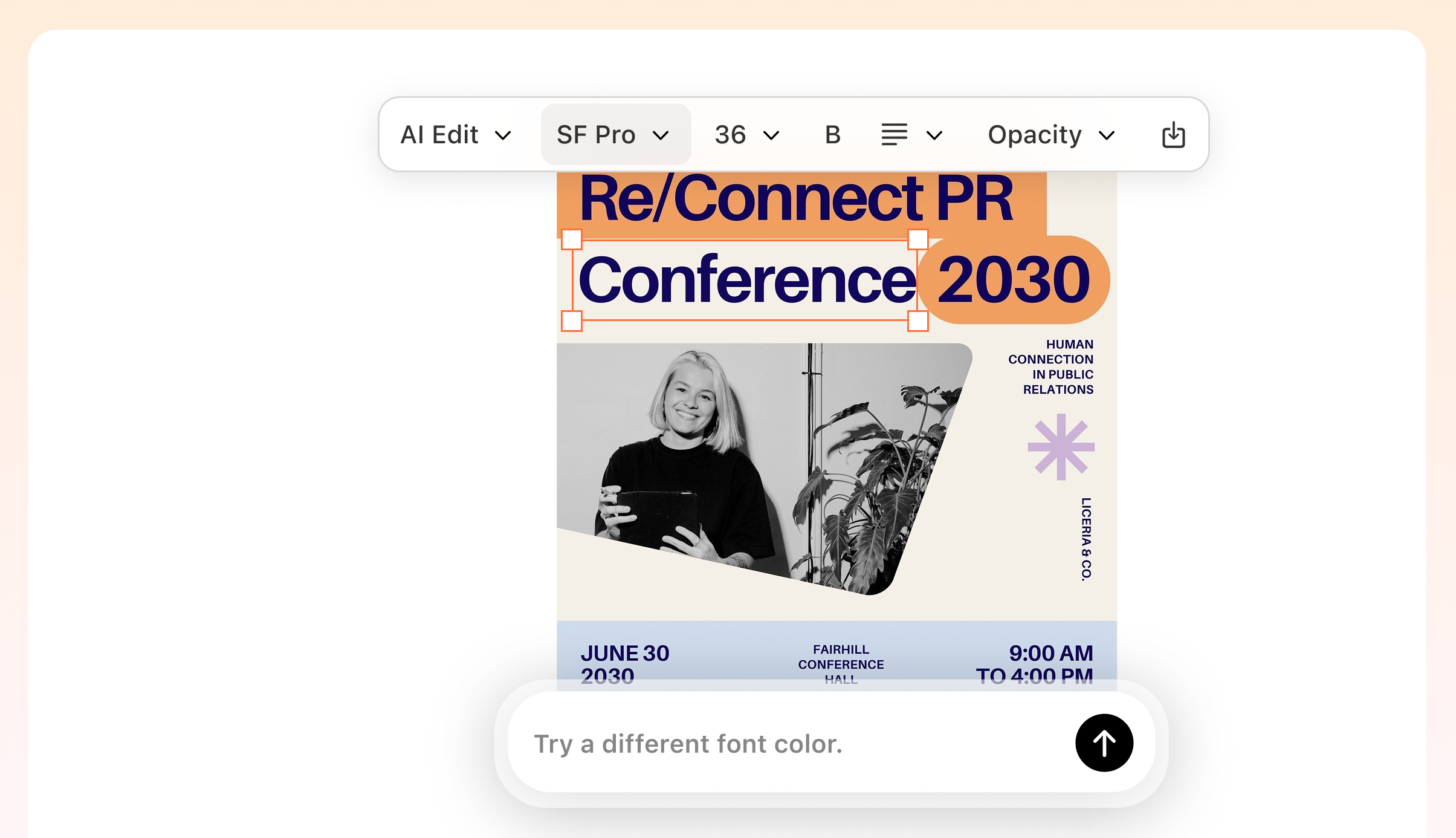
Swap Products and Pricing Fast When Deals Change Mid-Sale
Last-minute product changes during a live flash sale are almost guaranteed. If your visuals are static exports or locked templates, a single price update means a full redesign cycle. Working from a flash sale promotional template set where each slot is fully editable means you can swap a product image or update a price drop in minutes and re-export without disrupting the rest of the sequence.
Try It Free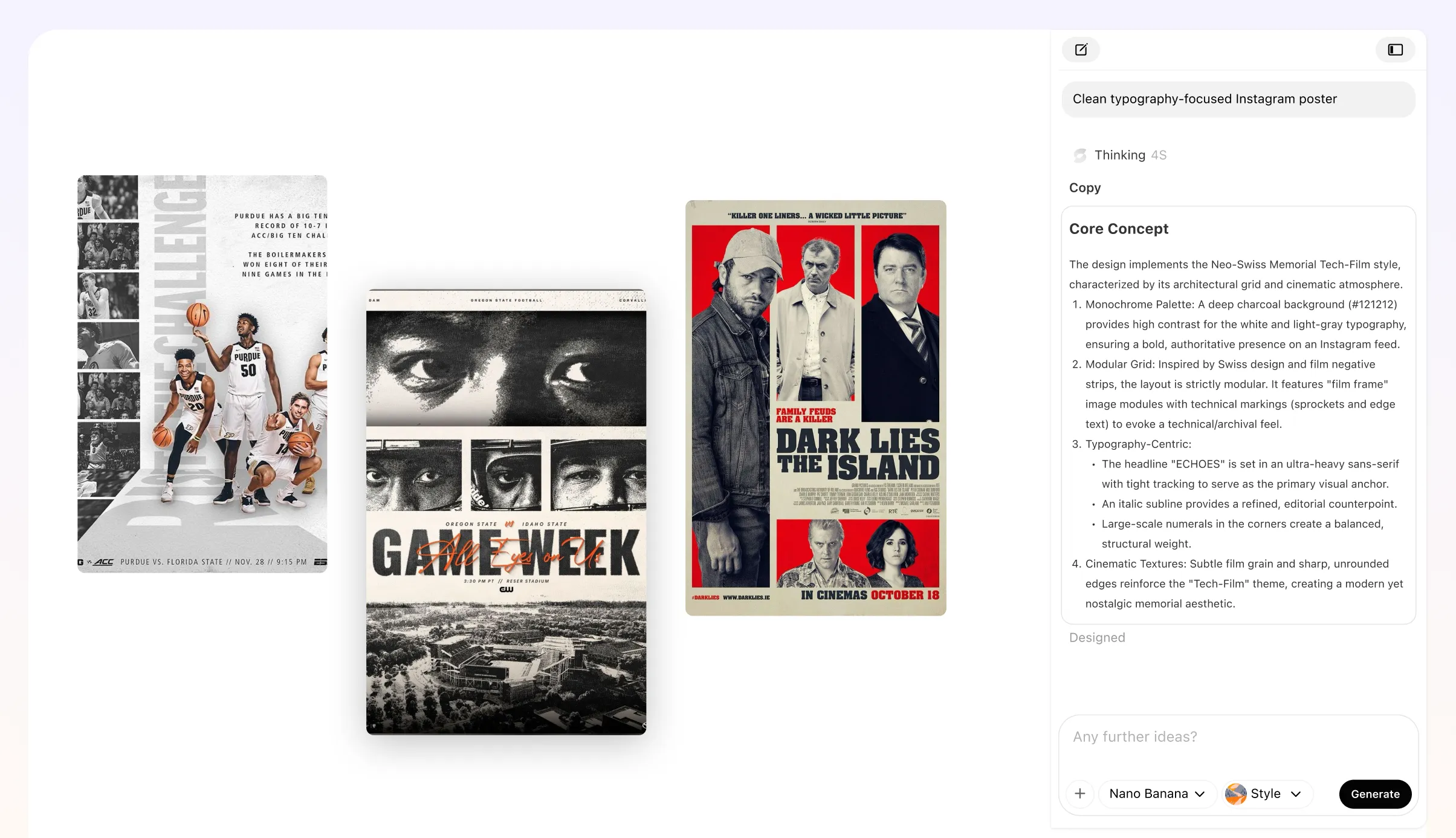
Hand Off a Complete Asset Pack Instead of a Pile of Disconnected Files
Social posts, banner ads, and popup graphics for a six-hour sale can easily become dozens of files with no clear order. A structured hourly campaign set organizes every asset by deal window, channel, and timing so your team or client knows exactly which file goes live when. That clarity cuts handoff confusion and keeps the promotional cadence running on schedule.
Try It Free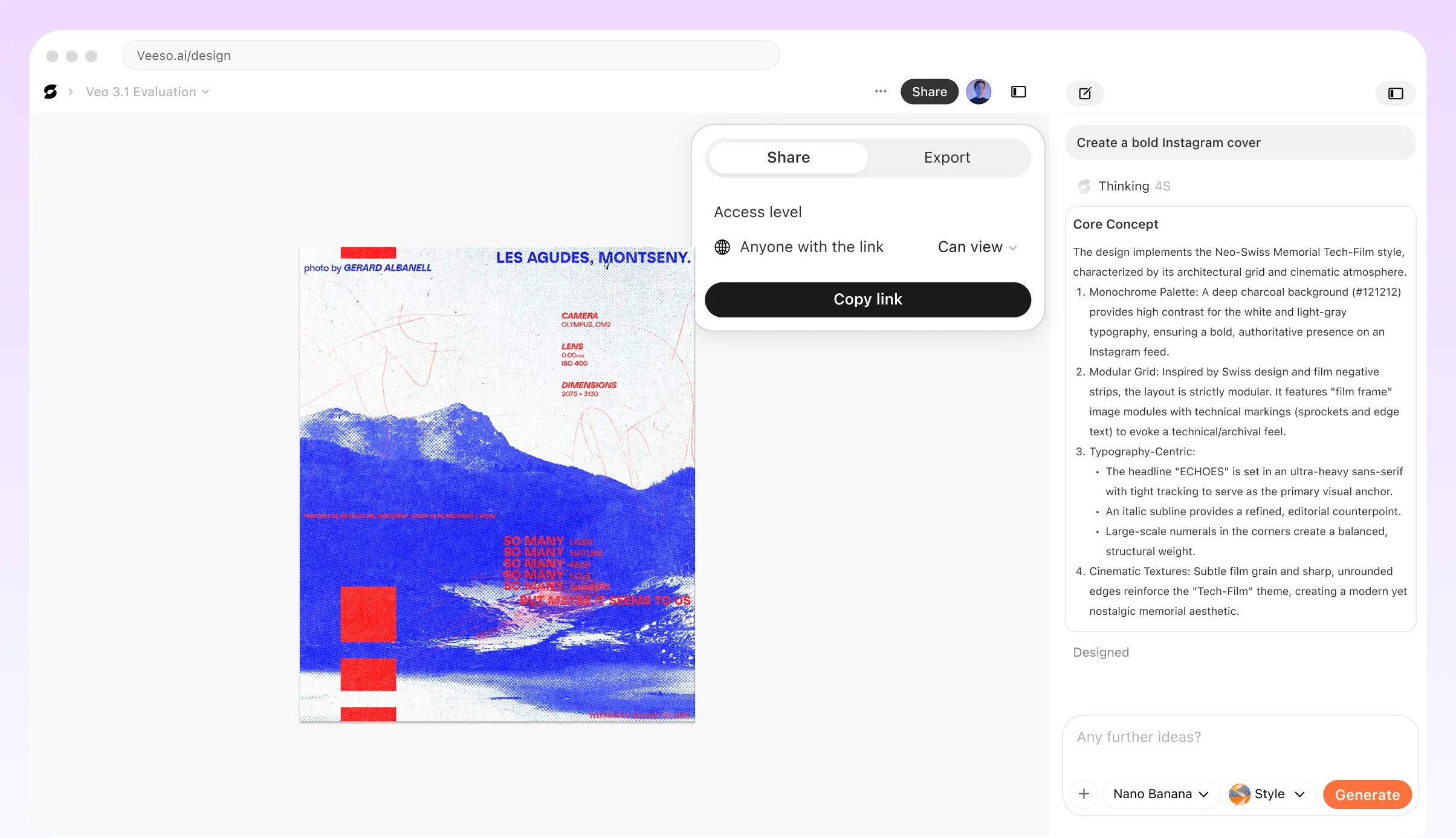
Who Uses a Flash Sale Hourly Campaign Generator?
E-commerce store running a 12-hour sitewide sale
When you're running a dozen back-to-back deal windows, the hardest part isn't the discounts — it's keeping the messaging fresh for every slot. An AI flash sale announcement generator lets you map each hourly price drop to its own ad copy, headline, and urgency line before the sale even starts. You can lock in the product name, discount, and countdown window for each rotation, then review the full sequence as a briefing doc. Your team knows exactly what to post and when, with no last-minute rewrites mid-campaign.
Boutique clothing brand coordinating a same-day flash sale across Instagram and email
A small fashion brand running a timed sale across two channels needs every touchpoint to say the same thing at the same time. Using a flash sale promotional template approach, you can draft distinct copy for each hourly deal — one version for an Instagram story, another for an email alert — without starting from scratch each time. The deal expiration cycle stays consistent, and the urgency messaging doesn't drift between channels. Veeso AI can help you turn that copy into polished, on-brand visual assets for each wave, all editable if a deal sells out early.
Shopify merchant briefing a VA to execute a rotating deal sequence
If you're handing off a flash sale to a virtual assistant or contractor, a vague spreadsheet isn't enough. A timed sale campaign creator helps you build a clear, slot-by-slot schedule that shows the product, the price, the countdown window, and the exact copy for each hour. Your VA gets a document they can follow without guessing. You can also flag which slots have a backup product in case the primary deal sells out, so the rotation keeps moving without a gap in the promotional cadence.
Marketing agency building a multi-wave flash sale for a retail client
Agencies often need to present a full hourly deal countdown sequence to a client before anything goes live. A flash sale campaign scheduler helps you lay out every wave — product, offer, channel, timing — in one structured view the client can approve. You're not just showing a single ad; you're showing the full arc of the sale, from the opening scarcity trigger to the final countdown push. This makes client sign-off faster and reduces back-and-forth because the logic of each deal window is already visible.
Food and beverage brand running a commercial calendar flash sale around a holiday
A seasonal flash sale tied to a specific date — a long weekend, a food holiday, a local event — needs urgency messaging that matches the occasion, not just generic countdown copy. When you plan the rotating deal sequence in advance, you can write each hourly offer around the theme: early-bird bundles in the morning slots, high-margin items in the peak afternoon window, and clearance deals in the final hour. Veeso AI can generate a coordinated set of visual assets for each slot, so the sale looks intentional rather than improvised.
SaaS or digital product team running a limited-time upgrade push
Digital product teams often run flash sales around a product launch or feature release, where the deal window is tight and the audience is already warm. A flash sale ad generator helps you write distinct copy for each hourly offer tier — a lower entry price early on, a mid-tier bundle in the middle, and a last-chance full-access push at the end. Because the audience is familiar with the product, the copy can focus on the specific feature or plan in each slot rather than repeating the same pitch. The result is a multi-wave structure that feels like a story, not a loop.
Why e-commerce store owners, retail marketers, and social media managers Choose Veeso AI
How to Create High-Converting flash sale hourly sequence design
Map Your Deal Windows on a Commercial Calendar
Decide how many hourly slots your flash sale needs and assign a specific product or discount to each one. Writing this out as a simple schedule before you touch any design tool saves you from making structural decisions mid-build.
Write Distinct Urgency Copy for Each Sale Window
The tone for your first hour should feel different from the tone for your last. Draft short, specific headlines for each slot that escalate from 'sale just opened' to 'one hour left,' so the urgency messaging feels real and not recycled.
Generate a Coordinated Visual for Every Channel and Slot
Build your banner, popup graphic, and social post for each deal window as a matched set so every channel updates in sync when a new hour starts. Tools like Veeso AI let you create these as fully editable assets, which means a last-minute product swap or price correction takes seconds instead of a full redesign.
Export the Full Sequence as a Ready-to-Hand-Off Asset Pack
Organize your exports by deal window and channel so anyone on your team knows exactly which file goes live at which hour. A clearly labeled, high-resolution export pack eliminates the scramble of hunting for the right file during a live sale.
FAQ

Ready to Create Beautiful Rotating Flash Sale Announcement Graphics with Veeso AI?
Start Creating NowNo credit card required • Free to start • No design skills required
Explore More AI Graphic Design Use Cases
Discover more creative design scenarios powered by Veeso AI.