Plan a Fitness Studio Challenge Campaign That Fills Classes
Build a structured, time-bound challenge campaign your members will actually finish. Set your goal, duration, and audience, then shape your messaging and visuals around it. Export print-ready promotional assets whenever your campaign is ready to launch.

Three Ways to Generate challenge campaign visual asset sets
Describe Your Challenge Campaign and Generate the Visual Set
Type in your challenge name, duration, goal type, and target member group, and an AI fitness challenge generator builds a coordinated visual layout around that brief. You don't need to know design rules or pick fonts. The output is a structured campaign visual kit you can edit and use right away.
- Generates launch announcement graphic, check-in card, and finish-line poster from one prompt
- Adapts layout hierarchy to show challenge duration and difficulty tier clearly
- Produces coordinated colors and type styles across all campaign stages
- Every text box and layer stays fully editable after generation
Start from a Fitness Challenge Campaign Template
Pick a pre-built challenge campaign template that matches your format, whether that's a weekly gym challenge, a monthly workout challenge, or a partner accountability duo campaign. Swap in your studio name, dates, rules, and milestone markers without touching the underlying layout. Fitness challenge campaign templates like these are built for the specific visual needs of studio promotions.
- Templates organized by challenge type: sprint, habit stack, seasonal, partner, hybrid
- Placeholder text shows exactly where challenge rules and check-in prompts go
- Color themes designed for high-visibility studio print and social formats
- Duplicate and adjust a template to run multiple challenge tracks at once
Import Your Challenge Brief and Turn It into a Designed Kit
If you've already written your challenge structure in a doc or PDF, paste or upload it and let the tool convert that content into a polished visual layout. This works well when you've planned the rules, milestones, and check-in cadence but haven't touched the design yet. Your existing copy becomes the foundation of a print-ready, fully editable campaign set.
- Import from Word, PDF, or Markdown with challenge rules and milestone text intact
- Automatically structures content into launch graphic, progress tracker, and recap poster
- Preserves your challenge naming, tier labels, and participation instructions
- Export as high-resolution PNG or PDF for print and digital use
Why choose Veeso for your editable fitness challenge promo graphics
Match Every Challenge Format to the Right Member Segment
A 7-day sprint attracts different members than a 30-day habit stack, and your promo graphics need to reflect that difference. When your visuals clearly show the duration, difficulty tier, and goal type, the right people sign up and the wrong people don't drop out halfway through. Editable challenge promo graphics let you swap those details fast across every format you run.
Try It Free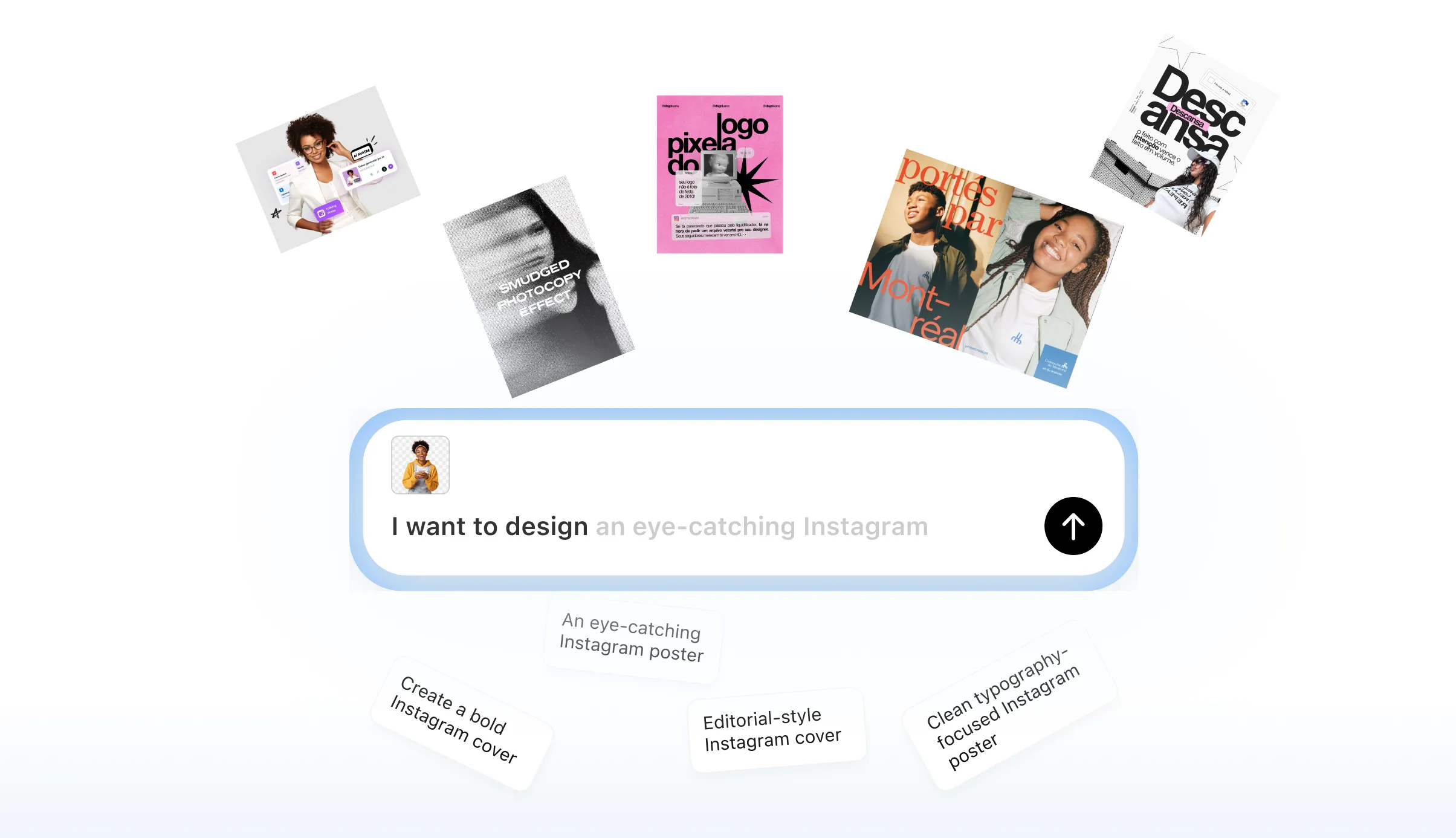
Keep Momentum Alive from Launch Day to the Finish Line
Most challenge campaigns lose energy after the first week because there's nothing visual to remind members they're still in it. A coordinated set of check-in cards, mid-challenge countdown graphics, and leaderboard posters keeps participation visible on your studio floor and social feed. Having those assets ready before the challenge starts means you're not scrambling to make something mid-campaign.
Try It Free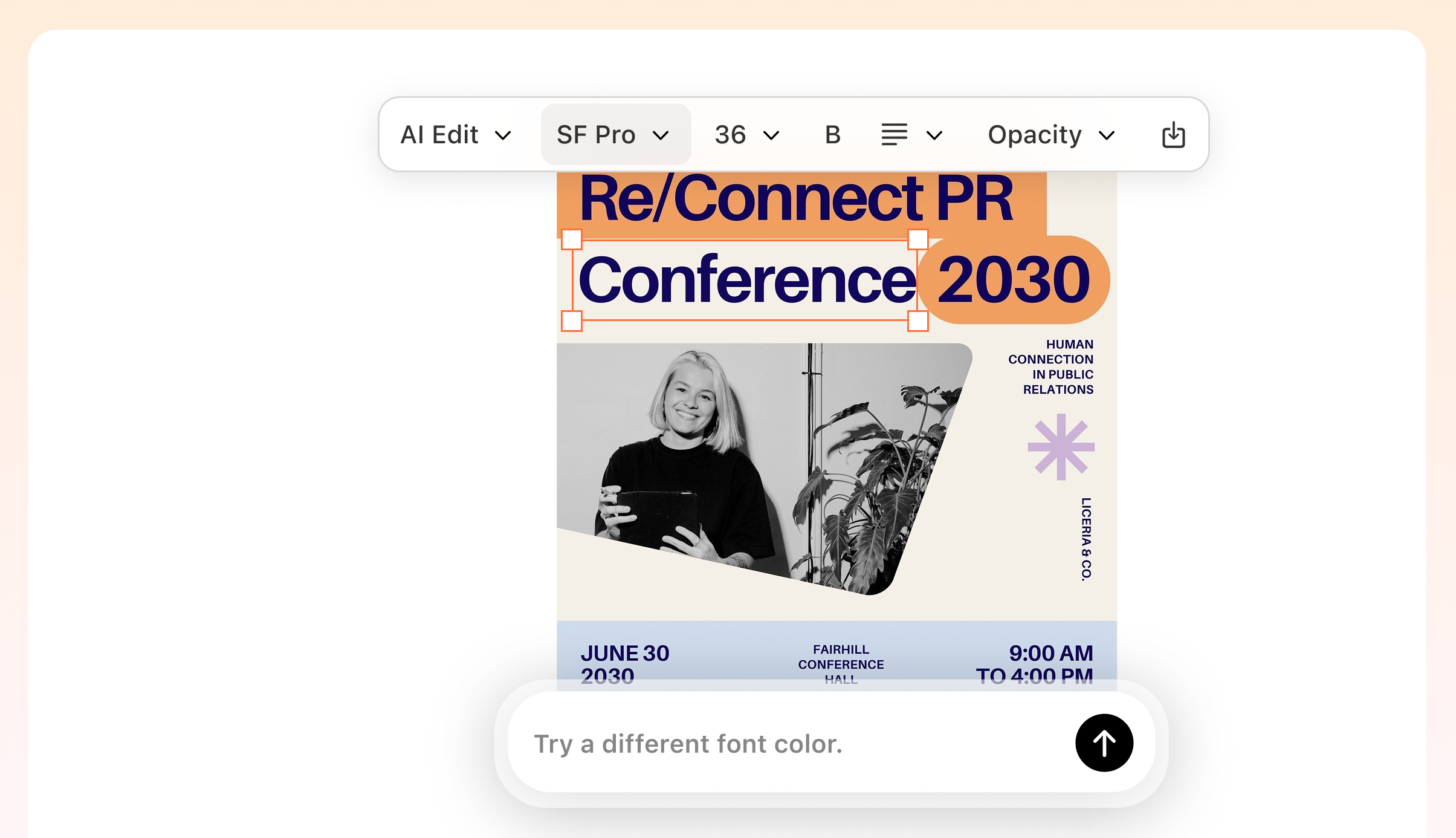
Run Holiday and Seasonal Challenges Without Starting from Scratch
October fitness challenge ideas and holiday fitness challenge campaigns come around every year, but building fresh visuals each time eats hours you don't have. A template-based approach lets you update dates, colors, and challenge names without rebuilding the layout. You get a polished, on-theme graphic set in a fraction of the time.
Try It Free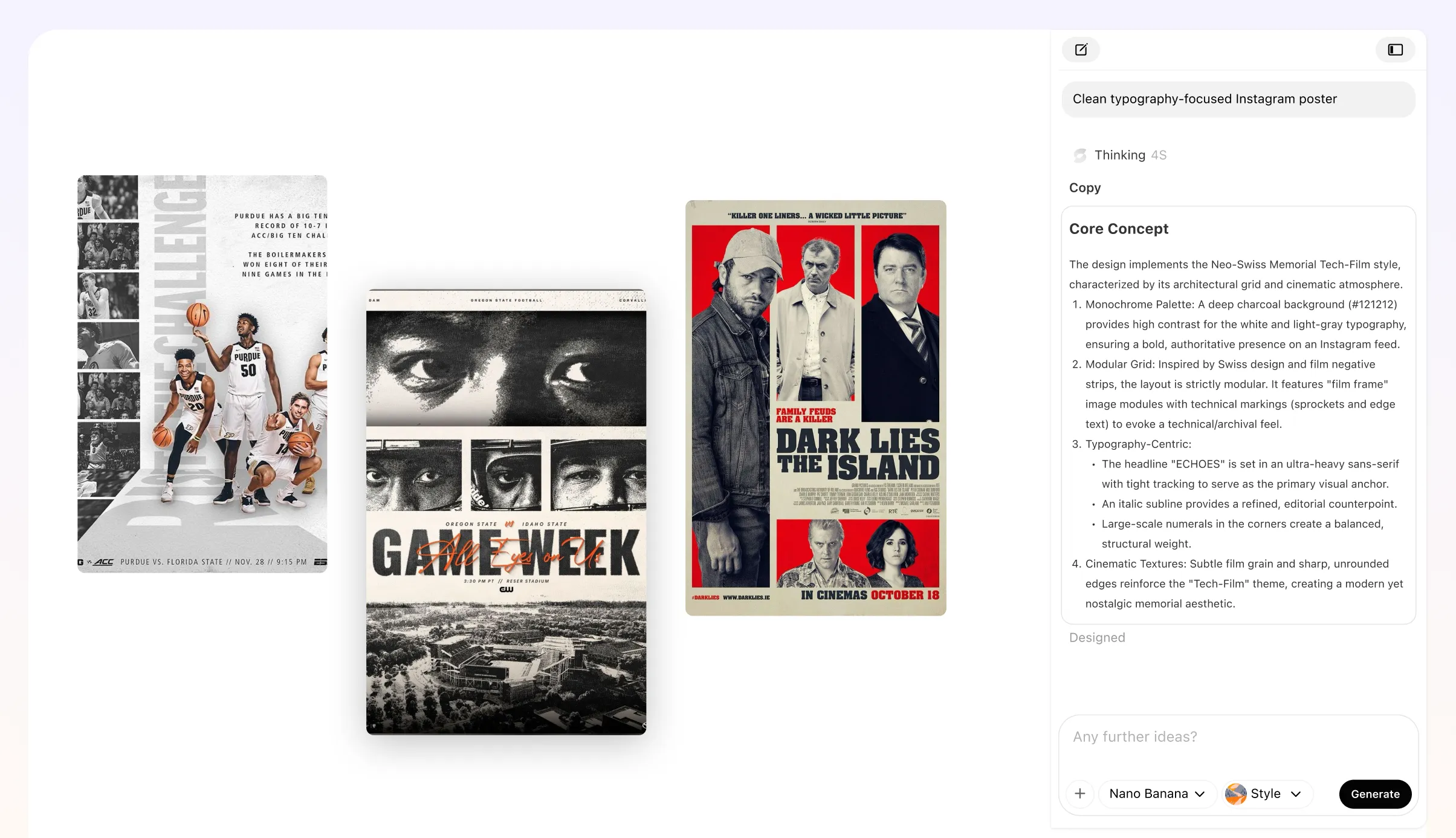
Turn Post-Challenge Energy into Long-Term Member Retention
The moment a challenge ends is one of the best windows to convert a short-term participant into a committed member. A well-designed finish-line graphic, a results recap poster, or a next-steps flyer keeps that momentum going instead of letting it fade. Having editable assets ready for that post-challenge moment means you can act on it while the energy is still high.
Try It Free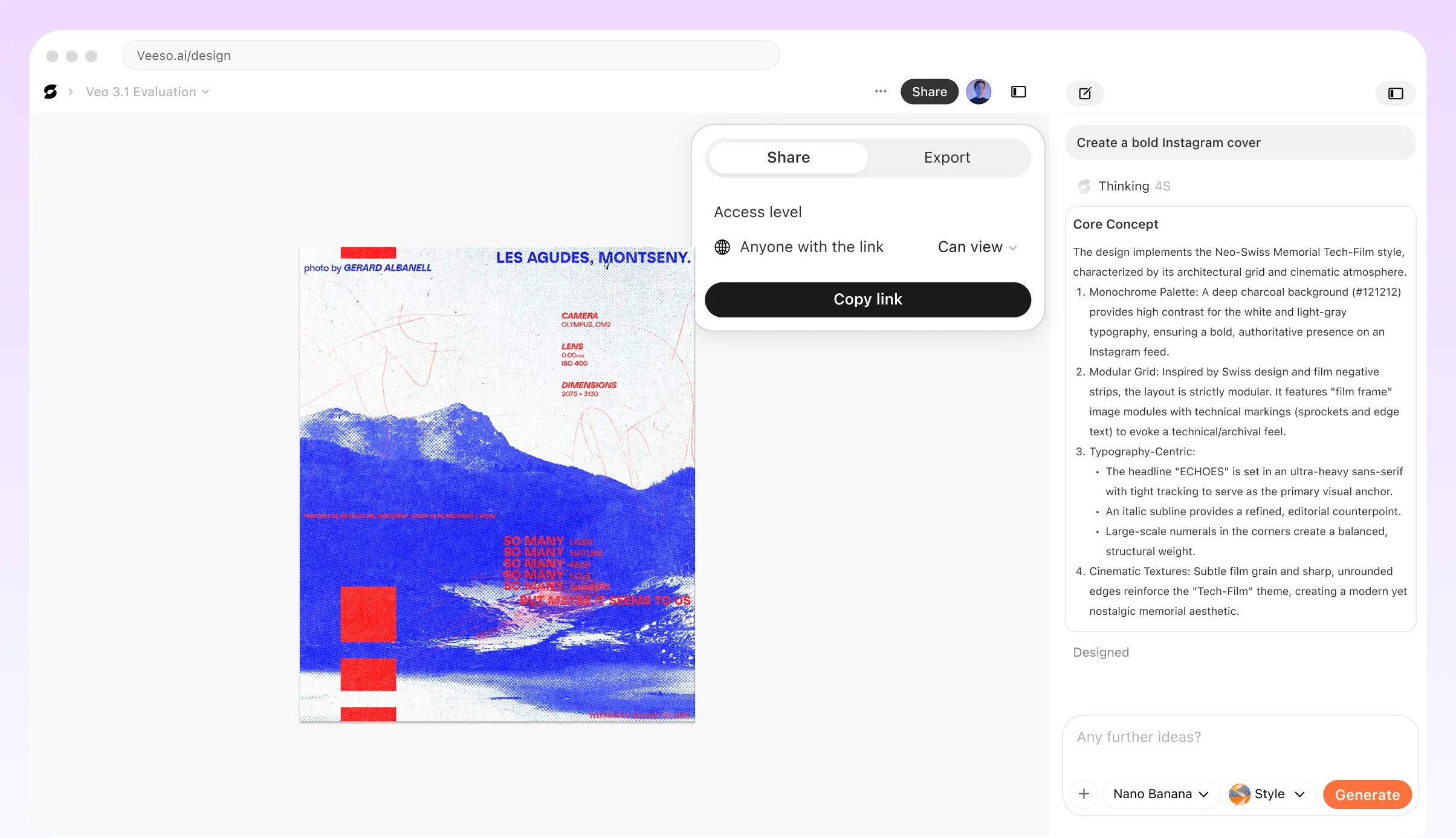
Who Uses a Fitness Studio Challenge Campaign Generator?
Re-engaging Lapsed Members with a Monthly Workout Challenge
Members who haven't shown up in a few weeks are hard to win back with a generic email. A time-bound monthly workout challenge gives them a concrete reason to return. Build a structured four-week program with clear daily or weekly goals, a simple check-in schedule, and visible progress milestones. When lapsed members see a defined start date, a manageable commitment, and a community already participating, the barrier to re-entry drops. Frame the challenge around a fresh goal like consistency or total active minutes rather than weight loss, so it feels welcoming rather than punishing.
Running a Partner Gym Challenge Across Two Locations
Studios with more than one location can use a partner gym challenge to build friendly competition between sites. Set a shared goal, like total classes attended or combined cardio minutes, and track each location's progress on a visible leaderboard. This format works especially well for monthly or six-week campaigns because members at both sites feel invested in a collective outcome. Coordinate the challenge rules and structure in advance so both locations use the same check-in criteria. Consistent visual materials across both sites help members recognize the campaign immediately and understand how participation works.
Launching a Holiday Fitness Challenge to Sustain Attendance Through Seasonal Slumps
Attendance often dips during holiday weeks when routines break down. A holiday fitness challenge campaign gives members a positive anchor during that window. Design the challenge around realistic goals, like three workouts per week or a set number of active minutes, rather than intensity targets that feel punishing during a busy season. A clear start and end date creates urgency without pressure. Promote it two to three weeks before the holiday period so members can plan ahead. Pair the campaign with a simple accountability partner system so participants check in with a friend, which improves follow-through.
Creating a Weekly Gym Challenge Poster Series for Front-Desk Promotion
A weekly gym challenge posted at the front desk or locker room gives members a low-commitment way to try something new each visit. The challenge might be a specific movement goal, a distance target, or a class attendance streak. The key is keeping the format consistent so members recognize it instantly week to week. Veeso AI can help you turn a simple brief into a clean, print-ready poster for each weekly prompt without rebuilding the layout from scratch. Every poster stays editable, so you can swap the challenge details, adjust the color, or update the dates as the series continues.
Building an October Fitness Challenge Campaign for New Member Onboarding
October is a natural reset point before the holiday season, and a structured fitness challenge is a strong onboarding tool for members who joined in September. New members often disengage in their first sixty days because they haven't built a habit or found a community. A group fitness challenge generator approach, where you define the duration, goal type, and check-in structure upfront, gives new members a clear path to follow. Assign an accountability partner from the existing member base to each new participant. This connects newcomers to the community while giving longer-term members a reason to stay engaged.
Designing a Campaign Content Set for a Studio Engagement Challenge Across Social and Print
A studio engagement campaign needs consistent visuals across every touchpoint, from printed flyers to social posts to in-studio signage. When each asset looks like it belongs to the same campaign, members trust the message and recognize the challenge wherever they see it. Veeso AI lets you build a coordinated set of editable visual assets from a single prompt or template, so your social graphics, check-in cards, and posters share the same layout logic and style. You handle the printing, posting, and distribution. The tool handles the design work so your campaign looks cohesive without requiring a dedicated designer.
Why gym owners, studio managers, and personal trainers Choose Veeso AI
How to Create High-Converting structured challenge campaign visual kit
Define Your Challenge Format, Duration, and Difficulty Tiers
Decide whether you're running a 7-day sprint, a 30-day habit stack, a holiday-timed seasonal challenge, or a partner gym challenge before you touch any visual. Locking in the duration, goal type, and at least two difficulty tiers gives you the content your graphics need to be clear and useful to members.
Build a Check-In Cadence with Accountability Prompts
Map out how often members will check in, what they'll report, and what accountability prompts will keep them on track between sessions. A fitness challenge check-in system works best when the cadence is visible, so plan for physical check-in cards or in-studio leaderboard posters alongside any digital touchpoints. Knowing this structure before you design means your visual assets can actually support the process.
Create Visual Assets for Each Stage of the Challenge Launch Sequence
A strong challenge launch sequence needs at least three visual moments: a launch announcement, a mid-challenge momentum graphic, and a finish-line push. Tools like Veeso AI let you produce a coordinated, editable set of these assets from a single prompt or template, so all three stages look like they belong together. Export each asset at print and screen resolution so you can use them on your studio wall, your social feed, and your front desk.
Plan a Post-Challenge Retention Moment Before the Challenge Ends
Design your post-challenge graphic, results recap, or next-steps flyer before the final day arrives, not after. Having that asset ready lets you hand it to members at the finish line while their motivation is highest, which is the best moment to introduce a membership upgrade or the next challenge. This single step turns a time-bound fitness program into a member retention campaign.
FAQ

Ready to Create Beautiful Editable Fitness Challenge Promo Graphics with Veeso AI?
Start Creating NowNo credit card required • Free to start • No design skills required
Explore More AI Graphic Design Use Cases
Discover more creative design scenarios powered by Veeso AI.