Launch Your Farmers Market Season With a Full Campaign
Build opening day announcements, vendor rosters, and weekly attendance content all in one place. Describe your market and get print-ready visuals fast. Export high-resolution PNG or PDF files ready to post, print, or share.
Three Ways to Generate season launch visual campaign sets
Describe Your Season Launch and Generate a Full Campaign Set
Type in your market name, opening date, location, vendor highlights, and any food access programs you accept. A prompt-based approach turns that plain-text brief into a coordinated set of opening day visuals without requiring any design experience. Veeso AI reads your content first and builds the layout around it, so your actual details — not placeholder text — appear from the start.
- Paste your vendor roster and watch it populate a shareable announcement graphic automatically
- Include your SNAP or EBT acceptance details and get a purpose-built food access flyer in the same visual style
- Generate an activity schedule card alongside your main opening day poster so every asset matches
- Edit any text box, color, or image in the output — nothing is locked or flattened
Start From a Farmers Market Template and Customize for Your Season
If you already know the look you want — a hand-drawn produce style, a clean modern grid, or a bold community-event feel — picking a starting template gets you there faster. Swap in your market's name, season dates, vendor names, and brand colors without touching anything else. The underlying layout handles spacing and hierarchy so your opening day announcement looks intentional, not improvised.
- Browse templates sized for social posts, print flyers, and wide-format posters in one place
- Replace sample vendor names with your confirmed roster in seconds
- Adjust color palettes to match your market's existing signage or logo
- Duplicate the template across all five campaign asset types to keep the season set cohesive
Import Your Existing Season Brief and Turn It Into Print-Ready Visuals
Many market managers already have their season details written up in a Word doc, a PDF, or a shared spreadsheet. Instead of retyping everything into a design tool, you can import that document and let the layout engine structure it into polished visual pages. This method works especially well when you have a long vendor list, a multi-week activity calendar, or a sponsorship acknowledgment section that needs to look organized.
- Import a PDF or Word document containing your full season schedule and vendor list
- Get structured visual pages that separate opening day details from week-two retention content
- Edit every imported text block and image placeholder directly in the output
- Export the finished campaign set as high-resolution PNG or print-ready PDF
Why choose Veeso for your coordinated market season promo graphics
Keep Your Vendor Roster, Dates, and Hours in One Consistent Visual
Market managers often juggle a dozen details at once — confirmed vendors, opening day hours, location changes, and activity schedules. When those details live across mismatched social posts and last-minute flyers, community members get confused and attendance suffers. Coordinated visuals built from a single season brief keep every announcement consistent and easy to read at a glance.
Try It Free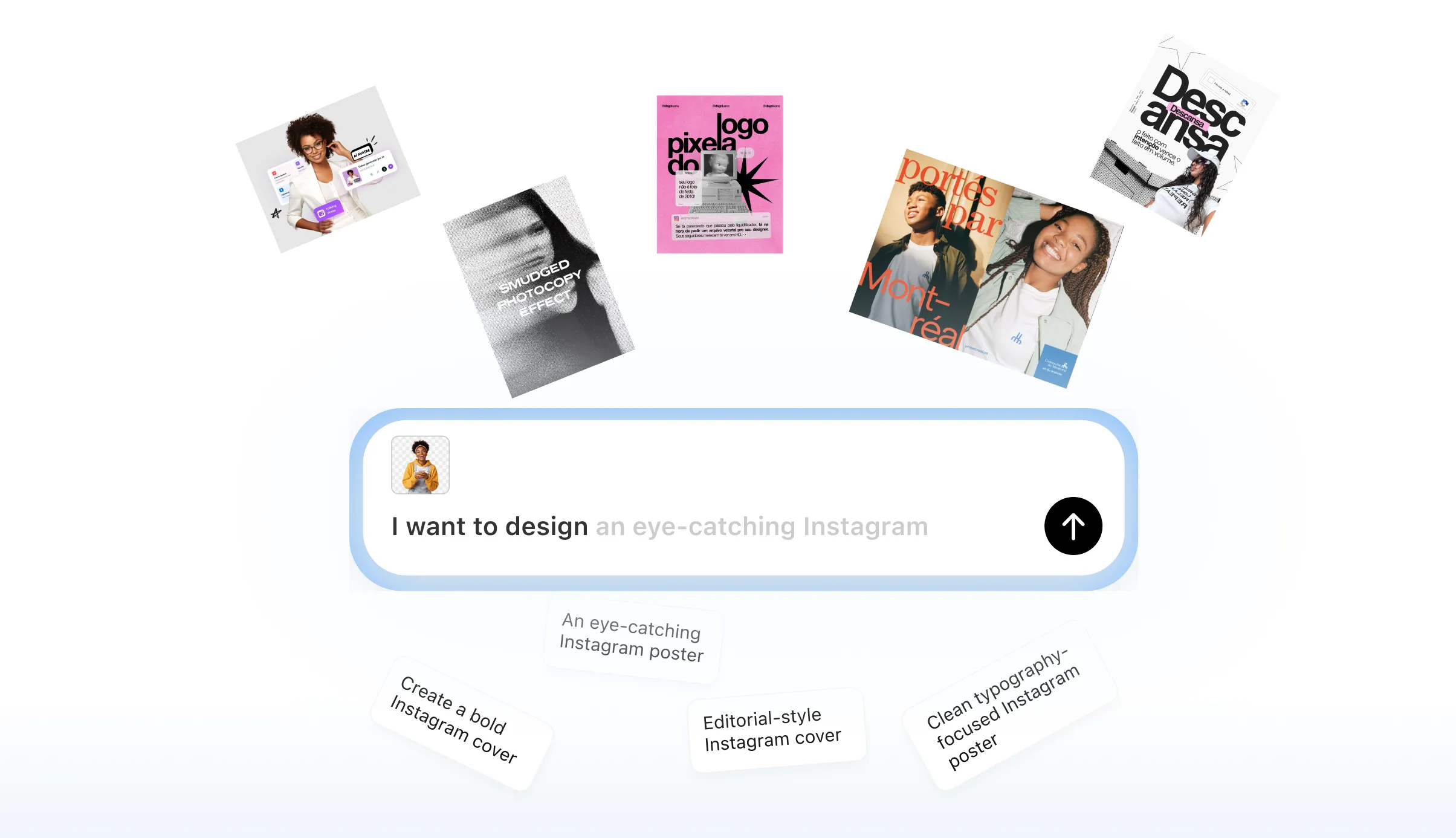
Give Vendors Graphics They Can Actually Share on Their Own Channels
One of the most effective ways to promote your farmers market season launch is to let vendors do some of the work for you. That only happens when you hand them a co-branded graphic that fits their feed and carries your market's name and dates. A campaign generator produces vendor-ready assets alongside your own market materials so the whole community amplifies the same message.
Try It Free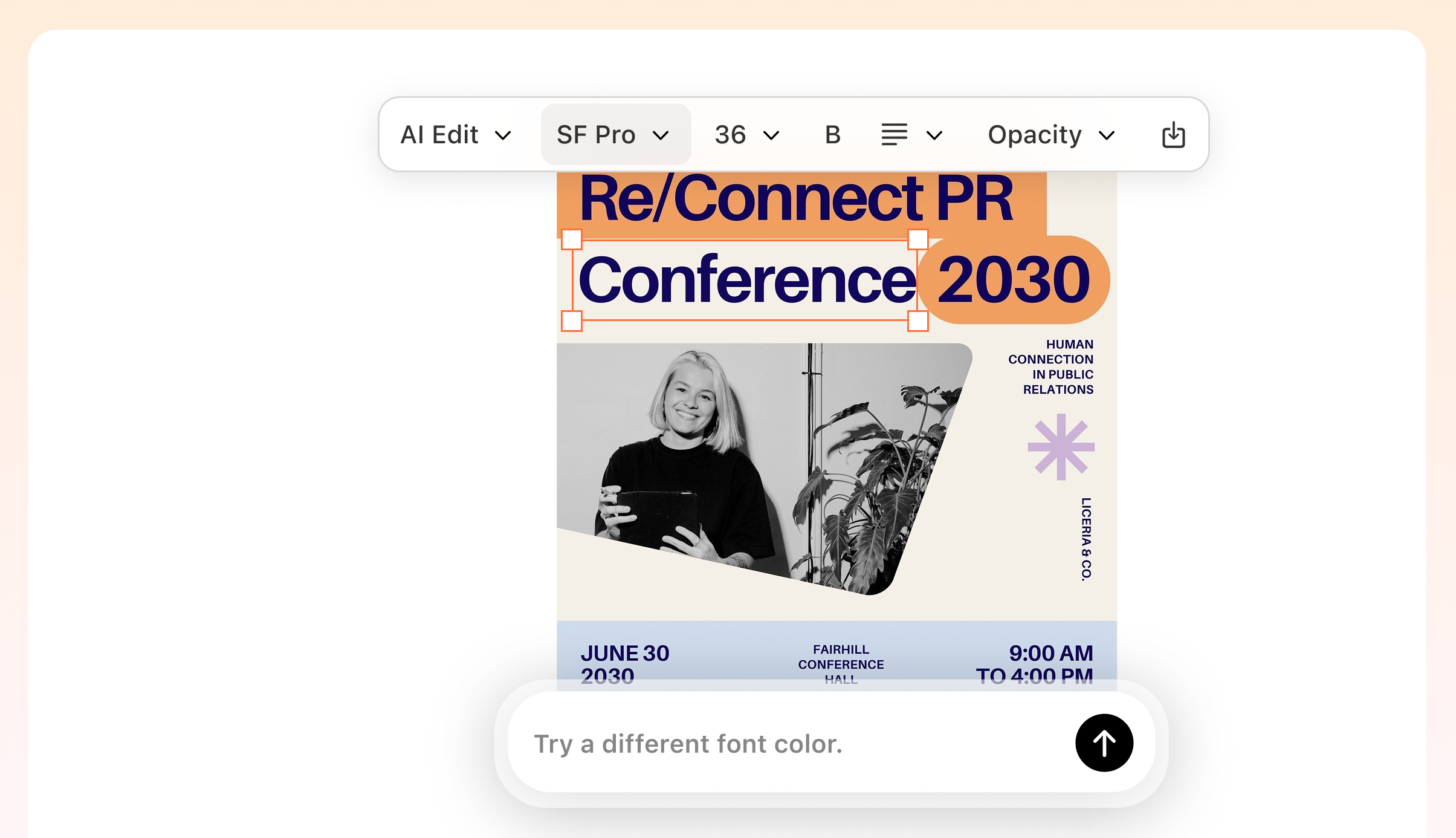
Reach Food Access Audiences With Clear, Purpose-Built Outreach Materials
SNAP, EBT, and WIC acceptance is a meaningful part of many markets' missions, but it often gets buried in small print or skipped entirely in opening season materials. A dedicated food access flyer — designed with plain language and strong visual contrast — helps you reach the households who need that information most. Building this into your campaign set from the start means it never gets treated as an afterthought.
Try It Free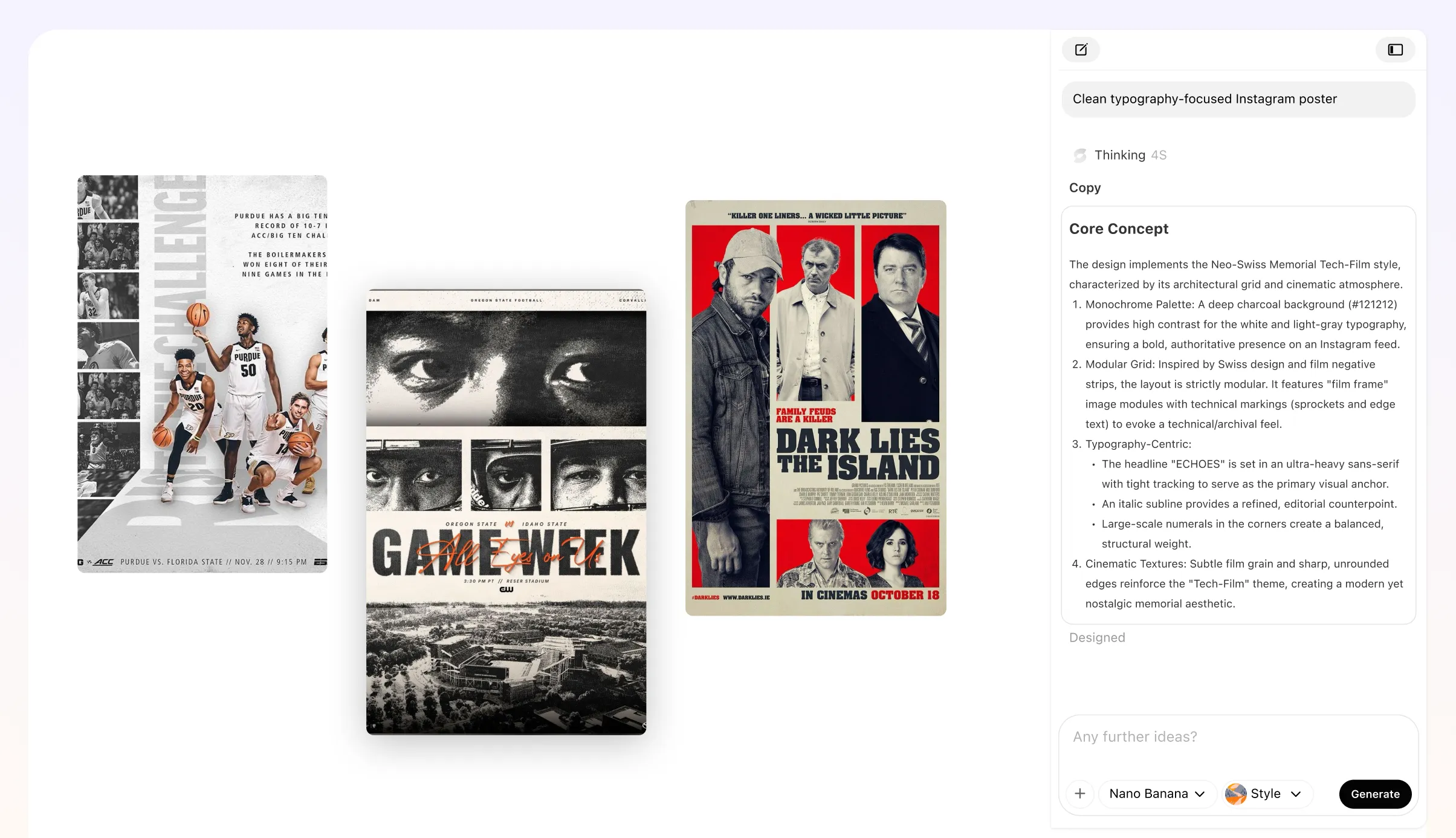
Build the Community Recognition That Brings Shoppers Back Every Week
A single opening day post gets attention once. A season-long campaign with a consistent look — same colors, same fonts, same market name treatment — trains your local audience to recognize your content instantly in a busy feed. That visual familiarity is what turns a first-time visitor into a recurring attendee who shows up rain or shine.
Try It Free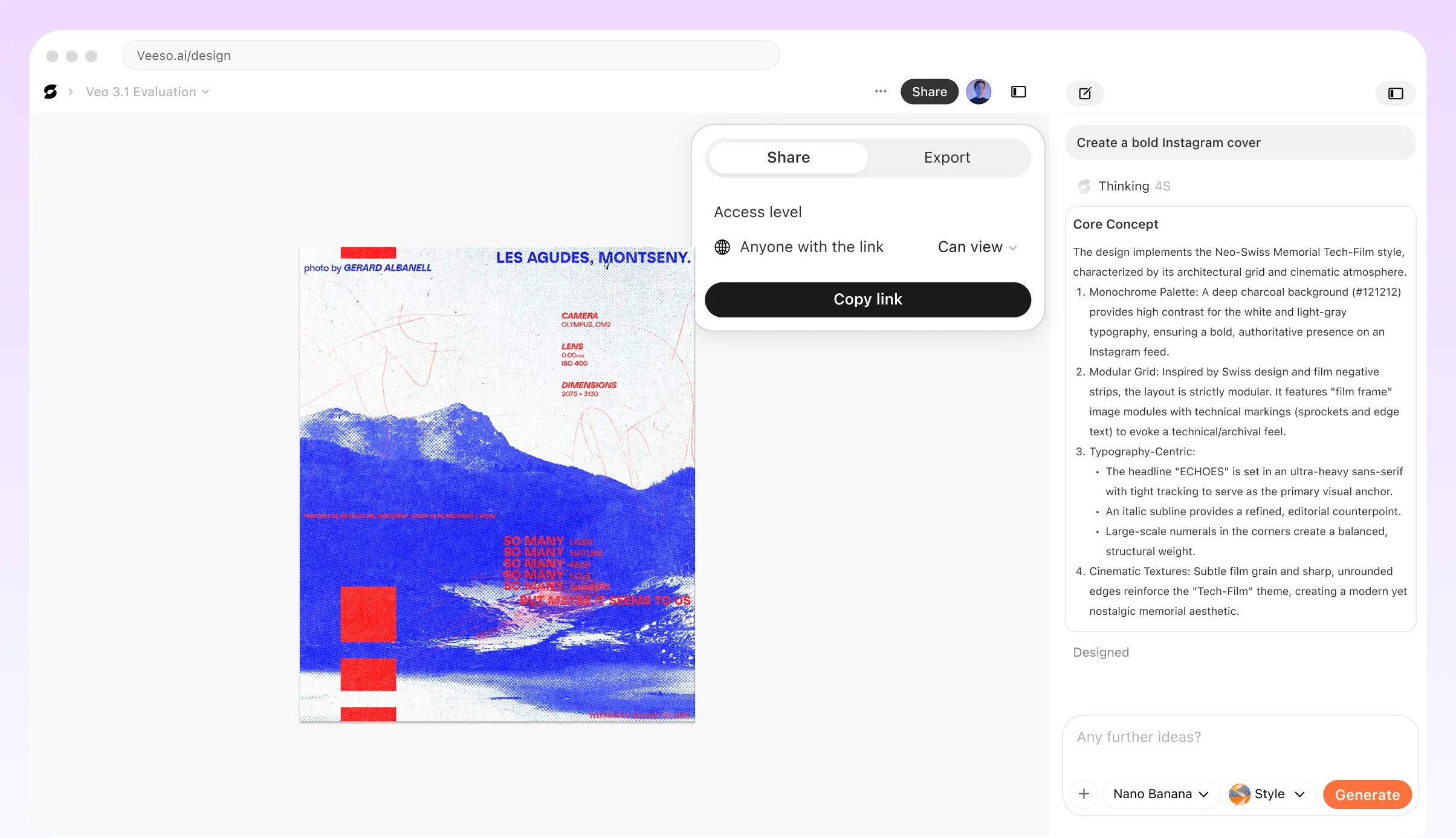
Who Uses a Farmers Market Season Launch Campaign Generator?
Opening Day Announcement for Market Managers
You've confirmed your vendor roster, locked in the location, and set your hours. Now you need to tell the community before the season slips past them. A season launch campaign generator helps you turn those confirmed details into a coordinated set of announcements covering opening day activities, market layout, and what's new this year. Start with a single-page flyer that lists dates, hours, and featured vendors, then build out weekly reminder posts so attendance doesn't drop off after the first Saturday rush.
SNAP, EBT, and WIC Outreach Flyers for Food Access Coordinators
Many community members don't know their local farmers market accepts SNAP, EBT, or WIC benefits. If your market participates in food access programs, that information needs to reach underserved neighborhoods before the season opens, not after. Design clear, plain-language flyers that explain how the token or matching program works, where the market is located, and which vendors carry staple produce. Distribute printed versions through community health centers, libraries, and food pantries. Veeso AI can help you produce print-ready versions of these flyers quickly, with every detail editable before you export.
Vendor Co-Branded Announcement Kits for Individual Sellers
Your vendors have their own social followings, and those audiences are exactly who you want at the market on opening day. Give each vendor a simple co-branded announcement they can post on their own channels. The kit should include the market name, season start date, and a short line about what that vendor is bringing this year. Keep the visual style consistent so every post reinforces the same season launch message across different accounts. A shared design file makes it easy for vendors to swap in their own details without breaking the overall look.
Multi-Week Recurring Attendance Campaign for Season-Long Engagement
Opening day draws a crowd, but the real challenge is keeping people coming back every week. A recurring attendance campaign spaces out your messaging across the full season, highlighting rotating themes like stone fruit month, local honey week, or a new live music lineup. Plan your campaign arc before the season starts so you're not scrambling for content mid-July. Each week's announcement should reference what's fresh, what's new at the market, and any upcoming activities or programming additions that give lapsed attendees a reason to return.
Grant Reporting Visual Documentation for USDA-Funded Markets
Markets receiving USDA Farmers Market Promotion Program funding often need to document their outreach efforts as part of grant reporting. That means keeping organized records of the promotional materials you produced, the audiences you targeted, and the food access messaging you distributed. Designing your campaign assets in a consistent, labeled format from the start makes that documentation far easier to compile at the end of the season. Veeso AI lets you produce editable, export-ready visual assets you can organize by campaign stage and reference directly in your reporting materials.
New Programming Announcement to Re-Engage Lapsed Attendees
If your market added a cooking demonstration series, a kids activity corner, or a new entertainment schedule this season, that news won't reach lapsed attendees on its own. Build a targeted announcement that leads with what's different, not just what's returning. A one-page activity schedule announcement works well for community bulletin boards and neighborhood newsletters. Pair it with a short social post that teases the first event. Framing the season launch around new programming gives people who skipped last year a concrete reason to show up this time.
Why farmers market managers, market coordinators, and local agriculture nonprofit staff Choose Veeso AI
How to Create High-Converting farmers market opening day visual assets
Gather Your Season Details Before You Open Any Design Tool
Write down your confirmed opening date, market hours, location address, vendor roster, accepted food access programs like SNAP or EBT, and any opening day activities. Having these details ready before you start means your visuals reflect real information from the first draft, not placeholder text you have to chase down later.
Map Out Which Visual Assets Your Campaign Needs
A complete farmers market season launch campaign typically needs five asset types: an opening day announcement poster, a vendor roster graphic, a food access outreach flyer, an activity schedule card, and a co-branded vendor spotlight graphic. Deciding which of these you need upfront lets you build a coordinated set rather than designing each piece in isolation.
Build Your Campaign Set With a Consistent Visual Style
Whether you start from a prompt, a template, or an imported document, apply the same fonts, colors, and logo treatment across every asset in the set. Consistent visuals are what make your opening day announcement, your vendor graphics, and your food access flyer feel like they belong to the same campaign — and that consistency is what community members start to recognize week after week.
Export and Distribute Each Asset in the Right Format for Its Channel
A social post needs a square or vertical crop at screen resolution, while a printed booth flyer needs a high-resolution PDF with enough margin for trimming. Export each asset in the format that matches where it will be used, then share vendor spotlight graphics directly with the vendors on your roster so they can post them on their own channels before opening day.
FAQ

Ready to Create Beautiful Coordinated Market Season Promo Graphics with Veeso AI?
Start Creating NowNo credit card required • Free to start • No design skills required
Explore More AI Graphic Design Use Cases
Discover more creative design scenarios powered by Veeso AI.