Map Every Attendee Message From Registration to Follow-Up
Plan a complete attendee communication journey covering every stage, channel, and audience segment. Describe your event and get a structured message sequence ready to hand off. Export your journey map as a polished visual your team can act on immediately.
Three Ways to Generate attendee journey map visual
Describe Your Event and Audience, Then Generate the Journey Map
Type a plain-language description of your event, your audience segments, and your key dates. The generator reads your input and builds a full attendee communication journey, stage by stage, from discovery through follow-up. For example, a product launch prompt might produce a six-touchpoint pre-event sequence, a same-day participation prompt, and a three-message post-event nurture arc, all mapped by channel and timing.
- Generates touchpoints across discovery, registration, preparation, participation, and follow-up stages
- Assigns channel suggestions such as email, push, or in-app per touchpoint based on your event type
- Splits the journey by attendee segment, for example first-time versus returning, or VIP versus general
- Outputs a structured, editable journey map visual you can review and refine before handoff
Start from a Pre-Built Journey Template for Your Event Type
Choose a journey template matched to your event format, whether that is a multi-day conference, a product launch, or a community meetup. Each template comes pre-loaded with the typical communication stages and message cadence for that event type, so you are not starting from a blank canvas. Swap in your own copy, adjust the timing, and the stage-by-stage journey map visual is ready to share.
- Templates organized by event type including conference, product launch, webinar, and community meetup
- Pre-mapped touchpoints reflect the typical attendee lifecycle for each format
- Editable message copy placeholders at every stage so you fill in details without restructuring the flow
- Visual layout shows channel, timing, and segment lane side by side for easy review
Import Your Event Brief or Agenda and Auto-Structure the Journey
If you already have an event brief, speaker agenda, or run-of-show in a PDF or Word document, you can import it directly and let the generator structure the communication journey around it. The tool reads your existing content and maps it into the correct lifecycle stages, saving you the manual work of translating a document into a flow. You get a polished, discovery-to-follow-up event message generator output without retyping a word.
- Accepts PDF, Word, or Markdown files containing event briefs, agendas, or speaker lists
- Auto-identifies key dates, sessions, and audience details to anchor each journey stage
- Surfaces communication gaps where your imported content does not cover a standard touchpoint
- Produces an editable visual journey map you can export for your CRM or automation team
Why choose Veeso for your event communication flow chart
Stop Missing Touchpoints Across the Attendee Lifecycle
Most communication gaps happen between registration and event day, or right after the event ends. An AI attendee communication journey generator maps every stage from discovery through post-event follow-up, so no message falls through the cracks. You end up with a complete, stage-by-stage flow your team can actually act on.
Try It Free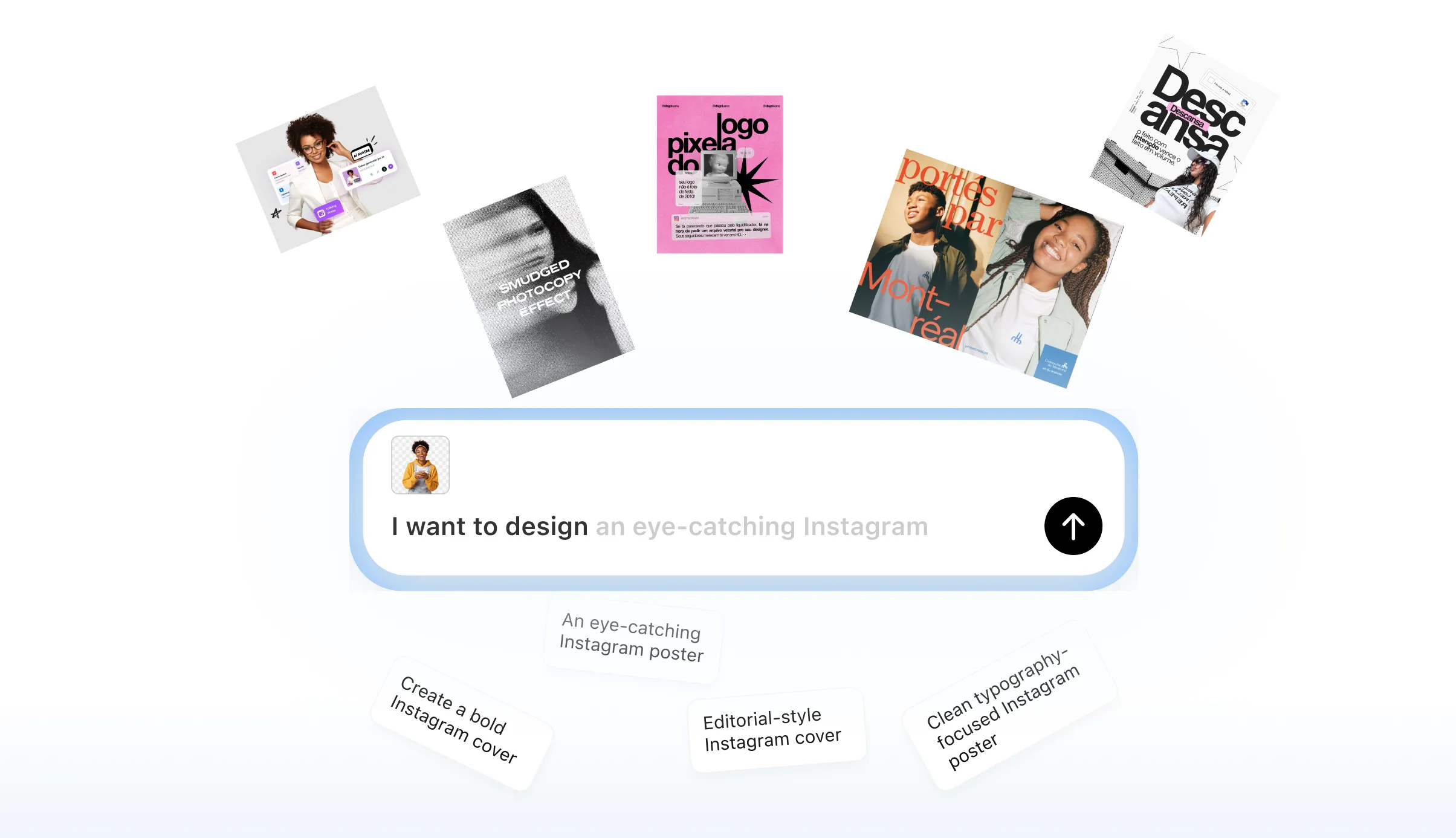
Adapt Your Message Sequence for Different Attendee Segments
First-time attendees need different guidance than returning ones. VIP guests expect a different pre-event cadence than general admission. An AI journey mapping tool lets you branch your communication flow by segment in minutes, rather than rebuilding separate spreadsheets for each audience group. The result is a tailored sequence that feels personal without doubling your workload.
Try It Free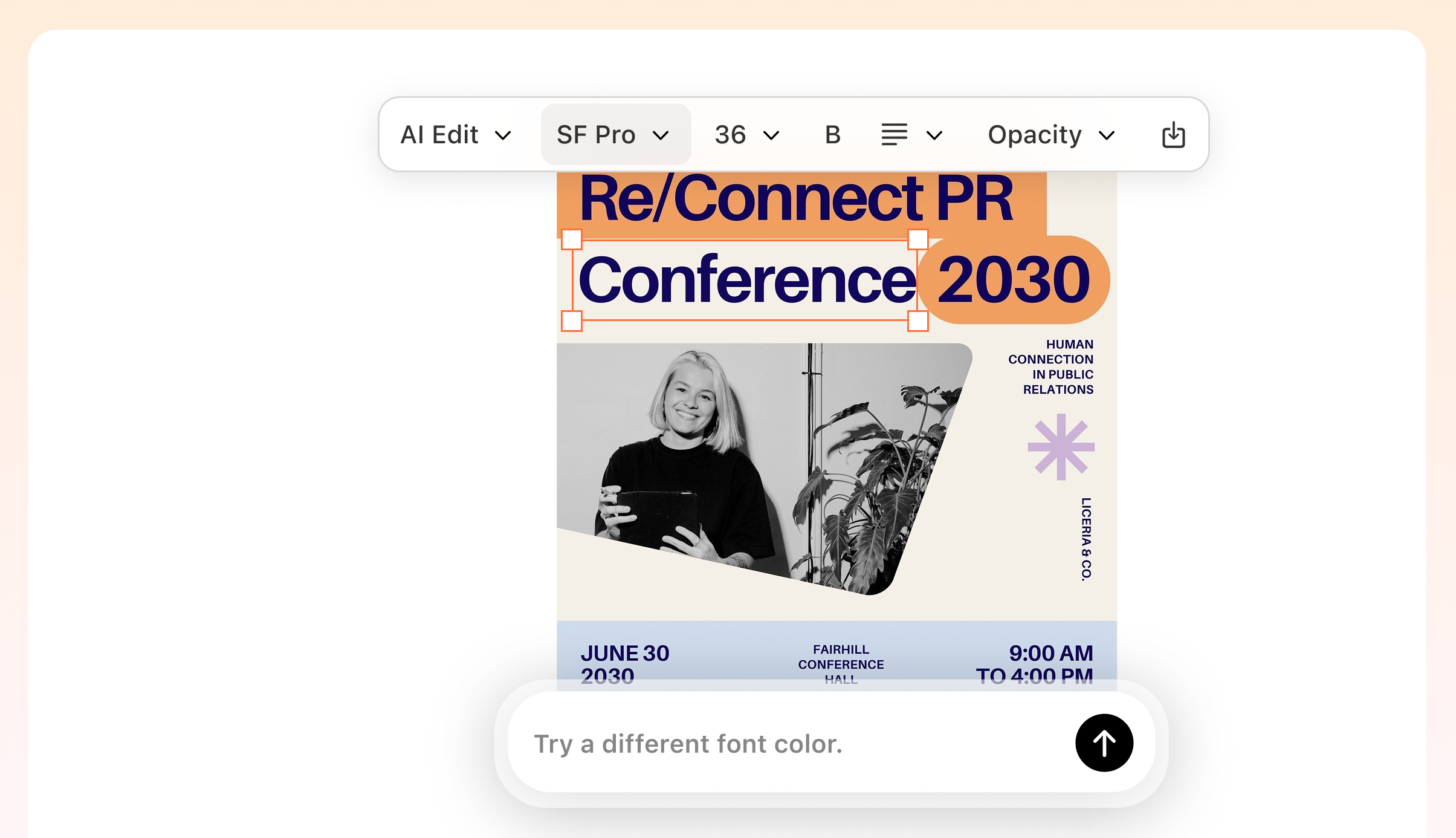
Hand Off a Structured Journey Map Your Automation Team Can Use
A journey built in a slide deck or sticky-note board rarely survives the handoff to a CRM or automation team. When your event communication sequence planner outputs a structured, channel-labeled map, your technical team can load it directly into their tools without a translation meeting. That gap between strategy and execution closes fast.
Try It Free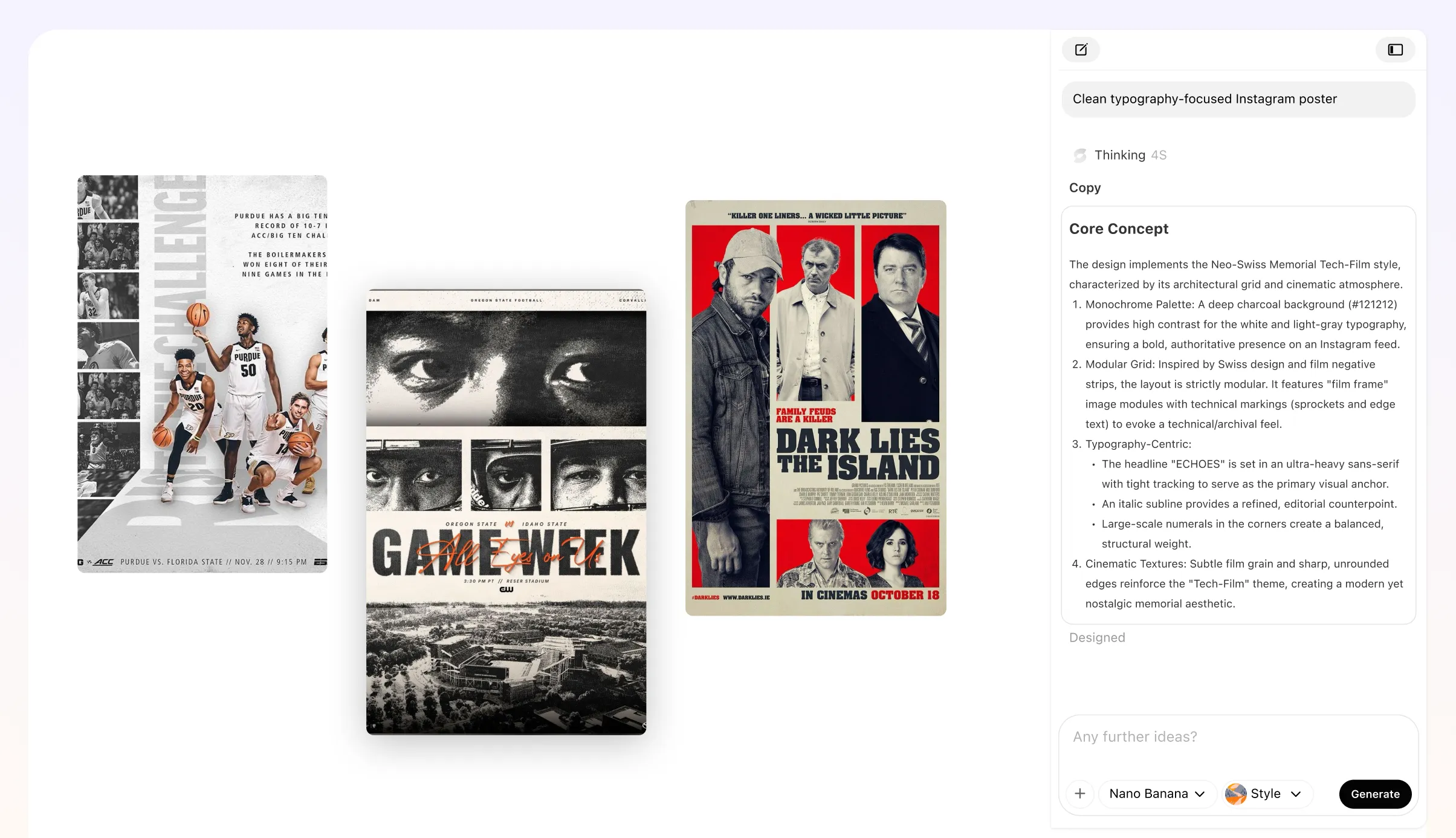
Build a Complete Pre-Event and Post-Event Communication Flow in One Session
Mapping a pre-event to post-event communication flow manually can take days of back-and-forth between marketing, content, and ops. An AI generator drafts the full arc, from the first awareness message to the final re-engagement nudge, in a single working session. You spend your time refining the message, not building the scaffolding.
Try It Free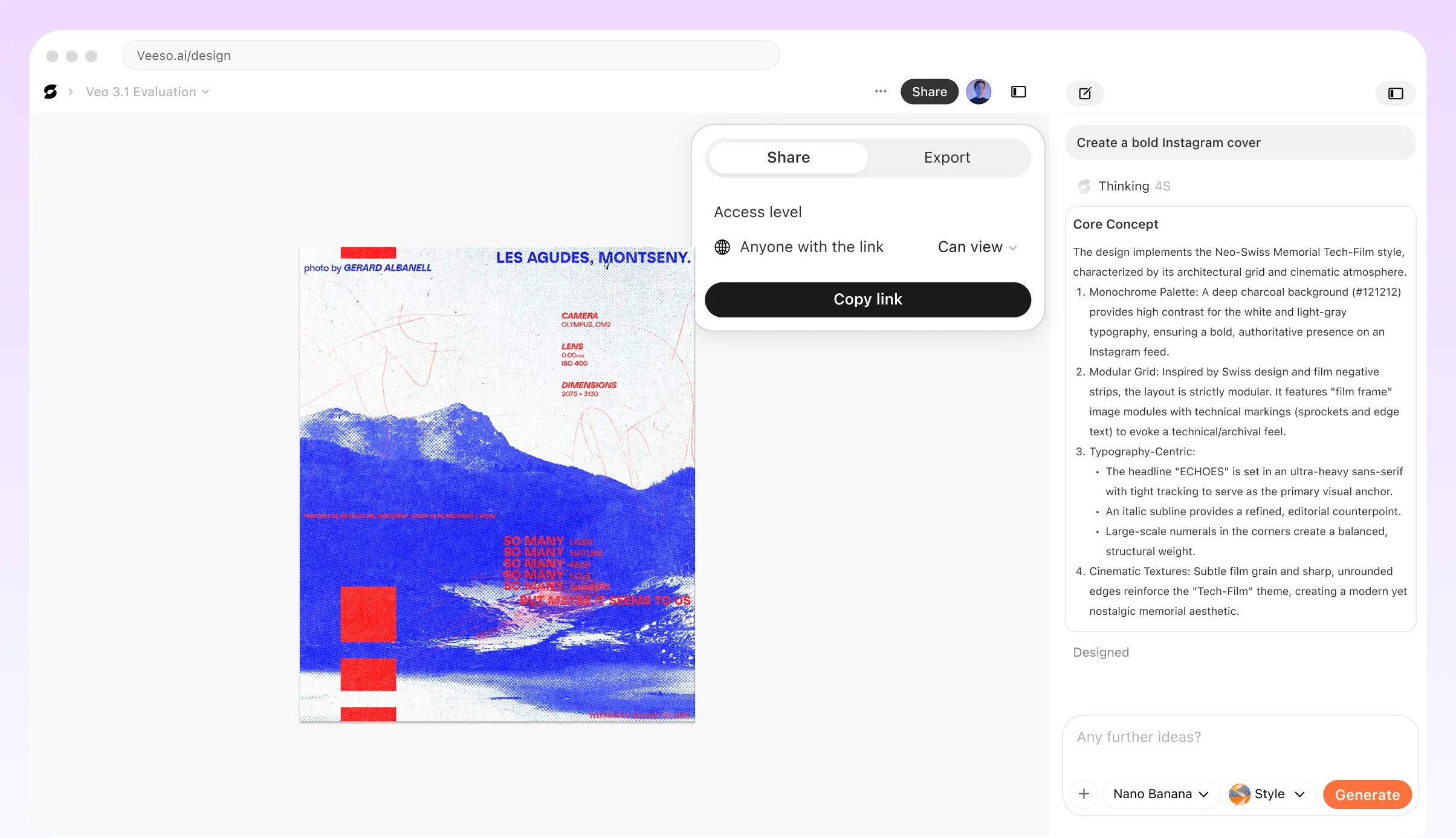
Who Uses an AI Attendee Communication Journey Generator?
Mapping the Full Registration-to-Follow-Up Flow for a Multi-Day Conference
Conference organizers often send messages in bursts rather than as a planned sequence, which leaves gaps between registration and the event itself. An event attendee communication journey generator helps you map every touchpoint from the confirmation email through post-event survey in one structured pass. You can see exactly where attendees go quiet, where preparation reminders belong, and which day-of instructions need to arrive first. The result is a stage-labeled communication flow your CRM team can implement without guessing at timing or message order.
Building Separate Message Sequences for Speakers, Sponsors, and General Attendees
A single communication cadence rarely works for every audience segment at the same event. Speakers need briefing documents and rehearsal reminders. Sponsors need logistics contacts and brand placement confirmations. General attendees need agenda highlights and venue directions. Using an AI event attendee communication planner, you can generate distinct message journeys for each segment in one session, keeping the tone and timing appropriate for each group. This removes the manual work of adapting a generic template three separate times before the event date arrives.
Auditing an Existing Event Communication Plan Against a Structured Journey Framework
When an event marketing team inherits a communication plan from a previous cycle, it's rarely clear what's missing. Running the existing sequence through an attendee journey touchpoint mapper surfaces gaps quickly. You might discover there's no pre-event engagement prompt between registration and the week-of reminder, or that post-event follow-up stops after one email. Comparing your current plan against a structured attendee lifecycle framework gives you a prioritized list of what to add, not just a vague sense that something feels incomplete.
Generating Day-Of Instruction Messages for a Hybrid Event Across Email and App Channels
Hybrid events split attendees between a physical venue and a virtual platform, which means day-of instructions must work across at least two channels without contradicting each other. An event communication sequence planner lets you draft parallel message sets for in-person and remote attendees, covering check-in steps, session links, and support contacts in the right format for each channel. You can also use Veeso AI to turn those finalized instructions into print-ready signage or digital slides that match your event branding, keeping the visual and written experience consistent.
Rebuilding a Recurring Annual Event Journey Without Starting from Scratch
Annual events reuse roughly the same communication structure each year, but dates, speakers, venues, and themes change. Rebuilding the full attendee engagement message journey manually every cycle wastes time your team doesn't have in the weeks before launch. A discovery-to-follow-up event message generator lets you load last year's stage structure and update the content for the new event details quickly. You keep the proven cadence and channel logic while replacing the specifics, so the team hands off a complete, updated journey map to marketing automation without a full rebuild.
Presenting a Documented Attendee Engagement Strategy to Event Stakeholders
Stakeholders often approve event budgets without seeing how attendee communication actually works across the full journey. A documented, stage-labeled communication flow makes the strategy visible and reviewable before execution begins. You can generate the full pre-event and post-event communication sequence, label each touchpoint by channel and audience segment, and present it as a clear plan rather than a spreadsheet of draft emails. Veeso AI can then help you turn that journey map into a polished visual document suitable for a stakeholder presentation or internal handoff brief.
Why event planners and corporate marketing managers Choose Veeso AI
How to Create High-Converting stage-by-stage journey map visual
Define Your Event Type, Dates, and Audience Segments
Start by entering your event format, key dates, and the attendee groups you are communicating with. Being specific here, for example separating first-time registrants from returning attendees or VIP guests from general admission, gives the generator the context it needs to map a relevant communication flow for each group.
Review the Generated Touchpoint Map Across Every Journey Stage
The generator lays out every communication touchpoint from initial discovery through post-event follow-up, organized by stage and channel. Check each stage for gaps, confirm the timing makes sense for your event cadence, and flag any touchpoints that need a different channel or message tone.
Edit Message Copy and Channel Assignments Per Stage
Each touchpoint in the journey map comes with draft copy and a suggested channel. Rewrite any message to match your brand voice, adjust delivery channels to fit your stack, and reassign touchpoints between segments if needed. If you want a polished visual version of the journey map to share with stakeholders, Veeso AI can turn your structured content into a print-ready, fully editable visual in one step.
Export the Structured Journey Map for Team Handoff
Once the journey is finalized, export it in a format your CRM or automation team can work from directly. A clearly structured, channel-labeled attendee communication journey removes the guesswork from implementation and keeps your pre-event and post-event communication flow on schedule.
FAQ

Ready to Create Beautiful Event Communication Flow Chart with Veeso AI?
Start Creating NowNo credit card required • Free to start • No design skills required
Explore More AI Graphic Design Use Cases
Discover more creative design scenarios powered by Veeso AI.