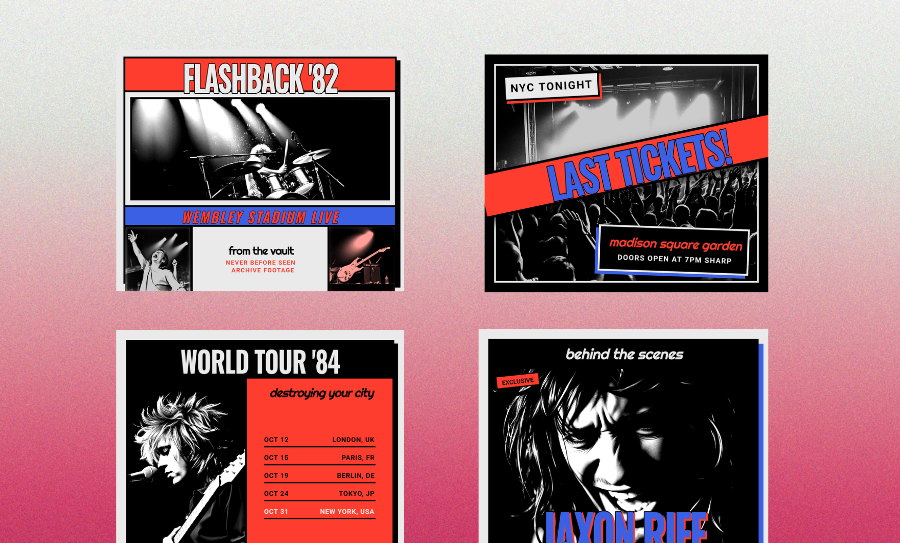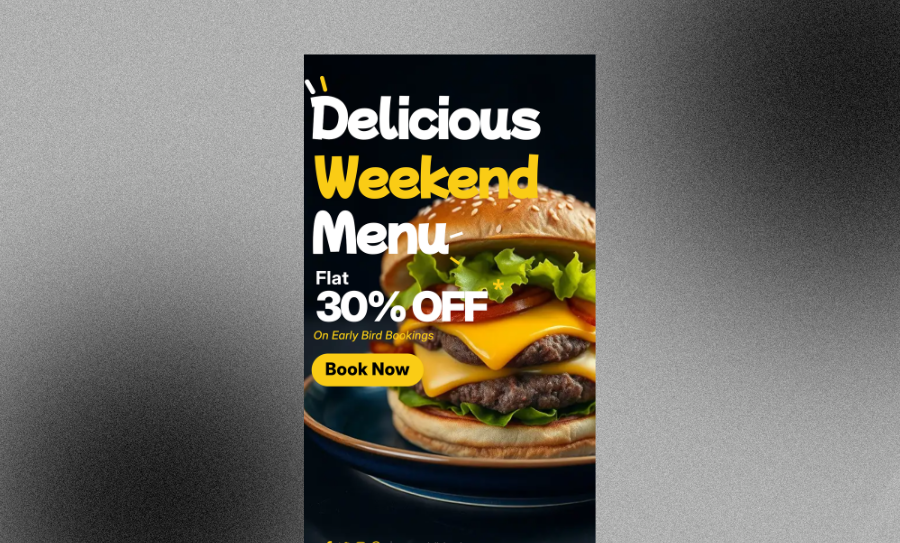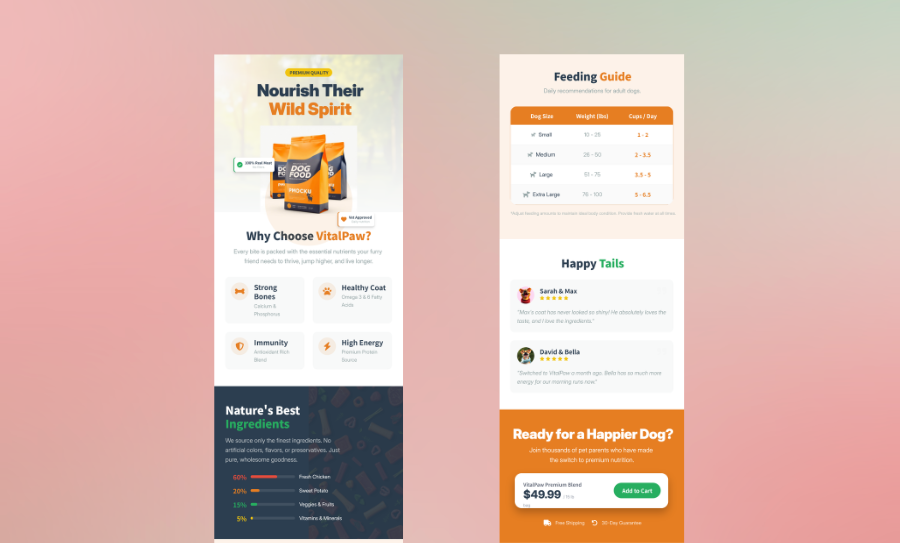
Build Your Event Attendee Onboarding Campaign
Generate a structured email sequence that guides registered attendees from confirmation to event day. Describe your event and get a ready-to-use communication flow in minutes. Cover logistics, agenda, access details, and participation tips without starting from scratch.
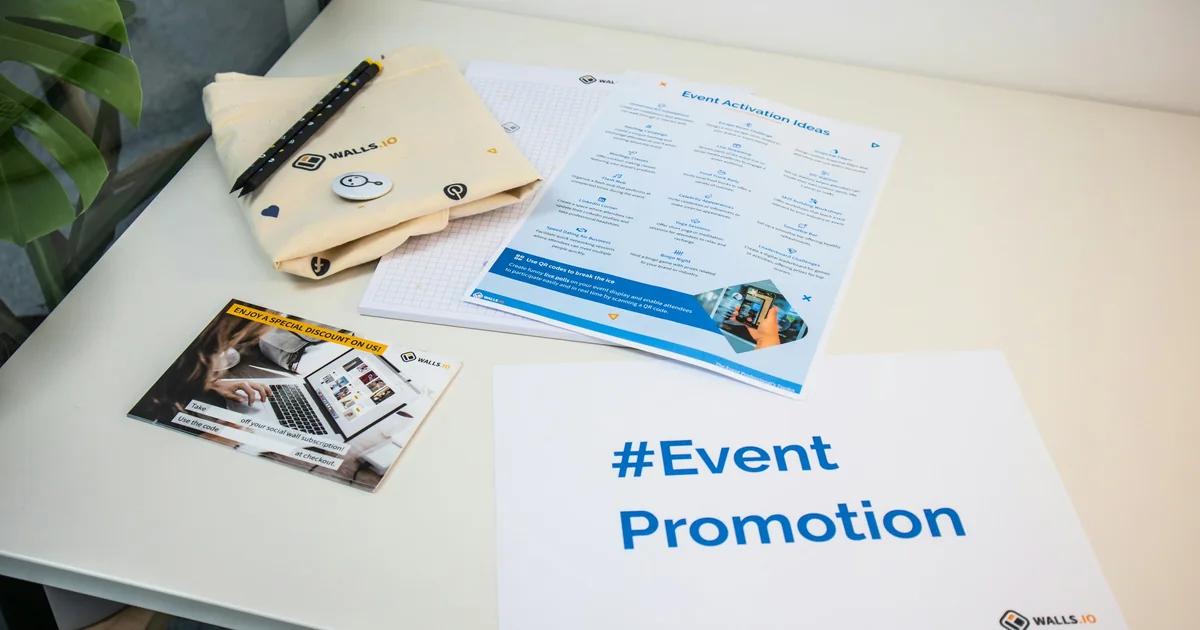
Three Ways to Generate multi-touch attendee onboarding visual set
Describe Your Event and Generate a Full Onboarding Visual Set
If you have a clear picture of your event but haven't built any assets yet, start by describing it in plain language. Tell the generator your event type, audience, key dates, and tone, and it structures a multi-touch attendee onboarding visual set around those inputs. You get a coordinated set of editable assets — welcome card, logistics briefing, agenda preview — ready to customize rather than build from a blank page.
- Generates a welcome message, venue briefing, and session preview from a single event description
- Structures touchpoints in the correct pre-arrival sequence automatically
- Matches visual tone to event type — corporate conference, community summit, trade show
- Outputs fully editable layouts, not static images, so every detail can be adjusted
Start From a Template Matched to Your Event Type
Sometimes the fastest path is picking a starting point that already fits your format. A template library filtered by event type — conference, workshop, fundraiser, product launch — gives you a pre-structured attendee onboarding campaign layout with placeholder content you replace with your own. You spend your time on the details that matter, not on figuring out what a five-panel briefing set should look like.
- Templates organized by event format and attendee audience type
- Pre-built touchpoint sequence: confirmation, logistics brief, agenda card, day-of reminder
- Editable color, font, and layout to match your event brand
- Swap placeholder text and images without disrupting the visual structure
Import Your Agenda or Speaker Doc and Turn It Into Structured Visuals
If your event agenda already exists in a PDF, Word file, or Markdown document, you don't need to re-enter that content manually. Import the document and the tool restructures it into a set of visual briefing pages — one panel per session block, speaker card, or logistics item. Veeso AI supports this import-to-design step, turning a formatted document into a polished, editable attendee briefing set ready for distribution.
- Accepts PDF, Word, and Markdown agenda files as source content
- Breaks long documents into individual visual panels by section or topic
- Preserves speaker names, session times, and room assignments in the layout
- Exports as high-resolution PDF or PNG for use in email, print, or event portals
Why choose Veeso for your branded event communication asset kit
Cut Day-Of Confusion Before It Starts
Attendees who arrive unsure about parking, check-in, or the session schedule create a bottleneck at the door and flood your inbox with repeat questions. A structured pre-arrival communication workflow answers those questions in advance, at the right moment. The result is a smoother arrival experience and a support team that isn't overwhelmed before the event even opens.
Try It Free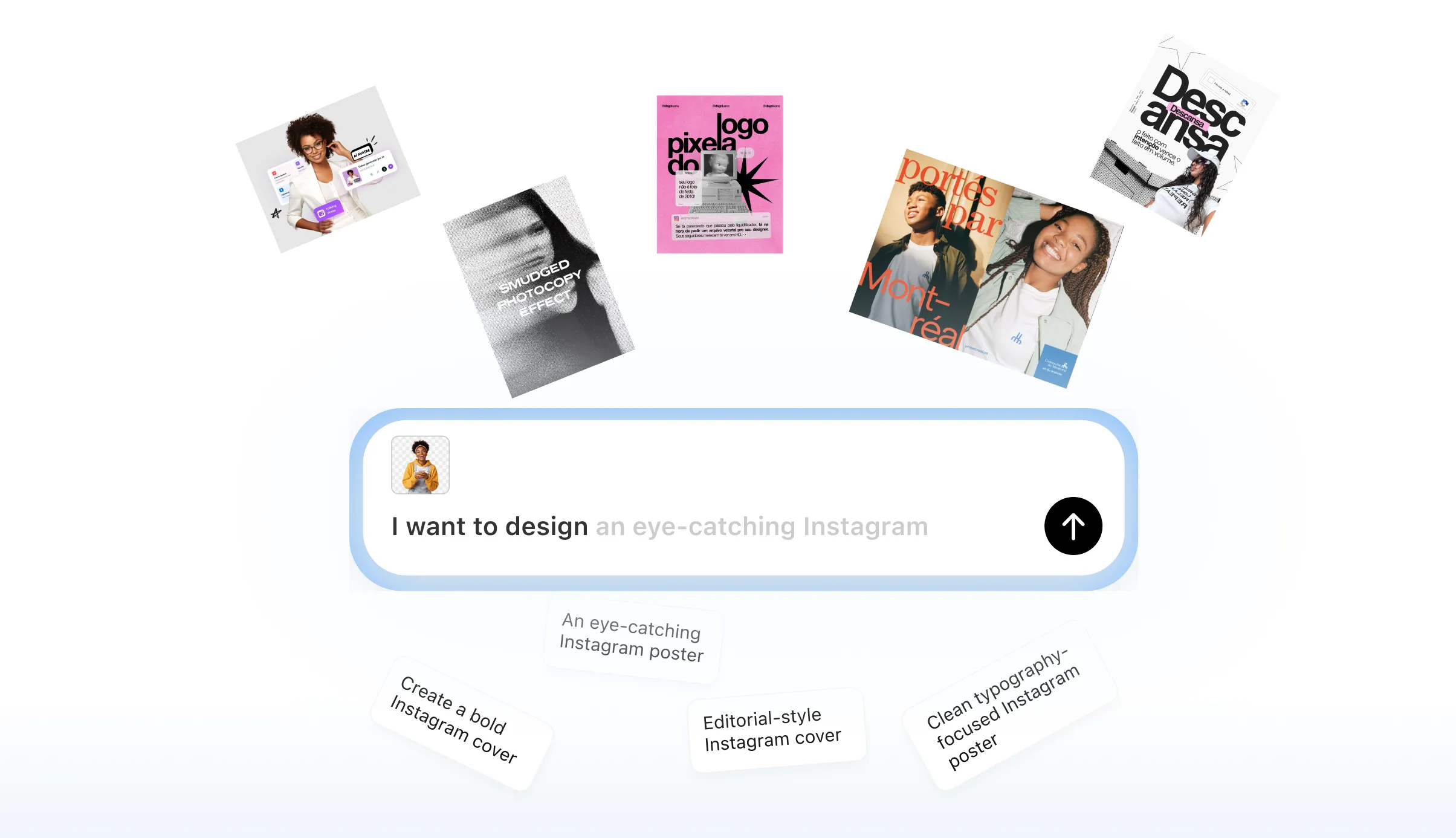
Deliver Agenda and Logistics Details That Actually Get Read
A wall of text in a single confirmation email rarely gets read twice. Breaking your event access and agenda content into visually distinct touchpoints — a welcome card, a venue briefing, a session preview — gives each piece of information its own moment. Attendees absorb details more easily when they're not competing with five other facts on the same screen.
Try It Free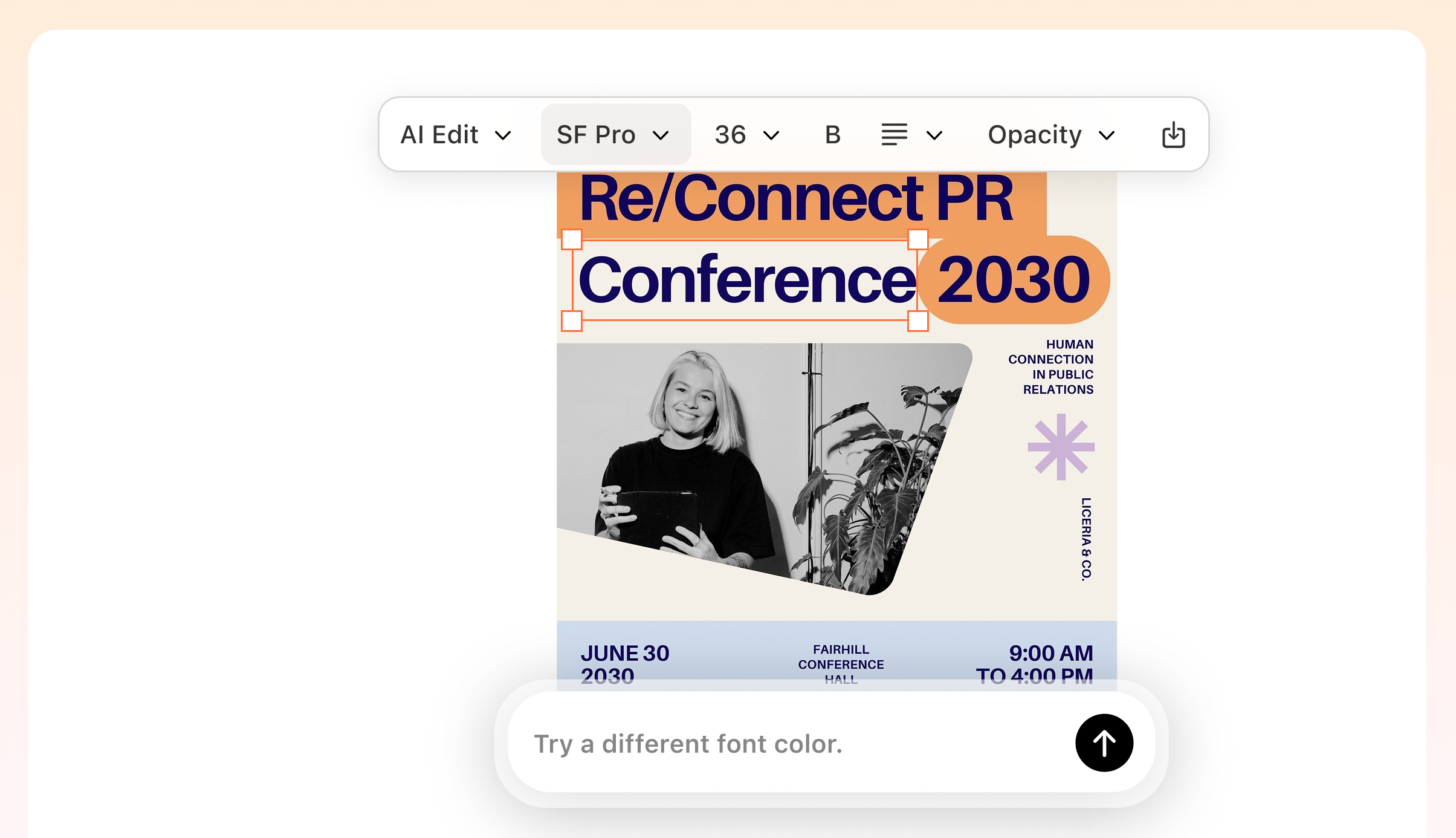
Reach Every Attendee Tier With the Right Message
VIPs, speakers, first-time attendees, and returning participants all need different information before they arrive. A segmented post-registration onboarding flow lets you tailor each communication set without starting from scratch every time. Consistent visual formatting across all tiers keeps your event brand coherent even when the content differs.
Try It Free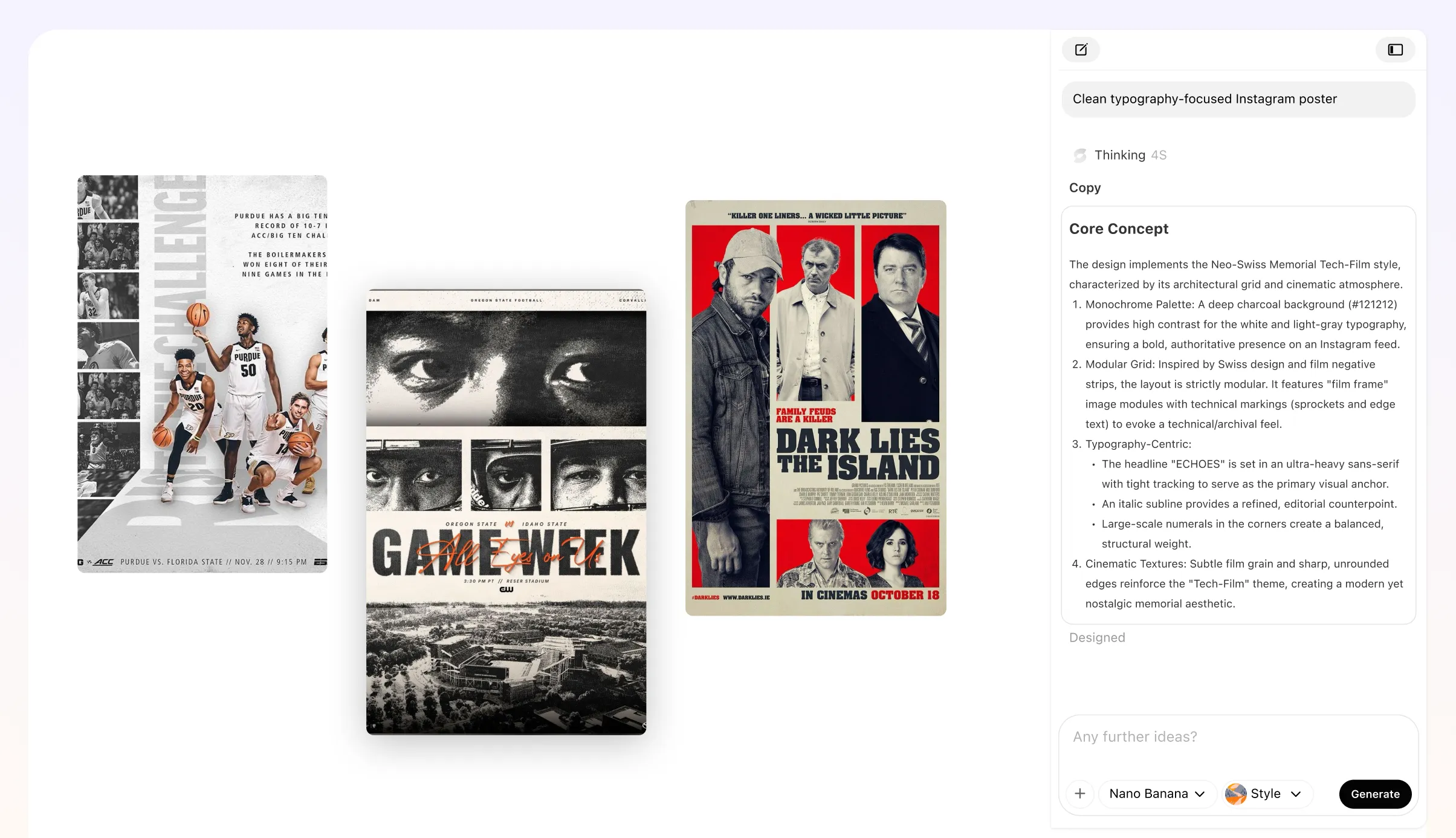
Build a Campaign That Works Across Every Pre-Event Window
The gap between registration and event day can span weeks or months. A multi-touch attendee communication sequence — timed at registration, two weeks out, and 48 hours before — keeps your event top of mind without overwhelming people. Each touchpoint builds on the last, so attendees arrive informed, prepared, and genuinely ready to participate.
Try It Free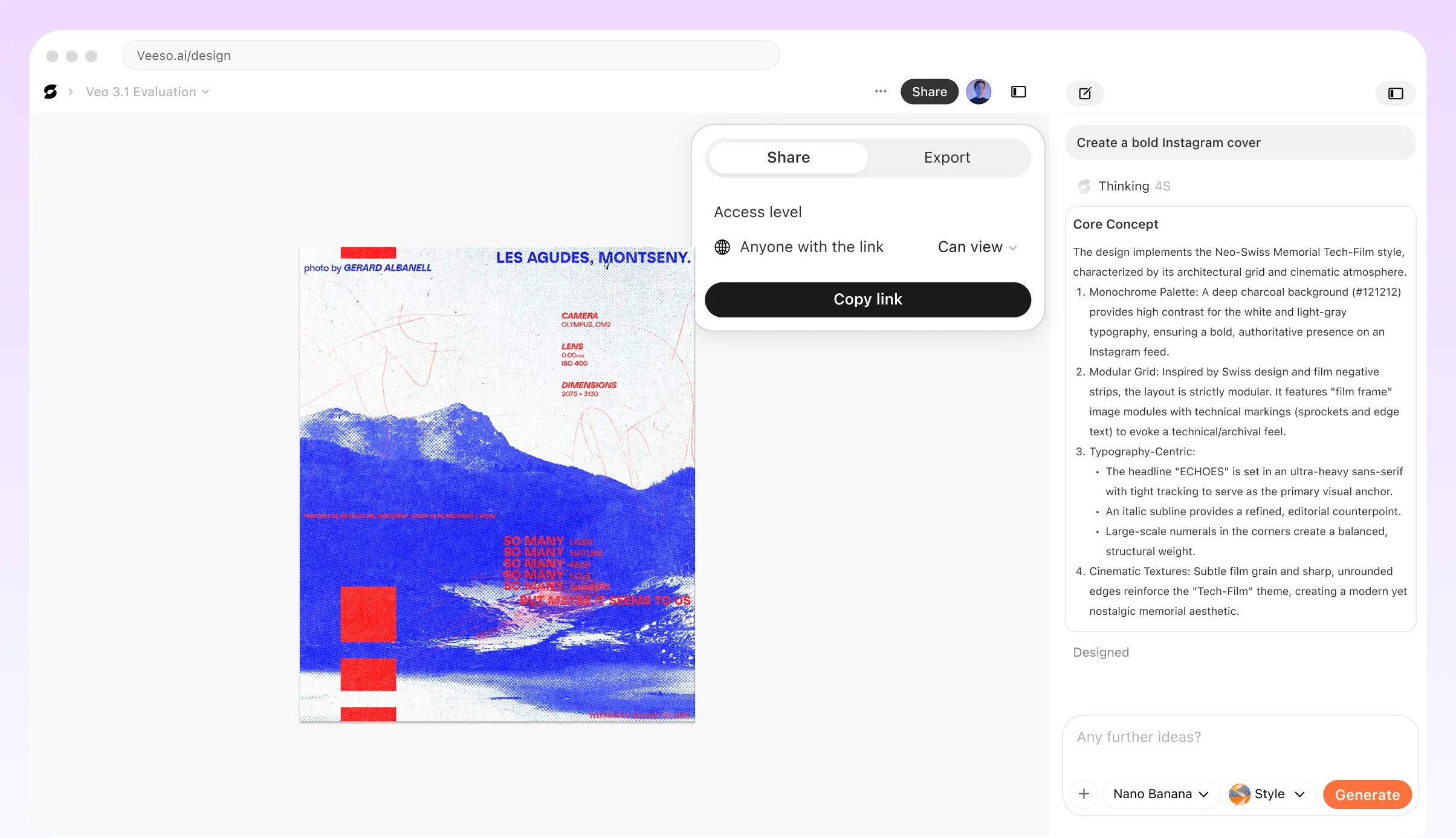
Who Uses an Event Attendee Onboarding Campaign Generator?
Multi-Track Conference With Speaker and General Attendee Segments
A large industry conference often has speakers, sponsors, and general attendees who each need different information before the event starts. Building a separate pre-arrival communication workflow for each group from scratch takes days. An event attendee onboarding campaign generator lets you define each segment once, then produce tailored email sequences covering agenda access, session formats, and venue logistics for every group. Speakers get green room details and AV specs. General attendees get networking preparation tips and session reminder notifications. Each message stays on-brand without duplicating manual effort across your operations team.
Corporate Training Day Where No-Shows Cost Real Money
Internal training events suffer when registered employees forget to show up or arrive unprepared. A structured post-registration onboarding flow closes that gap by sending a confirmation, a logistics briefing, and a day-before reminder in a timed sequence. Each email covers what to bring, where to park, how to access the attendee portal, and what the session format looks like. When attendees know exactly what to expect, day-of confusion drops and participation quality improves. Generating this sequence from a single tool means your HR or L&D team isn't stitching together copy across three different platforms the week before the event.
Virtual Industry Summit Delivering Access Credentials and Agenda on Time
Online events create a specific problem: attendees register weeks in advance, then lose their login link or forget which sessions they signed up for. An event access and agenda delivery campaign solves this by structuring a pre-event email drip sequence that sends credentials at registration, a schedule preview mid-way, and a join-now link the morning of the event. Generating this workflow from a campaign builder means the timing and copy logic are handled together, not assembled separately. Attendees arrive in the right virtual room at the right time without flooding your support inbox with access questions.
Nonprofit Fundraising Gala Onboarding First-Time Donors as Attendees
First-time attendees at a fundraising gala often don't know the event's mission, format, or what participation looks like. A registered attendee welcome campaign can introduce the cause, explain the evening's program, and set expectations around giving opportunities before anyone walks through the door. Veeso AI can help your team design the visual assets that accompany this sequence, such as a branded event agenda card or a venue map handout, so printed materials match the tone of your emails. The campaign generator handles the copy and workflow structure while your design assets reinforce the same message visually.
Trade Show Exhibitor Briefing Campaign for Booth Staff Across Multiple Companies
Trade shows involve dozens of exhibiting companies whose booth staff need consistent pre-event briefing on setup times, badge pickup, floor maps, and house rules. Coordinating this through individual emails creates version control problems and gaps in coverage. An attendee engagement campaign creator lets show organizers generate a structured communication workflow that goes to all exhibitor contacts in sequence, covering each logistical step in order. Staff arrive knowing load-in windows, Wi-Fi credentials, and session schedules without the organizer team fielding the same questions repeatedly in the days before doors open.
University Open Day Where Prospective Students Need a Guided Pre-Visit Journey
Prospective students who register for a university open day often receive a single confirmation email and nothing else until the day itself. A multi-touch attendee communication sequence changes that by walking registrants through campus map access, session choices, parking instructions, and what to ask during faculty Q&As. Veeso AI can produce the printed campus guide or session schedule card that staff hand out on arrival, giving the physical touchpoint the same visual consistency as the digital sequence. The onboarding campaign generator handles the email copy and timing logic so admissions staff focus on the visit itself rather than last-minute communication prep.
Why event planners, conference coordinators, and corporate communications managers Choose Veeso AI
How to Create High-Converting structured attendee onboarding campaign visuals
Map Your Attendee Segments and Their Information Needs
Before writing a single line of copy, list the distinct groups attending your event — general registrants, VIPs, speakers, first-timers — and note what each group needs to know before arrival. This attendee journey mapping step prevents you from sending irrelevant logistics to speakers or burying VIP access details inside a general welcome email.
Define Your Pre-Arrival Communication Touchpoints and Timing
Decide how many touchpoints your campaign needs and when each one should land — typically at registration, two to three weeks out, one week out, and 48 hours before the event. Assign a single core message to each touchpoint: welcome and confirmation, venue and travel details, agenda and session preview, and final day-of reminders. Keeping each message focused stops attendees from skimming past important details.
Write the Core Content for Each Touchpoint
Draft the text for each communication in your event logistics sequence, starting with the most critical facts: dates, location, access instructions, and session highlights. Keep each message short enough to read in under two minutes, and lead with the information that changes attendee behavior — where to go, what to bring, how to prepare.
Assemble and Finalize Your Onboarding Visual Assets
With your content ready, build the visual set that carries each message — welcome card, venue briefing panel, agenda layout, and day-of reminder graphic. Tools like Veeso AI let you paste your drafted content and produce editable, print-ready visuals for each touchpoint without rebuilding the layout from scratch every time. Export each asset at the resolution your distribution channel requires.
FAQ

Ready to Create Beautiful Branded Event Communication Asset Kit with Veeso AI?
Start Creating NowNo credit card required • Free to start • No design skills required
Explore More AI Graphic Design Use Cases
Discover more creative design scenarios powered by Veeso AI.