Plan Your Email Campaign Before You Write a Word
Map every message, proof point, and CTA across your full email sequence in one clear visual document. Lay out your email campaign storyboard by stage, then hand it off to any writer or designer instantly. Export a print-ready PDF or PNG when your plan is locked.

Three Ways to Generate email campaign storyboard templates
Describe Your Email Sequence and Get a Storyboard Layout Instantly
If you know your campaign goal and rough email count, you can describe the sequence in plain language and get a structured visual storyboard back in seconds. This works well when you're starting from scratch and want a campaign wireframe to react to rather than a blank page. Veeso AI can generate an editable storyboard layout from a prompt, giving your team something concrete to mark up right away.
- Prompt by campaign type: drip nurture, product launch, re-engagement, or seasonal promo
- Auto-generates email-by-email rows with subject line, preview text, and module placeholder fields
- Outputs a single-column module map that mirrors how real emails render
- Fully editable layout — swap module types, reorder emails, or adjust CTA labels without starting over
Start From an Email Storyboard Template That Fits Your Campaign Type
Picking a template built for your specific campaign type — drip sequence, branching logic flow, or seasonal promotion — saves the time you'd spend reformatting a generic marketing storyboard. Each template comes pre-structured with the right number of email stages and module slots for that campaign goal. You customize the content blocks, proof point order, and CTA labels to match your actual sequence.
- Templates organized by campaign type: nurture, launch, re-engagement, and time-boxed promo
- Pre-built module slots for hero block, testimonial strip, product feature section, and CTA strip
- Subject line and preview text fields included alongside each visual module row
- Color, font, and layout all editable to match your brand or client's style guide
Import Your Existing Campaign Brief and Turn It Into a Visual Storyboard
If you've already drafted your email sequence in a Word doc, PDF, or Markdown file, you don't need to rebuild the structure from scratch. Import the document and the content gets mapped into a structured, visual storyboard layout you can share, annotate, and hand off to a designer or copywriter. This is especially useful for agencies presenting an email content strategy template to a client before production begins.
- Import from PDF, Word, or Markdown — campaign brief becomes a designed, page-by-page storyboard
- Each email in the brief gets its own visual row with module type labels and content intent notes
- Editable output means you can reorganize the message progression after import without re-importing
- Export as high-resolution PDF for client presentations or internal campaign reviews
Why choose Veeso for your email campaign visual planning templates
Map Your Email Narrative Arc Before Writing a Single Word
Most email campaigns fall flat because the message logic is never mapped out in one place. A visual planning template forces you to see the full subscriber journey — from the first touchpoint to the final conversion email — before copy gets written. That bird's-eye view catches gaps in your message progression framework early, when they're cheap to fix.
Try It Free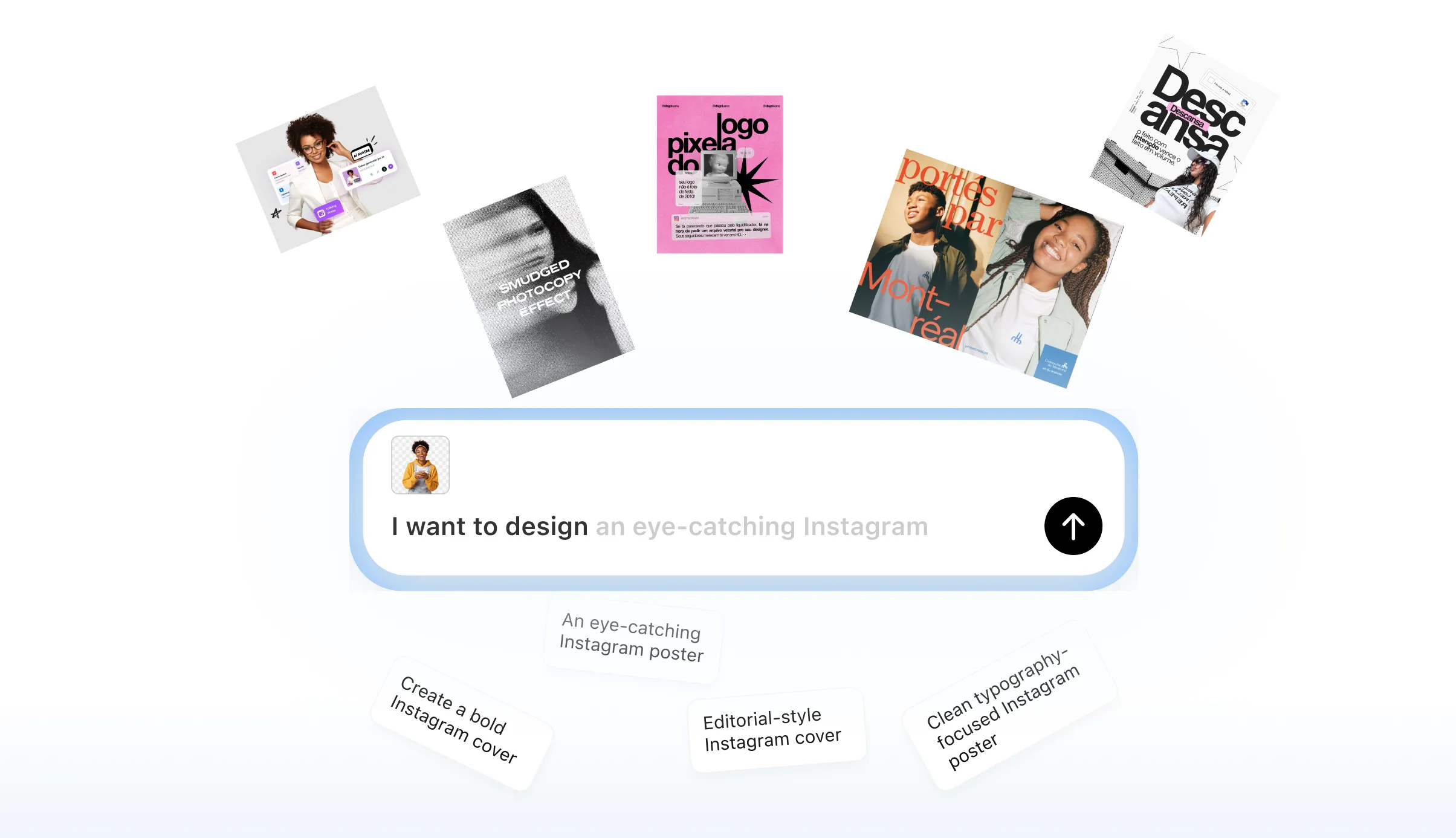
Keep Subject Lines, Preview Text, and Visual Modules in Sync
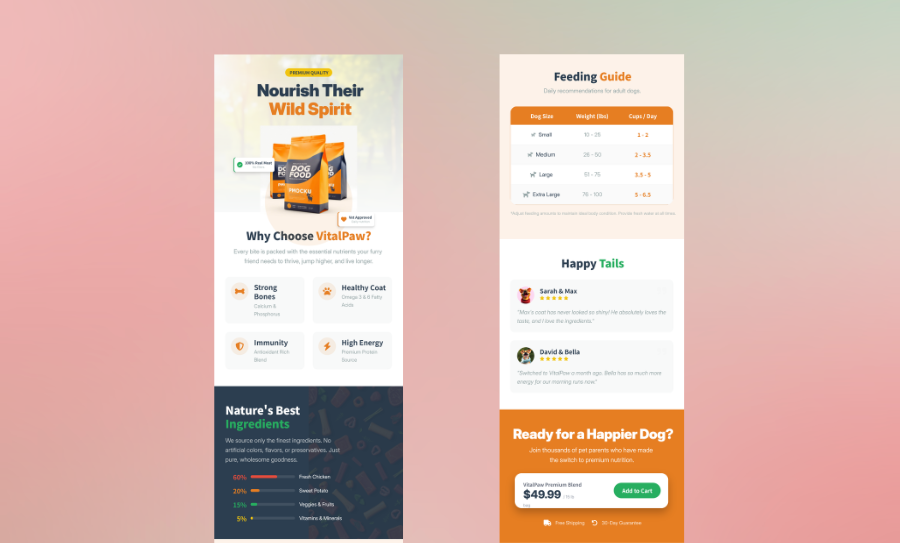
Email has a unique structure that generic marketing storyboards ignore. Each email in your sequence needs a subject line, preview text, and a specific visual module layout — and those three elements have to work together. A purpose-built email campaign visual planning template gives every email its own row so nothing gets out of sync across a multi-touch sequence.
Try It Free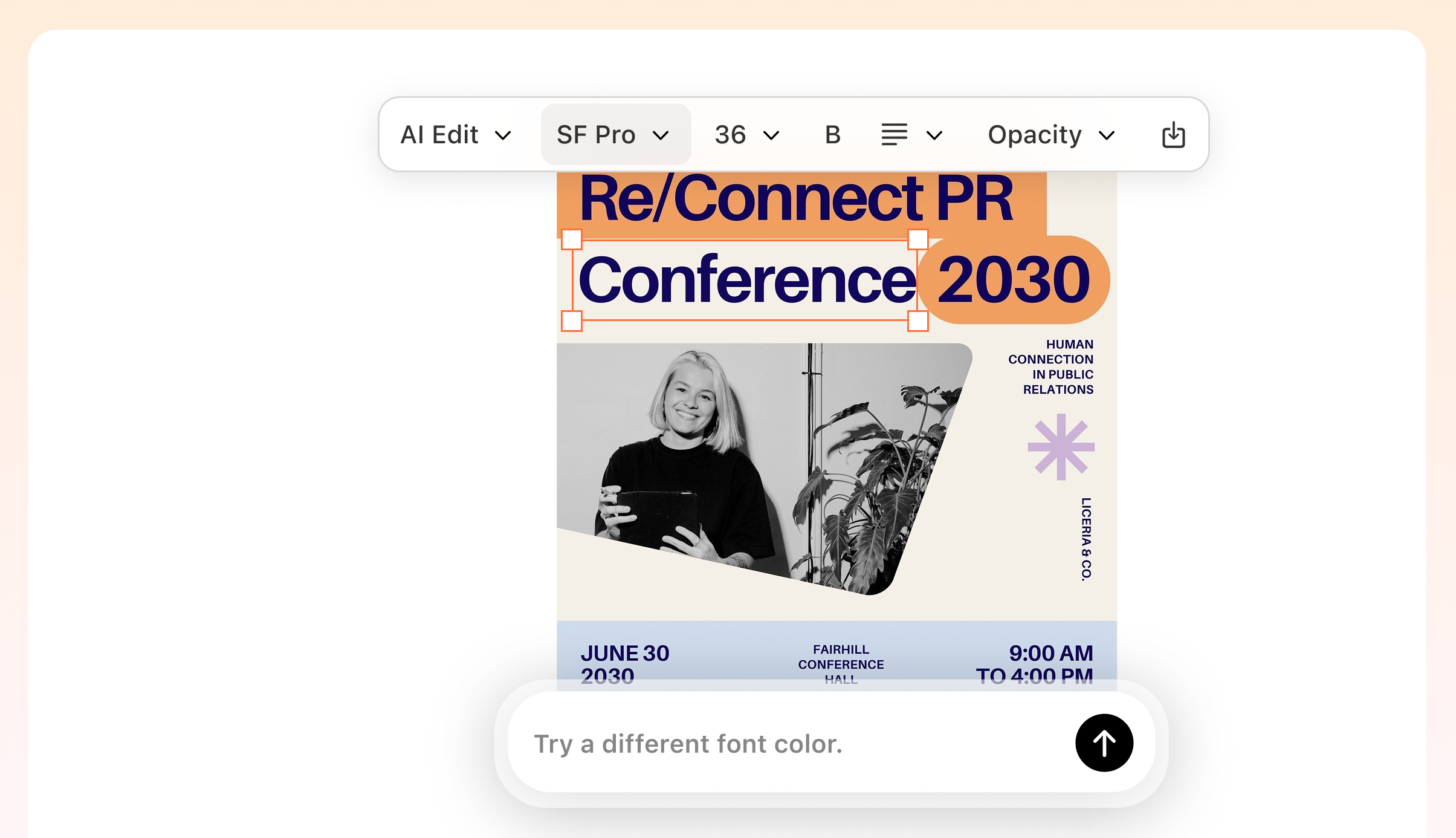
Align Your Team on CTA Variation Across Every Email Stage
A drip campaign that repeats the same call to action in every email trains subscribers to ignore it. Storyboarding your CTA progression — soft ask, mid-funnel nudge, hard close — makes the variation intentional rather than accidental. When the whole team can see the plan in one shareable document, feedback rounds get shorter and approvals move faster.
Try It Free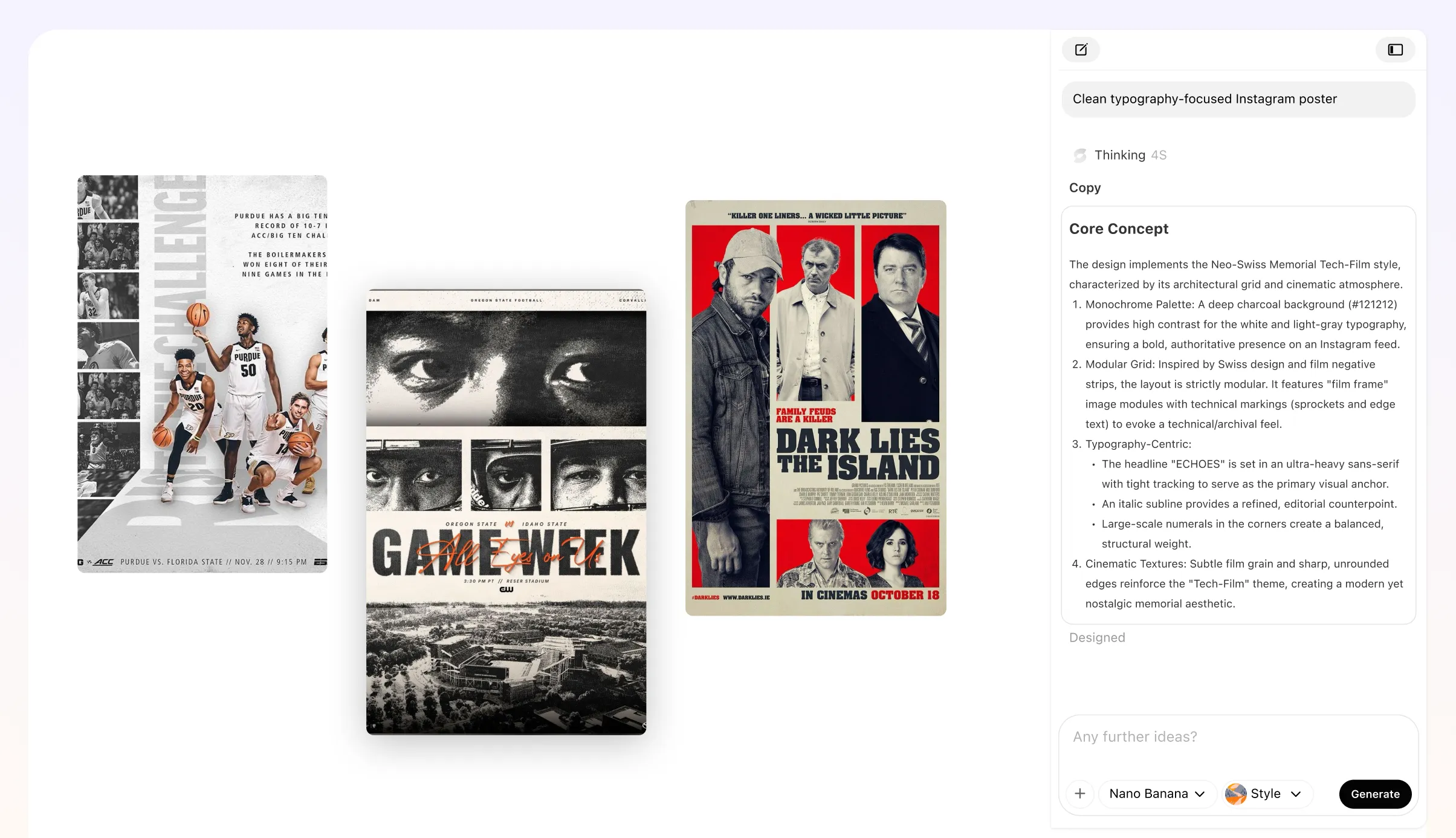
Sequence Proof Points So They Land at the Right Moment
Data, testimonials, and case studies all carry different weight depending on where a subscriber is in their decision process. Dropping a case study in email one wastes your strongest proof point on a cold audience. A storyboard template lets you plot proof point sequencing deliberately — data first, social proof next, case study last — so each email builds on the one before it.
Try It Free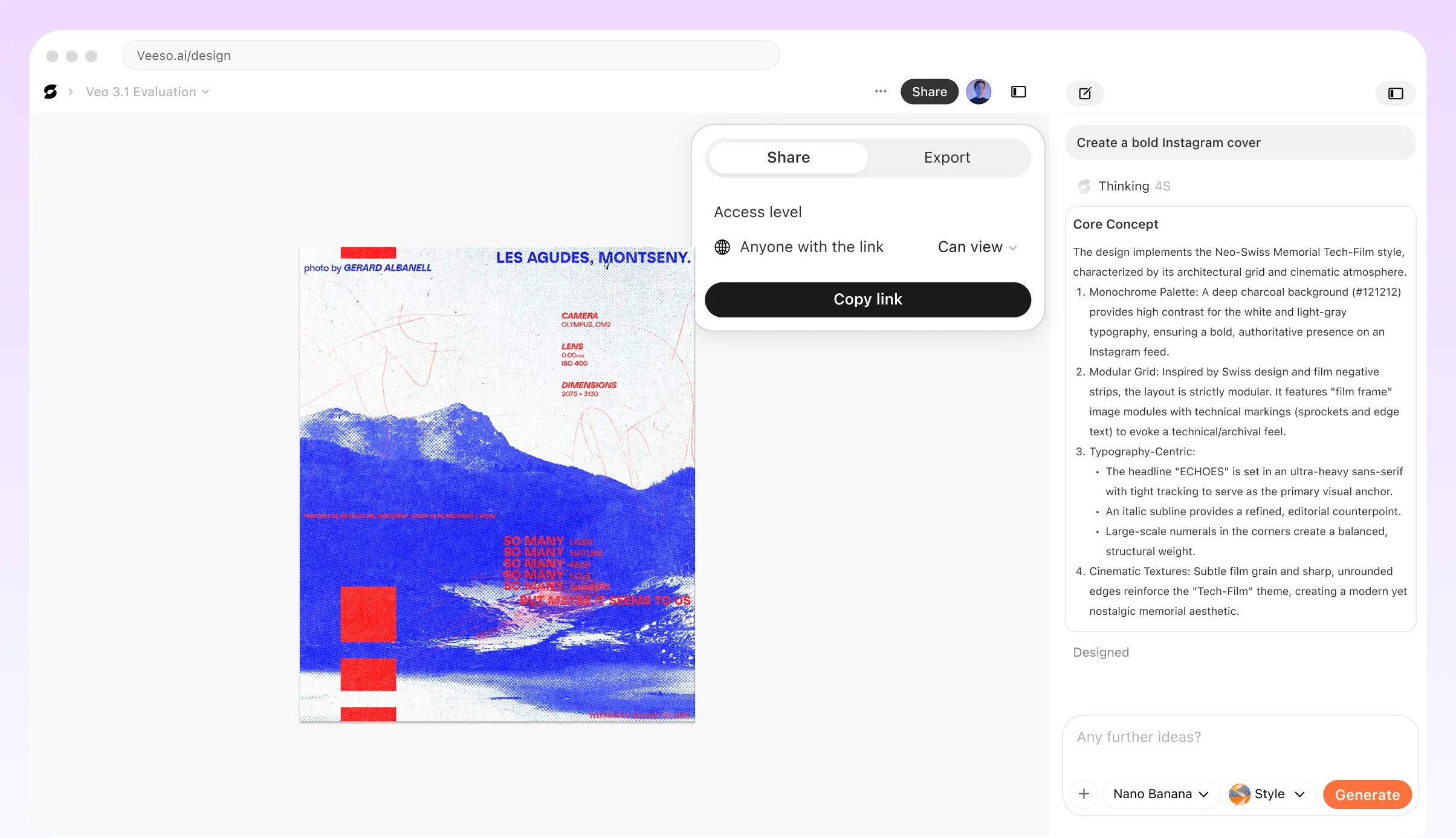
Who Uses an Email Campaign Storyboard Template — and for What?
SaaS Free-Trial Drip Sequence for a B2B Product Team
A B2B product team launching a free trial needs every email in the onboarding sequence to build on the last. A storyboard maps each message's purpose before anyone writes copy: email one sets the activation goal, email two addresses the most common friction point, email three surfaces a proof point, and email four pushes the upgrade CTA. Laying this out visually catches gaps early, like a missing testimonial before the pricing ask, and gives both the copywriter and designer a shared reference so neither works from a different version of the plan.
Seasonal Promotion Campaign for an Independent Retailer
An independent retailer running a four-email holiday promotion needs the message arc to feel intentional, not repetitive. A campaign storyboard template helps map which email teases the offer, which one reveals the full product lineup, which one adds urgency, and which one handles last-chance messaging. Each row in the storyboard shows the hero visual concept, the main proof point, and the CTA label so the retailer can spot if two emails are making the same ask before a single design file is opened. This saves revision rounds later in the production cycle.
Nonprofit Fundraising Appeal Sequence Reviewed by a Board
Nonprofit communications teams often need board sign-off before a fundraising email sequence goes live. A storyboard gives board members a one-page view of the full campaign narrative: the opening story email, the impact-data email, the donor-spotlight email, and the final giving-deadline email. Stakeholders can review message order and proof placement without reading four separate drafts. When the storyboard is built as an editable visual document rather than a slide deck, the team can update it in real time during the review meeting and share a revised version the same day.
Product Launch Sequence Briefed Across a Freelance Creative Team
When a brand manager hires a freelance copywriter and a separate designer for a product launch email sequence, miscommunication is the biggest risk. A visual email campaign storyboard acts as the shared brief. Each email gets its own row showing the intended content blocks, the module order (hero, feature callout, social proof, CTA strip), and the tone shift from awareness to conversion. The designer knows which emails need a full-width hero image versus a text-heavy layout. The copywriter knows where proof points must appear. Both work from the same document without waiting on each other.
Re-engagement Campaign Audit for a Lapsed Subscriber List
A marketing manager trying to re-engage a lapsed subscriber segment often discovers the original campaign had structural problems only after open rates dropped. Rebuilding the sequence starts with mapping what each email actually said versus what it should have said at that stage of the subscriber journey. A storyboard template makes this audit concrete: plot the existing emails, label each one's intended job, and mark where the CTA progression stalled or where a proof point was missing. Veeso AI can turn that storyboard into a set of editable visual layouts so the redesigned sequence has a consistent structure across every email before copy is finalized.
Agency Presenting an Email Content Strategy to a New Client
An agency pitching an email content strategy to a new client needs to show the campaign logic, not just a list of email subjects. A storyboard template lets the agency visualize the full subscriber journey mapping: how many emails, what each one accomplishes, where testimonials appear, and how the CTA evolves from soft to direct across the sequence. Presenting this as a designed visual document rather than a spreadsheet makes the strategy easier for a client to follow and approve. Veeso AI can produce a polished, print-ready version of the storyboard that the agency can leave behind after the pitch meeting.
Why email marketers, content strategists, and small business owners Choose Veeso AI
How to Create High-Converting email sequence storyboard
Define Your Campaign Goal and Audience Segment First
Before you touch a template, write down one clear goal — nurture, convert, re-engage — and name the specific audience segment this sequence is for. That combination determines how many emails you need, what tone to use, and which proof points will actually move that audience.
Map the Message Progression Arc Across All Emails
List every email in the sequence and assign each one a single job: introduce, educate, build trust, handle objection, or close. This message progression framework becomes the spine of your storyboard and stops any two emails from doing the same work.
Assign Visual Module Types to Each Email Stage
For each email in your sequence, decide which content blocks it needs — hero image, testimonial strip, product feature section, or CTA strip — and note them in the storyboard row for that email. Mapping modules at this stage keeps your email campaign flow template grounded in how emails actually render, not how slides look.
Document CTA Variation and Proof Point Order Before Writing Copy
Record the specific call to action for each email and the proof point type it leans on — data, social proof, or case study — directly in the storyboard. Locking this in before copywriting starts means every email in the sequence has a distinct purpose, and your team can review the full logic in one document before a single line of copy is written.
FAQ

Ready to Create Beautiful Email Campaign Visual Planning Templates with Veeso AI?
Start Creating NowNo credit card required • Free to start • No design skills required
Explore More AI Graphic Design Use Cases
Discover more creative design scenarios powered by Veeso AI.