Back in Stock Campaign Generator for Ecommerce
Build restock email campaigns that turn your waitlist into sales the moment inventory returns. Describe your product and tone, then get campaign-ready visual assets to use across your channels. Export polished, on-brand designs as high-resolution PNG or PDF in seconds.
Three Ways to Generate restock campaign visual asset sets
Describe Your Restock Scenario and Generate a Full Campaign Visual Set
If you know what restocked, who's waiting, and how tight the inventory window is, you have everything you need to start. Describe your product, your urgency level, and your brand tone in plain language, and the back-in-stock campaign generator builds a coordinated visual set around that brief. This works well for teams who want to move from restock trigger to campaign-ready assets in one session.
- Auto-layout that places product name, availability cue, and CTA in a proven restock hierarchy
- Urgency copy and scarcity framing pulled directly from your prompt
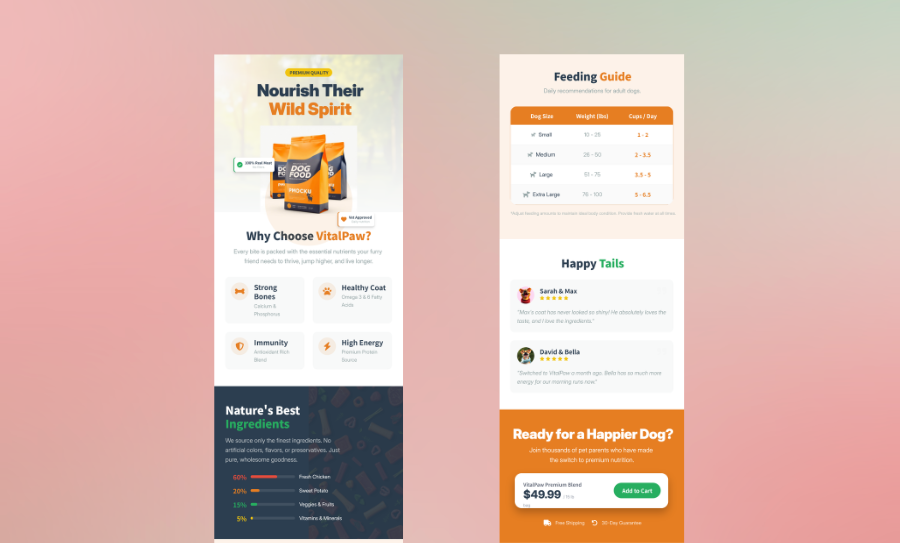
- Coordinated asset set covering email header, social card, and announcement banner
- Fully editable layers so you can adjust stock counts or swap the hero image before export
Start From a Back-in-Stock Email Template Filtered by Vertical
Sometimes the fastest path is picking a layout that already matches your product category and restock context. Browse back-in-stock email templates filtered by vertical, such as apparel, home goods, or beauty, and customize the text, product imagery, and color palette for your specific announcement. This method suits teams with brand guidelines already locked in who just need a fast, on-brand starting point.
- Templates built around restock-specific content blocks: product spotlight, waitlist callout, and limited-quantity badge
- Editable color, font, and image fields that respect your existing brand system
- Multi-format template variants so one starting point covers email, social, and site banner
- Swap placeholder product images for your actual inventory photography in one step
Import Your Restock Brief or Product Spec and Get Structured Announcement Pages
If your team already wrote the restock copy in a doc, a Markdown file, or a product brief, you don't need to retype it into a design tool. Import that content directly and the waitlist email campaign generator structures it into visual announcement pages with the right hierarchy for a restock moment. This is the most efficient path for brands running frequent restocks across multiple SKUs.
- Import from PDF, Word, or Markdown and preserve product names, descriptions, and availability details
- Automatic content hierarchy that surfaces urgency cues and product details at the right visual weight
- Multi-page output for campaigns with several restocked SKUs or tiered availability windows
- Export as high-resolution PNG or PDF, ready to hand off to your email or social team
Why choose Veeso for your on-brand restock announcement graphics
Keep Urgency Messaging Consistent Across Every Touchpoint
When a product restocks, your email banner, social post, and product page announcement all need to say the same thing at the same moment. Mismatched copy or off-brand visuals can dilute the urgency that drives waitlist conversions. A content-first design generator lets you build a coordinated restock campaign visual set from a single brief, so every asset reinforces the same scarcity cue.
Try It Free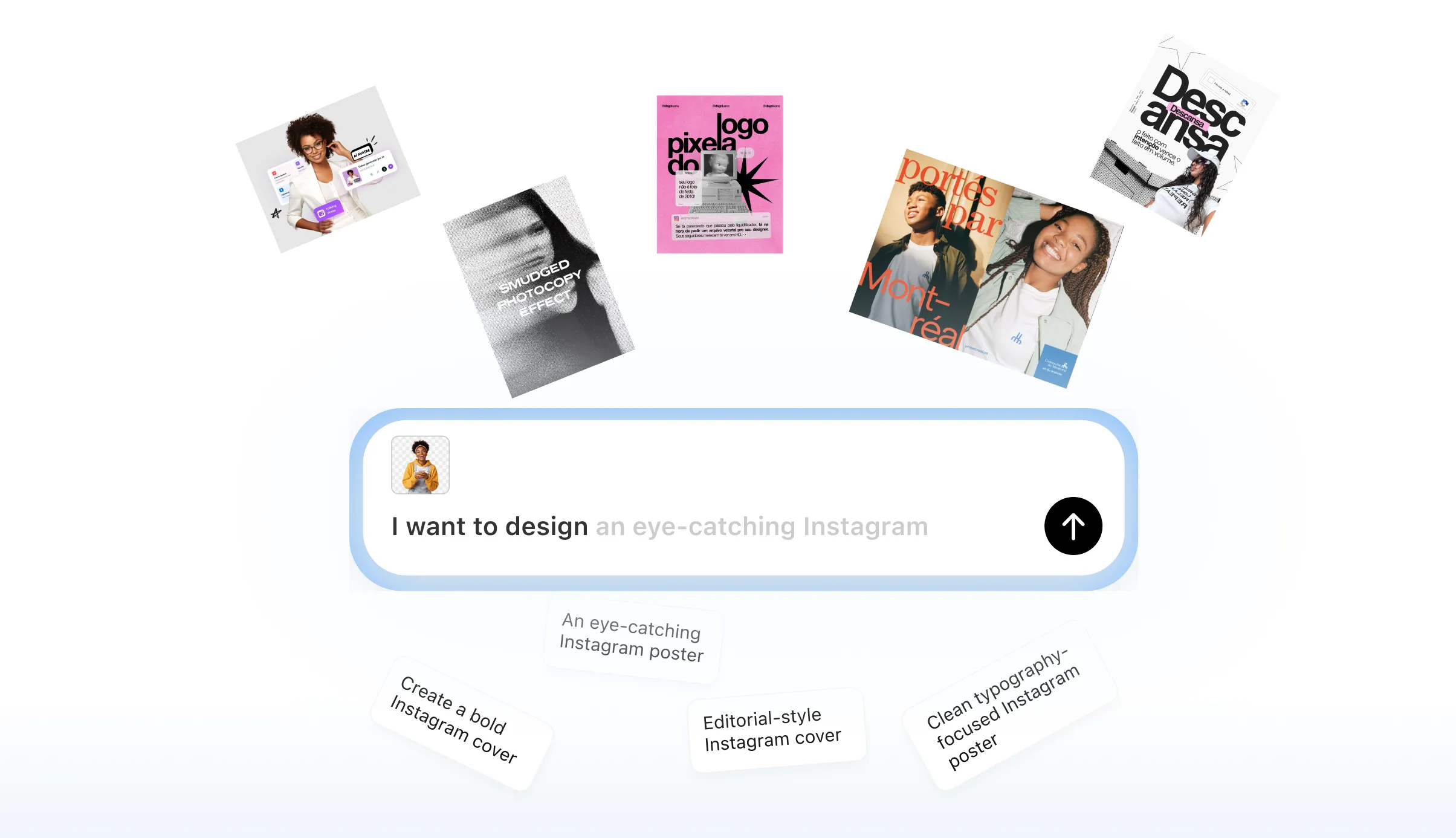
Update Stock Quantities and Hero Images Without Starting Over
Restock windows move fast. A limited drop might sell through in hours, and your visuals need to reflect that in real time. Because every output from a back-in-stock campaign generator is fully editable, you can swap a product image, adjust the available-quantity callout, or tighten the urgency headline without rebuilding the layout from scratch.
Try It Free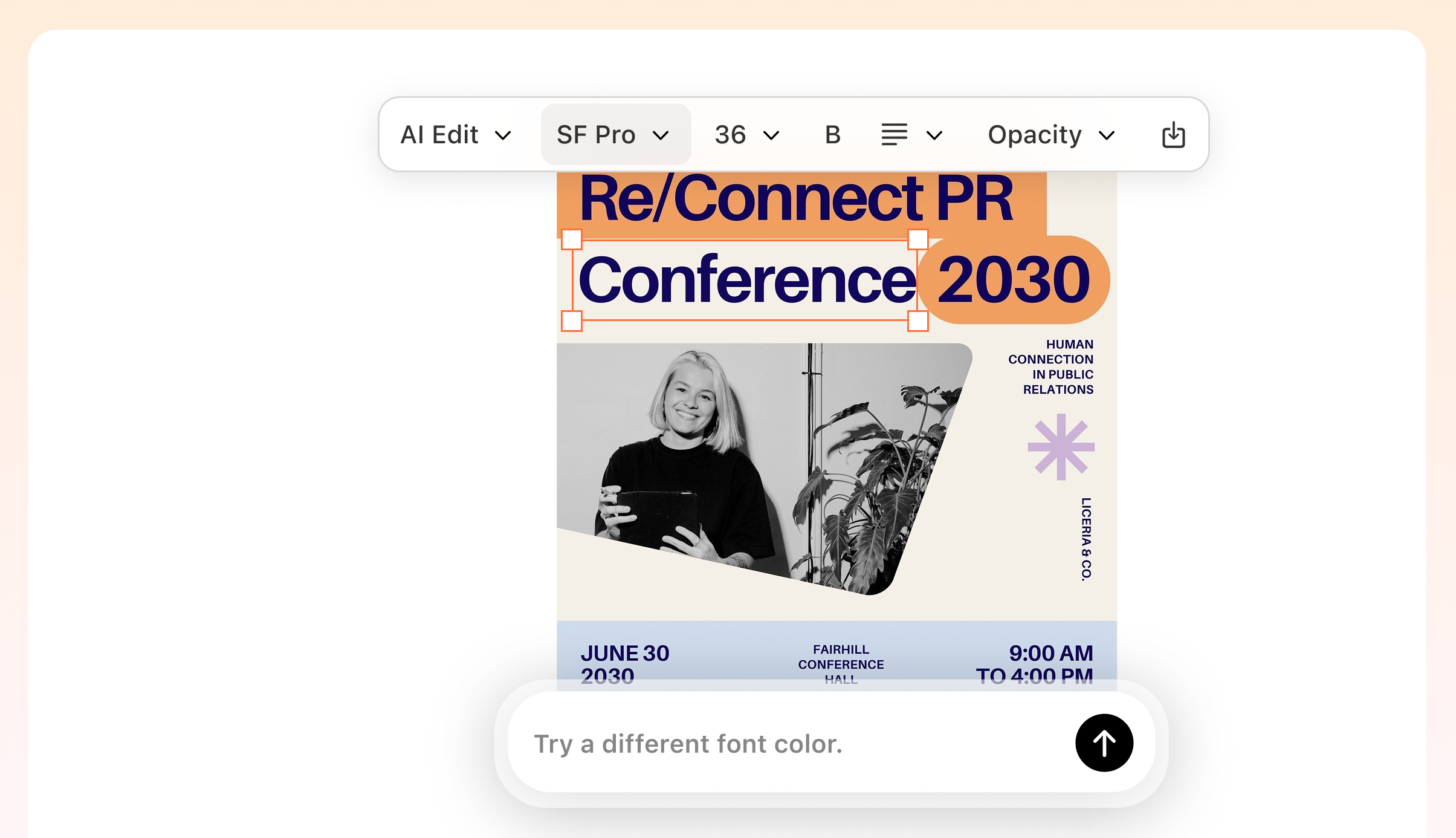
Match Your Back-in-Stock Email Templates to the Product's Visual Identity
A restocked sneaker colorway needs a very different visual treatment than a restocked kitchen appliance. Generic design tools don't understand inventory restock campaign structure, so you end up forcing a blank canvas into a format that wasn't built for product-forward announcements. A generator that starts from restock-specific layouts gives you the right hierarchy from the first draft.
Try It Free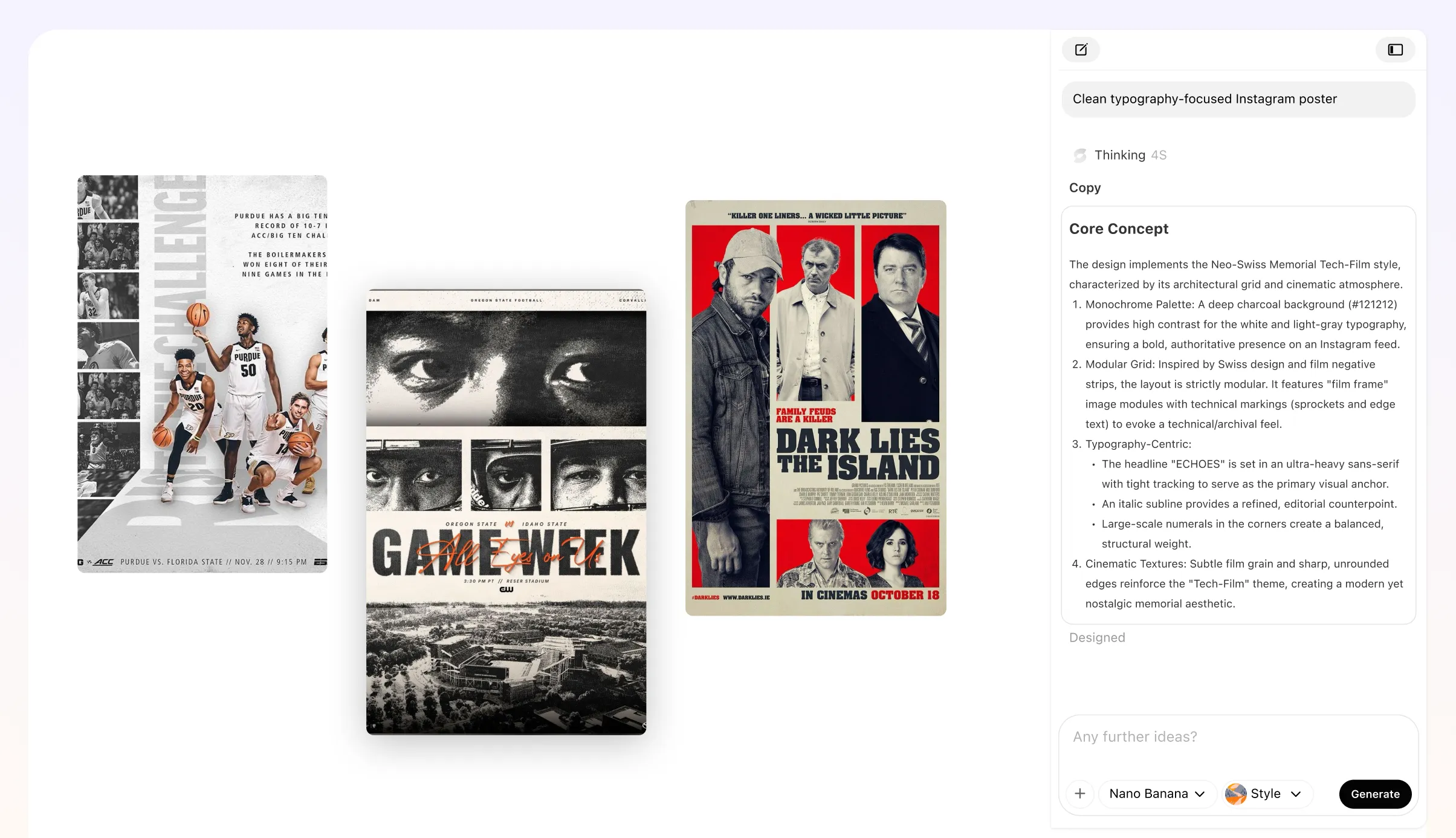
Turn a Waitlist Into a Revenue Moment With Production-Ready Assets
Customers who joined a waitlist already want the product. The visual design of your restock announcement is what converts that intent into a purchase before stock runs out again. Exporting high-resolution, print-ready graphics means your assets look sharp in every channel, from email headers to paid social, without a separate production step.
Try It Free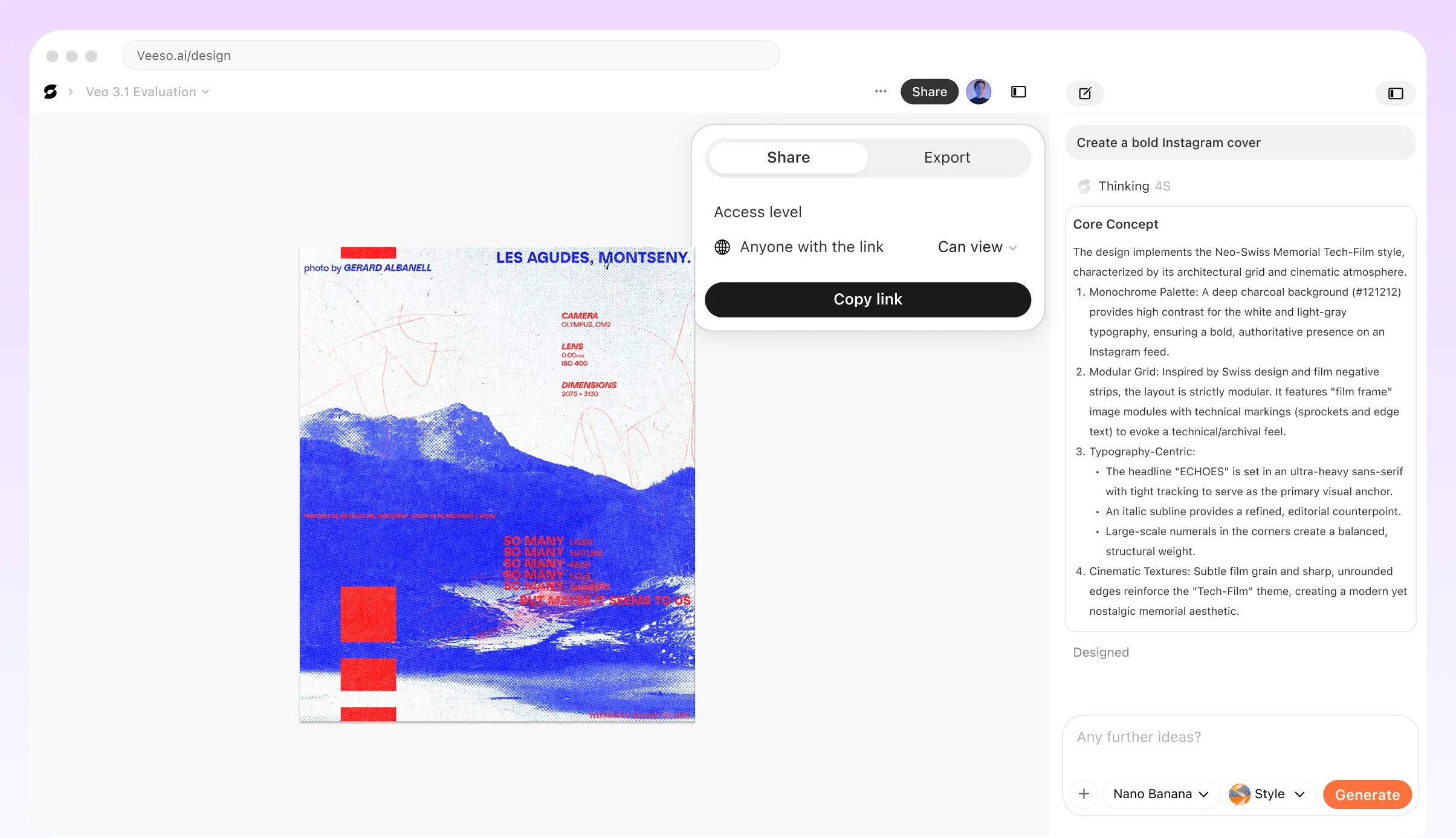
Who Uses a Back-in-Stock Campaign Generator for Ecommerce?
Apparel Brand Recovering Sales After a Sold-Out Drop
A clothing brand sells out a limited-run jacket within hours and builds a waitlist of hundreds of shoppers. When inventory returns, the window to convert those subscribers is short. A back in stock email campaign generator helps the team produce urgency-driven copy and segmented sends without starting from scratch each time. The first message goes to high-intent subscribers who viewed the product multiple times, followed by a broader send to the full waitlist. Clear availability messaging and a direct call to action help move stock before it sells out again.
Beauty Retailer Running a Multi-Wave Restock Notification Flow
A skincare retailer restocks a cult-favorite serum in batches rather than all at once. Their restock notification flow needs to reflect that reality: early access for loyalty members, a second wave for the general waitlist, and a final low-stock reminder. Building each message manually across three segments wastes time and introduces inconsistency. Using a back in stock alert automation approach, the team maps out each trigger point in advance, writes the copy for all three waves, and keeps the tone consistent across the sequence without repeating the same subject line.
Home Goods Store Creating On-Brand Visual Assets for a Restock Announcement
A home goods brand wants its restock email to look as polished as its product photography, not like a plain text alert. The marketing team has the copy ready but needs a fast way to turn it into a designed email header, a matching social post, and a banner for the product page. Veeso AI lets them paste the restock announcement text and generate editable visual layouts for each format. Every asset stays on brand and can be adjusted before export, so the team isn't rebuilding the same design three times across different tools.
Supplement Brand Prioritizing VIP Customers in a Segmented Restock Campaign
A supplement company knows that its subscription customers convert at a higher rate than first-time waitlist signups. When a popular protein blend comes back in stock, they want VIP buyers to hear first. A segmented restock campaign lets the team write two versions of the same announcement: one that acknowledges the customer's purchase history and one for new subscribers. The VIP message references their previous order and emphasizes limited quantity. The general message focuses on availability. Both go out through the same email platform but feel like different conversations.
Toy Retailer Managing a High-Volume Restock Before the Holiday Season
A toy retailer restocks a popular item in October and knows demand will spike immediately. The waitlist has grown for weeks, and the team needs a restock email campaign creator workflow that handles volume without errors. They draft the core message once, then adapt it for three audience segments: parents who signed up early, gift buyers who joined later, and loyalty program members. Each version adjusts the urgency line and the opening sentence. The rest of the email stays consistent, which keeps production fast and reduces the risk of sending the wrong message to the wrong list.
Footwear Brand Building a Coordinated Restock Campaign Across Email and Paid Social
A sneaker brand restocks a colorway and wants its restock announcement to feel coordinated, not scattered. The email goes out to the waitlist, but the brand also runs retargeting ads to shoppers who viewed the product page and left. The copy needs to match in tone across both channels without being identical. Veeso AI can help produce the visual ad creative and email header from the same restock brief, keeping the look consistent while each format serves its own purpose. The team handles the actual ad setup and email send in their existing platforms separately.
Why ecommerce store owners, email marketers, and DTC brand managers Choose Veeso AI
How to Create High-Converting back-in-stock campaign visuals
Paste Your Restock Copy and Product Details Into the Generator
Start with the information you already have: the product name, a short description, how much stock is available, and any urgency framing you want to lead with. The back-in-stock notification flow builder uses that content as the foundation for every visual it creates, so the layout serves your actual message rather than a generic placeholder.
Choose a Back-in-Stock Email Template or Generate From a Prompt
Pick a template that matches your product category and restock context, or describe the campaign scenario in a prompt to generate a layout from scratch. Either path produces a fully editable visual set with the right content hierarchy for a restock announcement, including product spotlight, scarcity cue, and call-to-action placement.
Edit Layers, Swap Images, and Refine Urgency Copy Before You Export
Every text box, image, and design layer stays editable after generation, so you can update stock quantities, tighten the headline, or swap the hero product photo as the restock window changes. This step is where you align the visuals with your brand guidelines and confirm the urgency messaging matches the actual inventory situation.
Export Production-Ready Visuals and Hand Off to Your Email or SMS Platform
Export your finished assets as high-resolution PNG or PDF files, ready to upload into whichever email platform, ad manager, or social scheduler your team uses. Veeso AI handles the visual design layer. Your existing tools handle delivery, scheduling, and performance tracking.
FAQ

Ready to Create Beautiful On-Brand Restock Announcement Graphics with Veeso AI?
Start Creating NowNo credit card required • Free to start • No design skills required
Explore More AI Graphic Design Use Cases
Discover more creative design scenarios powered by Veeso AI.