Build Your Earth Day Sustainability Campaign
Plan a focused campaign that turns your sustainability goals into clear messages and real actions. Describe your audience and objectives, then shape your content across social, print, and email. Export polished, print-ready visuals when your campaign is ready to go.

Three Ways to Generate earth day campaign visual sets
Describe Your Sustainability Goal and Generate a Full Campaign Visual Set
Tell the AI what your organization is actually doing for Earth Day — the goal, the audience, the key dates, and the call to action — and it builds a coordinated set of campaign visuals around that brief. This works especially well when you have a clear sustainability message but no design team to execute it. You get editable layouts for every campaign phase, not a single locked image.
- Input your sustainability goal and target audience to shape the visual tone and messaging
- Generates matched assets for pre-event awareness, day-of participation, and post-event impact phases
- Produces social graphics, print posters, and participation cards in one coordinated style
- Every output is fully editable — swap text, colors, and images without starting over
Start From an Earth Day Campaign Template and Customize for Your Organization
Pick a campaign template built around environmental awareness themes, then replace the placeholder text with your organization's actual goals, dates, and calls to action. This approach is useful when you have a tight deadline and need a polished starting point that already follows a logical campaign arc. You control every element — nothing is locked or static.
- Browse templates organized by campaign phase: awareness, participation, and impact
- Edit headline copy, body text, and sustainability stats directly in the layout
- Swap color palettes to match your organization's brand or eco-friendly campaign identity
- Export print-ready PDFs for posters and high-resolution PNGs for digital channels
Import Your Campaign Brief or Existing Content and Turn It Into Designed Pages
If your team has already drafted the campaign messaging in a Word doc, PDF, or Markdown file, you don't need to retype everything into a design tool. Import your existing content and it gets structured into visual layouts ready for each channel and phase. This is the fastest path from a written brief to a print-ready, shareable campaign asset set.
- Import PDF, Word, or Markdown files containing your campaign copy and sustainability data
- Content is automatically structured into multi-page visual layouts by campaign phase
- Edit any text box, image placeholder, or section after import without losing the layout
- Export the full campaign set as high-resolution PNG and PDF files for print and digital use
Why choose Veeso for your sustainability campaign design assets
Keep Your Sustainability Message Consistent Across Every Channel
Earth Day campaigns often fall apart visually when a poster uses one color palette, the social post uses another, and the internal flyer looks like it came from a different organization entirely. A coordinated visual set built from a single brief keeps your carbon footprint messaging, pledge calls to action, and event details aligned from the first awareness post to the final impact recap. That consistency signals to your audience that your commitment is real, not decorative.
Try It Free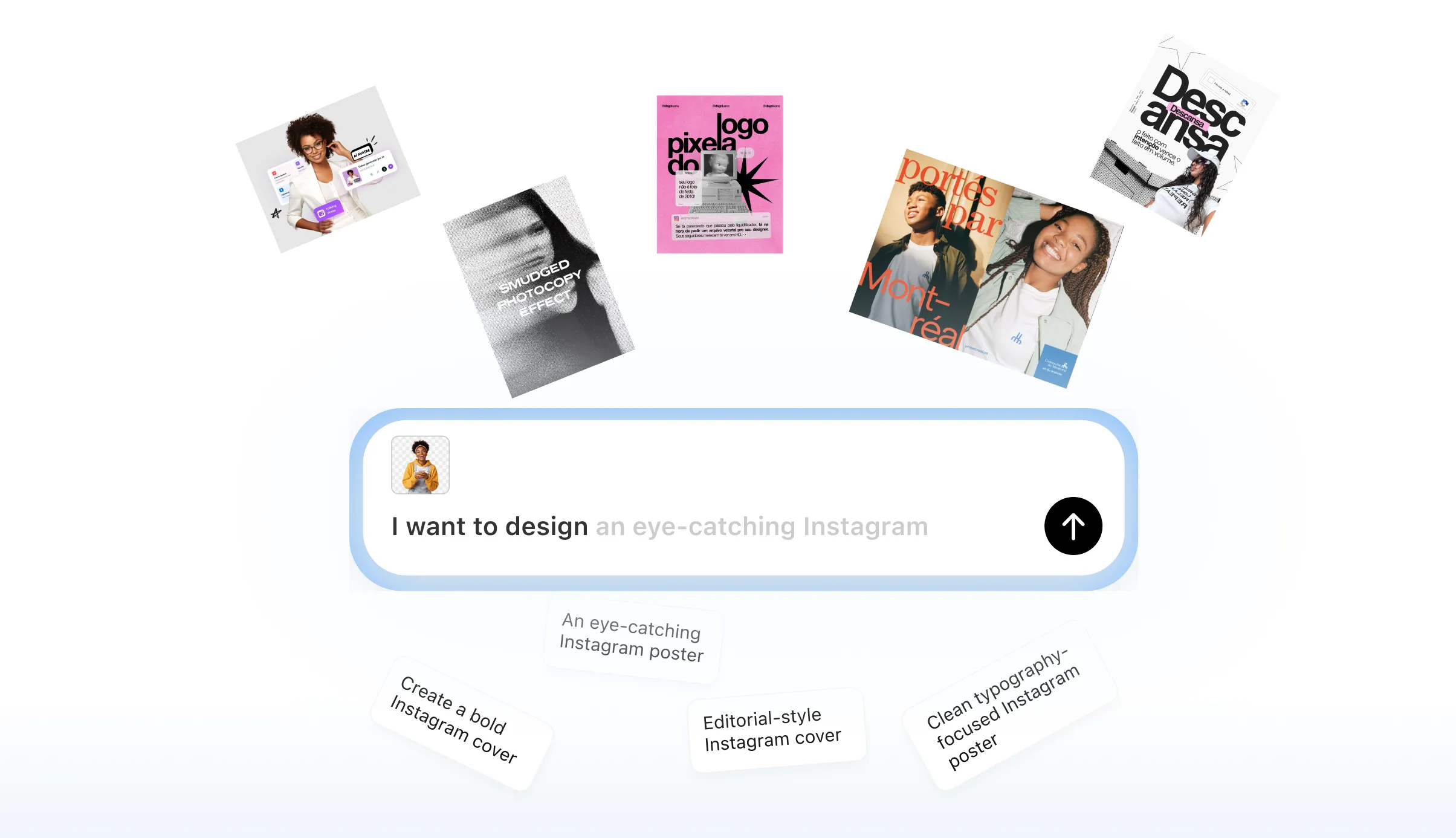
Move From Sustainability Goals to Finished Campaign Assets Without Starting From Scratch
Most organizations already know what they want to say — reduce single-use plastics by 30%, plant 500 trees, hit zero-waste at the office — but turning those goals into print-ready posters and social graphics takes time most teams don't have in April. An AI-powered earth day campaign generator lets you feed in your actual goal and get a matched visual set back, rather than hunting through stock templates that have nothing to do with your specific action. You spend your time on the campaign, not on layout.
Try It Free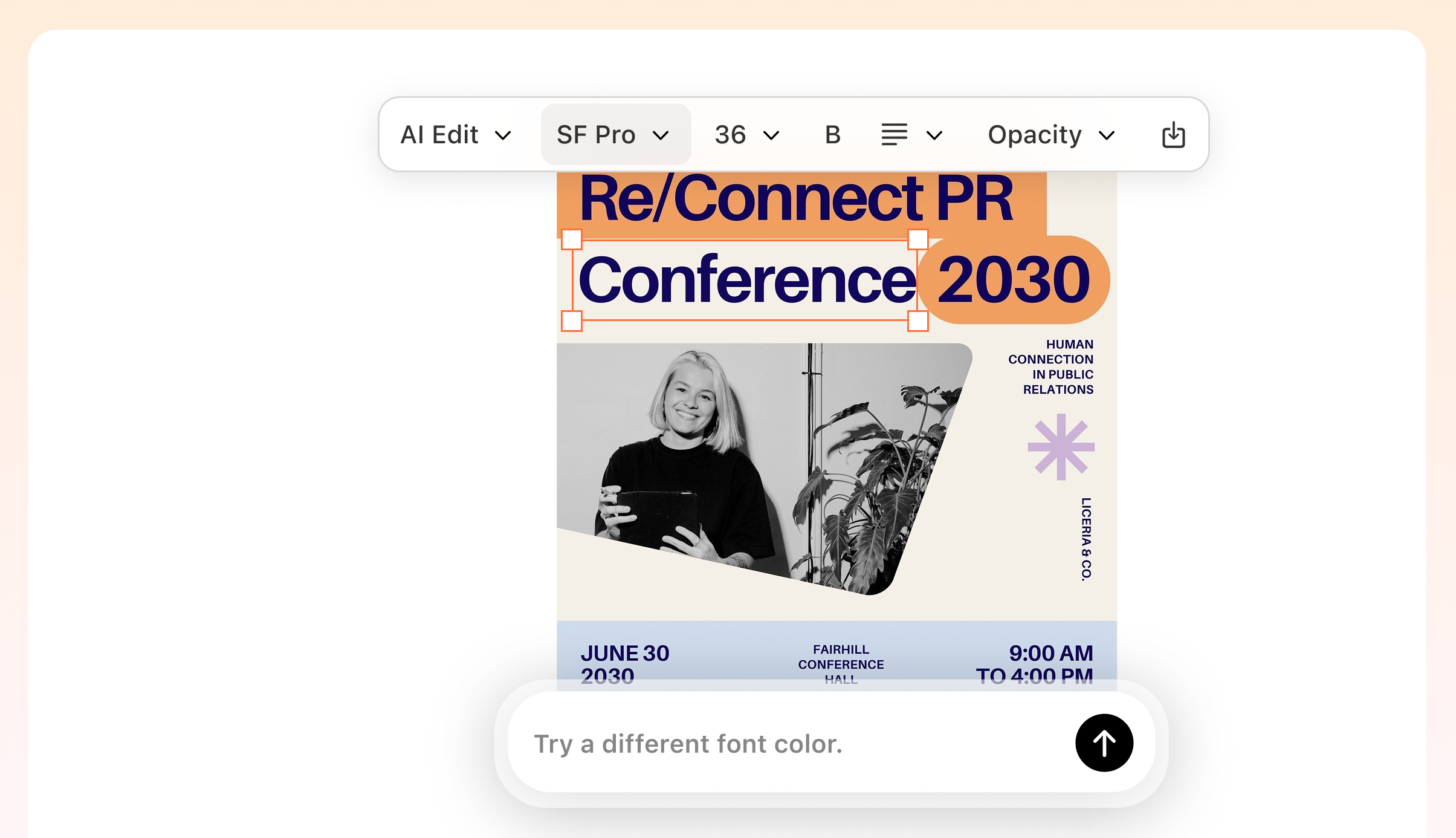
Design Participation Cards and Pledge Graphics That Actually Drive Action
Environmental awareness campaigns work best when they give people something concrete to do: sign a pledge, join a cleanup, track their footprint. Those participation moments need their own designed assets — cards, shareable graphics, and announcement sheets — that match the tone of your broader campaign. Editable design outputs mean you can swap in the right action prompt for each audience segment without rebuilding the whole visual from scratch.
Try It Free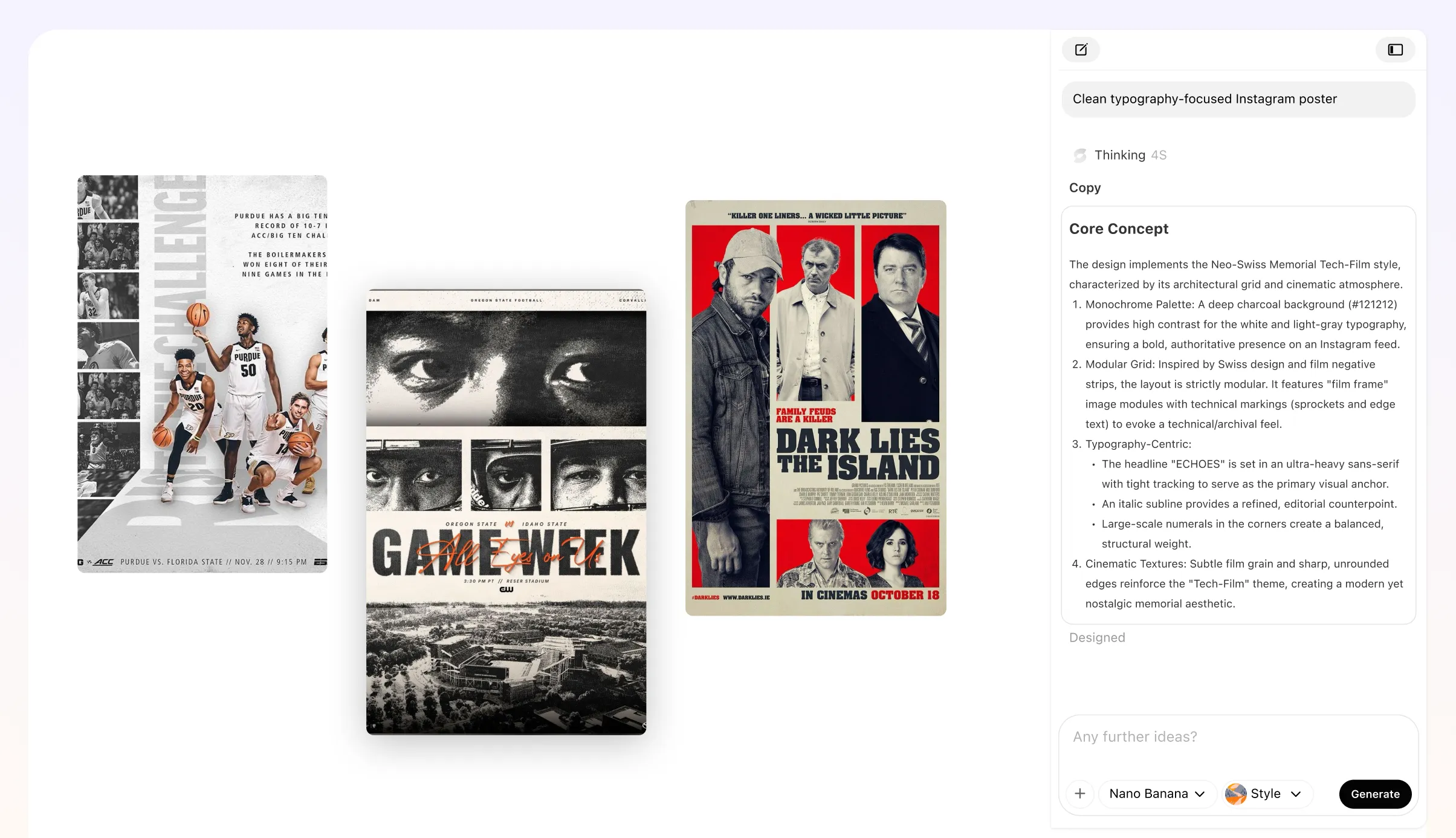
Avoid the Greenwashing Look That Generic Earth Day Templates Create
In 2026, audiences are quick to spot campaigns that feel like a stock photo of a green leaf with no substance behind it. A sustainability campaign generator that accepts your organization's real goals as input produces visuals grounded in specific, verifiable actions rather than vague eco-friendly aesthetics. The result looks different from the decorative Earth Day graphics flooding every feed on April 22 — and that difference builds trust.
Try It Free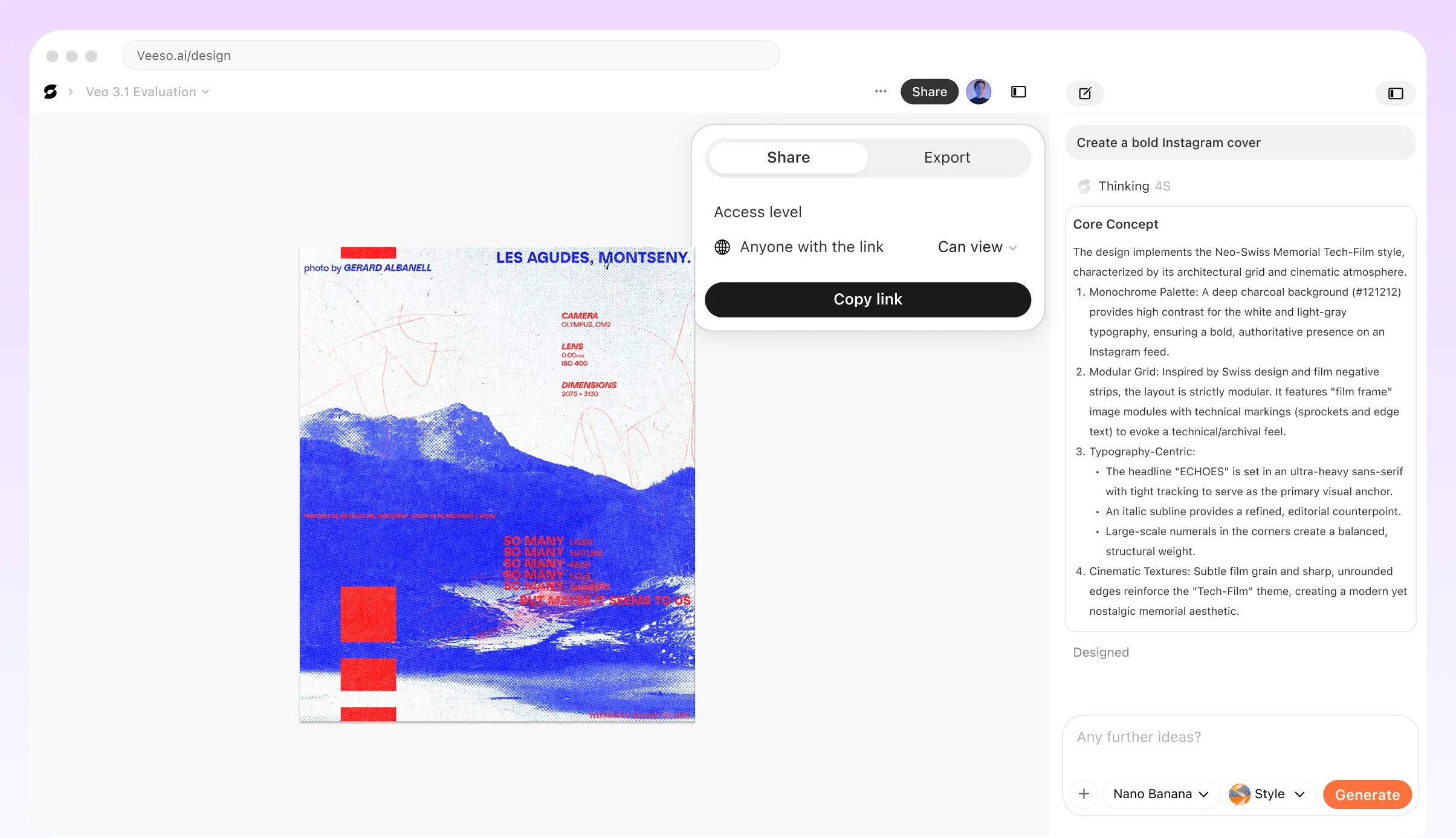
Who Uses an Earth Day Sustainability Campaign Generator?
Corporate Sustainability Teams Running an Employee Pledge Drive
Your sustainability team has real goals — reduced paper use, lower commute emissions, a recycling target — but turning those goals into a campaign employees actually engage with is harder than it sounds. Start by anchoring every message to one specific, verifiable action per week leading up to April 22. Build a visual series that shows the pledge, the reason behind it, and a simple way to participate. Consistent visuals across internal email headers, printed desk cards, and break room posters help the campaign feel like a coordinated effort rather than a one-off announcement.
K–12 Schools Launching a Classroom-to-Community Environmental Awareness Campaign
Teachers and administrators often need Earth Day campaign materials that work across age groups and spill beyond the classroom into hallways, newsletters, and local community boards. The challenge is keeping messaging age-appropriate while still driving real participation — a litter cleanup sign-up, a seedling giveaway, or a carbon footprint challenge. Design each piece around one clear call to action so students and parents know exactly what step to take. Coordinated print materials for the school and matching social graphics for the parent newsletter make the campaign feel intentional and school-wide.
Nonprofits Producing a Multi-Touchpoint Earth Day Fundraising Campaign
Environmental nonprofits face a crowded inbox on Earth Day. Generic green imagery and vague impact statements get ignored. A stronger approach ties every campaign asset — donation appeal, social post, event flyer — to a single, specific project: a watershed restoration, a community garden, a tree-planting goal with a real number attached. Veeso AI can help you build a set of editable, coordinated visual assets across those formats without starting each one from scratch. Keep the tone direct and the ask specific so donors understand exactly what their contribution supports.
Municipal Parks Departments Promoting a Community Cleanup Event
City and county parks teams often have limited design resources but need materials across multiple channels fast — posters for community centers, social graphics for the city's accounts, and a one-page flyer volunteers can print at home. The campaign works best when every piece names the specific park, the date, the start time, and the one thing people need to bring. Avoid vague environmental language and focus on logistics. When the visual style is consistent across formats, the event looks organized and trustworthy, which directly affects turnout.
Small Retail Brands Building an Eco-Friendly Product Campaign Around Earth Day
Small brands selling sustainable products face a real greenwashing risk if their Earth Day messaging is all imagery and no substance. Ground your campaign in something specific: the material your packaging replaced, the supplier certification you earned, or the percentage of proceeds going to an environmental cause. Build social and print assets around that one honest claim. Veeso AI lets you turn that focused message into a consistent visual set across product cards, social posts, and in-store signage without needing a separate designer for each format.
University Sustainability Offices Creating a Campus-Wide Climate Action Content Series
Campus sustainability offices often need to reach students, faculty, and facilities staff with the same core message but through very different channels. A campaign that only lives on Instagram misses the staff who see the break room bulletin board. One that only runs in print misses the students who scroll past it. Plan your Earth Day campaign as a content set: one central message about a campus sustainability goal, then adapt it into a digital social graphic, a printed poster, and a slide for digital signage. Consistent visual language across all three makes the initiative feel campus-wide rather than departmental.
Why sustainability coordinators, nonprofit communications staff, school administrators, and corporate social responsibility managers Choose Veeso AI
How to Create High-Converting earth day campaign materials
Define One Measurable Sustainability Goal Your Campaign Will Communicate
Before you design anything, write down the single action or outcome your Earth Day campaign is built around — a tree-planting target, a waste reduction pledge, a recycling drive with a specific number. A focused goal gives every visual asset a clear message and makes your campaign feel grounded rather than generic.
Identify Your Primary Audience and Map the Three Campaign Phases
Decide whether you're speaking to employees, students, customers, or a local community, then plan your content across three phases: pre-event awareness to build anticipation, day-of participation to drive action, and post-event impact to share results. Each phase needs different messaging and different visual formats, so mapping this out early saves you from redesigning assets mid-campaign.
List the Visual Assets Each Phase Requires by Channel
Write out every design output your campaign needs — square and story-format social graphics, landscape banners, print posters, internal announcement sheets, and pledge or participation cards — and assign each one to its campaign phase and channel. This asset list becomes your production checklist and prevents gaps like missing a day-of shareable graphic when April 22 arrives.
Generate, Edit, and Export Your Campaign Materials
With your brief, audience, phases, and asset list ready, use a tool like Veeso AI to generate a coordinated visual set from your campaign content, then edit each asset to match your exact messaging before exporting print-ready PDFs and high-resolution PNGs for every channel. Having all assets in one editable set means last-minute copy changes don't require rebuilding each file individually.
FAQ

Ready to Create Beautiful Sustainability Campaign Design Assets with Veeso AI?
Start Creating NowNo credit card required • Free to start • No design skills required
Explore More AI Graphic Design Use Cases
Discover more creative design scenarios powered by Veeso AI.