Build Your Cyber Monday Ecommerce Campaign Fast
Plan and design every touchpoint in your BFCM email sequence—from sale preview to cart recovery. Describe your offer and get a coordinated set of visual assets ready to hand off. Export print-ready files and keep every design on-brand.
Three Ways to Generate BFCM visual campaign asset sets
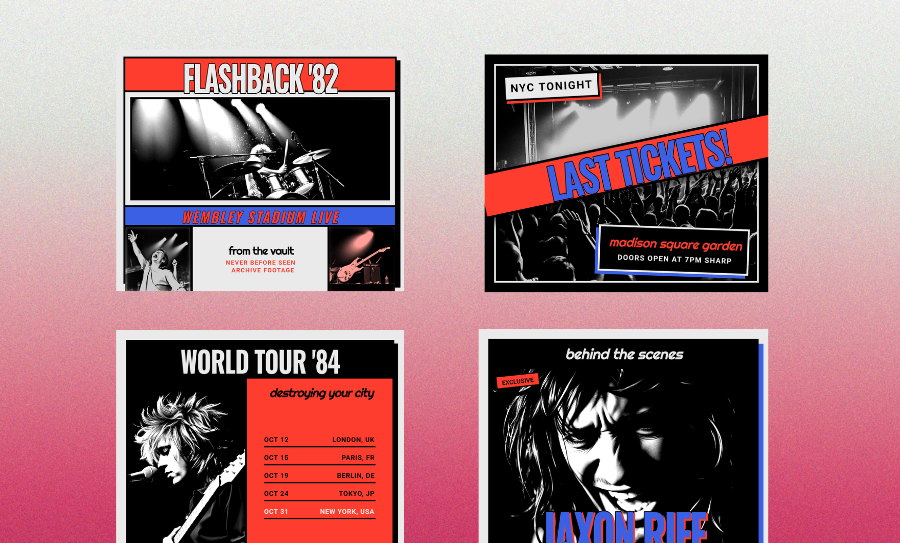
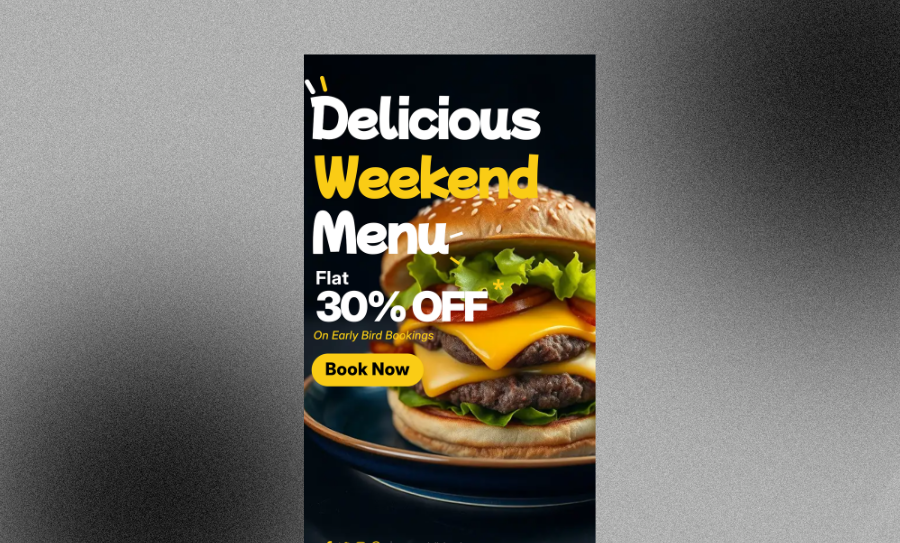
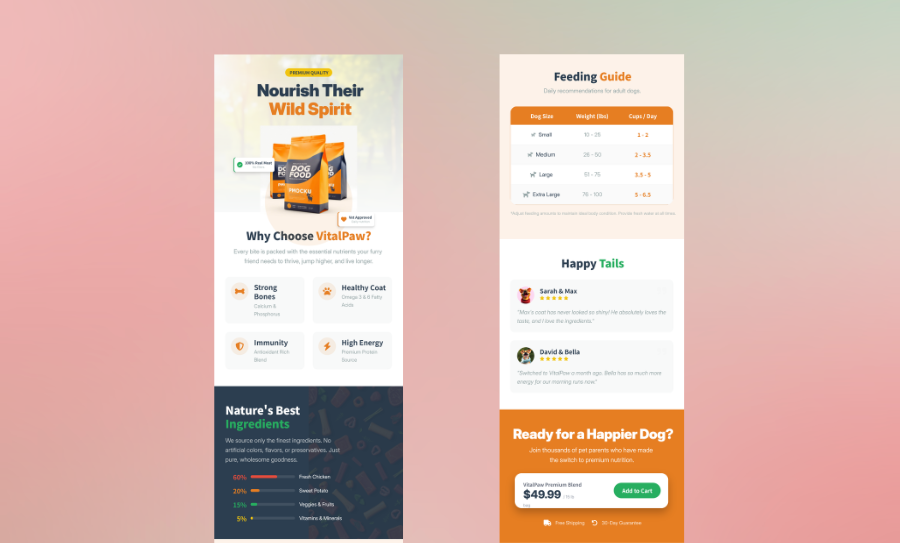
Describe Your Cyber Monday Sale in a Prompt and Get a Full Campaign Visual Set
Type in your discount logic, brand colors, and sale window and let the AI build a structured visual sequence around it. This works especially well when you're starting from scratch or testing a new campaign angle for BFCM without committing hours to manual design. You get a coordinated set of editable assets covering your sale preview, main announcement, and post-purchase follow-up in one pass.
- Prompt includes discount percentage, sale dates, and product focus for accurate output
- AI structures assets in campaign order: teaser, launch, urgency, and close
- Every text box and image layer stays fully editable after generation
- Export individual assets or the full sequence as high-resolution PNG or PDF
Start from a Black Friday Cyber Monday Email Template and Customize for Your Brand
Pick a BFCM template that matches your sale structure, then swap in your own copy, product images, and discount codes. Templates give you a proven visual hierarchy so urgency cues, offer details, and CTAs land in the right order without guesswork. This method is fastest when you already know your offer and just need a polished black friday email template design to carry it.
- Filter templates by campaign stage: preview, flash sale, cart recovery, or post-sale
- Replace placeholder text with your actual discount codes and product names
- Adjust colors and typography to match your brand without breaking the layout
- Duplicate and modify the same template to create segment variants side by side
Import Your Existing Campaign Brief and Turn It Into Designed Visual Assets
If your marketing team already drafted the Cyber Monday copy in a Word doc, PDF brief, or Markdown file, you don't need to retype everything into a design tool. Import the document and the layout engine structures your content into visual pages automatically. This is the most practical path for teams running a full omnichannel sale sequence where copy is written by one person and designed by another.
- Import PDF, Word, or Markdown files containing your campaign copy and offer details
- Content maps to visual hierarchy automatically: headlines, subheads, CTAs, and disclaimers
- Edit any imported text block or image placeholder directly in the output
- Produce multiple asset sizes from the same imported content for email, social, and display
Why choose Veeso for your editable Cyber Monday sale graphics
Keep Every Sale Graphic Consistent Across Your Whole BFCM Sequence
When you build Cyber Monday assets one by one across different tools, your banner, email header, and sale preview card rarely match. Inconsistent colors or mismatched discount copy erodes trust right when shoppers are comparing dozens of offers. A generator that outputs a coordinated visual campaign set keeps every asset locked to the same palette, type style, and messaging from the first teaser through the post-sale follow-up.
Try It Free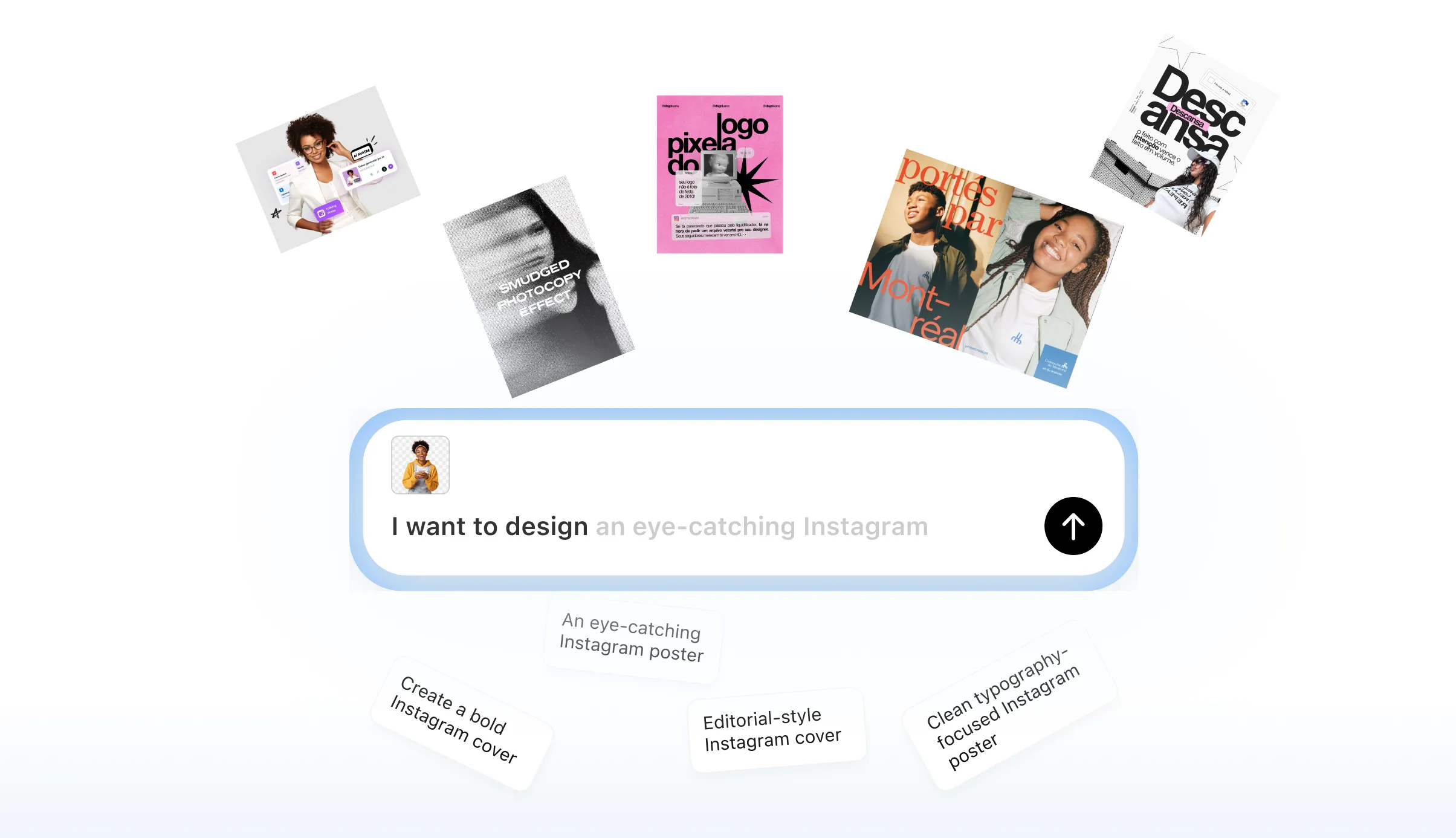
Move Fast Without Shipping Errors During Peak Sale Windows
Cyber Monday gives you hours, not days, to react to competitor moves or fix a wrong discount code that went live. When every graphic is a static file buried in a folder, one typo means rebuilding from scratch under pressure. Editable Cyber Monday sale graphics let you update a price, swap a product image, or correct a CTA across your whole campaign set without starting over.
Try It Free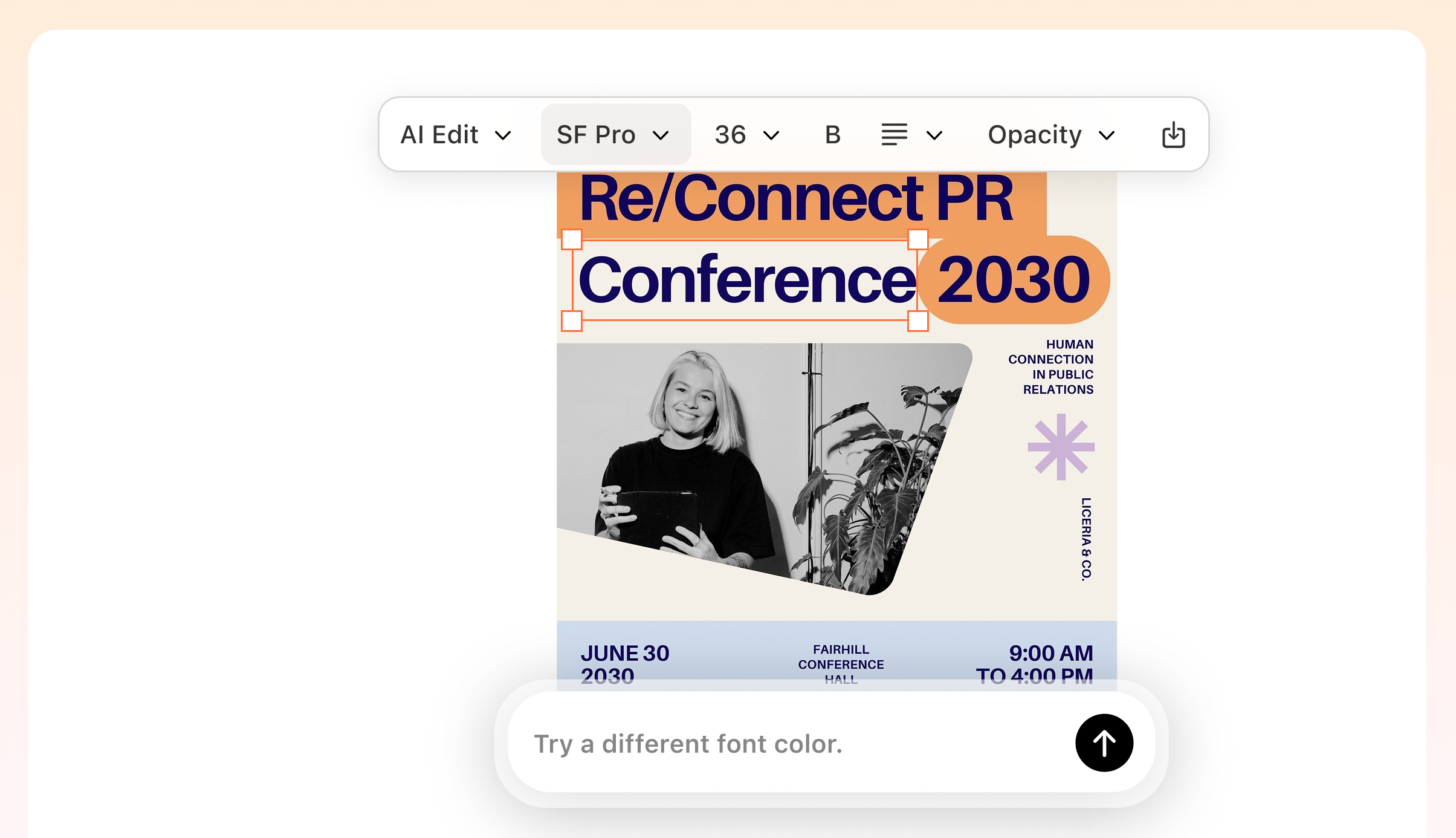
Build Segment-Specific Visuals for VIPs, New Subscribers, and Lapsed Buyers
A first-time buyer and a lapsed customer should not see the same Cyber Monday banner. Generic one-size visuals leave conversion on the table because the offer framing feels off for each group. A campaign generator lets you produce variant graphics for each segment quickly, so your early-access email to VIPs looks different from the cart recovery sequence you send to shoppers who browsed but didn't buy.
Try It Free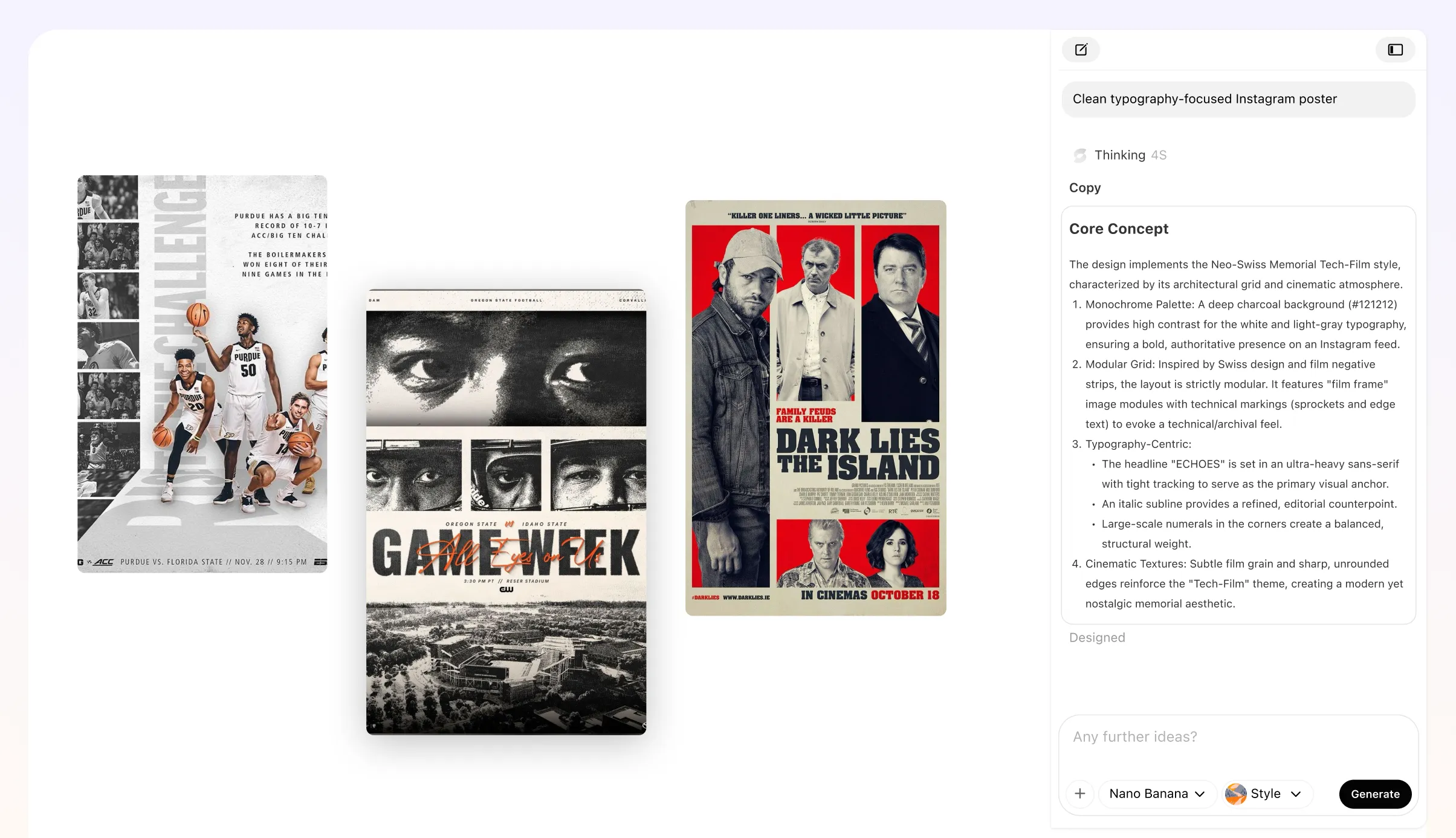
Export Print-Ready Assets That Match Your Email Platform's Exact Specs
Blurry banners and wrong-dimension headers are a common problem when designers export for web and marketers resize on the fly. Cyber Monday traffic spikes mean any visual that loads slowly or looks broken costs you real sales. Exporting high-resolution PNGs and PDFs sized to your email template or ad placement from the start removes that last-minute scramble before your biggest send of the year.
Try It Free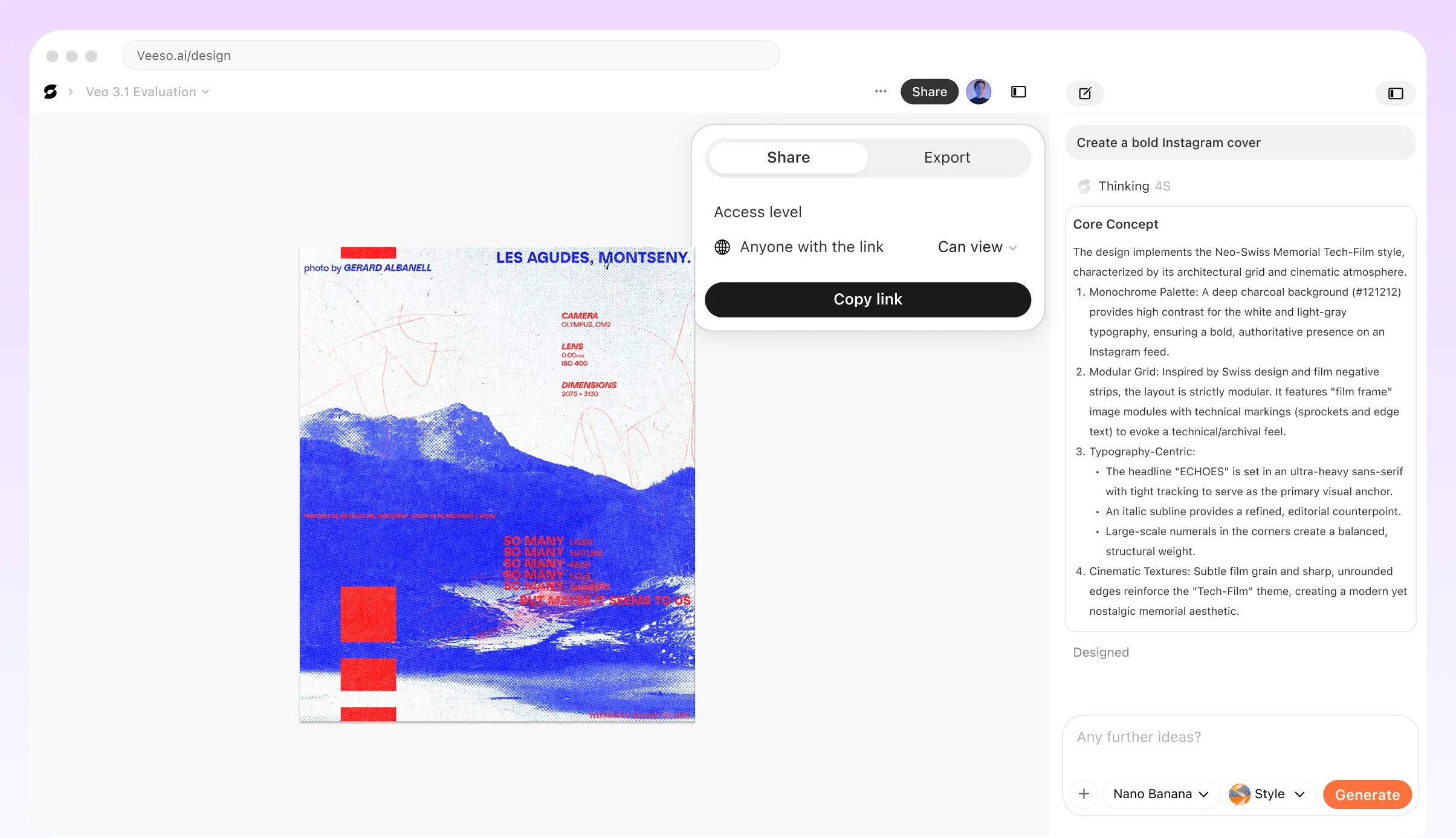
Who Uses a Cyber Monday Ecommerce Campaign Generator to Build BFCM Visual Assets?
Small Ecommerce Stores Running Their First BFCM Campaign
If this is your first Black Friday Cyber Monday season, the volume of emails you need to send can feel overwhelming. A structured BFCM campaign generator helps you map out the full sequence—sale preview, launch day, mid-sale reminder, last-chance push, and cart recovery—before you write a single word. Start by defining your discount logic and customer segments, then build each touchpoint around a consistent offer. Keeping your messaging tight across every email reduces confusion and helps shoppers act quickly when your Cyber Monday sale goes live.
VIP and Loyalty Segment Emails With Early Access Offers
Your most loyal customers expect to hear from you before the general public does. A Cyber Monday email campaign generator lets you build a separate early-access sequence for VIP buyers without rebuilding your entire workflow from scratch. Write the subscriber early access email first, then adapt the launch and last-chance emails to reflect the exclusive window they received. Referencing the specific deal they unlocked—rather than sending a generic blast—makes the message feel personal and gives high-value shoppers a real reason to open and convert.
Cart Abandonment Recovery During a Live Cyber Monday Sale
Cart abandonment spikes during Cyber Monday because shoppers compare deals across multiple tabs before committing. A cart recovery sequence that references the exact product and discount the shopper left behind performs far better than a generic reminder. When planning your BFCM email workflow, build the recovery email as its own touchpoint with a clear expiry tied to your sale window. Pair it with a brief mention of buy now pay later options at the right moment in the sequence, since BNPL messaging can reduce checkout drop-off for higher-priced items.
Brands Coordinating Visual Assets Across a Multi-Email BFCM Sequence
Consistency across a five- or six-email Cyber Monday sequence is harder than it looks. Colors shift, discount callouts get worded differently, and banner layouts drift between sends. Veeso AI lets you design each email visual as an editable asset within a coordinated campaign set, so your sale preview drip, launch banner, and last-chance header all share the same color palette and typographic style. Every layer stays editable, meaning you can update a discount figure or swap a product image without rebuilding the design from scratch.
Lapsed Subscriber Win-Back Emails Timed to Cyber Monday
Subscribers who haven't opened an email in months are worth re-engaging during Cyber Monday because the deal itself does most of the persuasion work. A targeted win-back email in your BFCM campaign should acknowledge the gap without dwelling on it, then lead immediately with your strongest offer. Keep the copy short and the call to action singular. If your campaign generator lets you segment by engagement level, build the lapsed-subscriber version as a separate branch rather than a modified copy of your main sequence, so the tone and urgency match that audience specifically.
Remixing a Cyber Monday Campaign Structure for Post-Holiday Sales
Once your Cyber Monday ecommerce campaign is finished, the sequence structure itself has real reuse value. The same preview, launch, mid-sale, and last-chance framework applies to January clearance events, Valentine's Day promotions, and end-of-season sales. Veeso AI lets you take the visual assets you built for BFCM and adapt them for a new campaign by editing text, swapping colors, and updating offer details without starting over. Documenting your black friday email marketing strategy and campaign logic while it's fresh makes the next holiday cycle significantly easier to execute.
Why ecommerce store owners, email marketers, and DTC brand managers Choose Veeso AI
How to Create High-Converting Cyber Monday promotional visual sequence
Map Out Your BFCM Campaign Sequence Before You Design Anything
Decide which campaign stages you need visuals for: sale preview, launch announcement, urgency reminder, cart recovery, and post-purchase follow-up. Knowing your full sequence upfront means every asset you create will fit together instead of looking like five separate campaigns.
Input Your Brand Copy, Discount Logic, and Segment Rules
Enter your discount percentages, sale dates, product focus, and any segment-specific offers such as early access for VIPs or a separate message for lapsed buyers. The more specific your inputs, the more accurate and usable your generated Cyber Monday promotional visuals will be.
Review and Edit Every Asset in Your Campaign Set
Go through each generated visual and check that discount codes, dates, and CTAs are correct before you hand files off to your email or ad team. Tools like Veeso AI keep every text box, image, and layer fully editable so you can fix a price, swap a product photo, or adjust a headline without rebuilding the whole design.
Export Production-Ready Visuals Sized for Each Channel
Export your final assets as high-resolution PNG or PDF files matched to the specs your email platform, ad manager, or print vendor requires. Delivering correctly sized, print-ready files to your execution team removes the last bottleneck before your biggest campaign of the year goes live.
FAQ

Ready to Create Beautiful Editable Cyber Monday Sale Graphics with Veeso AI?
Start Creating NowNo credit card required • Free to start • No design skills required
Explore More AI Graphic Design Use Cases
Discover more creative design scenarios powered by Veeso AI.