Cross-Channel Campaign Brief Template
Build a structured brief that covers every channel, audience, and approval step in one document. Fill in your goals, messaging, and KPIs, then share it with your team or agency. Export a clean, print-ready PDF when it's done.
Three Ways to Generate campaign brief visual decks
Describe Your Campaign and Get a Structured Brief Draft
Tell the AI the basics — your campaign goals, target audience, and channel mix — and it assembles a structured brief layout around those inputs. This works well when you're starting from scratch and want a logical framework without staring at a blank page. You get a draft with all the standard sections pre-populated so you can edit rather than build from nothing.
- Auto-populates campaign goals, audience, and channel sections from your prompt
- Generates a messaging hierarchy section based on the campaign type you describe
- Lays out budget allocation and timeline blocks in a logical reading order
- Produces an editable visual deck, not a locked static image
Start from a Campaign Brief Template and Customize Each Section
Pick a pre-built campaign brief format that matches your campaign type — product launch, seasonal push, influencer campaign, or media agency brief — and swap in your own content. Every section is already in the right order, so you're not deciding where the KPIs block goes or how to format the channel mix table. This is the fastest path when you know your content and just need a clean, shareable structure.
- Templates organized by campaign type: product launch, brand awareness, performance, influencer
- Pre-labeled sections for audience segmentation, creative asset requirements, and approval workflow
- Editable text boxes, color schemes, and logo placement throughout
- Export as high-resolution PDF for stakeholder review or agency handoff
Import Your Existing Brief and Turn It Into a Polished Visual Deck
If your team already wrote the brief in Word or a PDF, you don't need to start over. Import the document and a design tool restructures it into a formatted, visually organized brief deck with proper sections and hierarchy. Veeso AI supports this path — you paste or upload your completed brief and get back an editable visual document ready to share with your agency or internal stakeholders.
- Import from Word, PDF, or Markdown without losing your original content
- Automatically maps brief sections to visual layout blocks
- Every text block, table, and heading remains fully editable after import
- Export as print-ready PDF or high-resolution PNG for presentations
Why choose Veeso for your editable multi-channel brief layouts
Keep Your Messaging Consistent Across Every Channel
When paid social, email, and display ads are briefed separately, each team interprets the core message differently. A unified multi-channel campaign brief template locks in the messaging hierarchy once, so every channel team works from the same source of truth. The result is a campaign that feels coherent to the audience, not like three different brands running at once.
Try It Free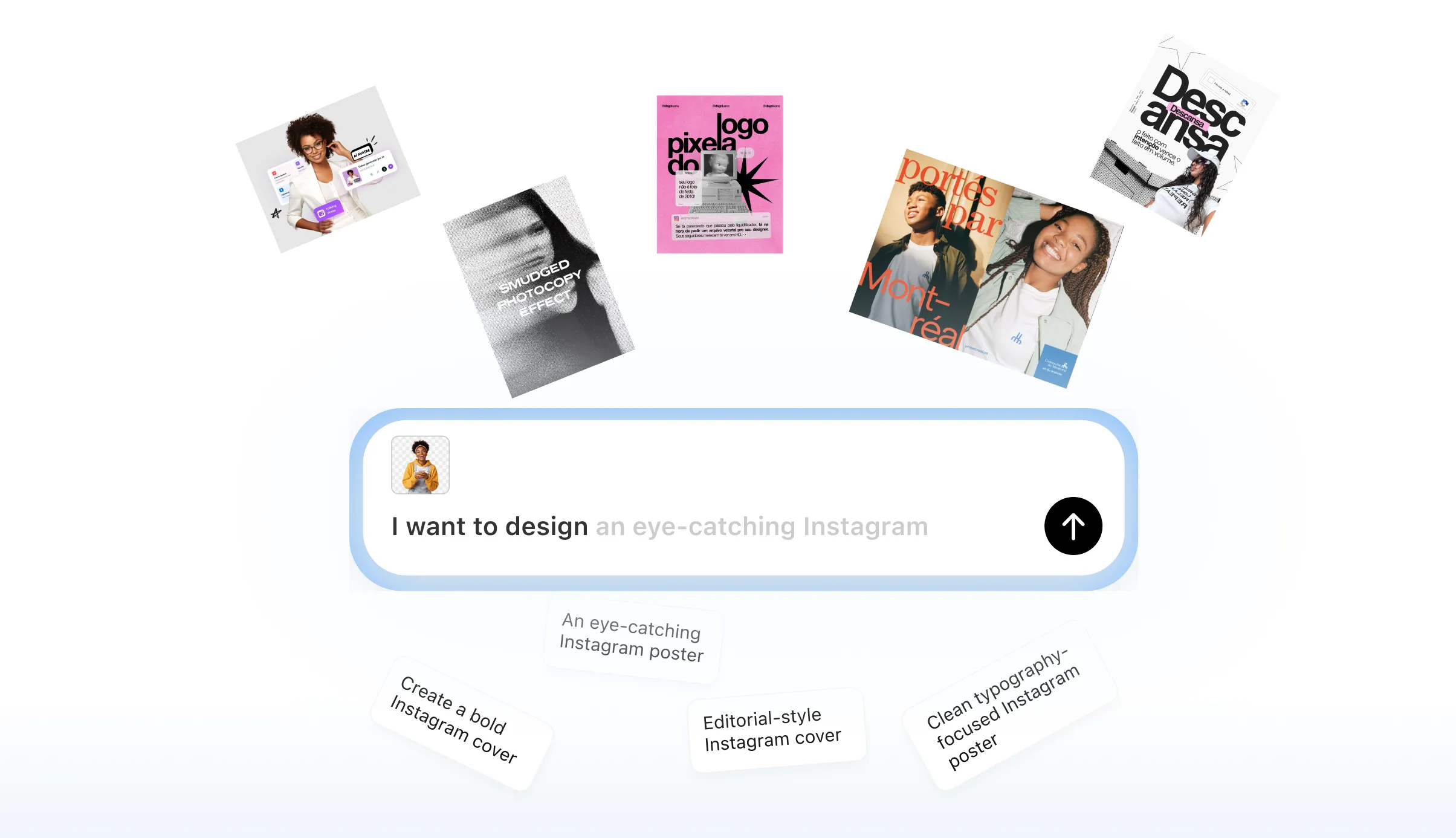
Give Each Channel Its Own Asset Specs Without Losing the Big Picture
A digital marketing campaign brief template needs to carry both the strategic overview and the granular details — like image dimensions for paid social versus email header sizes. Editable multi-channel brief layouts let you keep the campaign vision on one page while spelling out channel-specific creative requirements in the same document. Teams stop guessing what format they need and start producing the right assets the first time.
Try It Free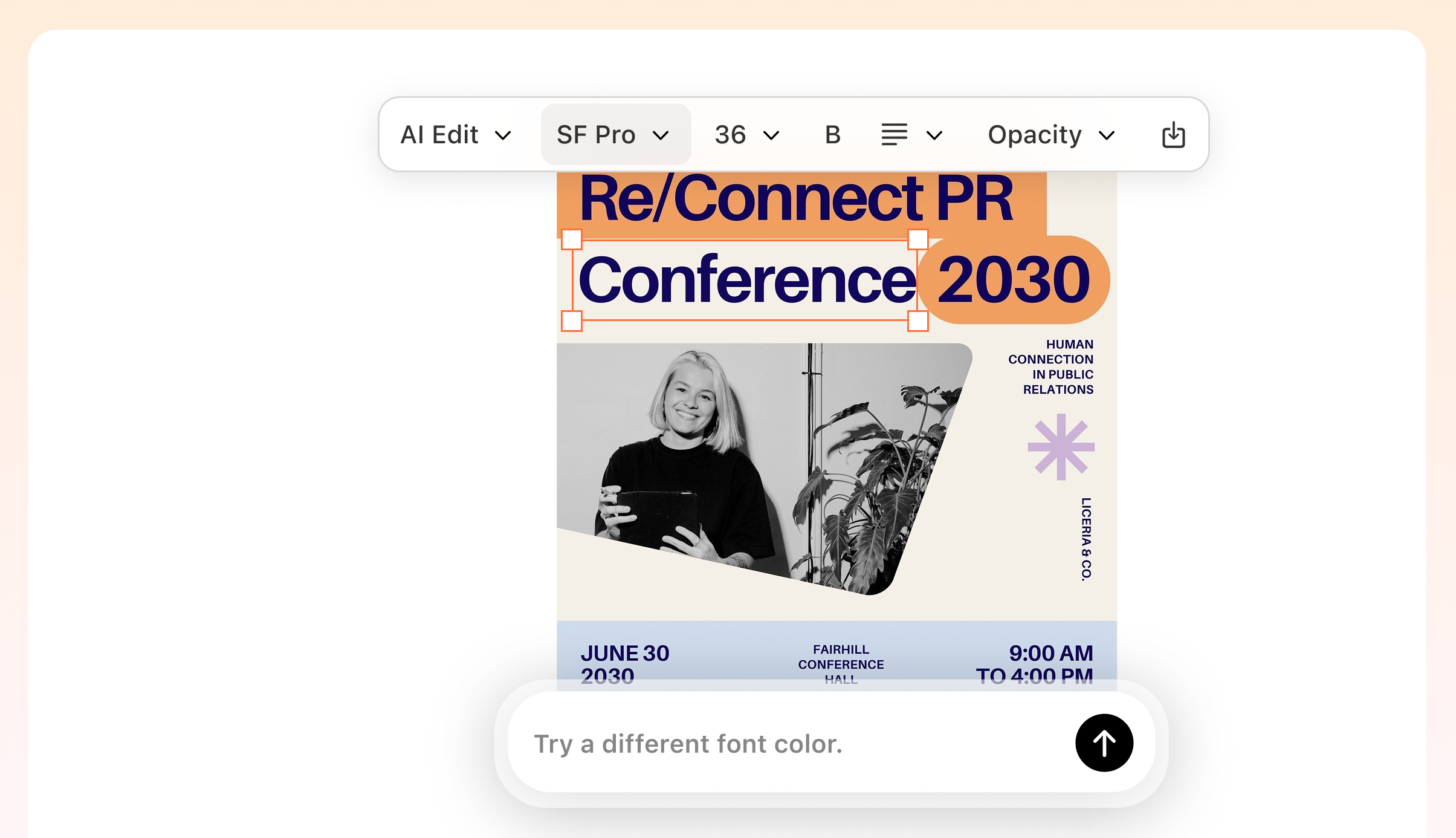
Build the Approval Trail Into the Brief Itself
Most campaign briefs get signed off over a chain of emails that nobody can find six weeks later. Baking a stakeholder sign-off block directly into the brief document creates a single record of who approved what and when. That paper trail protects everyone when scope creep or budget questions come up mid-campaign.
Try It Free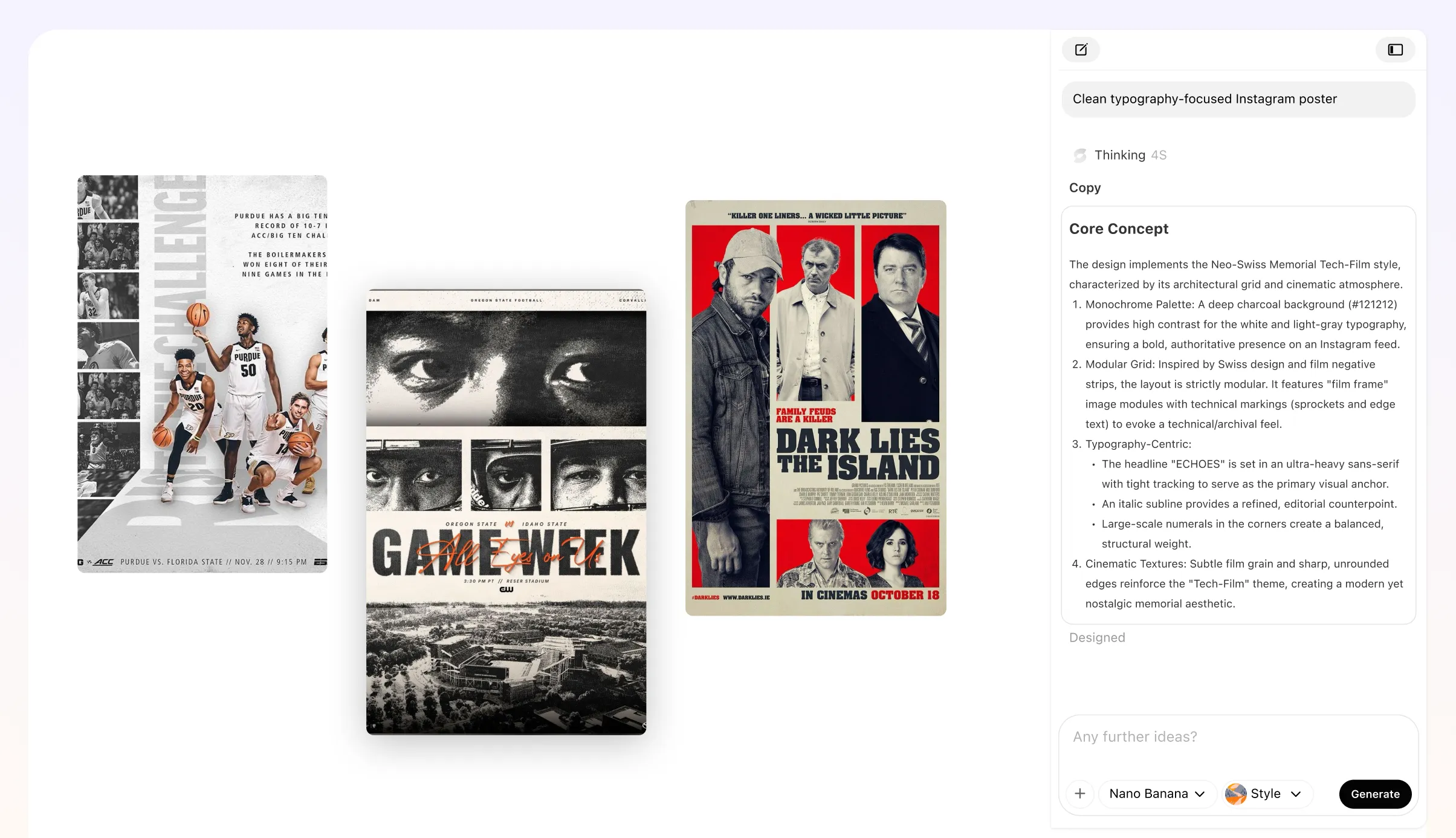
Turn a Dense Brief Into a Document People Actually Read
A wall of text in a shared doc rarely gets the attention it deserves before a campaign kicks off. Structuring your integrated campaign brief as a formatted visual deck — with clear sections for goals, audience segmentation, channel mix, and KPIs — makes it faster to review and easier to present to stakeholders. Teams spend less time decoding the brief and more time executing against it.
Try It Free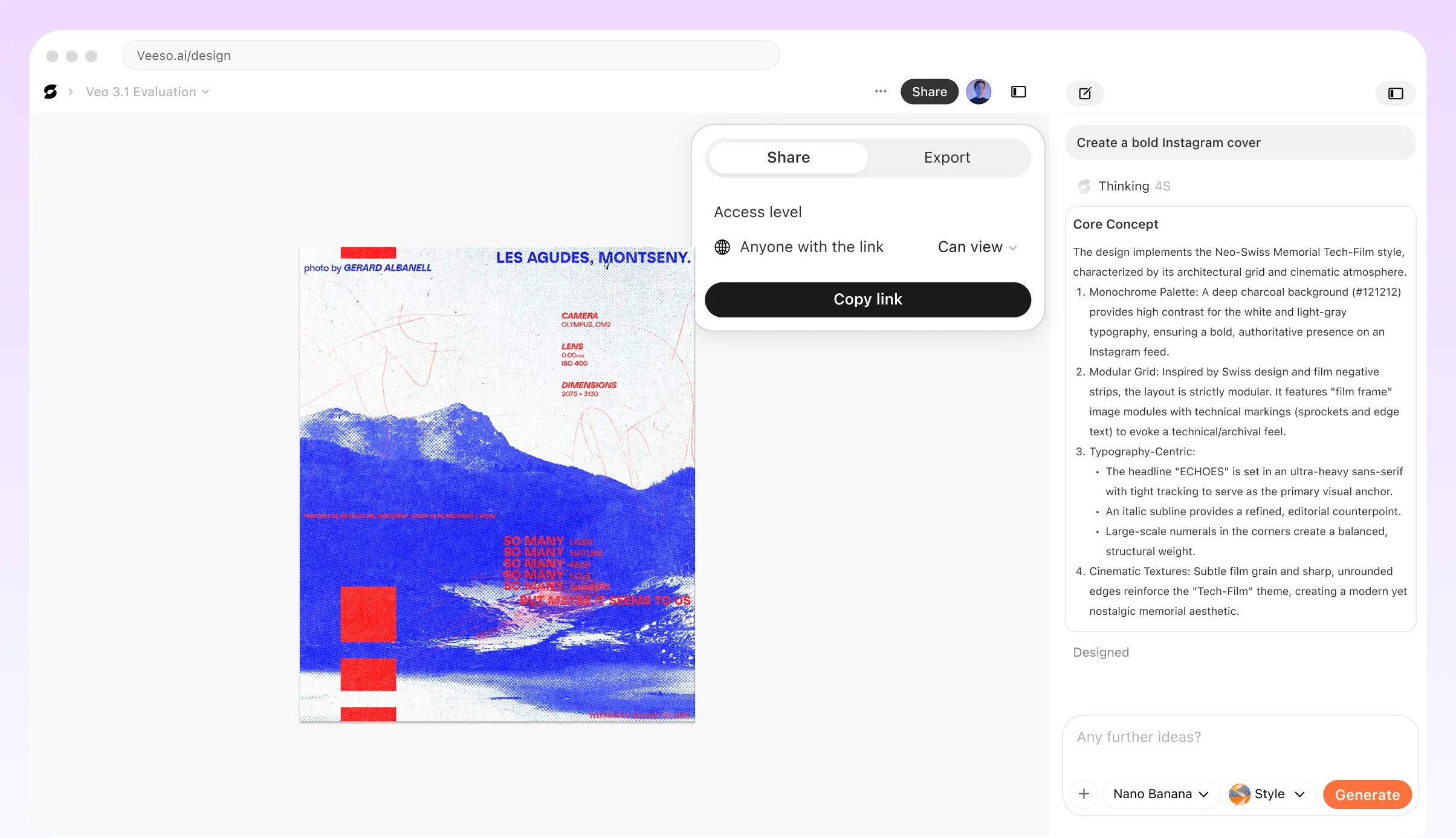
Who Uses a Cross-Channel Campaign Brief Template — and for What Kind of Campaigns?
Retail Brand Launching a Seasonal Campaign Across Paid and Owned Channels
A retail marketing team preparing a holiday push across paid social, email, and in-store signage needs every stakeholder aligned before creative work begins. A cross-channel campaign brief template gives the team a single document to define campaign goals and objectives, confirm the channel mix, and set the messaging hierarchy before anyone opens a design file. Instead of chasing approvals over email threads, the brief becomes the shared source of truth. Each channel owner sees exactly what assets are needed, what the deadlines are, and how success will be measured.
Media Agency Building a Reusable Briefing Framework for Multiple Client Campaigns
Agencies running campaigns for several clients at once lose time rebuilding briefs from scratch each time. A standardized media agency brief template with fixed sections for audience segmentation, budget allocation across channels, and KPIs lets account teams move faster without missing critical details. When a new campaign starts, the team fills in the variables rather than debating structure. This consistency also helps clients review briefs more quickly because the format is familiar. A reliable campaign brief format reduces back-and-forth and keeps projects on schedule.
In-House Creative Team Briefing Freelance Designers on a Multi-Channel Product Launch
When an in-house team hands off creative work to freelance partners, vague direction leads to revisions that eat into the timeline. A detailed advertising creative brief template documents the target audience definition, approved messaging, required formats, and channel-specific asset specs in one place. Freelancers get everything they need upfront, including which deliverables go to paid ads versus organic social versus print. Veeso AI can help the team turn that brief into a set of editable visual layouts for each channel, so freelancers have a starting point rather than a blank canvas.
B2B Marketing Team Coordinating an Integrated Campaign Across Events, LinkedIn, and Email
B2B campaigns often span a conference presence, a LinkedIn content series, and a nurture email sequence, each with different audiences and timing. Without a shared integrated campaign brief template, the event team, content team, and demand generation team end up working from different assumptions. Documenting the campaign timeline and milestones, the messaging hierarchy for each stage, and the KPIs for each channel in one brief keeps all three teams synchronized. Stakeholder sign-off happens once, not three times, and everyone references the same document through execution.
Brand Manager Briefing an Influencer Campaign Alongside Paid and Earned Media
Influencer campaigns that run alongside paid media and PR require careful coordination of messaging so that each channel reinforces the others without sounding scripted. An influencer campaign brief template should include the core message, the boundaries of what influencers can and cannot say, the campaign hashtags or tracking parameters, and how influencer content connects to the broader creative direction. Veeso AI can help the brand manager produce polished visual reference sheets that show influencers the approved look and feel, giving them clear creative guidance without restricting their voice.
Startup Marketing Lead Documenting Campaign Strategy for Board and Investor Review
Early-stage companies sometimes need to present their campaign strategy to investors or board members alongside the usual internal team. A digital marketing campaign brief template that includes a section for supporting research, past performance data, and audience segmentation gives the brief credibility beyond internal use. Decision-makers can see the rationale behind channel choices and budget allocation, not just the creative direction. Structuring this evidence as a formal section of the brief, rather than a separate slide deck, keeps the campaign approval workflow cleaner and easier to revisit after the campaign runs.
Why in-house marketing managers, agency account directors, and freelance creative strategists Choose Veeso AI
How to Create High-Converting structured campaign brief documents
Define Your Campaign Goals and Set Measurable KPIs
Write down exactly what the campaign needs to achieve — not just 'increase awareness' but a specific, measurable outcome like 'generate 2,000 qualified leads in six weeks across paid search and email.' Attach a KPI to each goal so every team member and stakeholder knows what success looks like before a single asset gets made.
Map Your Audience Segments and Match Them to the Right Channels
List each audience segment by behavior, need, or stage in the funnel, then assign each segment to the channels where they're most reachable. For example, a retargeting segment might belong on display and paid social, while a cold awareness segment fits better on programmatic or influencer placements. This channel mix planning step stops teams from running the same message everywhere and expecting different results.
Write the Messaging Hierarchy and Specify Creative Asset Requirements
Set one primary message for the campaign, then list the supporting messages each channel will carry. Below the messaging block, add a creative asset requirements table that lists every deliverable by channel — format, dimensions, copy length limits, and any brand or legal constraints. This is the section that prevents your design team from producing assets in the wrong size or tone.
Add Budget Allocation, Campaign Timeline, and the Stakeholder Sign-Off Block
Break the total budget down by channel so each team knows their spend ceiling, then map every milestone — from creative kickoff to final asset delivery to campaign launch — against a shared timeline. Close the brief with a formal sign-off block that names each approver, their role, and the date they reviewed the document. Once everyone has signed, the brief becomes the single reference point for the entire campaign.
FAQ

Ready to Create Beautiful Editable Multi-Channel Brief Layouts with Veeso AI?
Start Creating NowNo credit card required • Free to start • No design skills required
Explore More AI Graphic Design Use Cases
Discover more creative design scenarios powered by Veeso AI.