Your Content Repurposing Roadmap, Built in Seconds
Paste one finished piece of content and get a full channel-by-channel repurposing plan with owners, priorities, and scope boundaries. No more brainstorming what to make next. Export your roadmap and brief your team the same day.

Three Ways to Generate repurposing roadmap visual plan
Describe Your Campaign Goal and Let the AI Build the Source-to-Channel Map
If you know what you're trying to achieve but haven't settled on a source asset yet, start by describing your campaign goal in plain language. The AI repurposing roadmap generator proposes which source format to anchor the campaign on and maps it to the channels that fit your goal and audience. You get a sequenced, multi-channel repurposing roadmap in seconds, not a generic list of format ideas.
- Goal-to-channel mapping based on your described campaign objective
- Prioritized sequence showing which derivative to produce first
- Effort scoring per channel so you can match output to team capacity
- Editable roadmap layout ready to assign owners and export
Start From a Channel-Specific Repurposing Template When the Destination Is Already Set
Sometimes you already know the destination — LinkedIn, a newsletter, a sales one-pager — and you need the roadmap to work backward from there. Pick a channel-specific template that matches your known output, then customize the source asset, derivative formats, and ownership fields to fit your actual campaign. Every template is fully editable, so you're shaping a real content repurposing plan creator, not filling in a locked form.
- Templates organized by destination channel and content type
- Pre-mapped source-to-derivative relationships you can adjust
- Named owner fields built into each deliverable row
- Export as high-resolution PDF or PNG for team sharing
Import Your Existing Long-Form Asset and Map It Across Channels Instantly
If your source content already exists as a PDF, Word doc, or Markdown file, you don't need to start from scratch. Import the document and the content atomization roadmap generator structures it into a visual, multi-channel distribution plan that shows which sections can become which formats. This method works especially well for research reports, webinar transcripts, and long-form guides that have obvious derivative potential.
- PDF, Word, and Markdown import for long-form source assets
- Automatic section-to-channel matching based on content structure
- Evidence boundary flags on claims that need re-verification before reuse
- Structured visual pages you can edit, reorder, and export
Why choose Veeso for your multi-channel content roadmap visual
Turn One Source Asset Into a Sequenced Multi-Channel Distribution Roadmap
Most marketers brainstorm a list of formats and then stall because there's no clear order or owner for each piece. A structured roadmap maps your source content to specific channels with a prioritized sequence, so your team knows what to produce first and why. The result is a plan you can actually execute, not a wishlist that sits in a doc.
Try It Free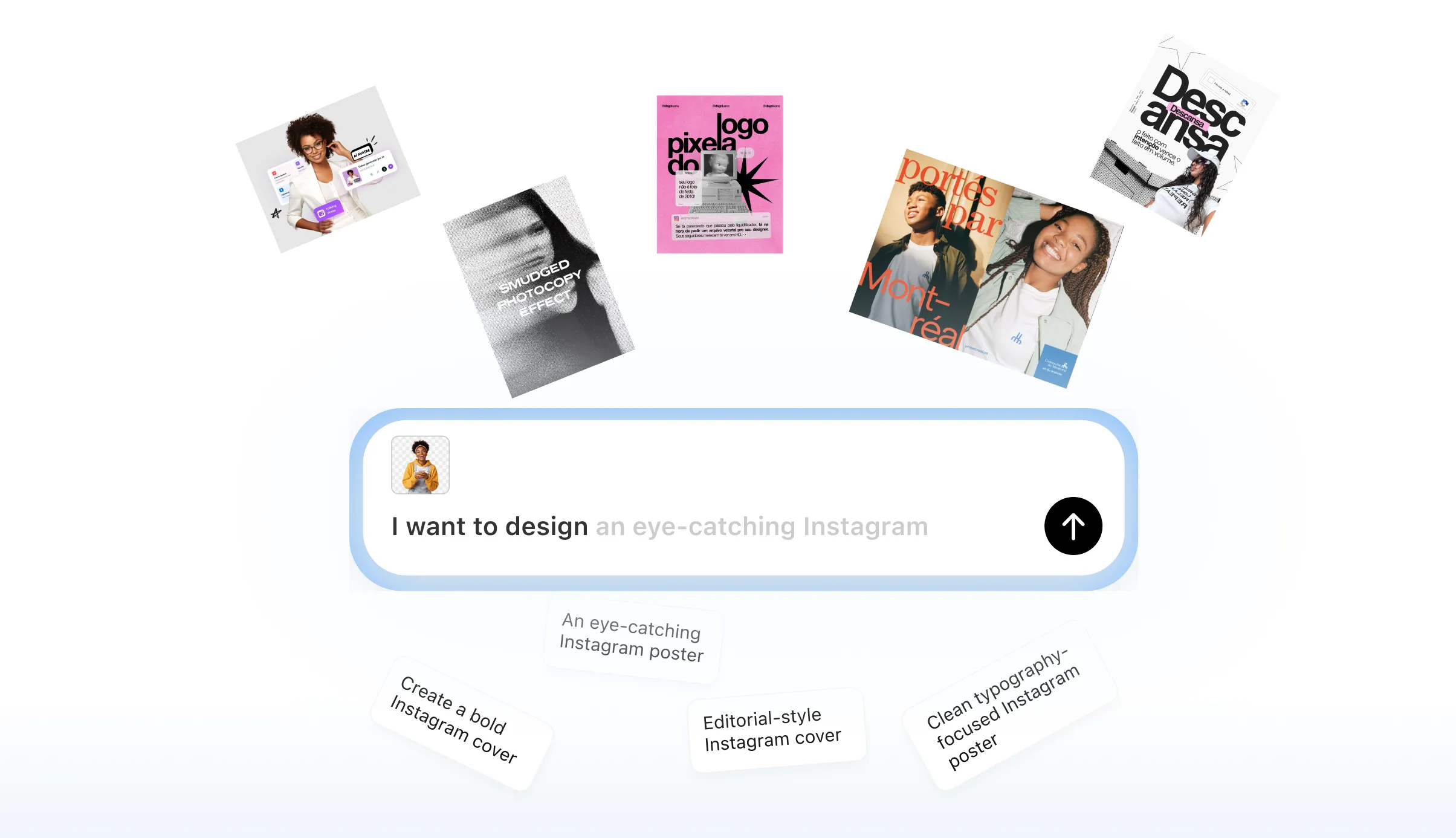
Assign Channel Ownership Before Rework Starts
Repurposing projects break down when nobody knows who owns the LinkedIn adaptation versus the email summary versus the slide deck. A content channel ownership planner bakes named accountability into every deliverable from the start. That single step cuts the back-and-forth that turns a two-day project into a two-week one.
Try It Free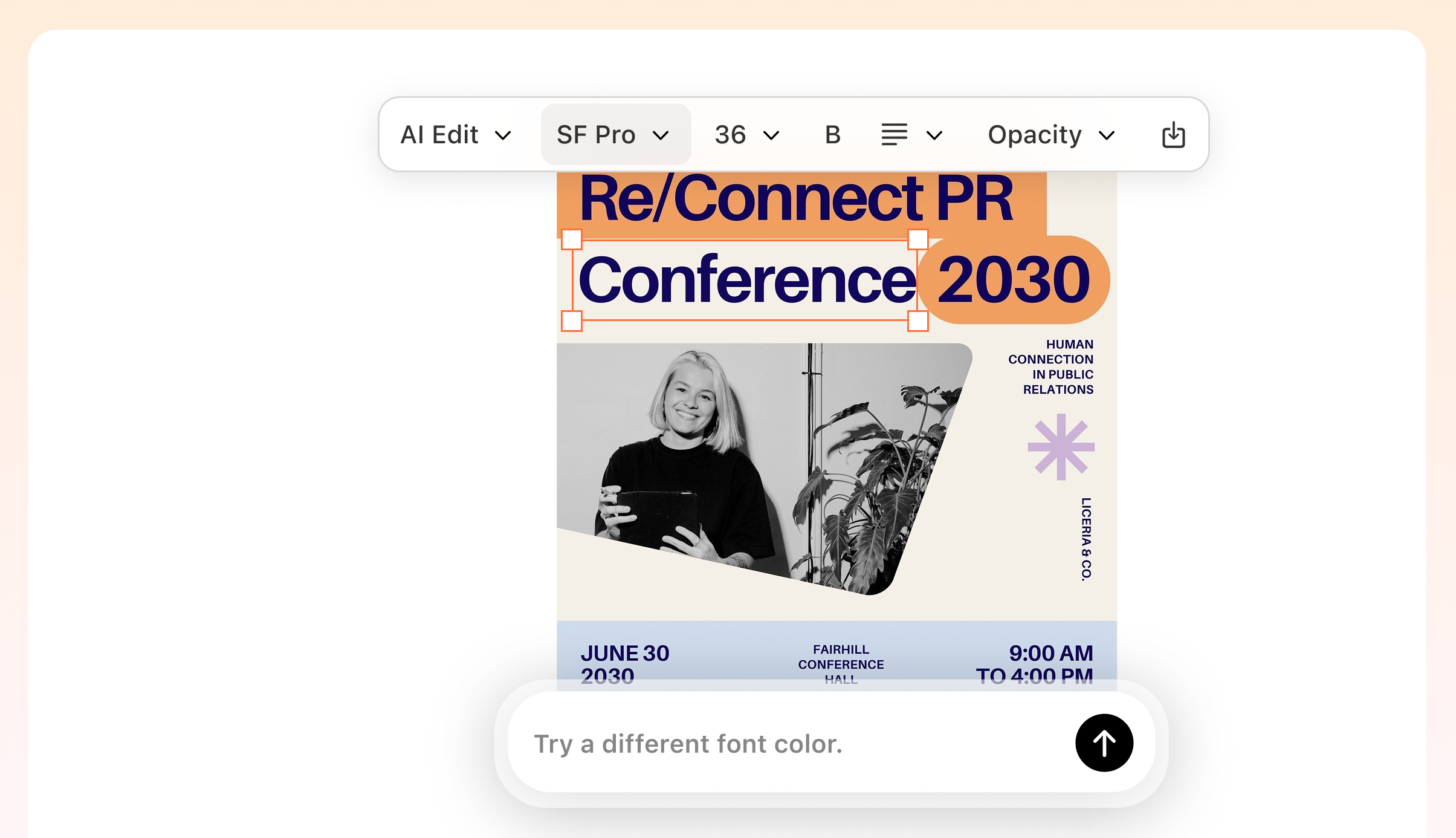
Know Which Claims Are Safe to Carry Into Each Derivative Format
A statistic that works in a long-form report may need re-verification before it appears in a social post or a printed one-pager. An evidence boundary mapper flags which facts from your source are safe to reuse as-is and which need a fresh source check. This protects your credibility and saves editors from discovering problems after content is already published.
Try It Free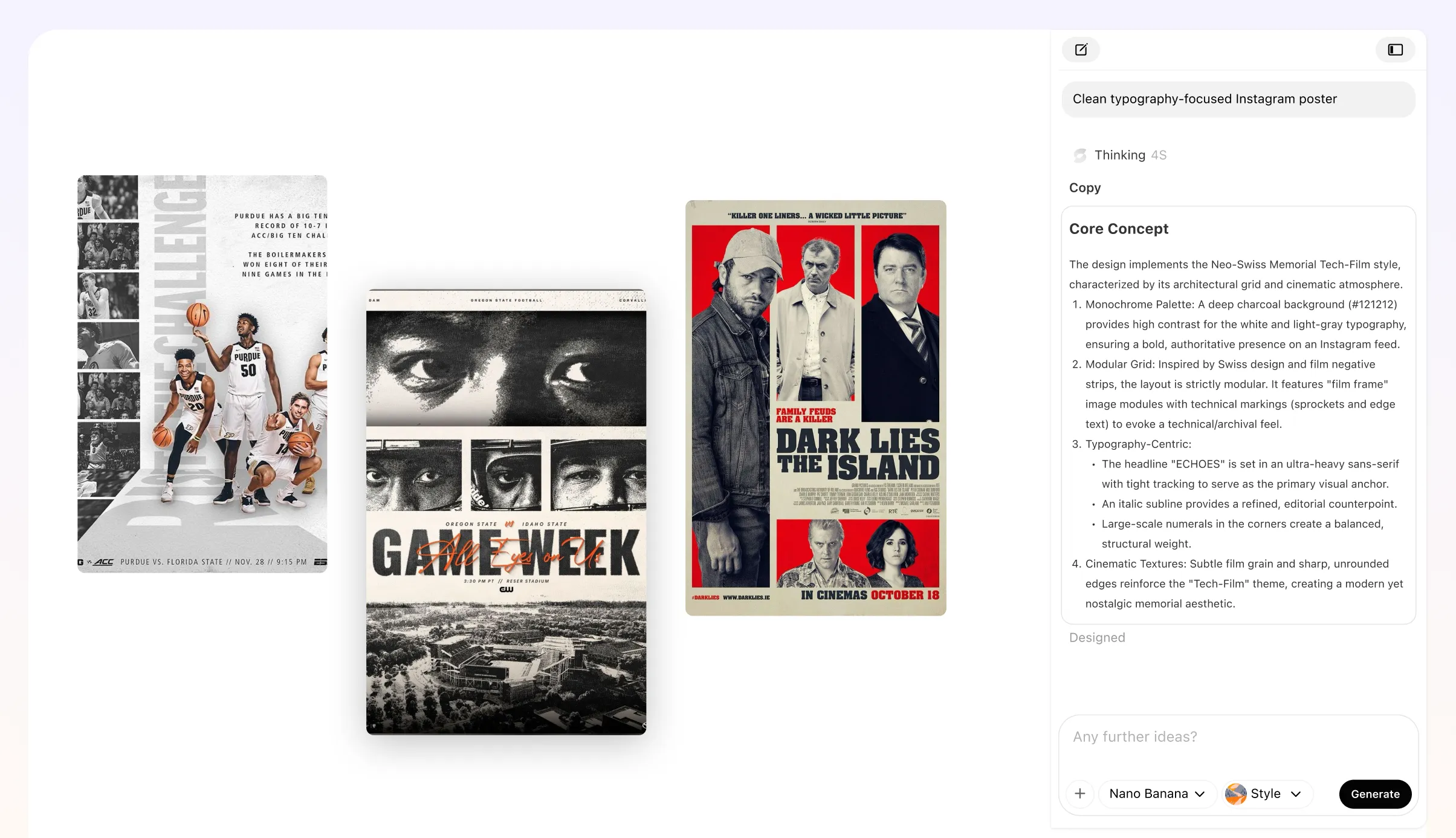
Export a Shareable Visual Plan Your Whole Team Can Read at a Glance
A spreadsheet of repurposing tasks is hard to scan in a kickoff meeting and even harder to share with stakeholders who need the big picture fast. Turning your roadmap into a clear visual layout — with channels, owners, and sequence visible in one view — makes alignment faster and reduces misreads. Tools like Veeso AI let you design that roadmap document as a polished, print-ready visual your team can reference throughout the campaign.
Try It Free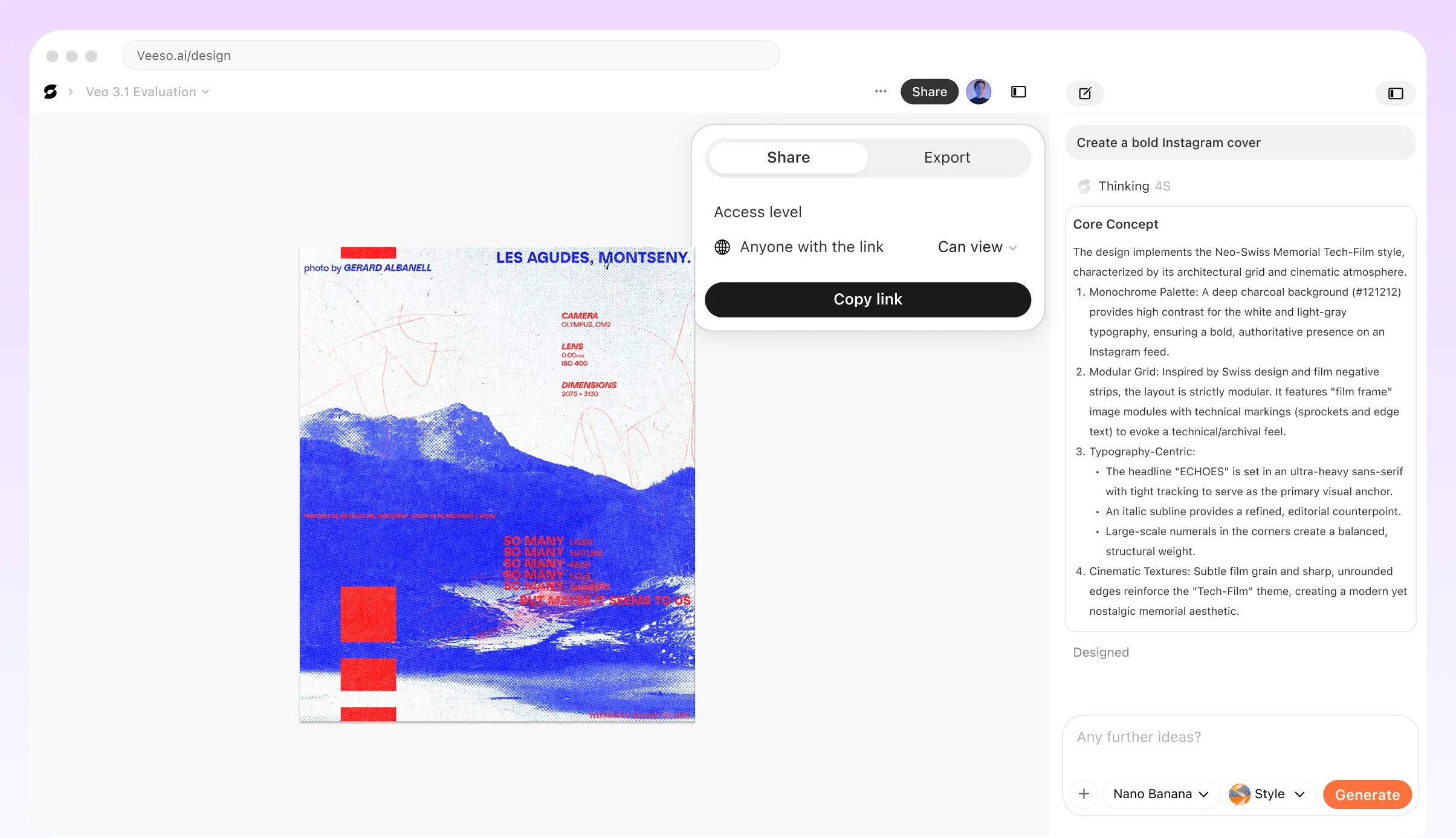
Who Uses a Content Marketer Repurposing Roadmap Generator?
Turning a Long-Form Research Report into a Multi-Channel Content Plan
A content marketer finishes a 3,000-word industry report and needs to extract value across six channels without starting from scratch each time. A content repurposing roadmap generator maps the source document to realistic derivative formats — LinkedIn carousels, email digests, short blog posts, and social pull quotes — while flagging which data points are safe to carry forward without additional sourcing. The result is a sequenced action plan that tells the team what to produce first based on channel priority, not guesswork.
Assigning Channel Ownership After a Webinar Recording Goes Live
After a live webinar wraps, the real work begins: deciding who turns the transcript into a blog post, who pulls clips for social, and who writes the follow-up email summary. Without a clear content atomization roadmap, deliverables stall because nobody claimed them. A repurposing roadmap generator lets the content lead assign a named owner to each derivative format at the moment the plan is built. Every team member sees their specific deliverable, the source timestamp or section it draws from, and the channel constraints they need to respect.
Scoping What a Podcast Episode Can Realistically Become
Not every podcast episode has enough depth to feed ten channels. A solo interview with one guest and a narrow topic might support a short blog recap and two social posts — not a full content distribution matrix. A content repurposing strategy generator helps marketers define the scope boundary upfront, so the team doesn't waste briefing time on formats the source can't support. It surfaces which channels are out of scope given the episode's length, evidence base, and format, keeping the workflow honest before production starts.
Building a Stakeholder-Ready Visual Roadmap from a Single Blog Post
A content manager needs to present a repurposing plan to a marketing director who wants to see the full picture tied to one source asset. A spreadsheet of tasks doesn't communicate the logic. Using a content repurposing roadmap tool to generate the plan, then bringing it into Veeso AI to produce a clean, editable visual layout, gives stakeholders a clear channel-by-channel view they can actually read in a meeting. The visual shows source-to-channel mapping, owner assignments, and sequencing — all in one shareable document.
Reducing Briefing Time for a Content Team Handling Multiple Campaigns
When a content team runs several campaigns at once, writing individual briefs for every repurposed asset eats hours. An AI content repurposing roadmap generator pre-populates the key constraints for each derivative format — tone notes, word count range, source references, and channel-specific requirements — so writers start with context instead of a blank page. The briefing process shrinks because the generator has already done the source content audit and matched each format to the right section of the original asset.
Mapping a Case Study into a B2B Multi-Format Content Set
A B2B marketing team publishes a detailed customer case study and wants to extend its reach without diluting the evidence. The challenge is knowing which claims are strong enough to stand alone in a LinkedIn post versus which ones need the full case study context to be credible. A repurposing evidence boundary mapper inside a roadmap generator flags exactly that distinction, channel by channel. The team can then use Veeso AI to design the visual assets — stat cards, quote graphics, and summary one-pagers — knowing each piece stays within the source's verified scope.
Why content marketers, content strategists, and agency content leads Choose Veeso AI
How to Create High-Converting channel distribution roadmap visual
Paste Your Source Content or Import Your Existing Asset
Start by giving the content repurposing workflow generator something to work with. Paste raw text, drop in a URL, or upload a PDF, Word doc, or Markdown file — the generator reads the structure and substance of your source so the channel mapping it produces is grounded in what the content can actually support.
Review the Channel Map, Sequence, and Effort Scores
The source content to channel mapping tool returns a prioritized roadmap showing which derivative formats fit your source, in what order to produce them, and how much effort each channel requires. Check the evidence boundary flags on any claims the tool has marked for re-verification before you carry them into a new format.
Assign Named Owners to Each Deliverable in the Roadmap
Before you export anything, add a named owner to every channel deliverable directly in the roadmap. This is the step most repurposing plans skip, and it's the main reason scope creep happens — if nobody owns the email summary, nobody writes it.
Export Your Multi-Channel Content Distribution Roadmap as a Shareable Visual
Once the roadmap is complete and ownership is assigned, export it as a high-resolution PDF or PNG your team can open, print, or drop into a project brief. If you want a polished visual layout rather than a plain document, Veeso AI can turn your roadmap content into a designed, fully editable visual plan that's easy to present to stakeholders.
FAQ

Ready to Create Beautiful Multi-Channel Content Roadmap Visual with Veeso AI?
Start Creating NowNo credit card required • Free to start • No design skills required
Explore More AI Graphic Design Use Cases
Discover more creative design scenarios powered by Veeso AI.