Build Your Construction Apprenticeship Recruitment Campaign
Create clear, accurate recruitment materials that explain your program's eligibility, wages, and training path. Paste your program details and shape them into flyers, social posts, or handouts. Export print-ready files when your content is set.
Three Ways to Generate apprenticeship recruitment visual campaign set
Describe Your Program and Generate a Full Apprenticeship Campaign Set
Tell the tool what trade you're recruiting for, your eligibility requirements, your application deadline, and your wage schedule. It builds a coordinated set of recruitment visuals around that input, so you're not manually formatting the same details into six different layouts. This approach works especially well for coordinators who have the program content ready but no design background.
- Paste eligibility criteria, OJT hours, and application dates directly into the prompt
- Generate matched social graphics, flyers, and community handouts from one input
- Adjust tone for different audiences, such as high school outreach versus career changers
- Edit any text box, color, or layout element after the initial generation
Start From a Construction Recruitment Template and Customize for Your Trade
Pick a starting layout built for construction career pathway outreach, then swap in your program's name, trade, logo, and specific details. Templates give you a proven visual structure so you're not guessing about hierarchy or spacing. This method is fastest when you need a single format quickly, like a job-site flyer for an upcoming open enrollment period.
- Choose layouts sized for job-site posting, community boards, or social media
- Replace placeholder wage and hour details with your actual program schedule
- Apply your union or training committee's brand colors and logo in one step
- Duplicate the layout to create matching materials for your pre-apprenticeship pipeline
Import Your Existing Program Documents and Turn Them Into Designed Materials
If your apprenticeship sponsor organization already has a program guide, eligibility checklist, or related technical instruction overview in a Word doc or PDF, you don't need to retype it. Import that document and the tool structures it into visual pages you can edit and export. This is the right method when your content is already approved and you just need it to look professional.
- Import PDF or Word files containing program requirements, wage tables, and contact details
- Automatically structure long documents into scannable, print-ready visual pages
- Edit any section after import without losing your original formatting logic
- Export high-resolution PNG or PDF files ready for print vendors or digital distribution
Why choose Veeso for your construction apprenticeship recruitment materials
Keep Eligibility and Deadline Details Accurate Across Every Format
Construction apprenticeship recruitment materials carry real stakes. If your OJT hour requirements, application open dates, or journeyworker ratio details are wrong on even one flyer, candidates show up unprepared or miss the window entirely. Working from a single editable source means every social graphic, handout, and poster pulls from the same program details, so nothing gets out of sync when dates change.
Try It Free
Frame Wage Progression and Work Expectations in Plain Language
Most candidates don't know what indentured apprentice status means or how a wage progression schedule works. Your recruitment materials need to explain the craft workforce training pathway in terms a 19-year-old at a job fair can actually understand. Drafting that plain-language copy once and flowing it into a designed layout saves coordinators from rewriting the same information in five different documents.
Try It Free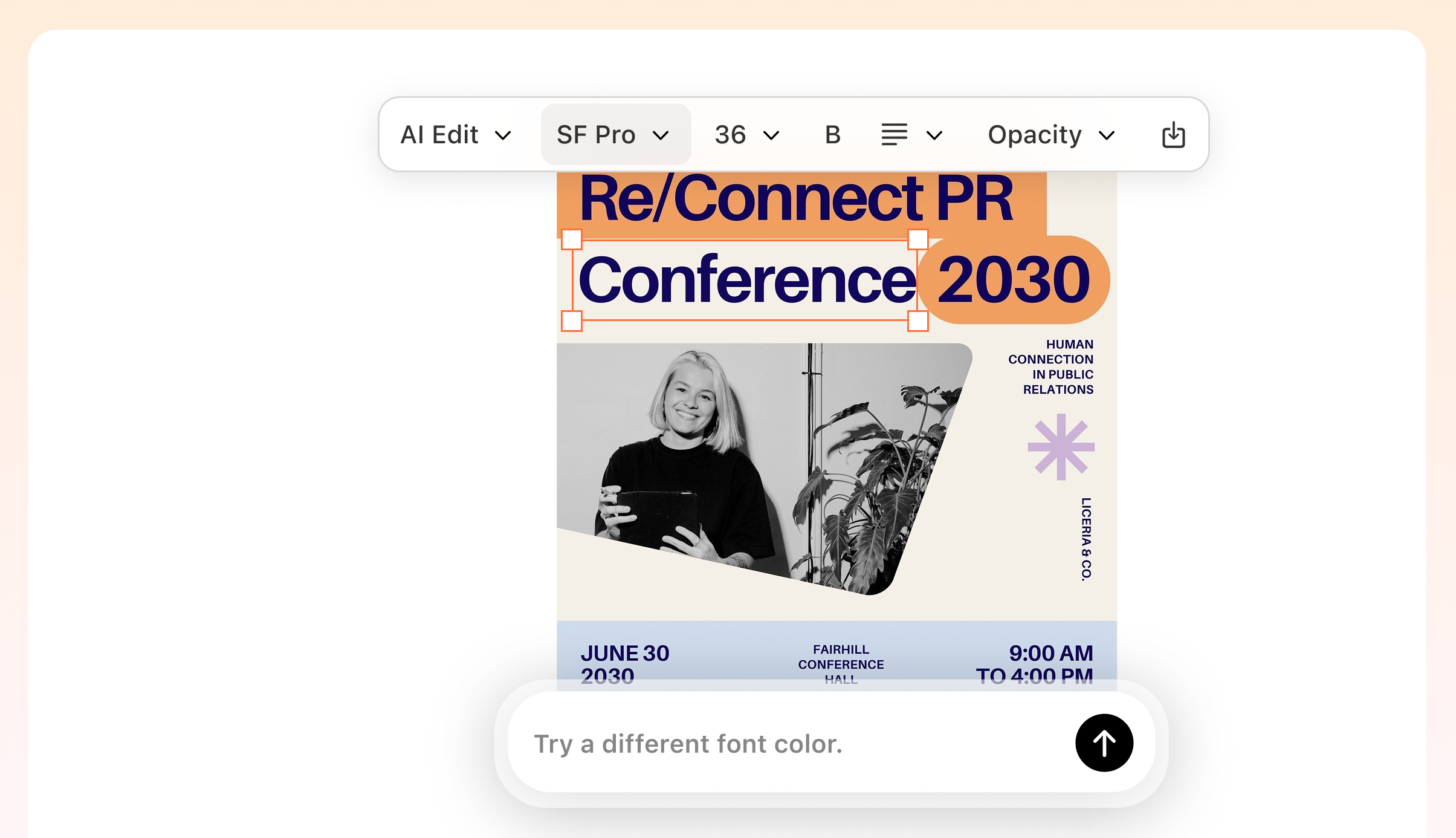
Build Equity-First Outreach That Meets Federal Registration Standards
Programs registered under federal apprenticeship guidelines increasingly require documented diversity outreach as part of their equal opportunity obligations. ERiCA-style equity requirements mean your construction apprenticeship recruitment campaign needs to show intentional, consistent outreach to underrepresented groups. Having that messaging built into your campaign materials from the start turns a compliance requirement into a recruiting strength.
Try It Free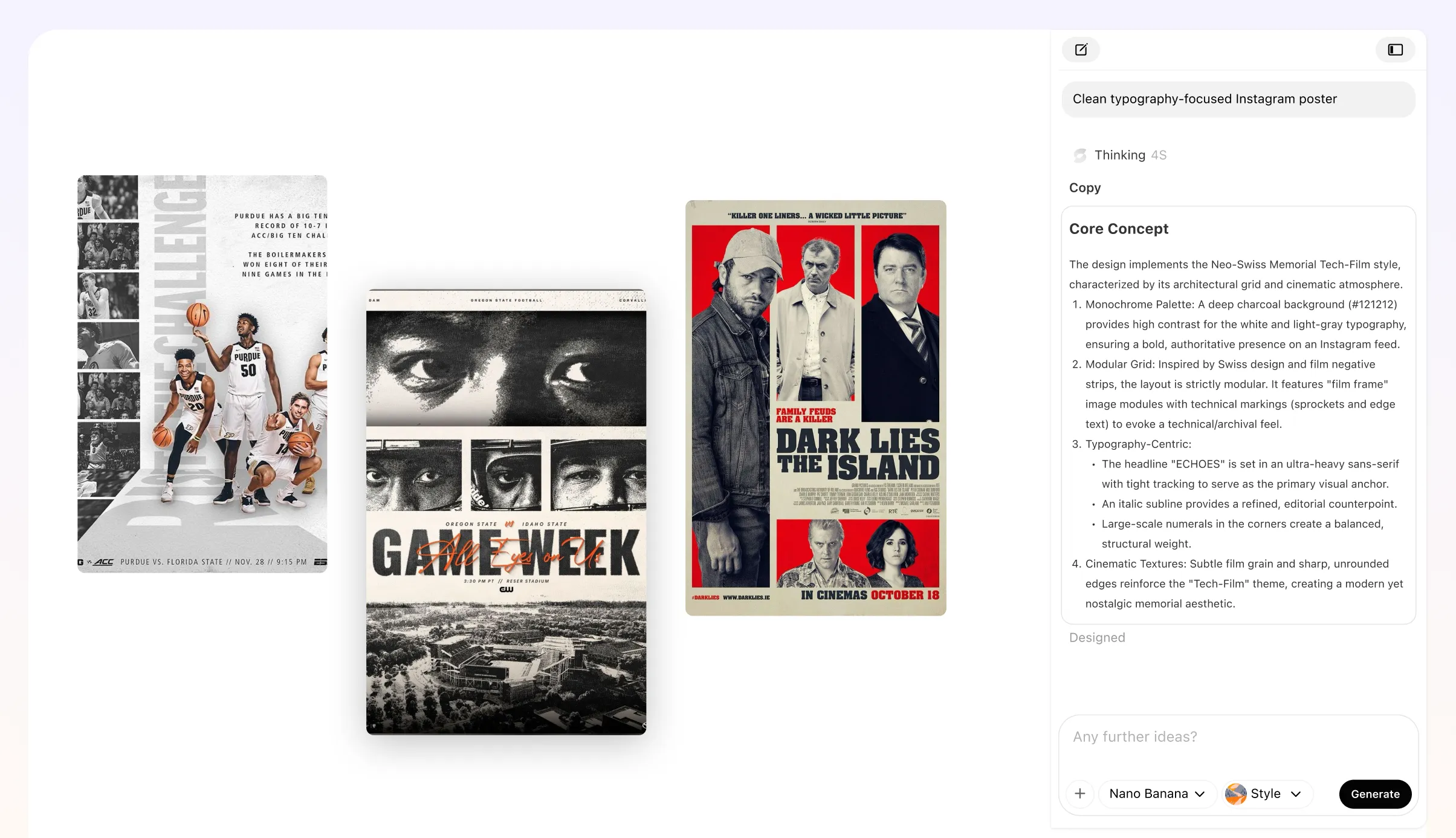
Produce Print-Ready and Digital Files Without Hiring a Designer
Joint apprenticeship training committees and apprenticeship sponsor organizations rarely have a graphic designer on staff. Coordinators end up stretching a Word document into a flyer and hoping it prints cleanly. A design tool like Veeso AI lets you paste your program copy and get high-resolution, export-ready files for both print and digital channels without starting from a blank page.
Try It Free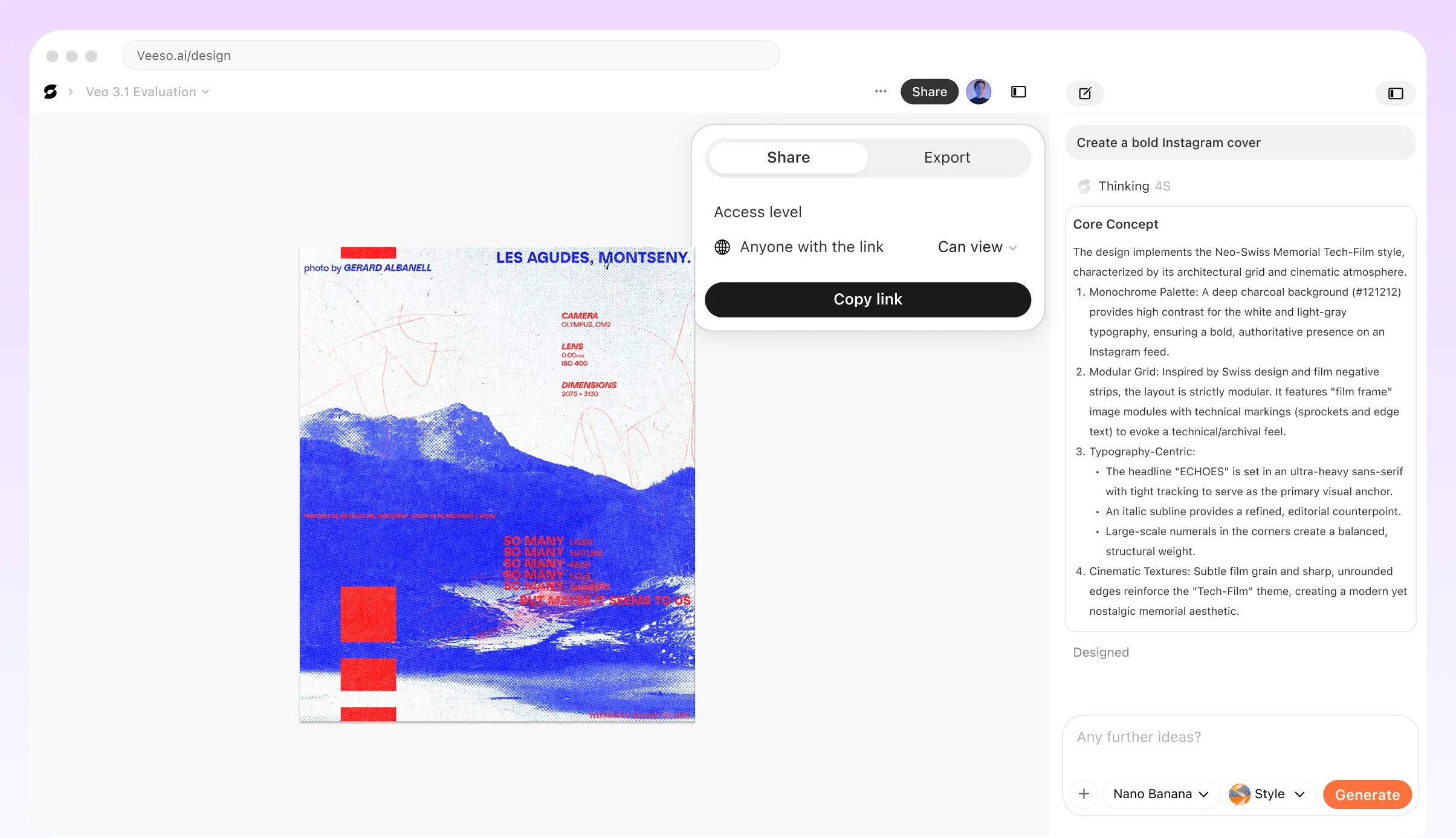
Who Uses a Construction Apprenticeship Recruitment Campaign Generator?
Joint Apprenticeship Training Committee Opening a New Enrollment Window
A joint apprenticeship training committee needs to announce open applications before the deadline passes and qualified candidates miss the window. Start by listing your program's eligibility requirements, OJT hour expectations, and application dates in plain language. Then build a consistent set of printed flyers and social posts that all carry the same deadline and contact details. When every piece matches, candidates don't get confused by conflicting information across channels. Clear, accurate materials also reduce the volume of basic eligibility questions your coordinators have to answer by phone.
Pre-Apprenticeship Program Reaching Career Changers Through Community Colleges
Adults switching careers often don't know how a construction training pathway works or what they'd earn during the learning period. Recruitment materials aimed at this group need to explain wage progression, tool allowances, and the structure of related technical instruction in plain terms — not industry shorthand. A one-page handout distributed at community college career fairs can walk a candidate through indentured apprentice status, journeyworker ratio requirements, and what a typical first-year schedule looks like. Concrete details help career changers compare an apprenticeship offer against a direct-hire construction job posting with confidence.
Apprenticeship Sponsor Organization Building an ERiCA-Compliant Outreach Package
Registered apprenticeship programs that receive equity-focused funding, such as an ERiCA grant, often need to document that their outreach materials actively reached underrepresented groups. That means producing printed and digital content in formats suitable for community organizations, workforce development centers, and trade schools in targeted zip codes. Each piece should name the equal opportunity policy, list the sponsor organization's contact, and describe the application process without assuming prior construction knowledge. Having a documented set of coordinated materials supports compliance reviews and shows that diversity and inclusion outreach was a deliberate part of the recruitment campaign.
Union Apprenticeship Coordinator Creating a Social Media Content Set for Craft Workforce Outreach
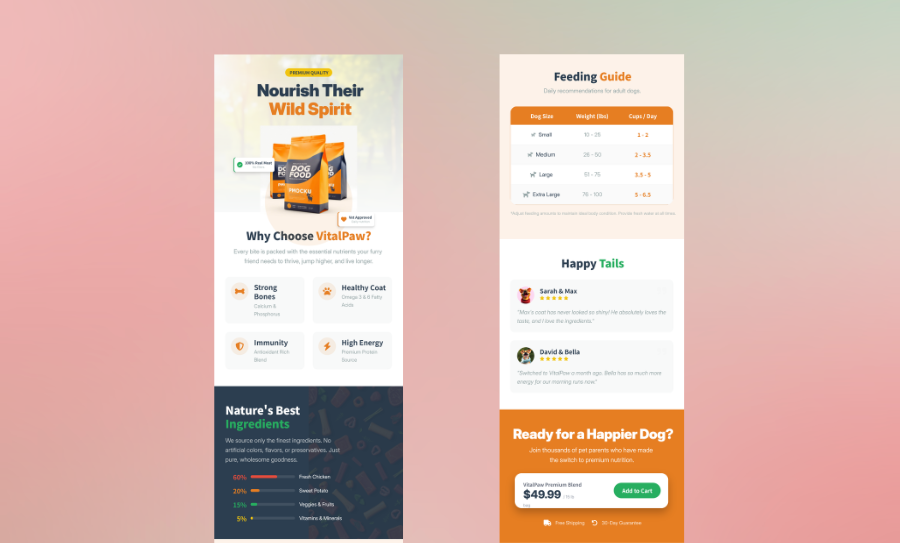
A union coordinator running a craft workforce apprenticeship outreach effort across Instagram and Facebook needs visuals that look consistent but aren't identical. Each post might highlight a different benefit — one covers the tool allowance, another explains on-the-job training hours, a third addresses eligibility for candidates with prior construction experience. Veeso AI lets a coordinator paste the program's core details once and produce a set of editable social graphics that share the same color scheme and typography without looking copy-pasted. Each card can then be adjusted for the specific message before export.
Construction Workforce Development Office Explaining Work Expectations to Reduce Early Attrition
One of the most common reasons apprentices leave a program in the first six months is that the physical demands and scheduling structure weren't explained clearly before they enrolled. A one-page work expectations sheet — covering shift length, outdoor conditions, required tools, and OJT milestone checkpoints — gives candidates a realistic picture before they sign. Distributing this document at high school career days or through pre-apprenticeship pipeline partners sets accurate expectations. Apprentices who arrive knowing what the first year looks like are more likely to complete their hours and reach journeyworker status.
Trade Association Adapting One Program's Details Across Print, Email, and Digital Formats
A trade association managing recruitment for several construction apprenticeship programs often rewrites the same core information multiple times — once for a printed brochure, again for an email, and again for a digital flyer. That repetition wastes time and introduces inconsistencies in eligibility language or deadline dates. A smarter approach is to draft the master content once, then adapt layout and length for each format. Veeso AI supports this by letting staff produce editable print and digital versions from the same source text, so the wage progression figures and application dates stay accurate across every piece.
Why apprenticeship coordinators, JATC administrators, and workforce development managers Choose Veeso AI
How to Create High-Converting apprenticeship campaign recruitment flyers and social graphics
Gather Your Program's Core Details Before You Design Anything
Pull together your eligibility requirements, on-the-job training hour totals, application open and close dates, wage progression schedule, and any diversity outreach language your registered apprenticeship program requires. Having these details confirmed before you open a design tool means you won't need to go back and correct materials after they've been distributed.
Write Plain-Language Copy That Covers Work Expectations and the Training Pathway
Draft short, clear descriptions of what the apprenticeship involves, what candidates earn at each stage, and what the construction training pathway looks like from day one to journeyworker status. Write it at a level that works for someone who has never heard of a joint apprenticeship training committee, because that's often exactly who you're trying to reach.
Choose Your Format Set and Build Editable Visuals From Your Copy
Decide which formats your campaign needs, typically a social media graphic, a printed job-site flyer, a community outreach handout, and a diversity outreach poster. Paste your approved copy into a tool like Veeso AI to generate a coordinated, editable visual set from a single content input, so every format stays consistent without manual reformatting.
Export Print-Ready and Digital Files for Each Recruitment Channel
Export high-resolution PDFs for print vendors and PNG files for digital use, making sure each file matches the size and resolution requirements of its channel. Keep your editable project saved so you can update application deadlines or wage figures for the next recruitment cycle without rebuilding the materials from scratch.
FAQ

Ready to Create Beautiful Construction Apprenticeship Recruitment Materials with Veeso AI?
Start Creating NowNo credit card required • Free to start • No design skills required
Explore More AI Graphic Design Use Cases
Discover more creative design scenarios powered by Veeso AI.