Run a Community Garden Membership Campaign That Fills Plots Fast
Build recruitment materials that explain plot responsibilities, sign-up steps, and seasonal events in one place. Describe your garden and get campaign-ready flyers, emails, and social posts. Export print-ready files and hand them straight to your volunteer committee.
Three Ways to Generate membership drive visual campaign sets
Describe Your Garden Season and Let the AI Build the Campaign Layout
If you're starting from scratch, just describe your garden in plain language — how many plots are available, what the seasonal fee is, when orientation happens, and what work-party hours members owe. A community garden membership sign-up generator turns that description into a structured campaign layout covering your recruitment flyer, social announcement, and welcome sheet in one pass. You get editable, print-ready files you can adjust before anything goes out.
- Pulls plot count, fee tiers, and orientation date into a scannable flyer layout
- Generates separate pieces for renewing members and first-time sign-ups
- Structures work-party hour requirements and garden rules into a readable format
- Outputs high-resolution PNG and PDF files ready for print or digital sharing
Start from a Seasonal Recruitment Template and Swap In Your Details
If you want a faster starting point, pick a seasonal garden recruitment template that matches your campaign tone — spring opening, summer waitlist push, or fall renewal drive. Then replace the placeholder dates, fee amounts, volunteer hour requirements, and garden name with your own. Every text box, color, and layout block stays fully editable, so the final piece looks like it was built for your specific garden.
- Seasonal template styles matched to spring sign-up, summer, and fall renewal campaigns
- Editable fee structure and membership tier blocks built into the layout
- Swap in your garden's name, plot map reference, and committee contact details
- Coordinated flyer, social card, and welcome sheet in a single campaign content set
Import Your Existing Garden Handbook and Turn It Into Member-Facing Campaign Pages
Already have a plot agreement, a garden rules document, or a member onboarding checklist sitting in a Word file or PDF? Upload or paste it directly and let the tool restructure that content into designed, member-facing campaign pages. This approach works especially well for committees that have solid written policies but no visual materials to match. Veeso AI can take a dense handbook and reformat it into a clean new-member welcome sheet and a recruitment one-pager without you rewriting a word.
- Import existing PDF, Word, or Markdown garden documents directly
- Restructures plot rules, volunteer expectations, and fee schedules into visual layouts
- Separates onboarding content into logical sections for new versus returning members
- Produces editable output so you can refine tone and layout before printing
Why choose Veeso for your garden membership recruitment flyers
Communicate Plot Availability and Fee Structure at a Glance
Prospective members need to see plot sizes, seasonal fees, and work-party hour requirements before they commit. When that information is buried in a plain email or a dense PDF, sign-up rates drop. A visual layout built around your actual content makes every key detail easy to find and act on.
Try It Free
Keep Participation Expectations Consistent Across Every Flyer
Garden committees often produce a recruitment flyer, a social post, and a new-member welcome sheet separately, and the rules end up worded differently on each one. Starting from a single content set means your volunteer hour requirements, orientation date, and garden guidelines say the same thing everywhere. Consistent messaging reduces the back-and-forth questions that eat up a coordinator's time.
Try It Free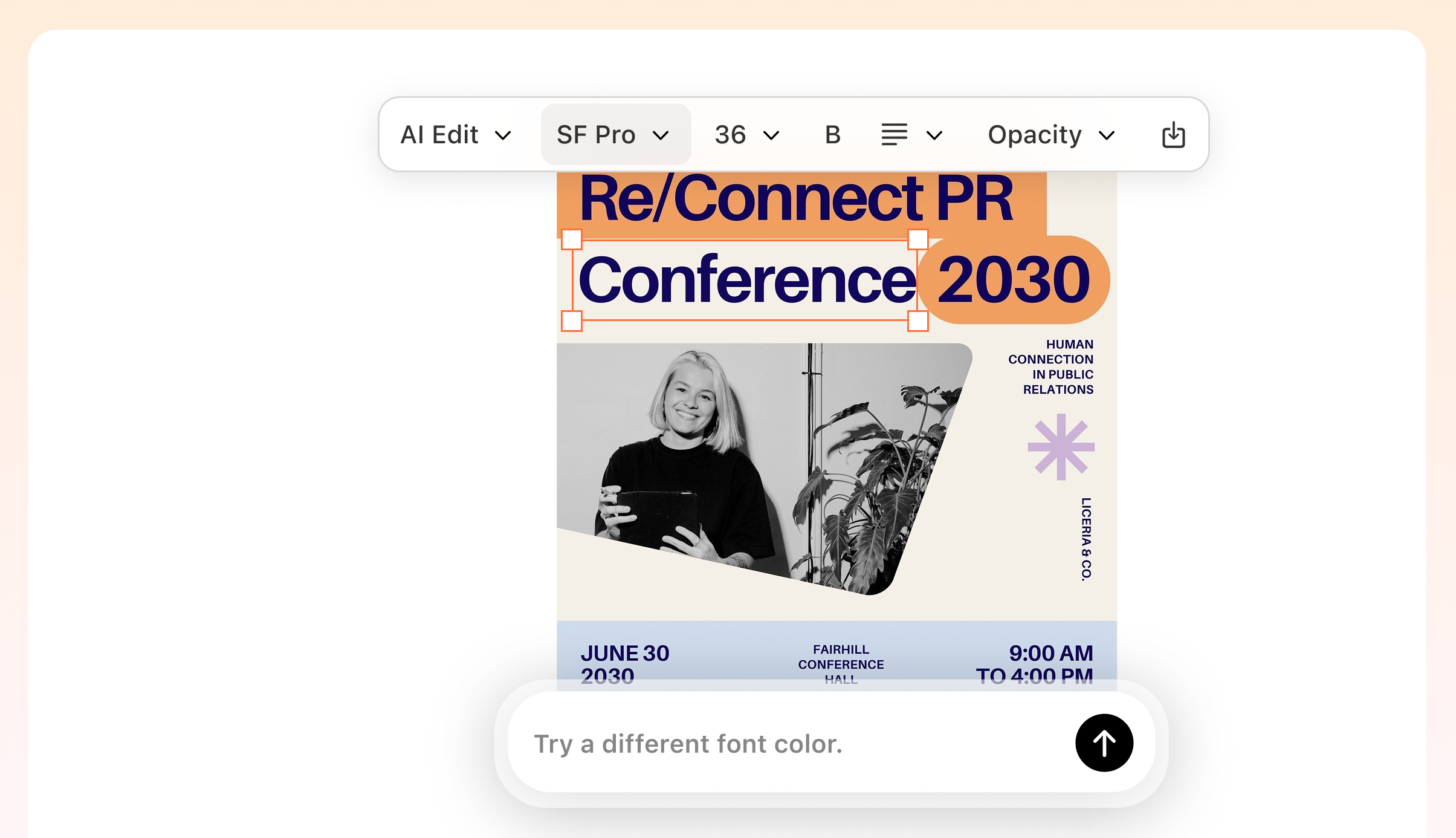
Serve Renewing Members, First-Timers, and Waitlist Converts with Different Materials
A returning plot holder needs a renewal reminder with updated fee tiers. A first-time gardener needs an orientation overview and a plot assignment workflow. Someone coming off the waitlist needs urgency and clear next steps. Generating separate, audience-specific pieces from the same campaign content set means no group gets the wrong message.
Try It Free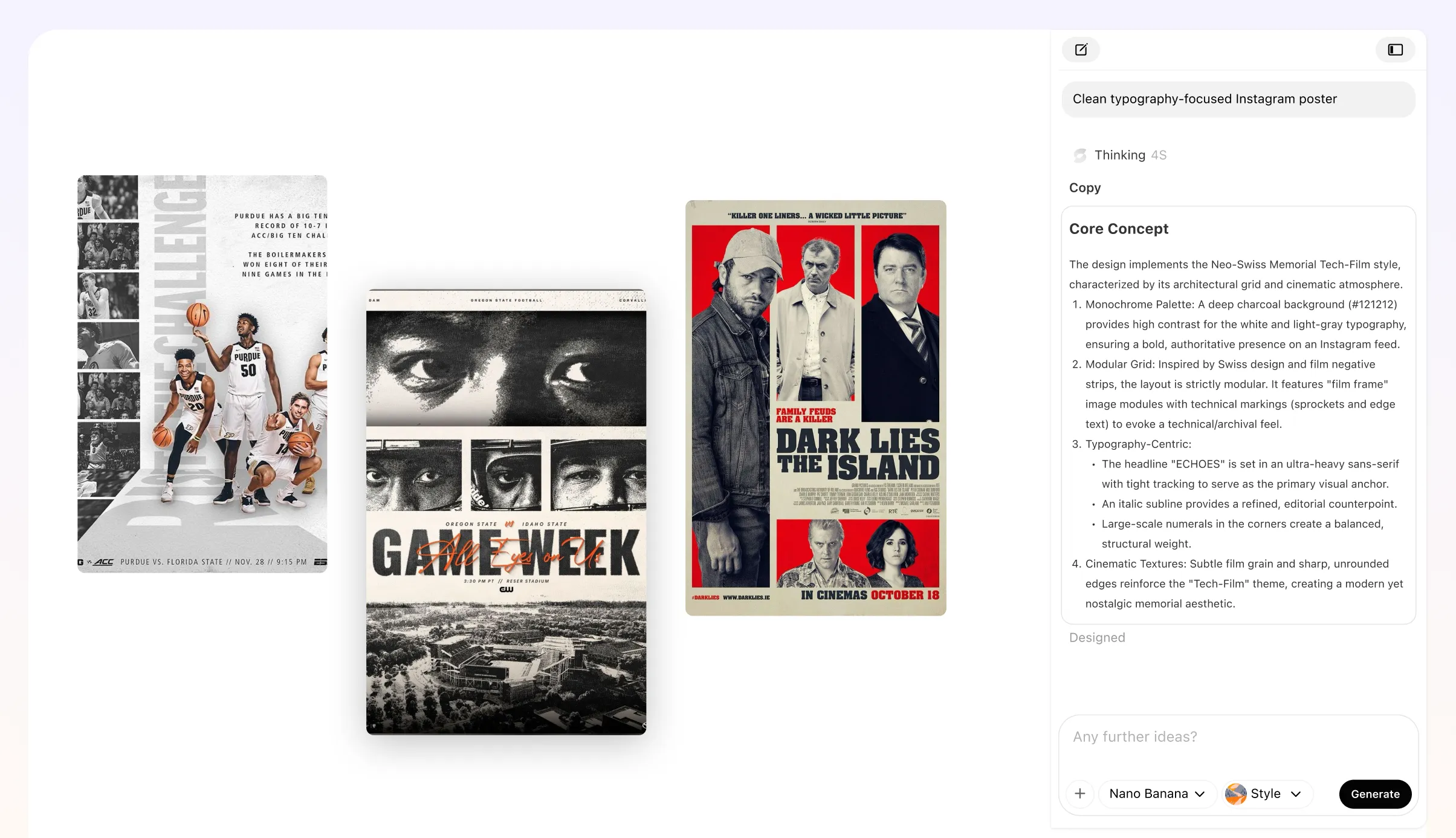
Produce Print-Ready Recruitment Materials Without a Volunteer Designer
Most garden committees run on donated time, and nobody on the team is a graphic designer. Generic tools like word processors or slide apps require layout decisions that slow everything down. A content-first campaign generator takes your existing copy — dates, rules, fees — and arranges it into a print-ready flyer you can post at the community center or share as a PDF the same day.
Try It Free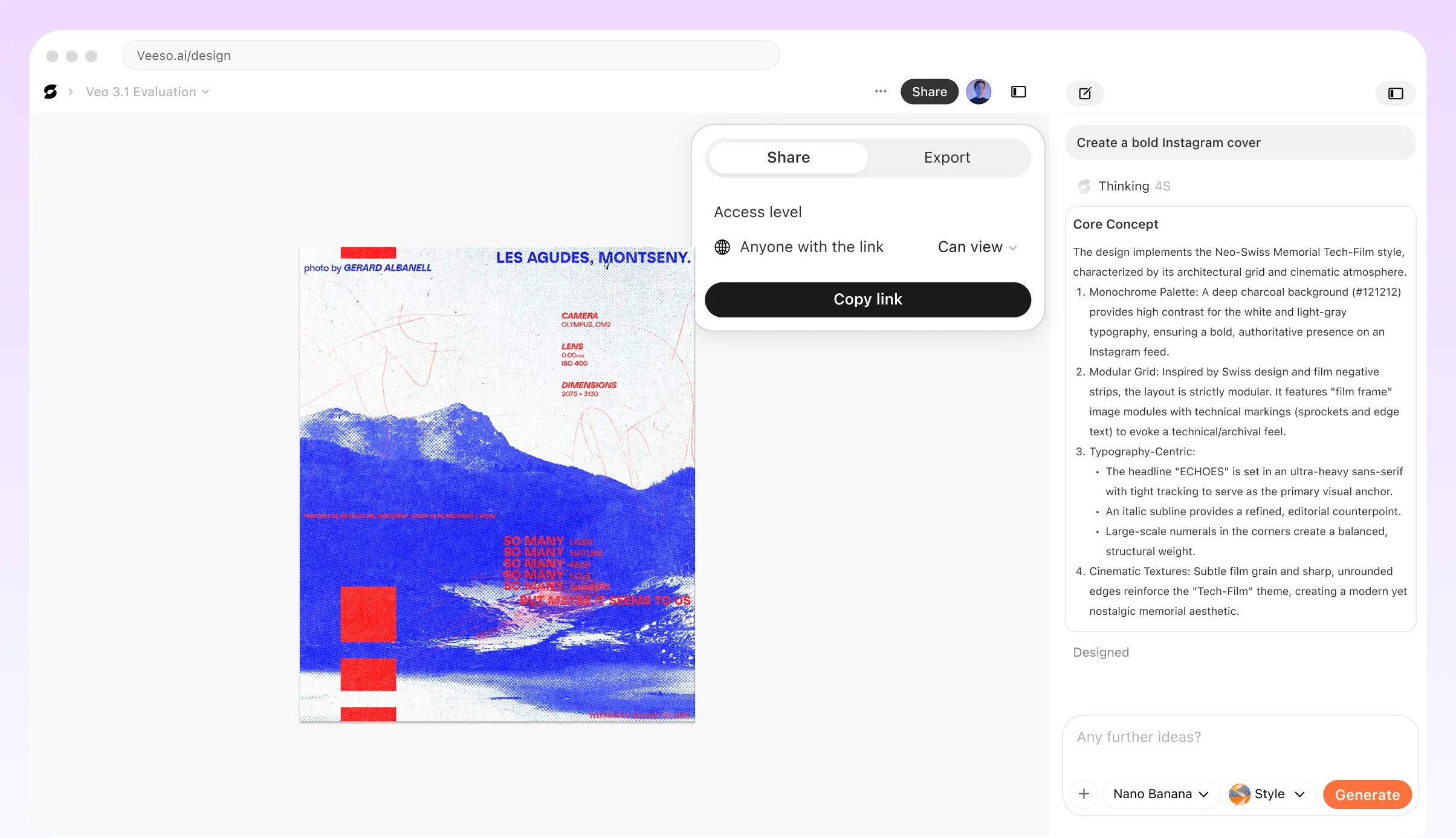
Who Uses a Community Garden Membership Campaign Generator?
Recruiting New Plot Holders Before the Growing Season Opens
A garden committee needs to fill vacant plots before spring planting begins. A community garden member recruitment campaign works best when it spells out exactly what a plot holder is signing up for: weekly watering commitments, work party attendance, and the membership fee structure. Starting with a clear campaign outline helps prospective members self-select before they submit a sign-up form. Cover plot size, seasonal dates, and volunteer hour requirements in your first outreach piece so your inbox fills with serious applicants rather than curious browsers who abandon their plots by June.
Re-Engaging Waitlist Contacts After New Plots Become Available
Waitlists go stale fast. When a garden adds new raised beds or a member leaves mid-season, the contacts who signed up six months ago may have moved on or forgotten the details. A targeted garden membership drive message to that list should lead with what has changed, not a generic invitation. Mention the new plot locations, updated garden rules and guidelines, and any improvements to the member onboarding checklist. Give each contact a single clear action: confirm interest by a specific date or lose their spot on the list.
Flyer Campaign for a Neighborhood Garden Orientation Event
An in-person orientation is often the first real commitment a prospective member makes. A printed flyer needs to do more than announce a date. It should communicate participation expectations, list what attendees will learn about plot allocation and the work party schedule, and tell people exactly how to register. Veeso AI can turn a drafted outline of that information into a print-ready flyer layout without requiring a designer on the volunteer committee. Export a high-resolution PDF, print locally, and post it at community boards, libraries, and nearby businesses a full two weeks before the event.
Social Media Posts That Explain Plot Responsibilities Clearly
Short social posts rarely have room to explain what garden membership actually involves. A coordinated set of posts spread across two or three weeks can each cover one piece of the commitment: volunteer hours one week, harvest day expectations the next, then the community plot sign-up workflow. This approach builds understanding gradually rather than overwhelming a prospective member in a single dense caption. Keep each post focused on one idea, use a consistent visual style so the series reads as connected, and always include a direct link to the sign-up form in the first comment or bio.
Email Sequence for a Garden Membership Drive With Multiple Touchpoints
A single email rarely converts a curious neighbor into a committed plot holder. A short sequence of three emails works better: the first introduces the garden and the season opening, the second covers member participation expectations and the fee structure, and the third handles urgency by noting how many plots remain. Each email should end with one action only. Write the full sequence before you send anything so the tone and details stay consistent across all three messages. Consistent language across email, flyer, and social content also reduces confusion when prospective members see the campaign in more than one place.
Onboarding Packet for New Members After They Complete Registration
The sign-up campaign doesn't end when someone pays their membership fee. New plot holders still need a clear document that covers garden rules and guidelines, the work party schedule, tool-sharing expectations, and who to contact with questions. A well-designed onboarding packet reduces the no-show and plot abandonment problems that frustrate garden committees every season. Veeso AI lets a volunteer turn a written checklist or Word document into a structured, visually organized handout that's easy to read and print. Distribute it digitally right after registration and hand a printed copy to each new member at orientation.
Why community garden coordinators, neighborhood association volunteers, and parks department staff Choose Veeso AI
How to Create High-Converting garden campaign visual materials
Define Your Audience Segments and What Each Group Needs to Know
Before you write a single line of copy, decide who you're reaching — renewing plot holders, first-time applicants, or people converting off the waitlist. Each group has different questions, so your community garden onboarding campaign needs different messages for each one.
Draft Your Core Message Blocks Around Plot Availability and Garden Rules
Write out the essential information in plain text: available plot sizes, seasonal membership fees, work-party hour requirements, orientation date, and any waitlist process. These message blocks become the raw material for every piece in your campaign, so getting them right at this stage saves editing time later.
Assemble Your Message Blocks Into Channel-Specific Visual Materials
Take your core content and shape it into the formats your campaign actually needs — a recruitment flyer for the community board, a social announcement card, and a new-member welcome sheet covering garden plot assignment sign-up steps. A campaign generator approach lets you feed those same message blocks into each format without rebuilding the layout from scratch every time.
Export and Distribute Through Your Existing Garden Outreach Channels
Once your visual materials are finalized, export them as high-resolution PDFs for print or PNGs for digital sharing. Post the flyer at your local community center, share the social card through your neighborhood group, and email the welcome sheet to confirmed new members through whatever communication tools your committee already uses.
FAQ

Ready to Create Beautiful Garden Membership Recruitment Flyers with Veeso AI?
Start Creating NowNo credit card required • Free to start • No design skills required
Explore More AI Graphic Design Use Cases
Discover more creative design scenarios powered by Veeso AI.