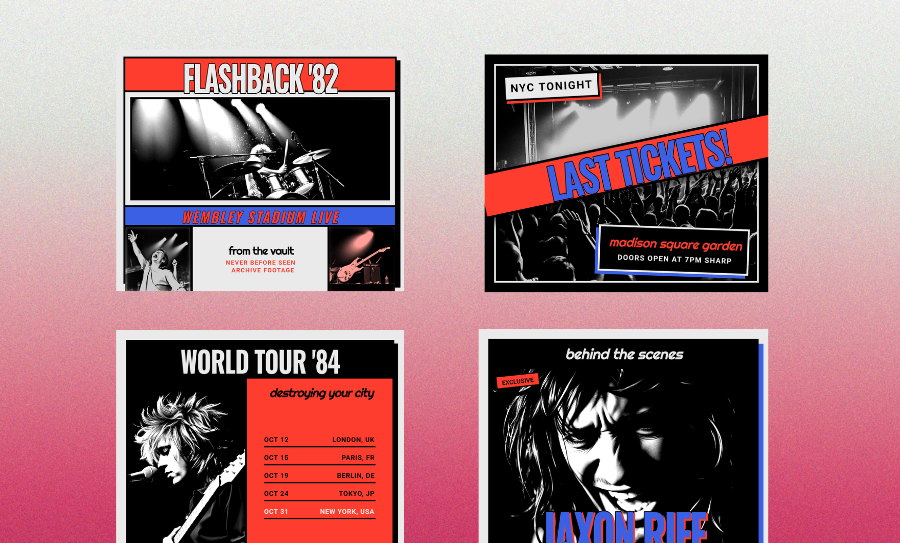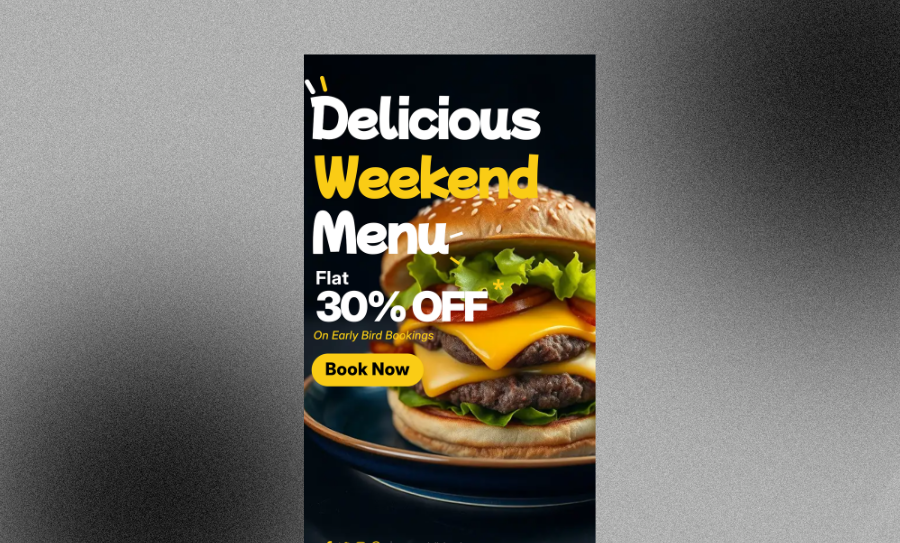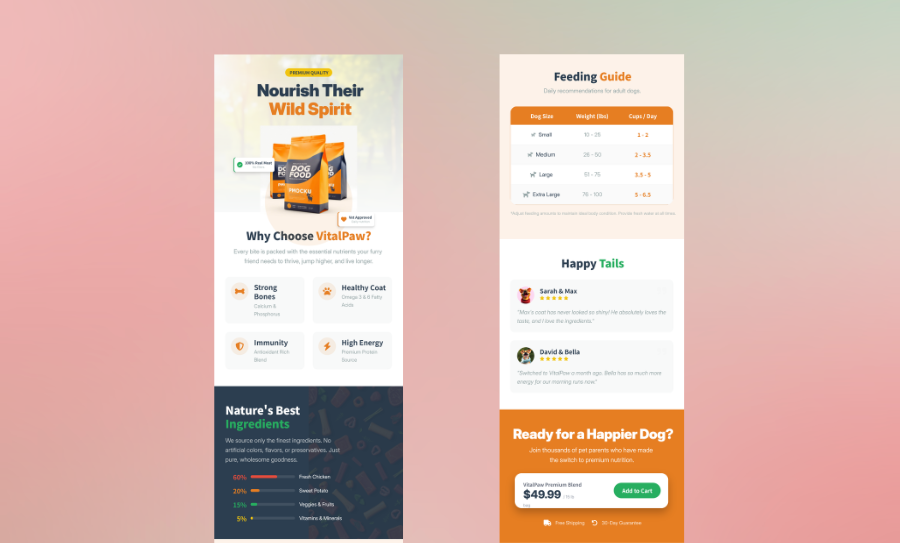
Run Your Community Event From Announcement to Recap
Plan every stage of your community event workflow in one place. Write your announcement, build your reminder sequence, and finish with a polished recap. Export print-ready visuals whenever you need them.
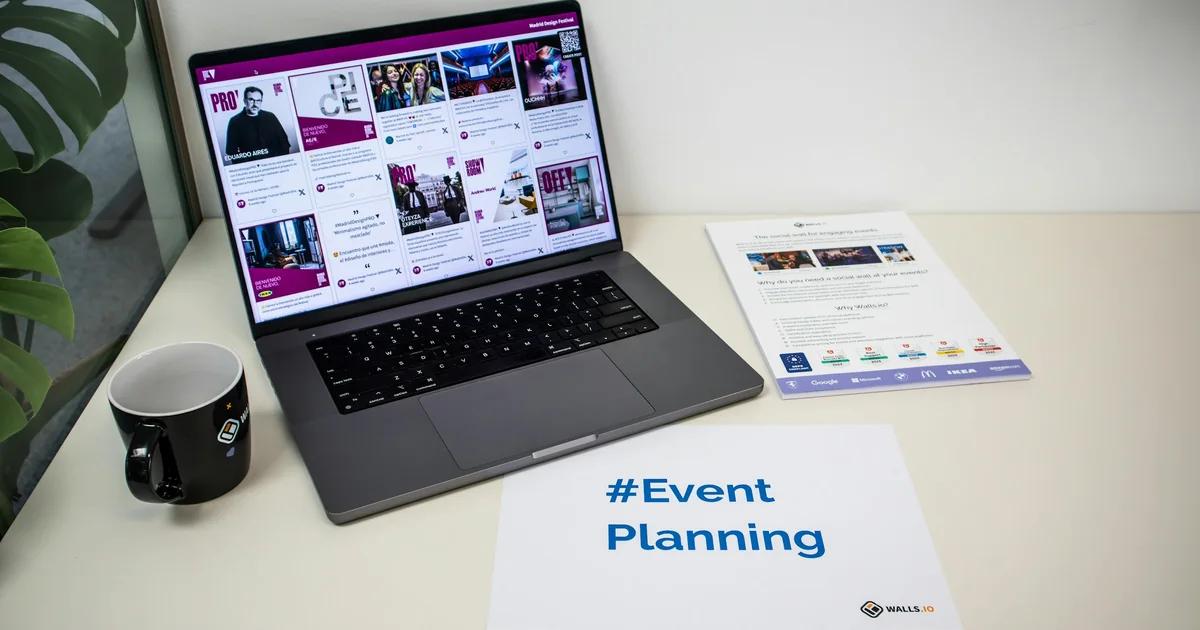
Three Ways to Generate event announcement and recap visual sets
Describe Your Event Campaign and Get a Full Visual Set
Type in your event name, date, theme, and tone, and let the AI build a coordinated layout for each stage of your workflow. This works especially well when you're starting from scratch and want your awareness graphic, reminder visual, and recap summary to feel like one cohesive campaign. You get editable assets for every phase without designing each one from zero.
- Describe your community event type and get a layout matched to that tone
- Generate coordinated visuals for announcement, reminder, and recap stages in one pass
- Every text box, image, and color block stays editable after generation
- Export each asset as a high-resolution PNG or PDF ready for print or digital use
Start From an Event Workflow Template and Customize Each Stage
Pick a template built for community event promotion and adapt it to your specific event, audience, and schedule. Templates give you a proven visual structure for each workflow stage so you're not guessing at hierarchy or layout. Swap in your own event details, photos, and colors to make every asset your own.
- Choose from templates designed for awareness announcements, logistics cards, and recap summaries
- Edit event name, date, venue, speaker names, and attendance figures directly in the layout
- Adjust colors and fonts to match your organization's existing visual identity
- Duplicate and adapt the same template across multiple events in your calendar
Import Your Event Copy and Turn It Into a Polished Visual Layout
If you've already written your event announcement, logistics details, or recap summary in a doc or notes file, you don't need to start over. Import your text directly and the tool structures it into a designed layout with proper visual hierarchy. This is the fastest path from a finished draft to a print-ready or share-ready asset.
- Import event copy from a Word doc, PDF, or Markdown file and get a structured visual page
- Paste your recap summary text and watch it flow into a formatted, multi-section layout
- Edit any imported text, image placeholder, or section after the layout is generated
- Export the finished design as a high-resolution file for newsletters, social posts, or printed programs
Why choose Veeso for your coordinated event campaign design assets
Keep Every Stage of Your Event Workflow Visually Consistent
When your awareness post, logistics card, reminder graphic, and recap summary all look like they belong together, your community recognizes the event at a glance. Disconnected visuals across stages confuse people and reduce trust. Designing all your campaign assets from the same editable set keeps the message clear from the first announcement to the final recap.
Try It Free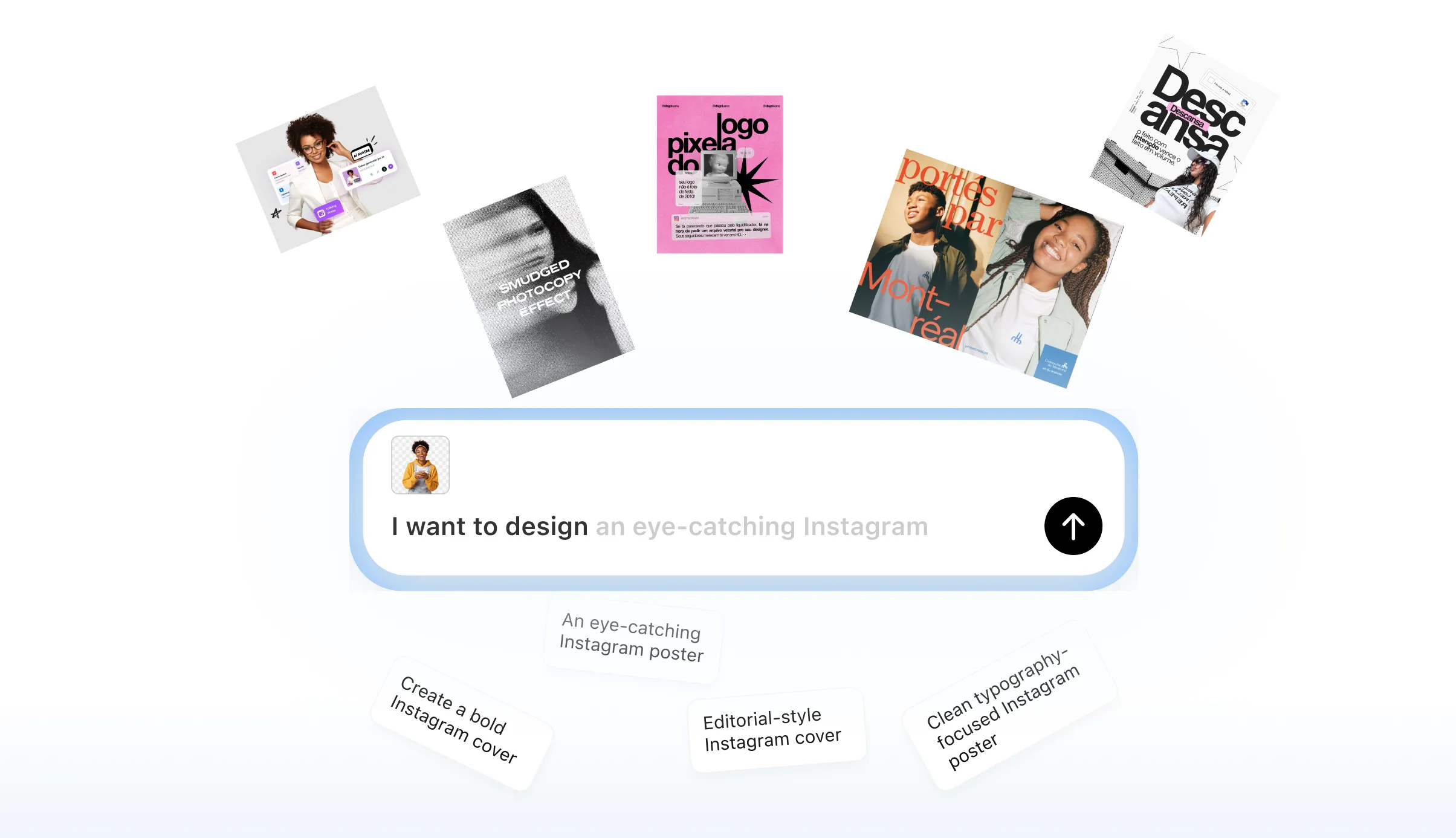
Move Fast When Event Details Change
Community event logistics shift constantly — venues get swapped, schedules get updated, and speakers confirm late. When your visual assets are fully editable rather than locked images, you can update a date or address in seconds without rebuilding the whole design. That speed matters most in the 48 hours before your event, when reminder visuals need to go out accurately.
Try It Free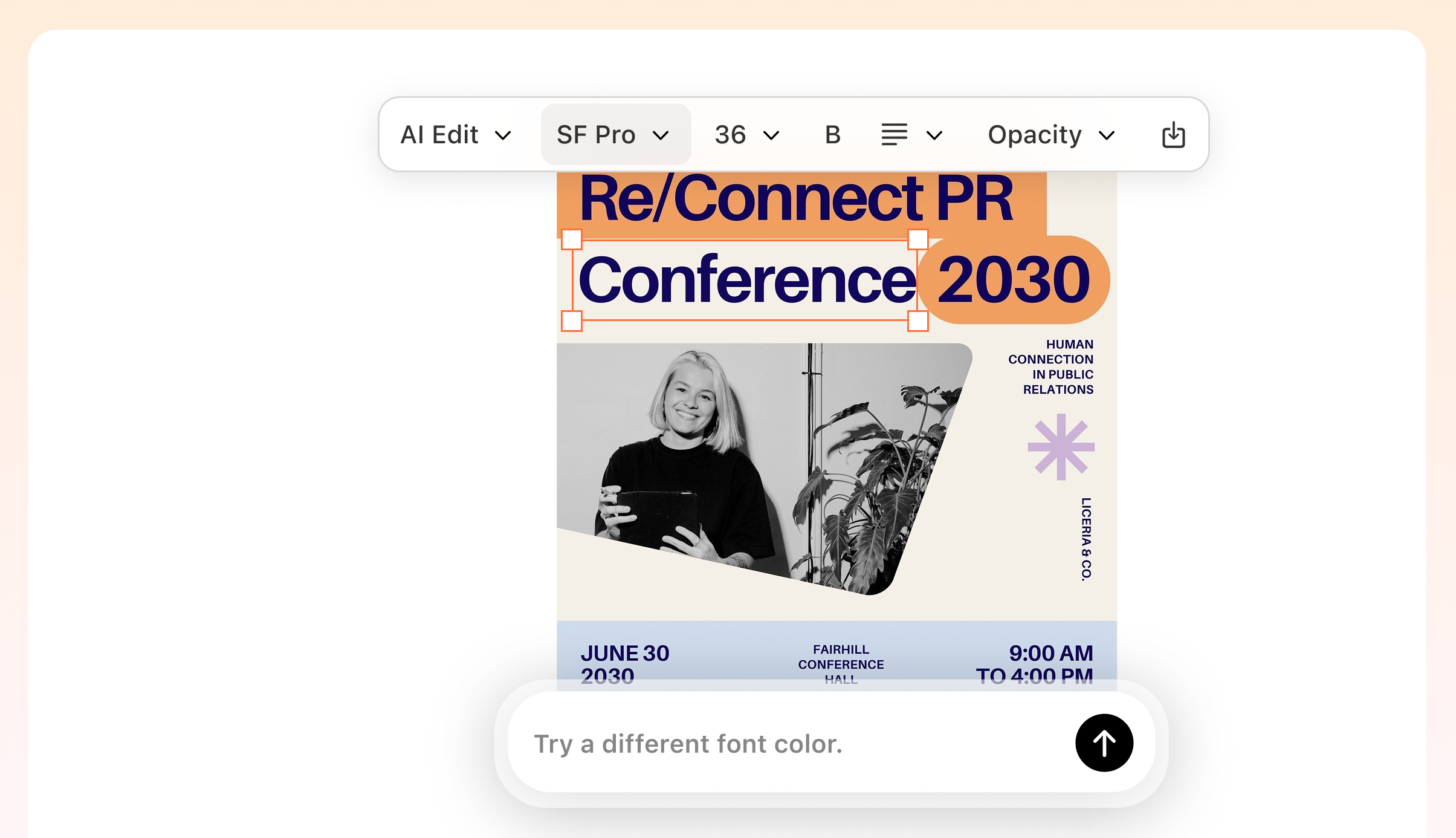
Turn Your Recap Into the Seed for Your Next Announcement
A strong post-event recap summary does double duty: it closes the loop for people who attended and builds anticipation for anyone who missed out. Organizers who treat the recap as a standalone afterthought lose that momentum. Designing the recap as part of the same visual campaign makes it easy to pull a quote, a photo, or an attendance highlight directly into your next awareness graphic.
Try It Free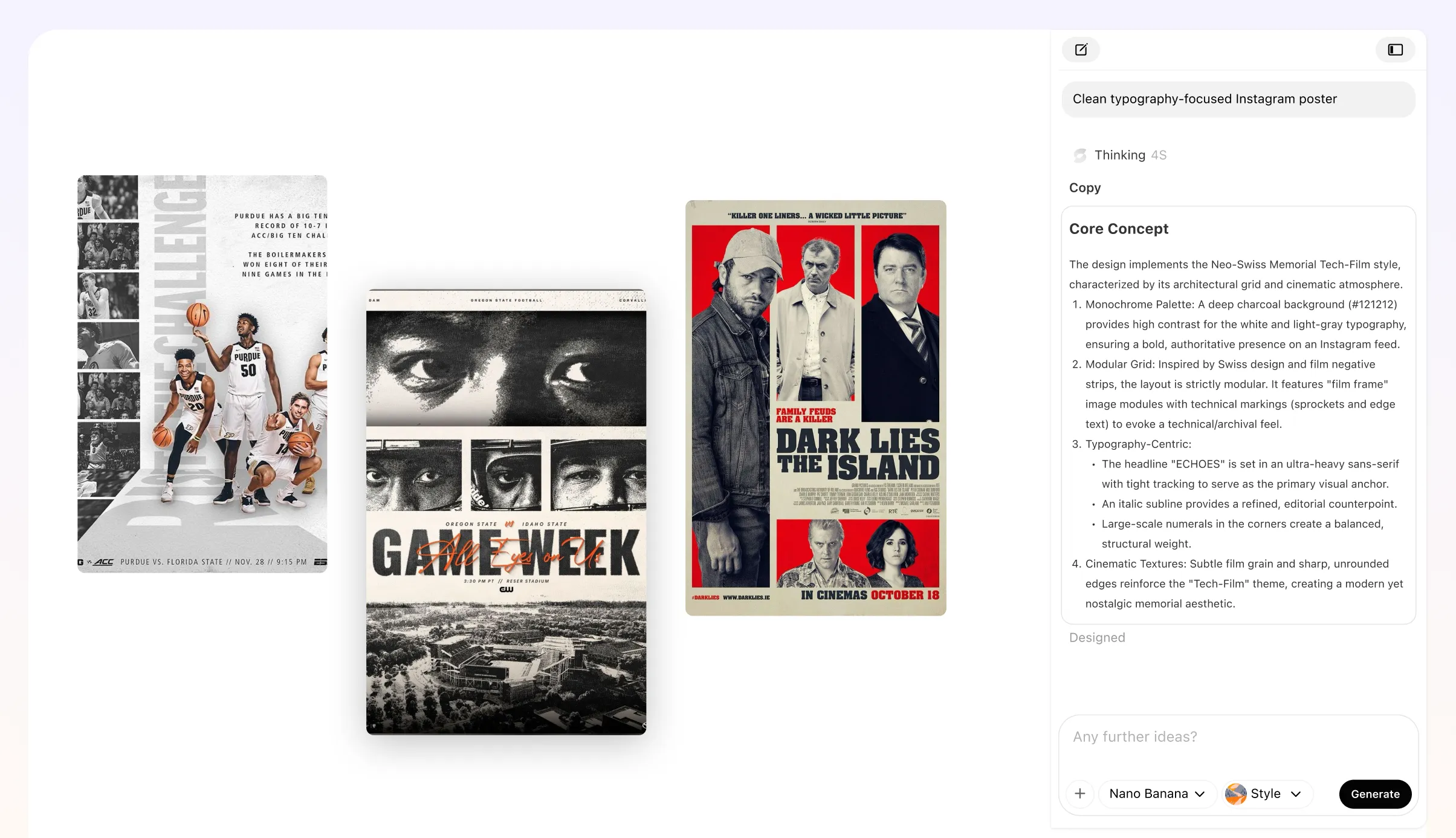
Give Attendees Something Worth Sharing at Every Stage
Pre-event promotion lives or dies on whether your community shares it. A polished countdown reminder or a clean event logistics card is far more likely to get forwarded than a plain text post. Coordinated visuals across the announcement-to-recap workflow give people shareable content at every stage, which compounds your reach without extra effort.
Try It Free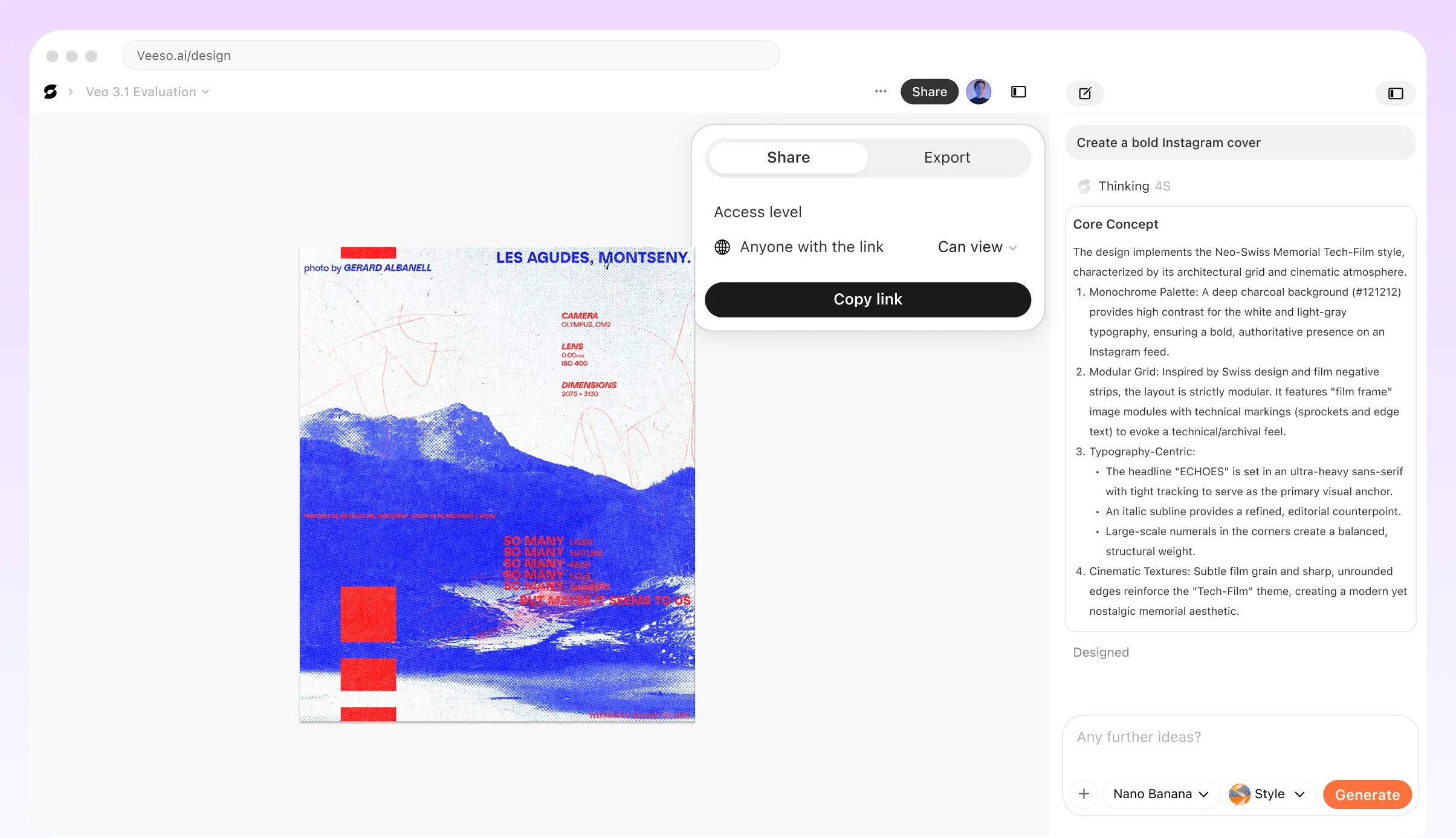
Who Uses a Community Event Announcement and Recap Visual Workflow?
Neighborhood Association Monthly Meetup: From First Notice to Attendance Push
Neighborhood associations often struggle to move members from vague awareness to confirmed attendance. Start your event announcement workflow at least three weeks out with a clear notice that covers the date, location, agenda, and why showing up matters. Follow with a mid-week reminder that highlights one specific agenda item people care about, like a budget vote or park renovation update. A final nudge two days before, referencing what will be decided, tends to close the gap between interest and actual attendance. Keep each message short and direct so busy residents actually read it.
Local Business District Street Fair: Building Anticipation Across Social and Print Channels
A street fair draws foot traffic from multiple audiences, so your pre-event promotion needs to work across both digital and physical channels. Design a coordinated set of visual assets, one for social posts, one for a printed flyer, and one for a community newsletter header, so every touchpoint looks like it belongs to the same event. Veeso AI lets you build these as a campaign content set where each piece shares the same layout logic but fits its own format. Announce early, spotlight participating vendors in follow-up posts, and release a behind-the-scenes preview the week before to build anticipation.
Nonprofit Volunteer Orientation: Reducing No-Shows Through a Structured Reminder Sequence
Volunteer orientations lose a significant share of registrants to no-shows, often because the original RSVP happened weeks earlier and life got in the way. A structured attendance reminder sequence, sent at the one-week, two-day, and morning-of marks, keeps the commitment fresh without feeling pushy. Each reminder should add something useful: parking details, what to bring, or a short note from the program lead. Framing reminders around what attendees will gain, rather than just logistics, tends to improve day-of turnout. Pair each message with a clean visual that reinforces the event identity.
Community College Club Event: Capturing Participation Moments for a Post-Event Recap
Student-run club events often end without any formal record, which means the energy and outcomes disappear before the next cycle. Assign one person to collect photos, attendance counts, and two or three key takeaways during the event itself. After the event, use those raw materials to write a post-event recap summary that covers what happened, who participated, and what the group decided or learned. Share it in your club newsletter and on your campus social channels within 48 hours while the experience is still fresh. A well-written recap also serves as social proof when you announce the next event.
Regional Farmers Market Opening Day: Turning a Recap Into Momentum for the Next Event
Opening day of a seasonal market is a natural moment to document and share. A strong event recap summary, covering attendance, featured vendors, and community highlights, does more than close the loop. It seeds credibility and excitement for the following week. Pull two or three specific details from the day, a vendor who sold out early, a dish people lined up for, a local musician who drew a crowd, and build your recap around those moments. Veeso AI can help you turn those highlights into a shareable visual recap page that works as both a summary and a teaser for what comes next.
Corporate Community Outreach Event: Writing a Stakeholder Recap Report After a Public Workshop
After a public workshop or community input session, stakeholders and internal teams need a clear record of what happened. A stakeholder recap report should cover the event date and location, the number of attendees, the main topics discussed, and any decisions or next steps that came out of the session. Keep the tone factual and organized. Use headers to separate sections so readers can scan quickly. If you collected feedback forms or ran a live poll, summarize the results in plain language rather than raw numbers. A well-structured report builds trust with both community members and internal leadership.
Why community managers, nonprofit event organizers, and local business owners Choose Veeso AI
How to Create High-Converting event workflow visual content
Map Out Each Stage of Your Event Announcement Workflow Before You Design
List every touchpoint your community needs: the initial awareness post, the logistics detail card, the reminder sequence, any live participation prompts, and the post-event recap summary. Knowing what assets you need before you open a design tool saves you from building each one in isolation and ending up with a mismatched set.
Build Your Awareness Announcement and Logistics Visuals as a Matched Pair
Your first announcement drives curiosity and your logistics card answers the practical questions — date, time, venue, and access details. Design both at the same time so they share the same visual language. When people see the reminder, they'll immediately connect it to the announcement they already noticed.
Create Your Reminder Sequence and Live Participation Prompts From the Same Campaign
Timed reminders reduce no-shows, and live participation prompts keep energy high during the event itself. Tools like Veeso AI let you design these as part of the same editable campaign set, so each asset looks coordinated without rebuilding the layout from scratch every time.
Publish Your Recap Summary and Use It to Seed the Next Announcement
A good event recap writeup includes attendance numbers, key takeaways, speaker highlights, and a nod to what's coming next. Design it to match the rest of your campaign visuals so the whole workflow feels complete. Pull a strong quote or attendance stat from the recap directly into your next awareness graphic to carry momentum forward.
FAQ

Ready to Create Beautiful Coordinated Event Campaign Design Assets with Veeso AI?
Start Creating NowNo credit card required • Free to start • No design skills required
Explore More AI Graphic Design Use Cases
Discover more creative design scenarios powered by Veeso AI.