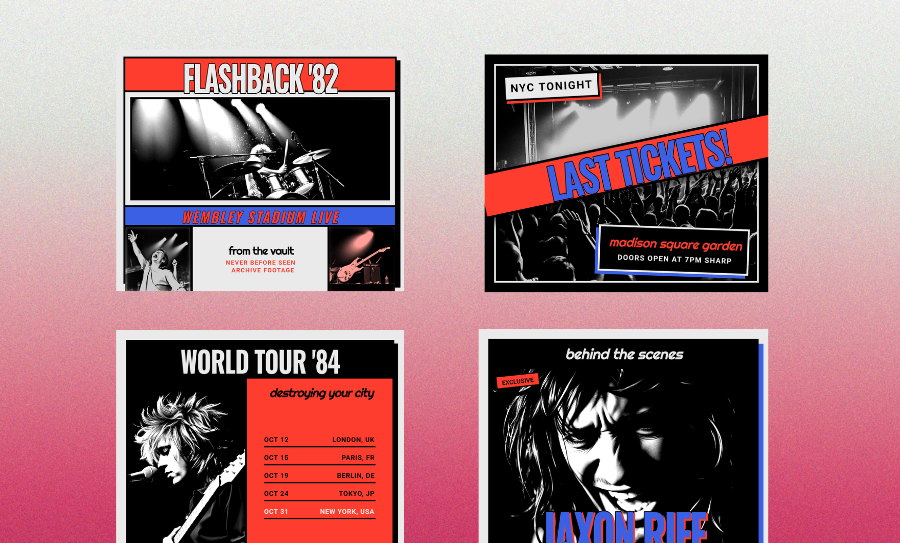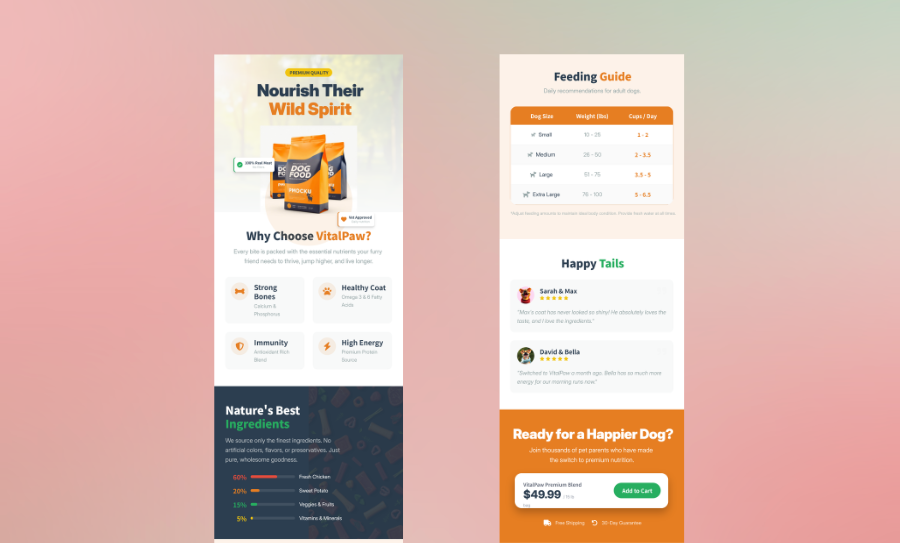
Build Your Community Cleanup Volunteer Campaign
Create flyers, posters, and social posts that recruit volunteers and show real local impact. Describe your event and get campaign-ready visuals in minutes. Export print-ready files and share them across your neighborhood, school, or workplace.

Three Ways to Generate cleanup campaign poster and flyer sets
Describe Your Cleanup Campaign and Let AI Build the Layout
Tell the generator the basics: your cleanup location, the date, who you want to recruit, and the tone you need. An AI community cleanup campaign creator uses that input to produce a structured visual layout with your content already placed. You spend your time refining the message, not wrestling with design software.
- Generates recruitment poster layout from a plain-text campaign brief
- Adapts headline hierarchy to match your volunteer call-to-action
- Suggests color and imagery choices suited to outdoor community events
- Produces a coordinated set of formats from a single content input
Start From a Community Cleanup Template and Customize Every Detail
Pick a starting layout built for volunteer outreach, then swap in your event details, local photos, and organization colors. Templates designed for cleanup campaigns already have the right visual structure for recruitment messaging, so you're not adapting a generic poster that was built for something else. The result looks intentional from the first edit.
- Templates sized for A3/A4 print recruitment posters out of the box
- Pre-built social media volunteer call-out card formats included
- Editable text blocks for event date, location, and volunteer roles
- Style options that work for neighborhood, school, and corporate audiences
Import Your Existing Campaign Copy and Turn It Into Designed Materials
If you've already drafted your volunteer recruitment messaging in a Word doc or written up your event brief as a PDF, you don't need to retype it. Import your content directly and get a structured, print-ready visual layout built around what you've already written. Veeso AI keeps every element editable so you can adjust the design without losing your copy.
- Accepts PDF, Word, and Markdown campaign documents as source content
- Converts imported text into a multi-page visual campaign set
- Preserves your original messaging while applying a clean visual structure
- Exports finished materials as high-resolution PNG or PDF for print and digital use
Why choose Veeso for your coordinated volunteer campaign visual kits
Reach Neighbors, Schools, and Corporate Groups With One Campaign
A neighborhood cleanup draws very different audiences. A flyer for a school volunteer program needs different language and visuals than a briefing sheet for a corporate CSR team. A campaign-first approach lets you tailor each piece to its audience without starting over from scratch, so every group gets a message that actually speaks to them.
Try It Free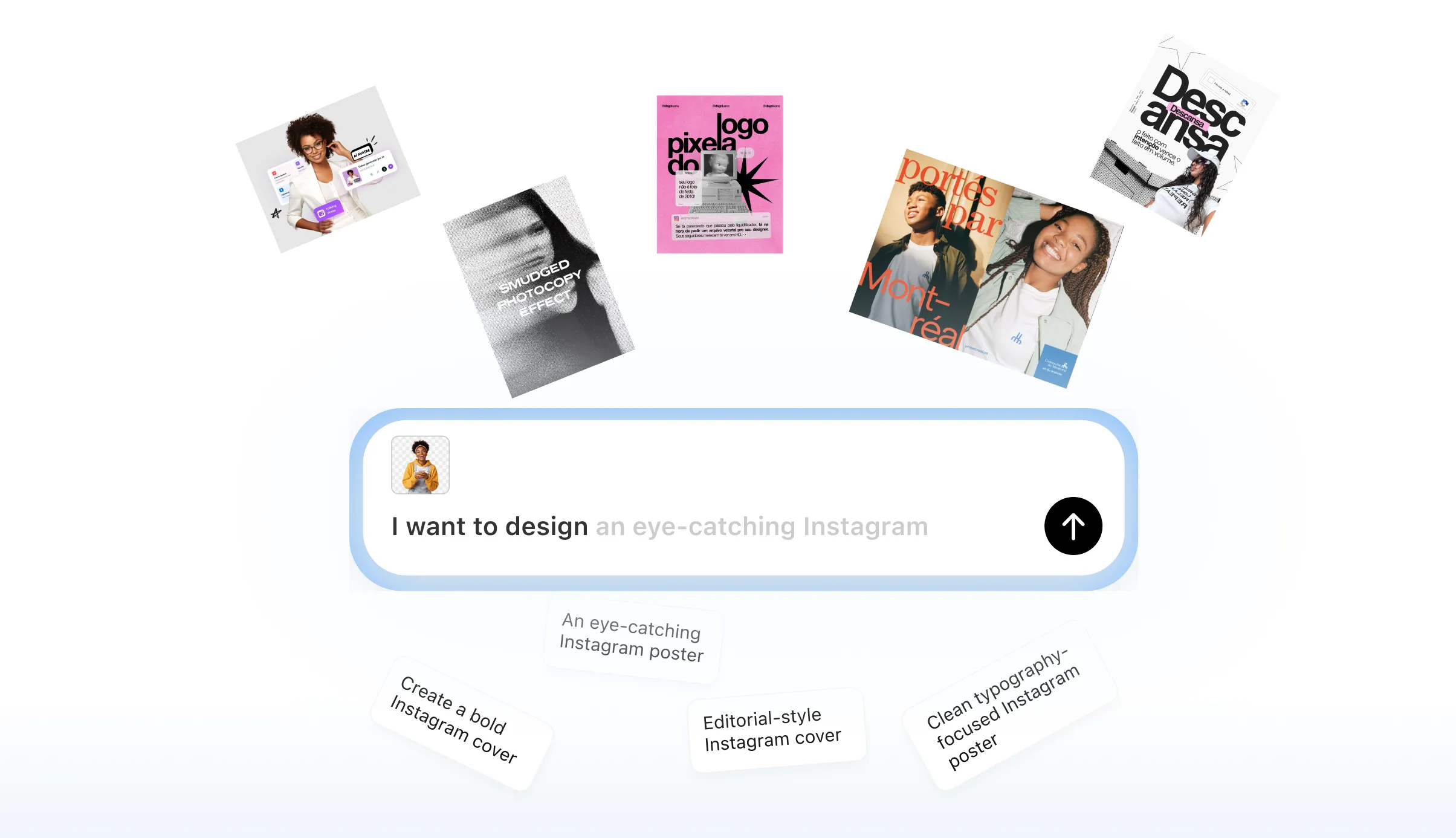
Keep Every Piece of Campaign Material Looking Like It Belongs Together
When your recruitment poster, social media call-out card, and day-of logistics sheet all look like they came from the same campaign, volunteers trust the event more. Mismatched visuals make even a well-organized cleanup look thrown together. Coordinated visual kits solve that problem before it starts.
Try It Free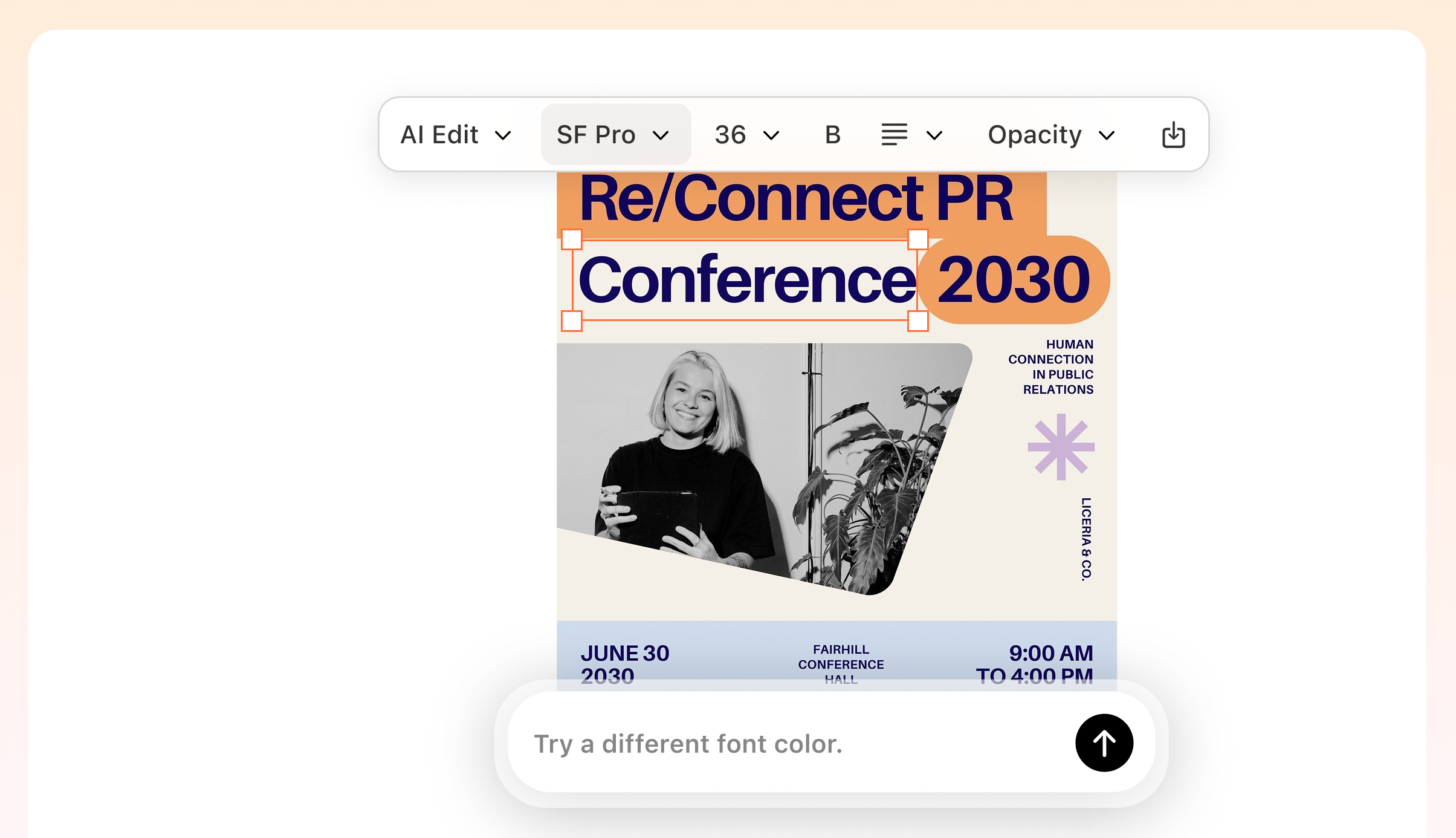
Move From Recruitment Messaging to Print-Ready Formats Without Redesigning
Writing your volunteer recruitment message is one job. Resizing and reformatting it for an A3 poster, a 1080x1080 social card, and a briefing handout is a completely different job. A cleanup campaign generator handles the layout work so your core message stays consistent across every channel and format.
Try It Free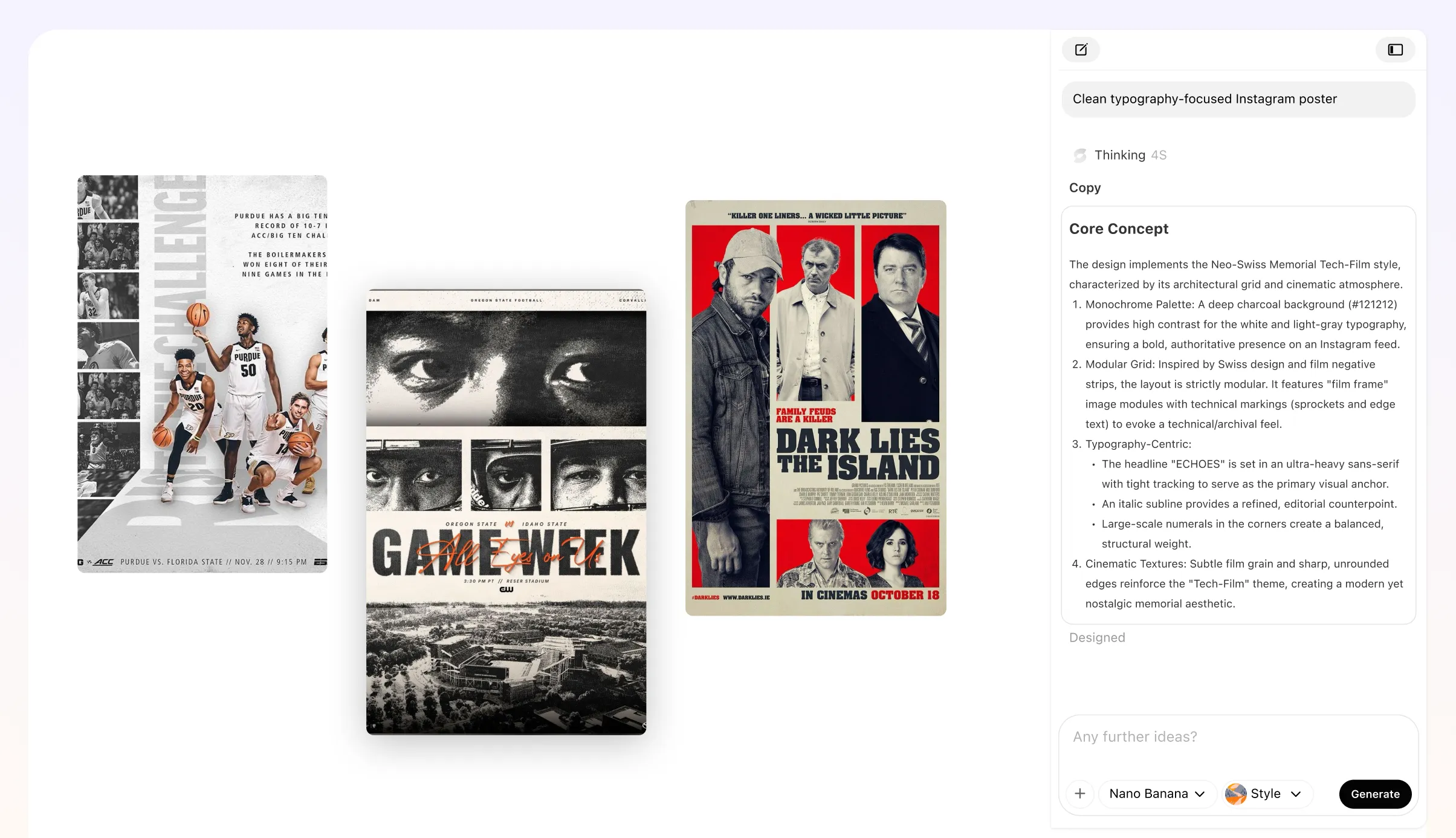
Update Event Details Across Campaign Materials Without Starting Over
Cleanup events shift. Dates change, meeting points move, and volunteer roles get added late. When your campaign materials are fully editable rather than locked static images, you can update one detail and re-export in minutes. That flexibility matters most in the final days before your event.
Try It Free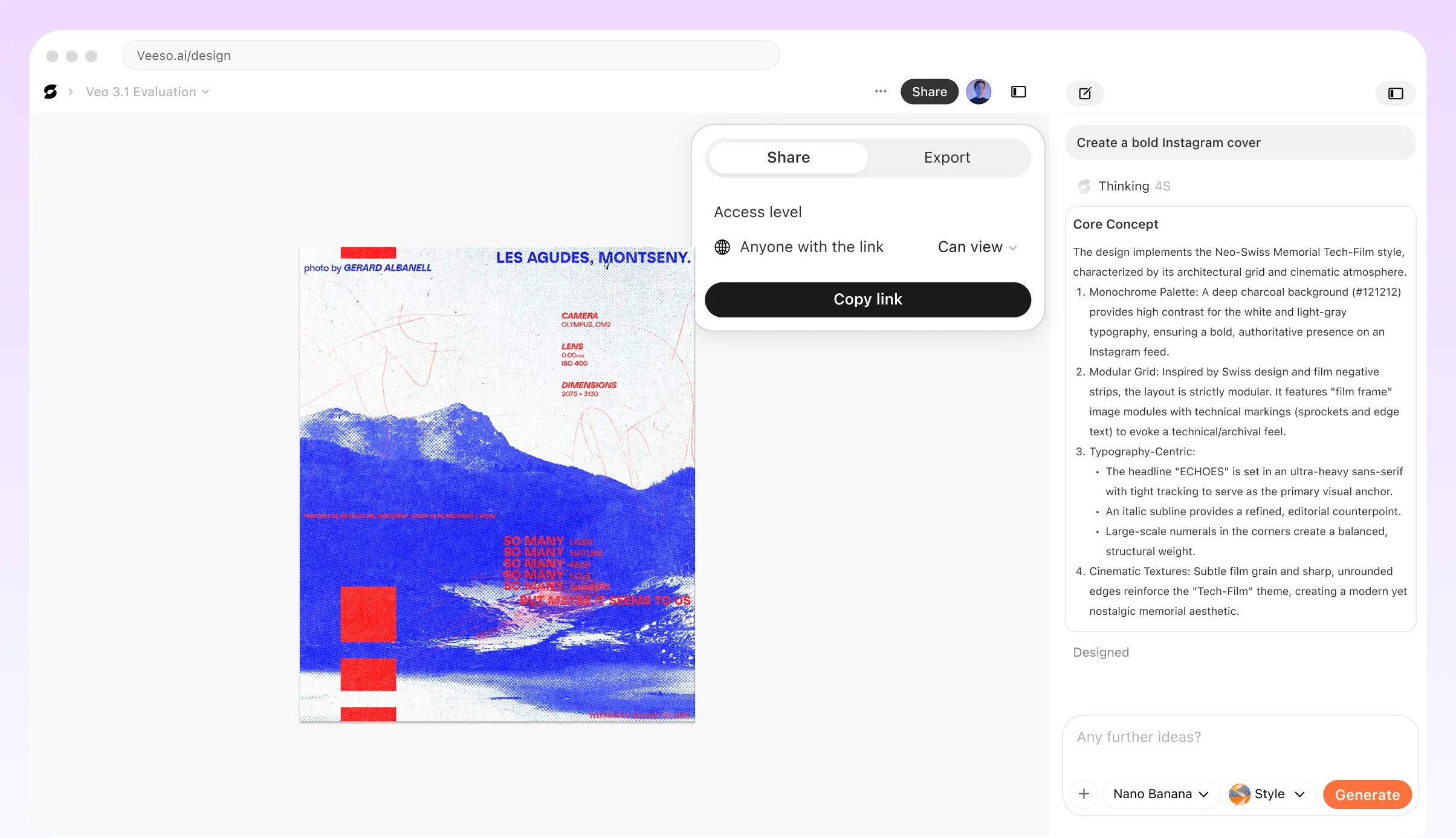
Who Uses a Community Cleanup Volunteer Campaign Generator?
School Volunteer Drive: Recruiting Student Participants Before the Event
A middle or high school organizing a neighborhood beautification day needs materials that speak directly to students, not adults. Generic flyers don't land well with that age group. Start by writing a short, energetic blurb that explains what volunteers will actually do — pick up litter, plant shrubs, sort recyclables — and pair it with a simple sign-up sheet teachers can post in classrooms or share on a school portal. Keep the language direct and the ask small. One clear call to action works better than a paragraph of reasons to show up.
Corporate CSR Cleanup: Building a Branded Campaign Packet for Employee Outreach
Companies running a corporate social responsibility cleanup often need materials that match internal brand standards and satisfy HR or communications approval. A community cleanup volunteer recruitment campaign for this audience should include a one-page event brief, a role breakdown showing what employees will do on the day, and a social post employees can share on their own channels. Veeso AI lets you paste your copy and produce print-ready flyers and social graphics that stay on-brand without a design team. Keep the tone professional but warm — employees respond better when the ask feels human, not mandatory.
Neighborhood Resident Outreach: Door-to-Door Flyers for a Local Waste Collection Drive
Organizing a waste collection volunteer drive in a residential neighborhood means reaching people who may not follow any central social media account or email list. A printed flyer delivered door to door is still one of the most reliable tools for local community mobilization. Design it to answer three questions fast: what is happening, when and where, and how do I sign up. Include a short URL or a spot where residents can write their name and drop the slip back in a collection box. Keep the layout clean so it reads quickly at a glance.
Post-Event Impact Summary: Turning Cleanup Data Into a Shareable Report for Funders
After the event wraps, organizers often need to show measurable community impact to a municipal partner, school board, or corporate sponsor. A post-campaign impact summary should include total volunteer hours, weight of waste collected, areas covered, and a brief note on what comes next. Write this as a one-page document rather than a long report — decision-makers skim. Use Veeso AI to turn your numbers and copy into a structured visual page that looks polished enough to attach to a grant follow-up or board presentation. The goal is to make the data easy to read and share.
Multi-Audience Campaign Adaptation: Adjusting One Cleanup Campaign for Three Different Groups
A single cleanup event often draws students, local residents, and corporate volunteers at the same time. Each group needs slightly different messaging. Students need to know if they get service hours. Residents want to know the meeting point and what to bring. Corporate volunteers need a schedule and a contact name. Rather than building three separate campaigns from scratch, write one master brief and adapt the tone and key details for each audience. Swap out the headline, adjust the call to action, and keep the event details consistent. This approach saves time and keeps your cleanup volunteer outreach campaign coherent across channels.
Volunteer Thank-You and Retention Content: Keeping Participants Engaged After the Cleanup
The period right after a community cleanup is the best time to build momentum for the next one. Volunteers who feel recognized are far more likely to return. Send a short thank-you message within 48 hours that names what the group accomplished — streets covered, bags filled, hours contributed. Follow it with a simple social graphic showing the impact in plain numbers. You don't need a long newsletter. A focused, specific message does more to retain volunteers than a generic appreciation note. Plan this content before the event so it's ready to go the morning after.
Why nonprofit coordinators, school event organizers, and corporate CSR managers Choose Veeso AI
How to Create High-Converting cleanup volunteer outreach campaign materials
Define Your Cleanup Goals and Volunteer Audience
Before you design anything, write down who you're trying to reach and what you need them to do. A school volunteer program outreach needs different framing than a corporate social responsibility cleanup, and your materials should reflect that difference from the start.
Write Your Core Volunteer Recruitment Message
Draft one clear message that answers three questions: what the cleanup is, when and where it happens, and why someone should show up. This becomes the foundation for every format in your campaign, from your recruitment poster to your social media graphics.
Choose the Right Visual Format for Each Campaign Channel
Map each piece of your campaign to the channel it serves. A print recruitment poster needs A3 or A4 dimensions, a social volunteer call-out card works best at 1080x1080 or 1080x1920, and a day-of logistics briefing sheet needs a clean, scannable layout volunteers can read on-site.
Produce and Export Your Coordinated Campaign Materials
Once your content and formats are set, generate your full campaign visual kit and export each piece at print or screen resolution. Check that your event details, contact information, and volunteer instructions are accurate before you distribute anything.
FAQ

Ready to Create Beautiful Coordinated Volunteer Campaign Visual Kits with Veeso AI?
Start Creating NowNo credit card required • Free to start • No design skills required
Explore More AI Graphic Design Use Cases
Discover more creative design scenarios powered by Veeso AI.