Launch Your Community Center Program Campaign Fast
Build a full set of campaign materials for any new recreation program — flyers, schedules, and audience-specific messaging all in one place. Describe your program and pick a style to get started. Export print-ready PNG or PDF files when your design is done.

Three Ways to Generate program launch campaign flyer and social asset set
Describe Your Program in Plain Language and Generate a Campaign Set
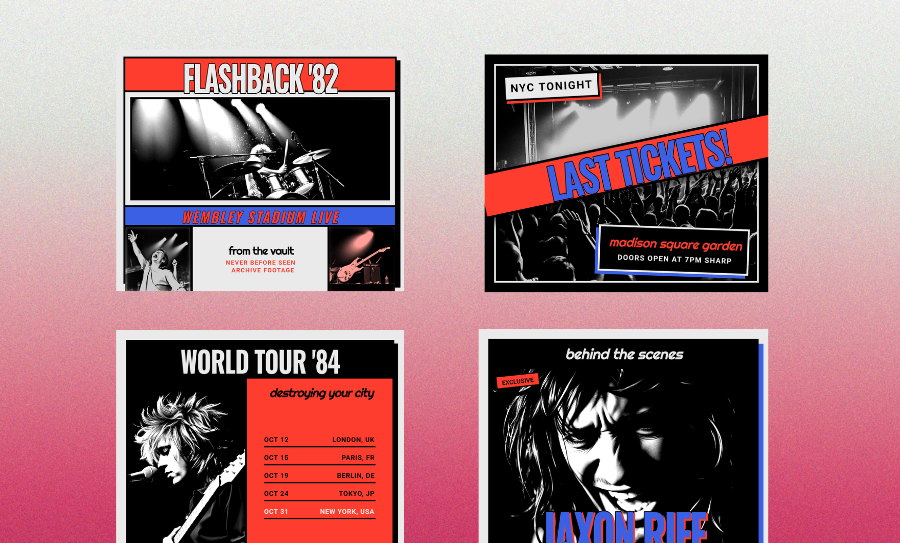
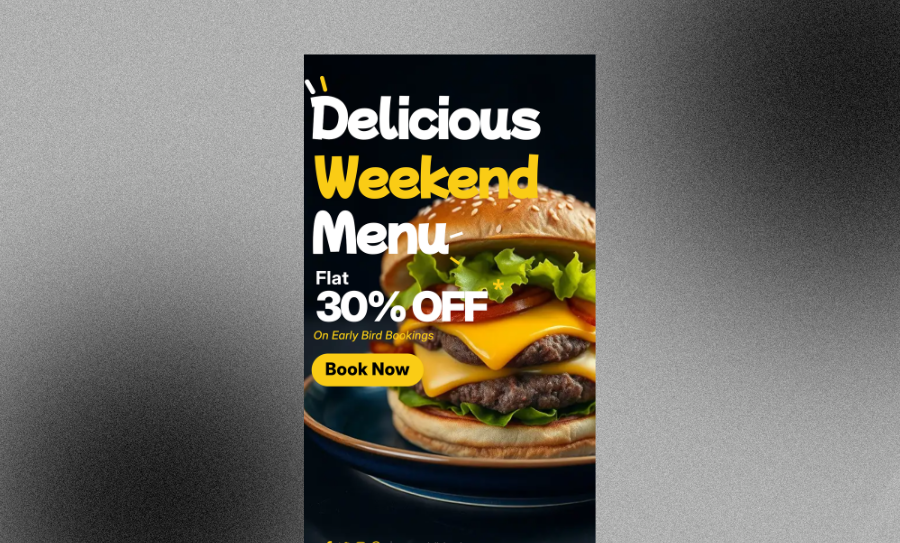
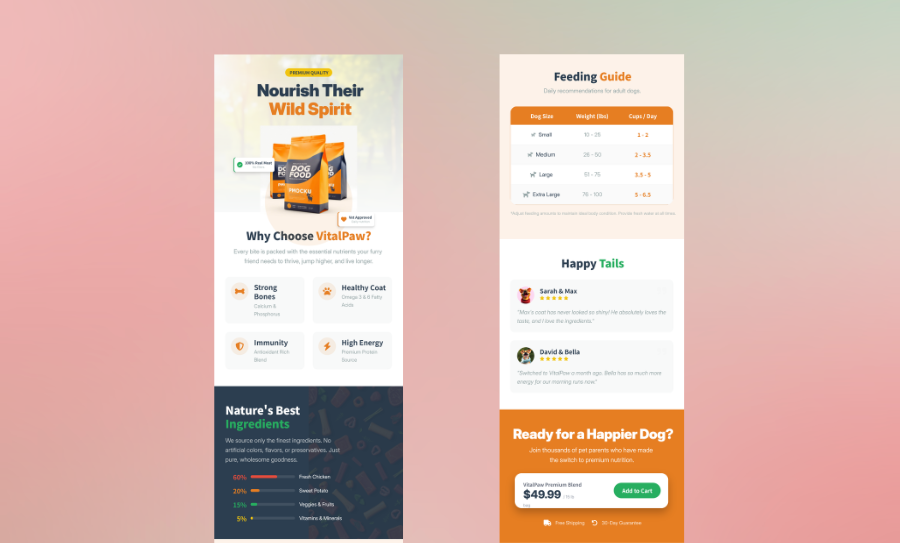
Type a short description of your program — the name, who it's for, when registration opens, and how many spots are available — and the generator builds a matched set of campaign visuals around that content. This works well when you're starting a new recreation program enrollment campaign from scratch and don't have existing materials to work from. You get a bulletin flyer, a social announcement card, and a registration-reminder graphic in one pass, all carrying the same program details.
- Auto-populates program name, schedule windows, and registration open date into each asset
- Generates audience-appropriate layouts based on program type — youth, adult, senior, or family
- Produces a coordinated visual set rather than a single standalone flyer
- Every text box and image layer stays fully editable after generation
Start From a Seasonal Recreation Template and Customize for Your Program
Pick a starting layout built for a specific season or program category — summer youth activities, fall fitness classes, winter senior workshops, or spring community events. Each template is pre-structured with the visual hierarchy recreation audiences expect: program name up front, schedule and registration details easy to scan, and a clear call to action for enrollment. Swap in your own program details, adjust colors to match your center's branding, and export when you're ready.
- Seasonal template categories matched to common parks and recreation program types
- Pre-set visual hierarchy puts registration deadlines and program access schedules where readers look first
- Editable color, font, and image zones without needing design experience
- Export as print-ready PDF for bulletin boards or high-res PNG for digital channels
Import an Existing Program PDF or Schedule Document to Build Campaign Visuals
If your program details already live in a Word document, a PDF schedule, or a structured program brief, you don't need to retype everything into a new tool. Import the file and the generator pulls the program name, dates, session times, and registration information into a structured visual layout automatically. This is especially useful when your community center program access schedule is already finalized and you just need it turned into polished outreach materials.
- Accepts PDF, Word, and Markdown program documents as source content
- Extracts program schedule, registration open dates, and capacity details into editable visual pages
- Generates multi-format assets — flyer, social card, reminder graphic — from a single imported document
- Preserves all imported content as editable text, not a locked image
Why choose Veeso for your coordinated visual campaign materials
Keep Registration Details Consistent Across Every Format
Recreation coordinators often type the same program name, open date, and capacity limit into a bulletin flyer, a social post, and a reminder graphic separately. One small mismatch — a wrong date on the social card, a different room number on the flyer — creates confusion for residents and extra correction work for staff. Generating a matched campaign set from a single program brief means every format shows the same details from the start.
Try It Free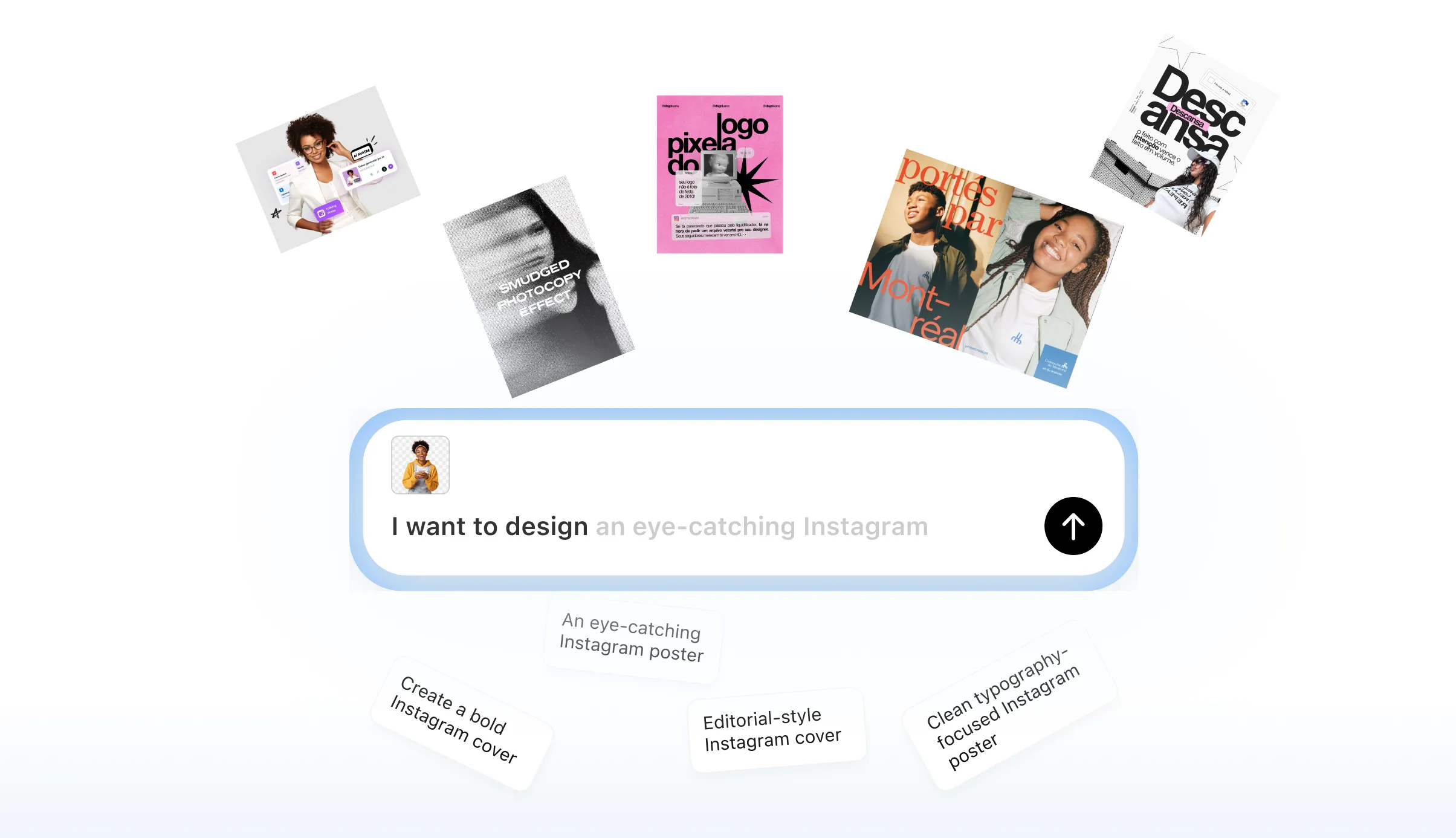
Cut the Repetitive Work of Seasonal Program Promotion
Parks and rec staff run new programs every season, and rebuilding campaign materials from scratch each time eats into planning time. A community center marketing campaign builder that takes your program schedule and outputs a ready-to-edit asset set removes the blank-page step entirely. Staff can focus on the program itself rather than reformatting the same information for each channel.
Try It Free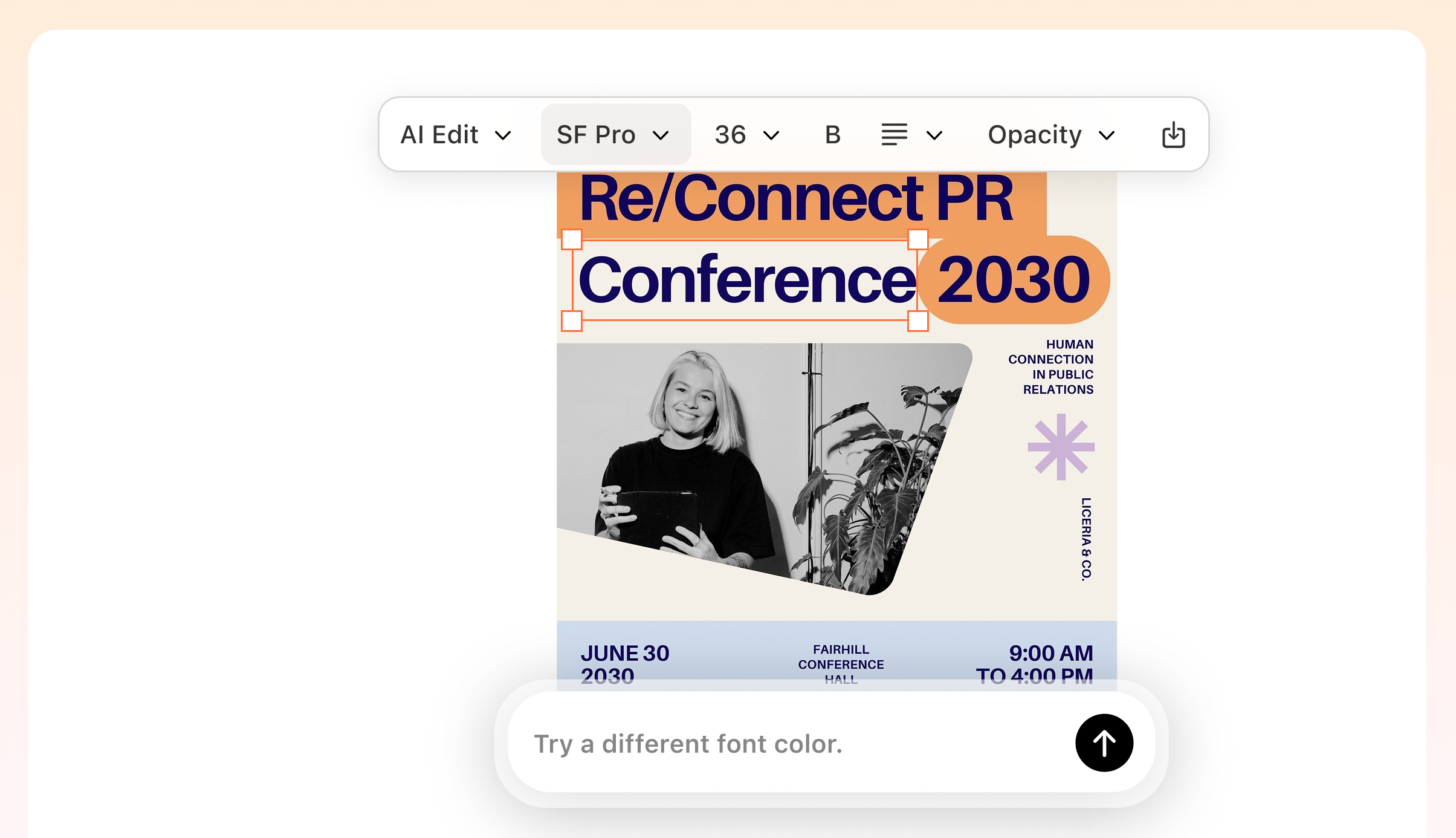
Match Your Visuals to the Right Audience Segment
A summer youth swim program needs a very different look and tone than a fall senior fitness class or a winter cooking workshop. Generic flyer templates don't account for audience segmentation — they give you one layout and leave the rest to you. Starting from a program brief that includes your target audience lets you generate visuals that feel relevant to the people you're actually trying to reach.
Try It Free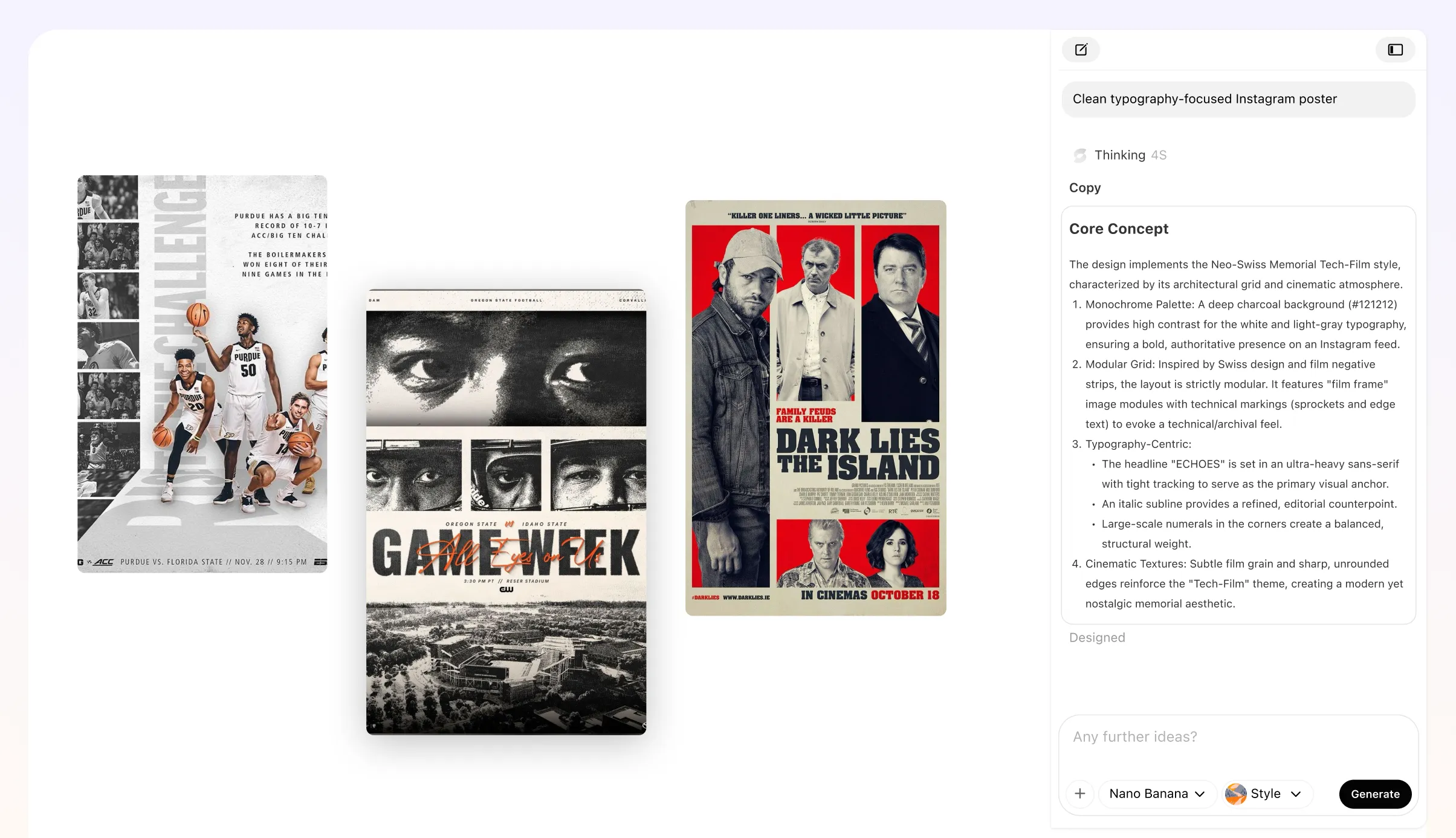
Produce Print-Ready and Digital Assets in One Pass
Community bulletin boards need a high-resolution PDF that prints cleanly at 8.5 by 11 inches. Social announcements need a square or vertical crop at screen resolution. Producing both from the same source content — without rebuilding the layout twice — saves time and keeps the campaign looking coordinated whether someone sees it on a corkboard or a phone screen.
Try It Free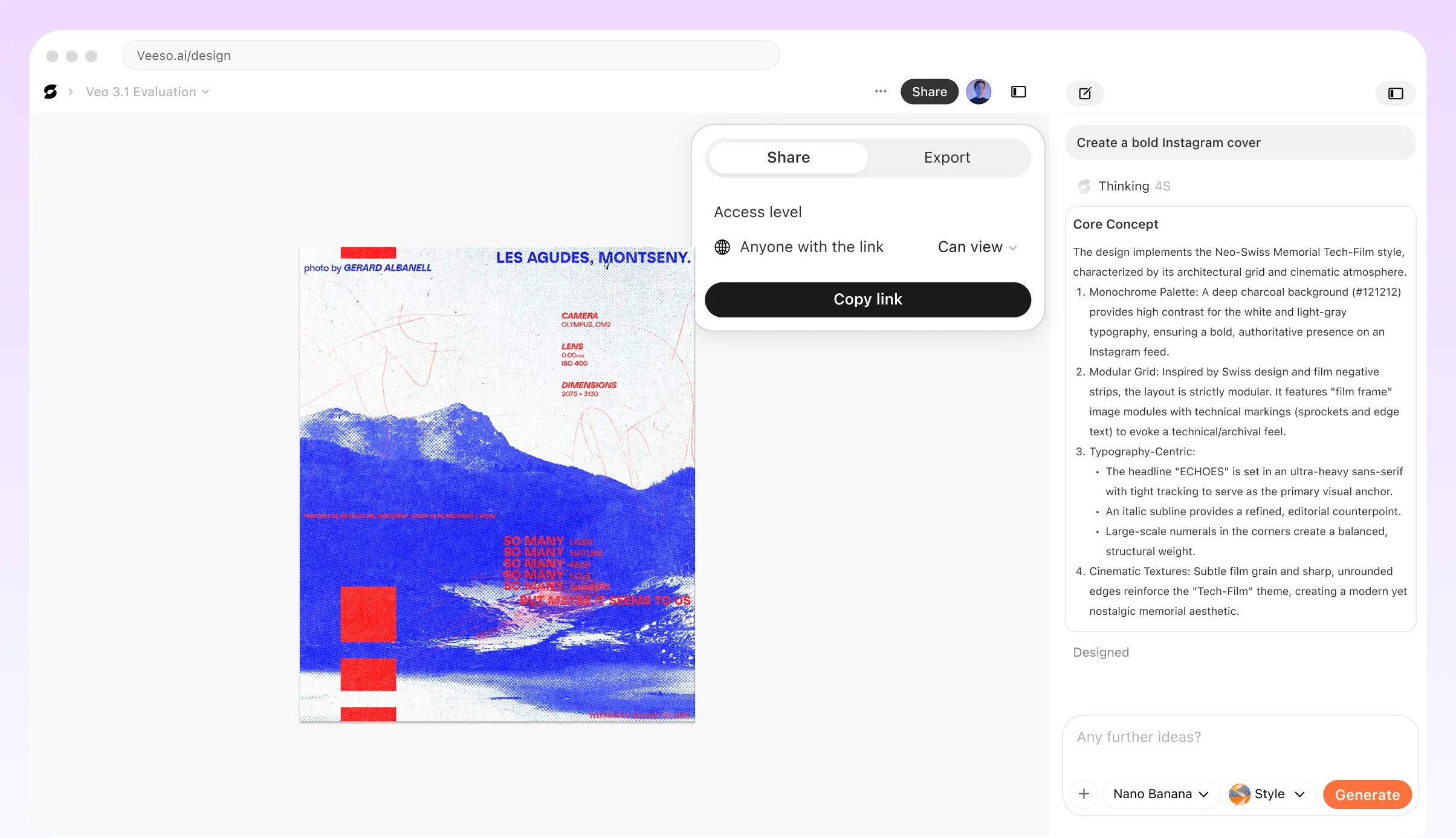
Who Uses a Community Center Program Launch Campaign Generator?
Senior Fitness Program Launch at a Neighborhood Recreation Center
A parks and rec coordinator is launching a low-impact fitness class for adults 60 and older. The challenge is communicating registration open dates, session times, and capacity limits in a format seniors can read easily at a glance. Large-print flyers posted at the front desk, a bulletin board sheet for the library, and a simple one-page program schedule work better here than dense digital content. Starting from a community center campaign flyer generator saves staff from rebuilding layouts each season and keeps font sizes, contrast, and spacing consistent across every printed piece.
Youth Summer Camp Enrollment Campaign Across Multiple Channels
When a community center opens registration for a summer youth program, families need the same core information in several places at once: a social media graphic, a take-home flyer sent through the school, and a poster for the lobby. Each format has different size requirements and a different amount of reading space. A recreation center program enrollment campaign generator lets staff produce all three assets from one program brief without manually reformatting text and images for each channel. The result is consistent branding and a clear call-to-action no matter where a parent sees the announcement.
After-School Program Promotion Targeting Working Parents
Working parents decide quickly whether an after-school program fits their schedule. Campaign materials need to lead with pickup times, program days, and registration deadlines before anything else. A flyer that buries the schedule under a long program description loses the audience in the first few seconds. Veeso AI lets staff paste the program brief and get a structured visual layout where the access schedule and registration window sit at the top of the page. Staff can then edit any detail directly before exporting a print-ready PDF to distribute at school pickup lines and community boards.
Seasonal Aquatics Program Campaign for a City Parks Department
A city parks department running a community center seasonal program for swim lessons faces a recurring production problem. Every quarter, staff recreate the same flyer with updated session dates, instructor names, and open registration windows. A recreation program audience outreach generator built around a reusable template structure cuts that cycle down significantly. Staff update the variable fields, check that capacity and availability details are accurate, and export fresh assets without touching the underlying layout. This approach also keeps the visual identity consistent across spring, summer, and fall program runs.
New Pickleball League Launch Aimed at Mixed-Age Adult Residents
Pickleball programs attract a wide age range, which means one generic flyer rarely speaks to everyone. A campaign that segments messaging for competitive adults in their 30s and casual players in their 50s performs better than a single catch-all announcement. Using a community center marketing campaign builder, staff can produce two versions of the same flyer from one program brief, adjusting the headline tone and featured details for each audience without redesigning from scratch. Both versions carry the same registration deadline, location, and contact information so nothing gets out of sync.
Partner and Sponsor Outreach Kit for a New Community Wellness Program
When a community center launches a wellness program with outside partners or local sponsors, the campaign needs two tracks. One track speaks to residents about registration and schedules. The other speaks to businesses and organizations about co-branding, participation, and program access. Veeso AI can help staff design a clean one-page partner brief alongside the public-facing flyer, keeping both documents visually consistent with the program's identity. Staff export both as high-resolution PDFs ready to share at meetings or attach to outreach emails. The design work stays in one place, and each document serves a clearly different audience.
Why recreation coordinators, parks and rec staff, and community program managers Choose Veeso AI
How to Create High-Converting multi-format program launch campaign visuals
Enter Your Program Details and Registration Information
Type in your program name, target audience, session schedule, registration open date, and any capacity limits. This brief becomes the source content for every asset in your campaign set, so the same details appear consistently across the bulletin flyer, the social announcement, and the registration-reminder graphic.
Generate a Matched Set of Community Center Campaign Visuals
The generator uses your program brief to produce a coordinated set of print and digital assets in one step. You get a formatted bulletin flyer sized for physical posting, a social announcement card, and a registration-reminder graphic — all carrying the same program information and visual style.
Edit Any Text, Image, or Layout Detail Before You Export
Every element in the generated assets is fully editable. Adjust a session time, swap a photo, change a headline, or shift the layout to better fit your center's look. Nothing is locked — you work directly in the design, not around it.
Export Print-Ready PDF and High-Resolution PNG Files for Distribution
When your campaign visuals are ready, export a high-resolution PDF for bulletin boards and printed handouts, and a PNG for social media posts and digital screens. Veeso AI produces production-ready files you can hand off to a printer or upload directly to your channels.
FAQ

Ready to Create Beautiful Coordinated Visual Campaign Materials with Veeso AI?
Start Creating NowNo credit card required • Free to start • No design skills required
Explore More AI Graphic Design Use Cases
Discover more creative design scenarios powered by Veeso AI.