Your Christmas Market Campaign, Ready to Go
Plan and design your full seasonal market campaign in one place — from vendor spotlights to opening weekend posts. Describe your market, pick a style, and get print-ready visuals for every stage. Export high-resolution files the moment your campaign content is set.
Three Ways to Generate festive market campaign visual sets
Describe Your Market Atmosphere and Let AI Draft the Layout
If you know the mood you want — candlelit and traditional, bright and family-friendly, artisan and earthy — you can describe it in plain language and get a structured visual draft back immediately. This prompt-first approach works well when you don't have a fixed template in mind but you do know your market's personality. It's a fast way to get a starting point for your opening-night announcement poster or your vendor spotlight card without spending time on blank-canvas decisions.
- Describe your market name, dates, and general atmosphere in a short prompt
- AI drafts a layout with placeholder sections for vendor names, stall numbers, and opening hours
- Every text box and image layer stays fully editable after generation
- Export the draft as a high-resolution PNG or PDF once you've reviewed the layout
Start From a Pre-Built Christmas Market Style and Fill In Your Details
Template-first creation suits organisers who want a proven visual structure and just need to swap in their own content. Pick a festive market style — think warm kraft-paper textures, deep green and gold palettes, or clean winter-white layouts — then replace the placeholder text with your actual vendor list, dates, and location. This method is especially useful for producing a full set of coordinated assets like a market map graphic, a stall-holder spotlight card, and a closing-day urgency banner that all look like they belong together.
- Browse a library of Christmas market visual styles sorted by tone and format
- Replace vendor names, stall descriptions, and opening dates directly in the template
- Duplicate the base layout to create matching assets for each campaign phase
- Maintain consistent fonts, colours, and logo placement across every output
Import Your Vendor List or Brief and Get Structured Visual Pages
Many market organisers already have their vendor information in a Word document, a Markdown file, or a PDF from last year's programme. Instead of retyping everything into a design tool, you can paste or upload that existing content and get structured visual pages built around it automatically. This import-first method is the fastest route to a multi-vendor promotional calendar when you're working with a long list of stallholders and tight deadlines.
- Import a Word, Markdown, or PDF vendor list and preserve the structure in the output
- Each vendor entry becomes its own editable spotlight card or programme page
- Adjust the visual hierarchy — stall name, product category, location — without reformatting manually
- Export individual pages or the full set as print-ready PDFs for the market programme
Why choose Veeso for your coordinated seasonal market design assets
Keep Every Vendor Visible Across the Whole Campaign
A Christmas market lives or dies on footfall, and footfall depends on whether visitors know which stalls are worth the trip. Running a multi-vendor promotional calendar means each stallholder needs their own spotlight moment — a graphic, a post, a printed card — without the campaign looking like a patchwork of unrelated ads. When your design assets share the same visual language, the whole market feels like one destination worth visiting.
Try It Free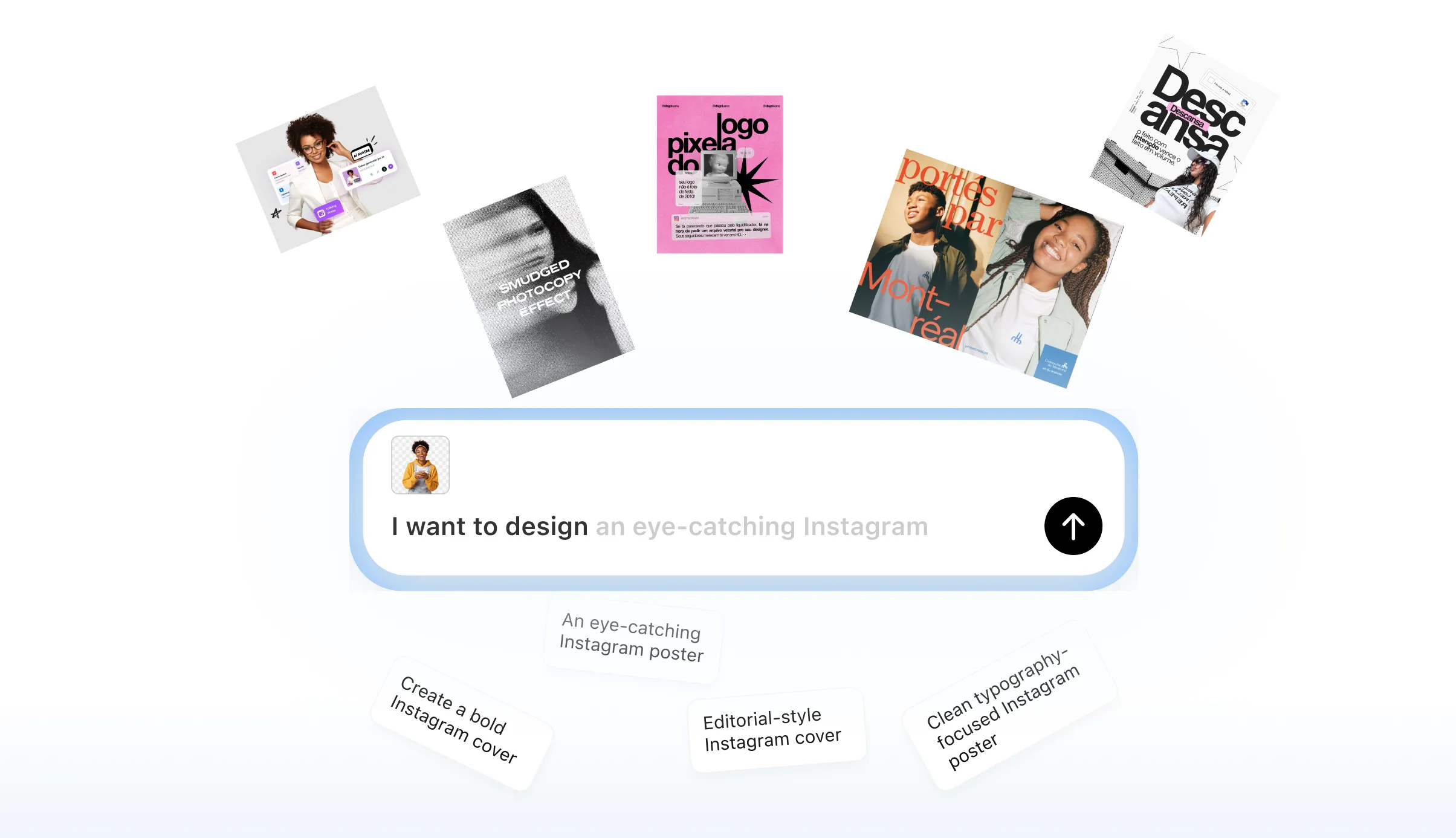
Match the Right Message to Each Phase of the Market Season
Pre-launch buzz, opening-weekend excitement, peak trading urgency, and closing-day last-chance messaging all need different copy and different visual weight. Reusing the same poster template for every phase sends the wrong signal to your audience. Coordinated seasonal market design assets let you shift the tone week by week while keeping the colour palette, fonts, and logo placement consistent.
Try It Free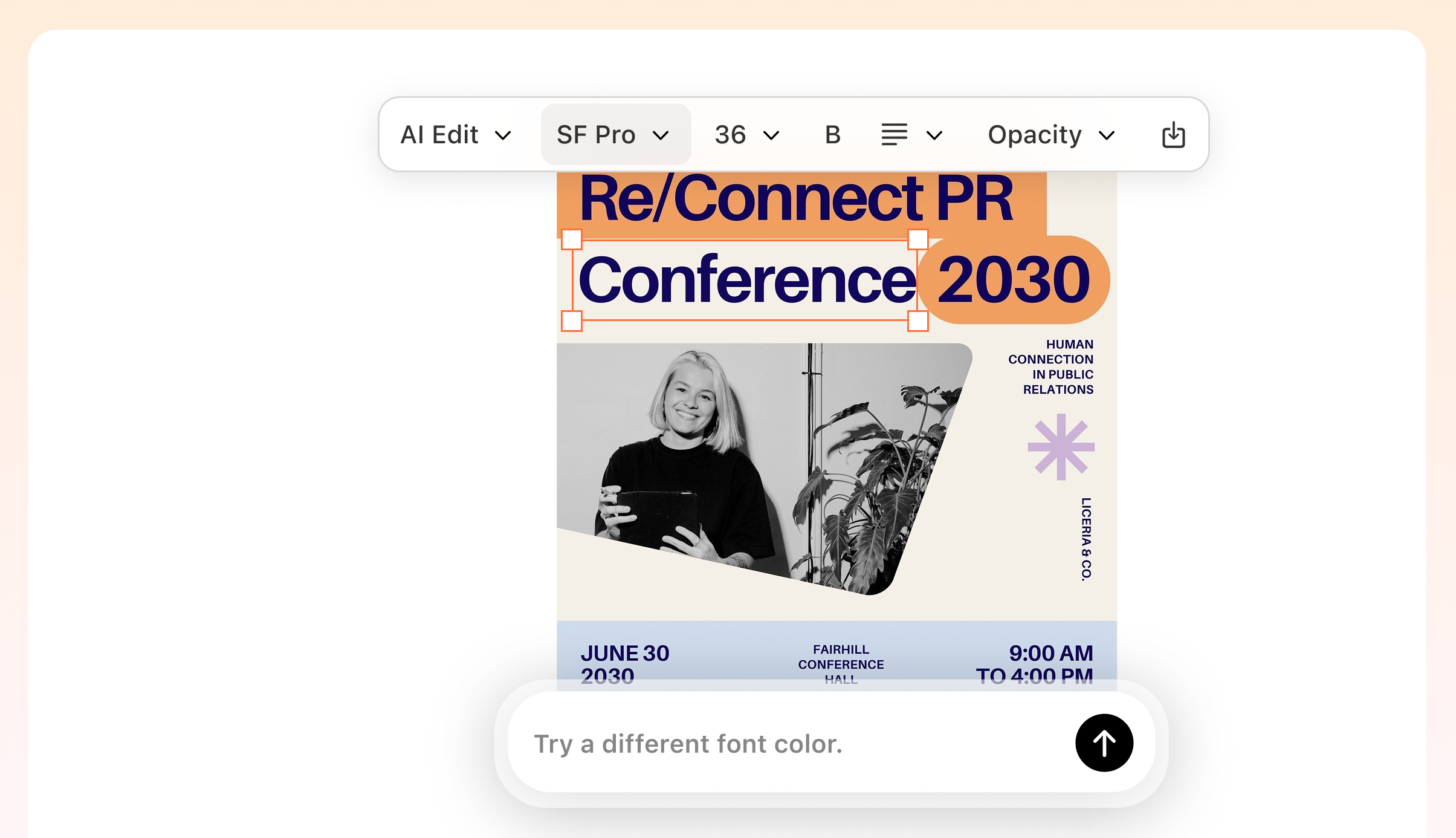
Update Dates and Details Without Rebuilding Every Asset
Market organisers change stall assignments, adjust opening hours, and add late vendors right up to launch day. If your promotional visuals are static image exports, every small change means starting over. Editable, layered design files let you swap a vendor name, correct a date, or drop in a new logo in seconds — then export a fresh print-ready PDF without touching the rest of the layout.
Try It Free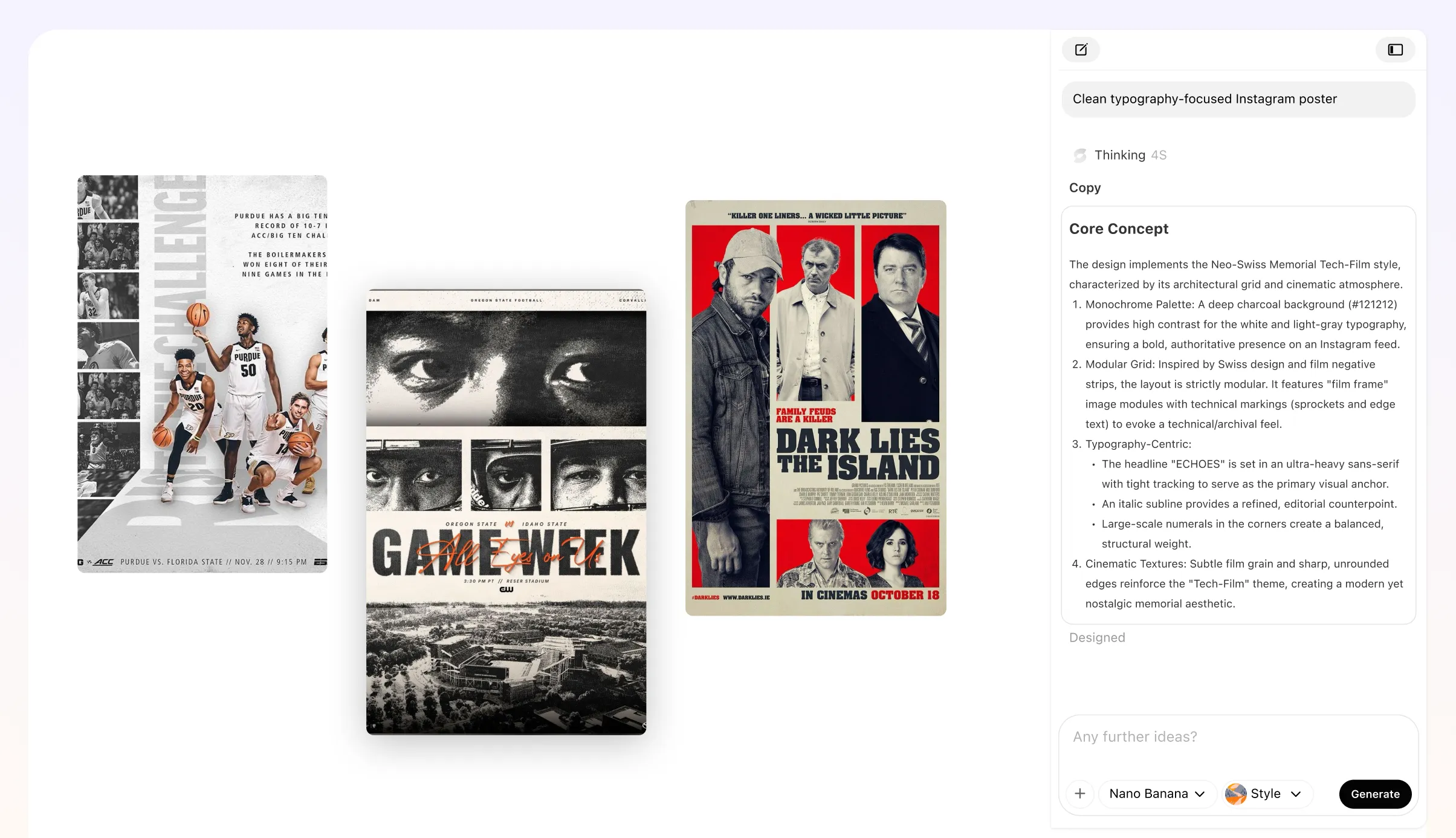
Produce Print and Social Formats From the Same Source
A Christmas market campaign needs A3 posters for lamp posts, square graphics for Instagram, and A6 flyers for the ticket booth — all at the same time. Designing each format separately wastes hours and introduces inconsistencies. Starting from one coordinated visual set and resizing or adapting it for each format keeps the campaign tight and saves real time in the weeks before opening day.
Try It Free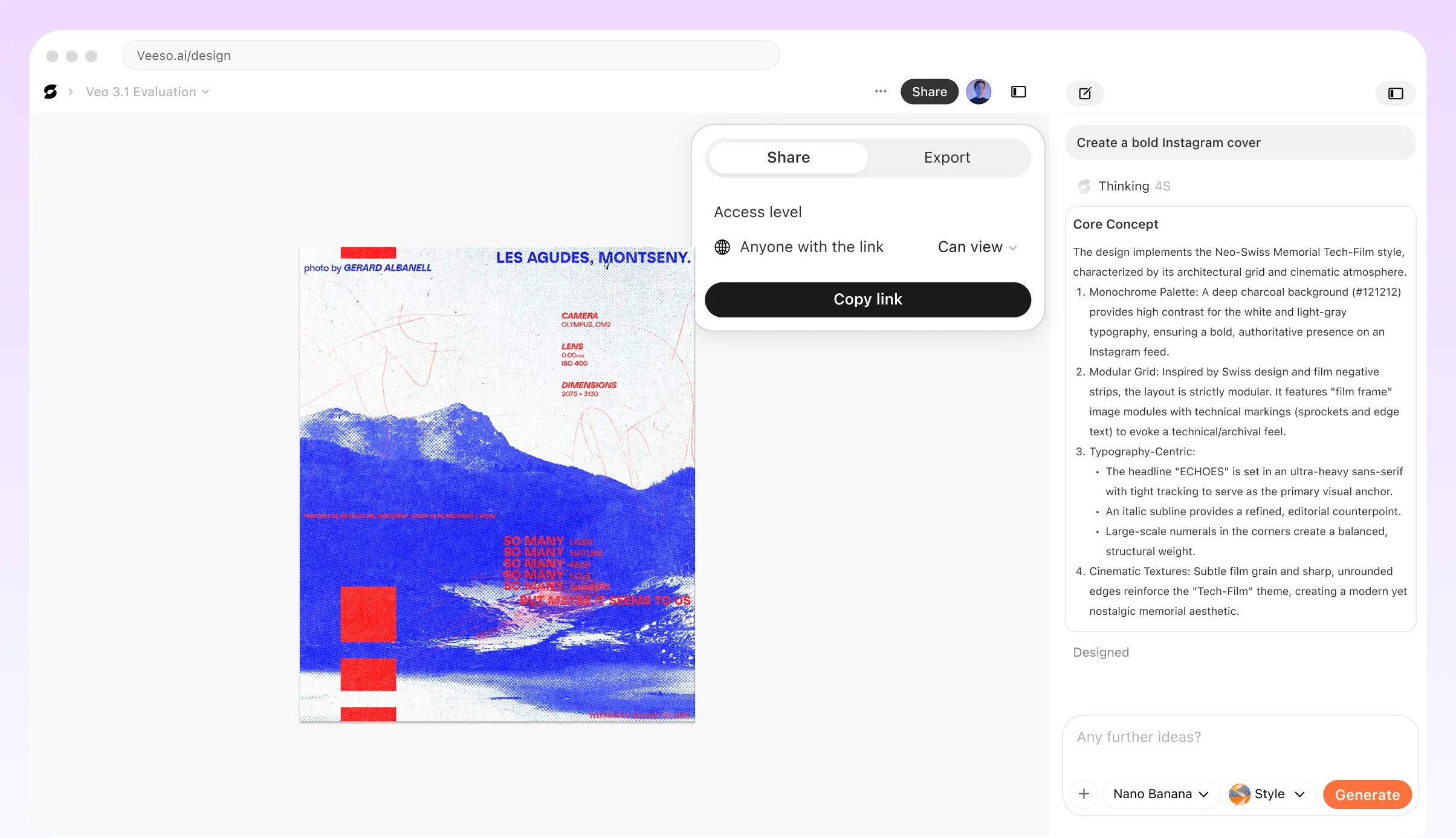
Who Uses a Christmas Market Campaign Generator to Promote Seasonal Events?
Market Organiser Building a Full-Season Promotional Calendar
Running a Christmas market means juggling opening dates, vendor lineups, and visitor announcements across six or more weeks. A seasonal market campaign creator helps you map content to each phase: pre-launch buzz, opening weekend, mid-season vendor spotlights, and final-day urgency posts. Instead of writing each piece from scratch, you feed in your market dates, stall categories, and key messages, then get a structured content plan covering social posts, email copy, and ad creatives in one pass. That leaves more time for on-the-ground logistics rather than chasing copy deadlines.
Individual Vendor Promoting Their Stall Inside a Larger Market
A stallholder selling handmade candles or mulled wine needs promotional content that fits the broader market identity but still highlights their own products. Using an AI christmas market campaign generator, a vendor can input their stall name, product range, and trading hours to produce differentiated social media posts and printed signage copy that stand apart from generic market announcements. This gives each stall a promotional moment without clashing with the organiser's master campaign. The result is a cohesive market feel where every vendor still gets their own voice.
Local Authority Attracting First-Time Visitors to a Town-Centre Market
Many people skip a local Christmas market simply because they don't know what's there. A visitor experience campaign built around atmosphere, family-friendly activities, and unique vendors changes that. A christmas market advertising generator lets a council or business improvement district produce content that describes the sensory experience: the food stalls, the live music schedule, the craft makers. That content can feed Facebook posts, local press copy, and printed flyers without hiring an agency. The focus stays on communicating what makes the market worth the trip, not just the dates.
Small Market Team Producing Coordinated Multi-Vendor Spotlights
A market with thirty stallholders needs thirty reasons for visitors to return across the season. A multi-vendor promotional calendar built through a holiday market vendor promotion generator lets a small team rotate vendor spotlights week by week without writing each post individually. You input each stall's name, product type, and a short description, and the generator structures a sequence of posts that keeps the market front of mind throughout December. Veeso AI can then turn that copy into polished, print-ready visual cards for each vendor, keeping the look consistent across every stallholder's social share.
Event Agency Running Christmas Markets Across Multiple Locations
An agency managing markets in three different towns faces the same challenge every year: the core campaign structure repeats, but the location details, vendor lists, and local audience differ each time. A christmas market promotional content generator lets the team build a reusable campaign brief template, then swap in location-specific details for each market without rebuilding from scratch. Social copy, email subject lines, and ad headlines all update to reflect the correct town, dates, and featured stalls. That consistency across locations also makes it easier to brief any local partners or stallholders on what to post and when.
Craft Vendor Using Holiday Foot Traffic Promotion to Drive Pre-Market Online Sales
Some vendors sell online before the market opens and want campaign content that bridges their digital shop and their physical stall. A festive market campaign planner tool helps them write social posts that tease upcoming market appearances, highlight products available early online, and build anticipation for the in-person experience. Veeso AI can take that campaign copy and produce coordinated visual assets for Instagram, a printed stall banner, and a simple flyer, all editable and sized correctly for each channel. The vendor controls every detail without needing separate design files for each format.
Why christmas market organisers, local authority event teams, and seasonal market vendors Choose Veeso AI
How to Create High-Converting christmas market promotional visuals
Gather Your Market Details Before You Start Designing
Collect your market name, opening and closing dates, trading hours, vendor names, and any location or map information before you open a design tool. Having this content ready means you won't need to pause mid-layout to chase down a stall number or a logo file.
Choose a Visual Style That Matches Your Market's Character
Decide whether your market leans traditional, contemporary, artisan, or family-focused — then pick or prompt a visual style that reflects that. The style you choose here will carry through every asset in your campaign, from the opening-date announcement poster to the individual vendor spotlight graphics, so it's worth spending a few minutes getting it right.
Build Out Each Campaign Phase With Its Own Promotional Visual
Work through the four phases of your market season — pre-launch buzz, opening weekend, peak trading, and closing-day urgency — and create a distinct visual for each. A tool like Veeso AI lets you duplicate and adapt a base layout for each phase, so you're not rebuilding from scratch every time you need a new asset.
Export Print-Ready Files for Each Format and Channel
Once your visuals are reviewed and approved, export high-resolution PNGs for social media posts and PDFs for printed posters, flyers, and market programmes. Keep the editable source files so you can update vendor details or correct dates quickly if anything changes before opening day.
FAQ

Ready to Create Beautiful Coordinated Seasonal Market Design Assets with Veeso AI?
Start Creating NowNo credit card required • Free to start • No design skills required
Explore More AI Graphic Design Use Cases
Discover more creative design scenarios powered by Veeso AI.