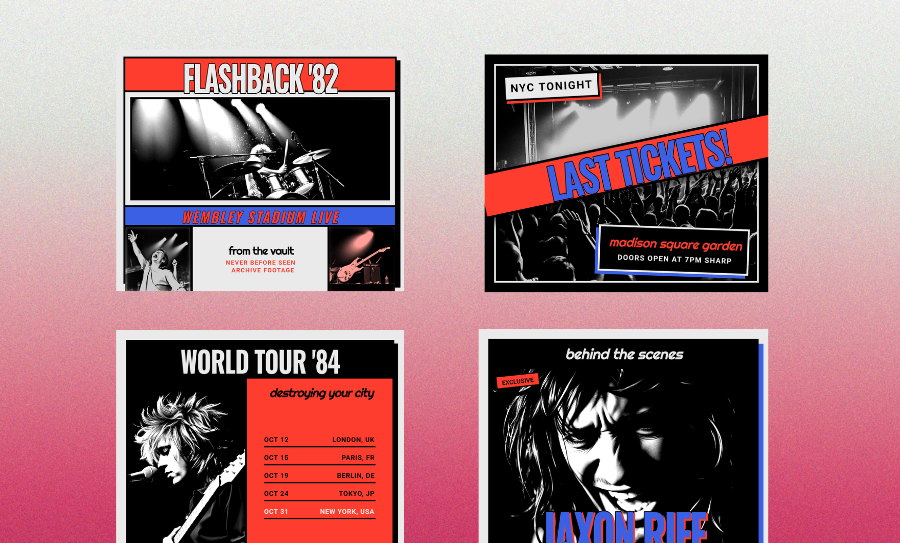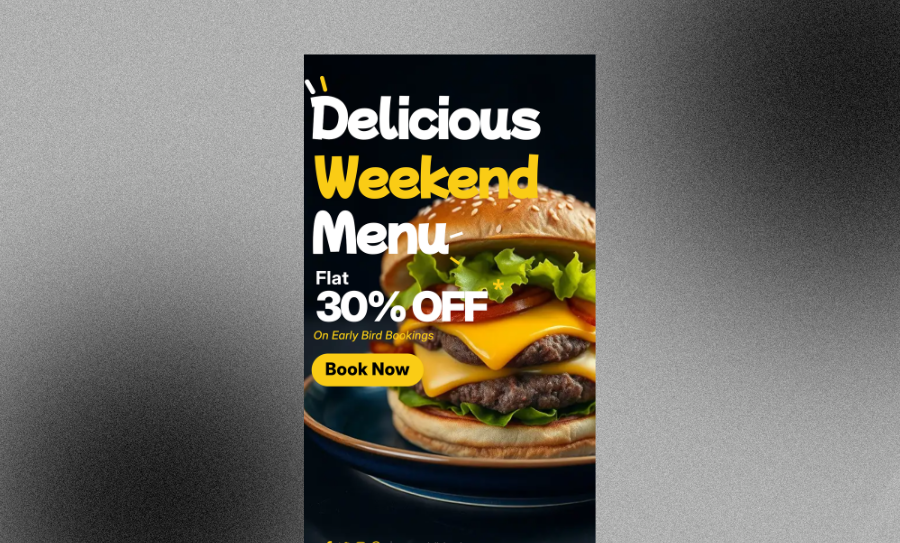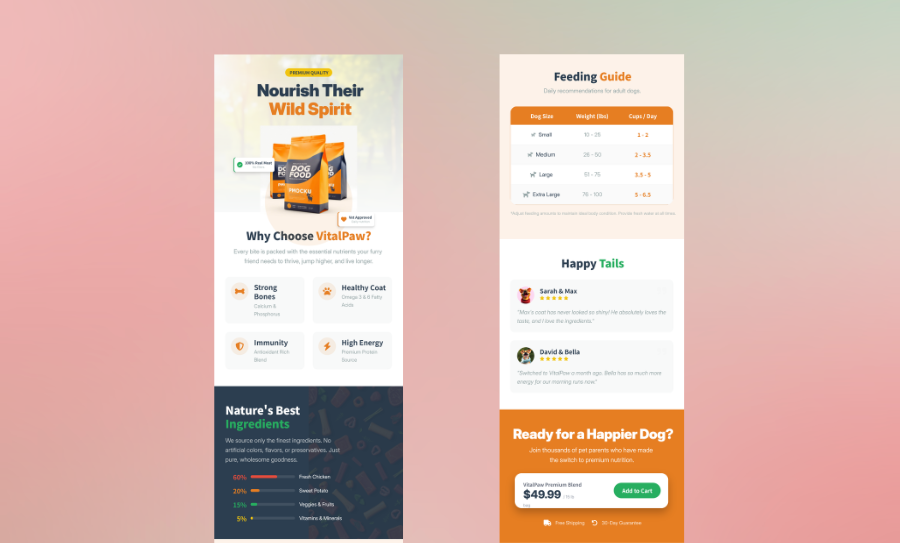
Brand Voice Examples Library Template
Build a single reference doc that shows your team exactly what on-brand and off-brand messaging looks like. Add real copy samples, tone notes, and approval status in one place. Share it across marketing, sales, and support so everyone writes with the same voice.
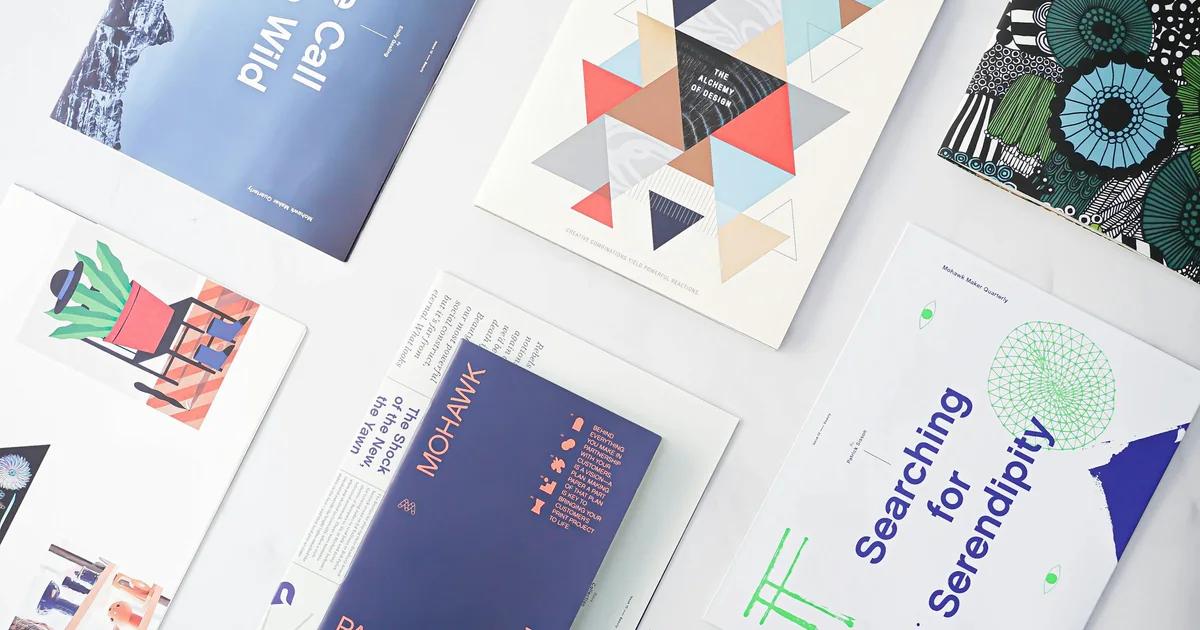
Three Ways to Generate brand voice guide template
Describe Your Brand Voice and Generate a Tone of Voice Chart Template
If you know how your brand should sound but haven't documented it yet, start by describing your voice in plain language. Paste in a few adjectives, a target audience description, and two or three example sentences, and Veeso AI will build a structured tone of voice chart template around your input. You get a polished, editable visual document ready to share with your team.
- Generates a tone of voice chart with on-brand and off-brand columns populated from your input
- Structures your voice descriptors into a scannable brand personality chart layout
- Produces an editable design so you can swap example sentences without starting over
- Exports as a high-resolution PDF ready for team distribution or client presentation
Start from a Brand Voice Guide Template and Customize Every Example
Pick a pre-built brand voice guide template that matches your industry or communication style, then replace the placeholder copy with your own approved message examples. This approach works well when you have a clear sense of your voice but want a proven structure to organize it. Every text block, label, and example column stays fully editable so the final document reflects your actual brand language.
- Industry-relevant starting layouts for B2B brand voice examples, retail, healthcare, and more
- Pre-labeled sections for voice attributes, approved copy, and off-brand message examples
- Editable brand voice worksheet panels you can expand or condense for your team's needs
- Color and typography controls so the document matches your existing visual identity
Import Your Existing Copy and Transform It into a Brand Voice Slide Deck
If you already have brand guidelines written in a Word doc, PDF, or Markdown file, you don't need to start from scratch. Import your existing content and Veeso AI restructures it into a formatted brand voice slide deck with clearly separated sections for voice principles, example sets, and do-and-don't comparisons. The result is a presentation-ready document your team can use in onboarding sessions or quarterly brand reviews.
- Imports PDF, Word, or Markdown files and maps content into structured visual pages
- Separates raw copy into labeled brand voice worksheet sections automatically
- Formats approved and off-brand message examples into side-by-side comparison layouts
- Produces a high-resolution PDF export sized for slide presentation or print distribution
Why choose Veeso for your brand voice examples library
Turn Vague Voice Rules into Sentence-Level Approved Message Examples
Most brand style guides describe tone in adjectives like 'warm' or 'confident' but never show what those words look like in an actual sentence. A brand voice examples library fixes this by pairing every guideline with real approved copy and clear off-brand message examples side by side. Writers stop guessing and start matching the standard from their first draft.
Try It Free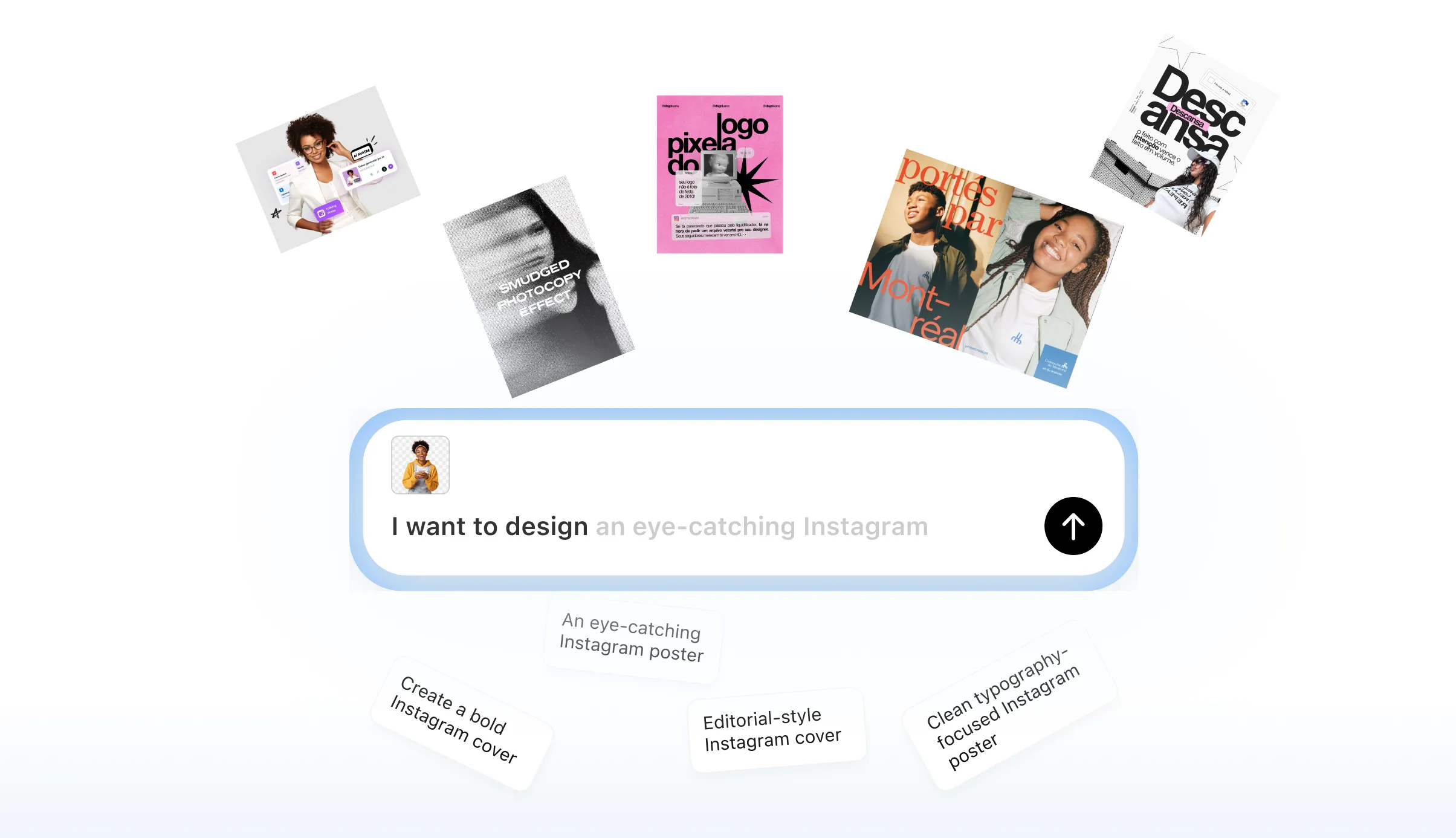
Cut Onboarding Time with a Ready-to-Share Brand Voice Sample Library
New copywriters, agency partners, and sales reps all need to learn your voice fast. A structured brand voice sample library gives them concrete reference points instead of a long document they have to interpret on their own. Onboarding that used to take weeks of back-and-forth revision can shrink to a single review cycle.
Try It Free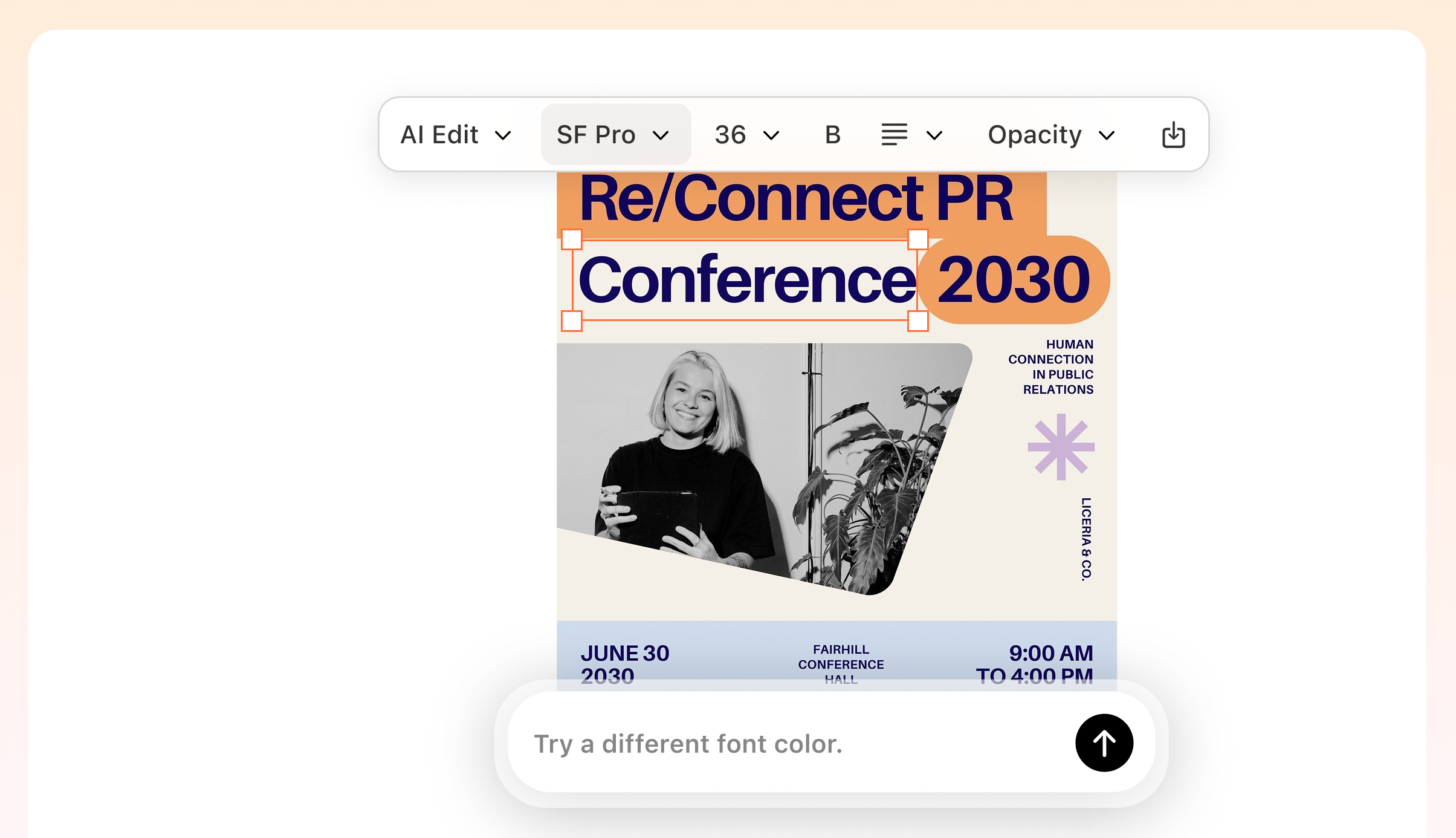
Keep Messaging Consistent Across Every Team with a Brand Voice Guidelines Template
Marketing, sales, and customer support all write customer-facing copy, but they rarely share the same reference document. A formatted brand voice guidelines template with real examples creates a single source of truth every team can open and apply. Fewer brand compliance reviews means faster content production without sacrificing consistency.
Try It Free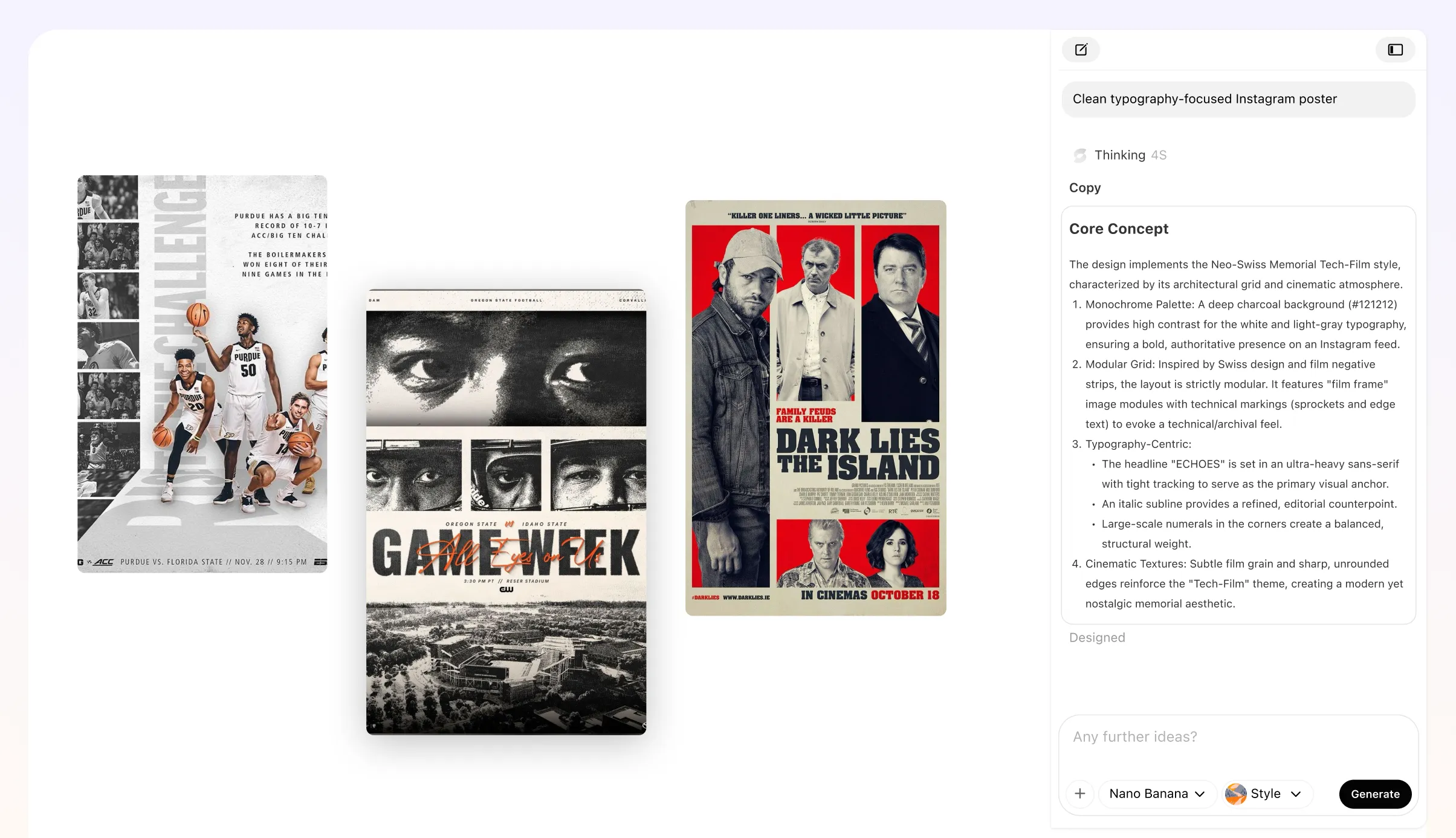
Make Your Brand Personality Chart Easy to Update as Your Voice Evolves
Brand voice is not static. As your audience grows or your positioning shifts, your examples library needs to reflect those changes without a full redesign project. Keeping your brand personality chart and example sets in an editable, structured format means you can swap out outdated copy and redistribute a current version in the same day.
Try It Free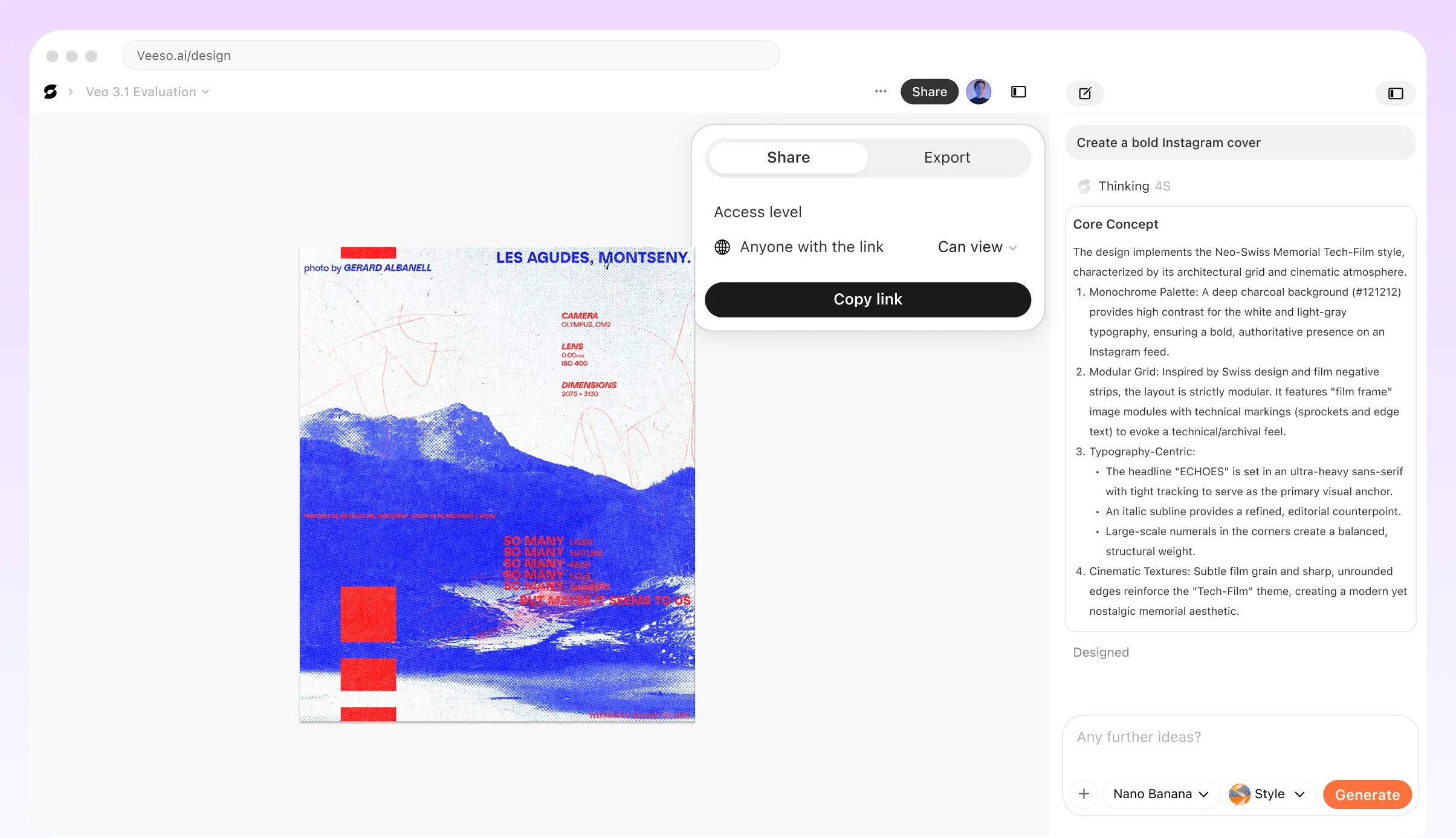
Who Uses a Brand Voice Examples Library Template?
Onboarding New Copywriters With Side-by-Side Message Comparisons
A new writer's first week is full of guesswork. Without concrete examples, they default to their own instincts rather than your brand's. A brand voice examples library template solves this by pairing approved copy samples directly beside off-brand message examples for the same scenario. Show them how your brand handles a product complaint, a feature announcement, and a casual social post. When writers can see the contrast in real sentences, they internalize the tone faster than any style guide paragraph ever achieves.
Aligning Sales and Support Teams on a Shared Tone Standard
Marketing, sales, and support often develop their own language habits over time. A shared brand voice template document gives all three teams a single reference point built from real copy they already recognize. Organize examples by channel: a support ticket reply, a sales follow-up email, and a product page headline. Label each one with the tone quality it demonstrates, such as direct, empathetic, or confident. Cross-functional alignment improves when people see the same concrete samples rather than reading abstract voice descriptors.
Running Quarterly Brand Voice Review Sessions With a Structured Library
Brand language drifts quietly over time. A recurring brand review template keeps your team honest by anchoring each session to a categorized library of real copy examples pulled from live campaigns. Before each review, contributors flag messages that feel off-brand and submit replacements. The library grows with every session, building a message audit framework that reflects how your voice has evolved. This turns a vague gut-check meeting into a structured editorial process with documented decisions your whole team can reference later.
Building a Visual Brand Voice Slide Deck for Agency Handoffs
When you brief an external agency or freelance designer, a written voice guide rarely sticks. A visual brand voice slide deck that shows approved copy examples alongside off-brand comparisons communicates tone far more clearly. Veeso AI lets you turn your documented examples into polished, editable slides that match your visual identity. Each slide can display a tone of voice chart, a sample headline pair, or a brand personality chart alongside the written rationale. The result is a handoff document that reads like a real reference rather than a policy memo.
Auditing Existing Content Against a Defined Voice Standard
Before a rebrand or content refresh, teams often discover that published copy spans three or four unintentional tones. A brand voice sample library gives your audit a fixed standard to measure against. Pull representative examples from your current content, categorize them as on-brand or off-brand, and note the specific language pattern that makes each one work or fail. This process surfaces patterns you can act on, such as overuse of passive voice in support content or inconsistent formality across product descriptions.
Creating a Living Brand Operations Document That Evolves With the Brand
A brand voice guidelines template only stays useful if it gets updated. Structure yours as a living document with dated example sets so contributors can see how approved messaging has shifted across campaigns. Include a brand voice worksheet section where team leads can propose new example additions and flag outdated ones. Veeso AI can help format updated example pages as print-ready or shareable visual assets whenever the document needs a refresh. Keeping the library current reduces the gap between your documented standard and what actually ships.
Why brand managers, content leads, and marketing operations specialists Choose Veeso AI
How to Create High-Converting brand voice worksheet
Audit Your Existing Copy to Find On-Brand and Off-Brand Messaging
Pull 20 to 30 real content samples from your website, emails, social posts, and sales materials. Sort them into two piles: copy that sounds like your brand at its best, and copy that misses the mark. This audit gives you the raw material for every section of your brand voice worksheet and makes the difference between good and bad examples concrete before you write a single guideline.
Categorize Examples Using a Brand Voice Worksheet Structure
Organize your sorted samples into a brand voice worksheet with at least three columns: the voice attribute it demonstrates, the approved message example, and a contrasting off-brand version. Assign ownership of each category to a specific team member, usually a content lead or brand manager, so every row has a clear reviewer before the document goes live.
Format Your Examples into a Shareable Brand Voice Guidelines Template
Take your completed worksheet and move it into a designed format your whole team can actually use. A tone of voice chart template works for quick visual reference, a multi-page brand voice guide template suits deep documentation, and a brand voice slide deck fits onboarding presentations. Choose the format based on how your team will consume it, then make sure every example is visible at a glance without scrolling through dense paragraphs.
Schedule a Recurring Brand Review to Keep the Library Current
Set a calendar reminder every quarter to revisit your examples library and flag any copy that no longer reflects your current voice. Replace outdated approved message examples, add new samples from recent campaigns, and redistribute the updated document to all teams. A living library is far more useful than a document that gets filed away after its first release.
FAQ

Ready to Create Beautiful Brand Voice Examples Library with Veeso AI?
Start Creating NowNo credit card required • Free to start • No design skills required
Explore More AI Graphic Design Use Cases
Discover more creative design scenarios powered by Veeso AI.