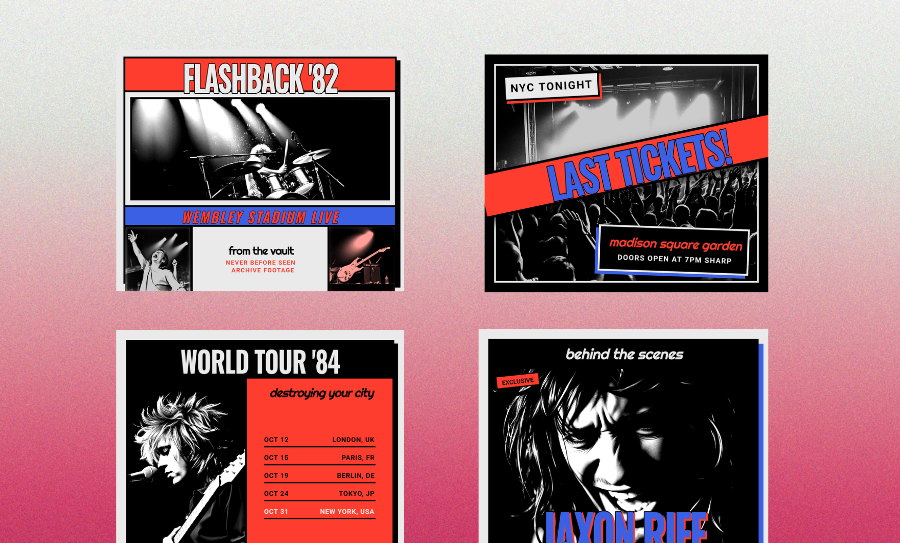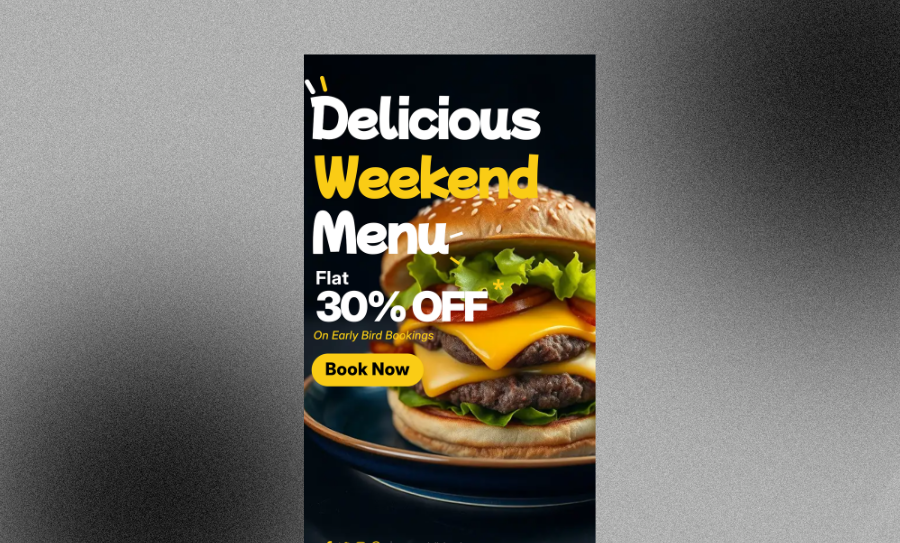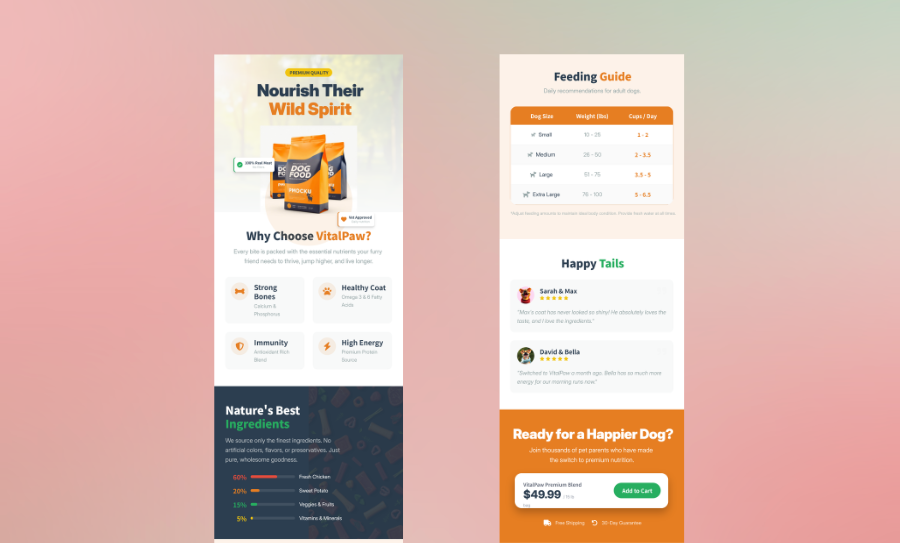
Turn Any Blog Post Into a Social Content Pack
Take one article and get a full set of ready-to-edit social posts for every platform. Paste your blog content, pick a style, and each asset formats itself to fit the channel. Export print-ready files and hand them off the same day you publish.
Three Ways to Generate editable social content pack
Describe Your Blog Topic and Get a Full Social Pack Layout
If you know what your article is about but haven't designed anything yet, describe the topic, tone, and target platforms in plain language. An AI design tool like Veeso AI reads your prompt and builds a structured pack layout around it, with slides, quote cards, and story frames already sized for each channel. You get a working starting point without touching a single design setting.
- Prompt-driven layout generation sized for LinkedIn, Instagram, and X formats
- Automatic text hierarchy applied to headlines, subtext, and captions
- Brand color and font suggestions based on your described tone
- Editable output with every layer accessible for copy or visual changes
Start from a Social Content Bundle Template and Customize Your Copy
Browse a library of pre-built multi-platform social design pack templates organized by content type, such as how-to articles, listicles, and data-driven posts. Pick the structure that matches your blog format, then drop in your headlines, pull quotes, and key stats. Each template already accounts for character-count constraints and platform-native proportions, so you're editing content rather than rebuilding layouts.
- Templates organized by blog post type: listicle, guide, case study, opinion
- Pre-set slide counts for carousel posts matched to LinkedIn and Instagram specs
- Placeholder logic for stat callouts, pull quotes, and numbered takeaways
- One-click brand token application across all formats in the pack
Import Your Article and Transform It into Channel-Ready Visual Assets
If your blog post already exists as a Word doc, PDF, or Markdown file, you don't need to copy and paste anything manually. Import the document directly and the tool parses your headings, subheadings, and body copy into a structured visual layout. Each section gets mapped to the right format, so a subheading becomes a carousel slide title and a key sentence becomes a quote card, giving you an editable social content pack from article content you already wrote.
- PDF, Word, and Markdown import with automatic section detection
- Heading-to-slide mapping for carousel post generation
- Sentence-level extraction for quote card and hook-driven post formats
- Export as high-resolution PNG or print-ready PDF for each platform format
Why choose Veeso for your multi-platform social design pack
One Article, Six Platform-Ready Formats Without Starting Over
A blog post already contains the ideas, data, and narrative your audience needs. The hard part is reshaping that content into a LinkedIn carousel, an Instagram quote card, and an X thread-starter without rewriting everything from scratch. An AI-assisted design tool maps your existing copy to channel-specific layouts automatically, so each format respects the character limits and visual proportions of its platform. You end up with a coordinated pack instead of six disconnected one-offs.
Try It Free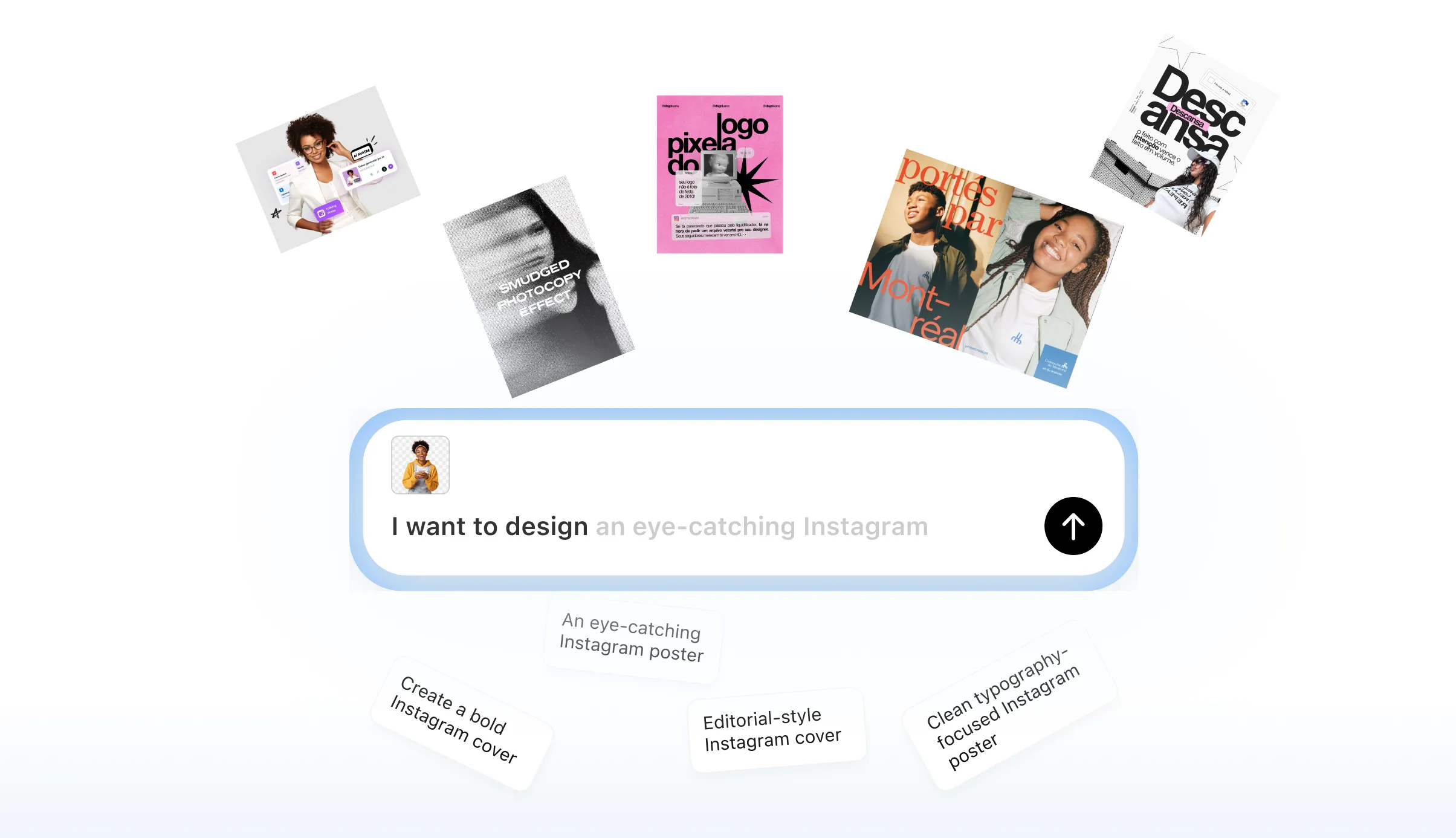
Keep Every Layer Editable When Your Team Needs to Touch the Files
Writers, designers, and social managers rarely work in isolation. When a static image generator hands you a flattened PNG, the next person who needs to fix a headline or swap a color has to start over. An editable social content pack keeps every text box, background, and brand element live, so handoffs don't create version chaos. The whole team can work from the same source files without losing the original structure.
Try It Free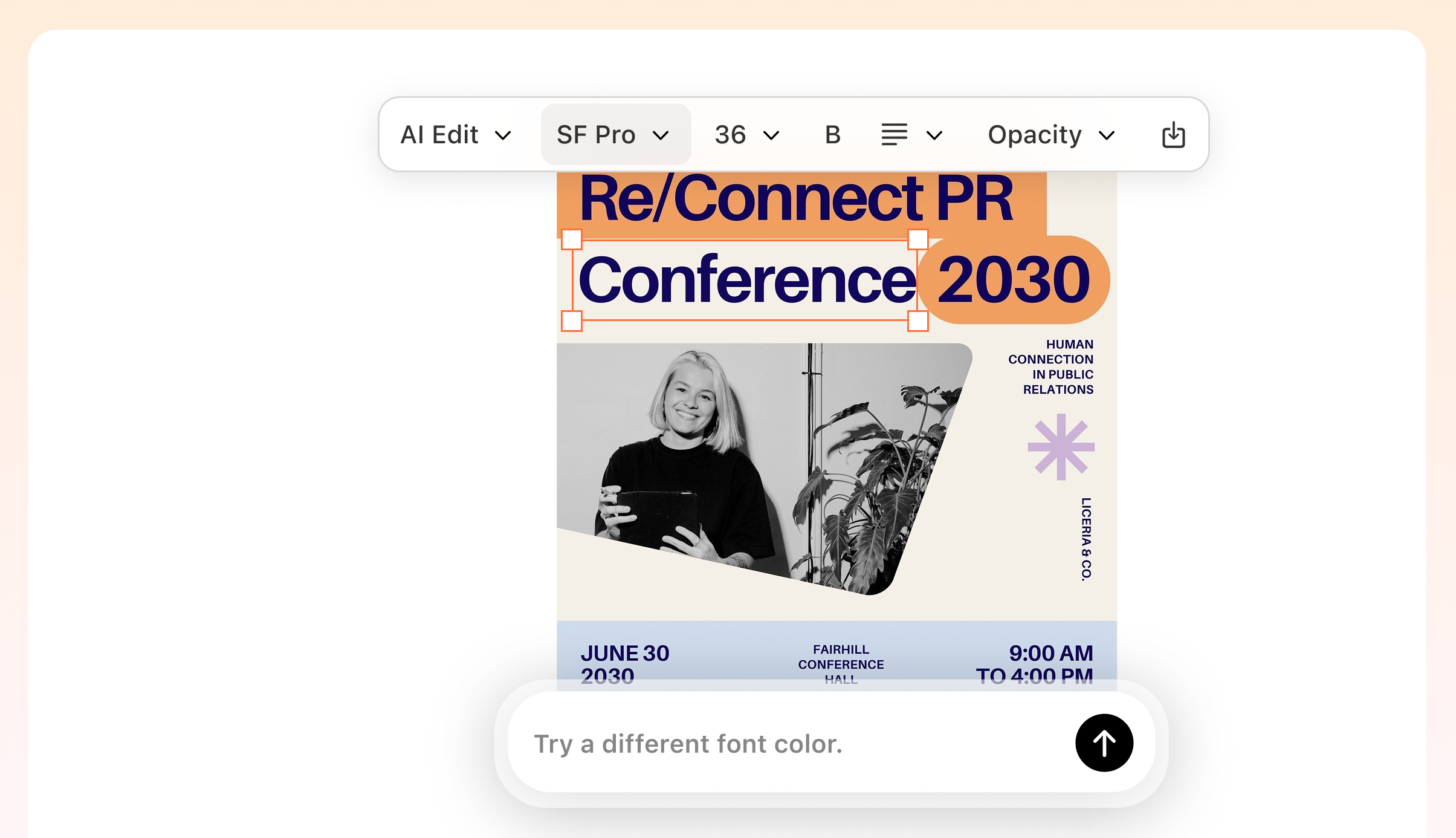
Embed Brand Controls Before the Pack Leaves Your Hands
Blog repurposing breaks down fast when each social post looks like it came from a different company. Consistent fonts, color tokens, and logo placement need to be baked into the templates before anyone starts customizing copy. Building your pack with brand controls already applied means every variant, from a portrait story frame to a square quote card, reads as the same voice and identity. That consistency matters more when content is spread across multiple platforms at once.
Try It Free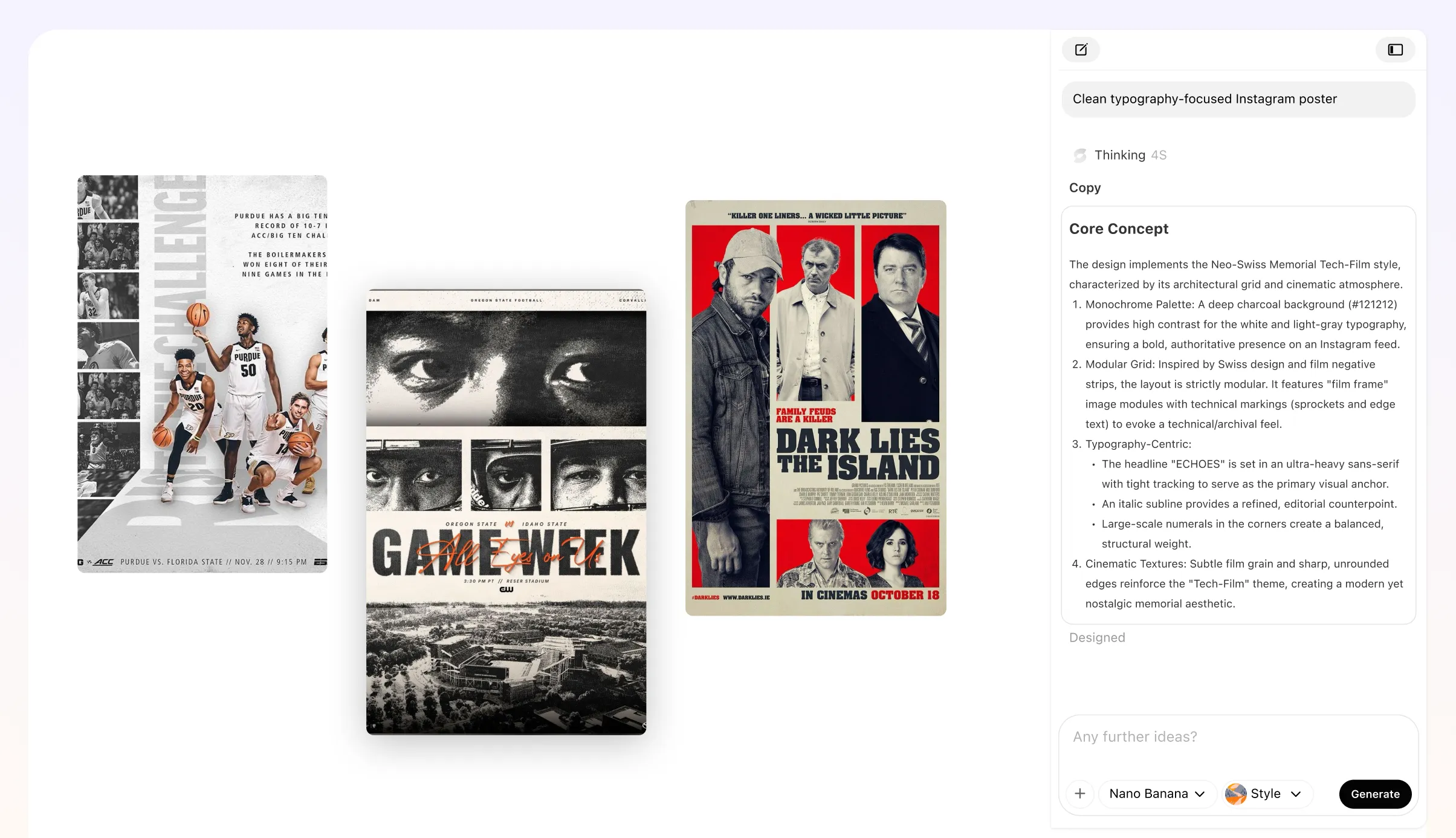
Reuse the Same Pack Structure for Every Article You Publish
The real payoff of a content repurposing workflow isn't one blog post turned into social assets. It's a repeatable system where every new article slots into the same pack structure and comes out formatted for every channel. When your templates are built around your blog's typical sections, such as a key stat, a pull quote, and a numbered takeaway, you can repurpose a new post in a fraction of the time it took the first time. That's what separates a one-time effort from a scalable content operation.
Try It Free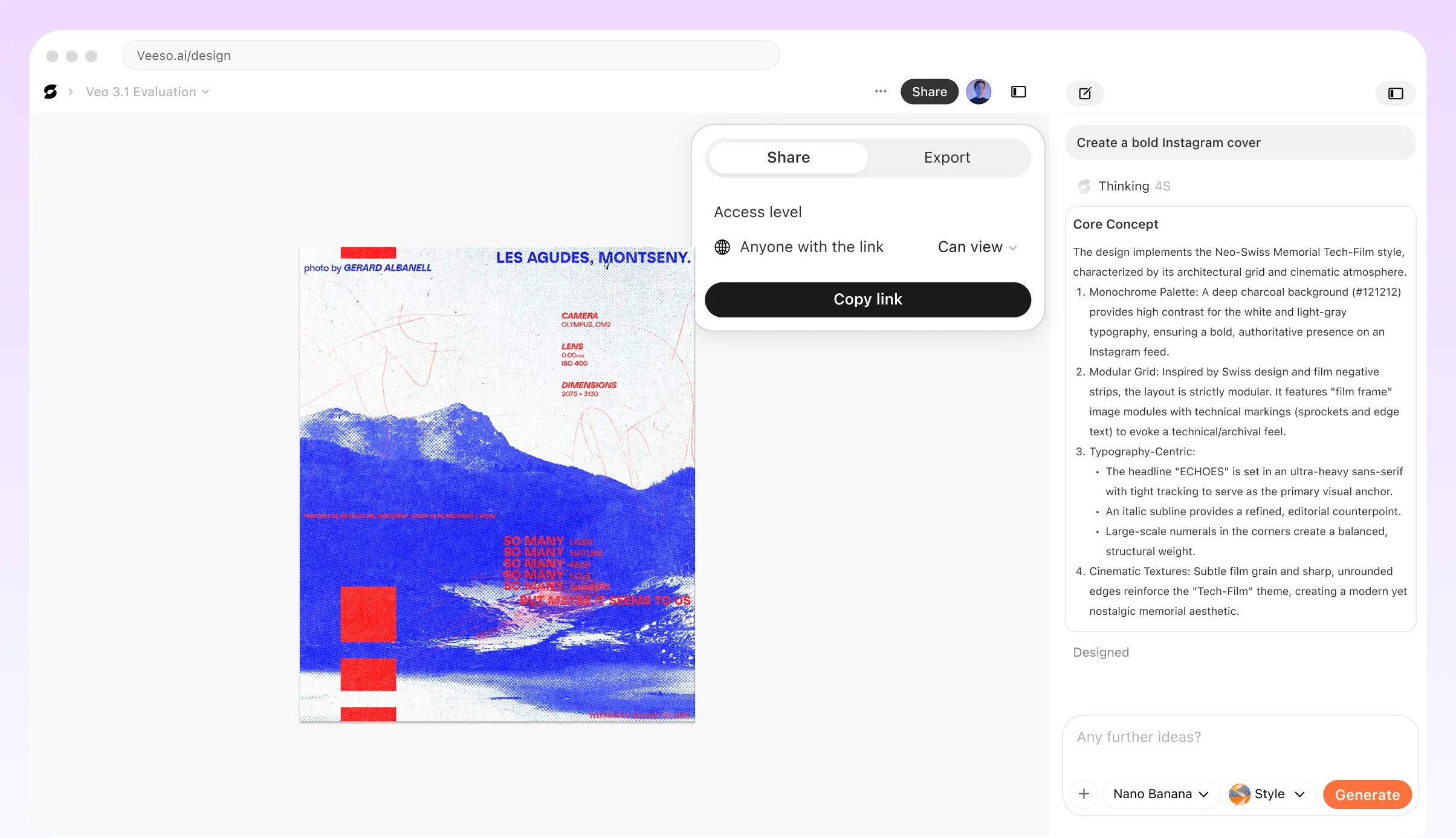
Who Uses a Blog-to-Social Content Pack to Repurpose Their Articles?
Turning a Long-Form SEO Article into a LinkedIn Carousel
You've published a detailed how-to article and want LinkedIn readers to engage with the core argument without clicking away. Start by identifying the three to five steps or insights that stand alone as a logical sequence. Each slide needs its own headline, one supporting sentence, and a consistent visual treatment that matches your brand colors. The challenge is keeping the argument intact while trimming every slide to a scannable length. Map your article's subheadings to slide titles first, then cut body text to a single supporting idea per frame before touching any design file.
Building an Instagram Content Pack from a Product Launch Blog Post
A product launch article contains more visual material than most teams realize: feature callouts, customer problems, proof points, and a clear call to action. Each of these can become a distinct Instagram post with its own hook and format. A square graphic works for the main announcement, a vertical frame suits a story, and a multi-image post can walk through the key benefit. The risk is that all three end up looking like the same excerpt in different sizes. Treat each format as a separate editorial decision, not a resize job, and write platform-native captions before opening any design tool.
Handing Off a Ready-to-Edit Pack to a Social Media Manager
When a content strategist finishes a blog post, the social manager often starts from scratch because no structured brief exists. A better handoff includes a set of editable assets with brand fonts, colors, and placeholder copy already applied for each channel. Veeso AI can help here: paste the article text and the tool generates a set of editable design files organized by platform, so the social manager adjusts copy and images rather than rebuilding layouts. Every text box and layer stays editable, which means the manager can apply final brand voice without waiting on a designer to make basic changes.
Repurposing a B2B Thought Leadership Post for Twitter and LinkedIn Simultaneously
A single thought leadership article rarely reads the same way on Twitter as it does on LinkedIn. Twitter rewards a sharp, standalone observation with a clear point of view. LinkedIn tolerates a longer setup and a more structured argument. When you repurpose a blog post into social media content for both channels, write the Twitter version first because the constraint forces you to find the sharpest sentence in the piece. Use that sentence as the anchor for the LinkedIn version, then build the surrounding context back in. Producing both at once keeps the brand voice consistent without making one feel like a watered-down copy of the other.
Creating a Multi-Platform Content Pack for a Weekly Newsletter Recap
Publishers who send a weekly newsletter often have a finished article sitting unused on social channels for days after it goes live. Converting that article into a channel-ready social content pack the same day it publishes closes that gap. Pull the strongest statistic, the clearest analogy, and the most actionable tip from the piece. Each becomes a standalone post formatted for its platform. Veeso AI lets you import the article text and produce an editable visual pack across formats without starting from a blank canvas, so the design work doesn't become the bottleneck between writing and publishing.
Extracting Quote Graphics and Data Callouts from a Research-Heavy Blog Post
Research articles are full of shareable moments that get buried in paragraphs. A striking statistic, a counterintuitive finding, or a direct quote from a subject matter expert can each carry a social post on its own. The job is to scan the article for sentences that provoke a reaction without needing the surrounding context to make sense. Pull those moments into a list before designing anything. Then format each one as a standalone graphic sized for the platform where it will perform best. This approach turns one dense article into a multi-format content pack from a blog post that can run across several days without repeating itself.
Why content marketers, bloggers, and social media managers Choose Veeso AI
How to Create High-Converting blog-to-social visual content pack
Identify Which Blog Sections Have Standalone Social Value
Read through your article and flag the moments that work on their own: a surprising stat, a short actionable tip, a strong opinion, or a numbered list. These are the raw materials for your editable social media content pack, and spotting them first saves you from trying to turn every paragraph into a post.
Map Each Section to a Channel-Specific Format
Match what you flagged to the format each platform favors. A step-by-step section becomes a LinkedIn carousel, a sharp one-liner becomes an Instagram quote card, and your article's central argument becomes an X thread-starter. Deciding the format before you open any design tool keeps the pack structured and prevents you from designing the same content twice.
Build Your Pack with Brand Controls and Character Limits Already Applied
Open your design tool, import your mapped content or paste it into the right template slots, and apply your brand fonts, colors, and logo before you finalize anything. Tools like Veeso AI let you set these controls once and carry them across every format in the pack, so a LinkedIn slide and an Instagram story frame look like they belong together.
Export Each Format and Hand Off the Editable Files
Export platform-specific files at the correct resolution for each channel, and save the editable source files separately for your team. Keeping the live, layered version means anyone who needs to update a caption or swap an image later can do it without rebuilding the whole pack from scratch.
FAQ

Ready to Create Beautiful Multi-Platform Social Design Pack with Veeso AI?
Start Creating NowNo credit card required • Free to start • No design skills required
Explore More AI Graphic Design Use Cases
Discover more creative design scenarios powered by Veeso AI.