Launch Any New Car Model With a Ready Campaign
Plan a full model launch campaign — from pre-arrival buzz to test drive invitations and follow-up messaging. Describe your vehicle and audience, then get structured campaign content for every phase. Use Veeso AI to turn that content into print-ready dealership visuals without rebuilding from scratch

Three Ways to Generate multi-phase launch visual campaign sets
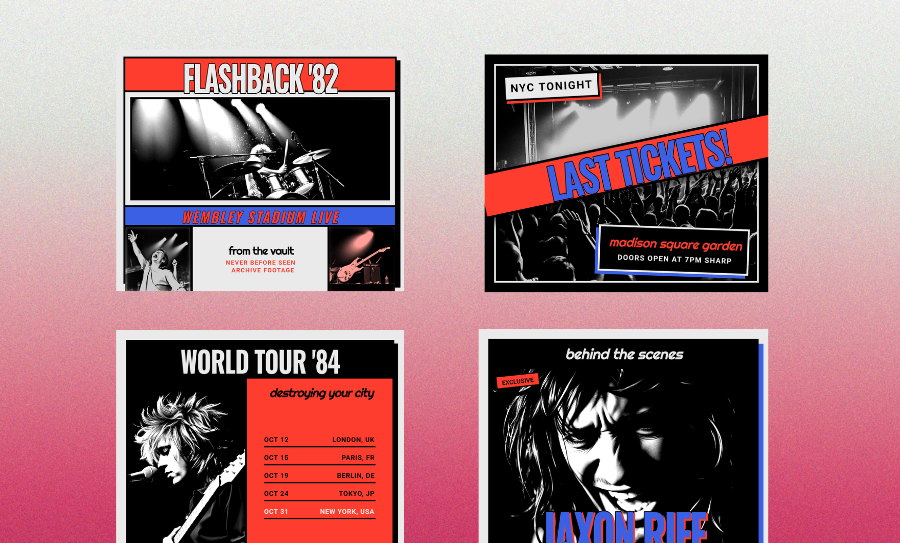
Describe Your Launch and Generate a Full Multi-Phase Visual Campaign
Tell the generator about your new model, its arrival date, key features, and target audience, and it builds a coordinated visual campaign set covering every phase from pre-arrival teaser to post-launch follow-up. This approach works best when you're starting from scratch and want the asset structure to reflect your actual launch timeline rather than a generic ad template. You get a complete set of editable visuals shaped around your specific model, not a one-size-fits-all layout you have to force your content into.
- Input model name, arrival date, and top features to shape all phase messaging automatically
- Generates separate asset sets for pre-launch teaser, arrival day reveal, test drive push, and follow-up
- Produces conquest and retention variants from the same input brief
- Every output is fully editable, not a locked static image
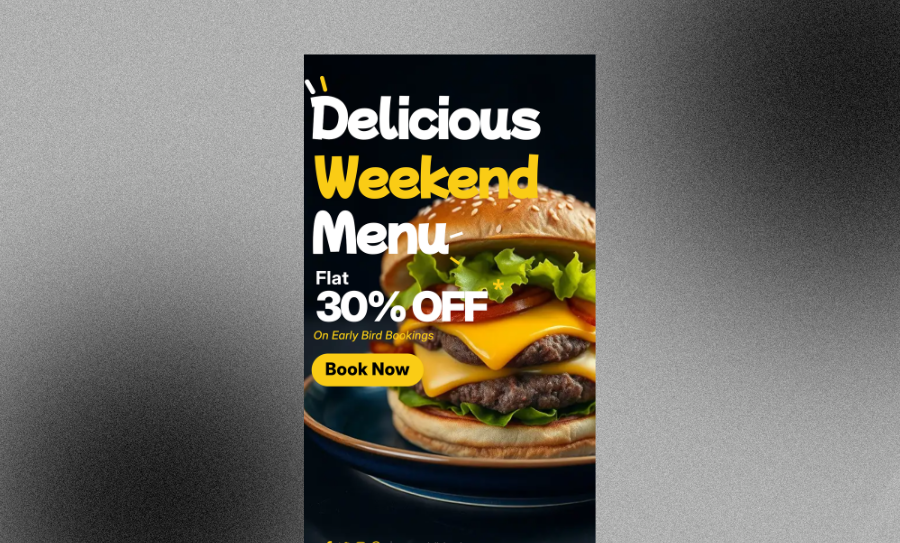
Start From a Dealership Launch Campaign Template and Customize Each Phase
Pick a launch campaign visual style that fits your brand and model category, then swap in your own model imagery, feature copy, and dealership details across each phase asset. This method suits teams that already know the visual direction they want but need a structured starting point that covers the full campaign arc rather than a single ad. You can adjust layouts, colors, and messaging for each phase without rebuilding the design from the ground up.
- Templates organized by campaign phase: teaser, reveal, test drive, and follow-up
- Swap model photos, feature headlines, and CTAs without touching the layout structure
- Maintain consistent visual style across in-dealership print and paid social formats
- Export each phase asset in high-resolution PNG or print-ready PDF
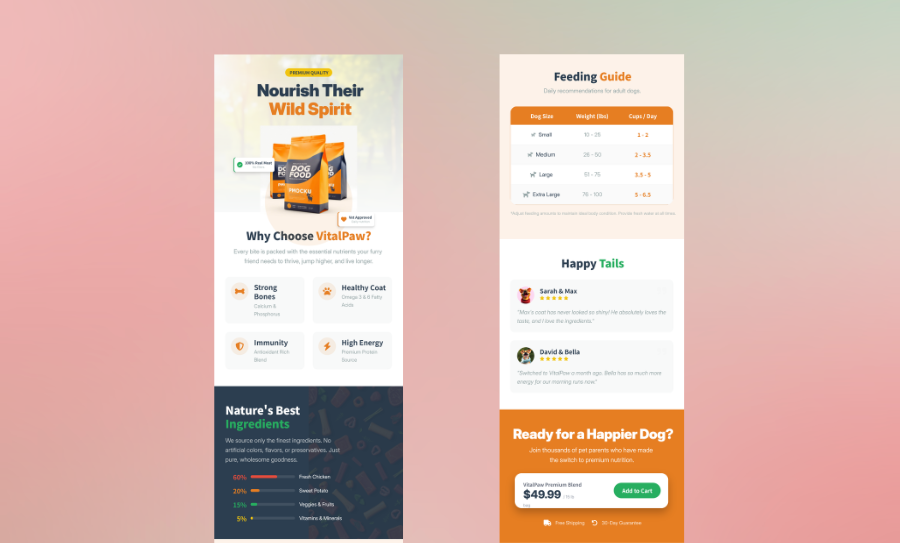
Import Your Model Brief or Spec Sheet and Transform It Into Designed Campaign Assets
If your team already has a model spec document, a feature list, or a campaign brief written up, you can import it directly and turn that content into structured, designed visual assets for each launch phase. This is the fastest path for dealerships that have done the copywriting work but haven't had time to design the collateral. Paste your Word doc, PDF, or Markdown file and the layout builds around your existing content rather than asking you to start over.
- Import PDF, Word, or Markdown spec sheets and campaign briefs
- Content maps automatically to the correct phase layout: teaser, arrival, test drive, follow-up
- Feature highlights and model details populate ad copy fields without manual re-entry
- Edit any text box, image, or layer after import to fine-tune each asset
Why choose Veeso for your coordinated dealership launch ad visuals
Keep Every Launch Phase Visually Consistent Across All Channels
A new model launch spans weeks and touches print, paid social, and in-dealership signage all at once. When each asset is built separately, the imagery drifts and the messaging loses its thread. A structured campaign generator locks in the same model photos, feature language, and brand voice from the teaser phase through the follow-up sequence, so every piece looks like it belongs to the same campaign.
Try It Free
Match Your Ad Messaging to the Right Buyer at the Right Stage
A conquest prospect seeing your new model for the first time needs different copy than a loyal customer who already knows your brand. Generic ad tools don't account for that split. A model launch campaign generator lets you produce audience-specific asset variants, so conquest ads lead with awareness while retention ads lead with upgrade incentives, without rebuilding the layout from scratch each time.
Try It Free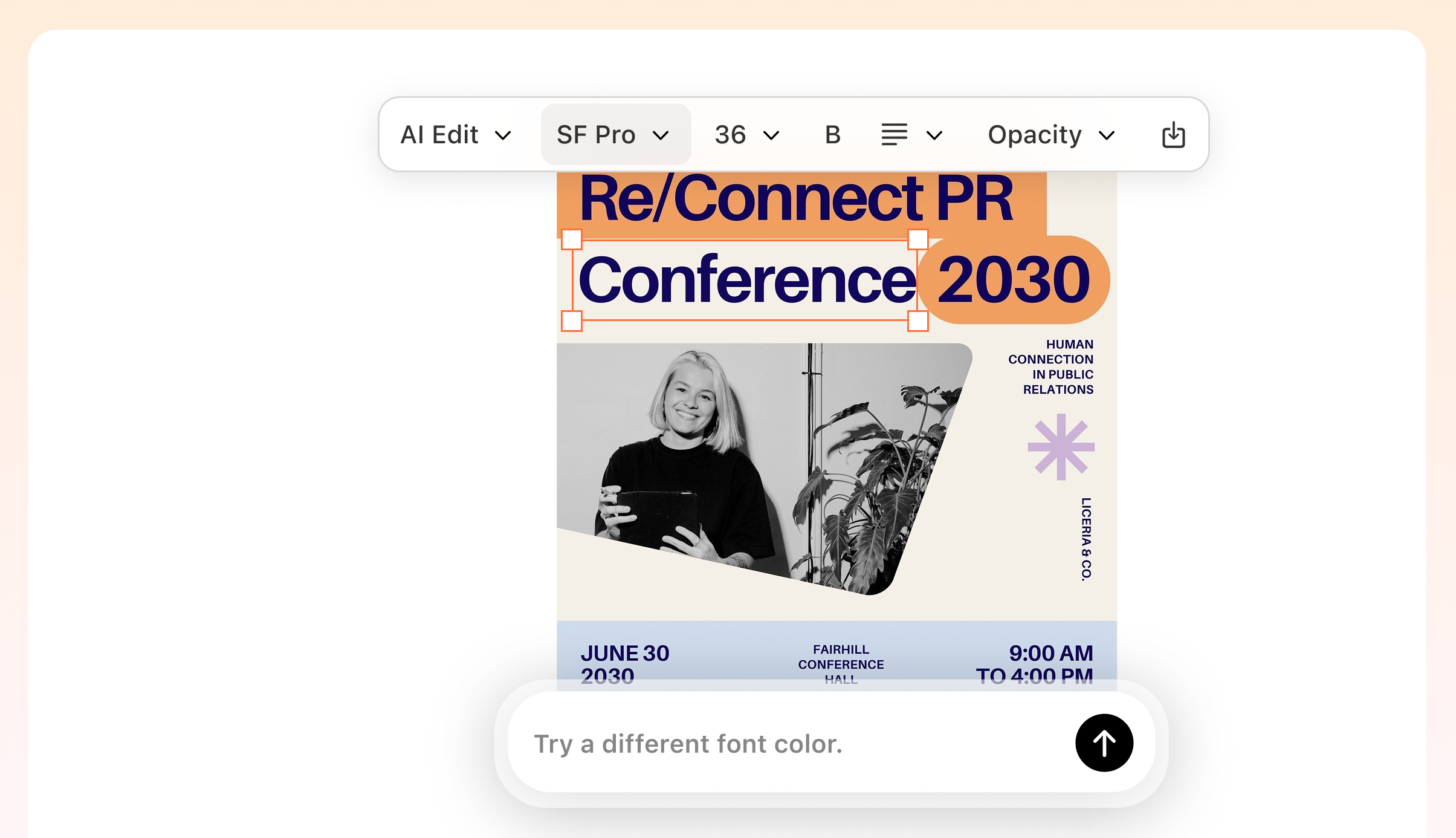
Arrive at Launch Day With Production-Ready Print and Digital Assets
Dealership teams often hit arrival day with half-finished flyers and mismatched social graphics because the design process ran long. A campaign generator that outputs high-resolution, print-ready files alongside digital formats means your showroom floor signage, window banners, and social posts are all done before the first car rolls off the transporter.
Try It Free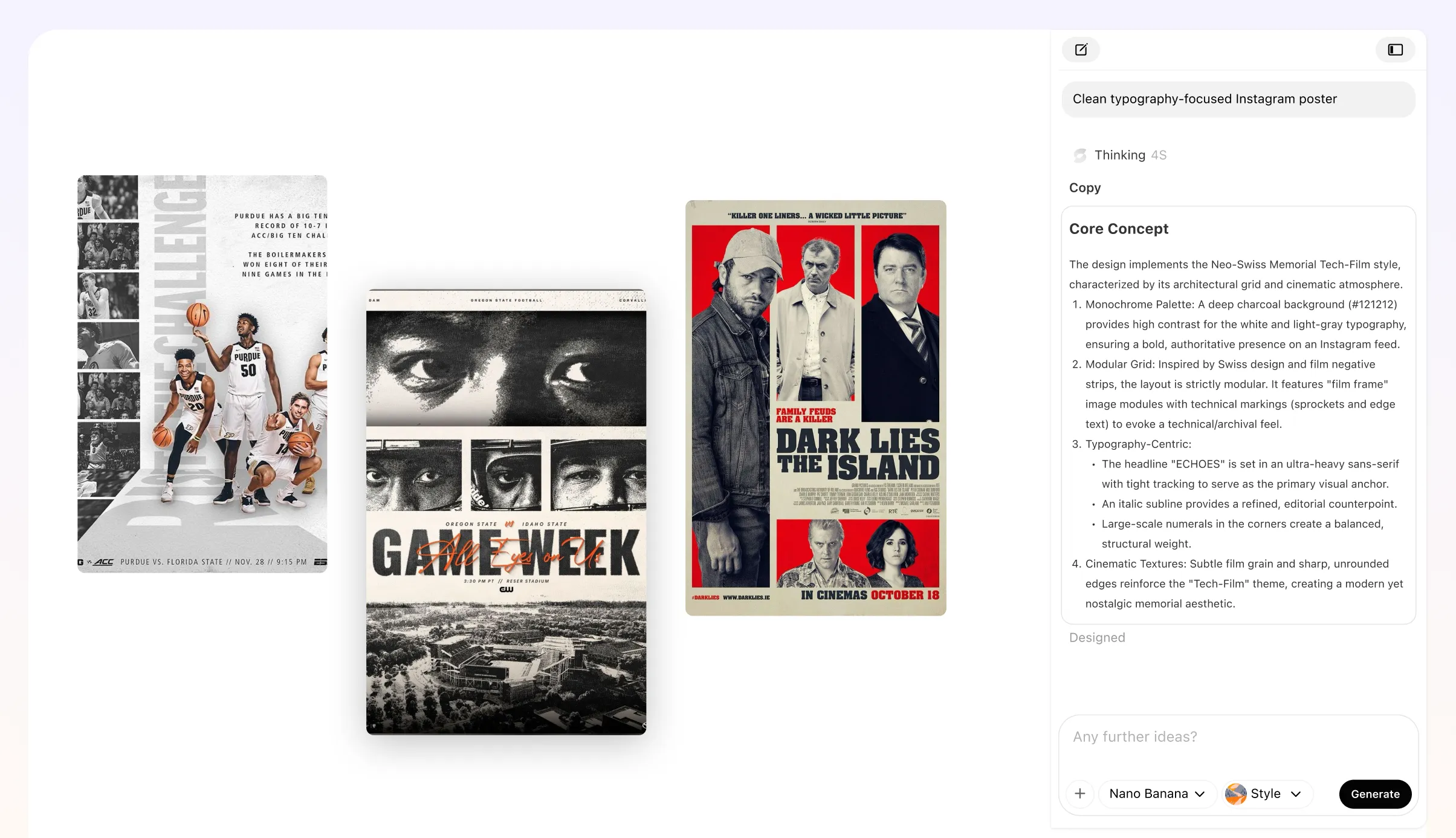
Turn Model Specs Into Ad Copy Pillars Without Starting From a Blank Page
Writing feature-focused ad copy for a new vehicle, whether it's EV range, towing capacity, or cargo space, takes time that most dealership marketing teams don't have at launch. A campaign generator that maps vehicle specs directly to headline and body copy options removes the blank-page problem. You input the model details once and the messaging structure builds itself around what actually matters to buyers.
Try It Free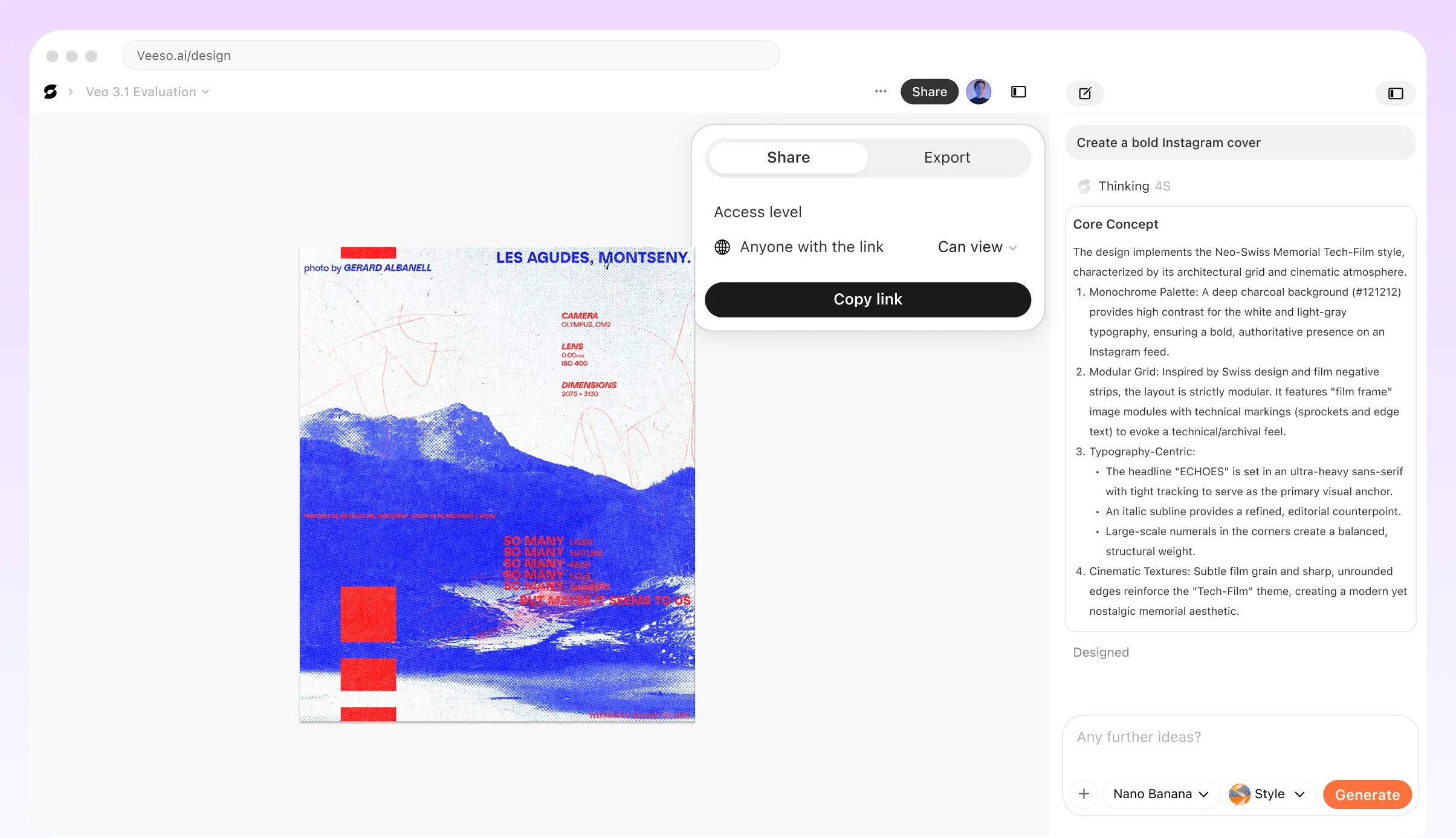
Who Uses a Car Dealership Model Launch Campaign Generator?
BDC Team Building a Pre-Launch Waitlist Campaign for an Incoming SUV
Your business development center knows the new model arrives in six weeks, but the lot is empty and leads are already asking. A structured pre-launch waitlist campaign gives your BDC team a clear message sequence to run before the first unit lands. Start by identifying the two or three features that matter most to your local buyer, then build awareness touchpoints timed to the actual arrival date. Each message should move the prospect one step closer to booking a test drive, not just announcing the vehicle exists.
Marketing Manager Coordinating a Multi-Channel Model Reveal Across Email, Paid Social, and In-Dealership Signage
Running a vehicle launch across email, paid social, and showroom displays without a shared brief is how messaging falls apart. A dealership launch campaign generator helps a marketing manager map each channel to a specific phase: awareness first, feature highlights second, test drive invitation third. The copy angle shifts by channel, but the model name, key specs, and brand voice stay consistent throughout. Veeso AI can turn that structured brief into editable print-ready signage for the showroom floor, so the in-store experience matches what buyers already saw online.
Conquest Targeting a Competing Brand's Owners During a New Model Launch Window
Conquest marketing in automotive means reaching buyers who currently own a competitor's vehicle and showing them a reason to switch. A new model launch is the strongest moment to run that message because you have something genuinely new to say. Build your campaign around the specific features that outperform the competing model, not just general brand claims. Segment your paid social audience by ownership signals or zip codes with high competitor registration data, then time your ad cadence to peak in the two weeks before and after your first units arrive.
Dealership Group Maintaining OEM Compliance Across Multiple Rooftops for the Same Model Launch
A dealership group launching the same model across several locations faces a compliance problem: OEM guidelines restrict how the vehicle is described, priced, and visually presented. One inconsistent asset can trigger a co-op rejection. Building your campaign from a single generator output, then adapting it per rooftop, keeps the core messaging within approved boundaries while allowing each location to adjust its call to action or local offer. Veeso AI supports this workflow by producing editable visual assets from a shared layout, so each store's signage and social graphics stay on-brand without rebuilding from scratch.
Sales Team Using a Follow-Up Sequence for Leads Who Attended a Model Reveal Event but Have Not Visited
After a model reveal event, a portion of attendees will go quiet. They showed interest but haven't booked a test drive or returned a call. A follow-up sequence for this group needs a different tone than cold outreach. Reference what they already saw, address the most common hesitation for that vehicle segment, and give them a specific reason to come back this week. A model launch follow-up campaign generator helps structure that cadence so your BDC isn't writing individual emails from scratch for every lead who went cold after the event.
Single-Point Dealer Launching a First-Ever Electric or Hybrid Model to a Buyer Base Unfamiliar with the Technology
Introducing an electric or hybrid model to customers who have only ever bought gas-powered vehicles requires a different campaign structure than a standard new arrival. Feature highlight messaging needs to address range anxiety, charging logistics, and total cost of ownership before it asks anyone to book a test drive. Map your campaign phases to the buyer's learning curve: awareness of the model, education on the technology, and then the invitation to experience it in person. Skipping the education phase and jumping straight to a test drive call to action is the most common reason these launches underperform at single-point stores.
Why dealership marketing managers and automotive BDC coordinators Choose Veeso AI
How to Create High-Converting model launch campaign visual asset set
Define Your Model Details, Arrival Date, and Target Audience
Start by entering the vehicle name, key features you want to highlight, the confirmed arrival date, and whether you're targeting conquest buyers, existing customers, or both. This information shapes the messaging and timing structure for every phase of your launch campaign, so the more specific you are here, the more relevant each asset will be.
Generate Your Four-Phase Visual Campaign Asset Set
Use a campaign generator, like Veeso AI, to produce a coordinated set of visual assets covering your pre-arrival teaser, arrival-day feature reveal, test drive invitation, and post-launch follow-up sequence. Each phase gets its own layout and messaging angle, but all assets share the same model imagery, color palette, and brand voice so the campaign reads as one cohesive push.
Edit Each Asset to Match Your Dealership's Brand Voice and Local Details
Open any asset and adjust the headlines, body copy, dealership name, address, and imagery to fit your exact needs. Every text box, image, and layer is editable, so you can tailor the test drive CTA for a weekend event or update the follow-up copy for prospects who no-showed without rebuilding the whole layout.
Export Print-Ready and Digital Files for Each Campaign Phase
Download each phase asset in the format you need, high-resolution PDF for in-dealership signage and print collateral, or PNG for paid social and digital display. Having all formats ready before launch day means your team, your print vendor, and your media buyer are all working from the same finalized files.
FAQ

Ready to Create Beautiful Coordinated Dealership Launch Ad Visuals with Veeso AI?
Start Creating NowNo credit card required • Free to start • No design skills required
Explore More AI Graphic Design Use Cases
Discover more creative design scenarios powered by Veeso AI.