Plan Your Agriculture Field Day Campaign in Minutes
Build promotional materials, demo topic lists, and follow-up content for your farm field day. Describe your event and audience, then generate a full campaign brief. Export print-ready flyers and social posts when you're done.
Three Ways to Generate field day visual campaign sets
Describe Your Field Day in Plain Language and Let AI Build the Campaign Set
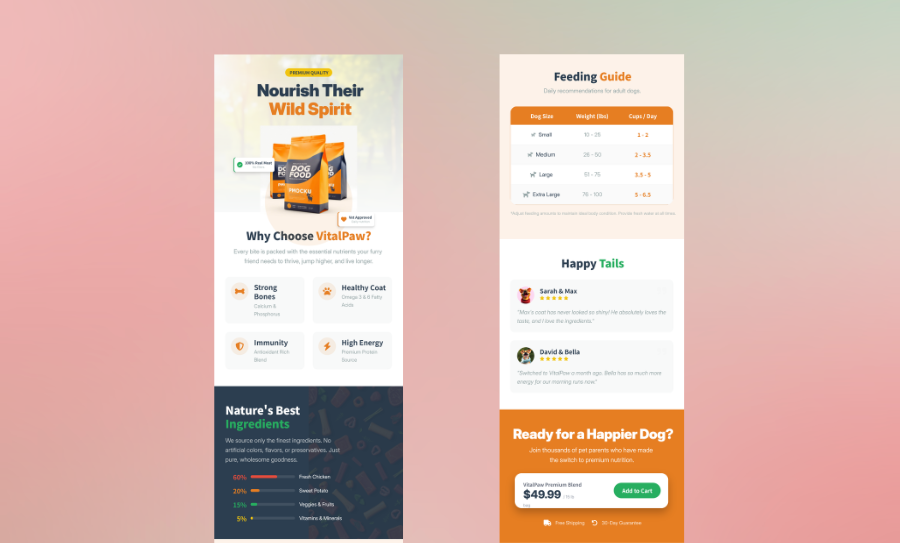
Tell the AI your crop type, demonstration topics, location, and target producer segment in a few sentences. Veeso AI reads that description and auto-lays out a coordinated set of editable field day materials — save-the-date card, event flyer, demo-plot sign, and follow-up one-pager — all matched in style and hierarchy. You skip the blank-canvas problem and go straight to refining content that already fits your event.
- Auto-generates headline copy anchored to your specific demonstration topic
- Matches visual hierarchy to field day content: date and location lead, agenda details follow
- Produces a coordinated set across all four campaign pieces in one pass
- Every text box, image placeholder, and layer stays fully editable after generation
Start From a Farm Event Template and Swap In Your Details
Pick a pre-built farm event template that fits your audience — row-crop, livestock, or specialty-crop — and replace the placeholder text and images with your own event details. The layout structure, font pairing, and color palette are already set for an agricultural context, so you're not adapting a birthday-party design to a cover-crop demonstration. This method works well when you have a clear event brief and want to move fast.
- Templates built for agricultural contexts, not repurposed from generic event categories
- Swap crop imagery, demonstration topic headlines, and sponsor logos independently
- Resize any piece from a print flyer to a digital social graphic without rebuilding
- Save a customized version as your own starting point for future field days
Import Your Existing Field Day Agenda and Turn It Into Structured Visual Pages
If you've already written your event schedule, speaker list, and demonstration plot details in a Word doc or PDF, you don't need to retype everything into a design tool. Import that document and the content converts into structured visual pages with proper headings, section breaks, and print-ready formatting. This method is especially useful for extension agents who draft field day agendas in program documents and need a polished handout fast.
- Accepts Word, PDF, or Markdown files with existing field day content
- Converts agenda line items into visually distinct schedule blocks
- Preserves speaker names, demonstration topics, and plot locations as editable text
- Outputs a print-ready agenda handout alongside your other campaign pieces
Why choose Veeso for your farm event promotional materials
Keep Demonstration Topics Front and Center in Every Piece
A field day lives or dies on whether producers understand what they'll actually see. Generic flyer builders treat all events the same, so your cover-crop trial or precision-application demo ends up buried under decorative graphics. When your layout is built around the demonstration topic first, farmers can read the headline and immediately know if the event is worth their drive time.
Try It Free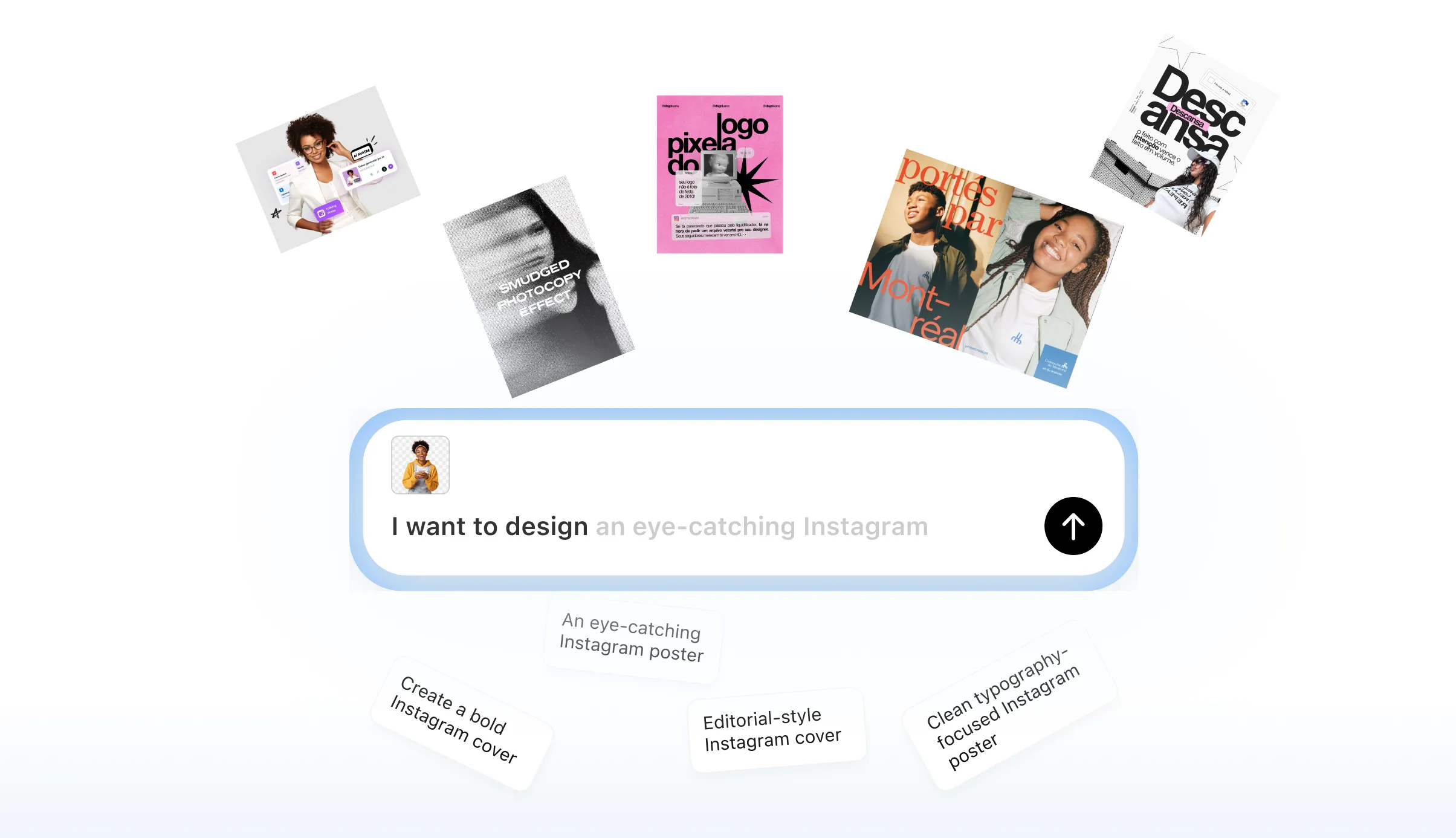
Segment Your Outreach by Producer Type Without Starting Over
A row-crop farmer and a specialty-crop grower need different headline copy, different imagery, and sometimes a different call to action. Rebuilding a flyer from scratch for each audience wastes hours you don't have before the event date. A fully editable campaign set lets you swap copy and photos for each producer segment while keeping the same visual structure across all pieces.
Try It Free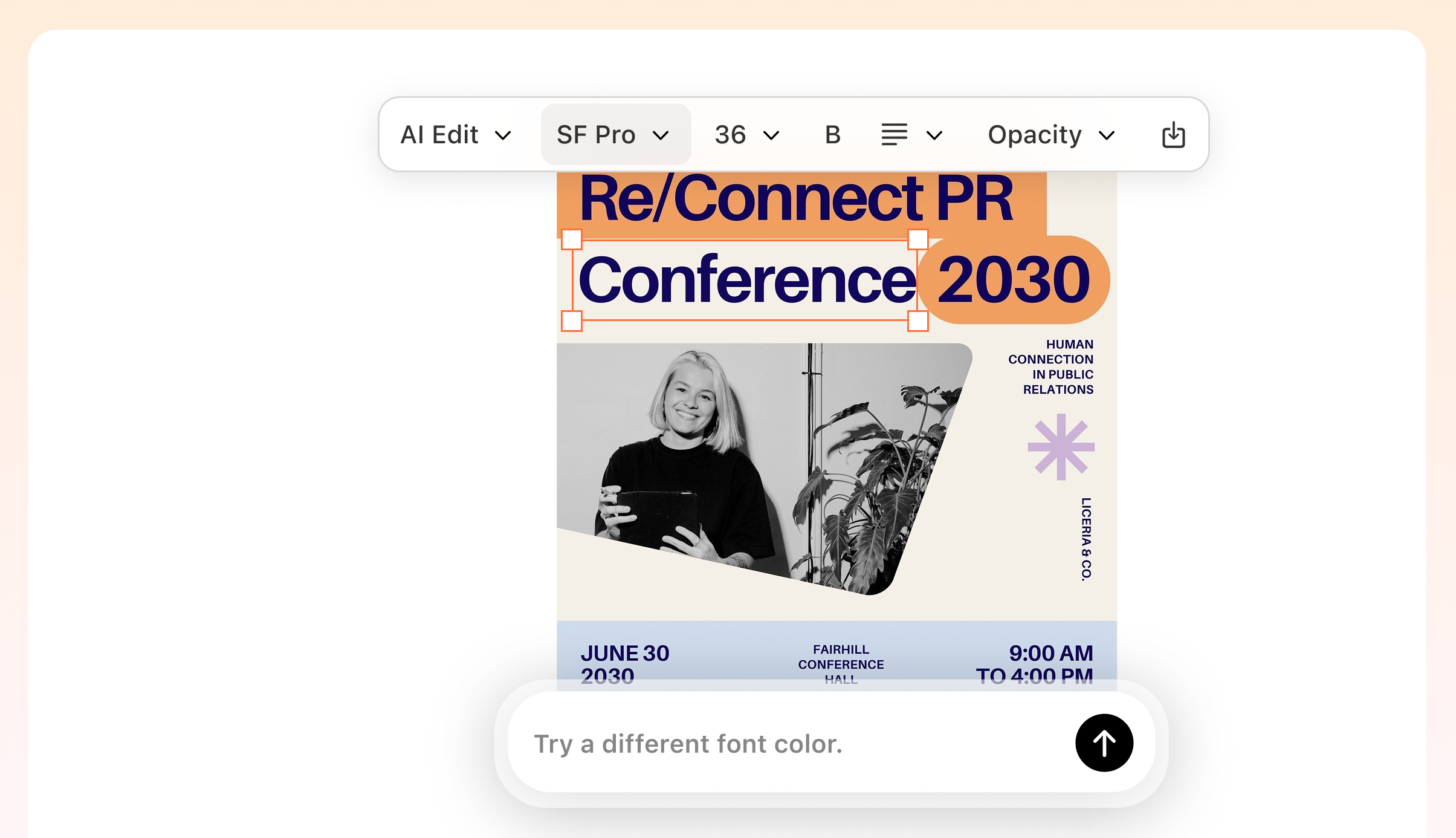
Arrive at Print Day With Files That Actually Work
Blurry PDFs and wrong-size images are a common headache when field day materials are cobbled together from different sources. Print shops and county extension offices need high-resolution files at the right dimensions. Exporting print-ready PNG and PDF files from a single design workflow means you hand off clean files the first time, not after three rounds of back-and-forth.
Try It Free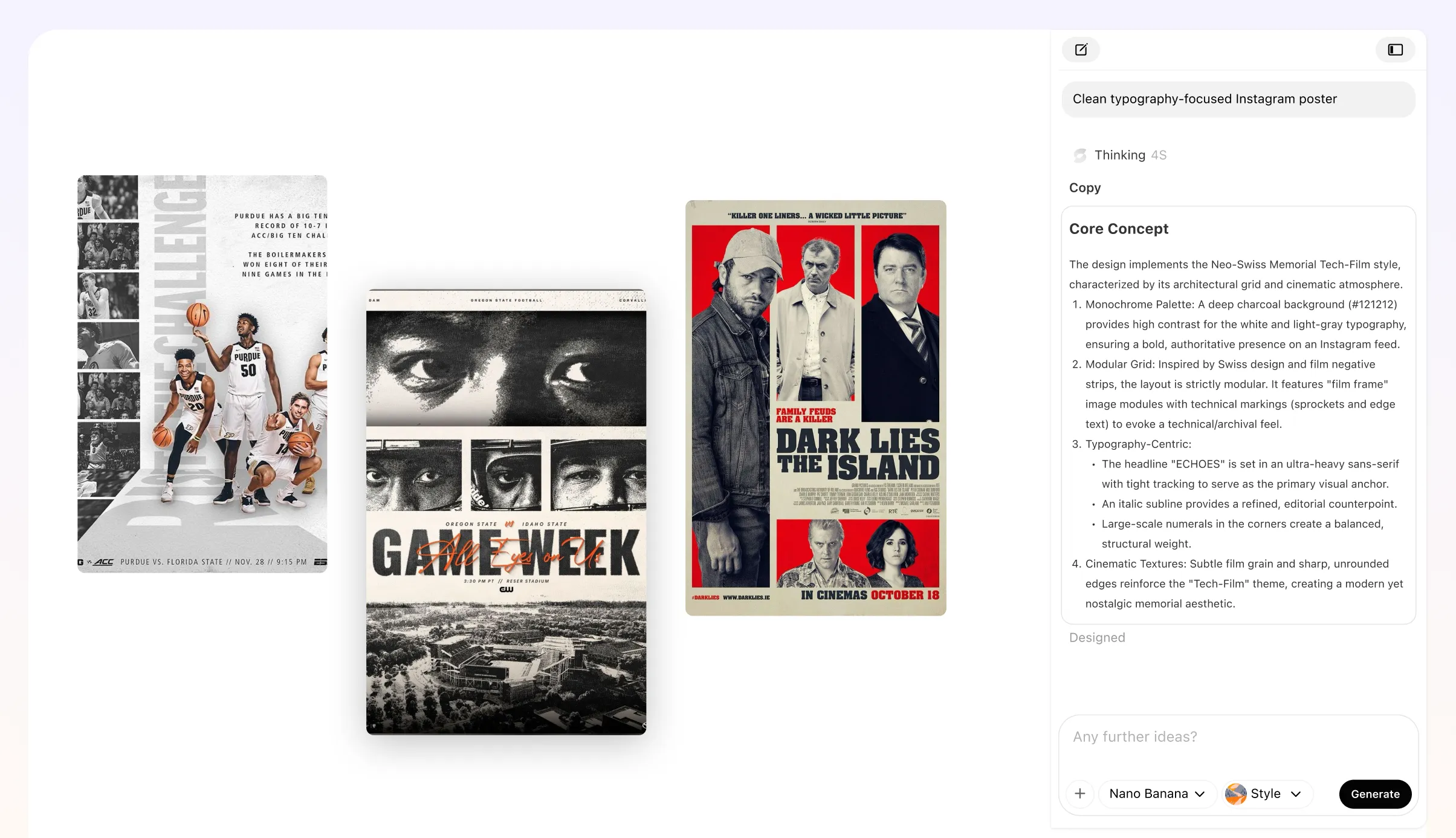
Build the Follow-Up One-Pager While the Event Is Still Fresh
Most field day campaigns stop at the save-the-date and the event flyer, but the follow-up piece is what turns attendance into action. A coordinated campaign set that includes a post-event summary page keeps your agronomist's recommendations in front of producers after they leave the demonstration plot. Having that template ready before the event means you can fill it in and distribute it within days, not weeks.
Try It Free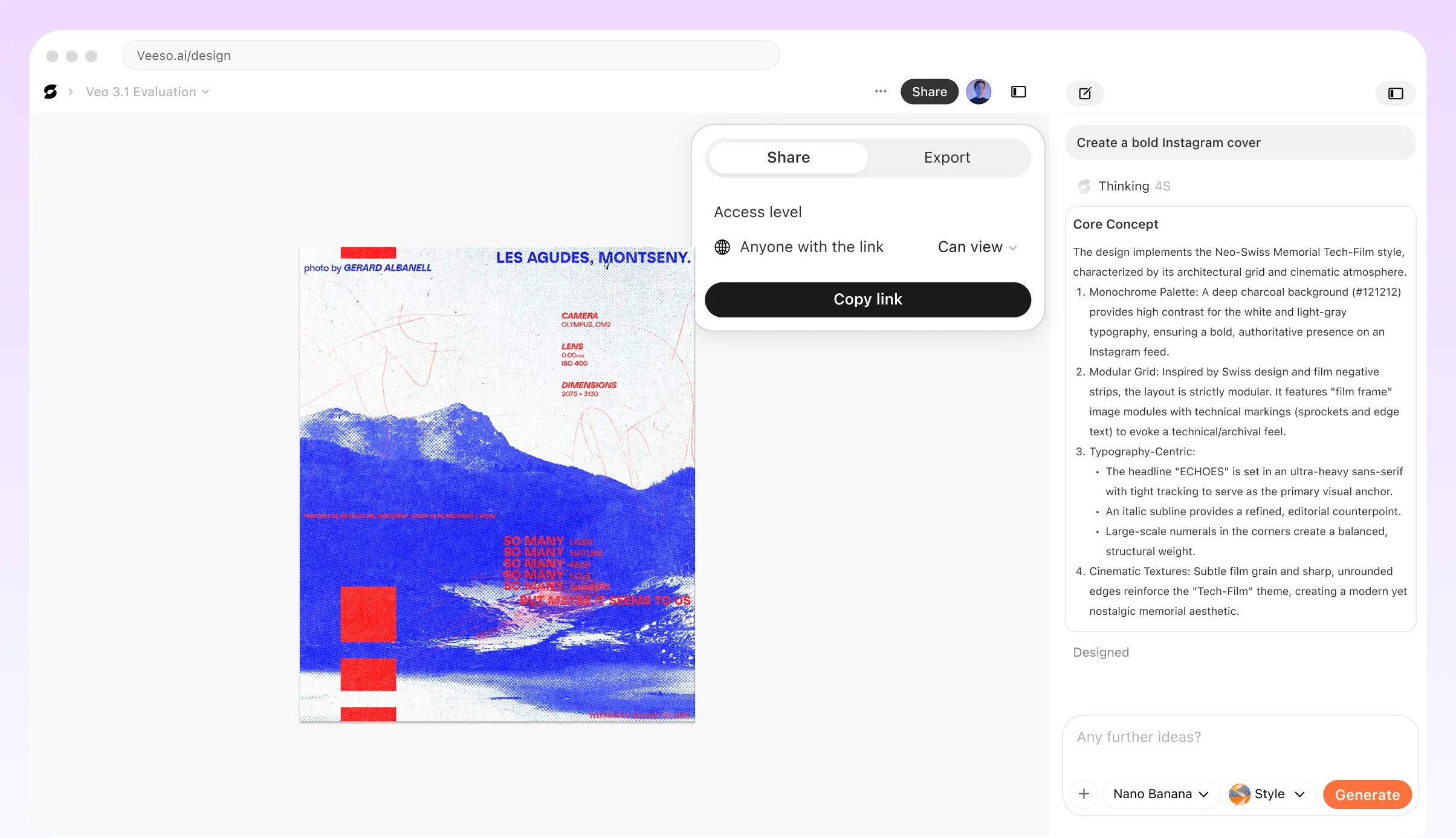
Who Uses an Agriculture Field Day Campaign Generator?
Row Crop Farmers Evaluating New Hybrid Varieties
A seed dealer planning a corn and soybean demonstration day needs promotional materials that speak directly to yield-focused producers. Start by listing the specific hybrids on display and the agronomic questions each plot answers, such as drought tolerance or fungicide response. Build your pre-event flyer and email around those demonstration topics rather than generic event language. Producers respond when they can see exactly what they will learn. An agriculture field day campaign generator helps you turn that plot list and agenda into a structured promotional sequence without needing a marketing background.
Livestock Producers Invited to a Pasture Management Field Day
Cattle and sheep producers have different priorities than row crop farmers, so a single generic flyer rarely moves them to attend. A field day campaign built for livestock audiences should lead with forage quality, grazing rotation, or water infrastructure topics that match the current season. Your invitation copy, social post, and follow-up reminder all need to reflect that context. Use a farm field day promotional materials generator to draft audience-specific messaging from a single brief, then adjust tone and terminology for producers who think in terms of stocking rates and carrying capacity rather than bushels per acre.
Extension Educators Promoting a Sustainable Agriculture Demonstration
Cooperative extension teams often run field days on tight budgets with limited staff time for design work. The challenge is producing a professional-looking agenda, event flyer, and social post that reflects the credibility of the research behind the demonstration. Veeso AI lets extension educators paste their program outline and get editable visual pages they can refine before printing or sharing digitally. Focus the campaign messaging on the specific on-farm trial results or sustainable practice being demonstrated. Concrete details about what producers will see and touch on the day drive attendance far better than broad program descriptions.
Agronomist Building a Pre-Season Soil Health Campaign
An agronomist scheduling a spring field day around cover crop termination or soil sampling needs campaign materials ready weeks before the event. The promotional timeline matters as much as the content. Map out when your first save-the-date goes out, when registration details follow, and when a final reminder lands. A field day campaign generator for farmers helps structure that communication sequence so each touchpoint builds on the last. Write each message around a single agronomic question the field day will answer, and producers are more likely to clear their calendars for it.
Equipment Dealer Running a Crop Demonstration Day for Existing Customers
Dealers who already have a customer list face a different problem than those building awareness from scratch. The goal is converting familiar contacts into confirmed attendees. Your campaign materials should acknowledge the existing relationship and emphasize what is new or different about this year's demonstration, whether that is a new planter setting trial, a precision application comparison, or a harvest efficiency walkthrough. Keep the flyer and email copy specific to the equipment being shown. Vague event language loses existing customers just as quickly as it loses cold prospects, so name the machines and the field conditions on display.
Post-Event Follow-Up Sequence for Producer Practice Adoption
The field day ends, but the campaign work is not finished. Producers who attended need a follow-up that reinforces what they saw and gives them a clear next step, whether that is requesting a soil test, scheduling a farm visit, or reviewing a product trial summary. An agriculture field day follow-up campaign should include a recap of the key demonstration findings, a summary of any agronomic recommendations discussed, and a direct call to action. Veeso AI can help you turn your post-event notes into a clean, shareable visual summary that producers can reference when making input or practice decisions later in the season.
Why agricultural dealers, extension agents, and farm event coordinators Choose Veeso AI
How to Create High-Converting agriculture field day campaign visuals
Define Your Event Details and Target Producer Segment
Write down your crop type, demonstration topics, date, location, and the specific producer audience you want to reach — row-crop, livestock, or specialty-crop. The more specific you are here, the more relevant your campaign materials will be to the farmers you're trying to get on-site.
Generate Your Coordinated Field Day Campaign Materials
Use a prompt, a farm event template, or an imported agenda to produce your full campaign set: save-the-date card, event flyer, demo-plot sign, and follow-up one-pager. Tools like Veeso AI can auto-layout this set from a plain-language description, giving you a complete starting point rather than four separate blank files.
Customize Copy and Imagery for Your Audience
Edit each piece to match your producer segment — adjust the headline to name the specific demonstration, swap in field photos that reflect the crop or practice being shown, and update any sponsor or extension office details. If you're running materials for more than one audience, duplicate the set and revise the key messaging without rebuilding the layout.
Export Print-Ready Files and Distribute Through Your Chosen Channels
Export high-resolution PNG and PDF files sized for your intended use — print handouts, digital signage, or social graphics. Hand the print files to your county extension office or print shop, and use the digital versions through whatever distribution channels your outreach team already manages.
FAQ

Ready to Create Beautiful Farm Event Promotional Materials with Veeso AI?
Start Creating NowNo credit card required • Free to start • No design skills required
Explore More AI Graphic Design Use Cases
Discover more creative design scenarios powered by Veeso AI.