Launch Your After School Program with a Ready Campaign
Build a full program launch campaign with flyers, social posts, and parent outreach materials in one place. Describe your program and get structured, editable campaign content instantly. Export print-ready files to share with your community right away.

Three Ways to Generate program launch flyer and campaign visual set
Describe Your Program and Generate a Launch Flyer Campaign from a Prompt
Type in your program name, age range, pickup times, and key activities, and the AI structures that information into a complete campaign visual set. This works especially well when you're launching a new program and don't yet have a design direction. Veeso AI turns your program details into a finished, editable layout — no blank page, no guesswork about visual hierarchy.
- Automatically organizes eligibility criteria, session dates, and pickup windows into a scannable layout
- Generates coordinated assets for each campaign phase — awareness, registration, and waitlist — from one input
- Applies a consistent visual style across parent flyers, admin one-pagers, and social media sizes
- Every text block, activity description, and contact detail stays fully editable after generation
Start from an Afterschool Program Campaign Template and Customize for Your School Year
Pick a campaign template built for school year enrichment program promotion and swap in your own program details, colors, and activity photos. Templates give you a proven visual structure so you're not deciding where to put the registration deadline or how to format the eligibility section. This method works well for programs that run each year and need a reliable starting point that staff can update quickly.
- Templates pre-formatted for announcement flyers, registration-deadline reminders, and waitlist confirmation sheets
- Editable sections for program capacity, dropoff logistics, and curriculum highlights
- Style options suited to elementary, middle school, and teen enrichment audiences
- Export as high-resolution PDF or PNG for print distribution and digital sharing
Import Your Existing Program Content and Turn It Into a Designed Campaign Set
If you've already written your program description, eligibility rules, and schedule in a Word doc or PDF, you don't need to retype everything into a design tool. Import your existing content and the layout builds around it, preserving the structure you've already worked out. This approach saves the most time for programs that update their materials each semester and just need a polished visual output.
- Import from Word, PDF, or Markdown — program schedules, eligibility criteria, and parent FAQs all transfer
- Content is placed into structured visual pages, not dropped into a single text block
- Each imported section remains independently editable — update a session time without touching the rest
- Produce a multi-page campaign packet covering all enrollment phases from one imported document
Why choose Veeso for your coordinated enrollment campaign design kit
Keep Enrollment Details Consistent Across Every Flyer and Post
After school programs involve a lot of moving parts: age eligibility tiers, pickup windows, activity schedules, and registration deadlines. When you build each piece separately, details drift and parents get conflicting information. A coordinated enrollment campaign design kit keeps every asset — from the announcement flyer to the deadline reminder — pulling from the same program details, so nothing falls out of sync.
Try It Free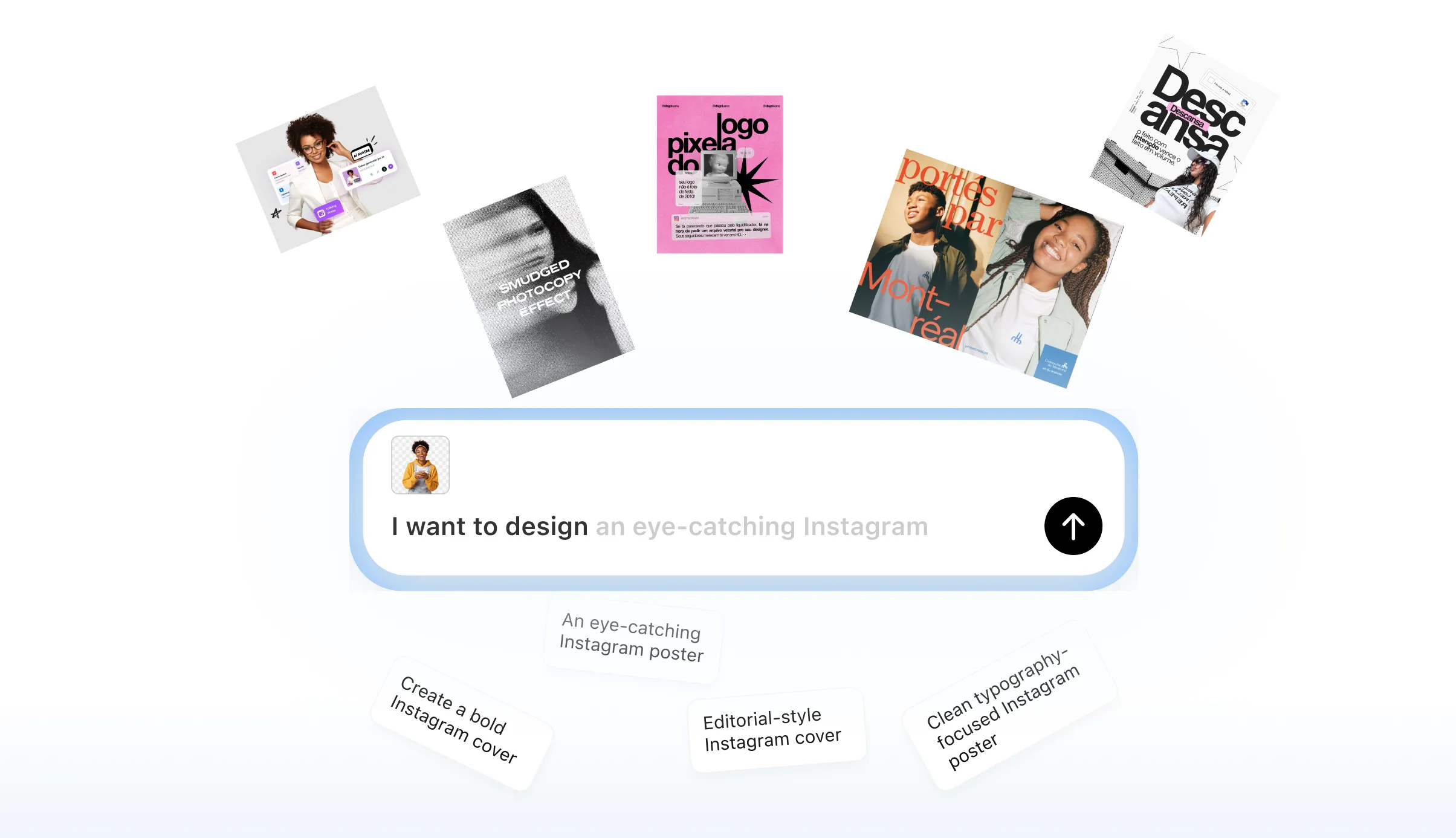
Cover All Three Campaign Phases Without Starting Over Each Time
A program launch isn't a single flyer. It runs through pre-enrollment awareness, open registration, and waitlist management — each phase needing its own message and visual focus. Rebuilding your design from scratch at every phase wastes time your staff doesn't have. A campaign generator structures each phase's assets around the same program identity, so the transition from announcement to registration deadline to waitlist confirmation feels planned, not patched together.
Try It Free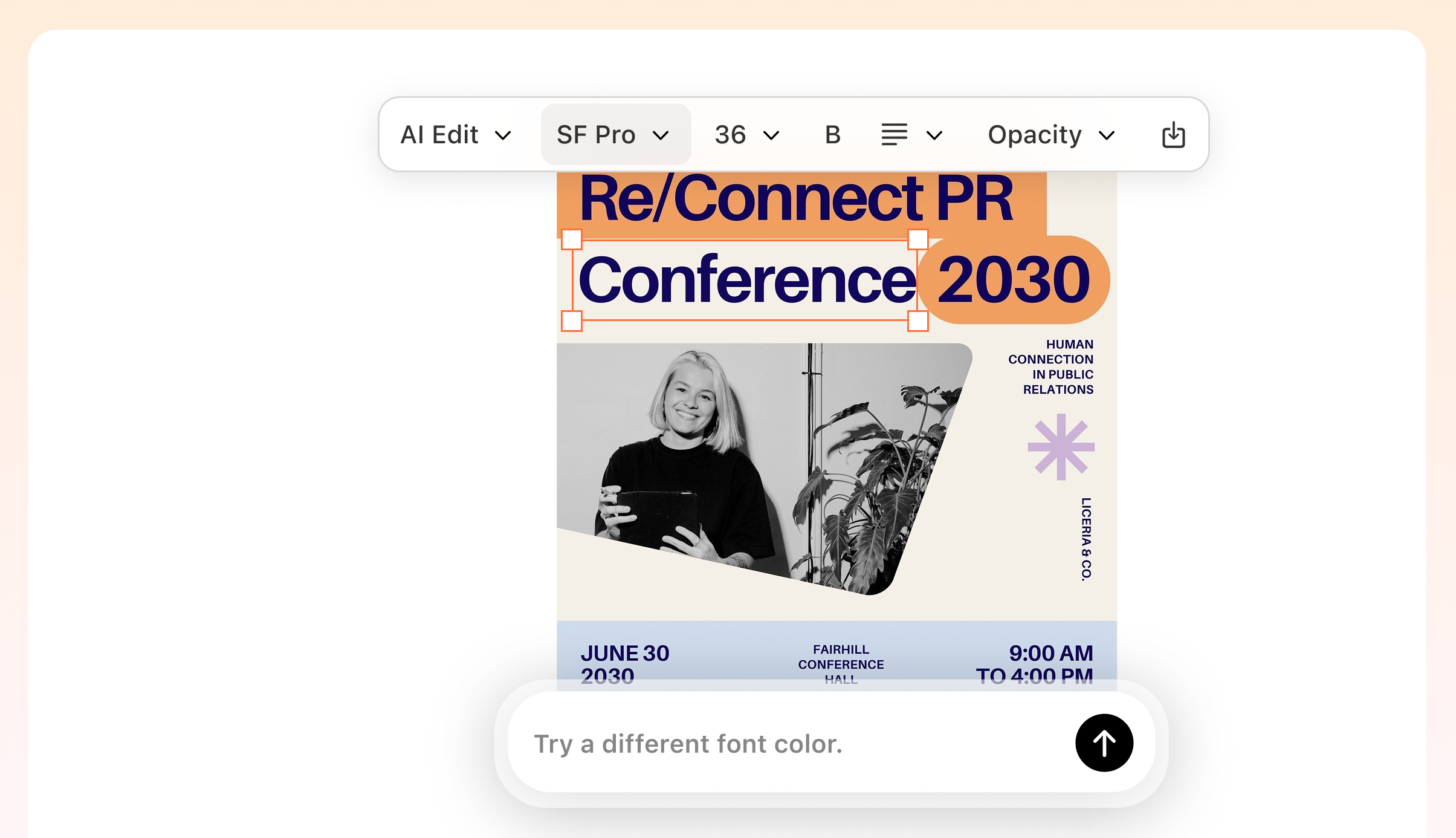
Speak to Parents, School Admins, and Community Partners Without Separate Design Projects
Parents want to know about pickup logistics and activity highlights. School administrators need eligibility criteria and capacity numbers. Community partners need subsidy disclosures and referral pathways. These are three different audiences with three different priorities, and a generic template forces you to rewrite and reformat everything manually. A content-first afterschool program marketing campaign generator lets you produce audience-specific outputs from one set of program inputs.
Try It Free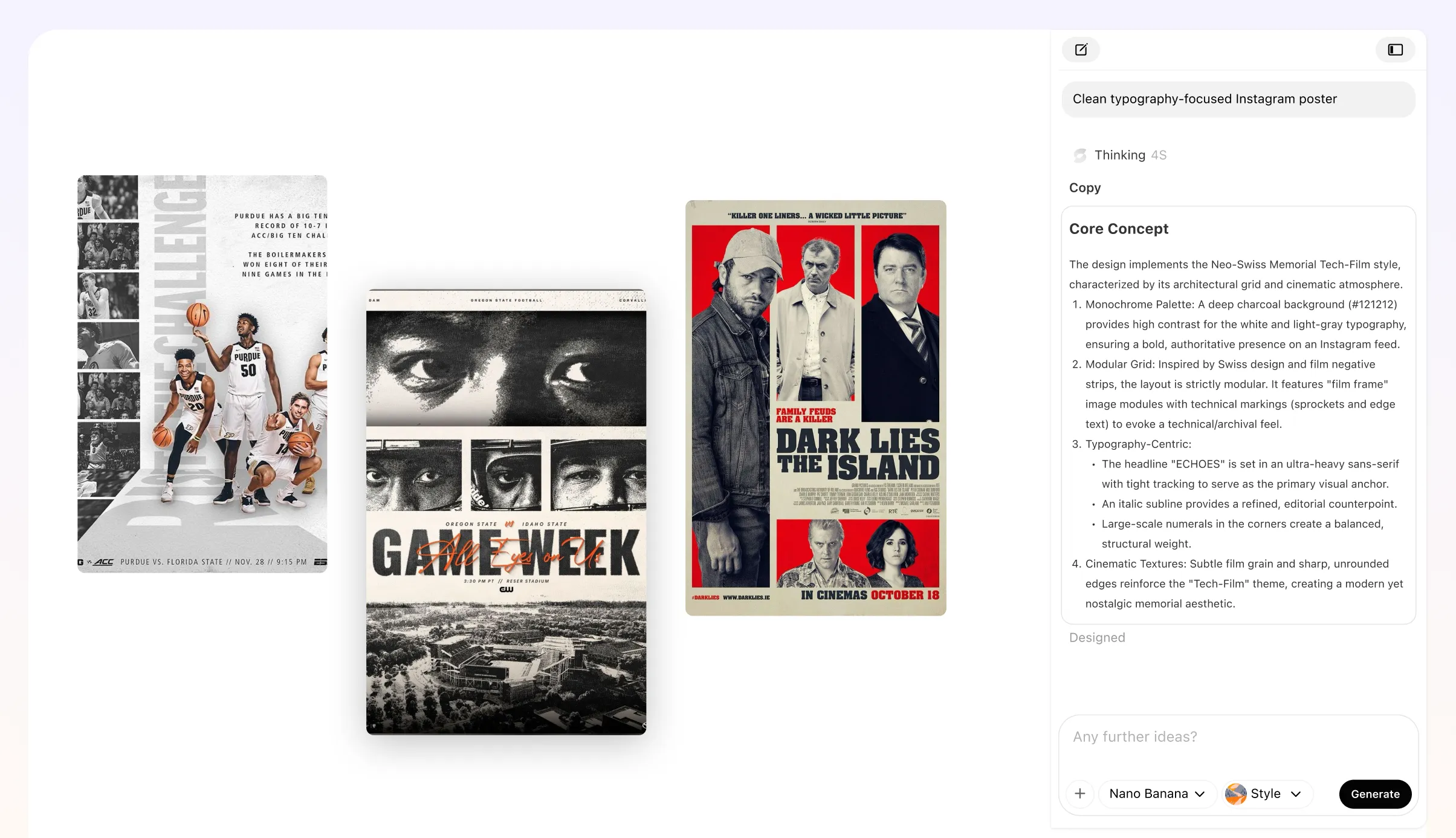
Update Capacity Numbers and Dropoff Times Without Rebuilding the Layout
Program details change — a session fills up, a pickup time shifts, an activity gets swapped. When your campaign visuals are locked into a static image, every change means starting over. Fully editable design outputs let staff update a capacity number or swap an activity description directly in the layout, then export a fresh print-ready file without touching the rest of the design.
Try It Free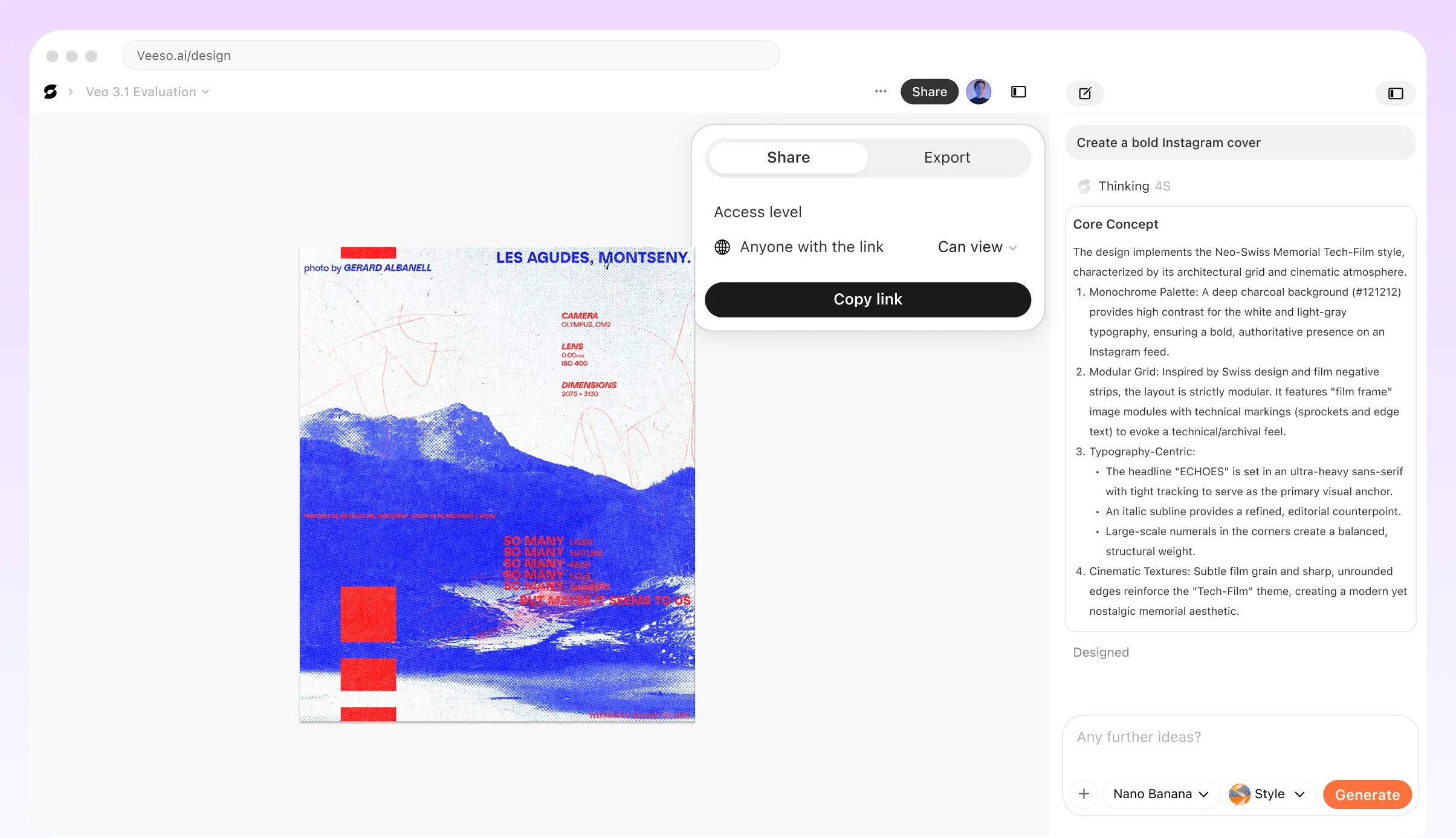
Who Uses an After School Program Launch Campaign Generator?
Elementary School Coordinator Announcing a New STEM Enrichment Program
A school coordinator launching a STEM after school program needs to reach parents who have never heard of it before. Start by drafting a short awareness flyer that names the program, the grade levels it serves, and what students will actually do each week. Follow that with a second piece that covers pickup times, eligibility criteria, and how to register. Keeping these two messages separate prevents information overload and moves parents through the enrollment campaign one step at a time. Clear, simple language matters more than design polish at this stage.
Nonprofit Childcare Director Running a Multi-Site Program Launch
When a childcare organization opens programs at several school sites in the same season, campaign materials need to stay consistent while reflecting each location's details. Build a core message around shared program values, then swap in site-specific pickup logistics, capacity limits, and eligibility tiers for each version. This approach keeps your afterschool program outreach campaign coherent across locations without rewriting everything from scratch. Parents who see the same visual style and tone across sites are more likely to trust the organization and complete registration.
Program Manager Creating a Social Media Enrollment Push Before Registration Opens
A program manager who wants to fill seats before the school year starts needs a social content plan that builds anticipation, not just announcements. Post a teaser about the learning activities curriculum a week before registration opens, then follow with a post that explains the enrollment registration workflow step by step. A third post can address common parent questions about safety and dropoff. Spacing these out gives parents time to talk to their kids and gather required documents before the deadline, which reduces last-minute signups and incomplete applications.
After School Program Staff Designing Print Flyers for a School Backpack Campaign
Printed flyers sent home in backpacks are still one of the most reliable ways to reach parents of younger children. A good flyer for an after school program launch needs a clear headline, the program's days and hours, eligibility requirements, and one specific call to action such as a registration link or a phone number. Veeso AI lets staff paste that copy directly into a layout and get a print-ready flyer without needing a designer. The output is fully editable, so staff can adjust pickup details or swap in a different site name before exporting to PDF.
Youth Enrichment Organization Building a Coordinated Email Campaign for Re-Enrollment
Families who participated last year already trust the program, but they still need a clear prompt to re-enroll. An afterschool program email campaign for returning families should open with a reminder of what their child did last session, then explain any changes to scheduling, capacity, or program structure. A second email closer to the deadline can address waitlist concerns and remind parents of the registration cutoff. Writing these emails in advance and treating them as a sequence rather than one-off messages keeps the outreach campaign organized and reduces gaps in parent communication.
School District Communications Team Launching an Enrichment Program for Middle Schoolers
Middle school families respond differently than elementary families. Parents want to know about academic support and safety, while students want to know if the program is worth their time after school. A school year enrichment program campaign aimed at this age group should include materials for both audiences. Parent-facing pieces can cover pickup logistics, program eligibility criteria, and registration steps. Student-facing pieces can highlight the activities, the social environment, and any choice or flexibility built into the schedule. Veeso AI can help the communications team produce both sets of assets with a consistent visual style across flyers and social posts.
Why after school program directors, childcare coordinators, and school enrichment managers Choose Veeso AI
How to Create High-Converting multi-phase program launch visual campaign
Map Out Your Program Details Before You Design Anything
Gather the specifics that parents and administrators actually need: age eligibility ranges, session dates, pickup and dropoff windows, activity descriptions, registration deadlines, and capacity limits. Having these details ready before you start means your campaign visuals will be accurate from the first draft, not corrected after the fact.
Choose Your Campaign Phase and Match the Right Visual Assets to It
A strong afterschool program outreach campaign runs in three phases — pre-enrollment awareness, open registration, and waitlist or capacity management. Decide which phase you're designing for first, then select or generate the asset type that fits: an announcement flyer for awareness, a registration-deadline reminder for open enrollment, or a waitlist confirmation sheet once spots fill. Building phase by phase keeps your messaging focused and avoids overwhelming parents with too much information at once.
Input Your Program Content and Generate the Campaign Layout
Enter your program name, audience, key details, and any audience-specific priorities — safety and activities for parents, eligibility tiers for school admins, subsidy information for community partners. Veeso AI arranges that content into a print-ready visual layout with a clear hierarchy, so the most important details land where readers look first.
Edit, Finalize, and Export Each Asset for Its Intended Channel
Review every text box, adjust any details that changed since you started — a capacity number, a pickup time, an activity swap — and export each asset in the format it needs: high-resolution PDF for printed flyers, PNG for digital distribution in school newsletters or neighborhood social media groups. Because every layer stays editable, you can update one asset and keep the rest of the campaign set consistent without rebuilding anything.
FAQ

Ready to Create Beautiful Coordinated Enrollment Campaign Design Kit with Veeso AI?
Start Creating NowNo credit card required • Free to start • No design skills required
Explore More AI Graphic Design Use Cases
Discover more creative design scenarios powered by Veeso AI.